
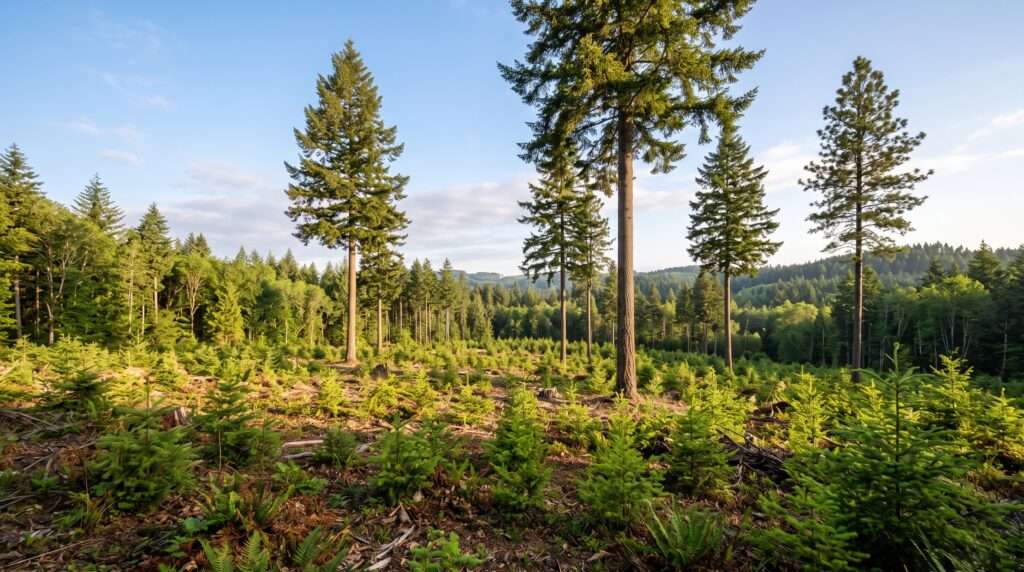
Landowners and forestry professionals often face a difficult choice: how can we harvest timber for revenue without completely devastating the ecosystem? Total clearcutting can leave a landscape barren, while artificial replanting drives up overhead costs. If you are exploring sustainable alternatives, understanding the seed tree logging pros is essential for responsible land management. This method involves leaving a select group of mature, healthy trees to naturally regenerate the forest floor, perfectly balancing ecological health with financial viability. 🌳
🌿 Rethinking Forest Harvesting: Regeneration Over Depletion
Modern silviculture emphasizes long-term regeneration over short-term depletion. The seed tree harvesting method specifically answers this call by mimicking natural forest disturbances like minor windstorms or patchy fires.
What is Seed Tree Logging? It is a sustainable silvicultural regeneration method where the majority of the timber is removed, but 2 to 10 healthy, wind-firm mature trees per acre are left standing. These “parent trees” naturally cast seeds across the prepared forest floor to establish the next generation of the woodland.
By relying on natural seed dispersal, landowners bypass the massive expenses associated with buying nursery seedlings and hiring manual planting crews.

🔍 The Mechanics: Anatomy of a Seed Tree Harvest
For this method to succeed, careful planning, site assessment, and expert tree selection are critical.
Selecting the “Parent Trees” 👑
Not just any tree can serve as a biological anchor for the future forest. Certified foresters select candidates based on strict criteria:
-
Phenotypic Superiority: Trees exhibiting straight trunks, rapid growth, and natural disease resistance ensure the next generation inherits strong genetics.
-
Windfirmness: Trees with deep, well-established root systems are chosen so they can withstand severe windstorms without the buffer of a dense canopy.
-
Reproductive Vigor: Mature, dominant trees that actively produce high volumes of cones, nuts, or wind-dispersed seeds are prioritized.
The Two-Stage Lifecycle ⏳
The operational success of this method relies on a highly strategic timeline:
-
Regeneration Cut: The primary commercial harvest takes place. This opens the canopy to allow vital sunlight in and naturally scarifies the topsoil, creating the perfect mineral bed for seeds to take root.
-
Removal or Retention: Once a robust understory of native saplings is successfully established (typically 3 to 10 years later), the seed trees are either carefully harvested or left indefinitely as “legacy trees” to provide ongoing habitat for wildlife. 🦉
🌟 The Top Advantages of the Seed Tree Logging System
When evaluating woodland management strategies, understanding the core seed tree logging pros helps landowners make informed, financially sound, and ecologically responsible decisions. This natural regeneration technique offers distinct benefits over traditional artificial planting.
1. Drastically Lower Reforestation Costs 💰🌱
The most immediate benefit for timberland owners is the sheer economic savings. Artificial reforestation requires a massive upfront investment. By relying on natural seed dispersal, you eliminate several costly steps:
-
Purchasing bare-root or containerized nursery stock.
-
Cold-storage logistics and transportation.
-
Hiring manual tree-planting labor crews.
-
Operating heavy machinery for intensive site preparation.
Letting nature do the planting drastically reduces your cost-per-acre, increasing the overall return on investment (ROI) from your timber harvest.
2. Preservation of Hyper-Local Genetics 🧬
A hidden but critical advantage of natural forest regeneration is the preservation of site-specific genetics. Nursery seedlings are often grown from broad regional seed sources, which may struggle to adapt to the specific microclimate of your property.
-
Microclimate Adaptation: On-site seeds are perfectly calibrated to your local soil chemistry, annual rainfall, and frost dates.
-
Pest & Disease Resistance: Parent trees that have survived to maturity have proven their natural resilience against native pathogens.
3. Protection of Soil Microbiomes and Erosion Control 🪱
Clearcutting can expose the forest floor to severe erosion and disrupt delicate underground ecosystems. Seed tree retention helps maintain the structural integrity of the soil.
-
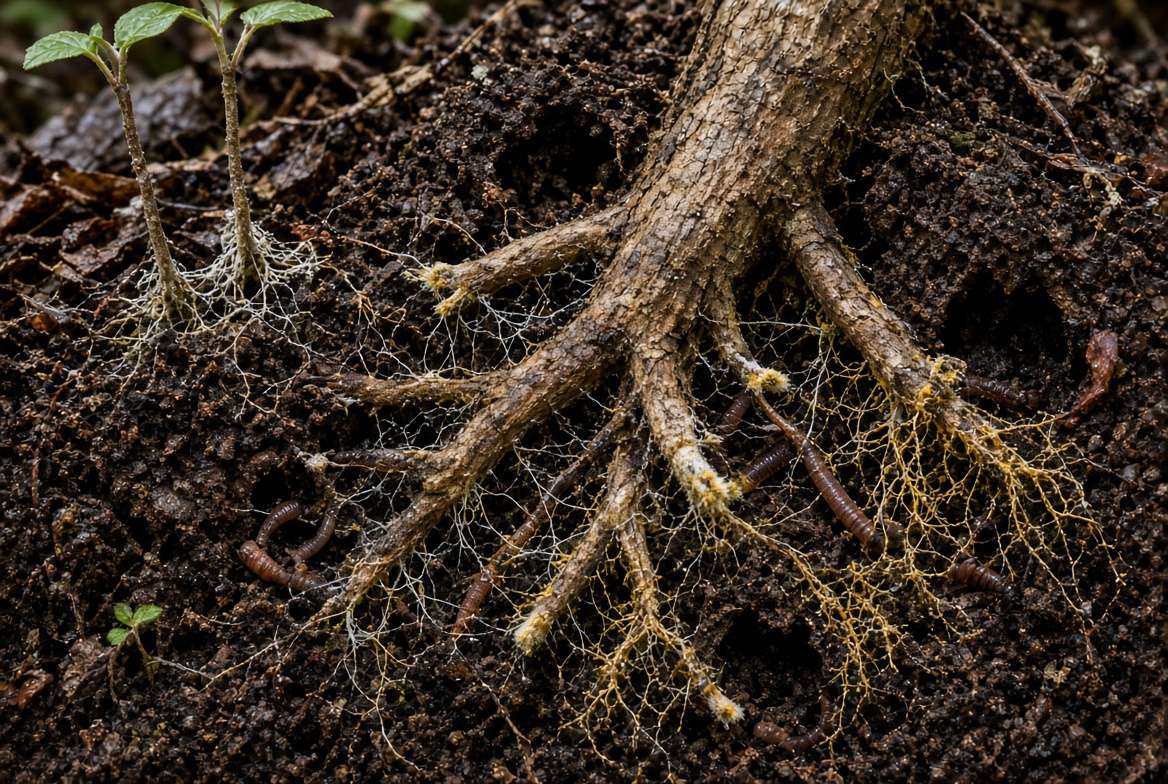
Mycorrhizal Networks: The living roots of retained parent trees sustain beneficial fungi that supply nutrients to emerging saplings.
-
Root Stabilization: Deep-rooted mature trees act as anchors, preventing topsoil runoff into nearby watersheds during heavy rains.
4. Habitat Continuity & Aesthetic Appeal 🦉🏞️
Unlike a barren clearcut, leaving majestic seed trees preserves the visual horizon line, making it highly preferred for aesthetic reasons. Ecologically, these remaining trees provide essential vertical structure. They serve as critical perches for raptors, nesting sites for songbirds, and foraging grounds for small mammals, ensuring wildlife habitat is never completely interrupted.
📊 Comparative Breakdown: Choosing the Right Silvicultural System
Selecting the correct harvest framework depends on tree biology, topographical factors, and your financial goals. Comparing seed tree logging pros against other even-aged management techniques highlights where this strategy excels. 🛠️
Seed Tree vs. Clearcutting vs. Shelterwood: Quick Reference
When Seed Tree Logging Outperforms Shelterwood Systems ☀️
While shelterwood harvests retain a higher density of canopy trees to shade fragile young saplings, the seed tree system provides maximum solar access. For pioneer species that require intense sunlight to germinate, seed tree logging allows faster initial growth without requiring multiple micro-harvest entries that can damage emerging root zones.
When Clearcutting Might Still Be Unavoidable ⚠️
Seed tree harvesting relies heavily on wind firmness. If your stand consists primarily of shallow-rooted species in high-wind corridors, residual parent trees may blow down before they can successfully cast seeds. In such high-risk environmental conditions, a controlled clearcut followed by manual hand-planting remains the safer alternative.
🌲 Ideal Species & Stand Conditions
Not every tree species or woodlot is an ideal candidate for this natural regeneration strategy. Success relies on understanding seed dispersal mechanics and environmental characteristics. 🧭
Shade-Intolerant Conifers & Hardwoods 🪵
Seed tree management thrives when applied to pioneer tree species that demand full sunlight and produce light, wind-borne seeds.
-
Conifers: Loblolly pine (Pinus taeda), Longleaf pine (Pinus palustris), Shortleaf pine, Lodgepole pine, and select varieties of Douglas-fir.
-
Hardwoods: Yellow-poplar (Liriodendron tulipifera), Sweetgum, Green ash, and White birch.
Assessing Your Land: Slope, Soil Depth, and Wind Exposure 🧭
To determine if your woodlot is ready for a seed tree prescription, evaluate these three physical site conditions:
-
Soil Anchor Depth: Ensure soils are deep and well-drained. Shallow, saturated clay soils reduce root anchor strength, significantly increasing blowdown risk.
-
Topographical Elevation: Ridge tops and open, elevated slopes experience violent wind shear. Position parent tree selections on mid-slope benches or protected basins where possible.
-
Seedbed Conditions: Thick layers of un-decomposed leaf litter prevent seeds from reaching true mineral soil. Mechanical soil scarification during the harvest is essential to create a viable seedbed.
🛠️ Landowner Action Plan: Maximizing Seed Tree Success
Implementing a successful natural regeneration strategy requires more than just leaving a few trees standing. To fully capitalize on seed tree logging pros, woodlot owners and forestry managers must follow a precise sequence of silvicultural steps. 📋
Step 1: Seedbed Preparation and Soil Health Management 🍂
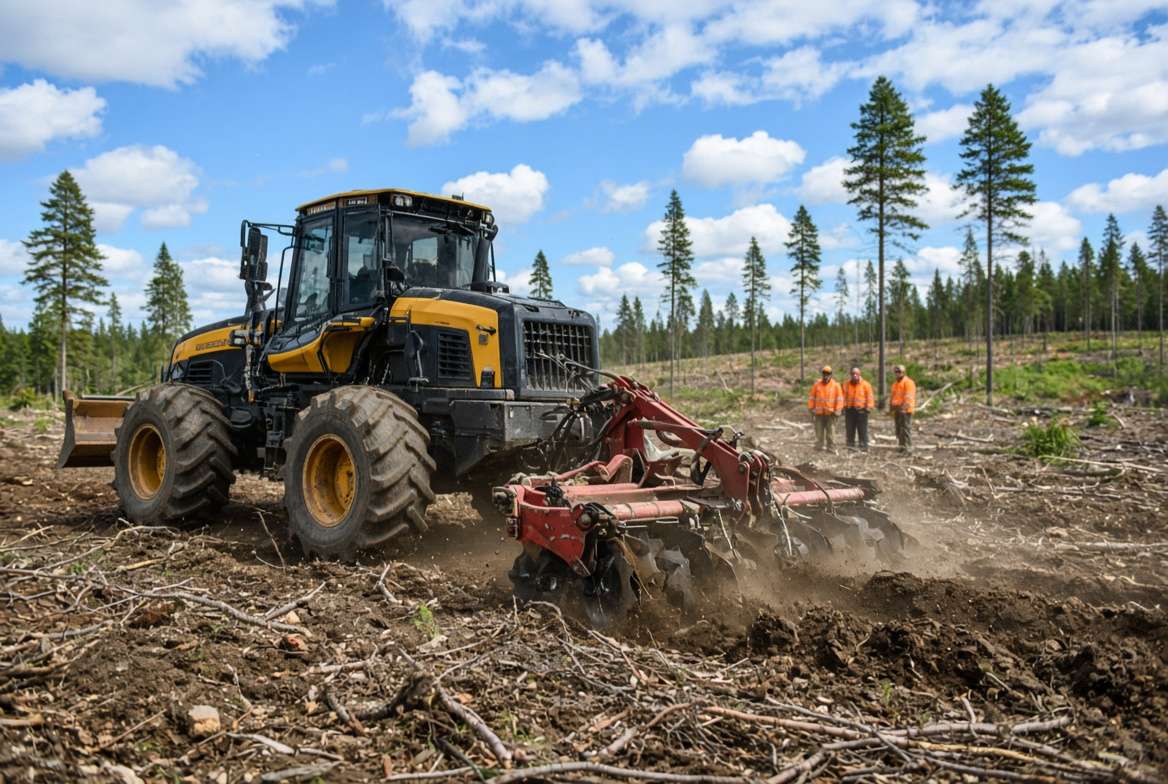
Wind-blown seeds cannot penetrate thick layers of undisturbed leaf litter or heavy logging slash. True success begins with exposing the bare mineral soil to ensure direct seed-to-soil contact. During the logging operation, the intentional dragging of harvested logs (skidding) can lightly scarify the ground. However, active soil health management is often required. Conducting proper soil diagnostics before and after the harvest ensures the topsoil isn’t overly compacted by machinery, which would prevent delicate new roots from penetrating the earth.
Step 2: Timing the Harvest Around “Mast Years” 🌰
Trees do not produce seeds evenly every year. They operate on cycles of bumper crops known as “mast years.”
-
The Strategy: Have a consulting forester evaluate the canopy to predict a heavy seed-producing year. Scheduling your regeneration cut just before or during a mast year guarantees a massive influx of seeds onto your newly prepared forest floor, outcompeting unwanted weeds.
Step 3: Competing Vegetation Control 🌿
Once sunlight hits the forest floor, it triggers the growth of everything—not just your desired timber species.
-
The Challenge: Invasive brush, aggressive ferns, and fast-growing blackberries can quickly choke out tiny tree seedlings.
-
The Solution: Targeted herbicide application, controlled prescribed burns, or mechanical brush clearing during the first two to three years will give your seed trees’ offspring the head start they need.
Step 4: Seedling Density Auditing 🔍
A successful harvest requires follow-up monitoring. Conduct a formal seedling count (often called a regeneration survey) at Year 1 and Year 3. If natural regeneration is too sparse due to a failed seed crop or extreme drought, you may need to supplement with targeted hand-planting. If it is too dense, a pre-commercial thinning might be necessary down the road to prevent stagnation.
❓ Frequently Asked Questions (FAQ)
Do seed trees have to be cut down later? 🪓 Not necessarily! Historically, the “removal cut” was standard practice to extract the final timber value once saplings were established. Today, many landowners opt to retain them as “permanent biological legacies.” Leaving them standing provides incredible visual appeal and continuous wildlife habitat without risking damage to the new understory during a second logging operation.
How does seed tree logging affect local bird populations? 🦅 It is highly beneficial compared to clearcutting. The remaining mature trees provide critical perches for raptors (like hawks and owls) to hunt over the newly opened clearing. As the dense sapling understory grows, it creates ideal nesting grounds for shrub-land songbirds, significantly boosting local avian biodiversity.
Can this method be used on small residential woodlots? 🏡 Yes, but with caveats. On tracts smaller than 5 acres, wind dynamics change, and the edges of the property might not provide enough buffer. However, careful selection of deep-rooted species can make it a viable, highly aesthetic option for smaller acreages focused on plant care and continuous canopy management.
What is the main risk of seed tree logging, and how is it mitigated? 🌬️ The primary risk is windthrow (trees being blown over by high winds). Because the parent trees suddenly lose the windbreak protection of their neighbors, they are vulnerable. This is mitigated by selecting trees with excellent taper, deep roots, and prioritizing mid-slope locations rather than exposed ridge lines.
🍃 Smart Stewardship: Growing Tomorrow’s Forest Today
Forestry is ultimately a game of patience and legacy. When weighing your options, the seed tree logging pros—from drastically lowered reforestation costs and the preservation of vital local genetics, to the protection of subterranean soil health—make it a remarkably smart choice for sustainable forest renewal.
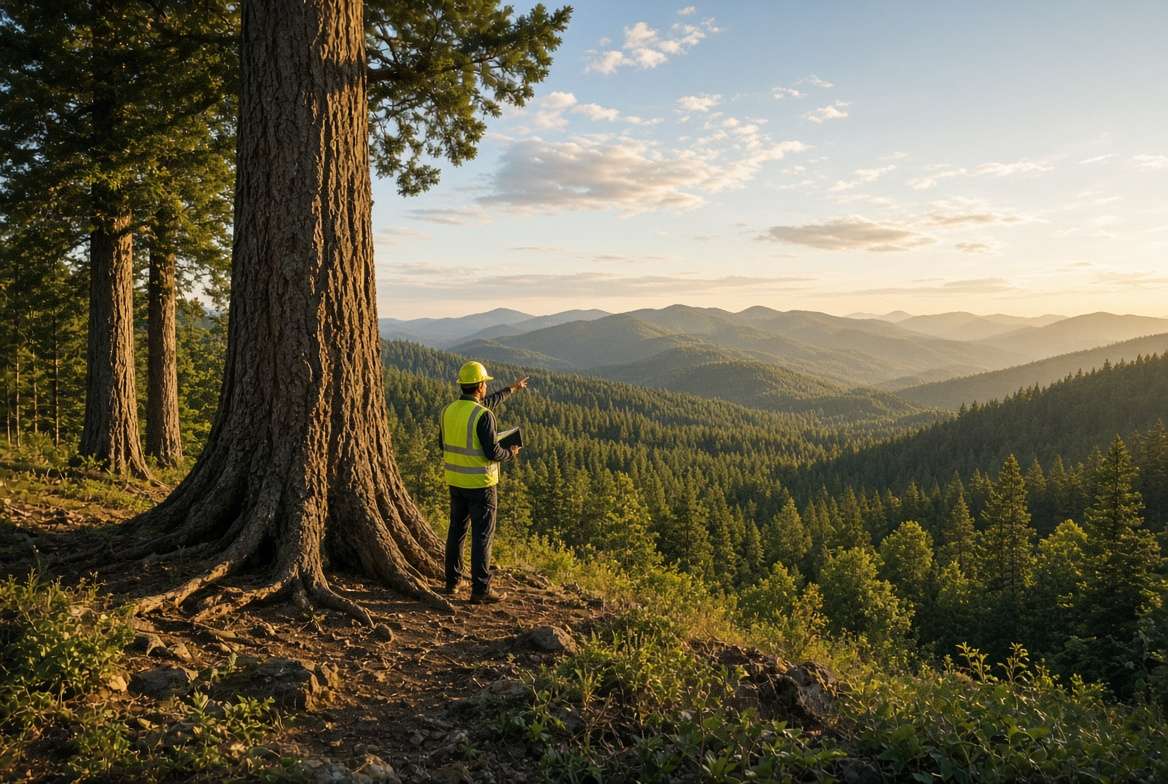
It allows landowners to generate timber revenue while actively partnering with nature to re-seed the next generation of the woodland. Instead of a barren landscape, you are left with a resilient, dynamic ecosystem that begins renewing itself the very day the harvest is complete. 🌲
Your Next Step: Before scheduling any timber harvest, contact a SAF-certified consulting forester or your local university extension office. They can help you assess your soil, identify your best parent trees, and draft a silvicultural prescription tailored perfectly to your land’s unique profile.











