
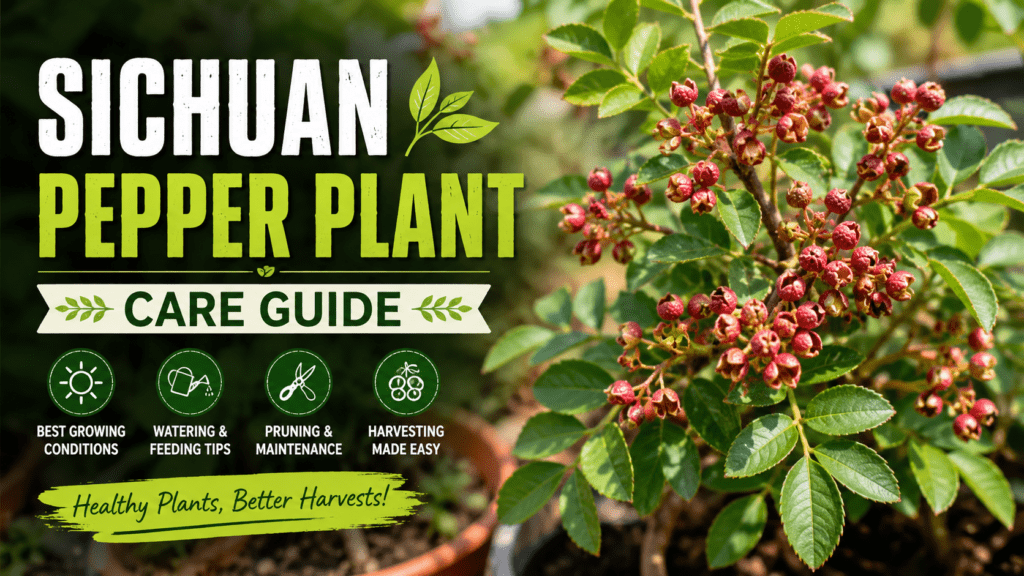
Have you ever tasted the electrifying citrusy “buzz” of Sichuan pepper and wondered if you could grow it at home? 🌱✨ Surprisingly, many gardeners don’t realize that the sichuan pepper plant is not only beautiful and productive, but also relatively easy to grow with the right care. Whether you want fresh peppercorns for cooking, an exotic ornamental shrub, or a unique edible landscape plant, this fascinating species can become one of the most rewarding additions to your garden.
Still, many people struggle with yellowing leaves, poor growth, lack of pepper production, or winter damage. The good news? Most of these problems are completely preventable when you understand the plant’s natural growing habits and care requirements.
In this complete expert guide, you’ll learn everything you need to know about growing a thriving Sichuan pepper plant — from soil and sunlight to pruning, harvesting, pest prevention, and seasonal care. 🌿🪴
🌱 What Is a Sichuan Pepper Plant?
The Sichuan pepper plant is a deciduous shrub or small tree from the Zanthoxylum genus, native to China and other parts of Asia. Despite its name, it is not related to black pepper at all. Instead, it belongs to the citrus family, which explains its bright lemony aroma and unique tingling sensation.
The plant produces reddish husks commonly known as Sichuan peppercorns, widely used in Chinese, Tibetan, Nepali, and Japanese cuisines. 🌶️🍜
🌿 Botanical Background
Common Names
- Sichuan pepper plant
- Chinese prickly ash
- Szechuan pepper tree
- Japanese pepper tree (related species)
Botanical Names
- Zanthoxylum simulans
- Zanthoxylum piperitum
Mature Size
- Height: 8–15 feet
- Width: 6–12 feet
Growth Habit
The plant grows as:
- A thorny shrub
- Multi-stemmed small tree
- Decorative edible landscape feature
Its glossy leaves, fragrant flowers, and colorful pepper husks make it both ornamental and functional. 🌸
🌟 Why Gardeners Love Growing Sichuan Pepper Plants
The popularity of edible landscaping and exotic spice gardening has made Sichuan pepper plants increasingly desirable among home gardeners.
✨ Key Benefits
🍋 Unique Flavor
The peppercorns create a citrusy, numbing effect unlike any other spice.
🌿 Low Maintenance
Once established, the plant is surprisingly resilient.
🐝 Pollinator Friendly
Small flowers attract beneficial insects and pollinators.
🪴 Great for Containers
You can successfully grow it in large pots or raised beds.
🌳 Ornamental Beauty
The plant adds texture and visual interest to gardens.
☀️ Best Growing Conditions for a Healthy Sichuan Pepper Plant
One of the biggest secrets to success is recreating the plant’s preferred natural environment. Fortunately, the Sichuan pepper plant adapts well to many climates when given proper care.
🌡️ Ideal Climate and USDA Zones
Sichuan pepper plants grow best in:
- USDA Zones 6–10
- Moderate climates
- Areas with warm summers and cool winters
They tolerate light frost surprisingly well once mature. However, young plants may need winter protection during extreme cold snaps. ❄️
🌞 Temperature Preferences
Best Growth Range
- 60°F–85°F (15°C–29°C)
Cold Tolerance
- Mature plants can survive around 0°F (-18°C)
Heat Tolerance
- Moderate heat tolerance with proper watering
☀️ Sunlight Requirements
Proper sunlight is critical for:
- Healthy foliage
- Strong flowering
- Pepper production
🌞 Outdoor Sunlight
The plant thrives in:
- Full sun (6–8 hours daily)
- Partial shade in very hot climates
Too much shade often leads to:
- Weak growth
- Fewer flowers
- Reduced pepper harvests
🪴 Indoor Lighting
If growing indoors:
- Place near a south-facing window
- Use grow lights during winter
- Rotate the container regularly
🌱 Best Soil for Sichuan Pepper Plants
Healthy roots are the foundation of a productive plant. Poor soil is one of the most common reasons for growth problems.
🌿 Ideal Soil Conditions
Best Soil Type
- Well-draining loamy soil
Soil pH
- Slightly acidic to neutral
- pH 6.0–7.0
Avoid
❌ Heavy clay soil
❌ Waterlogged conditions
❌ Compact garden beds
🪴 Perfect Soil Mix Recipe
For container growing, use:
- 40% high-quality potting soil
- 30% compost
- 20% coarse sand or perlite
- 10% bark fines
This combination improves:
- Drainage
- Aeration
- Nutrient retention
🌱 How to Plant a Sichuan Pepper Plant Properly
Proper planting helps establish a strong root system early, which directly impacts long-term growth and pepper production.

🌰 Growing From Seeds
Growing from seed requires patience but can be rewarding.
🌱 Seed Preparation
Sichuan pepper seeds need cold stratification to germinate properly.
Steps:
- Soak seeds for 24 hours
- Place in moist sand or paper towel
- Refrigerate for 6–8 weeks
- Sow in warm soil afterward
⏳ Germination Time
- Usually 3–8 weeks
⚠️ Common Mistakes
- Skipping stratification
- Overwatering seedlings
- Using dense soil
🪴 Growing From Nursery Plants or Cuttings
For beginners, this is the easiest and fastest method.
🌿 Benefits
- Faster establishment
- Earlier pepper production
- Lower failure rate
🌱 Transplanting Tips
- Plant during spring or early fall
- Water deeply after planting
- Mulch around the base
📍 Step-by-Step Planting Instructions
🌱 In-Ground Planting
Step 1: Choose the Right Location
Select a sunny, well-drained spot.
Step 2: Dig a Wide Hole
Make the hole twice as wide as the root ball.
Step 3: Improve the Soil
Mix compost into native soil.
Step 4: Plant at Correct Depth
Keep the root crown level with the soil surface.
Step 5: Water Thoroughly
Deep watering reduces transplant shock.
Step 6: Mulch Around the Plant
Use organic mulch while keeping it away from the trunk.
💧 Watering and Feeding Your Sichuan Pepper Plant
Improper watering is one of the most common causes of unhealthy plants. Finding the right balance is essential. 🌿
🚿 How Often Should You Water?
🌱 Young Plants
Water:
- 2–3 times weekly during establishment
🌳 Mature Plants
Water:
- Deeply once weekly
- More during extreme heat
⚠️ Signs of Overwatering
Common Symptoms
- Yellow leaves 🍂
- Root rot smell
- Wilting despite wet soil
- Mushy roots
🌵 Signs of Underwatering
Watch for:
- Crispy leaf edges
- Drooping leaves
- Dry soil several inches deep
Consistency matters more than frequency.
🌿 Best Fertilizers for Sichuan Pepper Plants
Feeding supports:
- Leaf growth
- Flower production
- Healthier peppercorns
🌱 Best Fertilizer Types
Organic Options
- Compost
- Worm castings
- Fish emulsion
Balanced Fertilizers
Use:
- 10-10-10 fertilizer
- Slow-release granular feed
📅 Feeding Schedule
Spring
Apply balanced fertilizer as new growth emerges.
Summer
Feed lightly every 4–6 weeks.
Fall
Stop fertilizing to prepare for dormancy.
✂️ Pruning and Maintenance Tips for Stronger Growth

Pruning improves:
- Air circulation
- Shape
- Sunlight penetration
- Pepper production
✂️ When to Prune
The best time is:
- Late winter
- Early spring before new growth
Avoid heavy pruning during active flowering.
🌿 How to Prune Correctly
Remove:
- Dead branches
- Crossing limbs
- Weak stems
- Diseased growth
Shape the Plant
Maintain an open-center structure to improve airflow.
🧤 Safety Tip: Beware of Thorns
Sichuan pepper plants develop sharp thorns.
Always use:
- Thick gloves
- Long sleeves
- Sharp pruning shears
🪴 Growing Sichuan Pepper Plants Indoors vs Outdoors
One reason this plant is gaining popularity is its versatility. It adapts well to both outdoor gardens and container culture.
🪴 Indoor Growing Guide
Indoor growing works best when you provide enough light and airflow.
🌞 Best Indoor Placement
- South-facing window
- Bright sunroom
- Heated greenhouse
💡 Grow Light Tips
Use LED grow lights during:
- Winter
- Cloudy seasons
Aim for:
- 12–14 hours daily
💦 Indoor Humidity Tips
Dry indoor air may cause:
- Leaf curling
- Brown edges
Increase humidity with:
- Pebble trays
- Humidifiers
- Grouping plants together
🌳 Outdoor Growing Guide
Outdoor plants usually grow larger and produce more peppercorns.
🌿 Best Outdoor Conditions
- Full sun
- Sheltered from strong winds
- Rich, well-drained soil
🌸 Companion Plants
Great companions include:
- Lavender
- Thyme
- Marigolds
- Sage
These plants help attract pollinators and beneficial insects. 🐝
🍃 Common Sichuan Pepper Plant Problems and How to Fix Them
Even healthy plants occasionally face issues. The key is early identification and proper treatment.

🍂 Yellow Leaves
Yellow leaves are usually caused by:
🚿 Overwatering
The most common culprit.
Fix:
- Let soil dry slightly
- Improve drainage
- Reduce watering frequency
🌱 Nutrient Deficiency
Especially nitrogen deficiency.
Fix:
- Apply balanced fertilizer
- Add compost
🪴 Poor Drainage
Roots suffocate in soggy soil.
Fix:
- Amend soil with perlite or sand
🐛 Common Pests and Diseases
Aphids
Small insects that suck sap from leaves.
Treatment:
- Neem oil
- Insecticidal soap
- Strong water spray
Spider Mites
Often appear during hot, dry weather.
Symptoms:
- Tiny webs
- Speckled leaves
Treatment:
- Increase humidity
- Use horticultural oil
Root Rot
Usually caused by excess moisture.
Prevention:
- Well-draining soil
- Proper watering habits
🌸 Flowering and Pepper Production
Most gardeners dream of harvesting their own Sichuan peppercorns. Thankfully, productive plants are achievable with patience and proper care. 🌶️✨
🌸 Flowering and Pepper Production
One of the most exciting stages of growing a sichuan pepper plant is watching it flower and eventually produce aromatic pepper husks. While the process requires patience, a mature and healthy plant can reward you with abundant harvests year after year. 🌿✨

⏳ When Does a Sichuan Pepper Plant Start Producing?
Most Sichuan pepper plants begin producing peppercorns within:
- 2–4 years from nursery-grown plants
- 4–6 years from seed-grown plants
Several factors influence production speed:
- Sunlight exposure ☀️
- Soil quality 🌱
- Water consistency 💧
- Pruning habits ✂️
- Climate conditions 🌡️
Young plants often focus on root and branch development before heavy flowering begins.
🌼 What Do the Flowers Look Like?
The flowers are:
- Small
- Yellow-green
- Lightly fragrant
They typically bloom during:
- Late spring
- Early summer
While not showy, these blooms are essential because they later develop into the famous reddish pepper husks.
🌿 How to Encourage More Flowers and Peppers
Many gardeners accidentally limit their harvest potential through improper care. Here are proven ways to increase flowering and pepper production.
☀️ 1. Maximize Sunlight Exposure
The biggest factor in pepper production is sunlight.
Best Practice:
Provide:
- 6–8 hours of direct sunlight daily
Plants grown in heavy shade often produce:
- Fewer flowers
- Weak branches
- Smaller harvests
🌱 2. Feed the Plant Correctly
Too much nitrogen creates:
- Excess leafy growth
- Fewer flowers
Instead, use:
- Balanced fertilizers
- Compost-rich soil
- Low-nitrogen bloom boosters during flowering
✂️ 3. Prune Strategically
Good pruning improves:
- Airflow
- Sun penetration
- Flower development
Remove:
- Crowded branches
- Weak stems
- Dead wood
Avoid aggressive pruning right before flowering season.
💧 4. Maintain Consistent Moisture
Stress from inconsistent watering may reduce flowering.
The goal:
✅ Moist but not soggy soil
❌ Waterlogged roots
❌ Bone-dry conditions
Mulching helps stabilize soil moisture beautifully. 🌿
🌸 Pollination Explained
Some varieties of Sichuan pepper plants are:
- Self-fertile
- Partially self-pollinating
However, planting multiple plants nearby can improve:
- Pollination rates
- Pepper production
- Fruit quality
Pollinators like bees and hoverflies also help tremendously. 🐝
🚫 Why Your Sichuan Pepper Plant Isn’t Producing Peppers
This is one of the most common frustrations among gardeners.
⚠️ Common Causes
🌑 Insufficient Sunlight
Too much shade limits flowering.
🌱 Plant Is Too Young
Immature plants need time before fruiting.
✂️ Incorrect Pruning
Over-pruning removes flowering wood.
🪴 Root Stress
Root-bound container plants may struggle.
🌡️ Temperature Extremes
Late frosts can damage flowers.
🧺 How and When to Harvest Sichuan Peppers
Harvesting at the right time dramatically improves flavor, aroma, and quality. 🌶️

🌶️ Signs the Peppers Are Ready
Sichuan pepper husks are ready when they:
- Turn reddish-pink
- Split open naturally
- Feel dry and papery
Inside, you’ll notice shiny black seeds.
⚠️ Important:
The flavorful part is the outer husk, not the seed itself.
✂️ Proper Harvesting Techniques
🌿 Step-by-Step Harvesting
1. Wear Gloves
The branches are thorny.
2. Use Sharp Pruners
Cut entire clusters gently.
3. Handle Carefully
Avoid crushing the husks.
4. Harvest During Dry Weather
This prevents mold issues.
🌞 How to Dry Sichuan Peppercorns
Drying intensifies:
- Aroma
- Flavor
- Shelf life
🌿 Air-Drying Method
Steps:
- Spread husks on a tray
- Place in a warm, dry location
- Stir daily
- Dry for 5–10 days
🔥 Low-Heat Drying
You can also use:
- Food dehydrators
- Low-temperature ovens
Keep temperatures under:
- 120°F (49°C)
High heat may damage flavor compounds.
🫙 How to Store Sichuan Peppercorns
For maximum freshness:
- Store in airtight containers
- Keep away from sunlight
- Avoid humidity
Shelf Life
- Best flavor within 1 year
Whole husks stay aromatic much longer than ground spice.
❄️ Winter Care and Seasonal Maintenance
Cold weather care is essential, especially for younger plants. 🌨️
🌨️ Protecting Plants From Frost
Mature plants tolerate moderate cold, but protection improves survival and spring recovery.
🌿 Winter Protection Tips
Apply Mulch
Use:
- Straw
- Bark chips
- Leaf mulch
Mulch protects roots from freezing temperatures.
Cover During Hard Frosts
Use:
- Frost cloth
- Burlap wraps
Especially important for:
- Young plants
- Potted specimens
🪴 Indoor Overwintering Tips
Container-grown plants are easier to protect.
🌡️ Best Indoor Conditions
Move indoors before:
- First severe frost
Place in:
- Bright window
- Cool sunroom
- Greenhouse
💧 Winter Watering
Reduce watering during dormancy.
The soil should remain:
- Slightly moist
- Never soaked
Overwatering in winter is a major cause of root rot.
📅 Seasonal Care Checklist
🌸 Spring
✅ Fertilize lightly
✅ Prune dead branches
✅ Refresh mulch
☀️ Summer
✅ Water deeply
✅ Watch for pests
✅ Monitor flowering
🍂 Fall
✅ Harvest peppercorns
✅ Reduce fertilizer
✅ Prepare winter protection
❄️ Winter
✅ Protect roots
✅ Limit watering
✅ Avoid heavy pruning
🌟 Expert Tips for Growing a Thriving Sichuan Pepper Plant
After years of cultivation, many experienced gardeners agree that small adjustments can make a huge difference in plant health and productivity. 🌿
🚫 Mistakes Beginners Should Avoid
💦 Overwatering
The number one killer of Sichuan pepper plants.
Better Approach:
Water deeply but less frequently.
🌑 Planting in Too Much Shade
Low sunlight reduces:
- Flowering
- Growth
- Pepper production
🪴 Ignoring Drainage
Compacted soil suffocates roots quickly.
Always prioritize:
- Aeration
- Drainage
- Loose soil structure
✂️ Excessive Pruning
Heavy pruning may delay flowering.
Focus on:
- Maintenance pruning
- Shape control
- Deadwood removal
🌱 Pro Gardening Tips for Bigger Harvests
🌿 Add Compost Annually
Improves:
- Soil fertility
- Moisture retention
- Root health
🐝 Encourage Pollinators
Plant nearby:
- Lavender
- Bee balm
- Marigolds
This improves pollination naturally.
🌞 Rotate Container Plants
Rotating pots ensures balanced sun exposure.
🌱 Use Organic Mulch
Mulching:
- Stabilizes soil temperature
- Reduces weeds
- Conserves moisture
🌿 Best Companion Plants for Sichuan Pepper
Companion planting creates healthier ecosystems.
🌸 Excellent Companion Plants
Lavender
Repels pests and attracts pollinators.
Thyme
Improves ground coverage.
Marigolds
Discourage harmful insects.
Sage
Pairs well in drought-tolerant gardens.
🧠 Frequently Asked Questions About Sichuan Pepper Plants
❓ How long does a Sichuan pepper plant live?
With proper care, the plant can live:
- 20 years or more 🌳
❓ Can Sichuan pepper plants grow in pots?
Yes! Large containers work very well if they provide:
- Excellent drainage
- Enough sunlight
- Occasional repotting
❓ Are Sichuan pepper plants toxic to pets?
The plant is generally considered low-risk, but the thorny branches can injure curious pets. Always supervise animals around garden plants.
❓ Why are my Sichuan pepper plant leaves turning yellow?
Common reasons include:
- Overwatering
- Poor drainage
- Nutrient deficiencies
- Root stress
❓ How long does it take to harvest Sichuan peppers?
Typically:
- 2–6 years depending on growing method and conditions
❓ Do Sichuan pepper plants need full sun?
Yes, they grow best with:
More sunlight usually means better flowering and harvests. ☀️
📋 Quick Sichuan Pepper Plant Care Summary
| Care Factor | Best Practice |
|---|---|
| Sunlight | 6–8 hours daily |
| Soil | Well-draining loam |
| Watering | Deep but infrequent |
| USDA Zones | 6–10 |
| Fertilizer | Balanced organic feed |
| Pruning Time | Late winter |
| Harvest Season | Late summer to fall |
🌟 Final Thoughts: Is the Sichuan Pepper Plant Worth Growing?
Absolutely. 🌿✨
The sichuan pepper plant is one of the most rewarding edible landscape plants for adventurous gardeners. It combines:
- Ornamental beauty 🌳
- Culinary value 🌶️
- Pollinator benefits 🐝
- Relatively low-maintenance care 🌱
Whether you grow it in a backyard garden or a sunny patio container, this fascinating plant can provide years of unique harvests and visual appeal.
The biggest keys to success are simple:
✅ Well-draining soil
✅ Plenty of sunlight
✅ Consistent watering
✅ Smart pruning
✅ Patience during establishment
Once mature, your Sichuan pepper plant can become a productive, eye-catching centerpiece in your edible garden.
With the right care, you’ll enjoy fresh homegrown Sichuan peppercorns that are far more aromatic and flavorful than store-bought versions. 🌶️💚











