
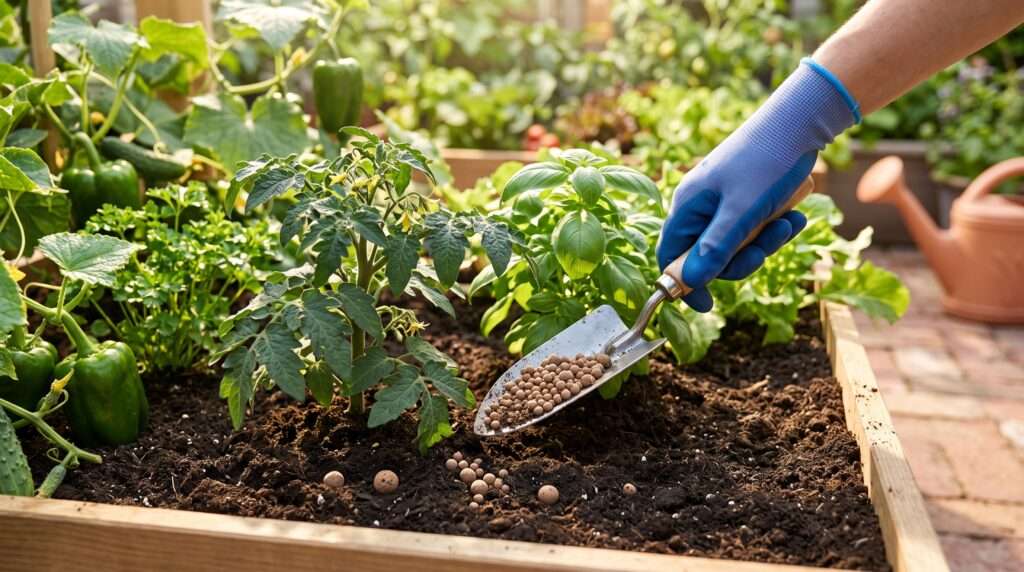
If you have ever watched a thriving tomato plant suddenly turn yellow and crisp after a heavy dose of liquid fertilizer, you know the absolute heartbreak of nutrient burn. As a passionate gardener, you want to grow lush, flavorful basil, crisp lettuce, and plump, juicy bell peppers without spending hours mixing messy, precise liquid feeds every single week. The secret to achieving a highly productive, vibrant edible garden with a fraction of the effort? Using slow-release pellets for herbs and veggies. 🌿
Whether you are cultivating a sprawling backyard food forest or maintaining a few prized terracotta pots on a sunny balcony, providing consistent, reliable nutrition is the foundation of plant health. This comprehensive guide will walk you through the science, the application strategies, and the expert secrets to using granular slow-release fertilizers to maximize your harvest this season. 👩🌾🚜
The Science Behind the Magic: How Do Slow-Release Pellets Work? 🔬
To truly master your garden’s soil health, it is essential to understand exactly what happens when you mix those little round granules into your potting soil or raised beds. Unlike water-soluble liquid fertilizers that flood the plant’s root zone with an instant (and quickly depleting) rush of nutrients, slow-release pellets are designed for the marathon, not the sprint. 🐢
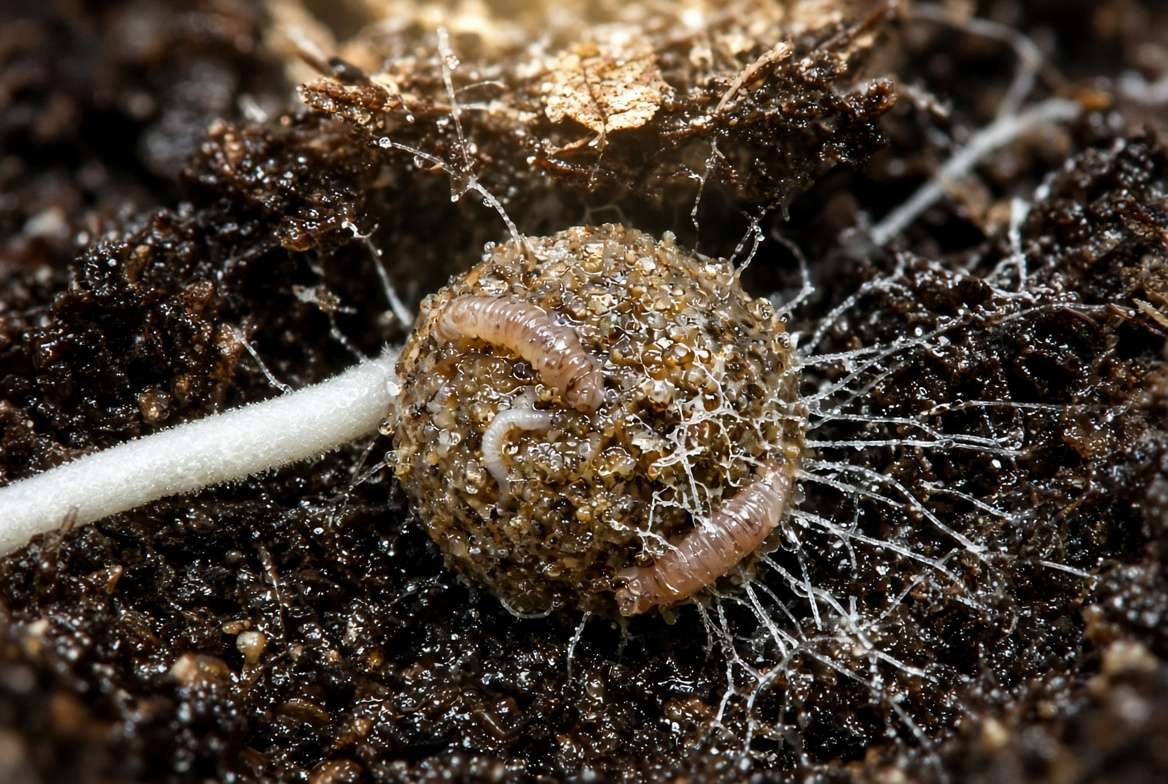
1. The Coating and Breakdown Process
Most high-quality slow-release fertilizers consist of concentrated macro and micronutrients encased in a specialized coating. In organic options, this “coating” is often naturally occurring organic matter (like bone meal, feather meal, or kelp) that requires the active work of soil microbes to break down. As beneficial bacteria and fungi digest the pellets, they slowly convert the raw materials into bio-available nutrients that plant roots can absorb. 🪱
2. Moisture and Temperature Activation ☀️💧
The release rate of these pellets is highly intuitive. They are typically activated by two factors: soil temperature and moisture levels.
-
During warm, wet spring and summer days, when your vegetables are actively growing and demanding the most energy, the pellets expand and release nutrients at a faster rate.
-
During cooler, dry periods, the release slows down, perfectly mirroring the natural metabolic slowdown of your plants.
This synchronization ensures your plants are fed exactly when they are hungry, drastically reducing the risk of nutrient leaching into groundwater. 🌍
Why Herbs and Veggies Demand Specific Nutrition 🍅🥬
Not all plants are created equal, and treating a delicate cilantro plant the same way you treat a massive, vining heirloom tomato is a recipe for a disappointing harvest. Edible plants fall into distinct categories based on their nutritional uptake.
Heavy Feeders vs. Light Feeders
Fruiting Vegetables (The Heavy Feeders): Tomatoes, peppers, eggplants, cucumbers, and squash require massive amounts of energy to produce flowers and eventually, heavy fruit. They crave balanced NPK (Nitrogen, Phosphorus, Potassium) ratios, often with a slight lean toward Phosphorus and Potassium to support root development and blossom set. 🍆🌶️
Leafy Greens and Herbs (The Light to Moderate Feeders): Basil, mint, spinach, kale, and lettuce are grown primarily for their foliage. These plants thrive on Nitrogen, which is responsible for pushing lush, green vegetative growth. However, giving an herb like basil too much sudden nitrogen (often the case with liquid feeds) can cause the plant to grow rapidly at the expense of its essential oils, resulting in large but flavorless leaves. 🌿💧
Slow-release pellets bridge this gap perfectly. By providing a steady, low-dose trickle of nutrients, they allow fruiting plants to build strong cellular structures over time, while ensuring herbs develop dense, deeply flavorful foliage without becoming weak and leggy.
5 Undeniable Benefits of Slow-Release Fertilizers for Edible Gardens ✨
If you are transitioning from traditional synthetic liquids or granular top-dressings, integrating slow-release pellets will revolutionize your garden maintenance. Here is why horticulturalists and market farmers rely on them:
-
Eliminates the Risk of Nutrient Burn: Because the NPK is released in micro-doses, it is nearly impossible to chemically burn the delicate root hairs of your seedlings or established plants. 🔥🚫
-
Massive Time Savings: A single application of high-quality pellets can feed your garden for anywhere from 2 to 6 months. This “set it and forget it” approach frees you up to focus on pruning, harvesting, and pest management. ⏳
-
Promotes Deeper, Stronger Root Systems: When plants are spoon-fed liquid fertilizer, their roots tend to stay shallow near the surface. Slow-release nutrients mixed deeply into the soil encourage roots to stretch downward to seek out food, creating highly drought-resilient plants. 🌳
-
Environmentally Responsible (Less Runoff): Water-soluble fertilizers are highly susceptible to leaching. A heavy rainstorm can wash the majority of liquid nutrients out of the soil and into local waterways. Pellets stay put, binding with the soil matrix. 🌧️🌊
-
Steady, Symmetrical Growth: Plants fed with continuous, low-level nutrition grow at a steady, biologically appropriate pace. This makes them significantly less susceptible to pests like aphids, which are drawn to the weak, rapid new growth caused by nitrogen spikes. 🐛🛑
Organic vs. Synthetic Slow-Release Pellets: Which is Right for Your Food Garden? ⚖️
When you walk down the fertilizer aisle at your local garden center, you are immediately faced with two distinct choices: organic granular plant food and synthetic polymer-coated pellets. Understanding the difference is critical, especially when cultivating food that will eventually end up on your dinner plate. 🍽️
Organic Slow-Release Fertilizers 🍂
Organic pellets are composed of natural, carbon-based materials like alfalfa meal, feather meal, bone meal, blood meal, and mined minerals like greensand.
-
The Pros: Organic options do much more than just feed the plant; they actively feed the soil web. As these pellets decompose, they improve soil structure, increase moisture retention, and encourage a booming population of beneficial microbes and earthworms. 🪱 They are inherently safe, environmentally friendly, and practically eliminate the risk of chemical runoff.
-
The Cons: Because they rely on biological activity to break down, their nutrient release is highly dependent on warm soil temperatures. In very early, cold spring soils, the nutrients may not be immediately available to young seedlings. 🧊

Synthetic Slow-Release Fertilizers 🧪
Synthetic options (often marketed as “controlled-release”) consist of water-soluble chemical fertilizers encapsulated in a semi-permeable polymer or sulfur coating. Water slowly penetrates the coating, dissolving the salts inside, which then leak out into the soil.
-
The Pros: They offer incredibly precise, scientifically engineered release rates (e.g., exactly 3 months or 6 months of feeding), regardless of the microbial life in your soil.
-
The Cons: They do absolutely nothing to improve soil health or structure. Once the nutrients are spent, the empty polymer shells are often left behind in the dirt. Furthermore, a sudden spike in extreme heat can cause the polymer coating to expand too rapidly, “dumping” the nutrients and potentially burning your crops. 🔥
The Expert Verdict: For herbs and vegetables, organic slow-release pellets are the gold standard. 🏆 Because edible plants thrive in rich, biologically active potting mixes and garden loam, organic amendments create the long-term soil fertility required for the best-tasting, most nutrient-dense harvests.
Decoding the NPK Ratio for Your Harvest 🔢
If you look closely at any bag of fertilizer, you will see three numbers boldly displayed (e.g., 4-4-4, 5-10-5, 3-4-6). This is the NPK ratio, representing the percentage by weight of Nitrogen (N), Phosphorus (P), and Potassium (K). Choosing the right formulation of slow-release pellets for herbs and veggies dictates how your plants will perform. 📊
-
Nitrogen (N) – The Leaf Maker: Essential for chlorophyll production and vegetative growth. 🌿
-
Best for: Leafy greens (spinach, lettuce, Swiss chard) and herbs (basil, cilantro, parsley, mint). Look for a ratio with a slightly higher first number, such as 5-2-2.
-
-
Phosphorus (P) – The Root and Bloom Booster: Crucial for root development, flower production, and fruit set. 🌸
-
Best for: Getting transplants established and feeding fruiting crops (tomatoes, peppers, eggplants, squash). Look for a ratio with a higher middle number, like 3-4-4 or 4-6-6.
-
-
Potassium (K) – The Health Protector: Regulates water movement, strengthens cellular walls, and increases disease resistance and drought tolerance. 🛡️
-
Best for: Overall plant vigor, especially for root vegetables (carrots, radishes, beets) and heat-stressed summer crops.
-
For a mixed vegetable and herb garden, a balanced, all-purpose organic slow-release pellet (like a 4-4-4 or 5-5-5) is incredibly versatile and will comfortably support almost all edible crops throughout the growing season. 🥗
Step-by-Step Application Guide: From Containers to Raised Beds 🪴
Even the highest quality soil amendment won’t work if it is applied incorrectly. Slow-release pellets require soil contact and moisture to activate. Here is the professional method for application across different garden setups.
Method 1: Pre-Planting Soil Incorporation (The Best Approach) 🛠️
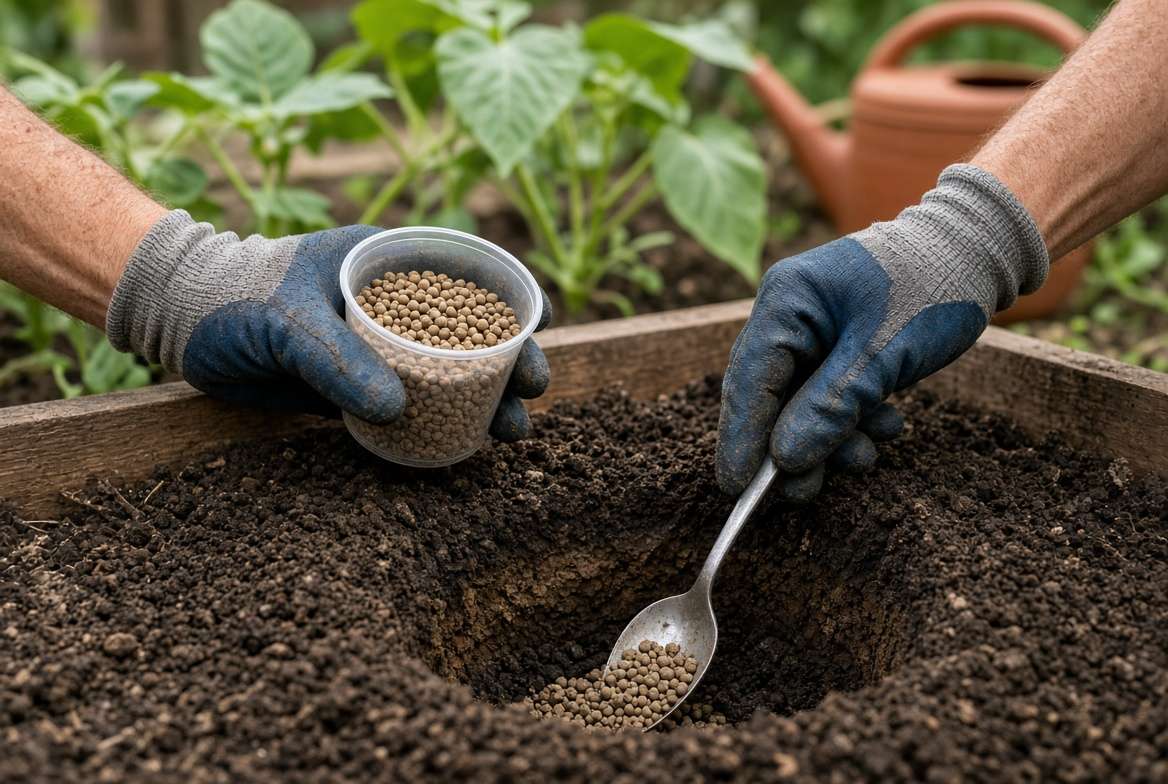
The most effective way to use granular plant food is to mix it directly into the root zone before you even place the plant in the dirt.
-
Measure: Follow the package instructions (usually 1 to 2 tablespoons per gallon of soil, or a specific cup measurement per square foot of raised bed). 🥄
-
Mix Deeply: Dig the planting hole and thoroughly blend the pellets into the backfill dirt, reaching at least 4 to 6 inches below the surface.
-
Plant and Water: Place your vegetable seedling or herb transplant into the hole, backfill, press firmly, and water deeply to jumpstart the microbial breakdown process. 🚿
Method 2: Top-Dressing Established Plants 🪴
If your tomatoes are already three feet tall or your potted basil is looking a little pale mid-season, you need to top-dress.
-
Clear the Base: Pull back any mulch from the base of the plant.
-
Scratch it In: Sprinkle the recommended dose of pellets in a ring around the plant’s drip line (the imaginary circle on the ground directly beneath the outer tips of the leaves). Gently scratch the pellets into the top 1 to 2 inches of soil using a hand cultivator. Never leave organic pellets sitting exposed on the surface, as they will dry out, attract pests, and fail to break down. 🐾
-
Water and Mulch: Water the area thoroughly and replace the organic mulch to lock in the moisture. 💧
Method 3: The “Trench” Method for Heavy Feeding Veggies 🍅
For aggressive feeders like indeterminate tomatoes or heavy-yielding bell peppers planted in rows:
-
Dig a shallow trench (about 2 inches deep) parallel to your row of crops, keeping it a few inches away from the main stems.
-
Pour a continuous line of slow-release pellets down the trench.
-
Cover back up with soil and water deeply. As the roots fan out laterally, they will naturally find this nutrient-dense “buffet line” precisely when they need it most. 🍽️
4 Common Mistakes to Avoid When Using Granular Plant Food ⚠️
To truly master E-E-A-T (Experience, Expertise, Authoritativeness, and Trustworthiness) in the garden, you have to know what not to do. Avoid these frequent pitfalls:
-
The “More is Better” Fallacy: While slow-release pellets won’t immediately burn your plants, over-applying organic matter can eventually lead to a buildup of salts or an imbalance of soil pH. Always stick to the manufacturer’s recommended rates. 🛑
-
Ignoring Soil Moisture: Dry pellets do nothing. If you are going through a severe drought and are not irrigating properly, the microbial life goes dormant, and the fertilizer sits locked and unavailable in the soil. Consistent moisture is the key to unlocking the nutrients. ☀️
-
Forgetting to Reapply for Long-Season Crops: While slow-release fertilizers last a long time, they don’t last forever. A 90-day pellet applied in May will run out of steam by August. Mark your calendar to reapply a lighter top-dressing mid-season for long-haul crops like pumpkins and late-season tomatoes. 📅
-
Using Them for Quick Rescues: If your plant is actively suffering from a severe, acute nutrient deficiency (like extreme yellowing from nitrogen loss), a slow-release pellet will take too long to fix it. In these rare emergencies, a fast-acting liquid organic feed (like fish emulsion) is required to stabilize the plant, followed by pellets for long-term recovery. 🚑
Advanced Soil Web Synergy: Maximizing Your Fertilizer’s Power 🕸️
To elevate your gardening game from beginner to master, it is time to look beyond the slow-release pellets themselves and focus on the environment they inhabit. Organic granular fertilizers do not operate in a vacuum; they require a thriving “soil food web” to function at peak efficiency.
You can supercharge the breakdown and availability of your slow-release pellets for herbs and veggies by combining them with these biological boosters:
-
Compost and Worm Castings: Mixing a handful of high-quality compost or worm castings into the planting hole alongside your pellets introduces a massive population of hungry microbes. These microbes will immediately go to work digesting the fertilizer, making the nutrients available to your plants much faster. 🪱🍂
-
Mycorrhizal Fungi Inoculants: Mycorrhizae are beneficial fungi that form a symbiotic relationship with plant roots. By dusting your plant’s root ball with a mycorrhizal inoculant at planting time, the fungi will attach to the roots and cast a massive, microscopic web throughout the soil. They effectively “mine” the breaking-down slow-release pellets and shuttle the nutrients and water directly back to the plant. 🍄
-
Organic Mulch: Covering the soil surface with shredded leaves, straw, or unsprayed grass clippings regulates soil temperature and locks in the moisture required to keep the breakdown process active. 🌾
Tailoring Nutrition: The Best Approaches for Specific Crops 🥬🌶️
While an all-purpose organic slow-release pellet (like a 4-4-4) is fantastic, understanding the nuanced needs of specific plant families will help you truly maximize your harvest.
1. The Mediterranean Herbs (Rosemary, Thyme, Oregano, Sage) 🌿
These herbs originate in poor, sandy, well-draining soils. They are incredibly light feeders.
-
The Strategy: Apply a very light dose of slow-release fertilizer only once at the beginning of the spring. Over-fertilizing these herbs will cause them to lose their potent essential oils and distinct flavors, resulting in weak, floppy growth.
2. The Leafy Greens (Kale, Spinach, Swiss Chard, Lettuce) 🥗
Greens are all about foliage production and require steady nitrogen.
-
The Strategy: Look for a slow-release pellet with a slightly higher nitrogen number (e.g., blood meal or feather meal based formulas). Top-dress the soil every 4 to 6 weeks, as frequent harvesting (cut-and-come-again methods) depletes the plant’s energy rapidly.
3. The Heavy-Fruiting Veggies (Tomatoes, Peppers, Eggplants) 🍅
These are the marathon runners of the garden. They need fuel to grow tall, set blossoms, and swell heavy fruit.
-
The Strategy: Incorporate a balanced slow-release pellet at planting time. Once the first flowers appear, top-dress with a pellet formula higher in phosphorus and potassium. Pro Tip: Look for pellets that include added Calcium (often from bone meal or crushed oyster shells) to prevent Blossom End Rot, a common heartbreaking issue for tomatoes and peppers. 🦪
Frequently Asked Questions (FAQs) 🙋♀️
To round out your expertise, let’s address the most common questions gardeners have when switching to continuous-release plant food.
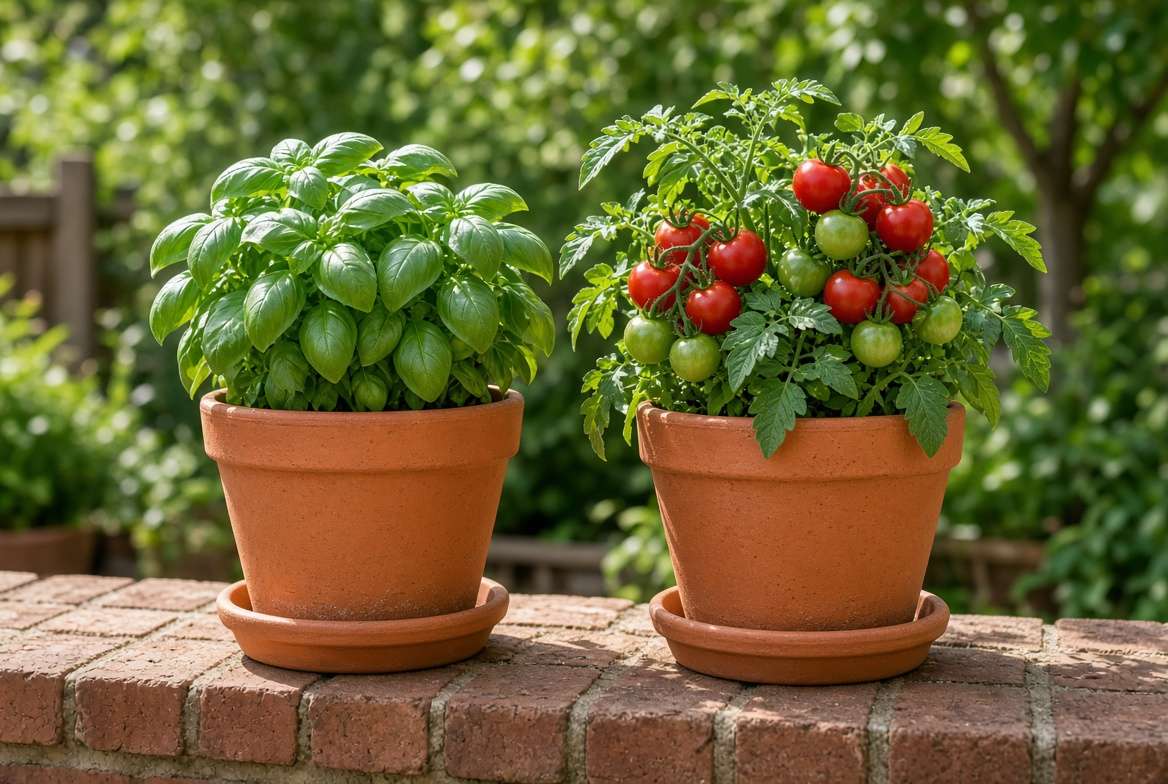
Can I use slow-release fertilizer in containers and raised beds? Absolutely. In fact, it is highly recommended. Potting soil in containers is sterile and lacks natural nutrients. Furthermore, the frequent watering required for potted plants quickly washes away liquid fertilizers. Slow-release pellets stay locked in the container’s root zone, ensuring your patio herbs and balcony veggies stay fed all season. 🪴
Are organic slow-release pellets safe for pets and wildlife? This is a crucial consideration. Because organic pellets are often made from agricultural byproducts like bone meal, blood meal, and fish meal, they can smell like a tasty treat to dogs, cats, raccoons, and skunks. If you have curious pets, it is vital to bury the pellets deeply in the soil or use a physical barrier (like chicken wire) over the soil surface until the smell dissipates. Alternatively, look for plant-based organic pellets (like alfalfa or kelp meal) which are less attractive to animals. 🐕🐾
Does granular fertilizer expire? Unlike synthetic liquid fertilizers which can lose their chemical stability, organic slow-release pellets have an incredibly long shelf life if stored correctly. As long as you keep the bag in a cool, dark, and completely dry place (like a sealed plastic tub in the garage), they will remain viable for several years. If they get wet in the bag, the microbial breakdown process will begin prematurely, turning them into a smelly, clumpy mess. 📦
The Secret to a Bountiful, Stress-Free Harvest 🧺
Cultivating a thriving edible garden shouldn’t require a degree in chemistry or hours spent measuring messy liquids into watering cans. By working with nature rather than against it, you can build resilient, deeply nourished plants that practically take care of themselves.
Integrating slow-release pellets for herbs and veggies into your planting routine fundamentally shifts your garden’s foundation. You are no longer just reacting to hungry plants; you are proactively building a rich, living soil ecosystem that provides a steady, gentle buffet of nutrients exactly when your crops demand it. Whether you are aiming for the sweetest cherry tomatoes, the most fragrant basil, or the crispest autumn kale, establishing this stable nutritional baseline is the single most effective step you can take toward your best harvest yet. Grab your trowel, mix in those pellets, and let the soil do the heavy lifting this season. 🌱✨











