
Imagine stepping into your garden in the middle of August and being greeted by wave after wave of brilliant color—blooming flowers that refuse to fade even when temperatures soar past 90°F. No wilted petals, no constant watering, no disappointing bare spots. That’s the magic of choosing the right summer bloom plants.
As a Certified Master Gardener with over 15 years of hands-on experience designing and maintaining gardens in zones 5 through 10, I’ve learned one hard truth: summer is the ultimate test for any garden. Early bloomers vanish by July, and many “all-season” plants simply give up when the heat hits. The solution? Planting true summer-blooming perennials, annuals, and shrubs that actually thrive in the hottest months and reward you with nonstop flowers from June through September (and often into fall).
In this comprehensive guide, we’ll explore the very best summer bloom plants—carefully selected for their heat tolerance, drought resistance, long flowering periods, and low-maintenance habits. You’ll also find expert planting tips, design ideas, common mistakes to avoid, and answers to the questions gardeners ask most often. Whether you’re a beginner or a seasoned green thumb, these plants will transform your yard into a vibrant, pollinator-filled oasis that looks stunning all summer long—without stealing your weekends. 🌺
Why Choose Summer Bloom Plants? 🌡️
Summer gardening comes with unique challenges: scorching sun, drying winds, occasional droughts, and water restrictions in many areas. Many traditional perennials (like peonies or tulips) finish blooming early and spend the rest of the season looking tired. True summer bloom plants, however, are bred or naturally adapted to perform at their peak when temperatures climb.
Here’s why they’re worth prioritizing:
- Extended bloom time (often 8–12 weeks or more)
- Exceptional heat and drought tolerance
- Support for bees, butterflies, and hummingbirds when pollinators need food most
- Reduced watering and maintenance compared to cool-season flowers
- Year-after-year reliability (especially with perennials)
These plants solve the real pain points busy homeowners face: how to keep the garden colorful and healthy during the hottest, driest months without constant babysitting.
Top 15 Best Summer Bloom Plants for Non-Stop Color 🌷
Below are my top recommendations, grouped by type. Each plant has proven itself in real gardens across North America, and I’ve included the key details you need to choose and grow them successfully.
Perennials That Bloom All Summer Long 🌿
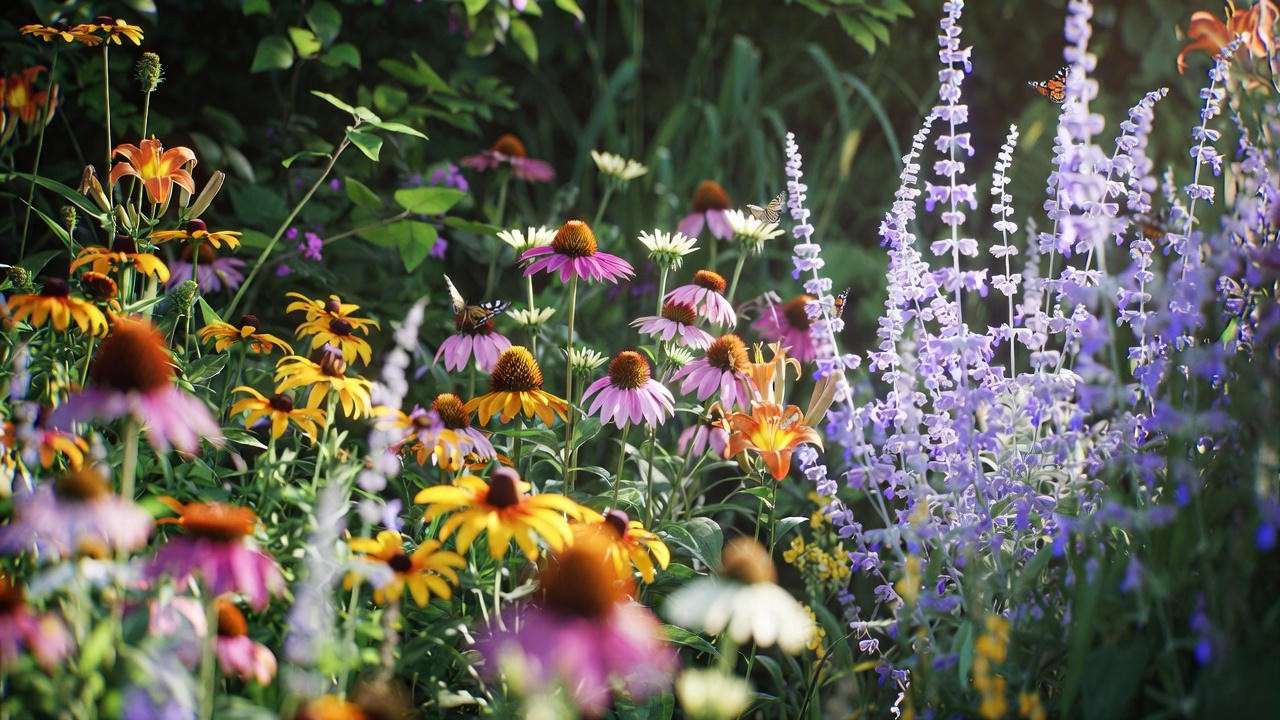
- Coneflower (Echinacea purpurea & hybrids) USDA Zones: 3–9 Bloom Time: June–September (often until frost) Height: 2–4 ft | Spread: 1–2 ft Sun: Full sun Water: Low to moderate (very drought-tolerant once established) Why it’s great: Sturdy, daisy-like flowers in purple, pink, white, orange, and red. Attracts butterflies and bees, deer-resistant, and excellent for cutting. New cultivars like ‘Sombrero’ and ‘Cheyenne Spirit’ offer even longer bloom periods and compact habits.
- Black-Eyed Susan (Rudbeckia hirta & fulgida) Zones: 3–9 Bloom Time: June–October Height: 1–3 ft Sun: Full sun Water: Low Special features: Classic golden-yellow petals with dark centers. ‘Goldsturm’ is the most popular cultivar for its tidy growth and prolific flowers.
- Coreopsis (Tickseed) Zones: 4–9 Bloom Time: May–September Height: 1–3 ft Sun: Full sun Water: Low Why gardeners love it: Bright yellow or pink flowers that keep coming with minimal deadheading. ‘Moonbeam’ (soft yellow) and ‘Zagreb’ (deep gold) are reliable favorites.
- Daylilies (Hemerocallis) Zones: 3–9 Bloom Time: June–September (reblooming varieties) Height: 1–4 ft Sun: Full sun to part shade Water: Moderate Expert tip: Choose modern rebloomers like ‘Stella de Oro’, ‘Happy Returns’, or ‘Pardon Me’ for multiple flushes of color.
- Russian Sage (Perovskia atriplicifolia) Zones: 4–9 Bloom Time: July–September Height: 3–5 ft Sun: Full sun Water: Very low Special features: Airy lavender-blue flower spikes and silvery foliage that add texture and fragrance.
- Gaura (Gaura lindheimeri) Zones: 5–9 Bloom Time: June–frost Height: 2–4 ft Sun: Full sun Water: Low Why it shines: Delicate white or pink butterfly-like flowers dancing on wiry stems. ‘Whirling Butterflies’ and ‘Siskiyou Pink’ are top performers.
- Perennial Salvia Zones: 4–9 (varies by species) Bloom Time: June–September Height: 1–3 ft Sun: Full sun Water: Low to moderate Favorites: ‘May Night’, ‘Caradonna’, ‘Blue Hill’, and ‘Hot Lips’ (bicolor).
Heat-Loving Annuals & Tender Perennials for Instant Impact 🌺
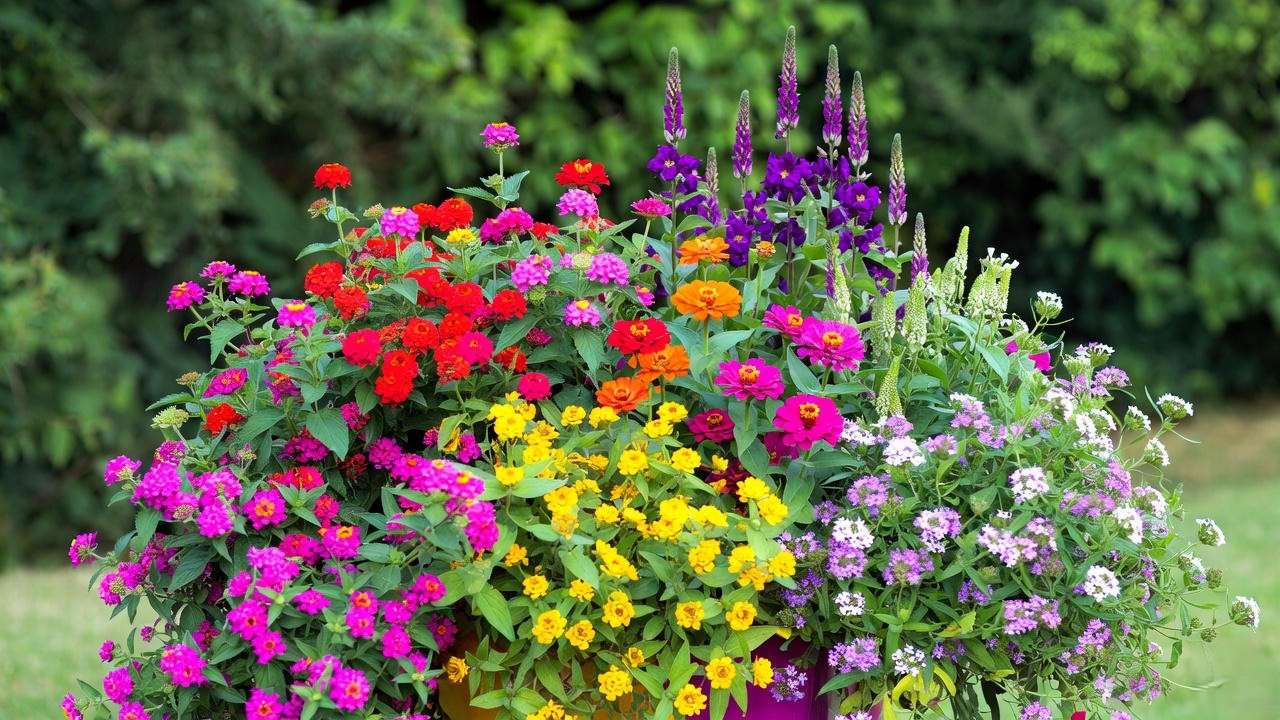
- Lantana Zones: 8–11 (annual elsewhere) Bloom Time: May–frost Height: 1–4 ft (trailing or upright) Sun: Full sun Water: Low Pollinator magnet: Multicolored clusters in orange, pink, yellow, and purple.
- Zinnia Zones: Annual Bloom Time: June–frost Height: 1–4 ft Sun: Full sun Water: Moderate Why it’s a favorite: Bold, bright colors and excellent cut-flower performance. ‘Profusion’ and ‘Zahara’ series are disease-resistant.
- Pentas (Pentas lanceolata) Zones: 9–11 (annual elsewhere) Bloom Time: All summer Height: 1–3 ft Sun: Full sun Water: Moderate Star-shaped clusters in red, pink, white, and lavender.
- Angelonia (Summer Snapdragon) Zones: 9–11 (annual elsewhere) Bloom Time: June–frost Height: 1–2 ft Sun: Full sun Water: Low Upright spikes that look like mini snapdragons—perfect for containers.
- Verbena Zones: 8–11 (annual elsewhere) Bloom Time: May–frost Height: 6–18 in (trailing) or 1–3 ft (upright) Sun: Full sun Water: Low Excellent for hanging baskets and ground cover.
- Portulaca (Moss Rose) Zones: Annual Bloom Time: June–frost Height: 4–8 in Sun: Full sun Water: Very low Succulent leaves and jewel-toned flowers that open in bright sunlight.
Shrubs & Vines for Vertical Summer Drama 🌿
- Butterfly Bush (Buddleja davidii) Zones: 5–9 Bloom Time: June–September Height: 5–10 ft Sun: Full sun Water: Low to moderate Fragrant cones in purple, pink, white, and blue.
- Crape Myrtle (Lagerstroemia) Zones: 6–9 Bloom Time: July–September Height: 3–30 ft (dwarf to tree forms) Sun: Full sun Water: Low once established Southern classic with long-lasting crepe-paper flowers in every shade.
How to Choose the Right Summer Bloom Plants for Your Garden 📍
Not every summer bloomer is perfect for every garden. Here’s a practical decision guide to help you pick the winners for your specific conditions:
- Climate & USDA Hardiness Zones Check your zone on the USDA Plant Hardiness Map. Most of the plants listed above are reliable in zones 5–9. If you’re in zones 3–4, stick to hardy perennials like coneflower, black-eyed Susan, and daylilies. In zones 9–11, you can lean heavily on lantana, pentas, and angelonia for year-round color.
- Sun Exposure Full sun (6+ hours) is ideal for almost all summer bloomers. If your garden has only 4–6 hours, choose daylilies, gaura, or salvia. Very shady spots? Consider impatiens or begonias instead (though they’re not true “summer bloom” heavyweights).
- Soil & Drainage Most thrive in well-drained soil. Amend heavy clay with compost or sand. Sandy soils benefit from organic matter to retain moisture.
- Water Needs
- Very low: Portulaca, Russian sage, lantana, coreopsis, verbena
- Low to moderate: Coneflower, black-eyed Susan, gaura, angelonia
- Moderate: Daylilies, zinnia, pentas
- Pollinator Goals Want to support bees and butterflies? Prioritize coneflower, black-eyed Susan, lantana, butterfly bush, and salvia.
- Garden Style & Size Small spaces: Dwarf varieties like ‘Little Miss Sunshine’ coreopsis, ‘Pardon Me’ daylily, or trailing verbena. Large borders: Russian sage, crape myrtle, and tall coneflowers. Containers: Angelonia, lantana, pentas, and portulaca are container superstars.
Planting & Care Tips for Maximum Summer Performance 🌱
Success with summer bloomers starts with smart planting and consistent (but minimal) care.
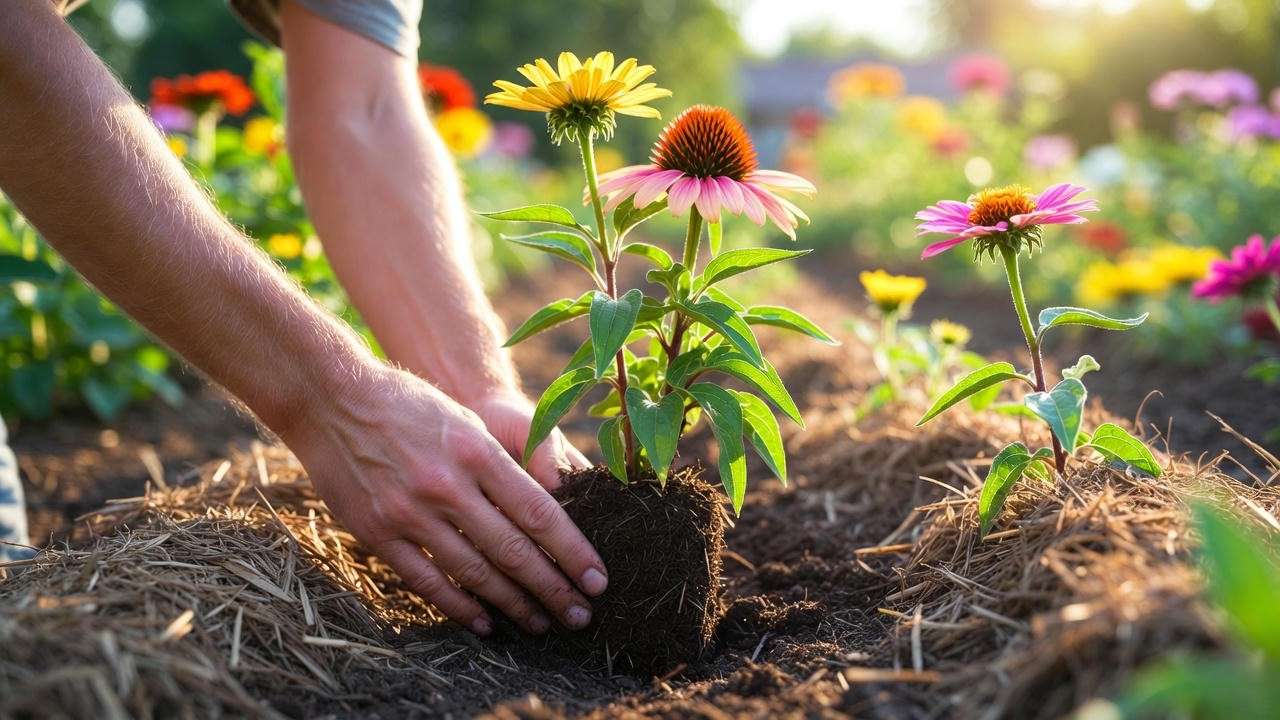
- Best Planting Time Plant perennials and shrubs in spring (after the last frost) or early summer. Annuals can go in anytime after danger of frost has passed.
- Soil Preparation Work in 2–3 inches of compost or aged manure. Summer bloomers hate wet feet, so ensure good drainage.
- Watering Strategy Water deeply but infrequently—aim for 1 inch per week (less once established). Morning watering reduces disease risk. Mulch with 2–3 inches of organic material (bark, straw, or shredded leaves) to retain moisture and suppress weeds.
- Deadheading & Pruning for More Blooms
- Remove spent flowers on coneflower, coreopsis, zinnia, and verbena to encourage reblooming.
- Shear back gaura and salvia by one-third after the first flush for a second wave.
- Pinch early growth on zinnias and lantana for bushier plants.
- Pest & Disease Prevention
- Powdery mildew: Provide good air circulation and avoid overhead watering.
- Aphids: Spray with insecticidal soap or encourage ladybugs.
- Deer: Russian sage, lantana, and coneflower are naturally resistant.
Design Ideas to Make Your Garden Pop All Season 🌼
A well-planned summer garden is more than just random flowers—it’s a cohesive, joyful space.
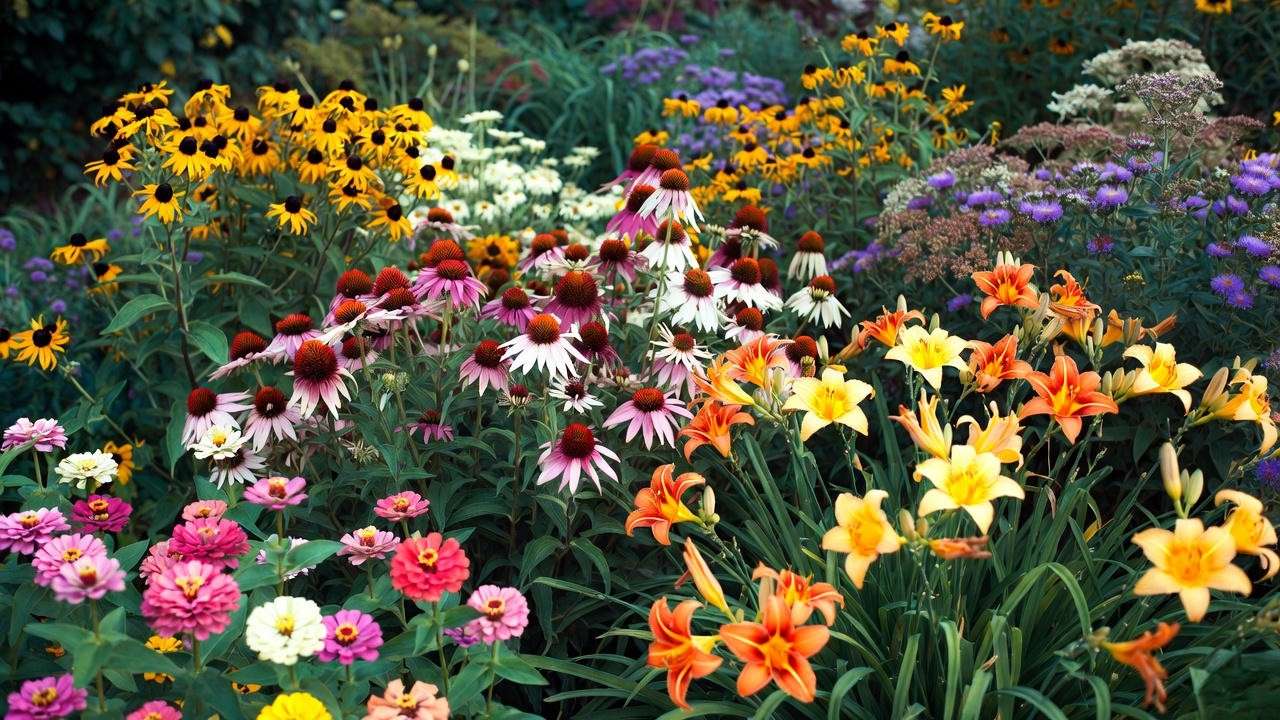
- Monochromatic Borders Try a “hot” theme with red and orange zinnias, pentas, and lantana, or a “cool” palette of purple salvia, Russian sage, and coneflower.
- Pollinator Haven Layout Plant in drifts: tall Russian sage and butterfly bush in the back, mid-height coneflowers and black-eyed Susans in the middle, and low verbena or portulaca in front.
- Container Recipes “Tropical Heat” pot: Tall angelonia (spike), trailing lantana and verbena (fillers), and portulaca (spiller). “Butterfly Buffet”: Dwarf butterfly bush, lantana, and pentas.
- Curb Appeal Ideas Line your walkway with low-growing coreopsis and daylilies, or flank your front door with matching pots of pentas and zinnia.
Seasonal Companion Planting & Succession Strategies 🌿
To keep color flowing from spring through fall:
- Spring-to-summer transition: Pair early bloomers (tulips, alliums) with daylilies and coneflower that take over in June.
- Summer-to-fall: Plant late-blooming asters, sedum, or goldenrod alongside crape myrtle and Russian sage.
- Succession planting for annuals: Sow zinnia and cosmos seeds every 2–3 weeks for continuous fresh flowers.
Common Mistakes to Avoid with Summer Bloom Plants ❌
- Overwatering → Leads to root rot. Let soil dry between waterings.
- Planting in the wrong light → Most summer bloomers need full sun.
- Skipping mulch → Causes moisture loss and weed competition.
- Forgetting to deadhead → Many plants stop blooming if seeds form.
- Buying cheap, unnamed varieties → Stick to proven cultivars for the longest bloom time.
Frequently Asked Questions (FAQ) ❓
What are the most drought-tolerant summer bloom plants? Portulaca, lantana, Russian sage, verbena, and coreopsis can survive with very little water once established.
Which summer bloomers attract the most butterflies? Butterfly bush, lantana, pentas, zinnia, and coneflower are top choices.
Can I grow these plants in pots? Absolutely! Lantana, angelonia, pentas, portulaca, and verbena excel in containers.
How do I keep flowers blooming until fall? Deadhead regularly, fertilize lightly with a bloom-booster in midsummer, and choose reblooming varieties.
Are there low-water options for xeriscape gardens? Yes—Russian sage, gaura, lantana, portulaca, and coreopsis are xeriscape favorites.
What’s the easiest summer bloomer for beginners? Zinnia or ‘Stella de Oro’ daylily—both are nearly foolproof.
Conclusion & Final Expert Recommendations 🌸
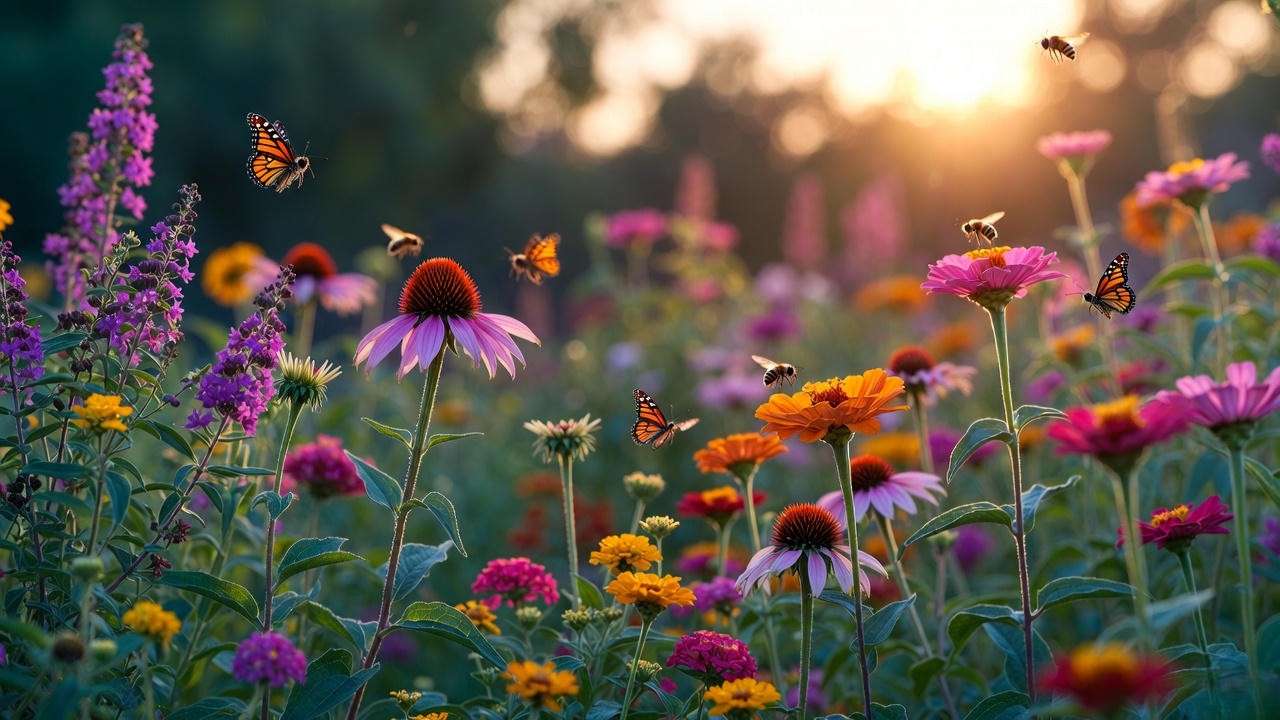
With these top-performing summer bloom plants, you can enjoy a garden that stays vibrant, colorful, and low-maintenance from June through September—no matter how hot or dry the weather gets. Start with a few reliable favorites like coneflower, black-eyed Susan, lantana, and coreopsis, then expand as you gain confidence.
Your garden doesn’t have to take a summer vacation. With the right plants and a few simple care tricks, it can be the highlight of your yard all season long.
Happy gardening! 🌺











