
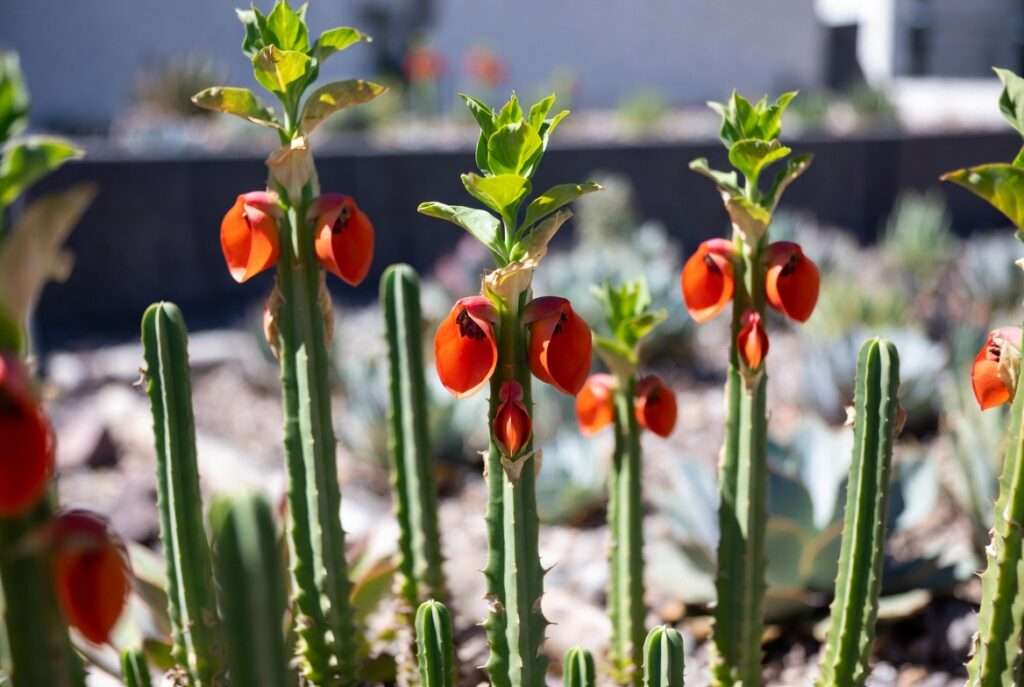
Have you ever seen a plant that looks like it stepped straight out of a fairy tale, with tall, candle-like stems topped by whimsical red-orange “slippers”? The tall slipper plant (Pedilanthus bracteatus, also known as Slipper Spurge or Candelilla) is exactly that magical addition to any garden. This striking succulent combines architectural beauty, extreme drought tolerance, and low-maintenance charm, making it a favorite for xeriscape enthusiasts, succulent lovers, and busy gardeners seeking a reliable showstopper.
In this comprehensive guide, I’ll share over 15 years of hands-on experience growing succulents in arid and Mediterranean climates. You’ll discover everything needed to successfully plant, care for, and propagate your own tall slipper plant—whether you’re working with a small balcony container or a sprawling desert landscape. By the end, you’ll have the confidence and knowledge to grow a thriving, eye-catching specimen that rewards you season after season. Let’s dive in! ✨
What Is the Tall Slipper Plant? Botanical Profile & Identification
The tall slipper plant, scientifically known as Pedilanthus bracteatus (synonym Euphorbia bracteata), belongs to the Euphorbiaceae family. Native to regions in Mexico, this upright succulent has earned its common name from the distinctive slipper-shaped bracts that enclose its tiny flowers.
Key Physical Features:
- Stems: Thick, cylindrical, light green to glaucous stems that grow mostly upright, branching from the base. Mature plants reach 4–8 feet tall (occasionally up to 9 feet in ideal conditions) with a spread of 3–4 feet. 🪴
- Leaves: Ovate to lance-shaped leaves appear near the branch tips, especially in shadier spots or during active growth. They feature a prominent mid-vein.
- Flowers/Bracts: Vibrant red-orange bracts emerge in spring through fall, attracting hummingbirds and bees. The “slipper” shape is both functional and decorative.
- Sap: Like many euphorbias, it contains a milky latex sap that can be irritating—always wear gloves when handling. ⚠️
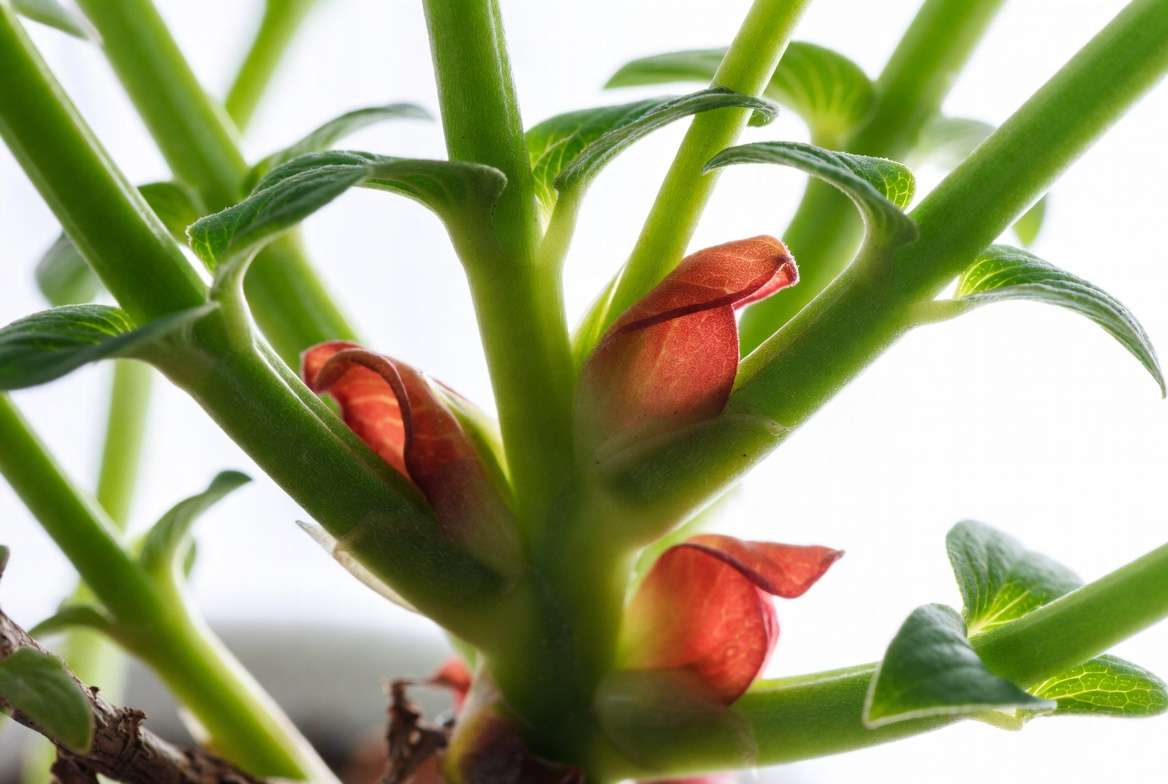
How to Identify It from Similar Species Many gardeners confuse the tall slipper plant with its cousin, Pedilanthus macrocarpus (Lady Slipper). The tall slipper plant stands out with its greater height, straighter stems, and presence of leaves at the tips, whereas the Lady Slipper tends to be shorter and nearly leafless.
This plant is perfectly adapted to arid environments. Its succulent stems store water efficiently, allowing it to survive extended dry periods—making it an excellent choice for water-wise gardening.
Why Grow the Tall Slipper Plant? Benefits & Ideal Uses
Choosing the right plants for your garden can feel overwhelming, but the tall slipper plant solves several common problems: lack of vertical interest, high water bills, and the need for low-effort beauty.
Top Benefits:
- Extreme Drought Tolerance: Once established, it thrives with minimal irrigation—perfect for climate-resilient landscapes.
- Pollinator Magnet: The colorful bracts draw hummingbirds, bees, and butterflies, boosting local biodiversity. 🐦
- Architectural Appeal: Its bold, candelabra-like form creates stunning focal points in modern, minimalist, or desert-style gardens.
- Versatility: Excellent in ground beds, large pots, rock gardens, or as a privacy screen when mass-planted.
- Low Maintenance: Deer-resistant and generally pest-resistant when healthy.
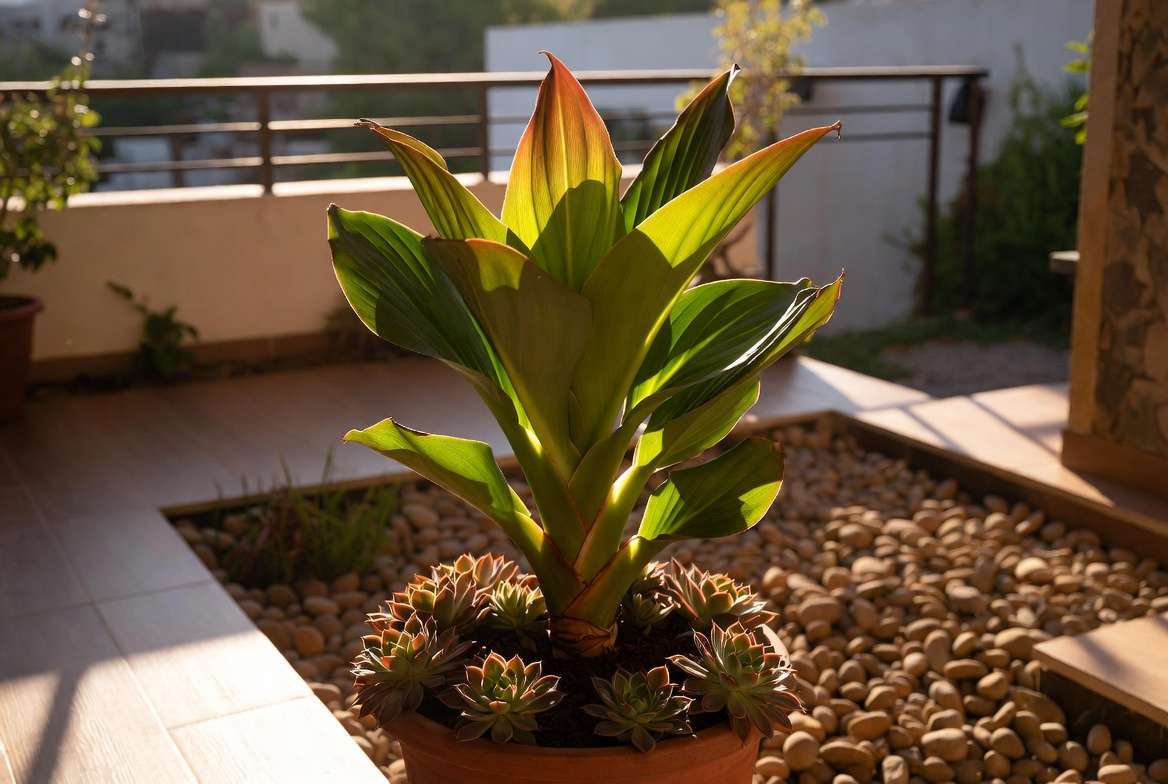
Landscape Ideas Pair it with agaves, yuccas, or trailing groundcovers like blackfoot daisy for beautiful contrast. In containers, combine with smaller succulents for a living sculpture that moves easily for winter protection.
Here’s a quick comparison table for context:
| Plant | Height | Water Needs | Hardiness | Best Feature |
|---|---|---|---|---|
| Tall Slipper Plant | 4–8 ft | Very Low | 20–25°F | Tall architectural form + blooms |
| Lady Slipper | 3–6 ft | Very Low | Similar | Red flowers, clumping |
| Typical Euphorbia | Varies | Low–Medium | Varies | Varied foliage |
Choosing the Right Tall Slipper Plant for Your Space
Success starts with quality material. Look for nursery plants with firm, plump stems and no signs of rot or pests. Avoid specimens that appear shriveled or have soft, dark spots.
Container vs. In-Ground
- Containers: Ideal for colder climates or patios. Choose pots at least 12–16 inches wide with excellent drainage.
- In-Ground: Best for warmer zones where it can develop a strong root system.
Companion Planting Suggestions
- Low-water perennials like lavender or salvia for color contrast.
- Other succulents such as blue agave or sedum for textural variety. 🌵
Pro Tip: In hotter regions, provide afternoon shade during the most intense summer months to prevent scorching while still encouraging blooms.
Planting Your Tall Slipper Plant: Step-by-Step Guide
Timing matters. Plant in spring or early fall when temperatures are moderate, giving roots time to establish before extreme heat or cold.
Soil Preparation The tall slipper plant demands excellent drainage. Use a cactus/succulent mix amended with perlite, pumice, or coarse sand. In heavy clay soils, create raised beds or amend generously.
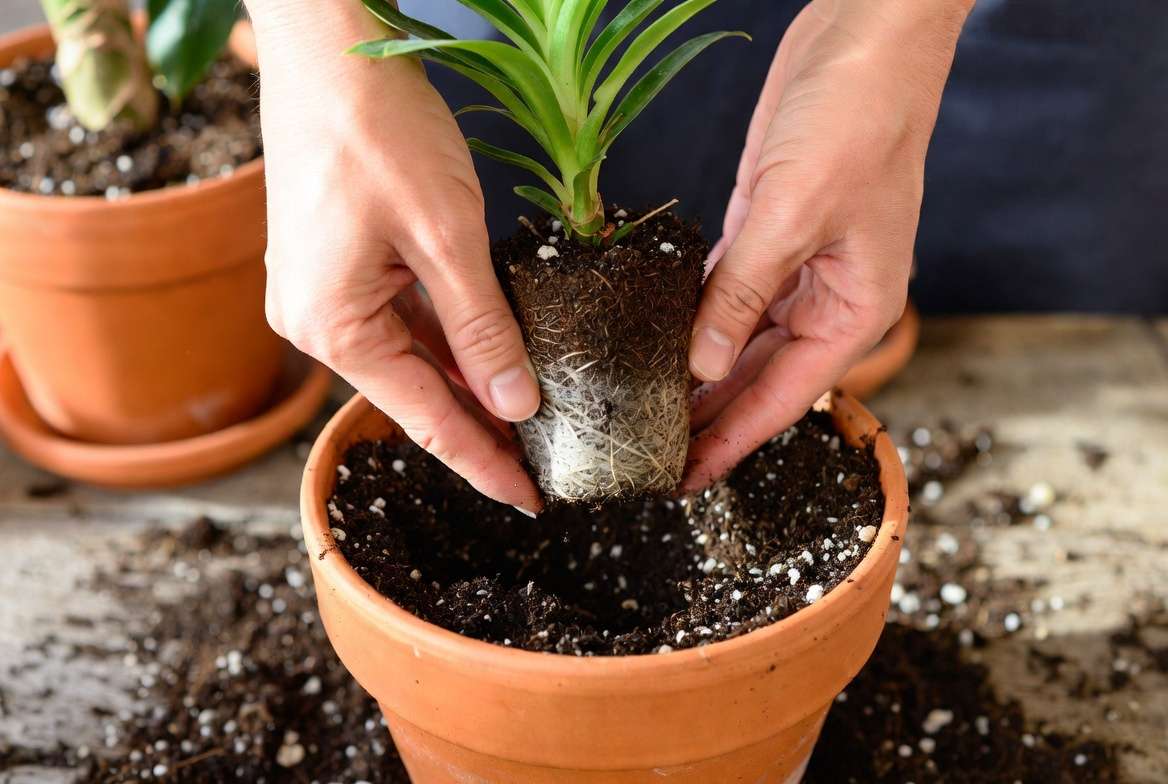
- Dig a hole twice as wide as the root ball but no deeper.
- Gently loosen roots and position the plant at the same depth it was in the nursery pot.
- Backfill with amended soil and firm gently.
- Water thoroughly once, then allow the soil to dry out between waterings.
For container planting, ensure multiple drainage holes and elevate pots slightly to improve airflow.
Tall Slipper Plant Care Essentials
Light Requirements ☀️
Full sun (6+ hours daily) promotes the strongest growth and most abundant flowering. In very hot deserts, light afternoon shade helps maintain leaf color. Insufficient light leads to leggy, weak stems and fewer bracts.
Watering Schedule & Drought Tolerance 💧
- Newly Planted: Water every 4–7 days for the first 4–6 weeks.
- Established Plants: Water deeply but infrequently—every 2–4 weeks in summer, less in winter. Always let soil dry completely between waterings.
- Signs of Issues: Wrinkled stems indicate thirst; yellowing or mushy bases signal overwatering (the most common killer of succulents).
Adjust based on your climate: Coastal gardeners may water slightly more often than those in dry inland areas.
Soil, Fertilizer & Nutrition
Stick to well-draining, gritty mixes. Avoid rich garden soil. Fertilize sparingly—use a diluted, balanced succulent fertilizer once or twice during the growing season for potted specimens. In-ground plants rarely need feeding.
Temperature, Hardiness & Winter Protection ❄️
Hardy to approximately 20–25°F. In marginal zones, protect with frost cloth or move containers indoors. The plant may drop leaves in cold weather but typically rebounds in spring.
Pruning, Propagation & Maintenance ✂️
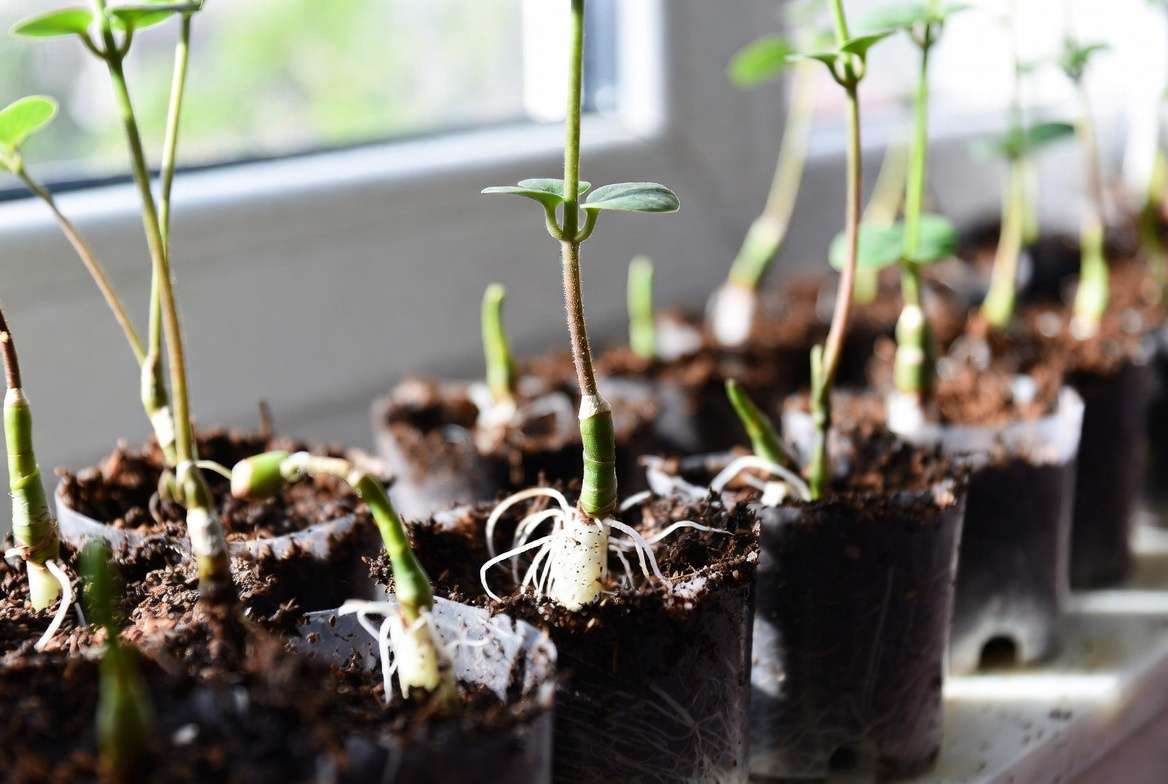
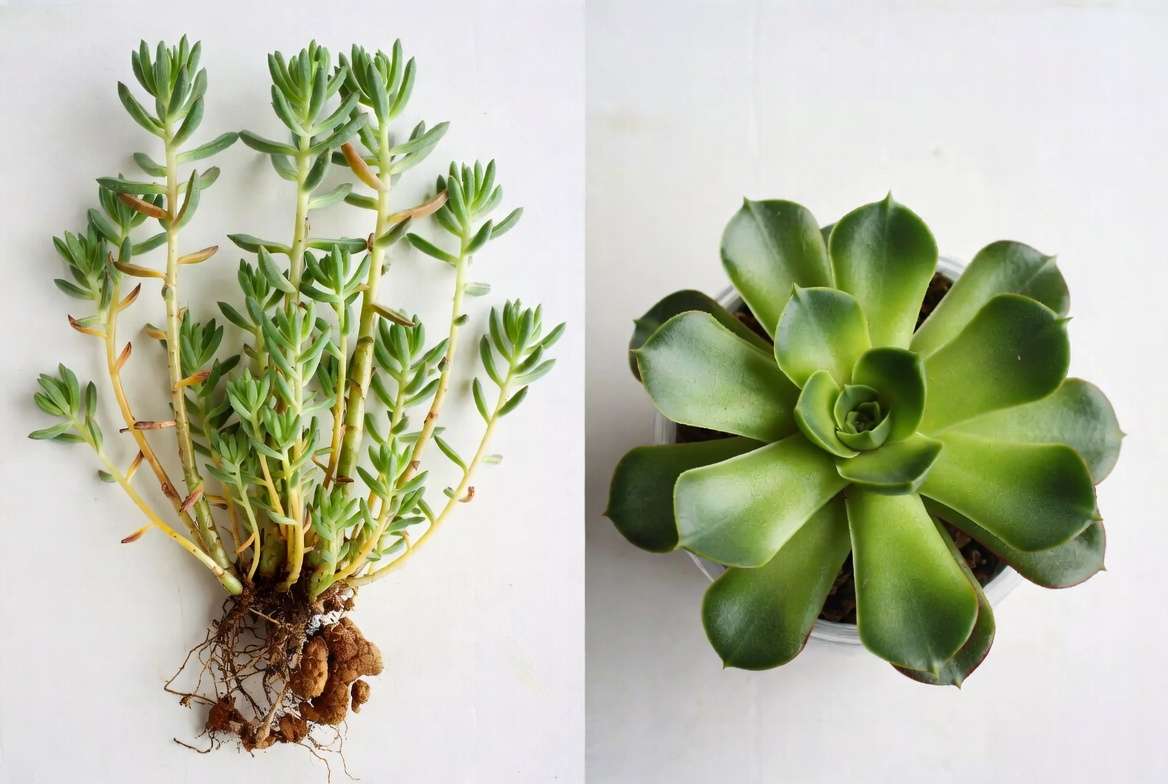
Prune damaged or overly tall stems in early spring. Propagation is delightfully easy:
- Take 4–6 inch cuttings from healthy stems.
- Allow cuts to callus for 3–7 days.
- Plant in well-draining mix and water sparingly until rooted (usually 4–6 weeks).
This method has a high success rate and is a cost-effective way to expand your collection or share with friends.
Common Problems & Solutions for Tall Slipper Plant
Even tough plants face challenges. Here’s how to troubleshoot:
- Root Rot: Caused by poor drainage or overwatering. Prevention is key—always use fast-draining soil.
- Pests: Mealybugs or scale can appear. Treat with neem oil or insecticidal soap.
- No Blooms: Usually due to insufficient sunlight or over-fertilization.
- Toxicity Note: Keep away from pets and children; wash skin immediately if sap contacts it.
A monthly inspection routine helps catch issues early.
Advanced Growing Tips & Expert Insights 🌟
After years of experimenting with Pedilanthus bracteatus in various conditions, I’ve gathered some insider techniques that elevate results from “surviving” to “thriving spectacularly.”
Maximizing Blooms and Vibrant Bracts Consistent full sun is non-negotiable for prolific flowering. In marginal light, consider supplemental grow lights for indoor or shaded patio specimens. Reduce watering slightly in late winter to encourage a stronger spring flush of bracts. A light application of phosphorus-rich fertilizer (diluted) just before bloom season can also help.
Landscape Design Mastery Use the tall slipper plant as a living sculpture. Group three to five plants in a triangular formation for a natural, full look. Contrast its vertical lines with low, mounding plants like Dalea greggii or colorful annuals. In modern gardens, place it against neutral walls or near water features (without splashing) for dramatic reflections. For container displays, layer it as the “thriller” in the classic thriller-filler-spiller formula.
Sustainable & Water-Wise Practices Incorporate the tall slipper plant into rainwater harvesting systems or greywater-friendly zones. Mulch with gravel or decomposed granite to retain soil moisture and suppress weeds while maintaining the desert aesthetic. These practices not only conserve resources but also reduce long-term maintenance.
Seasonal Care Calendar 📅
- Spring: Prune, repot if needed, resume watering as growth resumes.
- Summer: Peak growth and blooming—monitor for pests during hot spells.
- Fall: Reduce water; enjoy late-season bracts.
- Winter: Minimal water; protect from hard freezes.
Regional Adaptations
- Desert Southwest (USDA 9–11): Full sun, very low water.
- Mediterranean/Coastal: Slightly more frequent watering due to humidity.
- Colder Zones (8 and below): Container culture with winter protection is essential.
Frequently Asked Questions (FAQs) ❓
Q: How fast does the tall slipper plant grow? A: Moderate growth rate. Expect 6–12 inches per year under optimal conditions, faster in warm climates with good care.
Q: Can the tall slipper plant grow indoors? A: Yes, with bright indirect light or a sunny south-facing window. Rotate regularly for even growth and provide good air circulation. It may need supplemental lighting in winter.
Q: Why are the leaves falling off my tall slipper plant? A: This is often normal during colder months or dry periods. If stems are firm, don’t worry. Persistent leaf drop may indicate overwatering or sudden temperature changes.
Q: Is the tall slipper plant toxic to pets? A: Like most euphorbias, the sap can cause irritation or gastrointestinal upset if ingested. Place out of reach of curious pets and children.
Q: How do I propagate tall slipper plant from cuttings successfully? A: Follow the callusing method mentioned earlier. Rooting hormone can speed success but isn’t mandatory. Keep cuttings in bright, indirect light until rooted.
Q: What’s the difference between tall slipper plant and other slipper plants? A: Pedilanthus bracteatus is taller with more prominent leaves compared to the more compact, often leafless P. macrocarpus.
Q: Does it need fertilizer every year? A: Generally no for in-ground plants. Container specimens benefit from light feeding during the growing season.
Q: How do I control its spread? A: It forms clumps but isn’t aggressively invasive. Divide or prune offsets as needed to control size.
Additional Reader Questions Answered Many gardeners ask about blooming reliability, companion compatibility, and long-term lifespan (often 10+ years with proper care). Consistent sunlight and proper drainage remain the top success factors.
Conclusion: Bring Home Your Own Tall Slipper Plant Today
The tall slipper plant offers one of the most rewarding experiences in succulent gardening. Its sculptural form, vibrant seasonal bracts, and incredible resilience make it a standout choice for water-conscious gardeners everywhere. By following this detailed guide—rooted in real-world expertise—you can avoid common pitfalls and enjoy a healthy, flourishing plant for years to come. 🌸
Whether you’re just starting your succulent journey or expanding an established collection, Pedilanthus bracteatus delivers beauty with minimal fuss. Start small with a nursery specimen, apply these care principles, and watch it transform your space.
Have you grown a tall slipper plant before? Share your experiences, photos, or specific challenges in the comments below—I’d love to help troubleshoot or celebrate your successes! For more expert plant care guides on succulents, drought-tolerant species, and garden design, explore our other articles on the site.
Happy gardening! 🪴✨











