
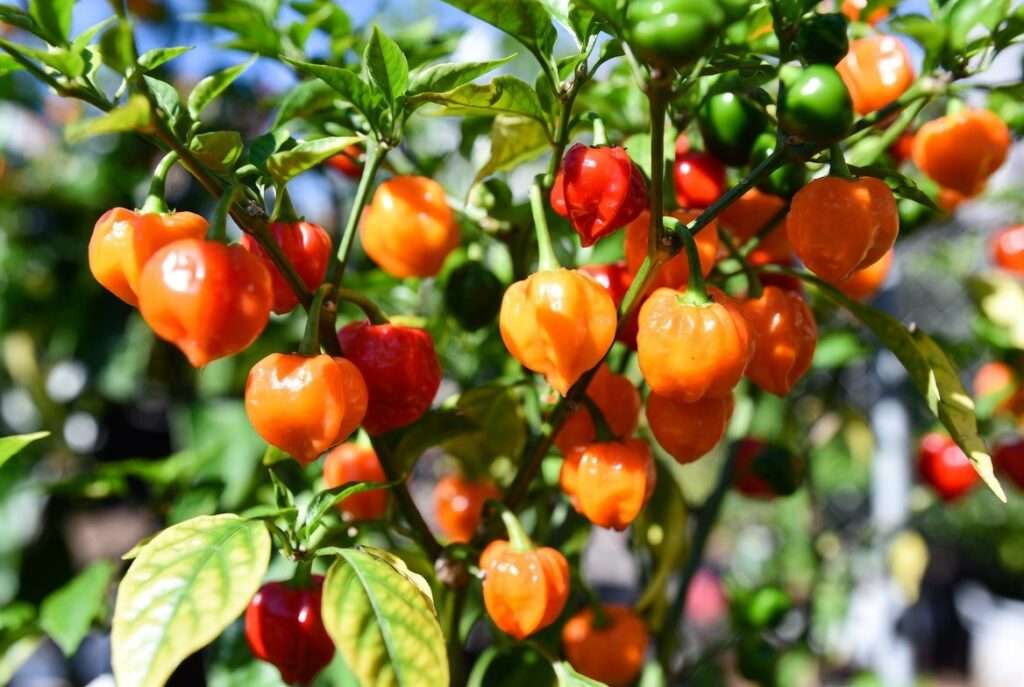
Imagine harvesting vibrant, fiery Scotch Bonnet peppers straight from your own garden — those perfectly shaped, lantern-like fruits bursting with authentic Caribbean heat and complex floral notes that transform homemade sauces, jerk marinades, and fresh salsas. If you’ve ever struggled with leggy seedlings, blossom drop, or disappointing yields, you’re not alone. Many gardeners dream of growing this iconic hot pepper but face challenges due to its specific tropical needs.
This complete scotch bonnet pepper plant care guide draws from years of hands-on experience cultivating Capsicum chinense varieties in diverse climates. Whether you’re a beginner or seasoned grower, you’ll discover proven strategies for raising healthy, productive plants from seed to bountiful harvest. Let’s turn your pepper-growing ambitions into reality! 🌱
Understanding the Scotch Bonnet Pepper Plant 🌶️
The Scotch Bonnet pepper, often called Jamaican hot pepper, is a beloved member of the Capsicum chinense species. Originating from the Caribbean islands, particularly Jamaica, these peppers have been cultivated for centuries and play a starring role in island cuisine. Their name comes from their resemblance to a Scottish tam o’ shanter hat.
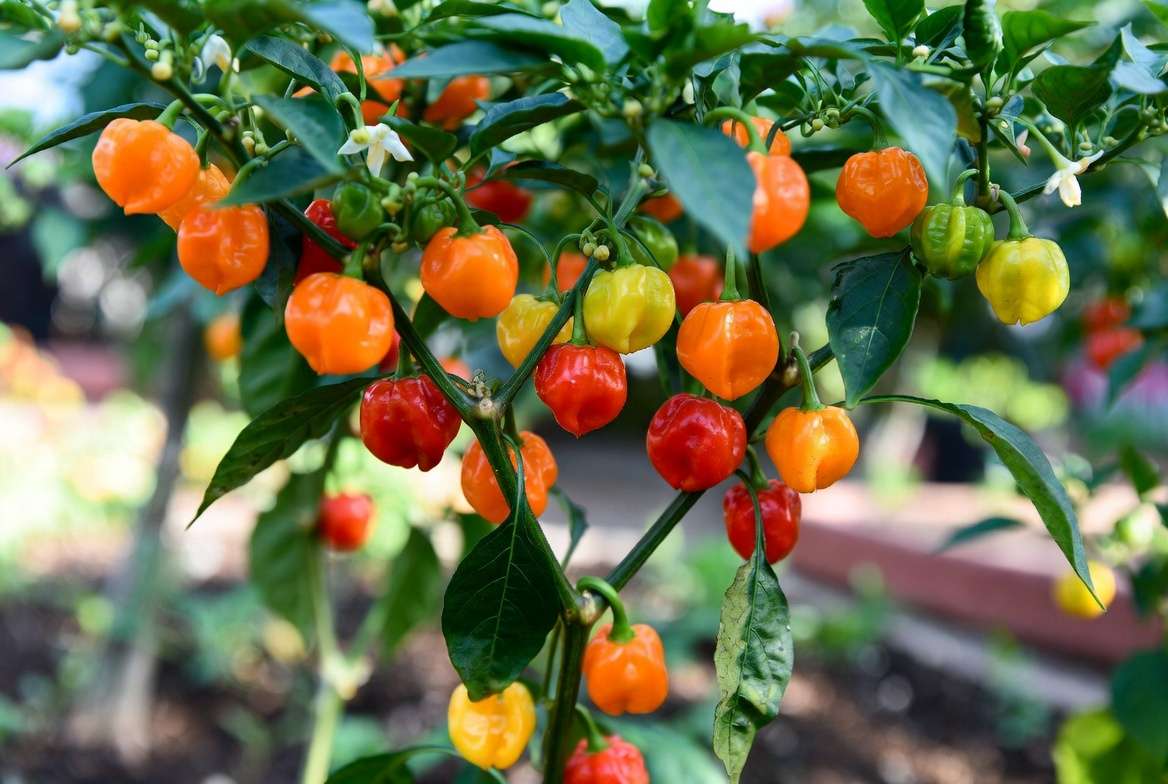
Key Characteristics and Varieties Scotch Bonnet peppers are renowned for their intense heat (typically 100,000–350,000 Scoville Heat Units) combined with a unique fruity, smoky-sweet flavor that sets them apart from other superhots. Fruits are usually 1–2 inches wide with a slightly flattened, wrinkled appearance. Common color varieties include bright yellow, orange, red, and even chocolate or peach tones in specialty strains.
Unlike milder bell peppers, Scotch Bonnets thrive in warm, humid conditions and reward patient growers with prolific harvests over a long season. Home cultivation offers superior freshness and flavor compared to grocery store imports, plus the satisfaction of growing one of the world’s most flavorful hot peppers.
Why Grow Scotch Bonnet at Home?
- Flavor and Heat Control: Pick fruits at different ripeness stages for varying heat and sweetness.
- Cost Savings and Sustainability: Reduce reliance on imported produce while enjoying organic homegrown peppers.
- Garden Beauty: The plants produce attractive white-to-purple flowers followed by clusters of colorful pods.
- Culinary Versatility: Perfect for jerk seasoning, hot sauces, pickles, and more.
Growing your own Scotch Bonnet pepper plant connects you to traditional Caribbean gardening heritage while providing a reliable source of fresh, potent peppers all season long.
Choosing the Right Growing Conditions for Success 🪴
Success with Scotch Bonnet peppers starts with replicating their native tropical environment as closely as possible.
Climate and Temperature Requirements These heat-loving plants perform best with daytime temperatures between 70–85°F (21–29°C) and nighttime lows above 60°F (15°C). They are highly sensitive to frost and cold snaps below 55°F, which can stunt growth or kill plants. In cooler climates, start seeds indoors and use season extenders like row covers or greenhouses. Ideal growing seasons last 90–150 days from transplant to first harvest.
Sunlight Needs Provide at least 6–8 hours of direct, full sun daily. Insufficient light leads to weak, leggy plants and poor fruit set. In extremely hot regions (above 90°F consistently), offer afternoon shade to prevent blossom drop and sunscald.
Soil Requirements Well-draining, fertile loamy soil with a pH of 6.0–7.0 is optimal. Amend heavy clay or sandy soils with plenty of organic matter such as compost, aged manure, and coconut coir for better structure and nutrient retention. Avoid compacted or waterlogged soil, which promotes root rot. A good starter mix for containers: equal parts potting soil, compost, and perlite or vermiculite.
Container vs. In-Ground Growing
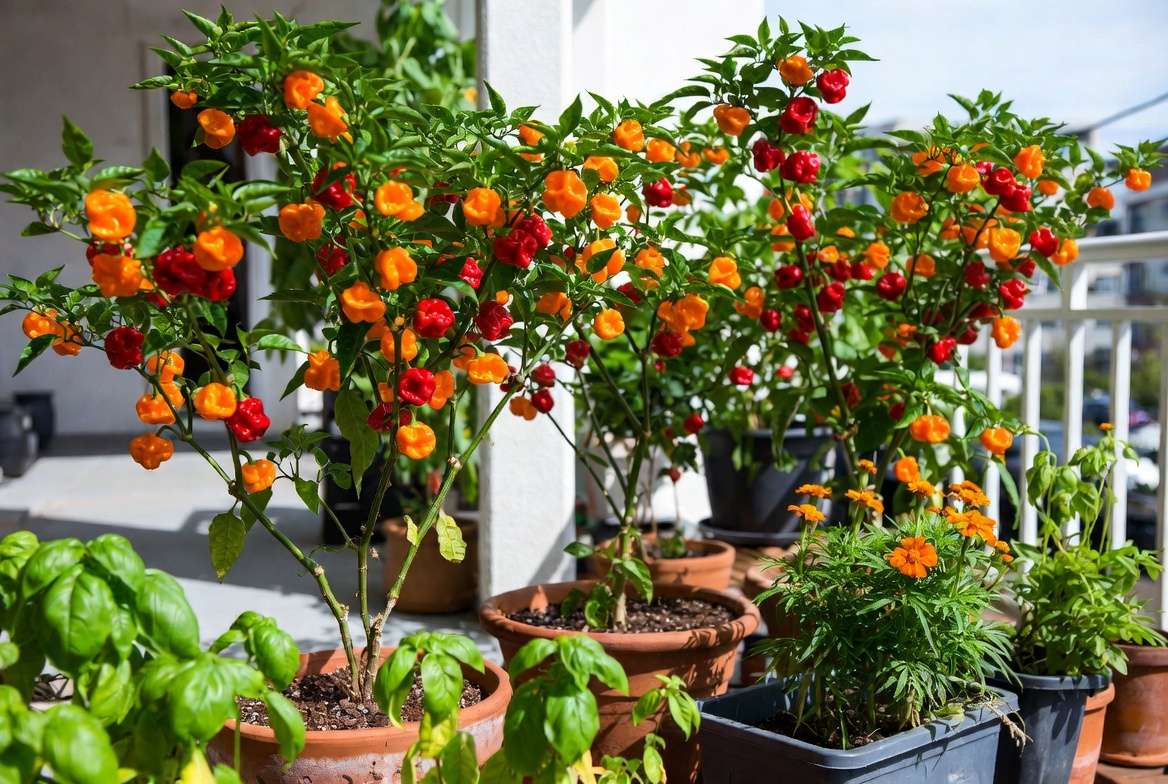
- Containers: Excellent for patios, balconies, or short seasons. Use 5–10+ gallon pots with drainage holes. This method offers better control over soil quality and mobility for overwintering.
- In-Ground Beds: Allows larger root systems and potentially higher yields. Space plants 3–3.5 feet apart in rows 4–5 feet apart for good air circulation.
Raised beds are ideal in areas with poor native soil.
Starting Scotch Bonnet Pepper Plants from Seed
Most gardeners achieve the best results by starting Scotch Bonnet seeds indoors, as the long growing season (100–120+ days to maturity) requires an early head start.
When to Start Seeds Begin seeds 8–10 weeks before your last expected frost date. In many temperate zones, this means January to March. Use a planting calendar or local extension service for precise timing.
Germination Tips and Techniques Scotch Bonnet seeds germinate best in warm soil temperatures of 80–90°F (27–32°C). Without bottom heat, germination can be slow or inconsistent (10–21 days typical).
Step-by-Step Seed Starting Process
- Fill seed trays or small pots with a sterile, well-draining seed-starting mix.
- Plant seeds ¼ inch deep and mist lightly. Cover with a humidity dome or plastic wrap.
- Place on a seedling heat mat and keep soil consistently moist but not soggy.
- Provide strong light (grow lights or south-facing window) as soon as sprouts emerge to prevent legginess.
- Once true leaves appear, transplant to larger pots and begin gentle fertilization.
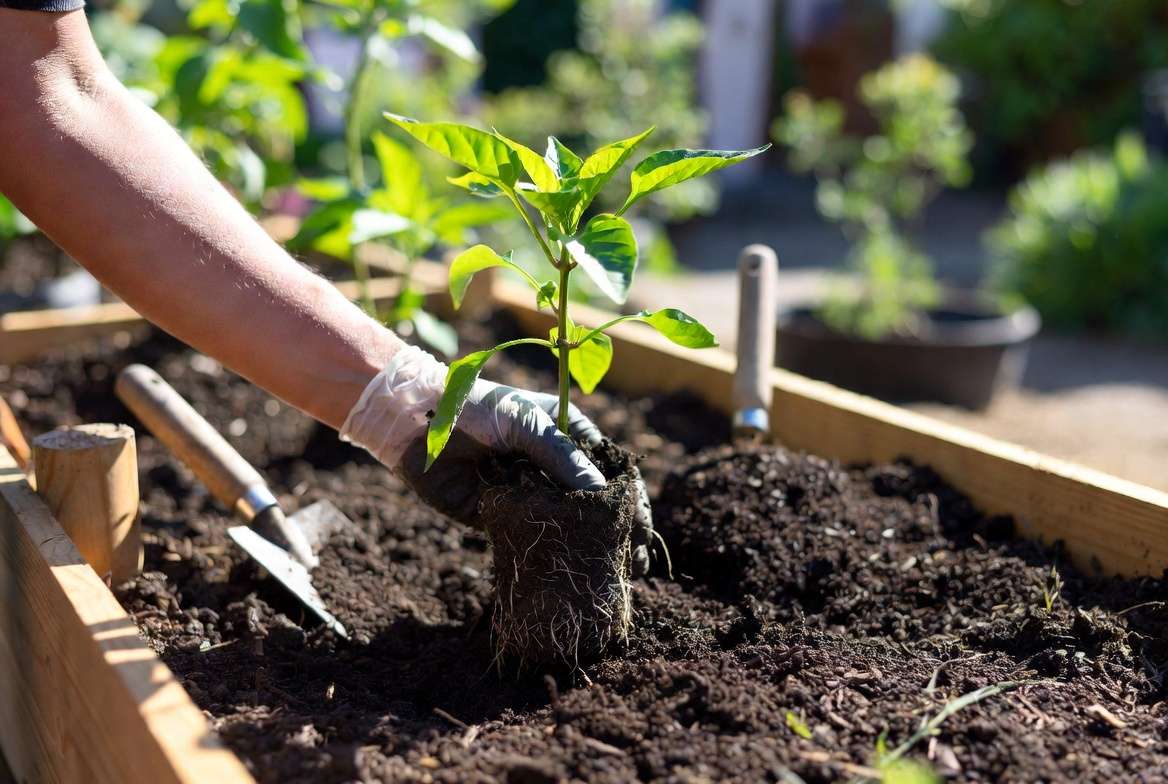
Transplanting Seedlings Harden off seedlings for 7–10 days before moving outdoors. Transplant when soil temperatures reach at least 60–65°F and all frost danger has passed. Handle roots gently to minimize transplant shock. Water deeply after planting and apply a light mulch layer.
Pro Tip: Use a fan on low to strengthen stems and improve air circulation, reducing damping-off risk. 🌬️
Planting and Establishing Your Scotch Bonnet Pepper Plant
Proper site preparation sets the foundation for vigorous growth.
Best Planting Time and Site Preparation Wait until soil warms and nights are consistently mild. Work compost into beds two weeks before planting and test soil pH.
Spacing, Support, and Companion Planting Adequate spacing prevents disease and allows airflow. Stake or cage taller varieties to support heavy fruit loads. Excellent companions include basil, marigolds (for pest deterrence), onions, and oregano. Avoid planting near other nightshades (tomatoes, eggplant) to reduce shared disease risks.
Mulching Strategies Organic mulch like straw or wood chips conserves moisture, suppresses weeds, and moderates soil temperature. Keep mulch a few inches away from stems to prevent rot.
Daily Care and Maintenance for Thriving Plants 💧
Consistent care transforms good plants into exceptional producers.
Watering Best Practices Maintain even moisture — aim for deep watering when the top 1–2 inches of soil feel dry. Inconsistent watering is a leading cause of blossom end rot and fruit cracking. Drip irrigation or soaker hoses work wonderfully. Reduce watering slightly as fruits mature to concentrate flavors.
- Early growth: Balanced fertilizer (e.g., 10-10-10) or fish emulsion.
- Flowering and fruiting: Switch to a higher phosphorus/potassium formula (e.g., 5-10-10 or tomato/vegetable fertilizer).
- Organic options: Compost tea, kelp meal, and bone meal. Apply every 2–3 weeks. Avoid over-fertilizing with nitrogen, which promotes leaves at the expense of fruit.
Pruning and Training Techniques Pinch the growing tip when plants are 6–8 inches tall for bushier growth. Remove lower leaves that touch soil and any suckers competing with main stems. Prune lightly throughout the season to improve light penetration and air flow.
Temperature and Humidity Management Use shade cloth during heat waves and row covers or cloches for cooler nights. In greenhouses, maintain good ventilation to prevent fungal issues in high humidity.
Pest and Disease Management 🛡️
Vigilance and prevention are key to protecting your Scotch Bonnet pepper plants.
Common Pests
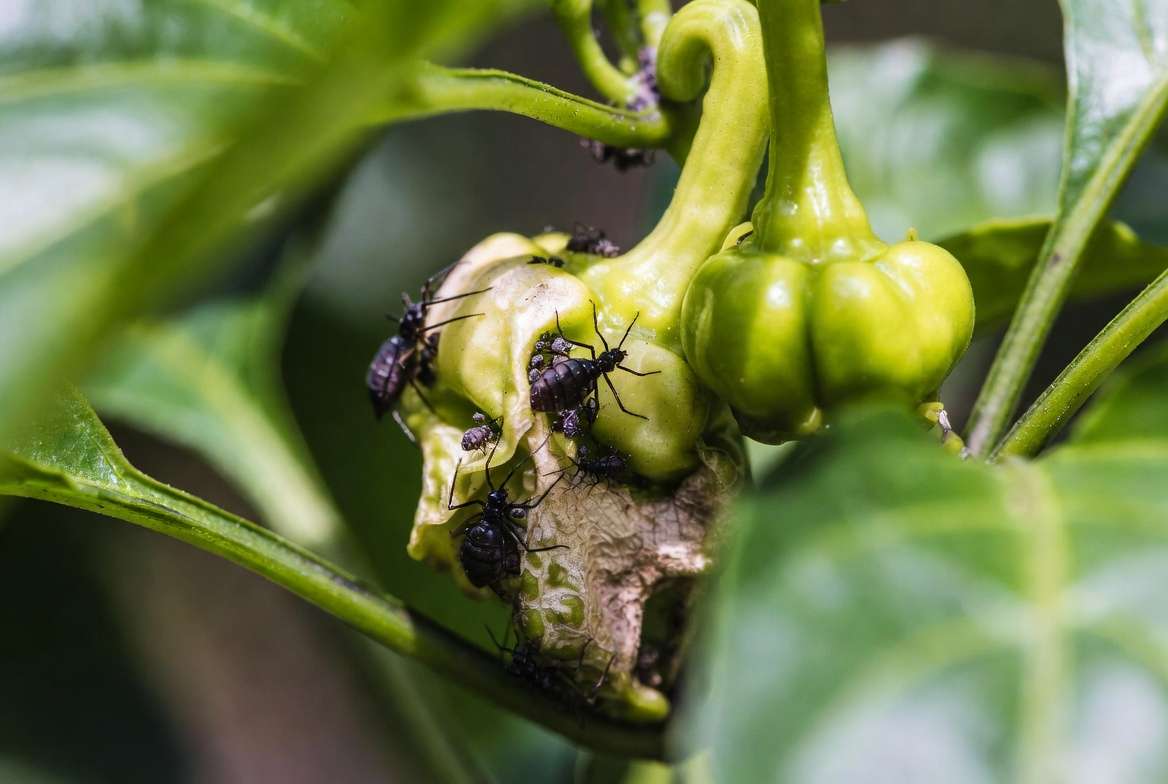
- Aphids and Whiteflies: Sap-suckers that cause yellowing and distorted growth. Control with neem oil, insecticidal soap, or beneficial insects like ladybugs.
- Spider Mites and Thrips: Common in hot, dry conditions. Increase humidity and use predatory mites.
- Pepper Weevils and Hornworms: Hand-pick larger pests; use row covers early.
Major Diseases
- Fungal (anthracnose, powdery mildew, fusarium wilt): Prevent with proper spacing, avoiding overhead watering, and crop rotation.
- Bacterial spot: Remove affected leaves; use copper-based sprays as needed.
- Viral diseases: Prevent by controlling insect vectors and using disease-resistant seeds when available.
Integrated Pest Management (IPM) Combine cultural practices, biological controls, and targeted organic treatments. Regularly inspect undersides of leaves and act quickly at first signs of trouble.
Troubleshooting Table (visualize as formatted table in final article)
- Yellow leaves: Nutrient deficiency or overwatering.
- Blossom drop: Temperature stress or irregular watering.
- Holes in leaves: Caterpillars or slugs.
From Flowers to Harvest: Maximizing Your Yield 🍅
Pollination Tips Gently shake plants or use a small brush to transfer pollen, especially in enclosed spaces or during low bee activity.
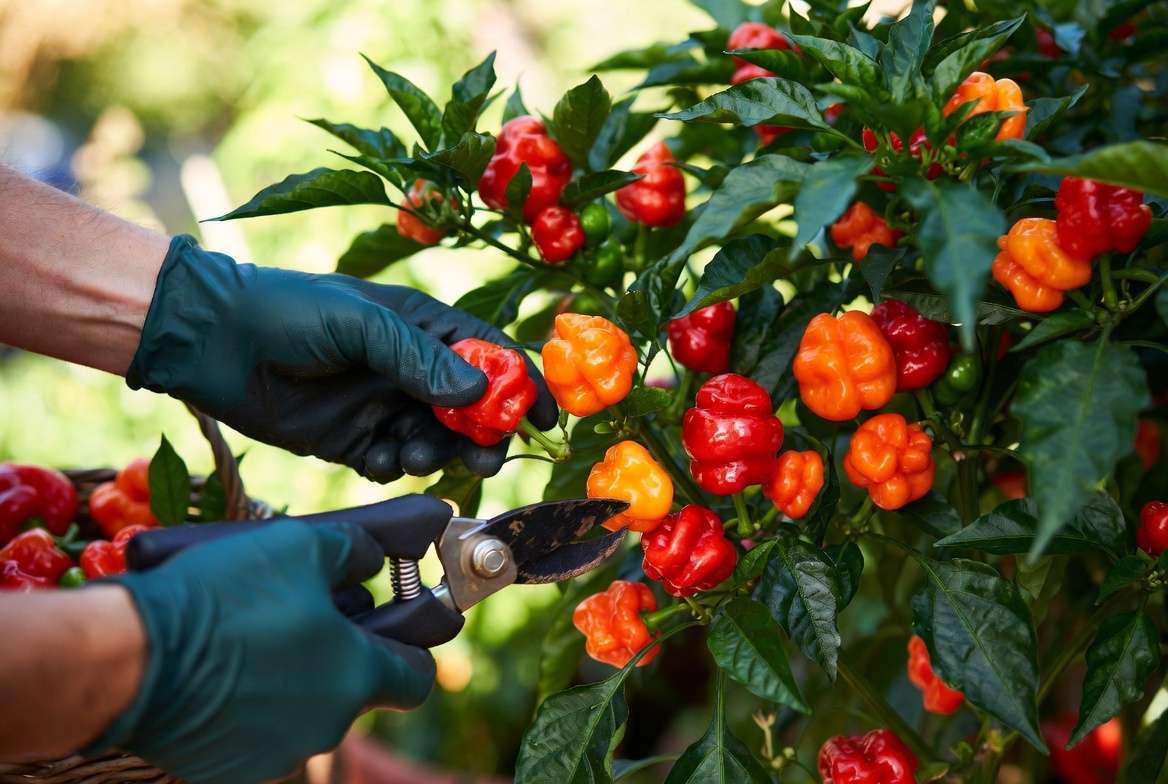
Signs of Ripeness and Harvesting Techniques Fruits typically mature 70–120 days after transplanting. Harvest when fully colored and firm. Use sharp scissors or pruners — twisting can damage plants. Wear gloves to avoid capsaicin burns! Regular picking encourages more production.
Post-Harvest Handling Store fresh peppers in the refrigerator for 1–2 weeks or freeze/dry for longer preservation. Make hot sauce, jams, or pickles to enjoy your harvest year-round.
Extending the Season In frost-prone areas, bring potted plants indoors or use protective structures. Some gardeners successfully overwinter plants in a sunny window or under grow lights for multi-year production.
Advanced Tips for Abundant Harvests and Problem Solving
Experienced growers often use targeted techniques like foliar feeding with seaweed extract for micronutrients or light root pruning in containers to stimulate fruiting. Monitor for nutrient lockout in high-pH soils and adjust accordingly.
For small-space gardeners, dwarf or compact varieties perform exceptionally well in pots. Sustainable practices such as rainwater collection and homemade compost close the loop on your pepper-growing ecosystem.
Nutritional Benefits and Culinary Uses
Scotch Bonnet peppers are rich in vitamins A and C, antioxidants, and capsaicin, which may support metabolism and pain relief. Use them fresh in mango salsa, blended into fiery marinades, or dried for spice blends.
Frequently Asked Questions (FAQs) ❓
How long does it take for a Scotch Bonnet pepper plant to produce fruit? From seed to first harvest, expect 4–5 months under ideal conditions.
Can I grow Scotch Bonnet peppers indoors year-round? Yes, with sufficient grow lights (14–16 hours daily) and warm temperatures.
Why are my plants flowering but not setting fruit? Common causes include temperature extremes, poor pollination, or nutrient imbalances.
What’s the best soil mix for container-grown Scotch Bonnet? A well-draining blend of potting soil, compost, and perlite.
How do I overwinter my Scotch Bonnet pepper plant? Prune back, bring indoors to a bright, cool location, and reduce watering.
Are Scotch Bonnet peppers hotter than habaneros? They are very similar, with overlapping heat ranges and comparable flavors.
How do I prevent blossom end rot? Maintain consistent moisture and ensure adequate calcium through soil amendments or foliar sprays.
What companion plants work best? Basil, marigolds, and garlic help deter pests naturally.
Conclusion
Growing a successful Scotch Bonnet pepper plant rewards patience and attention to detail with an abundant supply of fiery, flavorful peppers that elevate every meal. By following this comprehensive guide — from selecting the perfect conditions to harvesting and troubleshooting — you’ll be well-equipped to overcome common challenges and enjoy exceptional results.
Start small, observe your plants closely, and don’t be afraid to experiment. Your homegrown Scotch Bonnets will soon become the pride of your garden and kitchen. Share your growing journey in the comments below, and explore more plant care guides on our site for tomatoes, herbs, and beyond. Happy gardening! 🌶️✨











