
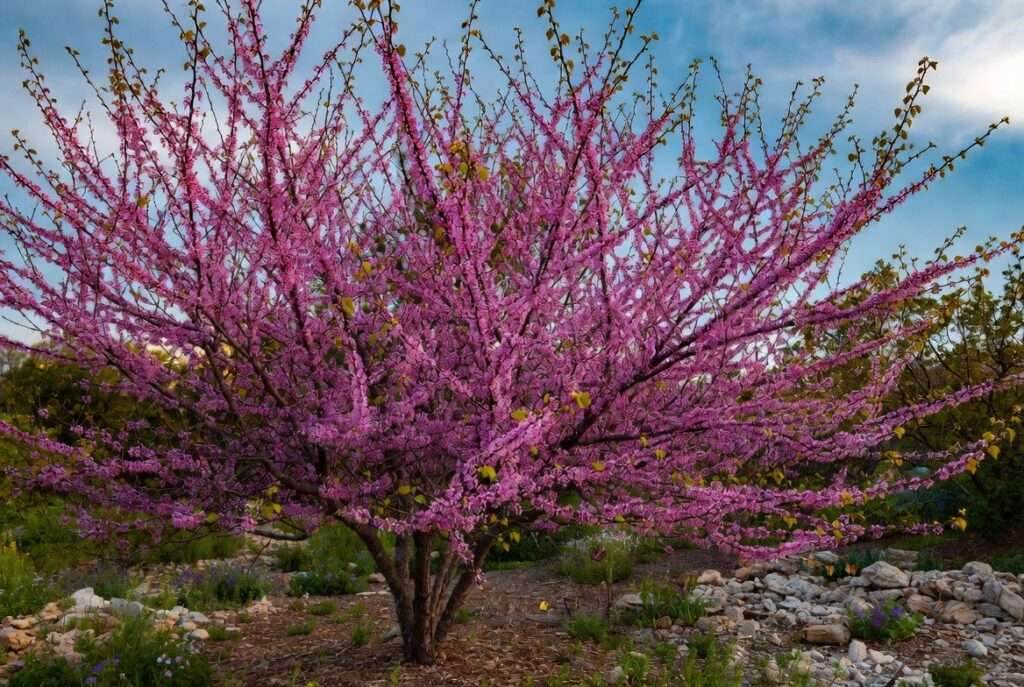
Imagine stepping into your garden on a crisp early spring morning and being greeted by a breathtaking explosion of vibrant pink-magenta flowers covering graceful, bare branches. Butterflies and hummingbirds dance around the blooms while the tree promises lush, heart-shaped leaves for summer shade. This isn’t a dream — it’s the everyday magic of a healthy Texas Redbud Tree.
As a tree care specialist with more than 15 years of hands-on experience working with native species across Texas and the Southwest, I’ve helped hundreds of homeowners successfully establish these stunning trees. Whether you’re a beginner gardener or an experienced landscaper looking to add a low-maintenance native beauty, this comprehensive guide will walk you through everything you need to know. From proper planting techniques to solving common problems and maximizing beautiful blooms, you’ll gain the confidence and knowledge to grow a thriving Texas Redbud Tree that enhances your landscape for decades. 🌟
In this detailed resource, we’ll cover optimal growing conditions, seasonal care, pest and disease management, propagation methods, and expert landscaping ideas. By the end, you’ll have a complete action plan tailored specifically for the Texas Redbud — a tougher, more drought-tolerant variety than its Eastern cousin. Let’s get started so your garden can soon showcase this iconic Texas native.
What Is the Texas Redbud Tree? 🌺
The Texas Redbud Tree (Cercis canadensis var. texensis) is a small deciduous tree celebrated for its spectacular spring display and exceptional adaptability to challenging Southern and Southwestern conditions. Also known as the Texas redbud or Oklahoma redbud in some regions, this variety is native primarily to the rocky hills, canyons, and woodlands of central and western Texas.
Botanical Profile and Key Characteristics Texas Redbud trees typically reach 15–25 feet tall with a similar spread, making them ideal for residential landscapes where larger trees might overwhelm the space. They feature distinctive heart-shaped (cordate) leaves that emerge after the flowers, turning from bright green in spring to golden-yellow in fall. The bark is smooth and gray when young, developing attractive furrowed texture with age.
One of the most enchanting traits is the flowering habit. In late winter to early spring (often February to April in Texas), clusters of pea-like, rosy-pink to deep magenta blossoms cover the branches directly on the wood — before leaves appear. This “bloom-first” strategy creates a striking silhouette against the sky. After flowering, the tree produces flat, bean-like seed pods that persist into winter, adding visual interest and food for wildlife.
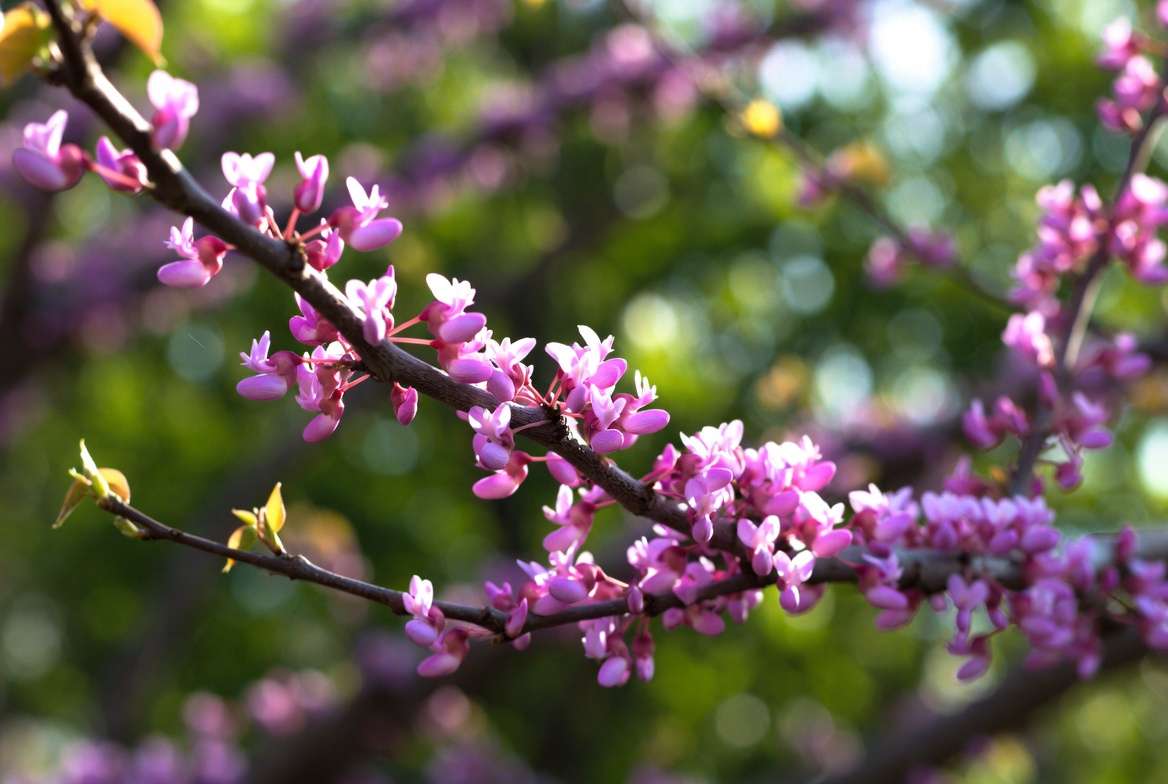
Texas Redbud vs. Eastern Redbud – What’s the Difference? While both belong to the same species, the Texas variety is specially adapted to hotter, drier climates. It tends to be more compact, with slightly smaller, glossier leaves and greater drought and heat tolerance. The Eastern Redbud (Cercis canadensis) prefers more moisture and can struggle in the intense Texas sun and alkaline soils, whereas the Texas Redbud thrives in those exact conditions. This makes the Texas Redbud the superior choice for water-wise gardens, xeriscaping, and regions with limestone-rich soil.
Mature Size, Growth Rate, and Lifespan Expect a moderate growth rate of 1–2 feet per year under good conditions. With proper care, these trees can live 50–75 years or more, becoming cherished heirloom landscape features. Their relatively small stature makes them perfect for planting under power lines or near patios without major pruning headaches.
Why Plant a Texas Redbud Tree? Benefits for Your Landscape and Ecosystem 🦋
Planting a Texas Redbud Tree delivers far more than beautiful spring flowers. This native species offers multiple layers of value that solve common gardener challenges: limited space, water restrictions, and the desire for low-maintenance beauty that supports local wildlife.
Ornamental Beauty and Four-Season Interest The show-stopping spring blooms are just the beginning. Summer brings heart-shaped leaves that provide light, dappled shade perfect for underplanting. Fall foliage turns brilliant yellow, and even winter reveals an elegant branching structure adorned with seed pods. This multi-season appeal makes the Texas Redbud a standout focal point in any yard.
Wildlife Value and Pollinator Support As an early-season bloomer, the Texas Redbud is a critical nectar source for native bees, butterflies, and hummingbirds emerging from winter. The seeds feed birds and small mammals, while the dense branching offers nesting sites. By choosing this native tree, you actively contribute to local biodiversity and support declining pollinator populations.
Drought Tolerance and Water-Wise Gardening In an era of water conservation, the Texas Redbud shines. Once established (usually after the first 1–2 years), it is highly drought-tolerant and performs beautifully with minimal supplemental irrigation — a major advantage for Texas gardeners facing hot, dry summers and periodic droughts. Its deep root system helps it access water efficiently.
Soil Improvement and Nitrogen Fixation Like other members of the legume family (Fabaceae), Texas Redbud trees have a symbiotic relationship with soil bacteria that allows them to fix nitrogen. This natural process gradually improves soil fertility, benefiting nearby plants without the need for heavy synthetic fertilizers.
Homeowners frequently tell me how their Texas Redbud became the centerpiece of their pollinator garden or provided the perfect accent for a modern xeriscape. The tree truly solves the need for a beautiful, resilient, and ecologically responsible addition to any landscape.
Choosing the Right Location and Preparing for Planting 🏡
Success with any tree starts with proper site selection. For the Texas Redbud, matching its natural preferences will dramatically reduce long-term care needs.
Ideal USDA Hardiness Zones and Climate The Texas Redbud performs best in USDA zones 6–9. It loves the heat and alkaline soils common across much of Texas, Oklahoma, and northern Mexico. It can tolerate occasional cold snaps but prefers protection from harsh, drying winter winds.
Sunlight Requirements This tree prefers full sun to partial shade. In hotter western Texas regions, some afternoon shade helps prevent leaf scorch, while eastern parts can handle more direct sun. Aim for at least 6 hours of sunlight daily for the best flowering display.
Soil Type and pH Preferences Well-drained soil is essential. The Texas Redbud excels in rocky, limestone-based, or sandy loams with pH 6.0–8.0. It does not like heavy clay that stays constantly wet, which can lead to root rot. If your soil is poor, amending with compost during planting helps establish strong roots.
Spacing and Companion Planting Ideas Plant Texas Redbud trees at least 15–20 feet apart from structures or other large trees. Excellent companions include Mexican sage, blackfoot daisy, autumn sage, and ornamental grasses — all of which share similar water and sun needs while creating beautiful layered plantings.
Pro Tip: Test your soil drainage by digging a hole and filling it with water. If it drains within a few hours, you’re good to go!
How to Plant a Texas Redbud Tree Step-by-Step 🌱
Proper planting is the foundation of a long, healthy life for your tree. Follow these steps for the highest success rate.
Best Time to Plant The ideal planting window in Texas is fall (October–December) or early spring (February–March). Fall planting allows roots to establish during cooler months before the summer heat arrives. Avoid planting during the peak of summer heat.
Selecting Healthy Nursery Stock Choose young trees (5–7 gallon containers) with straight trunks, vibrant foliage, and no signs of pests or damage. Look for well-developed root systems without circling roots. Local nurseries often carry Texas-native stock that is better adapted than big-box imports.
Planting Process
- Dig a hole twice as wide as the root ball but only as deep.
- Gently remove the tree from its container and loosen any circling roots.
- Position the tree so the root flare (where trunk meets roots) sits slightly above ground level.
- Backfill with native soil mixed with compost. Do not add fertilizer at planting time.
- Water deeply to settle the soil and eliminate air pockets.
- Apply a 2–3 inch layer of organic mulch in a donut shape, keeping it away from the trunk.
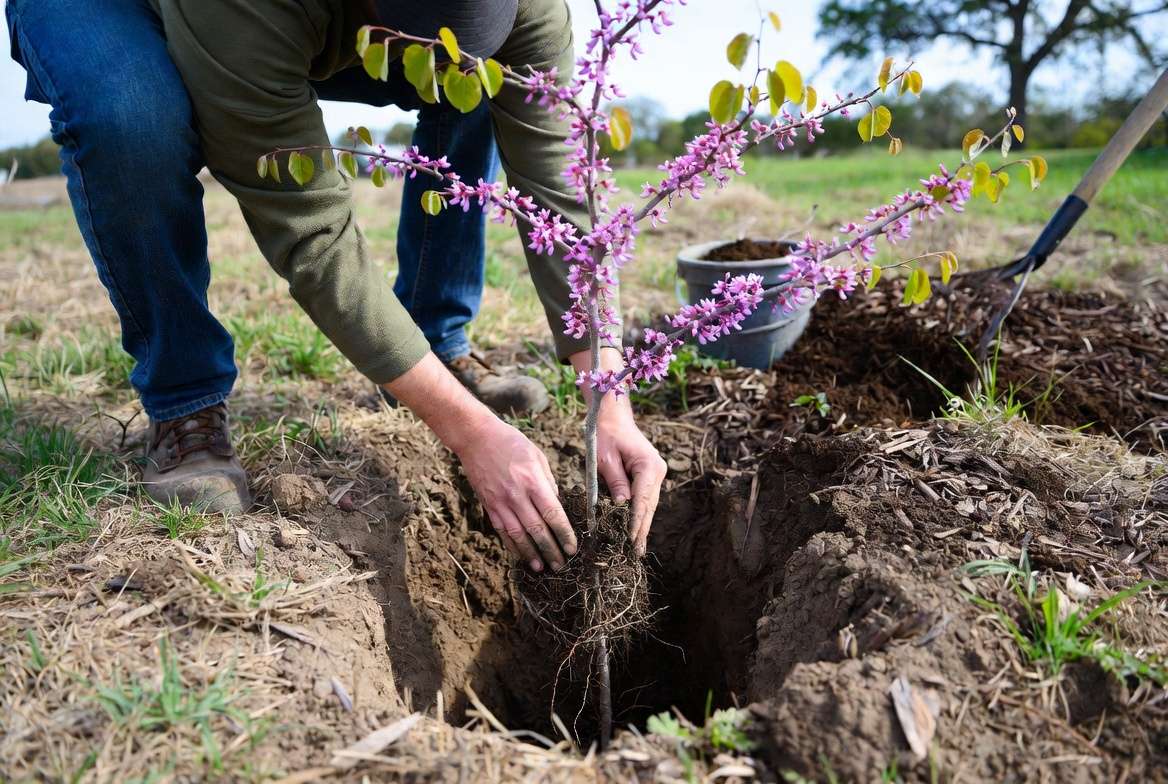
Aftercare for the First 30 Days Water thoroughly every 3–5 days (more often in extreme heat), providing about 10–15 gallons per session. Stake only if necessary in very windy areas, and remove stakes after the first year. Monitor for transplant shock and protect from deer if needed.
This careful start sets your Texas Redbud Tree up for vigorous growth and abundant future blooms.
H2: Essential Care Guide for Healthy Growth 💧
Once your Texas Redbud Tree is in the ground, consistent but minimal care will help it develop a strong root system and produce those signature abundant blooms year after year. Here’s the expert-recommended maintenance schedule based on real-world performance in Texas conditions.
Watering Schedule for New vs. Established Trees Newly planted trees need regular deep watering to encourage deep rooting. For the first year, provide 10–15 gallons every 5–7 days during dry periods, adjusting for rainfall. A good rule: water when the top 4–6 inches of soil feels dry.
After the second year, established Texas Redbud trees become remarkably drought-tolerant. They can survive on natural rainfall in most Texas regions, but supplemental deep watering every 2–3 weeks during extreme drought will keep them looking their best and promote better flowering. Avoid frequent shallow watering, which encourages weak surface roots. 💦
Mulching Best Practices Mulch is one of the best things you can do for your Texas Redbud. A 2–4 inch layer of organic mulch (shredded bark, wood chips, or leaf mold) conserves moisture, moderates soil temperature, and suppresses weeds. Reapply annually in spring, always keeping mulch several inches away from the trunk to prevent rot and rodent damage.
Fertilizing – When and What to Use Texas Redbud trees are light feeders and generally do not require heavy fertilization, especially in native or amended soils. Over-fertilizing can lead to excessive leafy growth at the expense of flowers.
Apply a balanced, slow-release organic fertilizer (such as 10-10-10 or one formulated for trees) in early spring only if growth seems slow or leaves show pale color. A light application of compost around the drip line each spring is often sufficient. Soil testing every 2–3 years is the most authoritative way to determine exact needs.
Pruning Techniques for Shape and Blooms The Texas Redbud naturally develops an attractive, multi-trunk or vase shape. Prune sparingly — this tree blooms on old wood, so heavy pruning can reduce next season’s flowers.
Best practices:
- Remove dead, damaged, or crossing branches in late winter or right after blooming.
- Shape young trees to encourage strong structure.
- Maintain an open center for good air circulation, which helps prevent disease.
- Never top the tree or remove more than 25% of the canopy in one year.
With proper pruning, your tree will develop graceful form and maximum bloom production.
Seasonal Care Calendar
- Spring: Monitor new growth, apply mulch, watch for early pests. Enjoy the spectacular bloom! 🌸
- Summer: Deep water during dry spells, check for leaf scorch.
- Fall: Best time for planting new trees and light shaping. Leaves turn golden.
- Winter: Prune for structure, protect young trees from extreme cold with burlap if needed.
Following this calendar takes the guesswork out of Texas Redbud Tree care and ensures reliable performance.
H2: Common Problems and How to Solve Them 🛠️
Even tough native trees like the Texas Redbud can face challenges. Early detection and proper response will keep your tree healthy for decades.
Pests (Aphids, Borers, Scale) and Organic Controls Aphids occasionally cluster on new growth in spring. A strong spray of water or insecticidal soap usually controls them. Scale insects and borers are less common but can appear on stressed trees. Maintain overall tree vigor through proper watering and mulching as the best prevention. Beneficial insects and neem oil are excellent organic options.
Diseases (Verticillium Wilt, Canker) and Prevention The most serious issue is Verticillium wilt, a soil-borne fungus that can cause sudden branch dieback. Prevention is key: plant in well-drained soil and avoid wounding the roots or trunk. If symptoms appear, prune affected branches well below the damage and sterilize tools between cuts.
Canker diseases may show as sunken areas on branches. Improve air circulation and remove infected wood promptly.
Leaf Scorch, Yellowing, and Nutrient Issues Leaf scorch (browning edges) usually indicates underwatering or heat stress. Increase deep watering and add extra mulch. Yellowing leaves can signal iron deficiency in highly alkaline soils — a chelated iron supplement applied in spring often corrects this quickly.
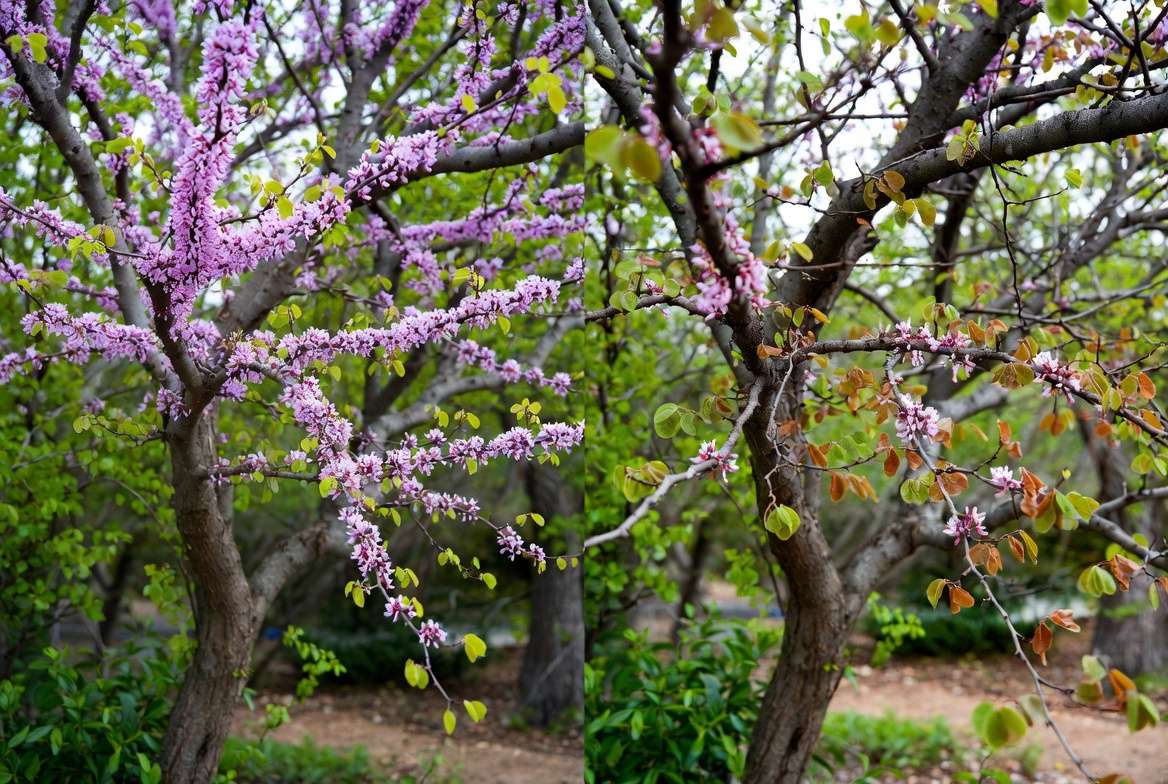
Troubleshooting Flowering Problems If your tree fails to bloom well:
- It may be too young (wait until 3–5 years old).
- Excessive shade or nitrogen fertilizer can reduce flowers.
- Severe drought the previous year can affect bud set.
A diagnostic table for quick reference:
| Symptom | Likely Cause | Solution |
|---|---|---|
| No flowers | Young tree / too much shade | Patience + more sun |
| Browning leaf edges | Drought / heat | Deep water + mulch |
| Wilting branches | Verticillium / root issues | Improve drainage, prune |
| Sticky leaves | Aphids | Water spray or soap |
With these proven strategies, most issues are easily manageable, keeping your Texas Redbud Tree vibrant and blooming beautifully.
H2: Propagation Methods for More Texas Redbud Trees 🌿
One of the joys of growing Texas Redbud is sharing the beauty by propagating your own trees.
Growing from Seeds Collect seed pods in late summer when they turn brown. Scarify the hard seeds (nick or soak in hot water) and plant in well-draining soil. Germination rates improve with cold stratification over winter. Seedlings grow quickly and will be true to the parent’s characteristics in most cases.
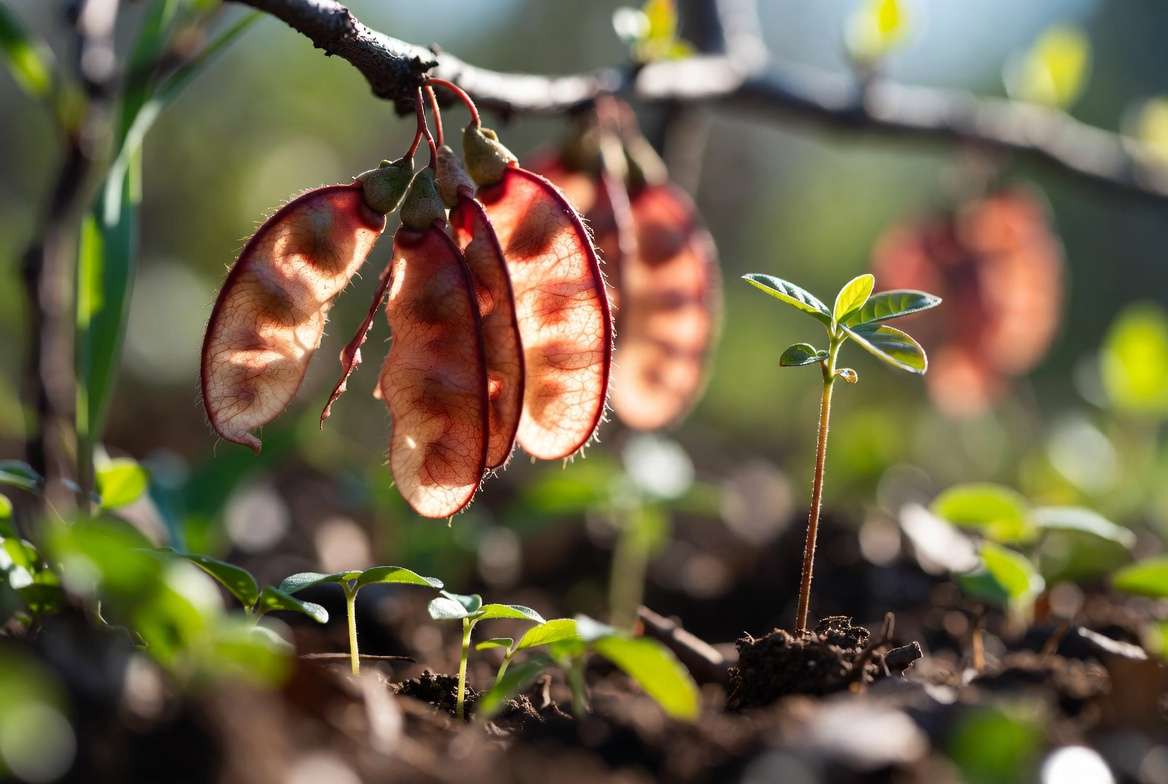
Softwood Cuttings Take 4–6 inch cuttings from healthy new growth in late spring. Dip in rooting hormone and place in a moist, well-draining medium under high humidity. Success rates are good with bottom heat and patience.
Transplanting Suckers Texas Redbuds sometimes produce root suckers. These can be carefully dug up with attached roots and transplanted — one of the easiest propagation methods.
Whichever method you choose, propagated trees help expand native plantings and create beautiful gifts for friends and family.
H2: Advanced Landscaping Ideas and Design Tips ✨
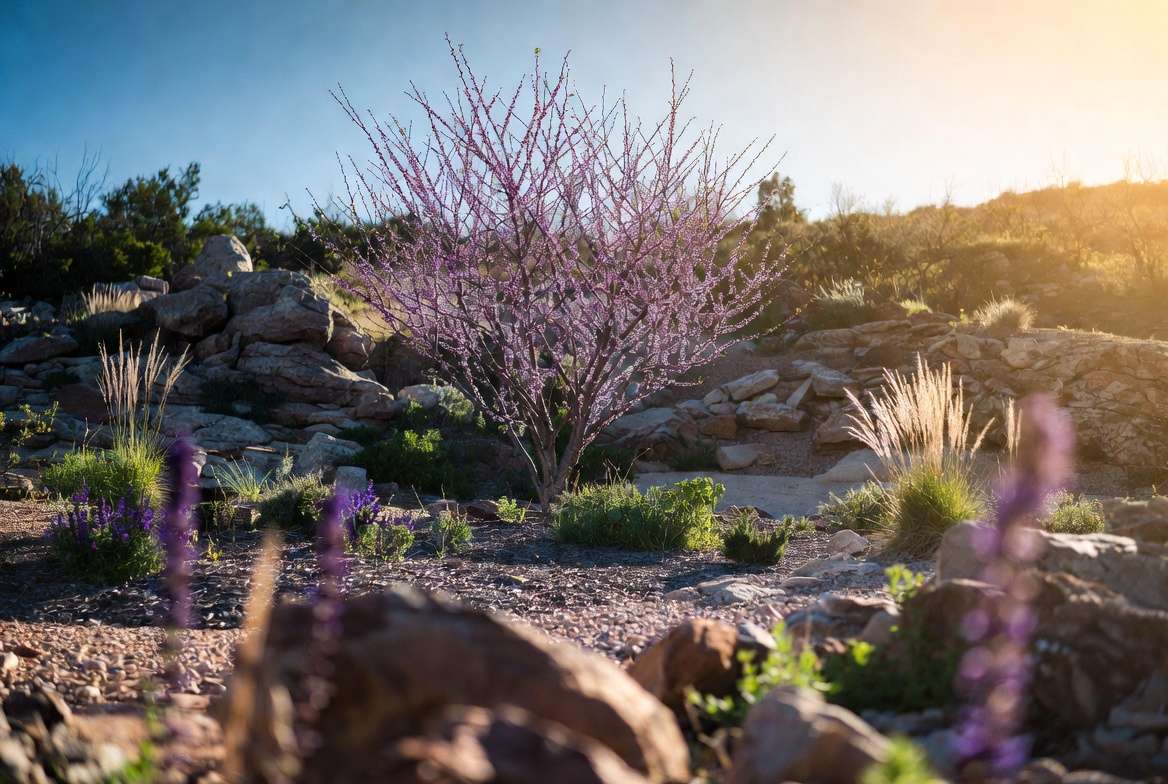
The Texas Redbud Tree shines in thoughtful landscape designs. Use it as a specimen tree near entryways, patios, or mixed in woodland edges. Pair it with spring bulbs for layered color, or underplant with drought-tolerant perennials like salvia, penstemon, and yucca for year-round interest.
In small spaces, it grows beautifully in large containers with excellent drainage. For xeriscaping, combine with agaves, grasses, and rock features to create stunning, low-water displays that celebrate Texas’ natural beauty.
H2: Seasonal Maintenance Checklist 📋
- Monthly checks: Inspect for pests, ensure mulch is fresh, water as needed.
- Annual tasks: Soil test, light pruning, compost application.
- Keep records of your tree’s progress — it makes long-term care even more rewarding!
H2: Frequently Asked Questions (FAQs) ❓
How fast does a Texas Redbud Tree grow? It grows moderately at 1–2 feet per year once established, reaching full size in 10–15 years.
Can it tolerate full sun or drought? Yes! It handles full sun beautifully and is highly drought-tolerant after establishment.
How do I protect it in winter? Young trees benefit from trunk wraps in very cold areas. Established trees are quite hardy.
Is the Texas Redbud deer resistant? It has moderate resistance, though young foliage may be browsed. Use repellents or protective fencing initially.
When does it bloom? Typically late February through April, depending on your specific Texas climate zone.
Additional FAQs cover topics like container growing, toxicity (generally safe but not for consumption), and lifespan expectations.
Conclusion
Growing a Texas Redbud Tree is one of the most rewarding decisions for any Texas gardener or native plant enthusiast. With its stunning blooms, tough constitution, and ecological benefits, this beautiful native tree truly earns its place in your landscape. By following the comprehensive guidance in this article — from proper planting and care to troubleshooting and design — you’ll enjoy years of beauty and pride in your thriving tree.
Ready to transform your garden? Head to your local native plant nursery and bring home your own Texas Redbud Tree today. Share your experiences, photos, or questions in the comments below — I love hearing success stories and helping fellow gardeners!
For more tree care guides, check out our articles on [related native trees] and [drought-tolerant landscaping]. Happy gardening! 🌳💚











