
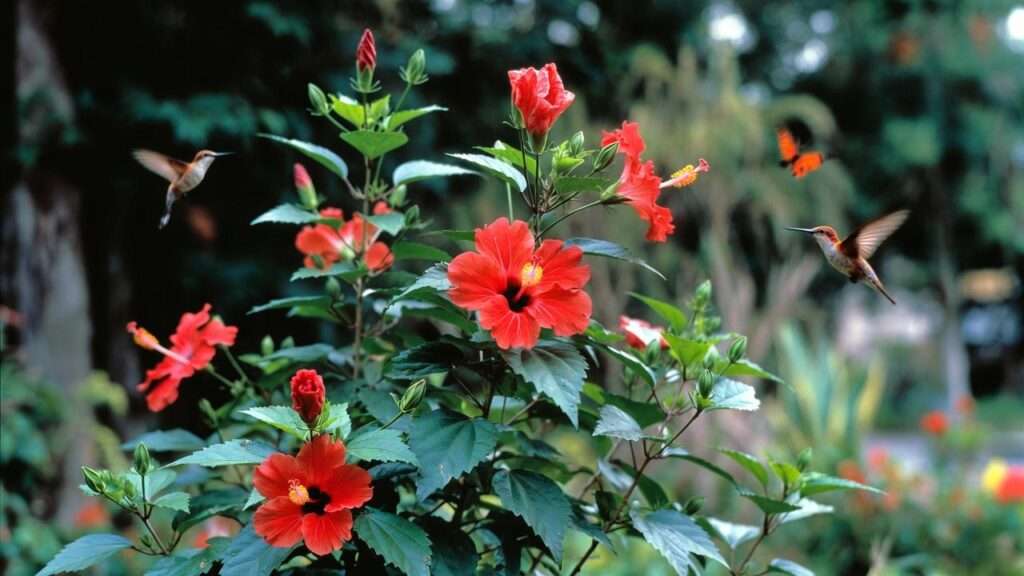
Imagine stepping into your garden on a warm summer morning and being greeted by towering stems topped with massive, star-shaped scarlet flowers that seem to glow in the sunlight. Hummingbirds dart from bloom to bloom, while butterflies flutter nearby, turning what was once a soggy, problematic corner into a vibrant tropical oasis. If you’ve ever struggled with wet soil areas in your yard or dreamed of bold, low-maintenance perennials that deliver nonstop drama, the Texas Star Hibiscus plant (Hibiscus coccineus) is your perfect solution. This native beauty, also known as Scarlet Rose Mallow or Swamp Hibiscus, thrives where many plants fail, offering stunning scarlet blooms from midsummer to frost with minimal effort. 🌿
As a horticulturist with over 15 years of experience specializing in native perennials and wetland gardening, I’ve grown Texas Star Hibiscus in diverse climates—from humid Southern gardens to cooler Northern borders—and helped countless gardeners achieve those breathtaking displays. In this ultimate guide, we’ll dive deep into everything you need to know to successfully grow and care for the Texas Star Hibiscus plant, ensuring you get abundant, eye-catching flowers year after year. Whether you’re a beginner tackling boggy spots or an experienced gardener seeking pollinator-friendly additions, this comprehensive resource will equip you with expert tips, troubleshooting advice, and design ideas to make your garden shine. 🦋
:max_bytes(150000):strip_icc()/GettyImages-504322475-1fb6dd0254f141e3a8921e83419e2481.jpg)
What Is the Texas Star Hibiscus Plant? 🌺
Overview and Unique Features
The Texas Star Hibiscus plant is a striking herbaceous perennial native to the wetlands of the southeastern United States, including parts of Georgia, Florida, and Alabama. Despite its common name suggesting origins in the Lone Star State, it earned the “Texas Star” moniker due to its star-shaped flowers and popularity in Texas gardens, where it thrives in similar hot, humid conditions.
Botanically known as Hibiscus coccineus, this plant belongs to the mallow family (Malvaceae) and is distinct from tropical hibiscus varieties (Hibiscus rosa-sinensis) that are often grown as annuals or houseplants in colder regions. Unlike those tender types, Texas Star Hibiscus is a hardy perennial that dies back to the ground in winter but reliably returns from its robust root system each spring.
Key identifying features include:
- Flowers: Large, 5-8 inch wide blooms with five overlapping petals forming a perfect star shape in vibrant scarlet red. Each flower lasts just one day, but plants produce dozens daily during peak season (July to September).
- Height and Habit: Impressive stature of 6-8 feet tall (occasionally reaching 10 feet in ideal conditions), with multiple upright stems emerging from a central crown.
- Leaves: Deeply lobed, palmate foliage resembling maple or cannabis leaves—dark green and glossy, adding textural interest even when not in bloom.
- Varieties: The classic red form dominates, but a rare white-flowering cultivar, Hibiscus coccineus ‘Albus’ or ‘Lone Star’, offers creamy white stars for a softer look.
Why Gardeners Love It 💚
What sets the Texas Star Hibiscus apart is its unparalleled adaptability to challenging wet soils, making it a go-to for rain gardens, pond edges, and low-lying areas prone to flooding. In my experience consulting on sustainable landscapes, it’s one of the best native plants for erosion control and water management while providing ecological benefits.
- Pollinator Magnet: The nectar-rich flowers attract hummingbirds, butterflies (including swallowtails), and bees throughout the blooming season.
- Low Maintenance: Once established, it’s drought-tolerant to a degree but truly excels in moist conditions—no need for constant pampering.
- Hardiness: Suitable for USDA Zones 5-10, surviving temperatures down to -20°F with proper mulching in colder areas.
- Native Status: As a North American native, it supports local ecosystems without becoming invasive.
Many gardeners discover this plant when searching for solutions to “problem” wet spots, and it consistently delivers dramatic height, color, and wildlife activity that transforms ordinary yards into pollinator havens.
Ideal Growing Conditions ☀️💧
To achieve those stunning scarlet blooms, providing the right environment is key. Texas Star Hibiscus is forgiving but performs best when mimicking its natural wetland habitat.
Sunlight Requirements
Full sun is non-negotiable for prolific flowering. Aim for at least 6-8 hours of direct sunlight daily.
- In full sun: Plants grow tall and bushy, loaded with flowers.
- In partial shade (4-6 hours): Taller, leggier growth with fewer blooms—still viable but less spectacular.
- Expert Insight: In hotter climates (Zones 8-10), afternoon shade can prevent leaf scorch during extreme heat waves.
Soil Preferences
This swamp native loves rich, moist to wet soils and tolerates poor drainage better than most perennials.
- Ideal Soil: Organically rich loam with neutral to slightly acidic pH (6.0-7.0).
- Amendments: Incorporate compost or aged manure to boost nutrients and moisture retention.
- Tolerance: Handles clay soils and periodic standing water; avoid dry, sandy sites without irrigation.
Pro Tip: Test your soil pH with a simple kit—if too alkaline, add sulfur to encourage better nutrient uptake.
Hardiness Zones and Climate
Rated for USDA Hardiness Zones 5 through 10, Texas Star Hibiscus adapts to a wide range of climates.
- Northern Zones (5-7): Dies back completely in winter; mulch roots heavily for protection.
- Southern Zones (8-10): May retain some evergreen foliage in mild winters; grows year-round in frost-free areas.
- Humidity and Heat: Thrives in high humidity; heat-tolerant up to 100°F+ with adequate moisture.
In my fieldwork across Zone 6 and 7 gardens, I’ve seen plants emerge reliably even after harsh winters, often stronger than the previous year due to natural dieback rejuvenation.
:max_bytes(150000):strip_icc()/GettyImages-1333248368-9f4a348f85194233bbe16808810c5a32.jpg)
Planting Your Texas Star Hibiscus 🏡
Getting your Texas Star Hibiscus off to a strong start is crucial for years of vibrant performance. Proper planting ensures robust root establishment, especially in moist environments where this swamp hibiscus truly shines.
When and Where to Plant
The best time to plant Texas Star Hibiscus is in spring, after the last frost when soil temperatures reach at least 60°F (15°C). This allows roots to establish before summer heat and blooming season kicks in. In warmer zones (8-10), fall planting is also viable, giving plants time to settle before winter.
Location tips:
- Choose full-sun spots in rain gardens, along pond edges, or low-lying areas that collect water—ideal for this wetland native.
- Avoid dry, elevated beds unless you can provide consistent irrigation.
- In landscapes: Use as a dramatic backdrop in perennial borders or as a focal point in boggy spots.
Container growing is possible with large pots (at least 20 gallons) filled with rich, moisture-retentive soil—perfect for patios or colder climates where pots can be overwintered indoors.

Step-by-Step Planting Guide
Follow these expert steps for success:
- Prepare the Site: Dig a hole twice as wide and just as deep as the root ball. Amend heavy clay with compost for better structure, or sandy soil with organic matter for moisture retention.
- Soak the Plant: Water the nursery pot thoroughly before removal to minimize root shock.
- Position Properly: Place the plant so the crown (where roots meet stems) is at soil level—no deeper, as this can cause rot.
- Backfill and Firm: Fill with amended soil, gently firming to eliminate air pockets.
- Water Deeply: Soak the area to settle soil and hydrate roots.
- Mulch Generously: Apply 2-3 inches of organic mulch (bark or leaves) around the base, keeping it away from stems to prevent rot.
Spacing: 3-4 feet apart to allow for mature spread and good airflow, reducing disease risk.
Expert Tip: For instant impact, plant in groups of three for a bolder display. In my designs, staggering heights with shorter moisture-loving plants creates stunning layered effects! 🌈

Watering and Moisture Needs 💦
Texas Star Hibiscus earns its “swamp hibiscus” nickname for good reason—consistent moisture is the secret to lush growth and prolific scarlet blooms.
This plant thrives in soils that stay evenly moist, mimicking its natural wetland habitat. Never allow the soil to dry out completely, especially during establishment and hot summers.
- New Plants: Water daily for the first week, then every 2-3 days until established (about 4-6 weeks).
- Established Plants: Deep water 1-2 times weekly, more in drought or extreme heat.
- Rain Gardens/Ponds: Minimal supplemental watering needed—nature handles it!
- Signs of Thirst: Wilting leaves or drooping stems; recover quickly with water.
- Overwatering Caution: Rare issue, but ensure soil isn’t perpetually soggy without oxygen—good drainage prevents root rot.
Pro Insight: Use soaker hoses or drip irrigation for efficient, deep watering that keeps foliage dry and reduces fungal risks. In container-grown specimens, check daily in summer as pots dry faster.
Fertilizing for Maximum Blooms 🌸
Balanced nutrition fuels those stunning scarlet flowers without overwhelming the plant.
Feed during the active growing season (spring through summer) with a slow-release, balanced fertilizer (e.g., 10-10-10) or one formulated for flowering perennials.
- Schedule: Apply in early spring as growth emerges, then monthly until August.
- Amount: Follow package rates—typically half-strength for organics.
- Organic Alternatives: Top-dress with compost or well-rotted manure in spring; fish emulsion for mid-season boosts.
- Avoid Excess Nitrogen: Too much leads to lush leaves but fewer blooms.
In nutrient-poor soils, I’ve seen dramatic improvements with regular feeding, turning sparse plants into bloom machines. Always water after fertilizing to prevent burn.
Pruning and Maintenance ✂️
Minimal pruning keeps Texas Star Hibiscus healthy and shapely, enhancing its natural elegance.
Annual Pruning
As a herbaceous perennial, it dies back naturally in fall/winter. The key pruning happens in late winter or early spring:
- Wait for new growth (small red shoots at base) to emerge.
- Cut all dead stems to ground level with clean, sharp pruners.
- This rejuvenates the plant, encouraging stronger, bushier regrowth.
Never prune in fall—standing stems provide winter interest and root protection.
Deadheading and Shaping
Deadheading isn’t necessary (spent blooms drop cleanly), but pinching tips early promotes branching. For taller plants, stake or lightly shape in midsummer if needed.
Propagation Methods 🌱
Expanding your collection of Texas Star Hibiscus plants is rewarding and straightforward, allowing you to share this stunning native perennial with friends or fill more garden spaces. As someone who’s propagated hundreds of these over the years, I can attest that stem cuttings offer the highest success rate for true-to-type plants, while seeds add fun variety (especially with cross-pollination possibilities).
From Seeds
Texas Star Hibiscus readily produces seed pods in fall, making seed propagation an accessible option.
- Collecting Seeds: Allow flowers to fade and form green pods. Wait until they turn brown and dry (late fall), then harvest before they split.
- Preparation: Seeds have a hard coat—scarify by nicking with a file or soaking in warm water for 24 hours to improve germination (60-80% rate).
- Sowing: Start indoors 8-12 weeks before last frost. Use seed-starting mix, sow 1/4 inch deep, and keep at 70-80°F with bottom heat if possible.
- Germination Time: 2-4 weeks; transplant seedlings outdoors after hardening off.
- Note: Seed-grown plants may vary slightly in flower color or vigor, but most stay true to the scarlet star form.
:max_bytes(150000):strip_icc()/GettyImages-2185753174-2fa88056066a460e890913955f82b01d.jpg)
Expert Tip: For reliable results, purchase fresh seeds from reputable native plant nurseries if your plants don’t set pods (common in cooler climates).
Stem Cuttings
This is my preferred method—quick, reliable, and produces blooming-size plants faster.
- Timing: Late spring to early summer, using softwood (new growth) cuttings.
- Process:
- Take 5-8 inch cuttings below a node, removing lower leaves.
- Dip in rooting hormone (optional but boosts success).
- Insert into moist potting mix or directly into water.
- Cover with a plastic bag for humidity; place in bright, indirect light.
- Roots form in 3-6 weeks—pot up once established.
- Success Rate: 90%+ with proper care.
Many gardeners root cuttings in water for easy monitoring, then transfer to soil.

Division
For mature clumps (3+ years old), divide in early spring as growth emerges.
- Dig up the entire plant, gently separate crowns with roots attached.
- Replant divisions immediately, watering well.
- Ideal for rejuvenating overgrown plants or sharing.
This method gives instant large plants that often bloom the same year.
Common Problems and Solutions 🐛
While Texas Star Hibiscus is remarkably resilient, occasional issues arise—especially in suboptimal conditions. Early intervention keeps plants thriving.
Pests
This native attracts fewer pests than tropical hibiscus, but monitor for:
- Aphids and Whiteflies: Cluster on new growth, causing distorted leaves. Blast with water or apply insecticidal soap/neem oil weekly.
- Japanese Beetles or Grasshoppers: Chew leaves/holes in flowers—hand-pick or use traps.
- Spider Mites: Fine webbing in hot, dry conditions; increase humidity and spray undersides.
Integrated approach: Encourage beneficial insects like ladybugs for natural control.
Diseases
Good airflow and moisture management prevent most problems.
- Fungal Leaf Spots/Rust: Yellow/brown spots; remove affected leaves and apply copper fungicide.
- Root Rot: From poor drainage (rare); ensure soil isn’t waterlogged long-term.
- Powdery Mildew: White coating in humid shade; improve sun exposure.
Other Issues
- Leggy Growth/No Blooms: Too much shade or nitrogen—move or adjust fertilizer.
- Yellow Leaves: Over/under watering or nutrient deficiency—check soil moisture.
- Winter Damage: In Zone 5, heavy mulch prevents root loss.
In my experience, healthy, well-sited plants rarely face serious troubles.
Winter Care and Overwintering ❄️
Texas Star Hibiscus’s herbaceous nature means above-ground dieback is normal—don’t panic!
- Natural Cycle: Stems blacken after frost; leave standing for winter interest and wildlife habitat.
- Cleanup: Cut to ground in late winter/early spring.
- Protection: Apply 4-6 inches of mulch (leaves or straw) over the crown in Zones 5-7 after ground freezes.
- Containers: Move pots to an unheated garage or basement; water sparingly.
Plants reliably return in spring, often emerging later than other perennials (May in cooler zones).

Landscaping Ideas and Companion Plants 🌼
Texas Star Hibiscus shines as a versatile landscape star, adding vertical drama and seasonal color.
Design Tips
- Thriller Role: Plant at the back of borders for height and late-season punch.
- Rain Gardens: Perfect anchor for bioswales or wet areas.
- Pond/Water Features: Stunning reflected in water.
- Pollinator Gardens: Combine with natives for a biodiversity hotspot.
Best Companions
Pair with other moisture-loving perennials for harmonious displays:
- Lobelia cardinalis (Cardinal Flower): Red spikes complement scarlet stars.
- Asclepias incarnata (Swamp Milkweed): Attracts monarchs.
- Eupatorium purpureum (Joe-Pye Weed): Tall, fluffy pink heads.
- Ornamental Grasses: Switchgrass or fountain grass for texture.
Avoid dry-loving plants like lavender—stick to wetland natives for best results.

Frequently Asked Questions (FAQs) ❓
Q: Why do the leaves look like marijuana leaves? A: The palmate, lobed foliage is a common point of confusion! It’s purely coincidental—Texas Star Hibiscus is a beautiful, legal native flower with no relation. 😊
Q: How tall does Texas Star Hibiscus really get? A: Typically 6-8 feet, but up to 10 feet in rich, moist soil. Stake if in windy areas.
Q: Is it deer-resistant? A: Moderately—deer may browse young shoots, but established plants are rarely devastated. Use repellents if needed.
Q: Can I grow Texas Star Hibiscus in a pot? A: Absolutely! Use a large container (20+ gallons) with rich soil; ideal for decks or cold climates (overwinter indoors).
Q: When does it bloom? A: Midsummer to first frost—peak in August/September.
Q: Is it invasive? A: No—it’s a well-behaved native that supports ecosystems without spreading aggressively.
Conclusion 🌟
The Texas Star Hibiscus plant truly earns its superstar status with towering elegance, stunning scarlet blooms, and unmatched tolerance for wet soils—transforming challenging garden spots into pollinator paradises. By following this ultimate guide, you’ll master everything from planting and care to propagation and design, enjoying months of dramatic flowers with remarkably little effort. Whether solving boggy yard issues or seeking bold native beauty, this swamp hibiscus delivers year after year. Your garden (and the hummingbirds) will thank you! 🦜💕 Happy planting! 🌺











