
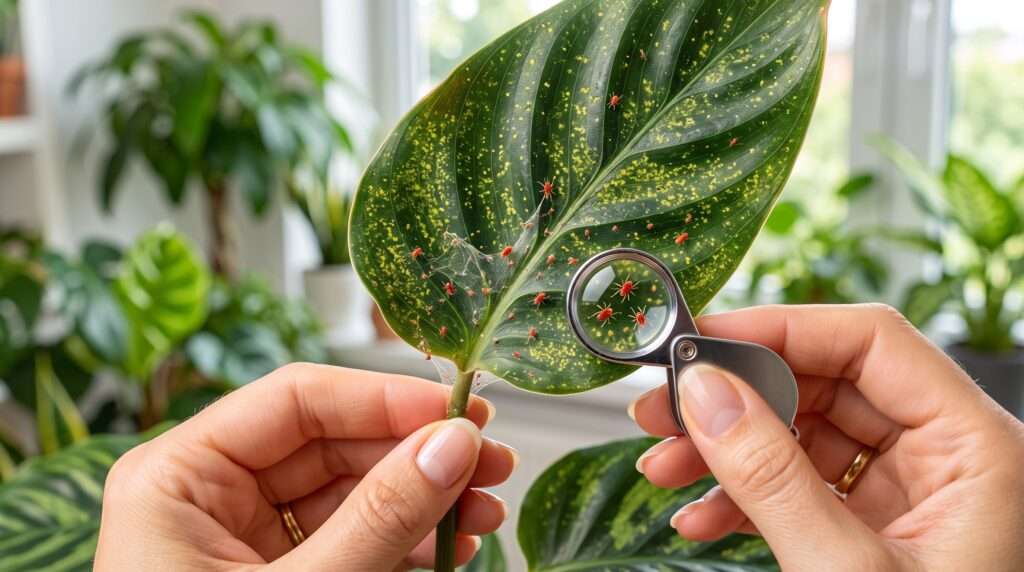
Picture this—you’re admiring your favorite pothos or prized tomato plant, and suddenly, you spot a cluster of fast-moving red specks on the foliage. Panic immediately sets in. Discovering tiny red bugs on plants is a stressful rite of passage for gardeners and indoor plant enthusiasts alike, but it does not mean your greenery is doomed. 🚨
With over a decade of experience in horticulture and integrated pest management, I’ve helped countless plant parents navigate this exact crisis. When pests strike, the worst thing you can do is start spraying harsh chemicals blindly. The secret to saving your plants lies in accurate identification and targeted, swift action. In this comprehensive guide, we will identify exactly what is crawling on your leaves—whether friend or foe—and break down the exact steps to eradicate the infestation and safeguard your indoor jungle permanently.
🔍 Step 1: Identify the Culprit – What Are These Tiny Red Bugs?
Before you reach for the insecticidal soap, you must identify the bug. Treating the wrong pest wastes time and money, and in some cases, you might accidentally kill beneficial insects that are actually trying to help your plant. Here are the four most common red bugs you will encounter on indoor houseplants and outdoor garden beds.
1. Spider Mites (The Most Common Culprit) 🕷️
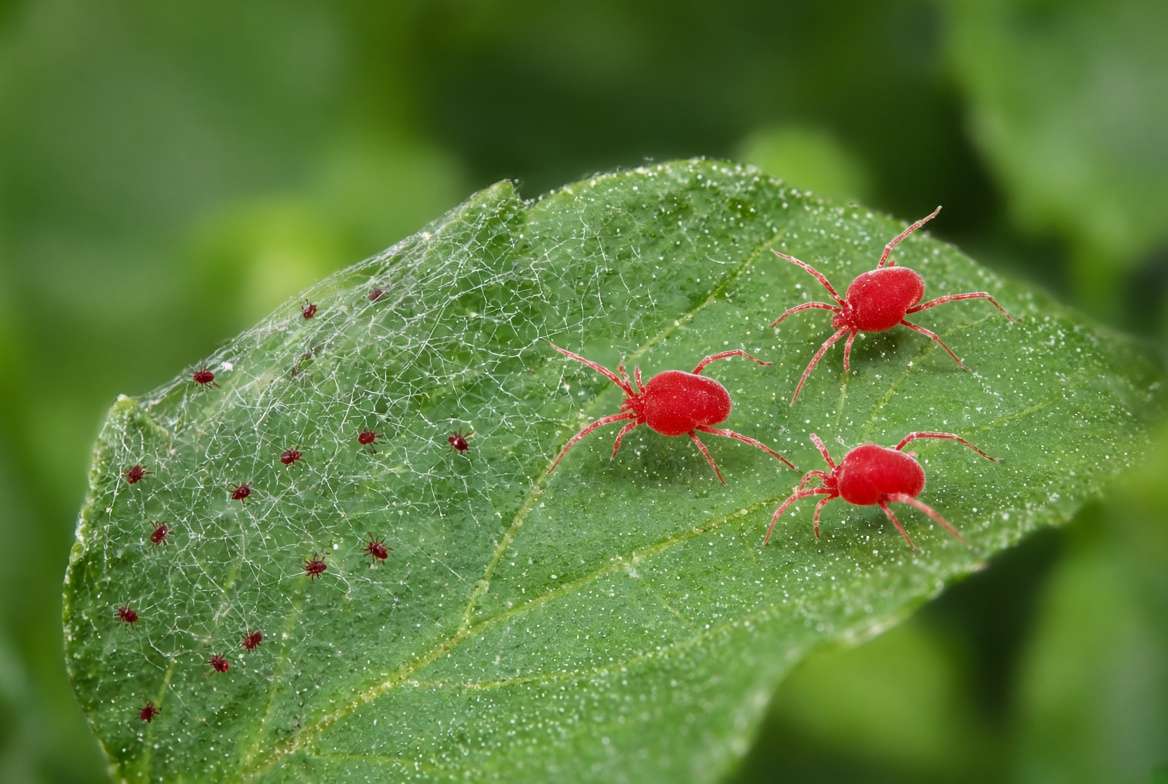
When plant owners complain about microscopic red bugs, they are usually dealing with a species of spider mite (often the Carmine spider mite or the European red mite). These arachnids are notorious for decimating houseplant collections and greenhouse crops.
-
Appearance: They are incredibly small—about the size of a grain of paprika or finely milled pepper. Under a magnifying glass, you will notice they have an oval-shaped reddish-brown body and eight legs.
-
Signs of Damage: Spider mites are sap-sucking pests. They piece plant tissue and suck out the cellular fluids. The first symptom is stippling, which looks like tiny yellow or white pinpricks across the top of the leaf. As the infestation grows, leaves turn entirely yellow, dry out, and drop off. You will also notice ultra-fine, silky webbing clustered where the leaf meets the stem or on the undersides of the foliage.
-
Ideal Environment: They thrive in hot, bone-dry conditions. A heavily heated house in the winter is a spider mite paradise.
-
Danger Level: High. They reproduce at an alarming rate. A female can lay up to 20 eggs a day, and a new generation hatches every week in warm temperatures. They can and will kill a plant if left unchecked.
2. Clover Mites (The Harmless Nuisance) 🍀
If you see bright red bugs crawling not just on your plants, but also swarming your windowsills, patio concrete, or exterior walls, you are likely looking at clover mites.
-
Appearance: They are bright, cherry red and slightly larger than spider mites. Their defining feature is their front legs, which are so long they often look like antennae.
-
Signs of Damage: Minimal to none on most tropical houseplants or vegetables. Clover mites primarily feed on lawn grasses, clovers, and weeds. They often migrate indoors or onto porch plants during heavy rains or when seasonal temperatures shift drastically in spring and fall.
-
Danger Level: Low. They are primarily an aesthetic nuisance. However, do not squish them! They leave behind a distinct, rust-red stain that can ruin fabrics and painted windowsills.
3. Red Aphids (The Sap-Suckers) 🪲
While green and black aphids are more common, red aphids (like the Macrosiphum rosae often found on roses) are a frequent garden invader.
-
Appearance: They are pear-shaped, plump, and noticeably larger than mites. They do not scurry quickly; instead, they slowly congregate in dense, stationary clusters on tender new growth, stems, and flower buds.
-
Signs of Damage: Aphids drain the plant of its sap, leading to stunted growth, distorted or curled leaves, and dropped flower buds. Worse, they excrete a sticky, sugary substance called honeydew. This honeydew coats the leaves and invites the growth of black sooty mold, which blocks photosynthesis.
-
Expert Tip 💡: Look closely for ants. Ants actually “farm” aphids, protecting them from predators so they can harvest and eat the sugary honeydew. If you have an ant problem on your plant, you almost certainly have an aphid or scale problem.
-
Danger Level: Medium to High. Aside from stunting plant growth, aphids are major vectors for transmitting incurable plant viruses.
4. Predatory Mites (The Good Guys! Please Don’t Kill) 🦸♂️🐞
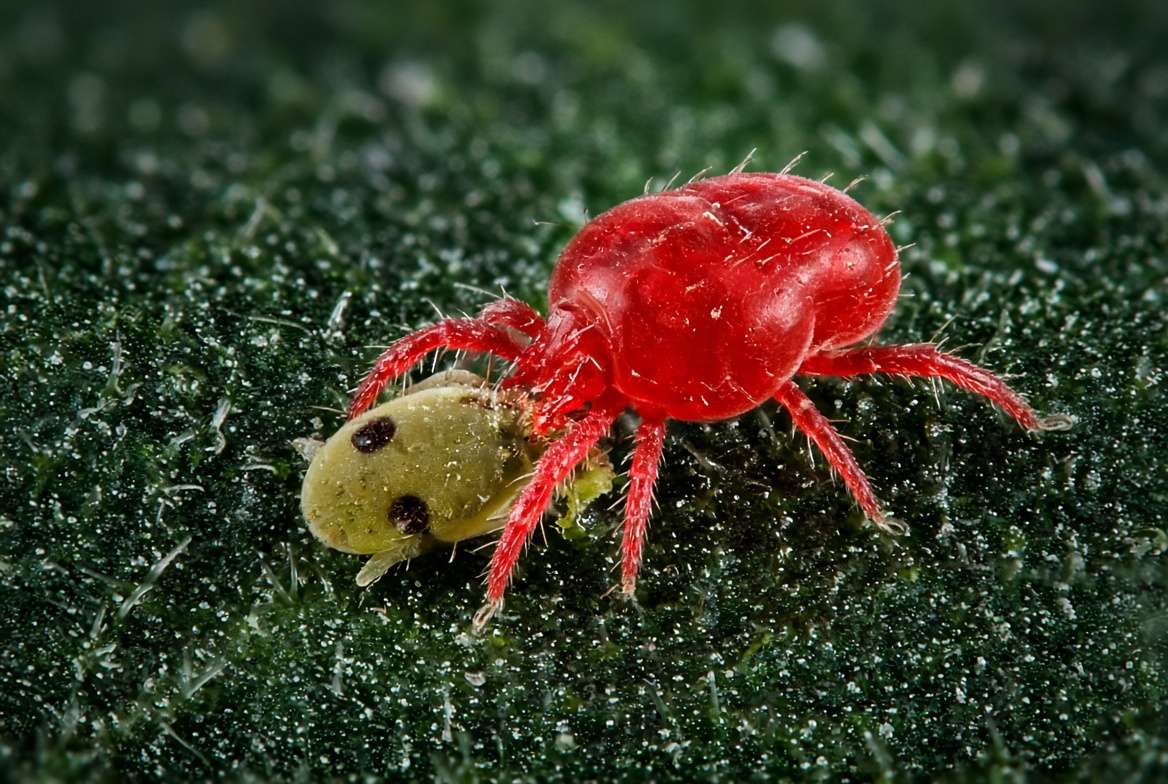
Here is the ultimate plot twist of indoor gardening: not all red bugs are bad. Predatory mites, such as Phytoseiulus persimilis, are actively sold to commercial growers because they are voracious hunters of spider mites and thrips.
-
Appearance: They are bright red, shiny, and have longer legs than pest mites.
-
Behavior: The biggest tell is their speed. Predatory mites look like tiny red sports cars zooming across the leaf surface searching for prey. They do not spin webs, and they do not cluster in large, stationary groups.
-
Signs of Damage: Absolutely none. They do not feed on plant tissue.
-
Danger Level: Zero. If you spot these fast-moving hunters, let them work!
📊 Quick Comparison Guide: Pest vs. Predator
🚑 Step 2: Immediate Triage (Do This Right Now)
If you have confirmed that the bugs are indeed pests (like spider mites or aphids), you must act before the infestation spreads to your entire indoor jungle or garden bed. Follow these emergency triage steps immediately.
1. Quarantine the Plant 🛑 Do not wait. Pick up the affected plant and move it far away from your other greenery. Pests can easily hitch a ride on a gentle breeze, your watering can, or even your clothing. Place the plant in an isolated room or a separate outdoor corner until it has been completely pest-free for at least 14 days.
2. The White Paper Test 📄 If you are still unsure if you are dealing with spider mites or clover mites, take a sheet of crisp white printer paper and hold it directly beneath a damaged leaf. Tap the leaf sharply a few times.
-
If tiny specks fall onto the paper and begin slowly crawling around, you have spider mites.
-
If you gently press your finger against the specks and they leave a bright red, blood-like smear, they are clover mites.
3. The High-Pressure Water Blast 🚿 Before you apply any oils, soaps, or chemicals, use mechanical force. Take the quarantined plant to your kitchen sink, shower, or outdoor garden hose. Using lukewarm water, gently but firmly spray down the entire plant. Focus the stream heavily on the undersides of the leaves and the crevices where the stems meet the main trunk. A thorough shower physically dislodges and washes down the drain up to 70-80% of the adult pests, their nymphs, and their webbing. Note: Ensure your pot has drainage holes so you do not waterlog the soil during this process.
⚔️ Step 3: How to Get Rid of Tiny Red Bugs on Plants Fast
Once you have washed away the initial wave of pests, it is time to break their reproductive cycle. Spider mites, in particular, lay microscopic eggs that can hatch in as little as three days in warm environments. A single treatment will not solve the problem; you need a consistent, tiered approach. Here are the most effective eradication methods, ranging from organic household remedies to heavy-duty horticultural interventions.
🌿 Method 1: Organic & Natural Solutions (Best for Indoor Houseplants)
For indoor tropicals, succulents, and edible herbs, organic pest management should always be your first line of defense. These methods are safe for indoor air quality, pets, and children.
-
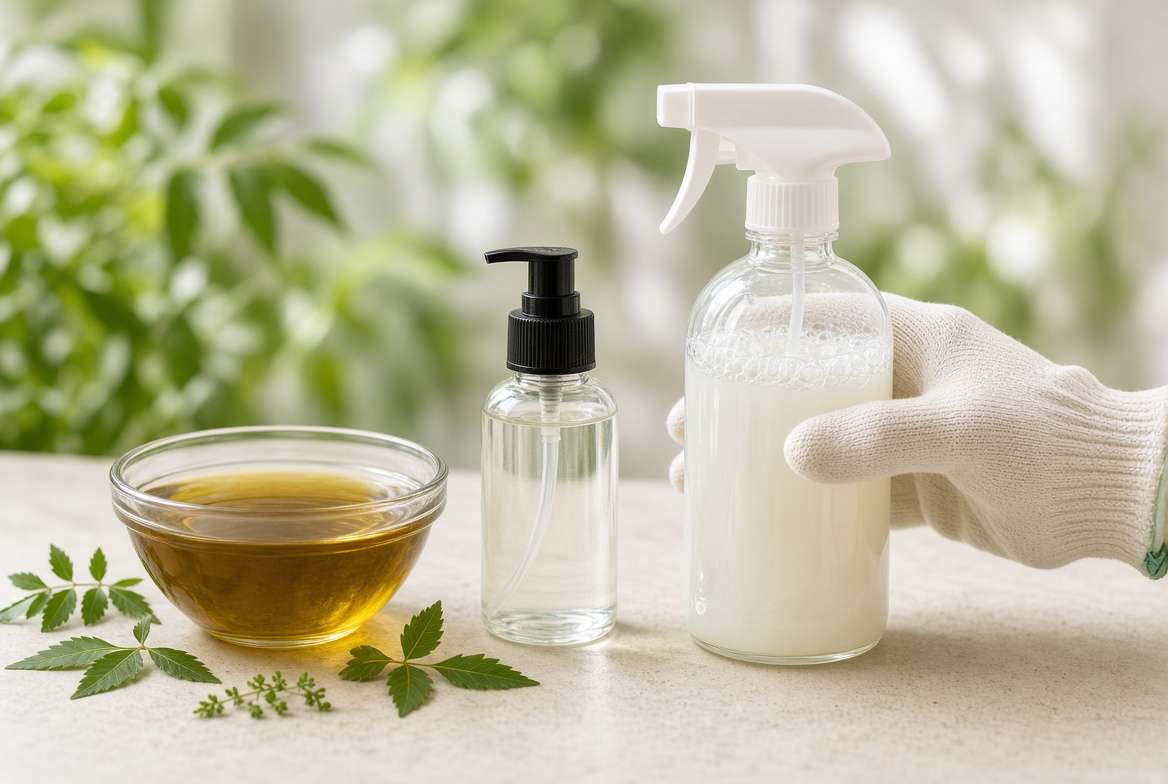
Cold-Pressed Neem Oil Spray 🥥: Neem oil is a cornerstone of organic plant care. Look for 100% cold-pressed neem oil containing the active compound azadirachtin. This compound does not just coat the bugs; it disrupts their hormonal systems, causing them to forget to eat and preventing nymphs from maturing into reproductive adults.
-
The Expert DIY Recipe: Mix 1 teaspoon of pure cold-pressed neem oil, 1/2 teaspoon of mild liquid dish soap (like Castile soap, which acts as an emulsifier so the oil mixes with water), and 1 quart of warm water in a spray bottle. Shake vigorously and spray the plant thoroughly, especially under the leaves, at dusk or in the evening. Avoid applying neem oil in direct sunlight, as it can cause foliar burn.
-
-
Horticultural Insecticidal Soap 🫧: True insecticidal soaps are made from potassium salts of fatty acids. When sprayed directly onto soft-bodied pests like red aphids and spider mites, the soap dissolves their outer exoskeleton, causing rapid dehydration and death. It is highly effective but only works on contact—meaning the spray must physically touch the bug to work.
-
The Rubbing Alcohol Wipe-Down 🧽: If you are dealing with a mild infestation on a plant with broad, sturdy leaves (like a Monstera deliciosa, Ficus elastica, or Bird of Paradise), rubbing alcohol is incredibly effective. Dip a cotton pad or Q-tip into 70% isopropyl alcohol and physically wipe away the red bugs and their webbing. The alcohol kills the pests instantly on contact and evaporates quickly without damaging the thick leaf cuticle.
🐞 Method 2: Biological Control (Best for Greenhouses & Outdoors)
If you have a massive greenhouse collection, an outdoor vegetable garden, or a sunroom, nature provides its own highly efficient pest control force. Reintroducing natural predators is a cornerstone of professional integrated pest management (IPM).
-
Predatory Mites (Phytoseiulus persimilis): As mentioned in Step 1, these fast-moving beneficial mites are the natural arch-nemesis of the red spider mite. You can purchase them online in small shaker bottles. Once released onto your infested plants, they will ruthlessly hunt down and eat spider mite eggs, nymphs, and adults. Once the pest population is eradicated, the predatory mites will naturally die off or move on.
-
Green Lacewings & Ladybugs 🐞: Both of these beautiful garden staples are voracious consumers of red aphids and mites. Green lacewing larvae, often called “aphid lions,” are particularly aggressive and effective at clearing out heavy infestations on outdoor patio plants.
🧪 Method 3: Chemical Miticides & Systemics (The Last Resort)
When organic methods fail, or if a prized, expensive rare plant is on the brink of death, you may need to escalate to synthetic chemical treatments.
-
Specialized Miticides: Spider mites are arachnids, not insects. Therefore, standard household insecticides (like those targeting gnats or roaches) often have zero effect on them. You must use a product specifically labeled as a miticide. Products containing active ingredients like spinosad or abamectin are highly effective but must be used strictly according to the manufacturer’s label.
-
Important E-E-A-T Warning ⚠️: Never use harsh chemical miticides on outdoor plants that are actively blooming. These chemicals are highly toxic to vital pollinators, including bees and butterflies. Additionally, pests can build chemical resistance rapidly. If you must use a miticide, rotate it with insecticidal soap to prevent creating a super-colony of resistant bugs.
🛡️ Step 4: Long-Term Prevention (Keep Them Gone Forever)
Eradicating tiny red bugs on plants is only half the battle. To truly succeed as a plant parent, you must alter the environment so pests never want to return. Healthy, stress-free plants possess natural immune defenses against pests; weak, stressed plants are a magnet for them.
-
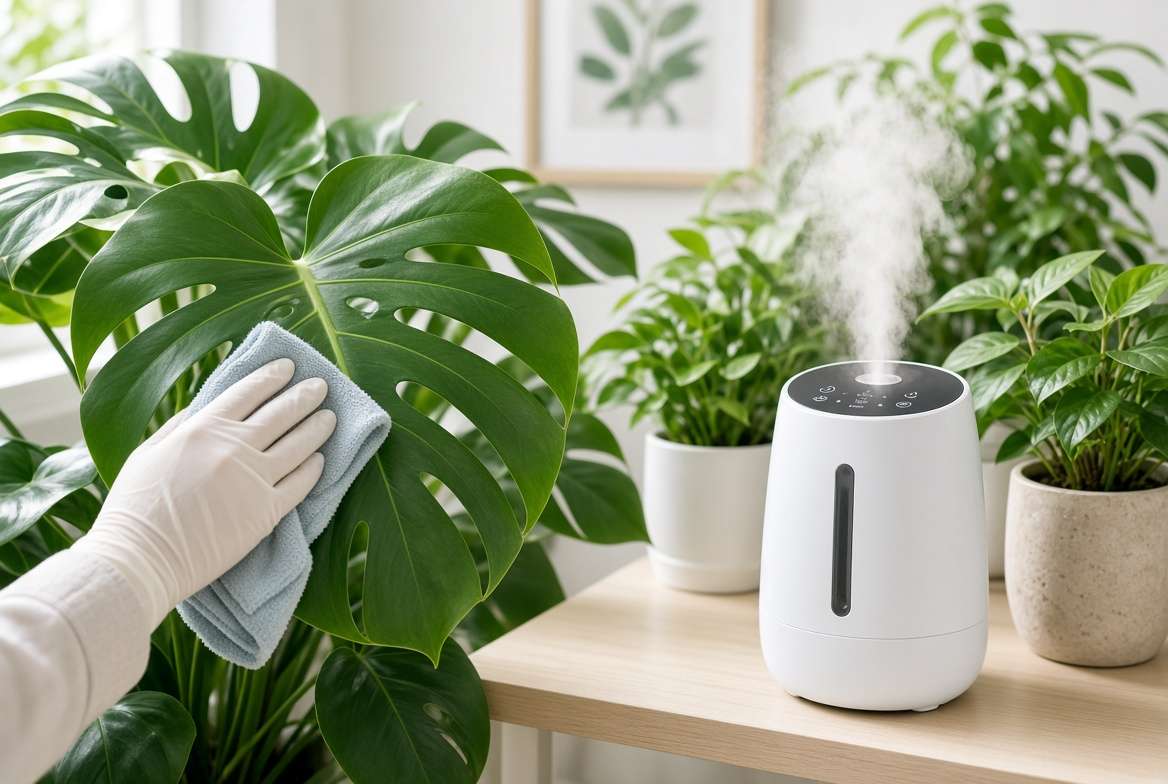
Boost the Humidity 🌫️: Spider mites despise moisture. They thrive in dry, stagnant air. Raising the ambient humidity around your plants is the single best preventative measure you can take. Invest in a high-quality cool-mist humidifier for your plant room, group your plants closer together to create a microclimate, or utilize pebble trays filled with water.
-
Regular Leaf Cleaning 🧻: Dust accumulation on plant leaves reduces photosynthesis and creates the perfect gritty camouflage for microscopic pests to hide and lay eggs. Every two weeks, gently wipe down your plant’s foliage with a damp microfiber cloth. This physical disruption alone is often enough to prevent a minor pest presence from exploding into an infestation.
-
Strict Quarantine Protocols 🪴: The most common way pests enter a home is hitchhiking on newly purchased plants. Whether you bought a rare Philodendron from a boutique nursery or a cheap succulent from a big-box hardware store, always assume it has pests. Isolate every new arrival in a separate room for at least 14 days, and give it a preventative spray of neem oil before introducing it to your collection.
-
Proper Watering Practices 💧: A severely dehydrated plant experiences cellular stress, dropping its natural defenses and releasing chemical signals that actually attract sap-sucking insects. Maintain consistent watering routines tailored to each specific plant species to keep their natural defenses robust.
❓ Frequently Asked Questions About Red Plant Bugs
Can tiny red bugs on plants bite humans or pets? The red bugs commonly found on indoor and outdoor plants—such as spider mites, clover mites, and aphids—do not bite humans, dogs, or cats. They strictly feed on plant tissue. However, if you are walking through tall outdoor grass and experience itchy red bites, you have likely encountered chiggers (harvest mites), which are a completely different species that feed on human skin cells.
Will regular soapy water kill red spider mites? Yes, but you must use the right kind of soap. Standard liquid dish soaps are actually harsh chemical detergents that can strip the natural protective waxes off your plant’s leaves, causing chemical burns. If making a DIY spray, use a pure, gentle castile soap. Even better, invest in a commercially formulated horticultural soap, which is perfectly pH-balanced to kill pests without burning foliage.
Why are there thousands of tiny red bugs on my concrete patio next to my plants? If you see a massive swarm of red bugs on concrete, brick, or windowsills, you are dealing with a clover mite migration. They are drawn to sunny, warm surfaces in the spring and fall. They won’t hurt your potted tropicals, but you can wash them away with a strong blast from a garden hose.
Should I throw away a plant with a severe spider mite infestation? This is a tough but necessary question. If a plant has lost the majority of its foliage, is covered in thick, Halloween-like webbing, and the stems are turning brown, it may be beyond saving. Treating a severely infested plant takes weeks of dedicated labor and risks spreading the pests to your healthy plants. Sometimes, the most responsible horticultural decision is to bag the heavily infested plant in a sealed trash bag, throw it away, and start fresh.
✨ Keep Your Indoor Jungle Thriving 🌻
Dealing with unexpected pests can make you want to throw in the trowel, but remember that even the most seasoned botanists battle bugs. It is a completely normal part of tending to nature. By properly identifying whether those moving specks are spider mites, clover mites, or aphids, you take back control of the situation.
Take a deep breath, isolate the affected greenery, and begin your treatment protocol tonight. Stay consistent with your organic sprays every five to seven days to break the egg cycle, and elevate your humidity to make your home inhospitable to future invaders. Your plants are resilient—with a little patience and targeted care, they will bounce back, push out new growth, and thrive once again. If you’re currently dealing with a mystery pest, don’t hesitate to inspect closely, trust your triage steps, and watch your indoor jungle return to its former glory.











