
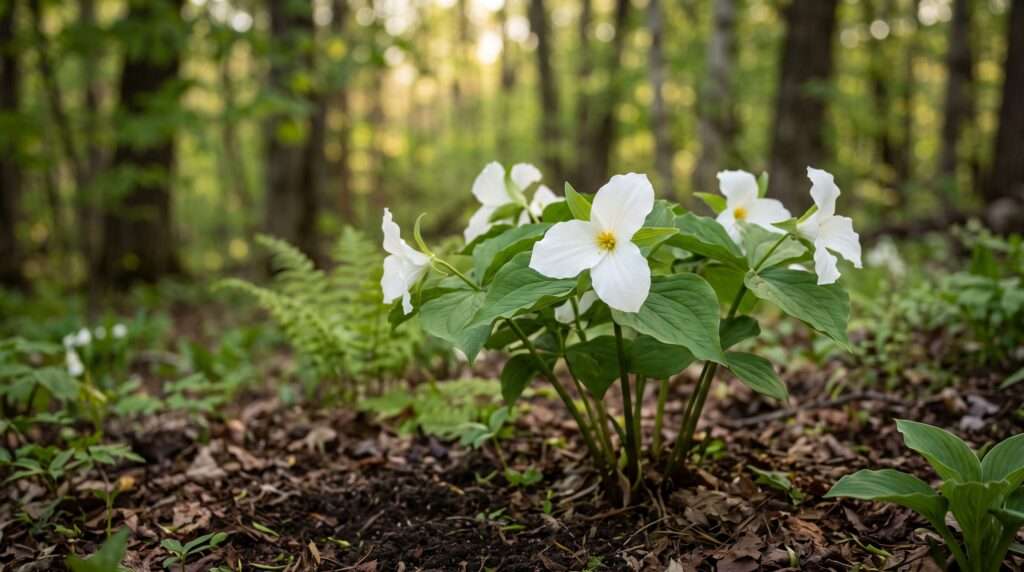
There is an undeniable magic in walking through a temperate spring forest and stumbling upon a solitary, elegant white flower hovering above a whorl of three green leaves. It feels like uncovering a hidden woodland treasure. For many gardeners, bringing that exact magic home is the ultimate dream. However, cultivating trillium plants is often considered the holy grail of shade gardening—they have a notorious reputation for being finicky, incredibly slow-growing, and prone to mysteriously vanishing if their environment isn’t perfectly calibrated.
If you have ever spent a small fortune on a bare-root trillium only to watch it wither away by June, you are not alone. In my years of cultivating and researching woodland perennials, I’ve seen countless gardeners give up on these native wildflowers. But here is the good news: growing them isn’t impossible; it simply requires a shift in perspective.
The secret to thriving trilliums lies in deeply understanding and meticulously recreating their native forest ecology. They don’t want traditional garden beds; they want a forest floor. In this comprehensive, foolproof guide, we will walk through exactly how to mimic the woodland conditions these delicate spring ephemerals crave, ensuring your trilliums not only survive but slowly multiply to create a breathtaking spring display for generations to come. 🍄✨
What Are Trillium Plants? Understanding the Woodland Jewel 💎
Before you plant a trillium, you have to understand how it operates. Native primarily to the temperate woodlands of North America and Asia, trilliums are the undisputed royalty of the understory.
The Magic of “Threes” 🔢
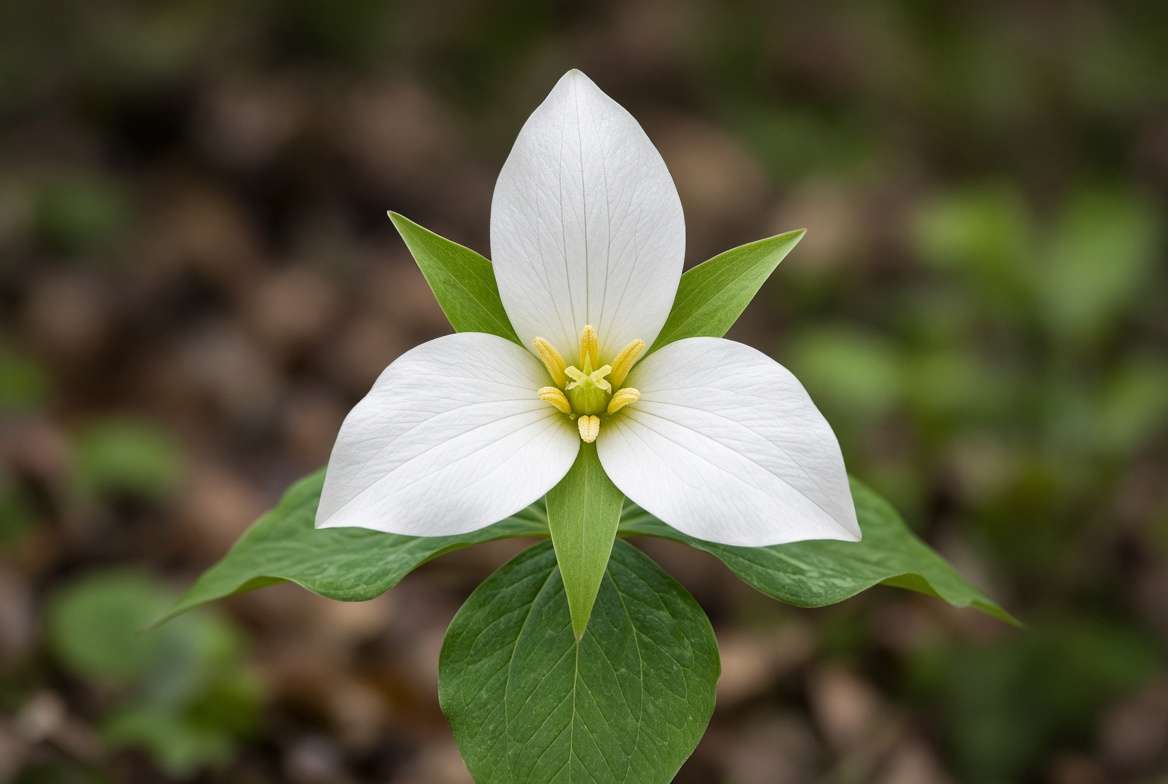
The name Trillium comes from the Latin word tres, meaning three, and this plant takes that rule very seriously! Everything about its botanical structure revolves around the number three. A classic trillium features three true petals, three smaller sepals beneath the petals, and three large, leaf-like structures called bracts. (Fun botanical fact: trilliums don’t actually have true leaves; the fleshy green bracts perform all the photosynthesis for the plant!).
Trilliums are classified as spring ephemerals. This means they have a highly specialized, fast-paced life cycle. They emerge from the warming soil in early spring, bloom brilliantly before the canopy of deciduous trees fully leafs out, and then quietly go dormant, disappearing back into the earth by mid-to-late summer to escape the heat.
The Golden Rule of Trilliums: Ethical Sourcing 🛑
Please read this section carefully before adding trilliums to your garden.
As an advocate for native plant conservation, I cannot stress enough the importance of ethical sourcing. Because trilliums take up to seven years to bloom from seed, they are massive targets for plant poachers. “Wild-collected” trilliums are dug up from natural forests and sold cheaply online or at shady garden centers.
Never buy wild-collected trillium plants. Not only does this practice devastate fragile native ecosystems and woodland habitats, but poached plants almost always die in home gardens due to the trauma of being ripped from their symbiotic soil networks.
Always look for the words “Nursery Propagated” or “Nursery Grown from Seed/Division.” Expect to pay a premium price for these plants—you are paying for the 5 to 7 years of labor and love a specialized grower invested into that single plant. It is an investment in ethical horticulture. 🌱💚
Recreating the Forest Floor: Ideal Growing Conditions 🌳
If you want your trilliums to thrive, you must stop thinking like a traditional gardener and start thinking like a forest. You aren’t just planting a flower; you are building an ecosystem.
Decoding “Shade”: Dappled vs. Deep Shade ⛅
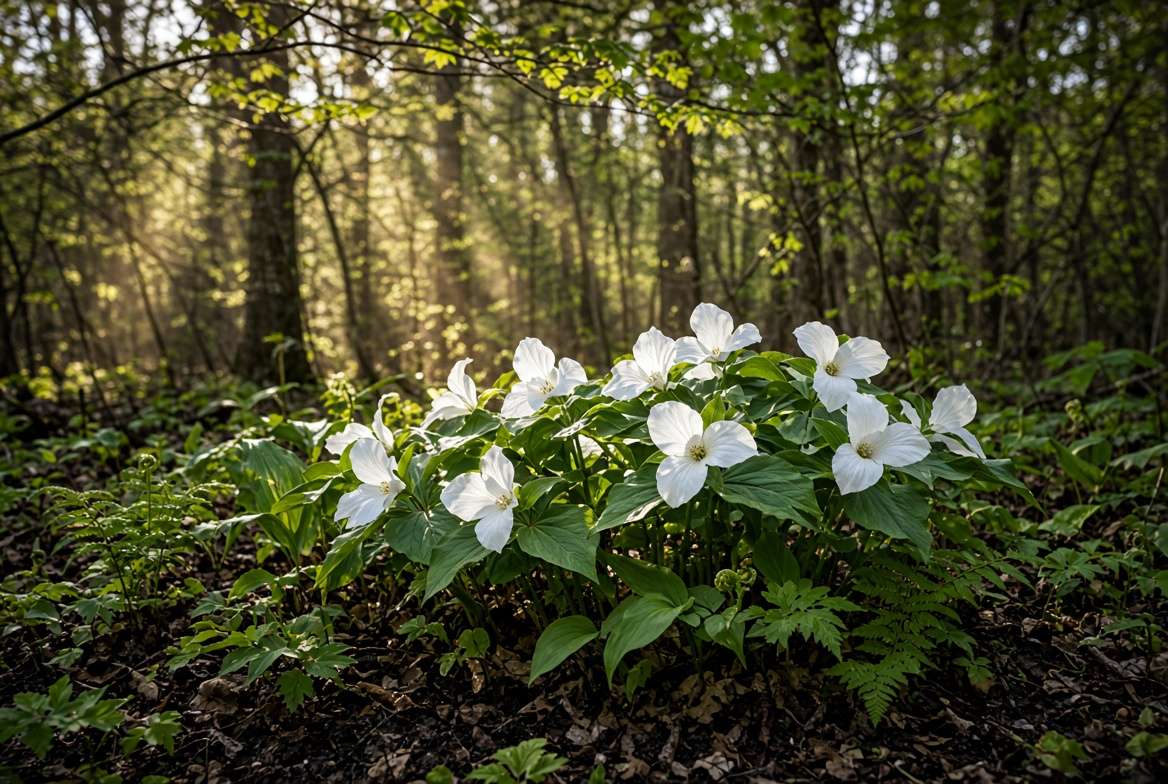
A common misconception is that trilliums love dark, heavy shade. If you plant them in the pitch-black shadow of an evergreen tree, they will likely fail to bloom and eventually decline.
Trilliums crave dappled shade or deciduous shade. In early spring (April and May), they need a significant amount of gentle, indirect sunlight to fuel their rapid growth and flowering. This is why they grow naturally under deciduous trees like oaks, maples, and beeches, which haven’t fully grown their leaves yet. By the time summer arrives and the sun becomes harsh and scorching, the tree canopy has filled in, providing the deep, protective shade the dormant trillium rhizome needs to stay cool.
Best Planting Spots:
-
Underneath deep-rooted deciduous trees.
-
On the north or east side of a building where they receive gentle morning light but are protected from the afternoon sun. 🏡
Soil Science: The Magic of Humus and Leaf Mold 🍂
Trillium plants despise heavy clay that suffocates their roots, and they equally hate sterile, sandy potting soils. Their absolute favorite growing medium is humus-rich, loamy soil heavily amended with organic matter.
To recreate the forest floor:
-
Leaf Mold is Gold: Work generous amounts of decomposed leaves (leaf mold) into your soil. This mimics the decades of falling leaves in a natural forest.
-
Compost: Add rich, aged compost to provide a steady, gentle source of nutrients.
-
pH Levels: Most popular trillium varieties prefer slightly acidic to neutral soil (pH 6.0 to 7.0).
-
The Fungal Connection: In the wild, trilliums rely heavily on mycorrhizal fungi—beneficial fungi in the soil that attach to the plant’s roots and help it absorb water and nutrients. By using organic leaf mold and avoiding chemical fungicides, you encourage these microscopic helpers to thrive in your garden bed. 🍄
Watering Rhythms and Moisture Needs 💧
Moisture management is often where well-meaning gardeners make fatal mistakes. Trilliums need soil that is consistently moist but remarkably well-draining. Think of a damp sponge that has been thoroughly wrung out.
If the soil is too wet or boggy, the fleshy underground rhizomes will quickly succumb to rot. However, if the soil dries out completely—especially during their active spring growth—the plant will go into premature dormancy or die entirely. Even in late summer, when the plant has vanished beneath the soil surface, the resting rhizome still requires slight moisture. A thick layer of organic mulch will help regulate this critical soil moisture year-round. 🌧️
How to Plant Trilliums for Long-Term Success 🌱
Successfully establishing trillium plants in your garden requires precision. These are not plants you can haphazardly toss into a hole and hope for the best. Because they grow so slowly, setting them up correctly from day one is essential for long-term survival.
When to Plant (Timing is Everything) ⏳
While garden centers often sell potted trilliums in full bloom during the spring, the absolute best time to plant trilliums is late summer or early fall.
Why? By late summer, the plant has entered its natural dormancy period. The foliage has died back, and the energy has retreated into the underground rhizome. Moving a dormant rhizome causes significantly less transplant shock than trying to plant an actively blooming flower in the spring. If you must plant in the spring, try to buy potted plants rather than bare-root, and disturb the root ball as little as possible.
Step-by-Step Planting Guide 🛠️
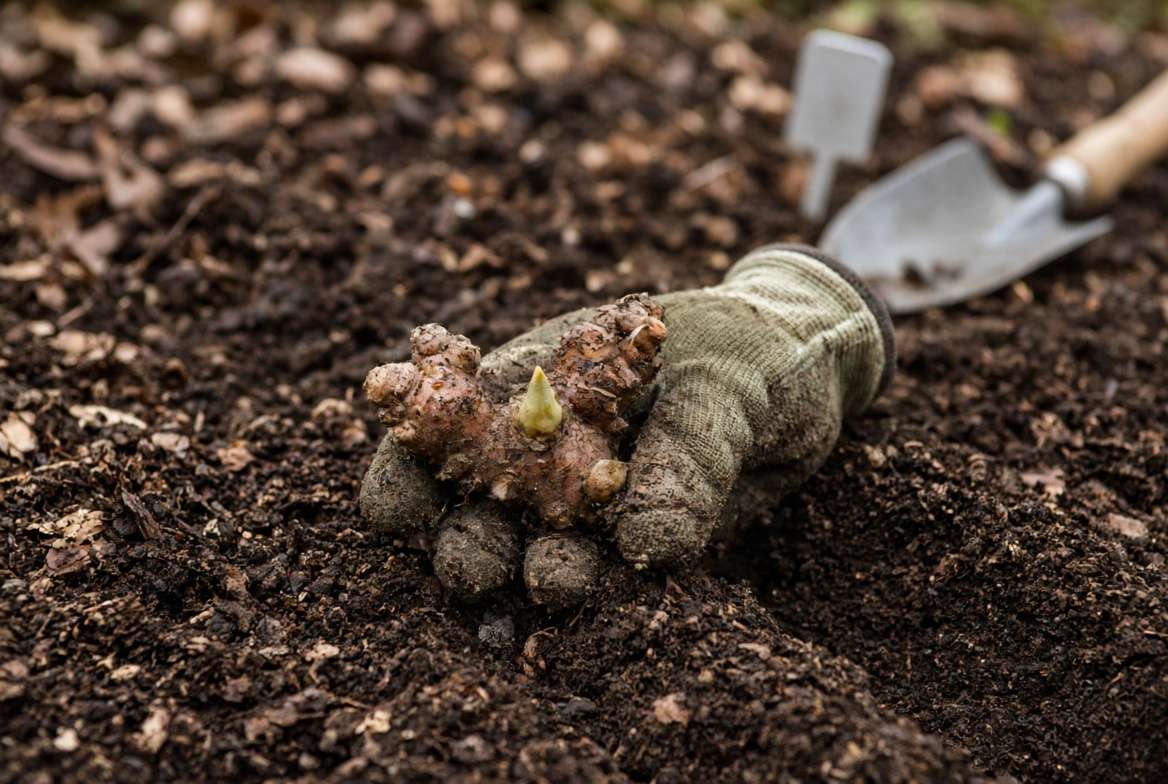
When your nursery-propagated trillium rhizome arrives, it will look like a knobby, slightly fleshy root, sometimes with stringy roots attached. Here is how to plant it like an expert:
-
Dig Wide, Not Deep: Dig a hole that is about 4 to 6 inches deep but generously wide. Trillium roots prefer to spread outward through the loose topsoil rather than plunging deep into the earth.
-
Inspect the Rhizome: Look for the “eye” or growing tip. This looks like a small, pointed bud at one end of the rhizome.
-
Positioning: Place the rhizome horizontally (laying on its side) in the hole. Ensure the growing tip is pointing slightly upward.
-
Planting Depth: Cover the rhizome with 2 to 3 inches of your rich, humus-amended soil. Planting too deep will smother the plant, while planting too shallow exposes it to winter freezing and summer drying.
-
Water and Mulch: Water the area gently but thoroughly to settle the soil and eliminate air pockets. Top the area with 2 inches of shredded leaf mulch.
Perfect Companion Plants for the Shade Garden 🌿
To create a stunning, biodiverse woodland border, pair your trilliums with other shade-loving perennials that have similar moisture requirements but non-aggressive root systems.
-
Ferns (such as Maidenhair or Lady Ferns) provide gorgeous textural contrast once the trillium foliage fades.
-
Hostas are excellent for masking the empty gaps left by dormant trilliums in the summer.
-
Bleeding Hearts (Dicentra), Jack-in-the-Pulpit, and Wild Ginger make excellent, historically accurate woodland companions.
Year-Round Trillium Care & Maintenance Calendar 🗓️
One of the greatest joys of cultivating native wildflowers is observing their distinct seasonal rhythms. Here is exactly what your trillium plants need throughout the year.
Spring: Emergence and the Grand Display 🌷
As the soil warms in early spring, the trillium shoot will emerge tightly rolled, pushing through the leaf litter before unfurling its three iconic bracts and single flower.
-
The Golden Rule of Spring: Enjoy the blooms, but never cut the foliage. Even after the flower petal drops, the three green bracts must remain intact. They act as solar panels, photosynthesizing frantically to store enough energy in the rhizome to survive the next year’s dormancy and produce next spring’s bloom. If you cut the leaves prematurely, the plant will likely die.
Summer: Managing the Ephemeral Fade ☀️
By mid-to-late summer, the foliage will naturally begin to yellow, wither, and collapse. This is not a sign of disease; it is the plant’s natural ephemeral life cycle!
-
Mark the Spot: Because the plant completely disappears below the soil, it is incredibly easy to forget where it is. Expert Tip: Place a discreet plant marker, a decorative stone, or a small stake exactly where the trillium is planted so you don’t accidentally dig it up or step on it while planting summer annuals.
Fall/Winter: The Blanket of Mulch ❄️
In the wild, autumn brings a thick blanket of falling leaves that insulates the forest floor. Replicate this in November by top-dressing your trillium beds with chopped or shredded deciduous leaves. This protects the dormant rhizomes from extreme freeze-thaw cycles.
Feeding and Fertilizing (Less is More) 🥄
Do not use harsh, synthetic chemical fertilizers on trillium plants. High-nitrogen fertilizers can burn their sensitive roots and encourage weak, floppy growth. Instead, mimic nature. A yearly application of organic compost or rich leaf mold scattered around the base of the plant in early spring or late fall is all the nutrition they will ever need.
The Ultimate Test of Patience: Propagating Trillium Plants 🕰️
For the dedicated horticulturist, propagating trilliums is a fascinating, highly rewarding challenge that requires a tremendous amount of patience.

Growing from Seed (The 7-Year Wait) 🐜
The seed dispersal mechanism of trilliums is a botanical marvel called myrmecochory—meaning they rely on ants! Trillium seeds have a fleshy, nutrient-rich appendage called an elaiosome. Ants carry the seeds back to their nests, eat the elaiosome, and leave the intact seed in their underground tunnels, which perfectly plants the seed in rich, aerated soil.
If you want to grow them from seed yourself, you must deal with double dormancy. A seed needs a cold winter, a warm summer, and a second cold winter just to germinate a single root and tiny leaf. From germination, it takes an average of 5 to 7 years for the plant to mature enough to produce its first flower.
Dividing Rhizomes (The Faster Method) 🔪
The more practical way for home gardeners to multiply their trillium plants is through rhizome division.
-
Wait until late summer when the plant is dormant.
-
Carefully dig up a large, mature, clumping plant (at least 4-5 years old).
-
Using a sterilized, sharp knife, cut the rhizome into pieces, ensuring every single piece has at least one visible “eye” (growing tip) and a healthy root system attached.
-
Replant immediately at the proper depth and water well.
Troubleshooting: Common Pests and Diseases 🐛
While generally robust when grown in their preferred environment, trilliums do face a few woodland threats.
Slugs and Snails: The Foliage Eaters 🐌
The tender, fleshy spring growth of a trillium is a magnet for slugs and snails. They can decimate a young plant overnight.
-
Solution: Avoid using toxic slug pellets that can harm wildlife. Instead, use shallow beer traps, sprinkle diatomaceous earth or crushed eggshells around the emerging shoots, or apply copper tape barriers to nearby garden borders.
Deer and Rabbits: The Heartbreak Grazers 🦌
There is nothing quite as heartbreaking as waiting all year for a trillium to bloom, only to find a deer has bitten off the flower head the night before it opens.
-
Solution: If you live in an area with heavy deer traffic, physical barriers (like subtle chicken-wire cloches) in early spring are your best defense. Scent-based deterrents sprayed on surrounding vegetation can also help, but must be reapplied after rain.
Fungal Issues (Rust and Smut) 🍄
Occasionally, trilliums can suffer from fungal diseases like rust or smut, which present as yellow, mottled, or blistered spots on the foliage.
-
Solution: Prevention is key. Ensure your plants have adequate spacing for air circulation and avoid overhead watering late in the day. If a leaf is heavily infected, remove and destroy it (do not compost it) to prevent spores from spreading.
5 Breathtaking Trillium Varieties to Try in Your Garden 🏆
Once you master the basic care of trillium plants, you will likely find yourself wanting to collect different species. With nearly 50 recognized species native to North America and Asia, there is an incredible diversity of colors, patterns, and forms to explore. Here are five of the most spectacular, garden-worthy varieties to elevate your shade borders.
1. Trillium grandiflorum (Great White Trillium) 🤍
-
Profile: If you are a beginner looking for the most reliable and showiest species, this is it. It produces massive, pristine white flowers with slightly ruffled edges that sit elegantly above solid green foliage. As the blooms age, they often fade to a beautiful soft pink.
-
Hardiness Zones: 4-8
-
[Insert Photo: A close-up of Trillium grandiflorum in full bloom against a dark woodland backdrop]
2. Trillium erectum (Red Trillium / Wake Robin) ❤️
-
Profile: A classic harbinger of spring, the “Wake Robin” features striking, deep maroon to dark red petals surrounding a dark purple ovary. It is incredibly cold-hardy and tolerates slightly more acidic soil than other varieties. Note that the flower emits a faint, slightly musky odor to attract its primary pollinators: carrion flies and beetles!
-
Hardiness Zones: 3-7
-
[Insert Photo: A cluster of deep red Trillium erectum contrasting with bright spring green ferns]
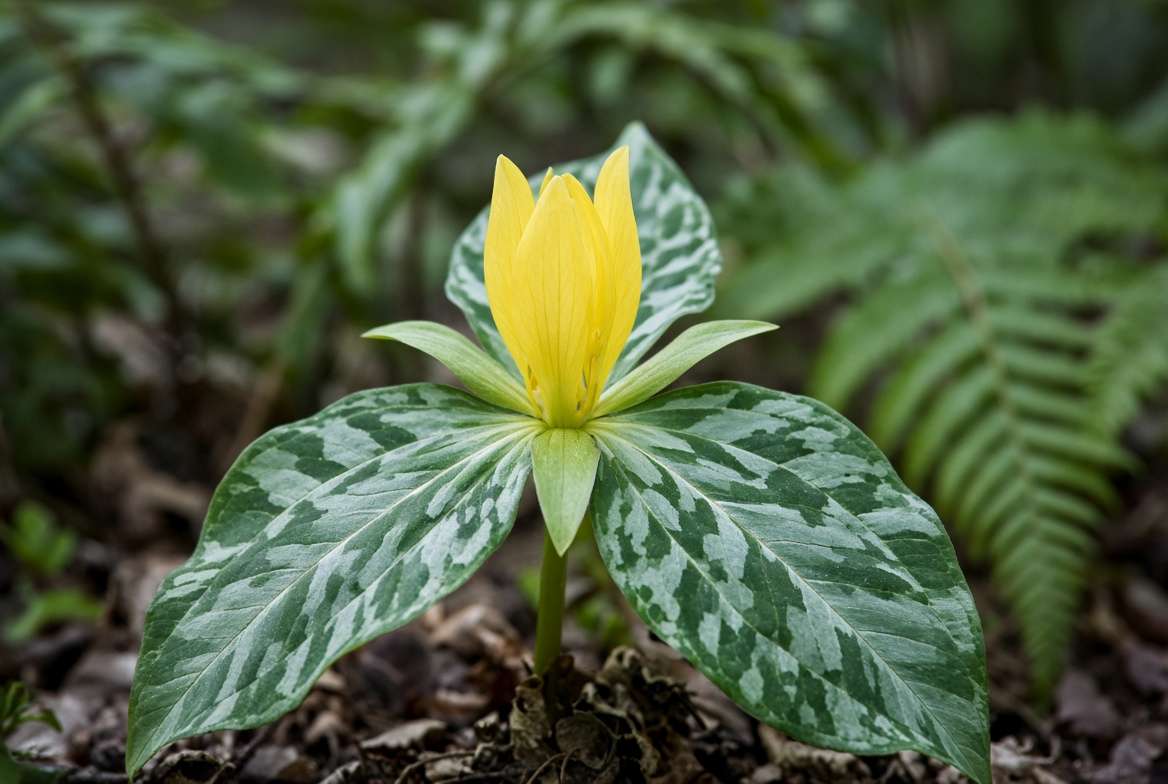
3. Trillium luteum (Yellow Trillium) 💛
-
Profile: This southern native is prized not just for its stunning lemon-yellow, upright flowers, but for its foliage. The bracts are heavily mottled with beautiful silvery-green patterns, providing visual interest long after the sweet, citrus-scented flowers have faded.
-
Hardiness Zones: 5-8
-
[Insert Photo: The beautifully mottled leaves and upright yellow flower of Trillium luteum]
4. Trillium sessile (Toadshade) 🐸
-
Profile: Sessile means “stalkless.” Unlike the Great White Trillium whose flower sits on a tiny stem above the leaves, Toadshade flowers sit directly on the center of the mottled foliage. The maroon flowers remain partially closed, looking like elegant little candle flames nestled in the leaves.
-
Hardiness Zones: 4-8
-
[Insert Photo: A top-down view of Trillium sessile showing the stemless flower resting on the leaves]
5. Trillium undulatum (Painted Trillium) 🌸
-
Profile: This is for the advanced woodland gardener. The Painted Trillium is breathtaking, featuring white petals marked with a vibrant, jagged magenta “V” at their base. However, it requires highly acidic soil (like that found under dense pine forests) and very cool summers. It is difficult to establish, but a crowning achievement if you succeed.
-
Hardiness Zones: 3-6
Frequently Asked Questions (FAQs) About Trillium Plants ❓
Even with a perfect setup, gardeners often have specific questions as they monitor their woodland beds. Here are the most common queries I receive about growing these native gems.
Why didn’t my trillium bloom this year? If your plant produced healthy leaves but no flower, it is likely too young. Trilliums grown from seed take up to seven years to reach blooming maturity. If it is an older plant that suddenly stopped blooming, the tree canopy above it may have grown too dense, depriving it of the necessary early spring sunlight. Alternatively, if you or a foraging animal cut the leaves prematurely the previous year, the rhizome did not store enough energy to produce a flower bud.
Can I grow trilliums in pots or containers? While it is technically possible, I do not recommend it for the average gardener. Trillium plants are highly susceptible to freeze-thaw cycles. In the ground, the soil insulates the rhizomes. In a container, the root zone is exposed to ambient winter air, which usually causes the rhizome to rot or freeze entirely. If you must use a container, it must be overwintered in an unheated but frost-free garage or cold frame.
Are trillium plants toxic to dogs and cats? Yes, they are considered mildly toxic to domestic pets. The rhizomes, leaves, and berries contain chemical compounds called saponins. If ingested, they can cause gastrointestinal upset, drooling, vomiting, and diarrhea. Fortunately, they are not highly palatable, but it is always best to plant them in areas where curious pets don’t frequently dig or graze.
How fast do trilliums spread? Trilliums are the tortoises of the plant world. They spread very slowly by creeping rhizomes, eventually forming a clump over several years. Seed dispersal by ants will also slowly establish new single plants nearby. Set your expectations for a multi-year, multi-decade garden journey rather than an instant carpet of blooms.
Cultivating a Woodland Legacy 🌲
Growing trillium plants is entirely different from throwing a flat of petunias into a sunny border. It is a masterclass in patience, a deep dive into soil ecology, and an investment in the future of your landscape. When you plant a nursery-grown trillium, you are not just gardening for this season; you are establishing a native woodland colony that can outlive you, blooming faithfully every spring for decades to come.
Embrace the slow, rhythmic pace of the shade garden. Provide them with the dappled light they crave, blanket their roots in the rich leaf mold they recognize from the wild, and let nature do the rest. The reward of seeing that iconic three-petaled bloom unfurl in your own backyard is worth every single day of the wait.
What are you currently growing in your shade borders, and which woodland companion plants are you planning to pair with your new trilliums? Let me know in the comments below, or check out my complete guide to Preparing Your Shade Garden Soil to get your beds ready for planting this fall! 🍂🪴











