
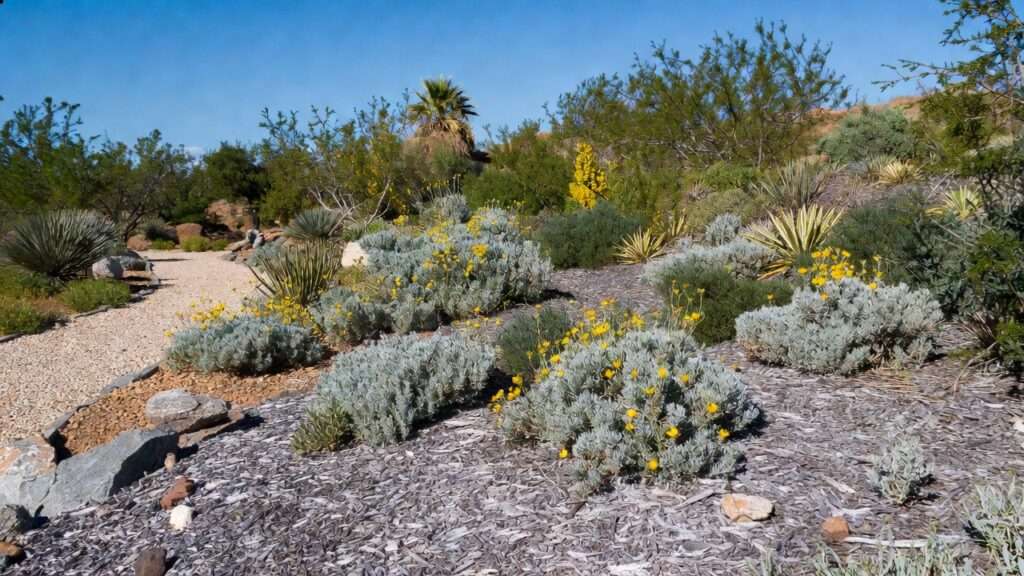
You’ve spent months (maybe years!) designing and planting your beautiful xeric garden—drought-tolerant natives, succulents, ornamental grasses, and hardy perennials all perfectly suited to low-water living. Then one day you notice those sneaky green invaders popping up through the gravel, stealing precious moisture and disrupting that clean, effortless desert-chic aesthetic you worked so hard to achieve. 😩
Weeds in xeric gardens aren’t just an eyesore—they compete with your water-wise plants for the limited resources available in dry soils, can harbor pests, and turn a low-maintenance dream into a constant chore. The good news? Tips for weed control in xeric gardens focus on smart prevention rather than endless battles. By layering proven strategies like thick mulching, proper barriers, targeted irrigation, and dense planting, you can reduce weeds by 80–90% or more while keeping your landscape thriving, eco-friendly, and truly low-effort.
As a horticulture enthusiast with years of experience in arid and semi-arid gardening (including helping design and maintain xeriscapes in challenging climates), I’ve seen firsthand how these methods transform weedy headaches into sustainable beauty. Let’s dive into the most comprehensive, expert-backed guide to keeping weeds at bay—naturally and effectively—so your xeric oasis stays stunning year after year. 🌿💧
Understanding Weeds in Xeric Environments 🌾
Xeric gardens (also called xeriscapes) are intentionally designed to use minimal water, relying on drought-tolerant plants, efficient irrigation, and soil-amending mulches. Ironically, weeds often thrive here because:
- Wind and birds disperse seeds across exposed gravel or rock areas.
- Occasional watering (even drip systems) can trigger germination in bare spots.
- Bare soil patches between young plants let light reach weed seeds.
- Perennial invaders like bindweed, Bermuda grass, thistles, or purslane have deep roots that survive drought better than some ornamentals.
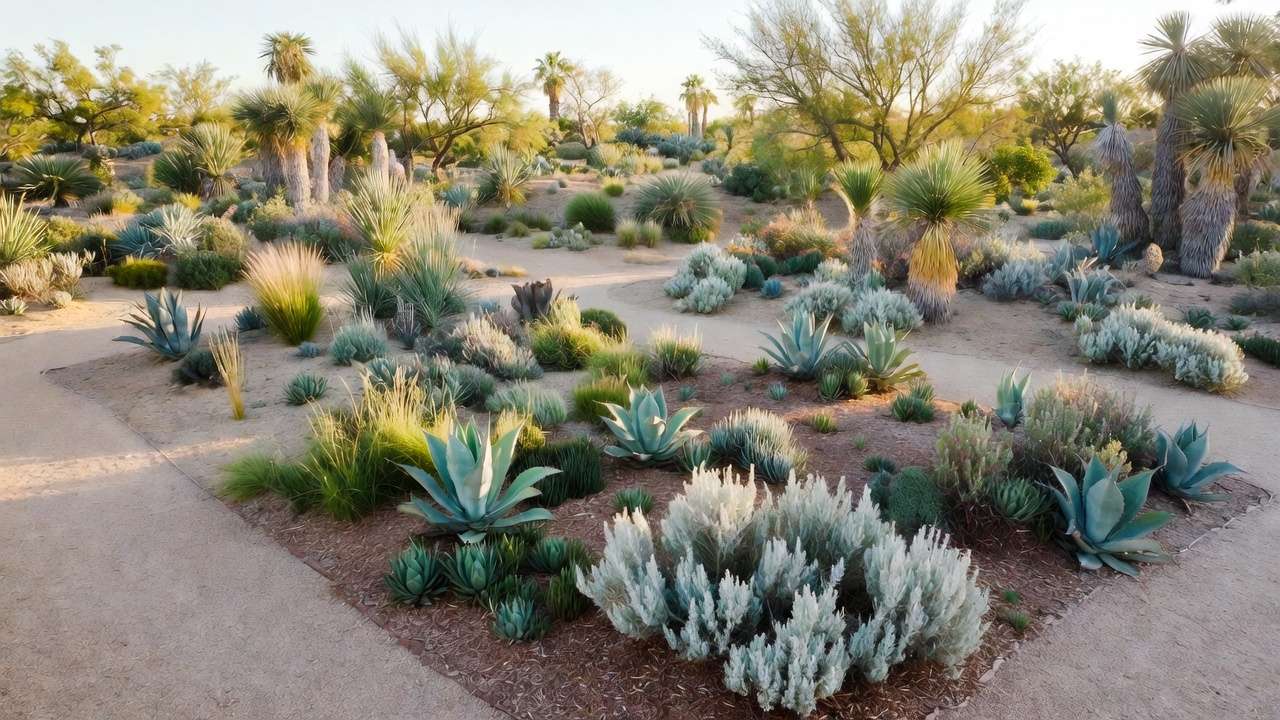
Common culprits include:
- Annuals: crabgrass, purslane, pigweed, lambsquarters
- Perennials: field bindweed, Canada thistle, quackgrass
- Grasses: cheatgrass, hare barley (especially in western regions)
- Noxious weeds: sometimes introduced as “natives” like myrtle spurge in certain areas
The silver lining? Xeric principles naturally discourage many water-loving weeds over time. Once established, dense plantings and thick mulches create conditions where most weeds struggle—leaving you more time to enjoy your garden instead of fighting it! 🌞
Prevention: The Foundation of Weed-Free Xeric Gardens 🚀
Prevention beats cure every time—especially in low-water landscapes where you want to avoid unnecessary soil disturbance or chemical reliance. Here’s how to build an almost impenetrable defense.
Proper Planning and Site Preparation (Before You Plant!)
Start strong by eliminating existing weeds completely:
- Manual removal — Hand-pull or dig out perennials (get the roots!).
- Solarization — In hot summers, cover moist soil with clear plastic for 4–6 weeks to bake seeds and roots (great for pre-planting prep).
- Sheet mulching — Layer cardboard/newspaper over weeds, then add compost and mulch to smother them organically.
Map your design carefully: Group plants by water needs (hydrozones), minimize bare soil, and plan for quick canopy closure. This reduces future weed opportunities right from the start.
Installing Effective Weed Barriers
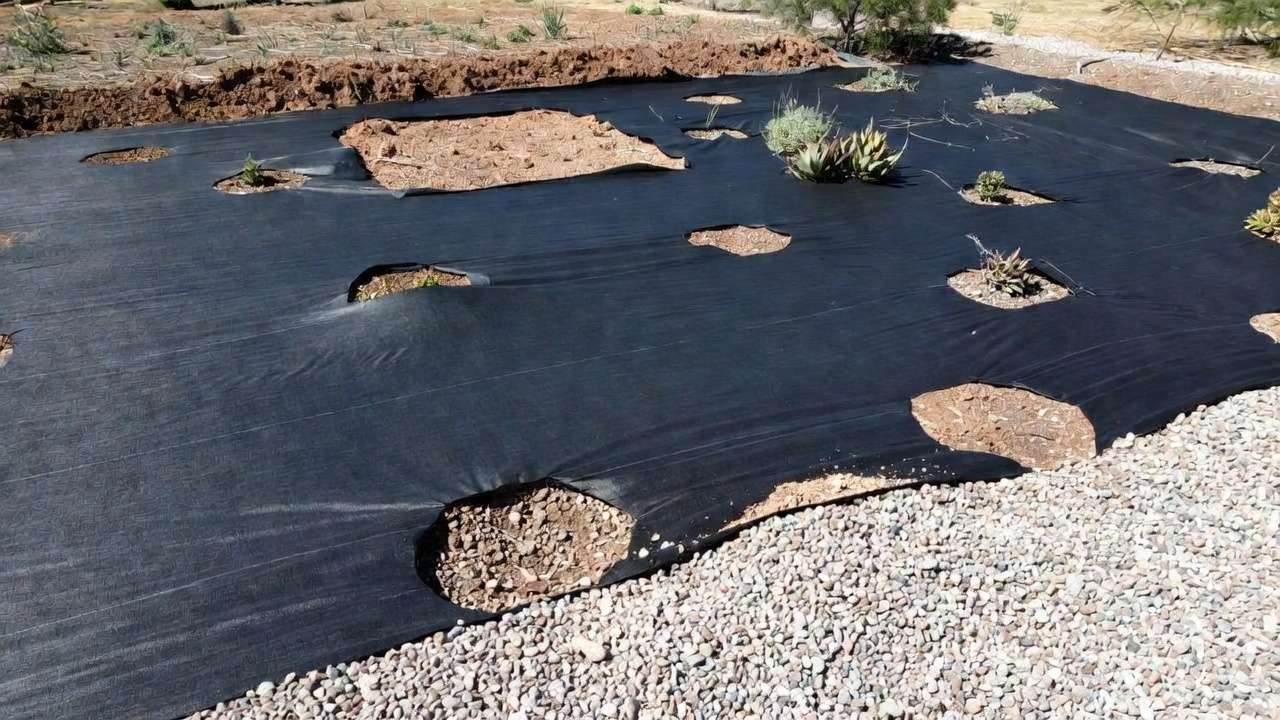
A quality barrier blocks light and seeds while allowing water and air through:
- Breathable landscape fabric (non-woven geotextile) — Preferred over cheap woven types; lasts 5–10+ years.
- Cardboard or newspaper layers — Free, organic option that decomposes into soil food.
- Installation tips: Overlap seams by 6–12 inches, secure edges with landscape staples, cut precise X-shaped holes for plants.
Pro tip: Skip black plastic—it traps heat but blocks water/air and can create anaerobic conditions. For persistent perennials, combine barriers with spot solarization first.
Mulching Mastery: Your #1 Weed-Suppressing Tool 🌱
Mulch is the superstar of xeric weed control! A 3–4 inch layer blocks sunlight, retains soil moisture, moderates temperature, and slowly improves soil as organics break down.
Here’s a quick comparison of popular options:
| Mulch Type | Weed Suppression | Water Retention | Longevity | Aesthetics & Eco-Benefits | Best For |
|---|---|---|---|---|---|
| Gravel/Rock | Excellent | Moderate | Permanent | Clean, modern look; no decomposition | Rock-based xeriscapes |
| Decomposed Granite | Very Good | Good | Long-lasting | Natural, blends well | Pathways & open areas |
| Wood Chips/Bark | Excellent | Excellent | 2–5 years | Feeds soil microbes; attracts beneficials | Around trees & shrubs |
| Pine Straw/Needles | Good | Good | 1–3 years | Acidic; great for natives | Woodland-style xeric |
| Arborist Chips | Excellent | Excellent | 3–7 years | Free/cheap; improves soil health | Eco-conscious gardens |
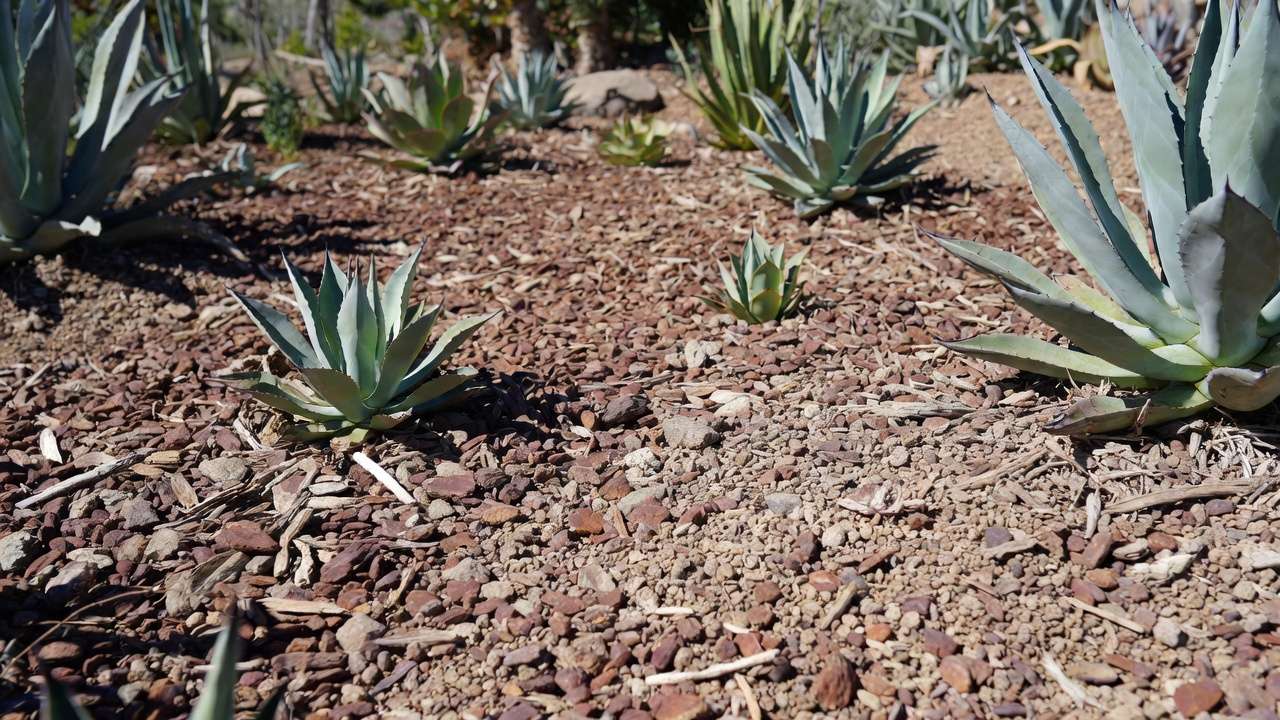
Apply mulch right after planting, keeping it 2–3 inches away from plant stems (no “volcano” piling around trees!). Refresh annually or as needed—thinner layers invite breakthrough weeds.
Strategic Plant Selection & Dense Planting
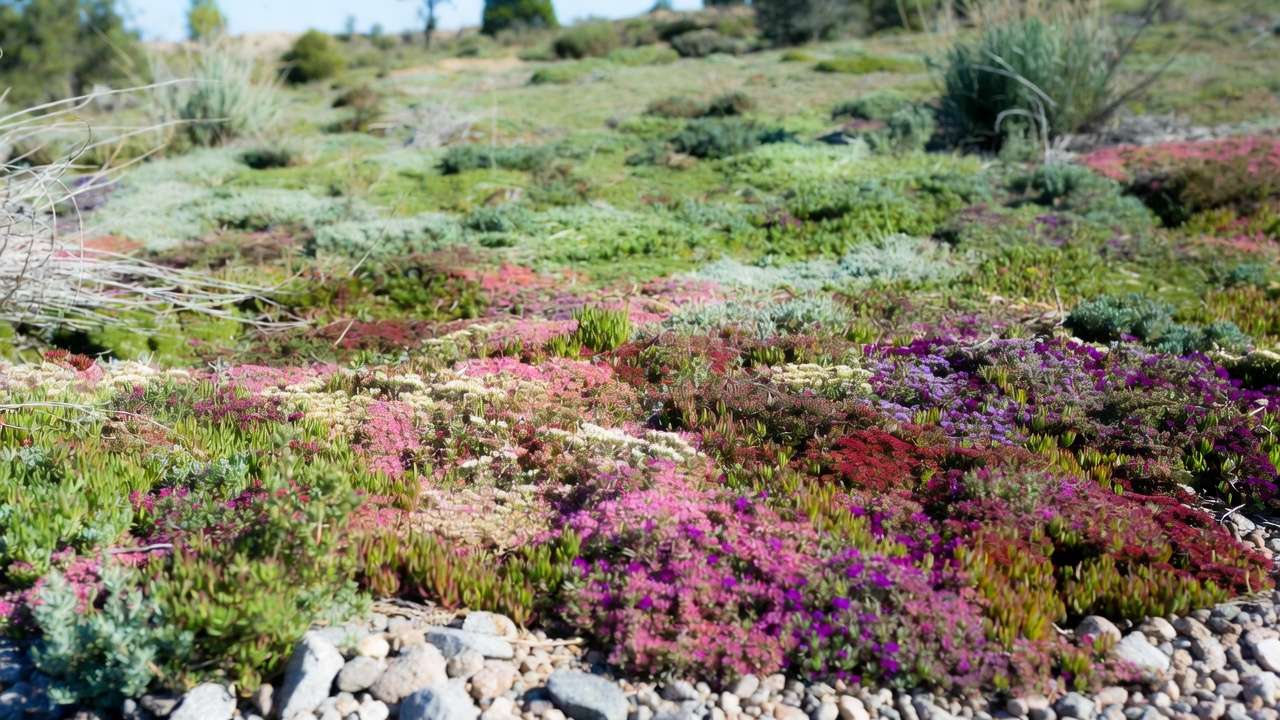
Choose aggressive, spreading ground covers to shade soil and crowd out weeds:
- Creeping thyme, sedum varieties, ice plant (Delosperma), low-growing manzanita
- Native options: buffalo grass, blue grama, trailing gazania (region-dependent)
Plant densely enough for canopy closure within 1–2 seasons. This living mulch is beautiful, supports pollinators, and requires far less supplemental watering once established.
Smart Irrigation That Starves Weeds 💦
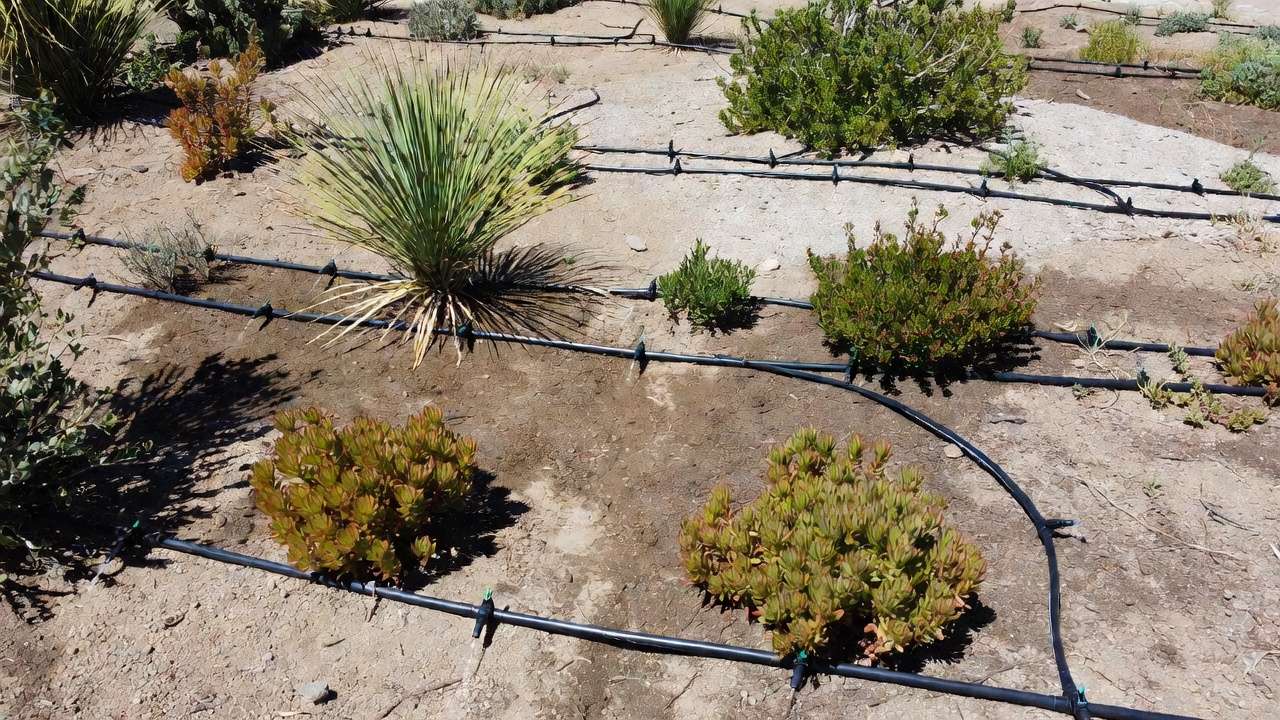
Weeds love broadcast water—your drought-tolerant plants don’t need it!
- Install drip irrigation or soaker hoses to deliver water directly to roots.
- Use zones and smart timers to water only when/where needed.
- Avoid overhead sprinklers—they wet large areas, encouraging weed germination.
Convert existing systems gradually; you’ll save water and see fewer weeds almost immediately.
Ongoing Maintenance: Staying Ahead of Weeds 👀
Even the most perfectly planned xeric garden requires a little regular TLC to stay weed-free. The goal is minimal effort—think quick checks rather than hours of back-breaking work.
Hand-Weeding Techniques That Work Fast
Prevention is king, but when weeds do appear (and they will, especially in the first 1–2 years), swift removal keeps them from going to seed.
- Best tools for xeric gardens:
- Stirrup hoe or scuffle hoe — Glides just under the soil surface to slice annual weeds without deep digging.
- Hori-hori knife — Excellent for digging out taproots of perennials like dandelions or thistles.
- Cape Cod weeder or fishtail weeder — Perfect for getting under gravel without scattering stones.
- Thick gloves + knee pad — Saves your hands when working in rocky mulch.
- Timing is everything: Weed right after watering or a light rain when soil is soft and roots come out more easily. Early morning or late afternoon avoids the hottest part of the day.
- Golden rule: Never let weeds flower or set seed. One mature weed can produce hundreds or thousands of seeds that will haunt you for years!
Pro tip: Carry a small bucket or bag while you walk the garden daily. A 5-minute spot-check routine prevents small problems from becoming big ones.
Natural & Organic Weed Control Methods 🌿
Many gardeners want to avoid synthetic herbicides entirely—especially around pollinator-friendly natives and edibles. Here are safe, effective options for xeric settings:
- Horticultural vinegar (20–30% acetic acid) + a few drops of dish soap: Spot-spray on sunny days for best burn-down effect. Works well on young annuals in gravel paths or between rocks. Avoid drift onto desirable plants.
- Boiling water: Pour directly into sidewalk cracks, gravel gaps, or isolated weeds. Great for patios and hardscape areas.
- Corn gluten meal: Apply in early spring as a natural pre-emergent. It inhibits root formation in germinating seeds (about 60–70% effective on many annual weeds). Bonus: It adds nitrogen as it breaks down.
- Flame weeding (with a propane torch wand): Quick for young weeds on gravel or bare soil. Use with extreme caution—never near dry mulch, plants, or during high-wind/fire-risk periods.
Always test a small area first and remember: these methods work best on young, small weeds rather than established perennials.
Targeted Use of Pre-Emergent & Post-Emergent Options
For tougher situations, selective products can help without harming the ecosystem:
- Pre-emergent herbicides (e.g., those containing trifluralin or prodiamine): Apply in late winter/early spring before weed seeds germinate. Safe around established xeric plants when used per label directions. Reapply every 3–4 months in high-pressure areas.
- Post-emergent options: Spot-treat only with low-toxicity products like iron-based broadleaf killers or fatty acid soaps if organics aren’t enough.
Important: Always read labels, avoid broad applications in xeric gardens, and never use near water features or edible plants. Prioritize cultural and mechanical methods first.
Seasonal Maintenance Calendar 📅
Here’s a simple, region-agnostic schedule to keep weeds under control year-round:
- Late Winter / Early Spring (Feb–Mar): Apply corn gluten or pre-emergent, clean up winter debris, refresh mulch edges.
- Spring (Mar–May): Hand-weed emerging annuals, check irrigation zones, spot-treat perennials.
- Summer (Jun–Aug): Weekly 5–10 minute patrols, deep-water established plants infrequently to avoid encouraging weeds.
- Fall (Sep–Nov): Major mulch refresh (add 1–2 inches), remove spent annuals before they seed, focus on digging out perennial roots.
- Winter (Dec–Jan): Minimal—monitor for wind-blown seeds, plan next year’s improvements.
Consistency is key. A little effort spread across the seasons keeps your xeric garden looking pristine with almost no drama.
Common Mistakes & Troubleshooting 😬
Even experienced gardeners fall into these traps—here’s how to avoid or fix them:
- Mistake #1: Applying mulch too thin (<2 inches) → Weeds break through easily. Fix: Always aim for 3–4 inches and refresh regularly.
- Mistake #2: Piling mulch against tree trunks/shrub bases (“mulch volcanoes”) → Invites rot and provides a cozy weed nursery. Fix: Keep mulch 2–3 inches away from stems.
- Mistake #3: Using overhead sprinklers or overwatering → Creates weed paradise. Fix: Convert to drip and water deeply but infrequently.
- Mistake #4: Ignoring bindweed, Bermuda grass, or nutsedge → These spread aggressively via roots/rhizomes. Fix: Persistent digging + solarization + thick barriers + spot vinegar. Sometimes a 2–3 year battle is needed—patience pays off!
- Mistake #5: Disturbing soil too much → Brings buried weed seeds to the surface. Fix: Minimize tilling; use no-dig methods.
Expert Insights & Real-World Examples 🌟
From years working with xeriscape designers, extension services, and home gardeners in arid regions:
- A Phoenix-area client reduced weeding time from 6 hours/week to under 30 minutes/month by combining 4-inch decomposed granite mulch, dense ground-cover planting (lantana, trailing rosemary, Turkish veronica), and drip-only irrigation.
- Colorado State University Extension recommends “living mulches” like buffalo grass or blue grama in open areas—they outcompete cheatgrass and require almost no supplemental water once established.
- In Mediterranean-climate zones (California, parts of Australia), arborist wood chips layered over cardboard have proven to suppress even tough perennials like oxalis and Bermuda grass for 3–5 years with minimal follow-up.
The consensus among pros: Layer multiple methods (mulch + barriers + dense planting + targeted irrigation) for the best, most sustainable results.
Conclusion
Weed control in xeric gardens doesn’t have to mean endless labor or harsh chemicals. By focusing on prevention—thick, well-chosen mulches, smart barriers, drought-smart irrigation, dense plantings, and quick seasonal maintenance—you can create a low-water landscape that practically takes care of itself. Your garden will not only survive dry spells but thrive, support local wildlife, save water, and look effortlessly beautiful year after year. 🌿💚
Start small: Pick one or two strategies from this guide (mulch refresh + weekly patrols is a powerful combo) and implement them this season. You’ll be amazed at the difference.
Have a favorite weed-fighting trick that works in your xeric space? Drop it in the comments—I’d love to hear what’s working for you! And if you enjoyed this guide, subscribe for more practical plant care and tree care tips tailored to water-wise gardening. Happy gardening! 🌞
FAQs ❓
How often should I weed my xeric garden? Once established (2–3 years), most well-designed xeric gardens need only 10–20 minutes of spot weeding per week during peak season. Early vigilance prevents big problems.
Is landscape fabric bad for xeric gardens? Not if you choose high-quality, breathable, non-woven geotextile and install it correctly. Cheap woven fabrics can degrade quickly and allow weeds to root through. Organic alternatives like cardboard work well too.
What’s the best mulch for weed control in hot, dry climates? Gravel or decomposed granite for a clean, permanent look with excellent suppression. Wood chips/arborist mulch for superior water retention and soil health—ideal around trees and shrubs.
Can I use vinegar safely around my drought-tolerant plants? Yes, but only as a spot treatment on sunny days, and avoid drift. Use a shield (cardboard) to protect nearby plants. It’s most effective on small, young weeds.
How do I stop weeds in gravel areas without fabric? Apply 4+ inches of gravel over a cardboard/newspaper base layer before adding plants. Hand-pull or flame-weed emerging weeds promptly, and consider planting low-growing ground covers in open pockets to shade the soil.











