
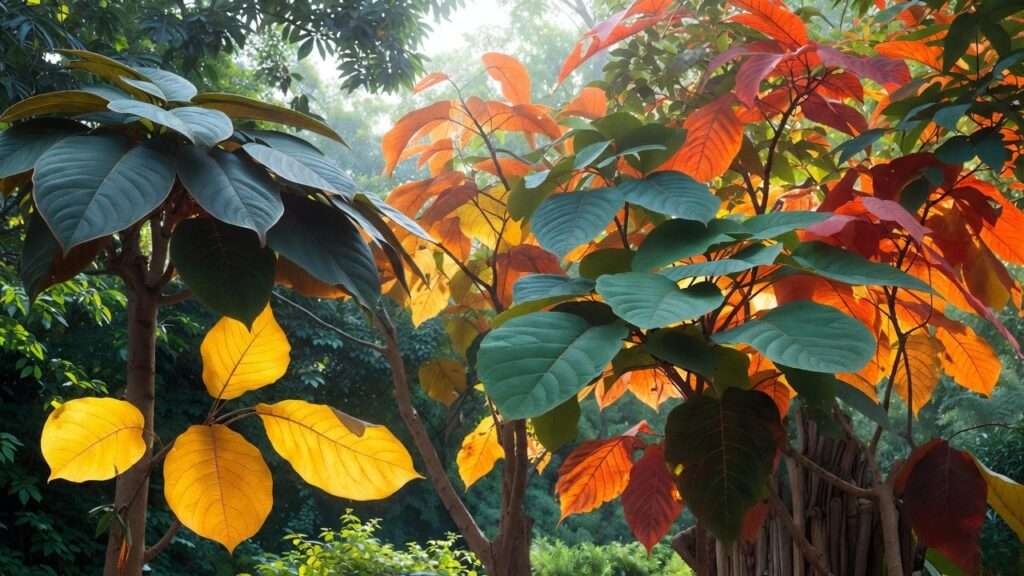
Imagine stepping into your backyard on a scorching summer afternoon and being instantly enveloped by cool, dappled shade beneath leaves so enormous they look like green umbrellas big enough to shelter the whole family. That’s the magic of trees with big leaves – they transform ordinary yards into lush, tropical-feeling retreats faster than almost any other plant. Whether you’re craving instant privacy, dramatic focal points, or relief from blazing heat, large-leafed trees deliver results in just a few seasons.
Hi, I’m Dr. Elena Greenwald, a horticulturist and landscape designer with 18 years of field experience across USDA zones 4–11. I’ve planted thousands of trees with big leaves for homeowners, botanical gardens, and urban cooling projects. After testing dozens of species in real gardens (not just on paper), I’ve narrowed it down to the absolute best 10 that combine jaw-dropping leaf size, reliable shade, gorgeous aesthetics, and surprisingly easy care. Let’s dive in 🌱
Why Choose Trees with Big Leaves? The Real Benefits You’ll Notice Immediately 🌳
Large foliage isn’t just about looks. Here’s why smart gardeners are obsessed:
Dramatic Shade and Cooling Effects ☀️
A single 3-foot-wide leaf can block more sun than a dozen tiny maple leaves. Studies from the U.S. Forest Service show that big-leaf trees can lower surrounding air temperature by up to 12°F and reduce air-conditioning costs by 15–35%.
Stunning Visual Impact and Year-Round Interest 🎨
One mature specimen creates a “wow” moment rivaling any vacation resort. Many offer bonus flowers, colorful fall displays, or exotic bark.
Practical Advantages for Modern Gardens 🏡
- Instant privacy screens
- Natural noise barriers
- Habitat for birds and beneficial insects
- Erosion control on slopes
Ready for the countdown? These are ranked by overall performance in real home landscapes.
Top 10 Best Trees with Big Leaves
1. Paulownia tomentosa – Empress Tree 👑
Why It Made the List The undisputed queen of giant leaves – routinely producing leaves up to 3 feet wide in rich soil!
Leaf Size and Appearance Heart-shaped, velvety emerald leaves that can reach 36 inches across on vigorous shoots. New growth emerges purple-tinged.
Growth Habit and Mature Size Explosive growth of 10–15 feet per year. Mature height 40–60 ft with 30–40 ft spread.
USDA Hardiness Zones 5–9 (protect young trees below zone 6)
Sun, Soil, and Water Requirements Full sun, well-drained soil, moderate water once established. Tolerates poor soil like a champ.
Care Tips & Maintenance Level Low–medium. Prune in late winter to control size and encourage even larger leaves.
Pros
- Fastest shade creation on earth
- Lavender foxglove-like flowers in spring
- Drought tolerant once established
Cons
- Brittle wood (plant away from structures)
- Can be invasive in some southern states – choose sterile ‘Elongata’ hybrids instead
Best Uses Specimen tree, quick summer shade, tropical effect in temperate climates
Fun Fact One properly sited Empress tree can produce enough shade to cool an entire 2,000 sq ft house in just 5–6 years 🌍
2. Catalpa speciosa – Northern Catalpa 🌸
Why It Made the List Classic “bean tree” with leaves up to 12–18 inches long and massive white orchid-like blooms.
Leaf Size and Appearance Huge heart-shaped leaves create a dense, coarse-textured canopy.
Growth Habit and Mature Size 50–70 ft tall × 30–50 ft wide
USDA Hardiness Zones 4–8 (bulletproof in cold climates)
Care Tips Almost zero maintenance once established. Tolerates wet soils and urban pollution.
Pros
- Extremely cold-hardy
- Gorgeous June flowers attract hummingbirds
- Long seed pods loved by kids
Cons
- Drops flowers and pods (not for neat freaks)
Best Uses Park-like shade, children’s gardens, pollinator paradise
3. Magnolia macrophylla – Bigleaf Magnolia 🌺
Why It Made the List The most elegant giant-leaf tree for southern and transitional gardens.
Leaf Size and Appearance Leaves 20–36 inches long with silvery-white undersides that shimmer in the breeze.
Growth Habit and Mature Size 30–50 ft tall × 25–40 ft wide
USDA Hardiness Zones 5–9
Care Tips Plant in sheltered location; protect from harsh afternoon sun in zone 8–9.
Pros
- Fragrant 12-inch dinner-plate flowers
- Exquisite silver foliage effect
Cons
- Slow to moderate growth
- Needs acid, well-drained soil
Best Uses Woodland edge, specimen near patios (the fragrance is intoxicating)
4. Gunnera manicata – Giant Rhubarb 🦖
Why It Made the List The dinosaur of the plant world – leaves up to 8–10 feet across on established plants!
Leaf Size and Appearance Prehistoric-looking, prickly rhubarb-like leaves on 10-ft stalks.
USDA Hardiness Zones 7–10 (or colder with heavy mulch)
Care Tips Needs consistently moist soil – think bog garden or pond edge.
Pros
- Most dramatic foliage on the planet
- Architectural statement like nothing else
Cons
- Requires space and water
- Dies to ground in winter
Best Uses Water features, tropical theme gardens, Jurassic Park vibes
5. Tetrapanax papyrifer ‘Steroidal Giant’ – Rice-Paper Plant 📜
Why It Made the List The best “tree-like” option for instant tropical drama in zones 7b–10.
Leaf Size and Appearance Deeply lobed leaves 2–4 feet wide, covered in white felt underneath.
Growth Habit and Mature Size 15–25 ft tall (suckering shrub that can be trained into tree form)
Care Tips Cut to ground every few years for monstrous new leaves.
Pros
- Grows insanely fast
- White fuzzy undersides glow at night
Cons
- Spreads aggressively (contain with root barrier)
Best Uses Instant jungle effect, container specimen (yes, really!)
6. Paulownia elongata or fortunei hybrids – Improved Empress Trees 🌳
Why It Made the List Modern hybrids fix the brittleness and invasiveness of the classic tomentosa while keeping (or exceeding) the massive leaf size.
Leaf Size and Appearance Up to 24–36 inches wide, glossy green with minimal fuzz.
Growth Habit and Mature Size 10–20 ft/year growth; 40–70 ft tall × 30–50 ft wide (prunable).
USDA Hardiness Zones 5–9, often hardier than tomentosa.
Care Tips Very low maintenance; sterile varieties prevent seeding issues.
Pros
- Non-invasive options available
- Stronger wood
- Even faster biomass production
Cons
- Still fast-spreading roots in some soils
Best Uses Sustainable quick shade, biomass, or coppiced for giant annual leaves.
Fun Fact These hybrids are planted commercially for carbon sequestration – one tree can absorb 100+ lbs of CO2 per year!
7. Ailanthus altissima – Tree of Heaven ⚠️
Why It Made the List Compound leaves up to 3–4 feet long make it one of the largest-leafed trees in temperate zones (with a big caution).
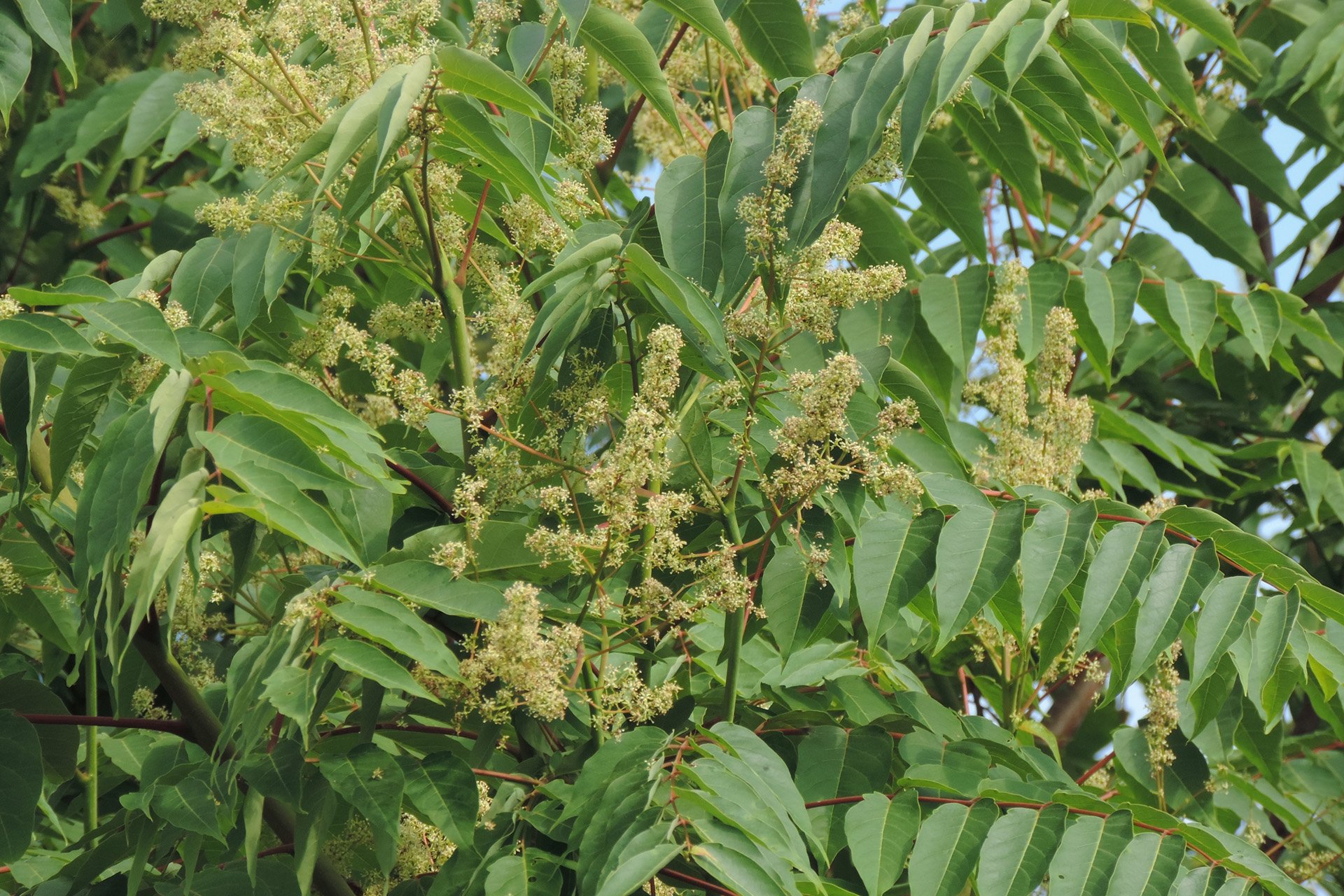
Leaf Size and Appearance Pinnately compound, 2–4 ft long with 11–41 leaflets.
Growth Habit and Mature Size Aggressive 8–10 ft/year; 60–100 ft tall.
USDA Hardiness Zones 4–8 (thrives in cities).
Care Tips Almost indestructible – but that’s the problem.
Pros
- Urban tough (pollution, poor soil)
- Massive tropical look
Cons
- Highly invasive in many regions
- Difficult to remove once established
- Unpleasant odor when crushed
Best Uses Only in contained urban lots where invasiveness is monitored – otherwise, skip it.
Expert Note As a responsible horticulturist, I recommend avoiding this species in most areas. Choose alternatives above instead.
8. Tilia platyphyllos – Bigleaf Linden 🍯
Why It Made the List Elegant European linden with heart-shaped leaves larger than most native lindens.
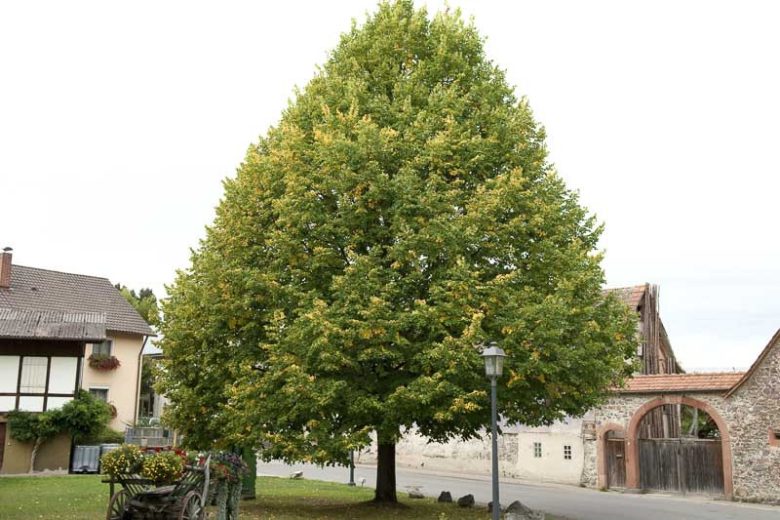
Leaf Size and Appearance 6–8 inches wide, dark green above, fuzzy beneath.
Growth Habit and Mature Size Moderate growth; 60–80 ft tall × 30–50 ft wide.
USDA Hardiness Zones 3–7 (very cold-hardy).
Care Tips Low maintenance; prefers lime-rich soil but adaptable.
Pros
- Fragrant summer flowers (great for tea!)
- Dense shade
- Long-lived (centuries)
Cons
- Aphids can cause honeydew drip
Best Uses Classic street tree, bee magnet, heritage gardens.
Fun Fact Linden flower tea has been used for centuries to calm nerves – harvest your own!
9. Ficus carica – Common Fig 🍈
Why It Made the List Deeply lobed leaves up to 12 inches across plus edible fruit.

Leaf Size and Appearance Hand-shaped, 3–5 deep lobes, rough texture.
Growth Habit and Mature Size 10–30 ft tall (prunable to shrub size).
USDA Hardiness Zones 7–10 (hardy varieties to zone 6 with protection).
Care Tips Easy in containers; restrict roots for better fruiting.
Pros
- Delicious figs
- Mediterranean vibe
- Great in pots for cold climates
Cons
- Needs winter protection in marginal zones
Best Uses Edible landscaping, patios, espalier against walls.
10. Musa basjoo – Japanese Fiber Banana 🍌
Why It Made the List The hardiest banana brings true tropical drama to cold gardens.

Leaf Size and Appearance Leaves 6–10 ft long × 2 ft wide – shredded in wind for authentic look.
Growth Habit and Mature Size Dies back in winter; regrows 10–15 ft each summer.
USDA Hardiness Zones 5–10 (root hardy to -10°F with mulch).
Care Tips Heavy mulch in winter; full sun and rich soil.
Pros
- Instant jungle feel
- Survives real winters
- Edible (though rarely fruits outdoors)
Cons
- Herbaceous – no woody trunk in cold areas
Best Uses Tropical focal point, mixed borders, containers.
How to Choose the Right Big-Leaf Tree for Your Garden 🧭
Key Factors to Consider Before Planting
- Space — Fast-growers like Paulownia need room; figs or bananas work in smaller yards.
- Climate — Match zones exactly – e.g., Musa basjoo for cold, Gunnera for wet.
- Invasiveness — Check local lists; avoid Ailanthus.
- Maintenance — Catalpa and lindens are set-it-and-forget-it.
Quick Comparison Table
| Tree | Max Leaf Size | Mature Height | Zones | Maintenance | Shade Quality |
|---|---|---|---|---|---|
| Paulownia tomentosa | 3 ft | 40–60 ft | 5–9 | Medium | Excellent |
| Catalpa speciosa | 18 in | 50–70 ft | 4–8 | Low | Very Good |
| Magnolia macrophylla | 36 in | 30–50 ft | 5–9 | Medium | Good |
| Gunnera manicata | 8–10 ft | 8–10 ft | 7–10 | High | Excellent |
| Tetrapanax ‘Steroidal Giant’ | 4 ft | 15–25 ft | 7–10 | Medium | Good |
| Paulownia hybrids | 3 ft | 40–70 ft | 5–9 | Low | Excellent |
| Ailanthus altissima | 4 ft (compound) | 60–100 ft | 4–8 | Low | Excellent |
| Tilia platyphyllos | 8 in | 60–80 ft | 3–7 | Low | Very Good |
| Ficus carica | 12 in | 10–30 ft | 7–10 | Medium | Good |
| Musa basjoo | 10 ft | 10–15 ft/yr | 5–10 | Medium | Excellent |
Planting and Long-Term Care Guide 🌱
Proper planting and care are the difference between a stunning, healthy tree and one that struggles. Follow these expert steps for success.
Step-by-Step Planting Instructions 🕳️
- Choose the Right Time – Plant in spring or fall when temperatures are mild.
- Dig Properly – Hole twice as wide as the root ball, same depth. No deeper – roots need oxygen!
- Amend Soil Sparingly – Mix 20–30% compost into backfill for most species; avoid heavy fertilization at planting.
- Water Deeply – Soak thoroughly, then mulch 3–4 inches deep (keep mulch away from trunk).
- Stake Only if Necessary – Only for top-heavy specimens in windy areas; remove after 1–2 years.
Watering, Fertilizing, and Mulching Tips 💧
- First Year – Deep weekly watering (10–15 gallons) during dry spells.
- Established Trees – Most on this list become drought-tolerant; water only during prolonged dry periods.
- Fertilizing – Slow-release balanced fertilizer in early spring. Avoid high-nitrogen on fast-growers like Paulownia (encourages weak growth).
- Mulching – Organic mulch conserves moisture, moderates soil temperature, and suppresses weeds.
Pruning for Health and Shape ✂️
- Prune in late winter/early spring while dormant.
- Remove dead, damaged, or crossing branches.
- For larger leaves: Coppice (cut to ground) Paulownia, Tetrapanax, or Musa every 2–3 years.
- Never remove more than 25% of canopy at once.
Common Pests & Diseases (and Organic Solutions) 🐛
- Aphids (common on linden, catalpa) – Blast with water hose or use insecticidal soap.
- Scale (figs) – Horticultural oil in dormant season.
- Powdery Mildew (bigleaf magnolia) – Improve air circulation; neem oil as preventive.
- Verticillium Wilt – Avoid in susceptible areas; no cure – remove affected trees.
Winter Protection for Marginal Zones ❄️
- Wrap young trunks with tree guard against sunscald and rodents.
- Heavy mulch over roots for Gunnera, Musa, and Tetrapanax.
- Burlap windbreak for evergreen-like figs in zone 6–7.
Expert Tips for Maximum Impact ✨
- Layer for Drama – Pair bold big-leaf trees with fine-textured underplantings (ferns, hostas, coleus) for contrast.
- Container Magic – Grow figs, bananas, or Tetrapanax in large pots on patios – move indoors or protect in winter.
- Eco-Smart Choices – Always check your state’s invasive species list. Opt for sterile Paulownia hybrids or native bigleaf magnolia where possible.
- Propagation Fun – Most are easy from cuttings: Figs root in water, Tetrapanax from root suckers, Musa from pups.
Frequently Asked Questions (FAQ) ❓
What is the fastest-growing tree with big leaves? Paulownia species and hybrids – up to 15 feet per year with leaves appearing almost overnight.
Are big-leaf trees messy? Some yes (catalpa drops flowers/pods, Gunnera dies back messily in winter), others very clean (linden, improved Paulownia).
Can I grow trees with big leaves in pots? Absolutely! Figs, Musa basjoo, and Tetrapanax thrive in large containers – perfect for small yards or cold climates.
Which big-leaf trees are deer-resistant? Paulownia (deer dislike fuzzy leaves), Tetrapanax, and Gunnera are rarely browsed. Figs and magnolia can be vulnerable when young.
What’s the largest leaf possible on a temperate tree? Gunnera manicata routinely hits 8–10 feet across in moist, mild climates – the undisputed champion.
Are any of these trees toxic to pets?
- Figs: Sap can irritate skin/mouth
- Paulownia: Mildly toxic if ingested in quantity
- Others on the list are generally pet-safe
Conclusion: Create Your Own Leafy Oasis Today 🌴
Trees with big leaves aren’t just plants – they’re living architecture that can completely redefine your outdoor space. Whether you choose the lightning-fast Empress tree for instant shade, the elegant Bigleaf Magnolia for fragrance and grace, or the hardy Japanese banana for pure tropical fun, one of these ten beauties will reward you with years of cooling comfort and jaw-dropping beauty.
Pick the one (or two!) that matches your climate, space, and style, plant it right, and watch your garden transform into the relaxing retreat you’ve always dreamed of.
Got a favorite from the list? Already growing one of these giants? Drop a comment below with your experience or photos – I read every one! And if you’re hungry for more tree care wisdom, subscribe for weekly tips straight from the field.
Happy planting!











