
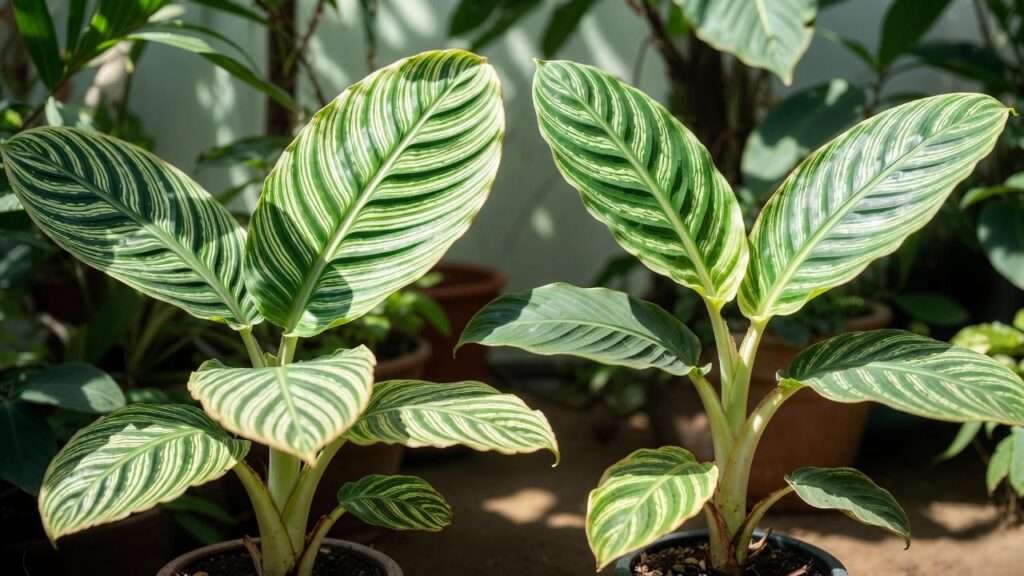
Picture this: massive, paddle-like leaves unfurling dramatically, striped in lush green and creamy white like a living work of art. That’s the magic of the variegated banana plant – a rare gem that transforms any room or garden into a Hawaiian paradise. Whether it’s the iconic Musa ‘Ae Ae’ (also known as the Royal Hawaiian or Sacred Banana) or the highly sought-after Musa ‘Florida’, these ornamental beauties are prized for their breathtaking foliage rather than fruit production. But here’s the hook that keeps plant enthusiasts up at night: variegated banana plants are notoriously finicky, prone to fading stripes, browning tips, and slow recovery from stress. Many new owners watch their prized specimen lose its wow factor or struggle to thrive.
If you’ve just brought home a variegated banana plant or are dreaming of adding one to your collection, this essential guide is your roadmap to success. Drawing from years of hands-on experience growing tropicals both indoors and in subtropical gardens (USDA zones 9-11), we’ll dive deep into proven care strategies that keep variegation vibrant, growth explosive, and issues at bay. From ideal light setups to custom soil mixes, propagation secrets, and troubleshooting real-world problems, you’ll gain the expertise to grow this stunning tropical beauty confidently – indoors as a statement houseplant or outdoors in warm climates. Let’s unlock the secrets to making your variegated banana thrive!
What is a Variegated Banana Plant? Understanding This Rare Beauty 🍃
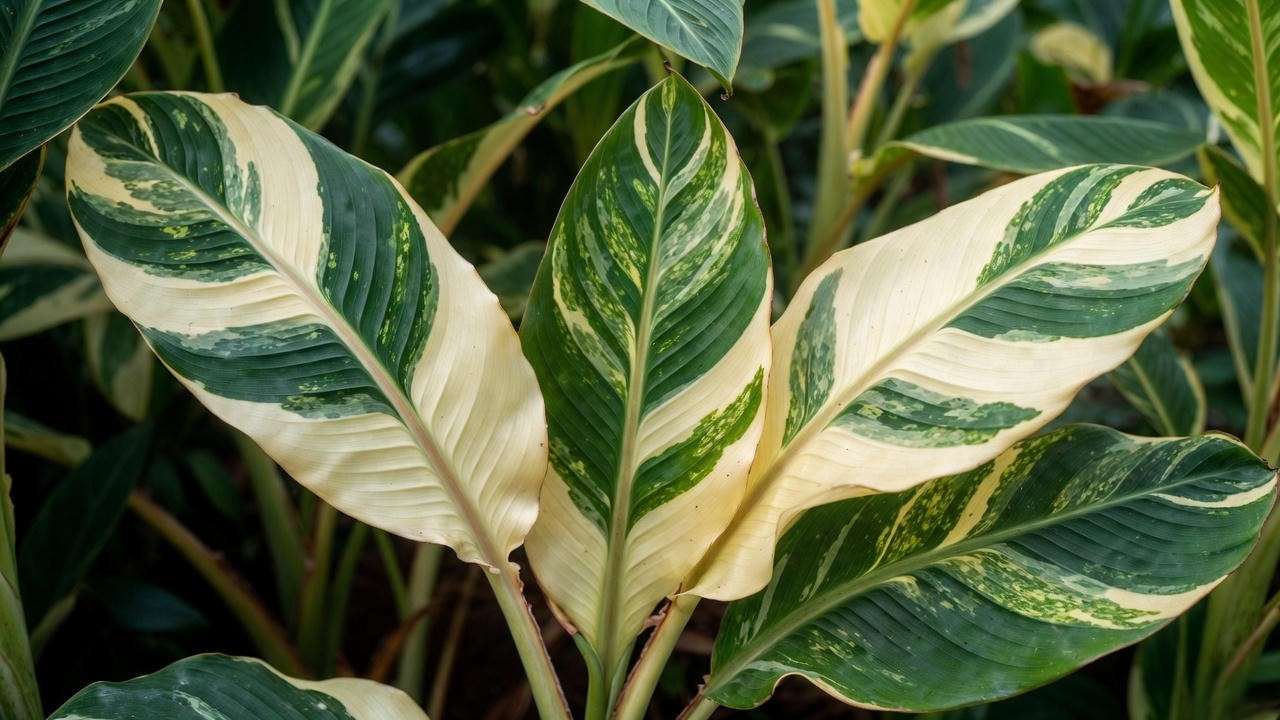
Variegated banana plants belong to the Musa genus, specifically hybrids like Musa x paradisiaca ‘Ae Ae’ and Musa ‘Florida’ (sometimes considered strains of the same cultivar). Unlike common grocery-store bananas (Musa acuminata ‘Cavendish’), these are ornamental cultivars mutated for unstable chlorophyll distribution, resulting in those mesmerizing white or cream streaks on leaves, stems, and even fruit.
Origins and History
These exotic plants trace roots to Southeast Asia and Polynesia, but gained legendary status in Hawaii. The ‘Ae Ae’ name means “prematurely gray” in Hawaiian, reflecting its pale stripes. Historically, they were sacred and reserved for Hawaiian royalty – a symbol of prestige due to their rarity and beauty. Introduced to Florida in the mid-20th century, the ‘Florida’ strain became popular among collectors for its robust growth and intense variegation. Today, they’re propagated mainly via tissue culture to preserve the trait, as natural reproduction often reverts to solid green.
Key Characteristics
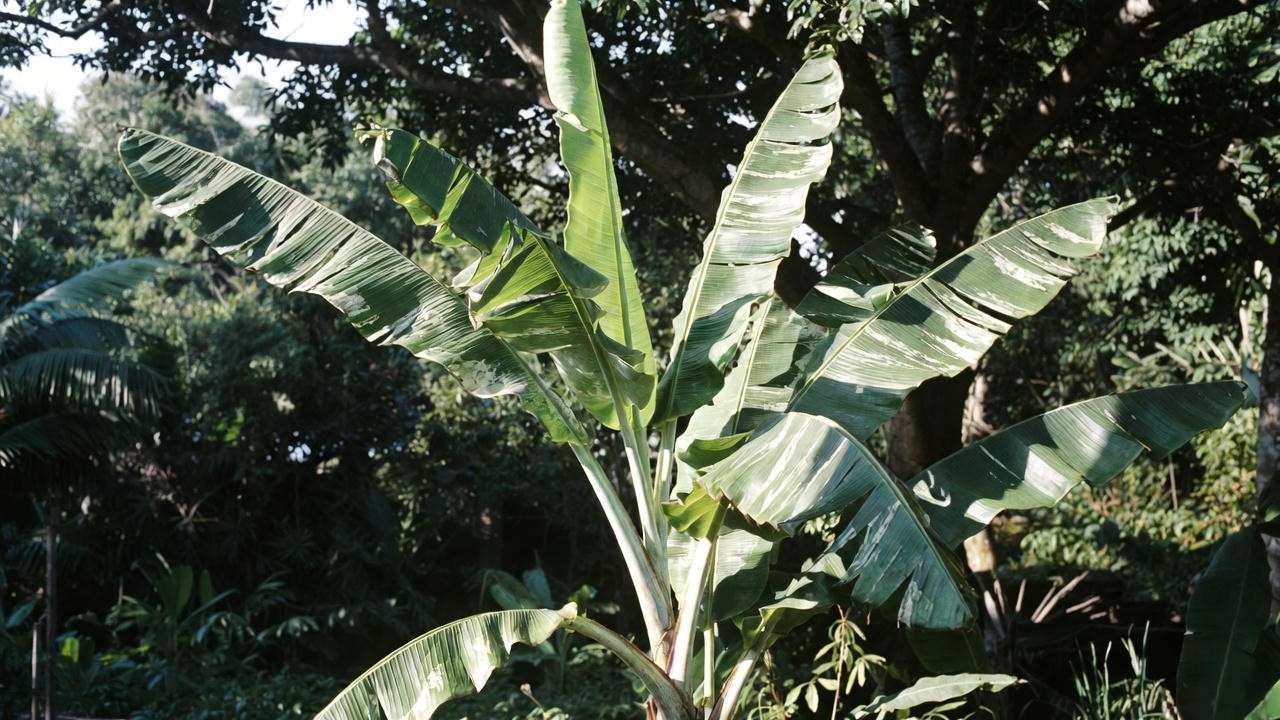
- Height and Spread: Outdoors in ideal conditions (zones 8b-11 with protection), they reach 15-20 feet tall with leaves up to 6 feet long. Indoors in containers, expect 4-8 feet – perfect for dramatic floor plants.
- Leaves: Broad, paddle-shaped, with dramatic green-and-white (or cream) striping. New leaves emerge rolled like cigars, unfurling in a spectacular show.
- Growth Rate: Explosively fast in warmth and humidity – several feet per year with optimal care.
- Fruiting: Rare indoors, but possible outdoors. ‘Ae Ae’ produces seedy, striped plantains (better cooked); ‘Florida’ may yield sweeter, dessert-like bananas, though foliage is the star.
- Popular Varieties:
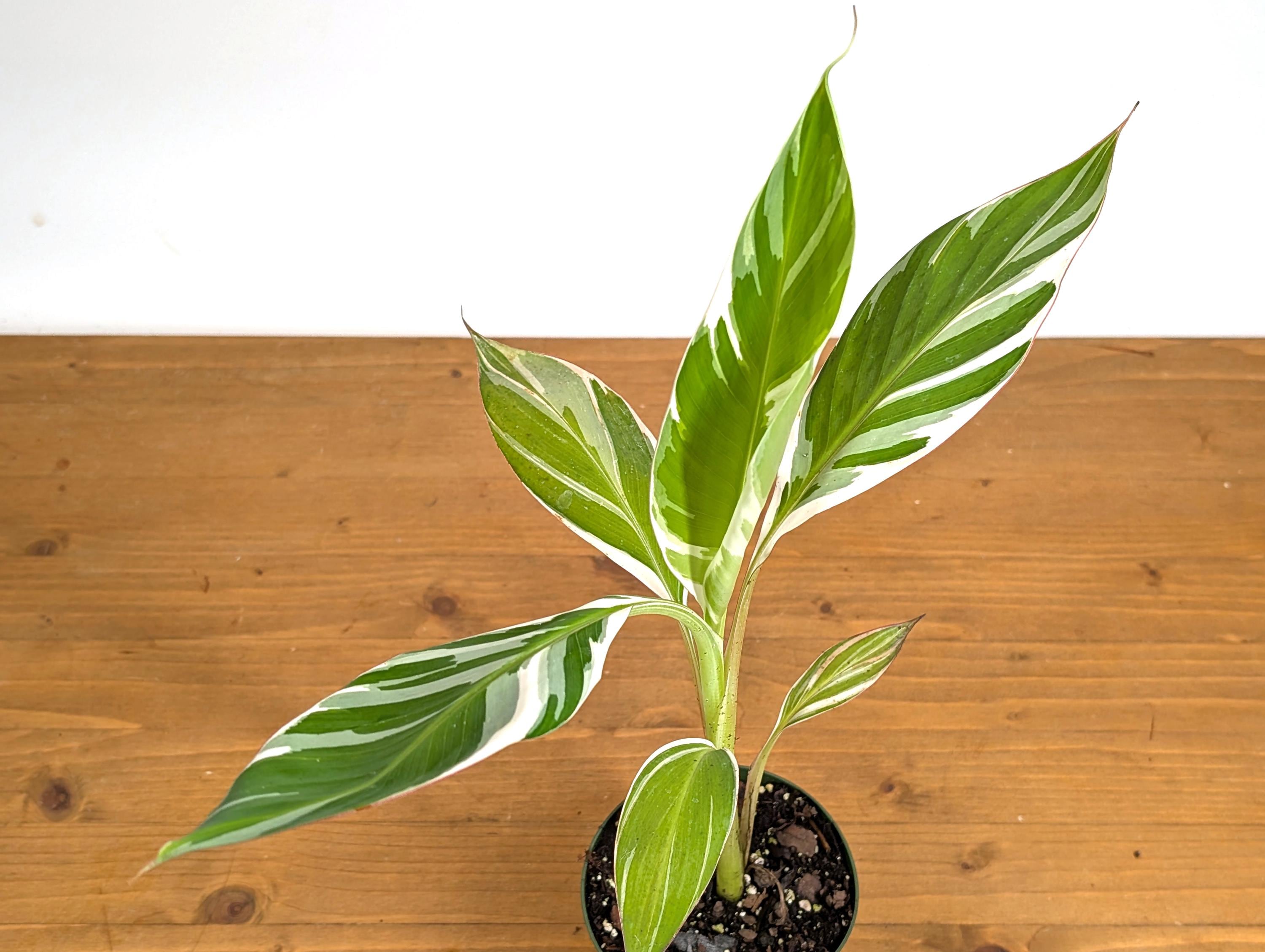
- Musa ‘Ae Ae’: Classic white-green stripes, reddish petioles.
- Musa ‘Florida’: Often more stable variegation, compact habit.
- Musa ‘Nono’ (Pink Variegated): Adds blush-pink tones for extra flair.
These plants aren’t just pretty – they’re conversation starters that bring bold tropical texture indoors or out. But their variegation comes at a cost: white sections lack chlorophyll, making them slower photosynthesizers and more demanding of perfect conditions.
Light Requirements: The Secret to Vibrant Variegation ☀️
Light is the #1 factor determining whether your variegated banana plant keeps its stunning stripes or reverts to plain green. Variegated sections have less chlorophyll, so balancing brightness without scorch is key.
Indoors
Aim for bright, indirect light with 6-8 hours daily. South- or east-facing windows are ideal. The white parts burn easily in direct midday sun, turning brown and crispy. If natural light is limited (common in winter), supplement with full-spectrum LED grow lights (6500K, 2000-4000 lumens) positioned 12-24 inches above for 12-14 hours/day.
Expert Tip: Rotate your plant 1/4 turn weekly for even exposure – this prevents leaning and ensures symmetrical variegation. In my experience, plants under grow lights often display more intense white streaking than window-grown ones.
Outdoors
Partial shade is non-negotiable. Morning sun with afternoon protection (dappled shade from trees or 30-50% shade cloth) prevents bleaching or burning. Full sun fades variegation over time and scorches delicate white areas.
Real-world insight: In subtropical Florida gardens, I’ve seen ‘Ae Ae’ thrive under palm canopies, maintaining vivid stripes year-round. Too much shade, however, causes leggy growth and green reversion as the plant compensates for low light.
Pro Insight: Monitor new leaves – if they’re emerging mostly green, increase light gradually. Sudden changes cause shock, so acclimate over 1-2 weeks.
Watering and Humidity: Keeping Your Banana Happy 💦
Banana plants are thirsty tropicals originating from humid rainforests – variegated ones even more so due to larger leaves and faster transpiration.
Watering Schedule
Keep soil consistently moist but never soggy. Water deeply when the top 1-2 inches dry out. In summer/active growth, this might mean weekly (or more in heat); reduce in winter to every 10-14 days.
- Use filtered, distilled, or rainwater – tap water’s fluoride/chlorine causes tip burn (brown edges).
- Bottom-water large pots to encourage deep roots and avoid leaf spotting.
Common mistake: Letting soil dry completely stresses the plant, leading to yellowing or dropped leaves. Overwatering invites root rot – ensure excellent drainage.
Humidity Needs
Target 60-80% humidity. Low humidity (common indoors) causes crispy brown edges and stalled growth.
Solutions:
- Misting daily (morning best).
- Pebble trays or humidifiers.
- Grouping with other tropicals creates a microclimate.
Pro Insight: In dry climates, I’ve had success enclosing young plants in clear plastic bags for the first month post-repotting to boost humidity and speed establishment.
Soil, Potting, and Fertilizing: Building Strong Roots 🌱
The right foundation prevents 90% of problems.
Best Soil Mix
Variegated bananas demand rich, well-draining, slightly acidic soil (pH 5.5-6.5) to maintain variegation and prevent nutrient lockout.
Recommended DIY mix (my go-to for dozens of Musas):
- 40% high-quality potting soil (organic matter-rich)
- 30% perlite or pumice for aeration
- 20% orchid bark or pine bark fines for drainage
- 10% worm castings or compost for nutrients
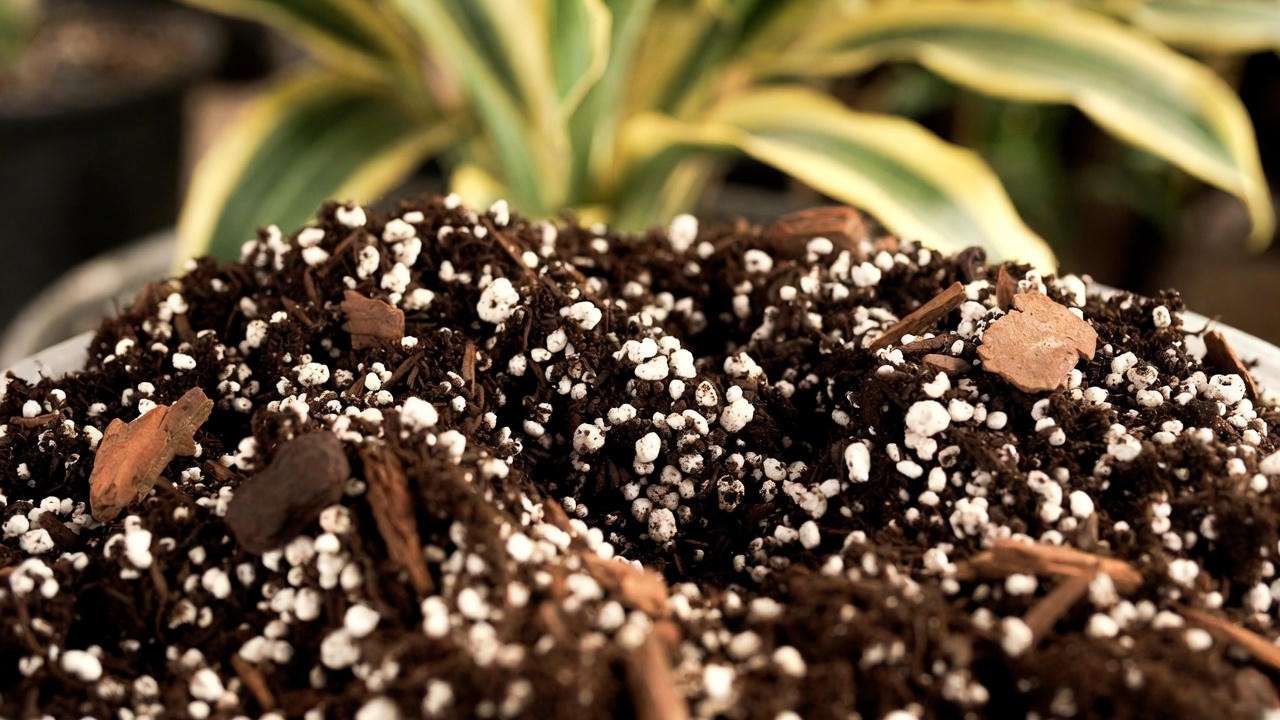
Avoid heavy garden soil – it compacts and suffocates roots. Commercial aroid or palm mixes work well amended with extra perlite.
Repotting
Repot every 1-2 years in spring when roots fill the pot. Choose heavy terracotta or ceramic pots to counter top-heaviness. Go up 2-4 inches in diameter – too large invites rot.
Fertilizer
Heavy feeders! During spring-summer, apply balanced liquid fertilizer (10-10-10 or banana-specific) every 2 weeks, diluted to half strength. Slow-release granules in winter.
Signs of deficiency: Pale leaves, slow growth. Excess: Burnt tips.
Tip: Banana-specific fertilizers with higher potassium promote strong pseudostems and vibrant foliage.
Temperature and Seasonal Care: Indoors vs. Outdoors ❄️🔥
Ideal Temperatures
65-85°F (18-29°C) day; no lower than 50°F (10°C) night. Below 55°F causes chilling injury – browned leaves, stunted growth.
Indoor Care Year-Round
Maintain stable warmth away from drafts/AC vents. Summer outdoors (if nights >60°F) boosts growth – acclimate slowly.
Outdoor Care (Zones 8b-11)
Treat as perennial. Mulch heavily in cooler zones; container-grow and overwinter indoors if needed.
Seasonal Tip: Growth explodes in summer heat/humidity; winter dormancy is normal – reduce water/fertilizer.
Pruning and Maintenance: Keeping It Gorgeous ✂️
Regular maintenance is essential for a tidy, healthy variegated banana plant. These fast-growing tropicals can quickly become unruly if left unchecked, but proper pruning encourages better airflow, reduces pest habitat, and directs energy toward vibrant new growth.
Basic Pruning Steps
- Remove damaged or dead leaves: Cut yellow, brown, or torn leaves at the base of the pseudostem using clean, sharp shears or a knife. Always cut close to the trunk without damaging it.
- Trim suckers (pups): Banana plants grow in clumps via underground rhizomes that send up new shoots. For indoor container specimens, limit to 1–3 main pseudostems for manageability. Remove excess pups when they’re small to prevent overcrowding.
- Clean up spent flower stalks: If your plant fruits (rare indoors), remove the entire inflorescence after harvest to redirect energy.
Expert Advice: Always wear gloves – banana sap is sticky and can stain skin, clothes, and surfaces permanently. Disinfect tools between cuts to prevent disease spread.
In my experience cultivating dozens of Musa cultivars over the years, consistent pruning not only keeps the plant looking pristine but also minimizes fungal issues in humid environments. Outdoor clumps can be allowed more suckers for a fuller, jungle-like effect, while indoor plants benefit from stricter control to fit limited space.
Maintenance Tip: Wipe leaves gently with a damp cloth monthly to remove dust – this maximizes light absorption and keeps those stunning variegated patterns sparkling! ✨
Propagation: Multiply Your Variegated Beauties 👶
One of the most rewarding aspects of growing variegated banana plants is propagation – turning one prized specimen into many. However, variegation is genetically unstable, so methods matter.
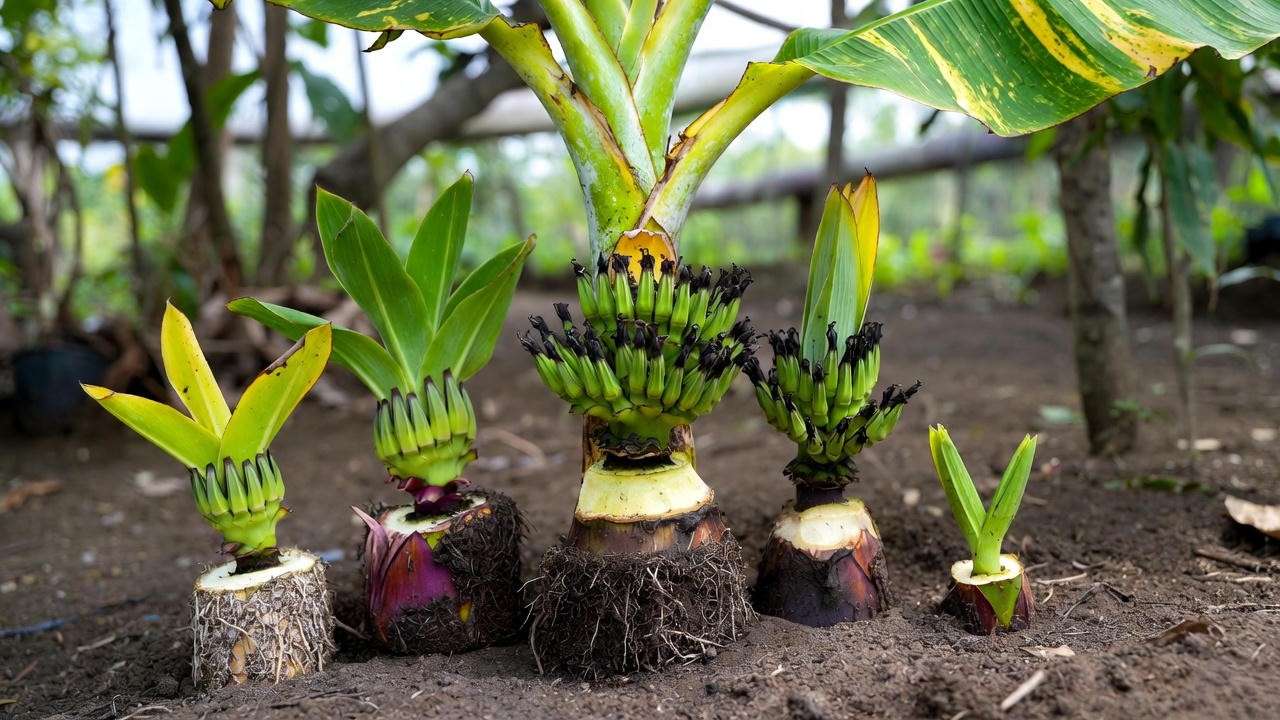
Easiest Method: Dividing Pups (Suckers)
Banana plants naturally produce offsets (pups) from the rhizome. This is the most reliable home method.
Step-by-Step Guide:
- Wait until the pup is 1–3 feet tall with its own roots (usually 6–12 months).
- Water thoroughly the day before to soften soil.
- Carefully dig around the pup and sever its connection to the mother rhizome with a sharp, sterilized spade or knife.
- Pot the pup in a well-draining mix (same as adult plants).
- Place in bright indirect light with high humidity – cover with a clear plastic bag or dome for 2–4 weeks to reduce transplant shock.
- Keep soil moist but not soggy; roots establish in 4–8 weeks.
Success rate is high (80–90% in my trials), but note: not all pups inherit strong variegation. Select those showing early stripes.
Advanced: Tissue Culture
Commercial growers use tissue culture (meristem culturing) to guarantee variegated offspring. This micropropagation method is beyond most home setups but explains why nursery plants are often more stable.
Challenge Alert: Seeds from variegated fruit rarely produce variegated plants – they usually revert to green.
Pro Insight: For best variegation retention, choose pups from the most highly striped pseudostems. Stress-free mother plants produce better offspring.
Common Problems and Solutions: Troubleshooting Like a Pro 🛠️
Even with perfect care, issues arise. Here’s how to diagnose and fix the most frequent problems I’ve encountered in client collections and my own greenhouse.
Leaf Issues
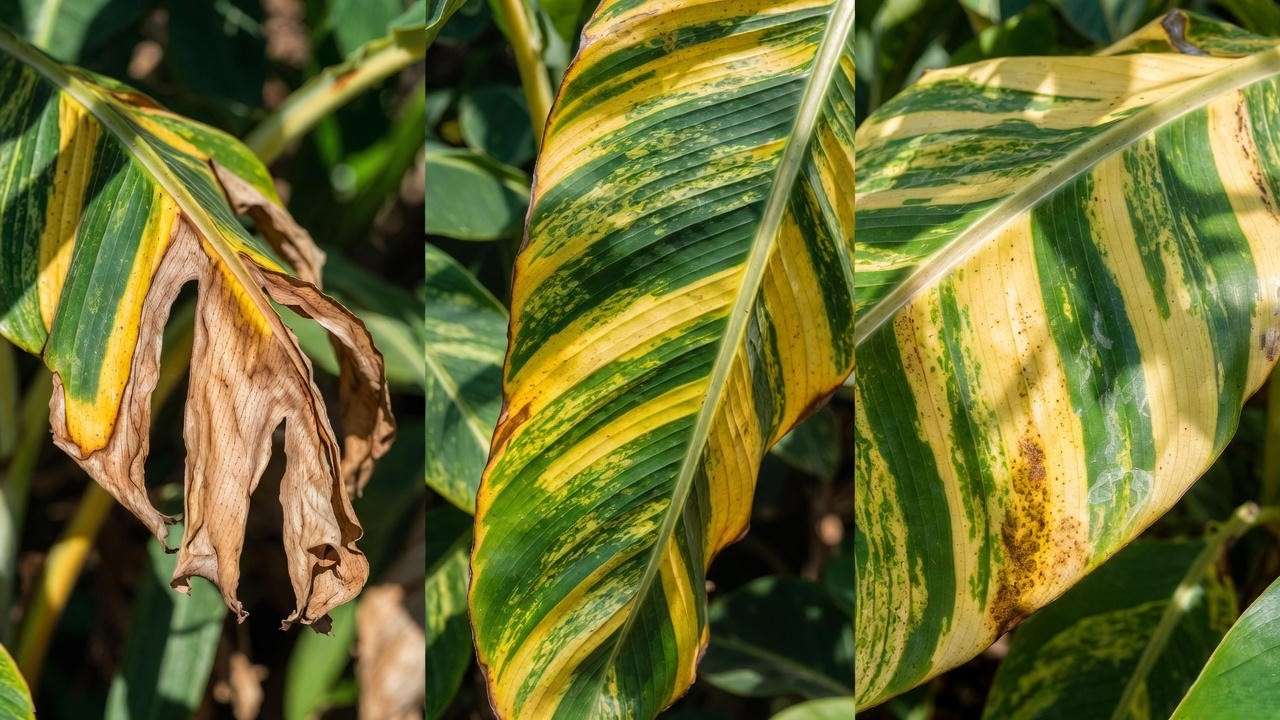
- Browning tips/edges: Almost always low humidity or fluoride/chlorine in tap water. Switch to filtered water and boost humidity.
- Yellowing leaves: Overwatering (check for mushy roots) or underwatering. Adjust schedule and ensure drainage.
- Fading or reverting variegation: Insufficient light. Gradually increase brightness – new leaves should show improved striping.
- Burn spots: Too much direct sun. Move to filtered light immediately.
Pests
Variegated bananas attract common houseplant pests:
- Spider mites: Fine webbing, stippled leaves. Treat with neem oil sprays weekly and increase humidity.
- Aphids/Mealybugs: Sticky residue, curled leaves. Wipe with alcohol-soaked cotton or use insecticidal soap.
- Scale: Brown bumps on stems. Scrape off and treat systemically if severe.
Prevention Tip: Quarantine new plants for 2–4 weeks and inspect regularly. Good airflow and proper watering reduce pest pressure dramatically.
Diseases
- Root rot (Fusarium or Pythium): Soggy soil, wilting despite moisture. Repot in fresh mix, trim rotted roots, and use fungicide drench.
- Leaf spot diseases: Brown/black spots. Improve airflow, reduce overhead watering.
Real-world fix: In one consultation, a client’s fading ‘Ae Ae’ revived spectacularly after switching to rainwater, adding a humidifier, and pruning crowded suckers – full variegation returned within three new leaves.
Advanced Tips for Show-Stopping Growth 🌟
Ready to take your variegated banana to the next level?
- Maximizing variegation stability: Provide consistent, bright indirect light and avoid stress (temperature swings, repotting shock, nutrient extremes). Stable conditions = stable stripes.
- Encouraging fruiting: Outdoors in zones 9–11, hand-pollinate female flowers for striped bananas. Indoors, it’s rare but possible with multiple mature pseudostems and excellent care.
- Overwintering strategies: In marginal zones, heavily mulch rhizomes or dig and store bare-root in cool, dark place (like dahlias).
- Companion planting: Pair with calatheas, alocasias, or philodendrons for a lush tropical corner. Avoid competitive roots.
- Long-term clump management: Every 3–5 years, divide outdoor clumps to rejuvenate and prevent overcrowding.
My Favorite Hack: Use banana peel tea (soaked peels in water) as a gentle potassium boost – mimics natural rainforest decomposition.
Frequently Asked Questions (FAQs) ❓
Is the variegated banana plant toxic to pets? No – Musa species are non-toxic to cats and dogs (ASPCA listed). However, large leaves can pose a choking risk if chewed, and sap may irritate.
Can it produce edible fruit? Yes! Varieties like ‘Ae Ae’ produce cooking plantains with unique stripes. They’re seedy and starchy but traditionally eaten roasted or boiled in Polynesian cuisine. ‘Florida’ can yield sweeter dessert bananas.
How fast does it grow? Extremely fast in optimal conditions – 3–6 feet per year outdoors, 2–4 feet indoors. New leaves emerge every 1–3 weeks during peak season.
Why is my variegation reverting to green? Most common cause: insufficient light. The plant compensates by producing more chlorophyll. Increase brightness gradually. Genetic instability in some pups also plays a role.
Best variety for beginners indoors? Musa ‘Florida’ – more compact, slightly more forgiving of lower light, and readily available.
Can I grow it from grocery store bananas? No – commercial bananas are seedless triploids. Variegated types must be sourced from specialty nurseries.
How big a pot do I need? Start small (10–12 inch for young plants), size up as needed. Mature indoor specimens thrive in 20–30 gallon containers.
Conclusion: Unlock the Magic of Your Variegated Banana Plant Today! ✨
The variegated banana plant isn’t just another houseplant – it’s a living masterpiece that brings bold tropical drama and a touch of exotic royalty to your home or garden. Yes, it demands attention with its needs for bright light, high humidity, and consistent care, but the reward is unmatched: dramatic, hand-painted leaves that unfurl like weekly gifts, turning heads and sparking conversations.
By following this comprehensive guide – from selecting the right variety to mastering light, water, propagation, and troubleshooting – you now have everything needed to keep your plant’s variegation vibrant and growth vigorous for years. Whether you’re nursing a new ‘Ae Ae’ on a sunny windowsill or building an outdoor Hawaiian-inspired grove, success is within reach.
Start applying one tip today (maybe that humidity boost or light adjustment?), and watch your stunning tropical beauty flourish. Happy growing – your paradise awaits! 🌴🍌🏡











