
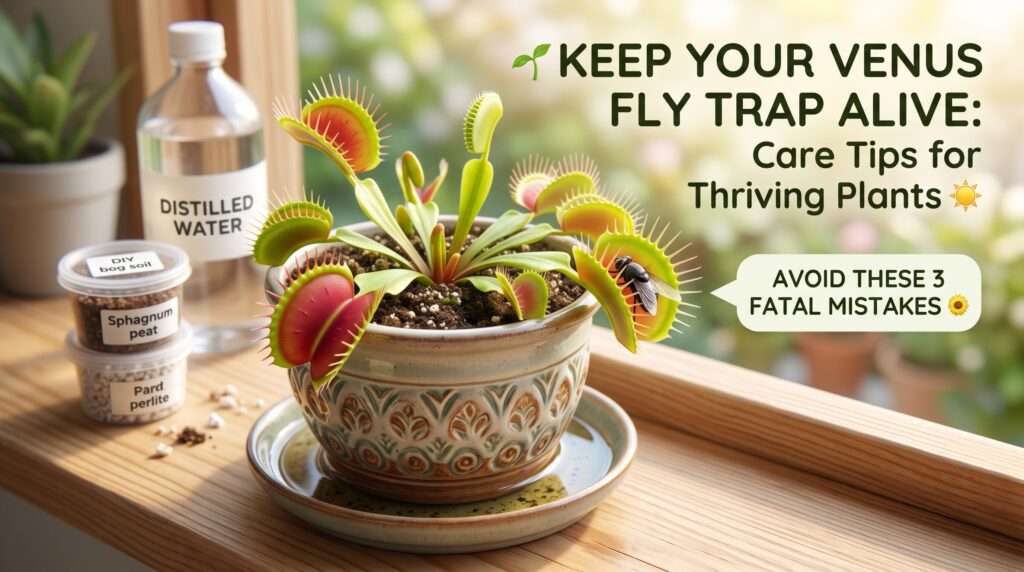
Let’s start with a reality check. We have all been there: you are wandering through the gardening center, and a tiny, vibrant, snappy little monster catches your eye. You bring your new Venus fly trap potted plant home, set it proudly on your kitchen windowsill, and wait for it to thrive. But within three weeks, the bright green traps turn mushy, the leaves blacken, and your fascinating carnivorous companion becomes a sad, withered memory. 🥀
If this has happened to you, take a deep breath. It is not your fault.
Most people treat Venus fly traps (Dionaea muscipula) like typical houseplants. But the truth is, these plants have completely backward rules compared to your standard philodendron or succulent. They are native to a very specific, nutrient-poor bog environment in the Carolinas, and treating them like a normal houseplant is a guaranteed death sentence.
As a botanist who has cultivated carnivorous bog plants for years, I’ve seen countless beginners make the exact same well-intentioned errors. But growing these prehistoric predators is actually incredibly easy once you understand their unique biology. By the end of this comprehensive guide, you will know the exact “cheat codes” to keep your plant thriving, multiplying, and snapping for years.
Let’s start by addressing the absolute most important part of Venus fly trap care: avoiding the three fatal mistakes that kill 90% of beginner plants. 🛑
The 3 Fatal Mistakes Killing Your Venus Fly Trap Potted Plant 🚫
When a Venus fly trap starts dying rapidly within the first month of purchase, it is almost always due to one of these three common errors. Fix these, and you are already halfway to becoming an expert carnivorous plant parent.
1. The “Tap Water Death Kiss” (Mistake #1) 🚰
The single fastest way to kill a Venus fly trap is to water it from your kitchen sink.

The Science: In their natural habitat, Venus fly traps grow in sandy, marshy bogs that are constantly flushed by pure rainwater. Because of this, their delicate root systems have evolved with absolutely zero tolerance for dissolved minerals, salts, or chemicals.
Tap water, bottled spring water, and even water from standard carbon filters (like Brita pitchers) contain calcium, magnesium, chlorine, and trace metals. To a Venus fly trap, giving them tap water is like giving them acid. The minerals build up in the soil, causing severe chemical burns to the roots. Within weeks, the plant will turn completely black and die. ☠️
The Fix: You must only use water that has zero (or near-zero) dissolved solids. There are only three acceptable water sources for your carnivorous plants:
-
Distilled Water: Easily found by the gallon at any local grocery store.
-
Reverse Osmosis (RO) Water: If you have an under-sink RO system, this is perfect.
-
Clean Rainwater: The best natural option, provided you don’t live in a highly polluted industrial area.
[Expert Tip Box 💡]: Want to be absolutely sure your water is safe? Invest in a cheap TDS (Total Dissolved Solids) meter online. They cost about $10. Any water you give your Venus fly trap must measure under 50 PPM (Parts Per Million). Distilled water will measure 0 PPM.
2. Using Standard Potting Soil (Mistake #2) 🪴
Mistake number two usually happens when your plant outgrows its tiny nursery pot. You grab a bag of standard indoor potting soil, maybe something enriched with Miracle-Gro, and repot your plant. Within days, it collapses.
The Danger: Remember that these plants evolved to catch bugs because their native soil has no nutrients. Standard potting soils are loaded with fertilizers, compost, and rich organic matter. For a Venus fly trap, fertilizer is highly toxic. It will literally cook the plant’s root system (a white bulb called a rhizome) from the outside in.
The Fix: You need to recreate a nutrient-poor, acidic bog environment. The Golden Ratio for Carnivorous Plant Soil:
-
50% Pure Sphagnum Peat Moss: Ensure the bag says 100% pure and strictly specifies no added fertilizers (check the fine print—brands like Miracle-Gro spray fertilizer on their peat moss, making it deadly).
-
50% Perlite or Horticultural Sand: This provides essential drainage and aeration so the roots can breathe. (Again, ensure the perlite has no added fertilizer).
Alternatively, you can plant them in 100% long-fiber sphagnum moss. Never use clay, compost, bark, or standard dirt.
3. Triggering the Traps for Fun (Mistake #3) 👆
It is incredibly tempting to stick a pencil, a toothpick, or your finger into the traps to watch them snap shut. It’s why we buy the plant in the first place, right?
The Energy Drain: What most people don’t realize is that closing a trap requires an immense amount of biological energy. When a trap closes on a bug, the plant slowly digests the insect, absorbing nitrogen and phosphorus that refuels the plant and justifies the energy spent.
When you trigger a trap and it closes on nothing, the plant burns vital energy and gets zero nutritional reward. If a single trap is triggered falsely 2 to 3 times, it will turn black and die permanently.
The Consequence: Continually teasing the traps stresses the entire plant, halts the growth of new leaves, and can eventually lead to its demise.
[Engaging Visual 📸]: Think of trap energy like a phone battery. A successful bug catch plugs the phone into the charger. An empty snap drains 30% of the battery. Don’t drain your plant’s battery for entertainment! 🔋
The Holy Trinity of Venus Fly Trap Care: Light, Water, & Soil ☀️💧
Now that we have covered what not to do, let’s look at how to mimic the sunny, wet, humid conditions of the North American bogs. Master these three elements, and your plant will grow massive, deep red traps.
☀️️ Let There Be Light: Mastering Sun Requirements
The Myth: “They are delicate rainforest houseplants that need indirect light.” The Truth: They are full-sun bog weeds that crave intense, blazing sunshine.
The most common reason Venus fly traps look droopy, pale green, and fail to grow large traps is light starvation. A sunny windowsill is rarely enough. Glass filters out a massive amount of the usable light spectrum.
-
Outdoor Cultivation: The absolute best place for your plant during the spring and summer is outdoors in direct, unfiltered sunlight. They require a minimum of 6 to 8 hours of direct sun daily. Under intense sunlight, the insides of the traps will turn a stunning, vibrant crimson red—a natural “sunscreen” and a sign of a supremely healthy plant. 🌶️
-
Indoor Cultivation (Grow Lights): If you live in an apartment and must keep your plant indoors, a windowsill won’t cut it long-term. You need to invest in a full-spectrum LED grow light (at least 20-30 watts) positioned about 6 to 8 inches above the plant, left on for 12-14 hours a day.
💧 Hydration Station: The “Tray Method” Explained
Venus fly traps are swamp plants. They do not want to dry out between waterings like a succulent or a pothos. Their soil must remain constantly moist—like a damp sponge—but not entirely submerged in a deep puddle.
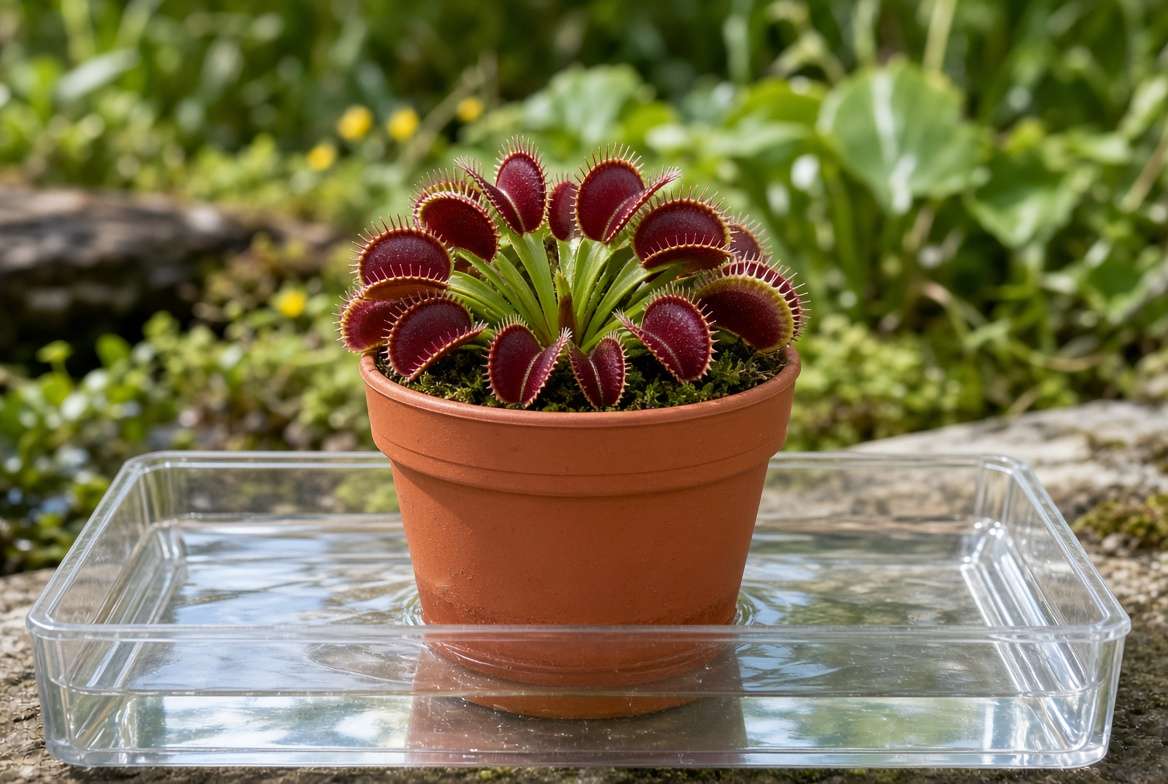
How to Water (The Tray Method): Instead of watering from the top, use the “tray method.”
-
Place your plant’s pot (which must have drainage holes at the bottom) into a shallow plastic or ceramic tray or saucer.
-
Fill the tray with 1 to 2 inches of distilled, RO, or rainwater.
-
The soil will wick the pure water up through the drainage holes via capillary action, providing consistent, even moisture directly to the roots.
-
Let the tray dry out just barely for a day before refilling it, ensuring the soil never actually gets dry to the touch. 🌊
During extreme summer heat, keep water in the tray at all times. During the cooler fall months, reduce watering slightly to prevent root rot.
🪴 Choosing the Right Pot (Yes, Material Matters!)
You might think a pot is just a pot, but for carnivorous plants, the material can be a matter of life and death.
-
Best Pots: Glazed ceramic, plastic, or resin. These materials are inert, meaning they do not break down or leach anything into the soil. Choose a tall pot (at least 4 to 6 inches deep). Venus fly traps have surprisingly long taproots, and a deep pot gives them room to stretch and keeps the rhizome safely above the standing water line in your tray.
-
Worst Pots: Terracotta or unglazed clay. Terracotta is porous. Over time, it slowly leaches minerals into the peat moss. Remember Mistake #1? Those minerals will slowly poison your plant over a few months, leading to a mysterious death that leaves beginners scratching their heads.
Feeding Your Venus Fly Trap: Fact vs. Fiction 🪰🍔
Do They Really Need to Eat Bugs?
A common misconception is that Venus fly traps “eat” bugs the way animals consume food for daily calories.
The Reality: Just like a standard tomato plant or fern, a Venus fly trap gets its actual energy to live and grow through photosynthesis. The intense sunlight they crave creates the sugars they need to survive.
So why the traps? Because bog soil lacks essential minerals like nitrogen and phosphorus, the plant evolved to catch insects to use as a dietary supplement. Think of a bug as a once-a-month multivitamin, not daily sustenance.
If your Venus fly trap potted plant lives outdoors during the spring and summer, you never need to feed it manually. It will naturally catch plenty of flies, spiders, gnats, and ants on its own. 🕷️

The Dos and Don’ts of Manual Feeding
If you keep your plant indoors, you will need to step in as the provider. Feeding them is fascinating, but it must be done correctly.
-
DO Feed Them Proper Insects: Use live or rehydrated dead insects. You can easily purchase freeze-dried bloodworms, flightless fruit flies, or small crickets from a local pet store. Rehydrate freeze-dried food with a few drops of distilled water before feeding. 🐛
-
DON’T Feed Them Human Food: Never, under any circumstances, feed your plant hamburger meat, chicken, cheese, or hot dogs. The fat and protein structures in human food will rapidly rot the trap, turning it black in a matter of days.
-
The Size Rule: Only feed your plant an insect that is one-third the size of the trap. If the bug is too large, the trap cannot form an airtight seal to digest it, and the trap will rot and die.
The Massage Trick (Crucial for Dead Food): Inside each trap are tiny trigger hairs. For a trap to fully close and release digestive enzymes, these hairs must be stimulated after the trap initially snaps shut. A live struggling bug does this naturally. If you feed the plant a dead bloodworm, the trap will close, but it won’t digest. To trick the plant, take a toothpick and gently massage the outside of the closed trap for 20 to 30 seconds. This simulates a struggling insect, signaling the plant to seal the trap and begin digestion.
The Winter Sleep: Surviving Venus Fly Trap Dormancy ❄️🛌
This is the phase where 50% of beginners throw their perfectly healthy plants into the trash, mistakenly believing they have died.
Why Your Plant Looks Dead (But Isn’t)
Venus fly traps are temperate plants native to regions that experience freezing winters. Because of this, they require a mandatory 3 to 4-month winter dormancy period every year (typically from November through February).
During late fall, as temperatures drop and days get shorter, your plant will look terrifying. The leaves will begin to turn black and die off, the traps will stop snapping, and the entire rosette will shrink back down to the soil level, leaving only a tiny clump of small, sluggish leaves.
This is entirely normal. The plant is pulling its energy down into the underground rhizome to survive the winter. If you skip dormancy by keeping them in a warm, artificially lit house year-round, they will eventually exhaust themselves and die within a year or two.

Step-by-Step Dormancy Care
Your goal during winter is to keep the plant cold and slightly damp, but not soaking wet.
-
Temperature Requirements: They need to experience temperatures between 35°F and 50°F (2°C to 10°C).
-
Outdoor Dormancy: If you live in USDA Hardiness Zones 7 or 8, you can simply leave your potted plant outside. If a hard freeze is coming, move it to an unheated garage or shed for the night.
-
The Refrigerator Method: If you live in a hot tropical climate or an apartment with no outdoor access, you must force dormancy.
-
Lightly spray the soil with a sulfur-based fungicide to prevent mold.
-
Place the entire pot inside a plastic ziplock bag.
-
Put the bag in the crisper drawer of your refrigerator for 3 to 4 months.
-
Check it once a month to ensure the soil is slightly damp, and bring it back into the warm sun in late February.
-
Repotting Your Venus Fly Trap Like a Pro 🌱🛠️
A Venus fly trap potted plant typically needs repotting every one to two years. The peat moss eventually breaks down, becoming too acidic and losing its drainage capabilities, which can lead to root rot.
When to Repot: The absolute best time to repot is in late winter or early spring (February or March), right as the plant is waking up from dormancy but before it has expended energy growing new spring leaves.
Step-by-Step Guide:
-
Prepare the Mix: Pre-moisten your 50/50 mix of pure peat moss and perlite with distilled water until it feels like a damp sponge.
-
Unpot: Gently squeeze the sides of the old pot and slide the plant out.
-
Rinse the Roots: Submerge the root ball in a bowl of distilled water and gently massage away the old soil. You will see a white, bulb-like structure (the rhizome) and long, stringy black roots.
-
Planting: Fill the new, deep plastic or glazed ceramic pot with your fresh soil. Poke a deep hole in the center. Gently guide the long roots straight down into the hole.
-
Bury the Rhizome Correctly: Ensure the white rhizome is buried just beneath the surface of the soil, but keep the crown (where the green leaves sprout) exposed to the light. Water from the top once with distilled water to settle the soil.
Expert Troubleshooting: Why is My Venus Fly Trap Turning Black? 🥀🔍
Seeing black traps is stressful, but understanding the cause makes it highly treatable.
-
Symptom: Only one or two older traps are turning black at the edges, but the center of the plant is pushing out bright green new growth.
-
Diagnosis: Normal plant lifecycle. Each individual trap can only open and close 3 to 5 times before it naturally dies. Snip off the dead black traps with sterile scissors to prevent mold. ✂️
-
-
Symptom: The entire plant is rapidly turning black during the middle of summer.
-
Diagnosis: Mineral burn. You likely watered it with tap water or used a pot/soil that contains fertilizer. Immediately unpot the plant, rinse the rhizome in pure distilled water, and repot it in fresh, unfertilized peat moss and perlite.
-
-
Symptom: The leaves are long, wide, and floppy, with incredibly tiny traps that don’t develop red interiors.
-
Diagnosis: Severe light starvation. The plant is stretching its leaves to find the sun. Move it to a location with 6+ hours of direct outdoor sunlight or under a powerful LED grow light.
-
Frequently Asked Questions (FAQs) 🙋♀️✨
-
Can I grow a Venus fly trap from seeds? Yes, but it requires immense patience. A Venus fly trap grown from seed takes 3 to 5 years just to reach the size of a quarter. For a much higher success rate, beginners should always start by purchasing an established adult plant.
-
Is it safe to keep them around pets? Absolutely. Venus fly traps are completely non-toxic and pet-safe for both cats and dogs. If your cat decides to take a bite out of a trap, the plant will be damaged, but your feline friend will be perfectly fine. 🐶🐱
-
How fast do the traps actually close? When the trigger hairs are stimulated, the trap can snap shut in about one-tenth of a second. This makes the Venus fly trap capable of one of the fastest movements in the entire plant kingdom, driven by a rapid shift in water pressure within the cells of the trap lobes. ⚡
-
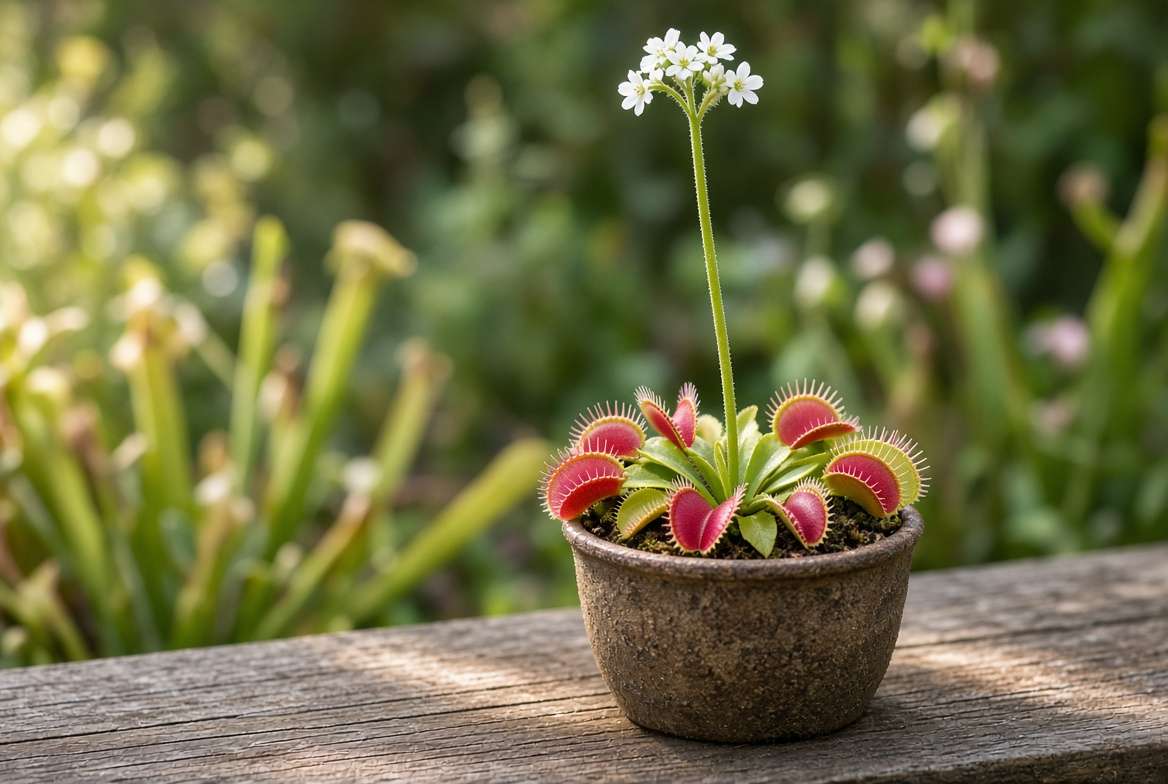
Should I let my Venus fly trap flower? In the spring, mature plants will send up a tall, thick stalk to produce white flowers. Producing this flower drains a massive amount of energy from the plant. Unless you are an experienced grower trying to harvest seeds, it is highly recommended to snip the flower stalk off as soon as you see it forming. This redirects the plant’s energy back into growing larger, ferocious traps. 🌸✂️
Your Venus fly trap is a living, breathing predator that requires a slight mindset shift to care for. By swapping tap water for distilled, ditching standard potting soil for peat moss, and giving it the intense, blazing sunshine it craves, you’ll transform from a frustrated beginner into a confident bog-gardener. Implement these specific strategies, respect its need for winter rest, and your snappy little companion will continue producing vibrant, ferocious traps for years to come.











