
Imagine stepping outside on a scorching summer day, only to see your once-vibrant green lawn turning brown and crispy despite daily watering. Your water bill has skyrocketed, mowing feels like a never-ending chore, and you’re increasingly worried about your yard’s impact on local water resources during droughts. You’re not alone—traditional turf lawns consume massive amounts of water, often 30-60% of household outdoor usage in many regions, contributing to billions of gallons wasted annually nationwide. 😓🌞
The good news? Water-wise lawn alternatives offer a beautiful, sustainable solution. These low-maintenance options—drought-tolerant grasses, fragrant groundcovers, native meadows, and smart xeriscape designs—can slash water use by 50-90%, reduce mowing time dramatically, support pollinators and biodiversity, and create a yard that’s resilient, eco-friendly, and actually enjoyable year-round. Whether you’re dealing with rising utility costs, stricter watering restrictions, or simply want a more natural landscape that thrives with less effort, switching to these alternatives transforms your outdoor space while solving real problems like high maintenance and environmental strain. In this comprehensive guide, we’ll explore the best options, backed by university extension research and real-world results, so you can choose and implement the perfect water-wise upgrade for your yard. 🌱✨
Why Switch to Water-Wise Lawn Alternatives? The Real Benefits 📊
Switching from a traditional thirsty lawn to water-wise options isn’t just a trend—it’s a practical response to growing water scarcity, climate challenges, and the desire for sustainable living. Here’s why so many homeowners are making the change:
- Massive Water Savings 💦: Traditional lawns can require 1,000+ gallons per week in peak summer for a modest yard, with landscape irrigation accounting for nearly one-third of residential water use (EPA estimates). Water-wise alternatives like drought-tolerant grasses or groundcovers often need 50-90% less supplemental water once established, relying more on natural rainfall. In arid areas, xeriscape designs can cut outdoor water use by up to 75%.
- Lower Bills and Less Maintenance 💰: Expect significant reductions in water costs—some regions report savings of hundreds of dollars annually. Plus, say goodbye to weekly mowing (many options need it only 1-4 times per year or never), fertilizing, and pesticide applications. This frees up weekends and reduces air pollution from gas mowers.
- Climate Resilience and Eco-Impact 🌍: These plants stay greener longer during dry spells thanks to deep roots and efficient water use. Native or adapted species support pollinators, birds, and beneficial insects, boosting biodiversity and helping combat habitat loss. They also improve soil health, reduce runoff, and sequester more carbon than monoculture turf.
- Increased Property Value and Beauty 🏡: Well-designed water-wise yards often look lush and modern, with seasonal color, texture, and fragrance. Studies show sustainable landscapes can enhance curb appeal and even raise home values in water-conscious markets.
Quick Comparison Table:
| Feature | Traditional Lawn | Water-Wise Alternatives |
|---|---|---|
| Annual Water Use | High (30-60% household outdoor) | 50-90% less |
| Maintenance Hours/Year | 50-100+ (mowing, etc.) | 10-30 (minimal) |
| Cost Over 5 Years | Higher (water + upkeep) | Lower (savings compound) |
| Eco-Impact | High resource use, low biodiversity | Supports wildlife, reduces pollution |
University extensions (like UC, USU, and others) consistently highlight these benefits, with real conversions showing lawns stay resilient even in extreme heat. Ready to ditch the sprinkler guilt? Let’s choose the right fit for your space. 🌟
How to Choose the Right Water-Wise Lawn Alternative for Your Yard ❓
Selecting the best option starts with assessing your specific conditions—no one-size-fits-all here! Consider these key factors:
- Climate & USDA Zone 🌡️: Cool-season areas (northern regions) favor fine fescues or sedges; warm-season spots thrive with buffalo grass or zoysia cultivars.
- Sun Exposure ☀️: Full sun suits buffalo grass or creeping thyme; shade calls for sedges or microclover blends.
- Foot Traffic 👟: High-use play areas need tough options like Kurapia or UC Verde buffalo grass; low-traffic ornamental zones can go meadow-style.
- Soil Type & Drainage 🪴: Well-draining soils work for most; amend clay or poor soils for better establishment.
- Aesthetic Goals 🎨: Want a classic green carpet? Go turf-like grasses. Prefer colorful, natural vibes? Try meadows or groundcovers.
- Maintenance Tolerance ⏰: Ultra-low? Choose no-mow sedges or xeriscape.
Quick Decision Checklist:
- Do you want something walkable/mowable? → Drought-tolerant grasses or stepable groundcovers.
- Kids/pets active? → Microclover or tough sedges.
- Maximize pollinators? → Clover, thyme, or wildflower mixes.
- Zero water after establishment? → Xeriscape with mulch/rock.
Answer these, and you’ll narrow down to 2-3 winners. Next, dive into the top categories! 🌾
Top Drought-Tolerant Grasses – Closest Look to Traditional Lawns 🌾
If you love the classic green lawn feel but hate the water bill, these grasses deliver turf-like appearance with far less upkeep and water.
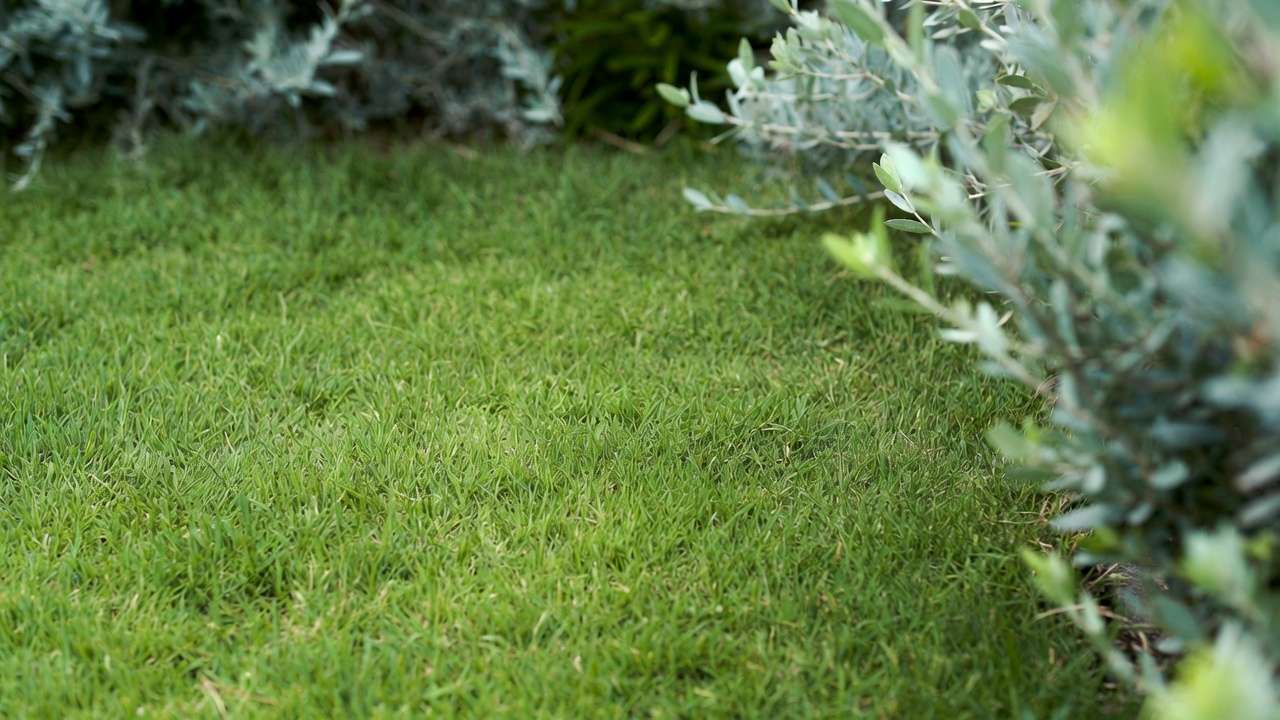
Buffalo Grass (e.g., UC Verde) Developed from native species at UC Davis, UC Verde buffalo grass is a game-changer for warm, dry climates (Zones 5-10). It grows low (4-6 inches), needs mowing only occasionally (or never), and thrives on just 1/4 inch of water weekly in summer—often 70-80% less than fescue. Deep roots make it drought-resilient; it goes dormant gracefully in extreme dry periods but greens up fast with rain. Ideal for full sun, moderate traffic. Pros: Native benefits, low fertilizer needs. Cons: Slower establishment from plugs. Real-world tip: Plant in spring for best fill-in.
Blue Grama & Other Native Grasses Blue grama (Bouteloua gracilis) offers a fine, prairie-like texture with minimal water and no regular mowing. It’s ultra-drought-tolerant, native to many US regions, and attracts birds/butterflies. Similar options like little bluestem add seasonal color shifts (blue-green to bronze).
Fine Fescue Blends & Tall Fescue (Water-Wise Cultivars) For cooler or shadier spots, fine fescues provide dense, low-mow coverage with excellent drought resistance once rooted. Blends stay green longer in dry conditions.
Zoysia or Bermuda (Select Low-Water Cultivars) Warm-season favorites for high-traffic southern yards; newer cultivars need less water than older types.
Comparison Table for Grasses:
| Grass Type | Water Needs | Mowing Frequency | Traffic Tolerance | Best Zones |
|---|---|---|---|---|
| UC Verde Buffalo | Very low | Rare/none | Medium | 5-10 |
| Blue Grama | Extremely low | None | Low-Medium | 3-9 |
| Fine Fescue | Low | Low | Medium | 4-8 |
| Zoysia | Low-Moderate | Occasional | High | 6-11 |
These grasses bridge the gap between traditional turf and full alternatives—perfect if you want green without guilt. Next up: softer, more fragrant choices! 😍
Beautiful Groundcovers – Soft, Stepable & Scented Replacements ☘️🌸
For yards where you want something softer underfoot than traditional grass, with added fragrance, flowers, and pollinator appeal, groundcovers are a fantastic water-wise choice. These low-growing plants spread naturally, suppress weeds, and require minimal mowing—often just a trim once or twice a year. Many thrive in poor soils and handle moderate foot traffic beautifully.
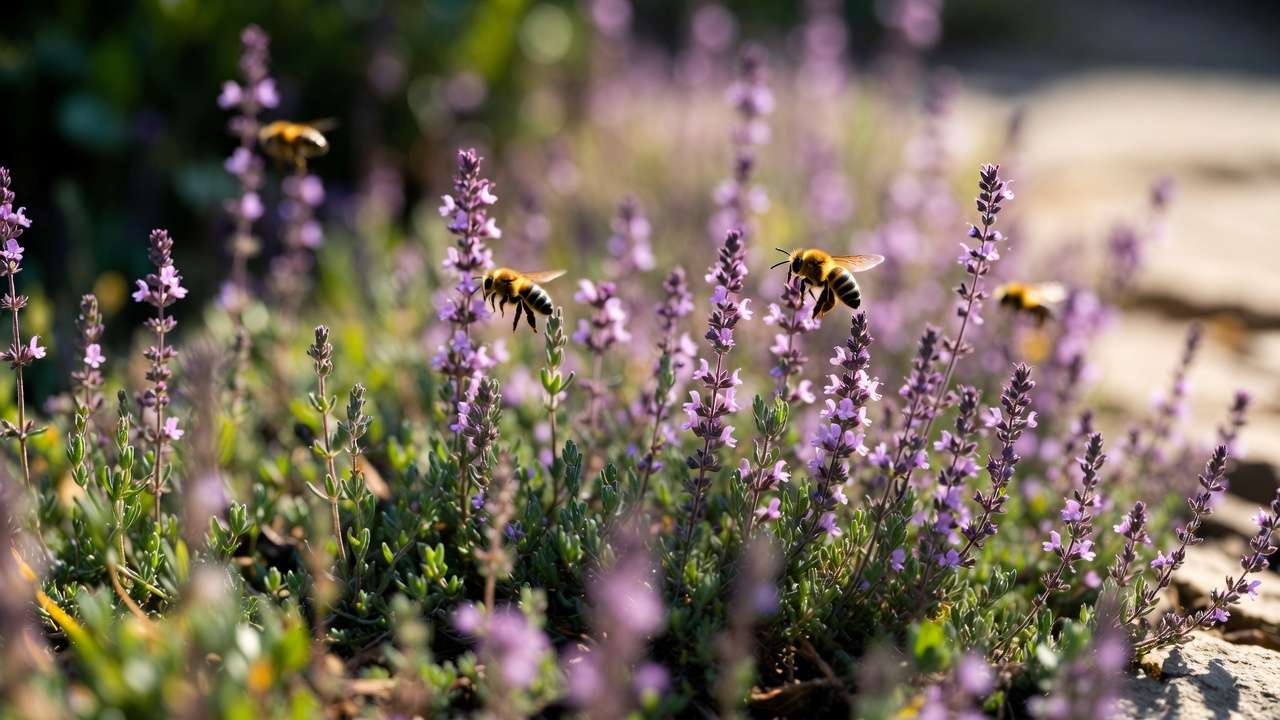
Creeping Thyme (Thymus serpyllum and cultivars) This aromatic superstar forms a dense, evergreen mat that releases a delightful herbal scent when stepped on. Zones 4–9, full sun to light shade. Water needs drop dramatically after establishment—often surviving on rainfall alone in many climates. Tiny pink, purple, or white flowers blanket the plant in late spring/early summer, turning it into a buzzing bee haven 🐝. Pros: Extremely drought-tolerant, deer-resistant, great for pathways or rock gardens. Cons: Slower to fill in large areas (best planted as plugs 6–12 inches apart). Planting tip: Mix varieties like ‘Elfin’ (super low) or ‘Pink Chintz’ for color variation.
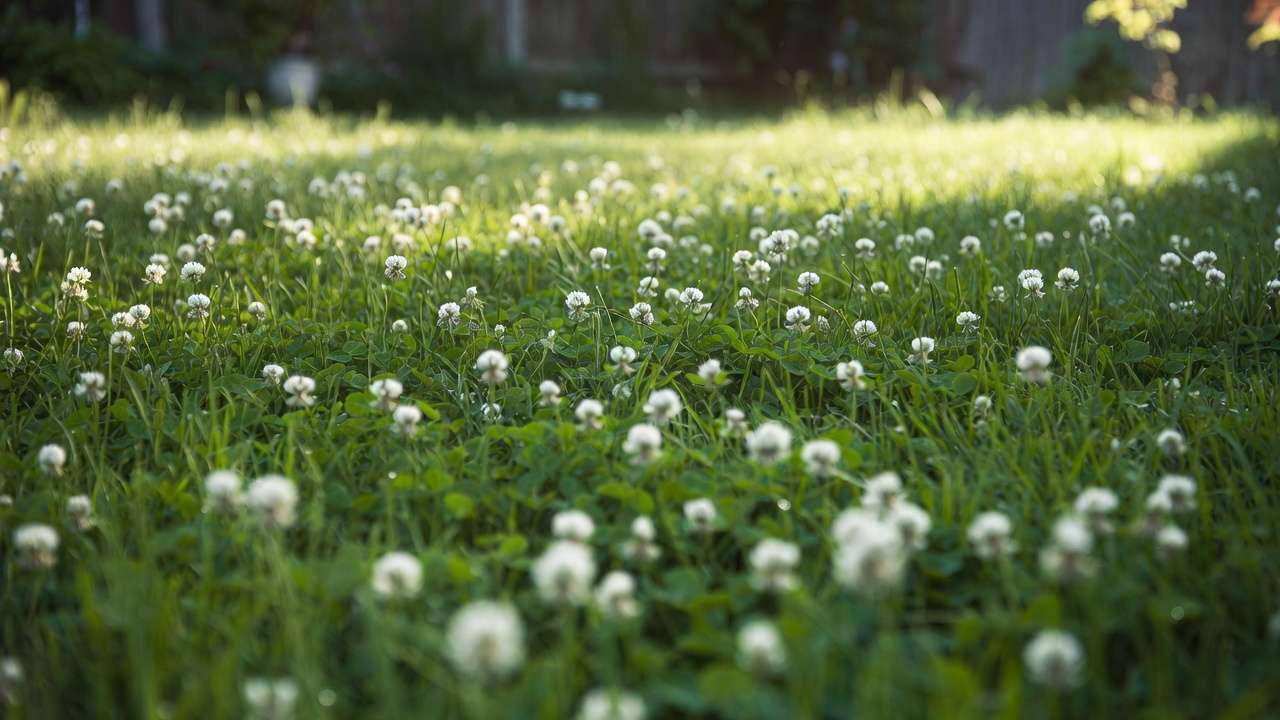
Microclover or White Clover (Trifolium repens ‘Microclover’ or Dutch White Clover) Microclover is a game-changer for a lush, green look without the thirst of grass. This dwarf variety grows only 4–6 inches tall, fixes nitrogen in the soil (reducing fertilizer needs), and self-repairs when walked on. It stays green year-round in mild climates and tolerates drought far better than turf. Pros: Pet- and kid-friendly, low-mow (or no-mow), excellent weed suppression once established. Cons: Can spread aggressively in ideal conditions—great for coverage, but plan boundaries. Many homeowners report 50–70% water savings and noticeably fewer weeds after the first year.
Sedges (Carex species – e.g., Carex pansa, Berkeley Sedge, Pennsylvania Sedge) Sedges offer a fine-textured, meadow-like appearance with grass-like blades but far superior drought and shade tolerance. Carex pansa (California meadow sedge) is especially popular in the West for its low water use and ability to handle foot traffic. Pros: No regular mowing needed, thrives in sun or shade, excellent erosion control on slopes. Cons: Some species go semi-dormant in very hot/dry summers (but rebound quickly). Ideal for naturalistic designs or under trees where grass struggles.
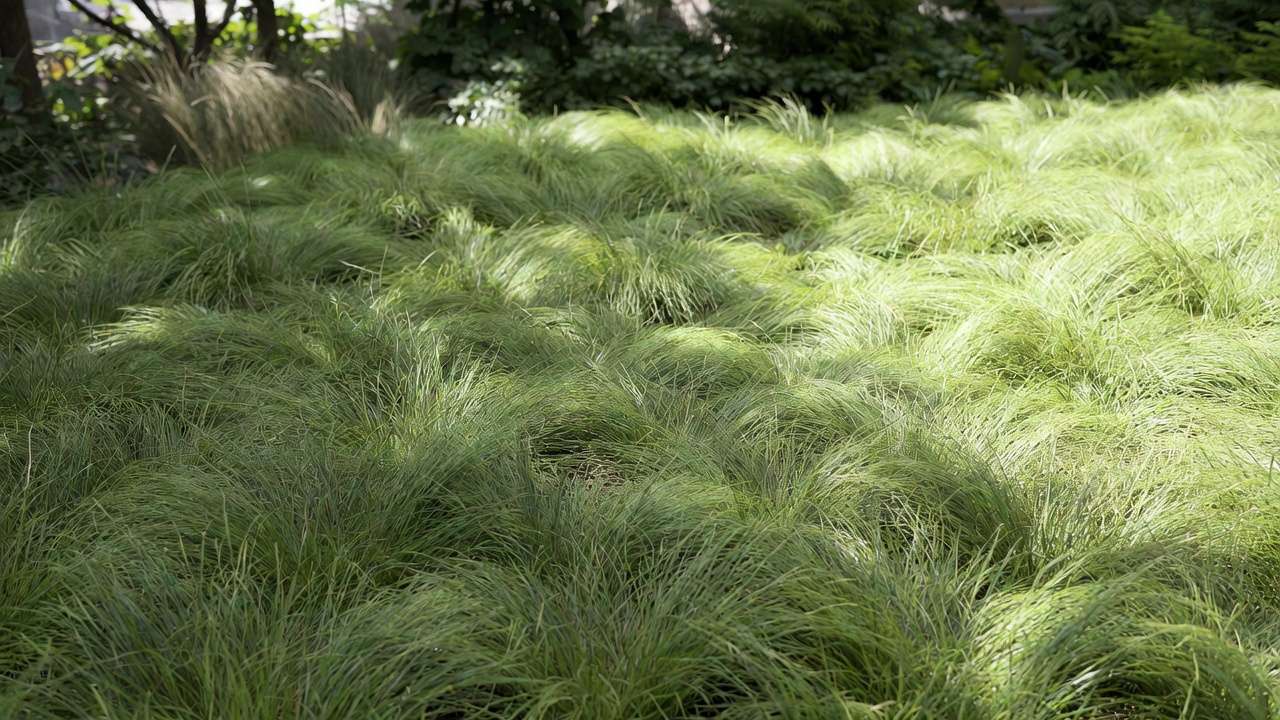
Kurapia (Phyla nodiflora hybrid) This turf-like groundcover from Japan is one of the lowest-water options available, often needing irrigation only during extreme heat after the first year. It forms a dense, dark-green mat that feels soft underfoot and handles heavy traffic well. Pros: Fast establishment, excellent weed barrier, stays green longer than many natives in dry spells. Cons: Less cold-hardy (Zones 8–11 best), may need occasional trimming for neatness.
Other Standout Groundcovers
- Yarrow (Achillea millefolium): Ferny foliage, flat-topped flower clusters in many colors, ultra-drought-tolerant.
- Roman Chamomile (Chamaemelum nobile): Apple-scented when crushed, daisy-like blooms.
- Frogfruit (Phyla nodiflora – native species): Similar to Kurapia but fully native in many regions, great for biodiversity.
Visual Inspiration Tip 📸: Picture a thyme lawn dotted with purple blooms buzzing with bees, or a microclover yard that looks like emerald velvet after rain—these are achievable, low-effort realities for thousands of homeowners.
No-Mow Meadows, Wildflowers & Perennial Blends – For Natural Beauty 🌼
If your yard is larger, low-traffic, or you simply prefer a wilder, more naturalistic look, no-mow meadows deliver stunning seasonal interest with almost zero upkeep.
Native Wildflower Meadows Composed of region-specific perennials and annuals (e.g., black-eyed Susan, coneflower, coreopsis, lupine, California poppy), these meadows explode with color from spring through fall. Once established, they need only occasional watering and one annual mow in late winter/early spring to remove dead material. Pros: Maximum pollinator and bird support, dramatic seasonal changes, very low cost long-term. Cons: Takes 2–3 years for full density; first year can look sparse or weedy during establishment.
Ecolawn Mixes These pre-blended seed mixes (often fine fescue + microclover + yarrow + minor wildflowers) give a soft, mowed-lawn appearance without mowing. They adapt beautifully to local conditions and require far less water than monoculture turf. Pros: Diverse textures and subtle blooms, excellent drought recovery. Cons: May need light overseeding in thin spots initially.
Bulb Lawns Plant spring-flowering bulbs (crocus, daffodils, grape hyacinth) directly into existing low-water grass or meadow areas. The bulbs bloom early, then foliage dies back naturally as the groundcover takes over—no extra work required. 🌷 Result: A carpet of early color that transitions seamlessly into green.
These meadow-style options shine in suburban backyards, front-yard pollinator gardens, or sloped areas where mowing is difficult anyway.
Xeriscape & Hardscape Options – Zero or Near-Zero Water 🪨🌵
For maximum water conservation or a clean, modern aesthetic, incorporate xeriscape principles—grouping plants by water needs and using non-plant elements.
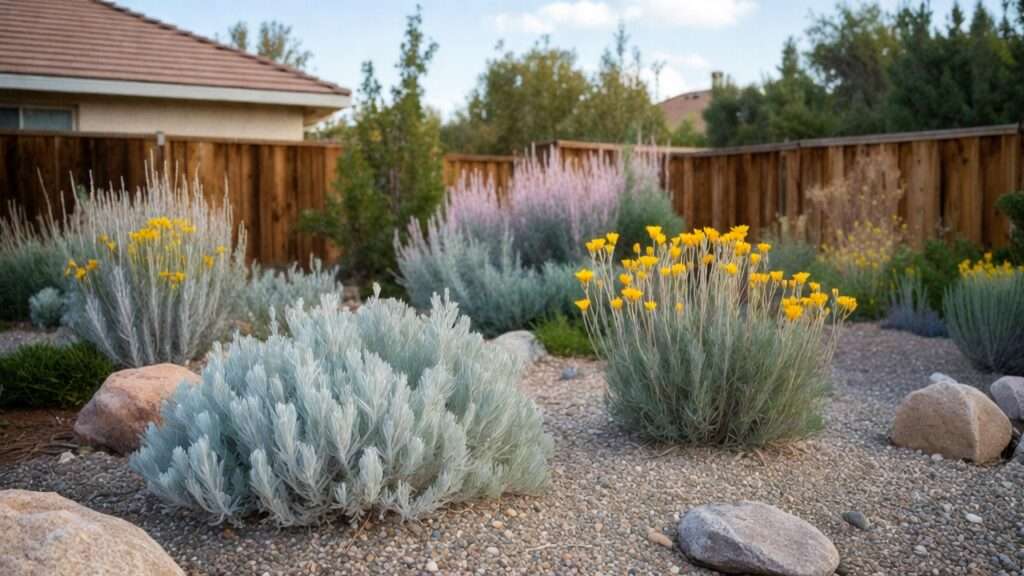
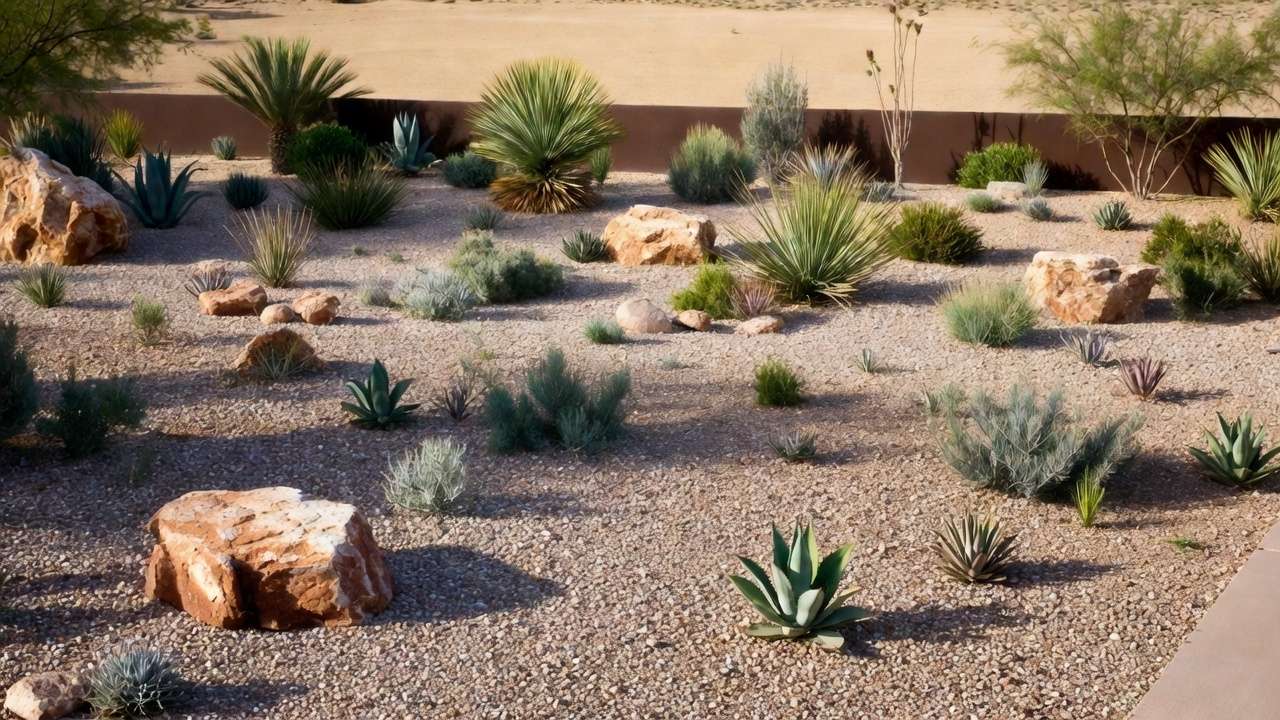
Mulch, Gravel & Rock Gardens A thick layer of organic mulch (wood chips, bark) or inorganic mulch (gravel, decomposed granite) suppresses weeds, retains soil moisture, and looks polished. Accent with drought-loving perennials, ornamental grasses, and native shrubs. Pros: Near-zero irrigation once plants are established, endless design flexibility. Cons: Less “soft” feel—best combined with groundcovers in high-use areas.
Succulents, Cacti & Native Shrubs Agave, yucca, sedum, ice plant, manzanita, ceanothus—these architectural plants thrive on neglect in dry climates. Many offer dramatic shapes, blooms, and year-round interest. Pros: Extremely low maintenance, stunning focal points. Cons: Not ideal for high-traffic play zones.
Permeable Pavers or Eco-Friendly Artificial Turf Use permeable pavers for patios/driveways, or select newer “pet-safe, permeable” artificial turf options when functionality trumps natural feel (e.g., sports courts, heavy-use areas). Balance with living plants to avoid a completely hardscaped look.
Xeriscape isn’t barren desert—it’s intentional, beautiful design that celebrates the local climate.
Step-by-Step Guide: How to Replace Your Lawn Successfully 🛠️
Converting your traditional lawn to a water-wise alternative is a rewarding project that pays off quickly in saved time, money, and water. Follow this proven, step-by-step process used successfully by countless homeowners and recommended by university extension services (e.g., University of California, Colorado State, Oregon State).
- Assess and Plan Your Project (1–2 weeks) Walk your yard and map sun/shade patterns, slopes, soil type (test drainage by digging a hole and filling it with water—does it drain in 4–24 hours?), and high-traffic zones. Decide on one or more alternatives based on the earlier checklist. Check local water restrictions, HOA rules, or rebate programs—many municipalities offer incentives for turf removal and water-wise landscaping (up to $1–$3 per sq ft in some areas!). Measure your lawn area to calculate materials needed.
- Remove the Old Lawn (1–4 weeks) Options (choose based on time and effort):
- Sheet mulching / solarization (most eco-friendly, recommended method): Mow short, cover with cardboard or newspaper (overlap edges), then 4–8 inches of compost + mulch. Water lightly and let sit 6–12 weeks in summer to kill grass via heat and smothering.
- Sod cutter rental: Fast but labor-intensive—remove top 1–2 inches of sod and compost it.
- Herbicide (last resort): Use only if necessary and follow label instructions carefully. Tip: Solarization is cheapest and builds soil health simultaneously.
- Prepare the Soil (1–2 days) Loosen compacted soil 4–6 inches deep with a garden fork or tiller (avoid over-tilling to preserve structure). Add 2–4 inches of compost or aged manure and mix in. Test soil pH if possible—most water-wise plants prefer neutral to slightly alkaline (6.0–7.5). For heavy clay: Incorporate coarse sand or gypsum to improve drainage. For sandy soil: Add more organic matter to retain moisture.
- Planting / Seeding / Installing (1–3 days)
- Grasses (buffalo, blue grama, fescue): Best from plugs, sod, or seed. Space plugs 6–12 inches apart; water deeply but infrequently to encourage deep roots.
- Groundcovers (thyme, clover, sedges, Kurapia): Plant plugs or small pots 6–18 inches apart depending on spread rate. Mulch between plants to suppress weeds during establishment.
- Meadows / wildflowers: Broadcast seed in fall or early spring (ideal timing), lightly rake in, and roll or tamp for good seed-to-soil contact.
- Xeriscape: Install hardscape first (pavers, boulders), then plant drought-tolerant specimens in groups by water needs.
- Establishment Care (First 1–2 Seasons) Water deeply 1–2 times per week for the first 4–8 weeks (longer for seeds), then taper to every 10–14 days as roots deepen. Hand-pull weeds early—mulch heavily to minimize them later. Avoid foot traffic until plants fill in (usually 3–12 months depending on option).
- Long-Term Maintenance Calendar
- Spring: Light trim if needed, remove winter debris.
- Summer: Supplemental water only during prolonged dry spells.
- Fall: Overseed thin spots, plant bulbs.
- Winter: Minimal—most go dormant naturally.
Common Mistakes to Avoid ⚠️
- Overwatering during establishment (encourages shallow roots).
- Planting too densely or too sparsely.
- Skipping mulch—weeds will win without it.
- Expecting instant perfection—most water-wise yards look best after year 2.
With patience, your new yard will become low-effort and stunning.
Regional Considerations & Best Picks by Climate 🌎
Climate dictates what thrives with minimal water—here are tailored recommendations:
- Arid Southwest / California / Desert Regions (Zones 8–11): UC Verde buffalo grass, Kurapia, creeping thyme, sedges, native agave/yucca/ceanothus, gravel xeriscape. Focus on deep infrequent watering and heavy mulch.
- Hot / Humid South (Zones 7–10): Zoysia or Bermuda low-water cultivars, microclover, frogfruit, native sedges, warm-season wildflower mixes. Prioritize good drainage to avoid fungal issues.
- Cooler Northern / Midwest / Mountain West (Zones 3–7): Fine fescue blends, blue grama, Pennsylvania sedge, white clover, no-mow prairie mixes, bulb lawns. These handle cold winters and benefit from fall planting.
- Transitional / Mediterranean Climates (e.g., Pacific Northwest, parts of Europe/Asia): Microclover + fescue ecolawn, creeping thyme, yarrow, native sedges, mixed perennial meadows. Winter rain often covers most needs.
Check your local cooperative extension office for region-specific native plant lists and free soil-testing services—they’re goldmines for success.
Expert Tips & Common Myths Debunked 🧠
From years of observing conversions and consulting extension research:
Tip 1: Layer plants by water needs (hydrozoning)—group thirstiest together near the house, ultra-drought-tolerant farther out. Saves even more water. Tip 2: Add drip irrigation or soaker hoses on timers for the first 1–2 years—then turn off or remove. Tip 3: Embrace dormancy—brown isn’t dead; it’s smart survival. Many natives look golden-tan in summer and green up beautifully with fall/winter rain.
- “Water-wise yards look messy or dead.” → Not true with thoughtful design—thyme lawns, clover carpets, and meadows are lush and intentional.
- “They can’t handle kids/pets.” → Many (microclover, Kurapia, UC Verde) are tougher than traditional turf once established.
- “It’s too expensive to convert.” → Rebates + long-term savings often make it cost-neutral or positive within 3–5 years.
Bonus: Pollinator boost—expect butterflies, bees, and birds within the first season. Many owners report joy from watching wildlife return.
Frequently Asked Questions (FAQ) ❓
How much water can I realistically save? Most conversions save 50–90% on outdoor water use, depending on climate and previous habits. In dry regions, savings can exceed 100,000 gallons per year for an average yard.
Do water-wise lawns work for kids and pets? Yes—microclover, Kurapia, UC Verde buffalo grass, and tough sedges handle moderate to heavy traffic well. They’re often more durable than overwatered turf.
What’s the absolute lowest-maintenance option? No-mow sedges, blue grama, xeriscape with mulch/rock + strategic natives, or well-established creeping thyme.
How long until it fills in and looks good? Grasses/groundcovers: 6–18 months for full coverage. Meadows/wildflowers: 2–3 years for peak density. Year 1 focuses on establishment.
Are they weed-resistant? Once established and mulched, yes—dense planting + mulch smothers most weeds. Early hand-weeding is key.
Can I convert gradually? Absolutely! Start with high-visibility or high-water-use areas (front yard, sunny patches), or do one section per season.
Conclusion 🌿💚
Your yard doesn’t have to be a water-hungry burden. By choosing water-wise lawn alternatives—whether it’s a soft microclover carpet, a fragrant thyme path, a vibrant native meadow, or a sleek xeriscape—you’ll create a resilient, beautiful outdoor space that saves resources, supports wildlife, and gives you back your time.
Start small if the whole yard feels overwhelming: convert a 200 sq ft patch this season and watch the difference. Reach out to your local extension service for free advice, look for rebates, and enjoy the process.
The future of beautiful yards is water-wise—and it’s greener, quieter, and more alive than ever. Ready to transform yours? Your lawn (and the planet) will thank you. 🌱✨











