

Picture this: Your garden exploding with stunning, sword-like foliage and waves of colorful iris flowers in spring, turning heads and filling the air with subtle fragrance. But right now, your beloved irises are looking tired—fewer blooms, crowded clumps, or rhizomes poking out of the soil like they’re trying to escape. 😟 Don’t worry; this is completely normal and fixable!
The key to revitalizing your iris bed lies in knowing exactly when to transplant iris plants. As a horticulturist with over 20 years of experience cultivating irises in various climates—from USDA zones 4 to 9—and drawing from reliable sources like university extensions (including Missouri, Iowa State, and Purdue), I’ve helped countless gardeners turn lackluster patches into showstopping displays. Proper timing and technique can lead to healthier plants, bigger blooms, and even free expansions of your collection through division.
In this in-depth guide, we’ll cover everything you need: signs it’s time to act, optimal timing by iris type and region, step-by-step transplanting instructions, common pitfalls, and pro tips for long-term success. Whether you’re dealing with classic bearded irises or graceful Siberian varieties, you’ll gain the confidence to achieve stronger growth and abundant flowers. Let’s transform your iris garden! 💪🌺
Why Transplant Iris Plants? Understanding the Benefits 🌱
Transplanting irises—typically combined with dividing overcrowded clumps—is one of the most important maintenance tasks for these perennials. Left undivided, irises decline over time, but timely intervention rejuvenates them dramatically.
Signs Your Irises Need Transplanting 👀
Look for these telltale indicators that your plants are crying out for attention:
- Reduced blooming: Fewer flower stalks or no blooms at all, even with adequate sun and water.
- Overcrowded clumps: Rhizomes (the thick, fleshy underground stems) heaving above the soil surface or pushing against each other.
- Dead centers: The middle of the clump dies out, leaving a barren ring with growth only on the edges.
- Smaller flowers or stalks: Blooms become diminutive compared to previous years.
- Pest and disease issues: Increased susceptibility to problems like iris borers or soft rot due to poor air circulation.

These symptoms usually appear after 3-5 years for bearded irises, per recommendations from Iowa State University Extension and the American Iris Society.
Key Benefits of Timely Transplantation ✨
When done right, transplanting offers massive rewards:
- Rejuvenated vigor: Plants produce larger, more abundant blooms—often doubling or tripling flower production within 1-2 years.
- Disease prevention: Better spacing improves airflow, reducing risks of bacterial soft rot and fungal issues.
- Pest control: Dividing allows inspection and removal of damaged rhizomes, curbing iris borers.
- Free propagation: One clump can yield dozens of new plants to expand your garden or share with friends.
- Improved aesthetics: Neat, healthy beds with consistent blooming.
Expert sources like Missouri Extension emphasize that dividing every 3-5 years maintains peak performance and prevents decline.
When to Transplant Iris Plants: The Optimal Timing 🗓️
Timing is critical—transplant at the wrong time, and you risk plant stress, rot, or skipped blooming seasons. The consensus from multiple university extensions (e.g., Missouri, Iowa State, Kansas State, Purdue) is clear: late summer to early fall is ideal for most irises.
Best Time for Bearded Irises (Most Common Type) ⏰
Bearded irises—the iconic “flags” with fuzzy “beards” on their falls—thrive when transplanted 6-8 weeks after blooming ends, typically late July to mid-September in most regions.
- Why this window? Post-bloom dormancy allows plants to focus energy on root establishment. Drier summer/fall weather minimizes rot risk, and new roots anchor before winter.
- Expected results: Sparse blooms the first year post-transplant, but full, vibrant displays by year two.
Regional Variations 🌍
Adjust based on your USDA hardiness zone and local frost dates:
- Northern climates (Zones 3-6): July to early August—earlier to ensure establishment before hard freezes.
- Midwest/Mid-Atlantic (Zones 6-7): Late July to mid-September.
- Southern/warmer zones (Zones 8-10): August to early October, up to 6 weeks before first frost.
- Hot, humid areas: Prioritize drier periods to avoid bacterial issues.
Always avoid transplanting during active spring growth or blooming, as it severely stresses plants and may cause them to skip the next season’s flowers.
Timing for Siberian and Other Beardless Irises 🐟
Siberian irises (with grass-like foliage and smaller, elegant blooms) are more forgiving:
- Preferred: Same late summer/early fall window as bearded types.
- Alternative: Early spring, just as new growth emerges.
- Frequency: Divide less often—every 5-10 years or when centers die out.
They tolerate moister conditions better and can be divided in spring without as much bloom loss.
When NOT to Transplant ❌
Steer clear of these periods:
- During blooming (major stress).
- Mid-winter or frozen ground.
- Early spring for bearded irises (interrupts root cycle; better for Siberians).
- Extremely hot, dry midsummer without irrigation support.
Pro Tip: Check your local extension service or USDA zone for precise frost dates to fine-tune timing! 🧭
Step-by-Step Guide: How to Transplant Iris Plants Successfully 🛠️
With the right approach, transplanting irises boasts success rates over 90% in my experience. This detailed process combines best practices from the American Iris Society, university extensions, and lessons from dividing thousands of clumps across diverse gardens.
Tools and Preparation You’ll Need 🧰
Gather these essentials beforehand to make the job smooth and efficient:
- Garden fork or spade — for gently lifting clumps without slicing rhizomes.
- Sharp knife or pruners — disinfected with a 10% bleach solution to prevent disease spread.
- Hose or bucket — for rinsing soil from rhizomes.
- Compost, bone meal, or low-nitrogen fertilizer — for soil amendment.
- Gloves and knee pads — for comfort during this hands-on task.
- Optional: Labels for varieties if you’re organizing a collection.
Prepare by watering the iris bed 1-2 days ahead—this softens soil for easier digging without excess mud.

Digging and Dividing the Clumps 🔄
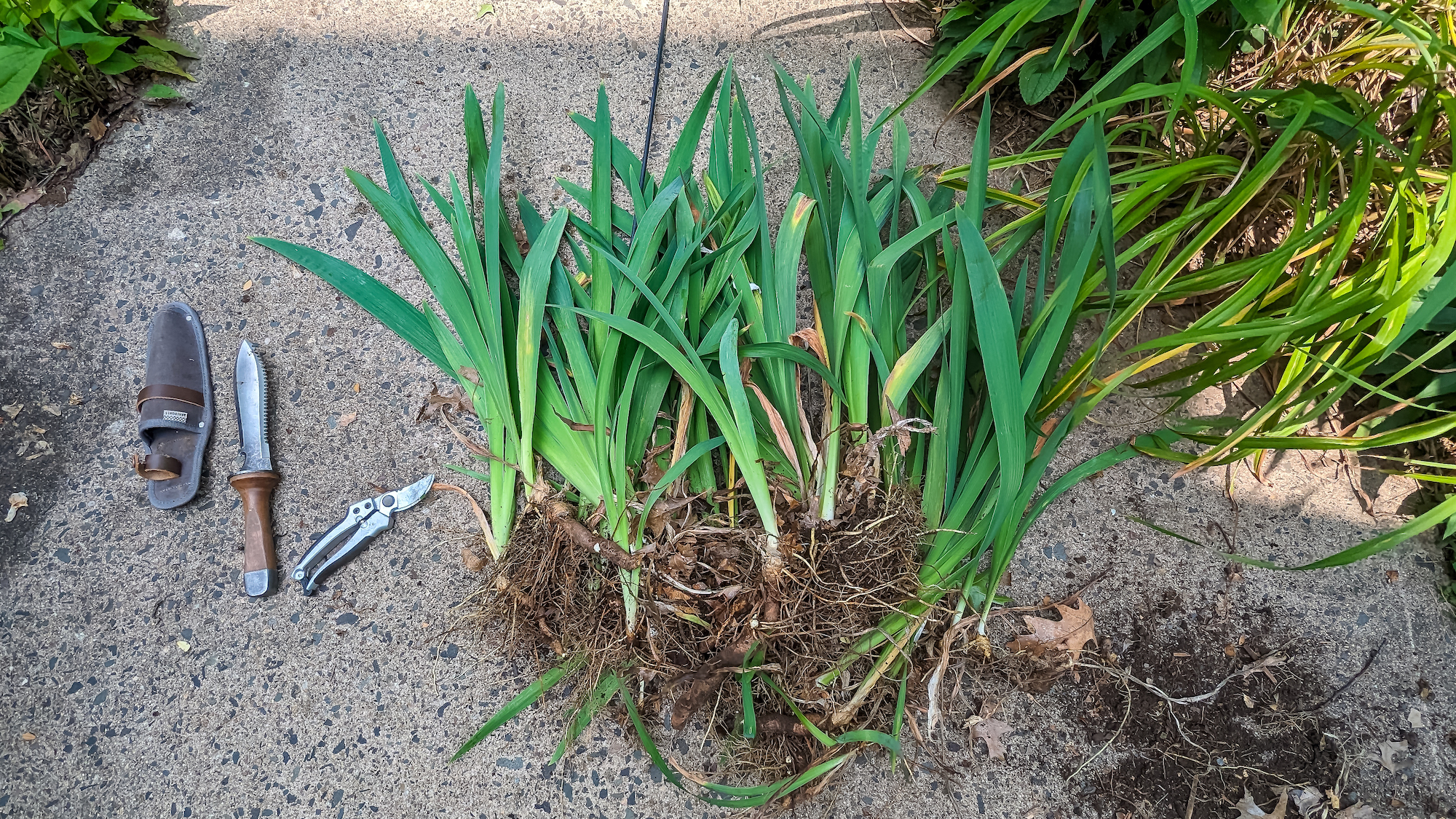
- Trim the foliage: Cut fans back to 6-9 inches in a fan or V shape. This reduces water loss and wind rock while handling.
- Lift the clump: Insert a garden fork 6-8 inches from the edges and gently pry upward. Work around the clump to loosen it entirely—avoid stabbing rhizomes.
- Shake and rinse: Gently remove loose soil, then hose off remaining dirt to expose rhizomes clearly. This step is crucial for inspecting health.
- Inspect thoroughly: Look for firm, plump rhizomes with healthy roots and at least one fan of leaves. Discard soft, mushy, or borer-damaged sections (more on pests below).
From years of doing this, I’ve found rinsing reveals hidden issues early, saving time and preventing spread.

Selecting Healthy Divisions 🌟
- Prioritize young, outer rhizomes → typically 3-4 inches long with fresh growth points.
- Each division should have 1-3 fans and a good root system.
- Trim roots to 3-6 inches for neatness.
- Allow cut surfaces to callus (dry and harden) for 1-2 days in a shaded, dry spot—this prevents rot upon replanting.
Pro insight: Larger divisions (double or triple fans) often bloom sooner, while singles establish faster in poor soil.
Preparing the New Planting Site 🏡
Irises demand specific conditions for thriving post-transplant:
- Location: Full sun (minimum 6-8 hours daily) → essential for blooming.
- Soil: Well-drained, loamy with pH 6.5-7.0. If heavy clay, create raised beds 6-12 inches high.
- Amendments: Incorporate compost or aged manure; add bone meal for phosphorus to encourage roots.
- Spacing: 12-24 inches apart, depending on variety size—closer for dwarfs, wider for tall beardeds.
Dig holes or trenches shallow for bearded types, deeper for Siberians.
Planting Technique for Bearded vs. Siberian Irises ⚖️
The biggest difference lies in depth:
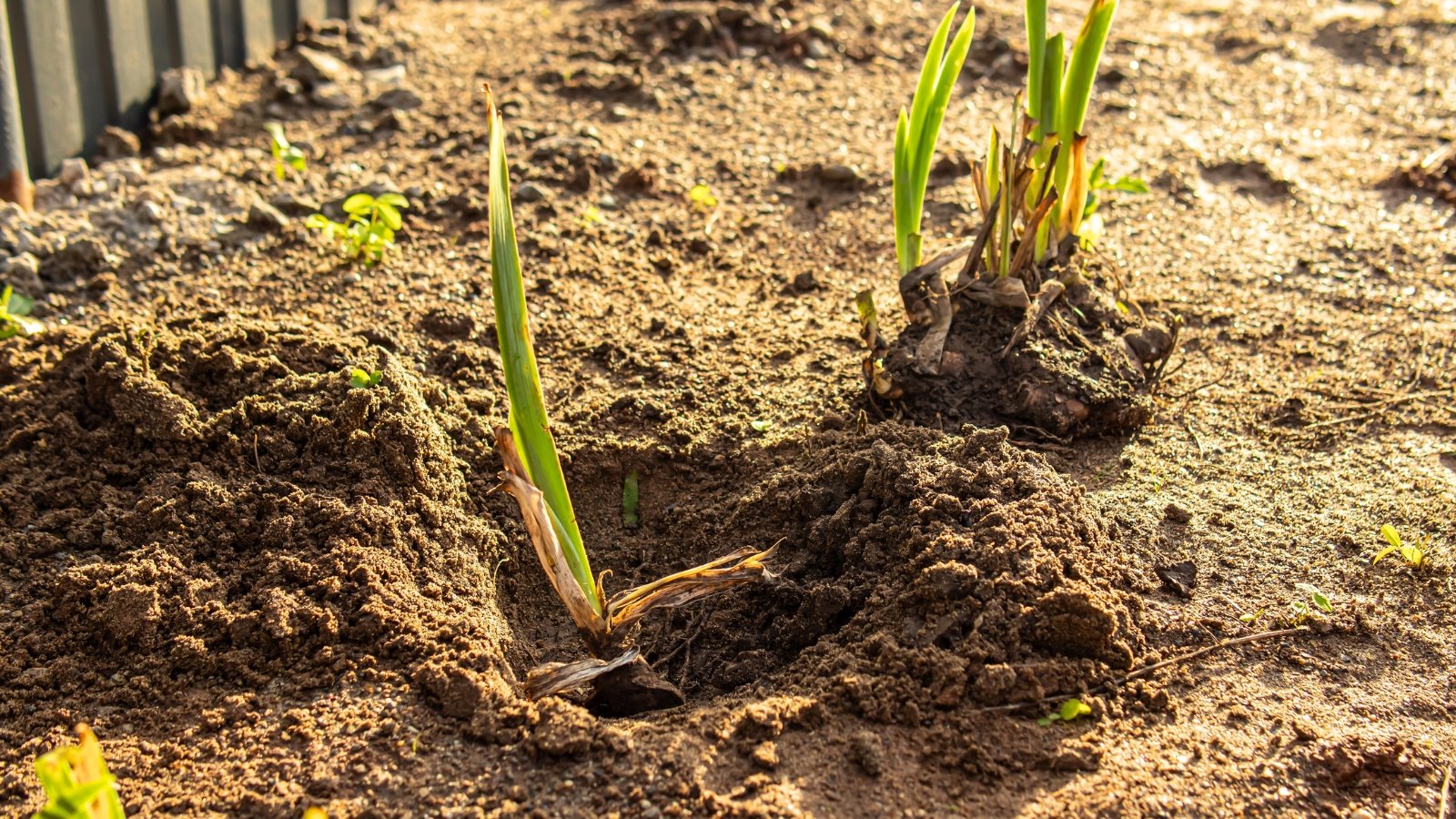
- Bearded irises: Plant shallow—rhizome backs exposed to sunlight (“bake in the sun” rule). Create a mound in the hole, drape roots down sides, cover roots but leave rhizome top bare or lightly dusted.
- Siberian irises: Bury 1-2 inches deep; they prefer slightly moister, richer soil.
Firm soil gently around roots, water to settle, and orient fans toward expected sun direction for symmetry.

Immediate Aftercare 💧
- Water deeply once after planting.
- Mulch lightly (1-2 inches) with organic material, keeping it away from rhizomes to prevent rot.
- Water weekly for the first month if rainfall is low, then taper off—irises are drought-tolerant once established.
- Monitor for heaving from frost; gently press back if needed.
Common Mistakes to Avoid (And How to Fix Them) ⚠️
Even seasoned gardeners make these errors—learning them prevents heartbreak.
Top Errors 🌪️
- Planting too deep — The #1 cause of rot and non-blooming. Bearded rhizomes need sun exposure.
- Wrong timing — Leading to stress or skipped seasons.
- Overwatering new plants — Encourages fungal issues.
- Skipping inspection — Spreading borers or rot.
- Crowding — Reduces airflow and blooms.
Fix deep planting by carefully lifting and repositioning in spring or fall.

Pest and Disease Prevention 🛡️
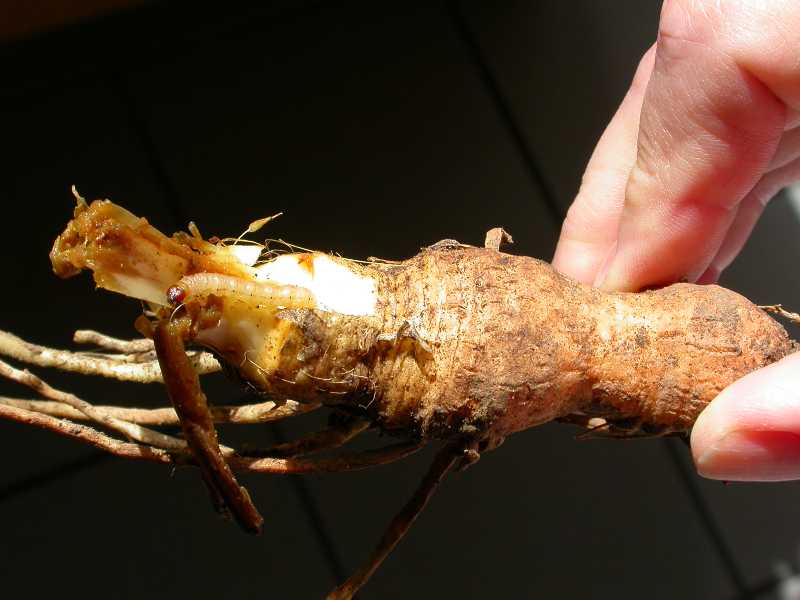
- Iris borers — The most destructive pest; larvae tunnel into rhizomes.
- Signs: Watery streaks in leaves, mushy rhizomes.
- Prevention: Fall cleanup of foliage, beneficial nematodes, or approved insecticides in spring.
Divide regularly to spot and remove damage early.
Advanced Tips for Healthier Blooms and Stronger Growth 🚀
Once you’ve mastered the basics of when to transplant iris plants and the division process, these advanced strategies will elevate your iris garden to professional levels. Drawing from decades of trial and error, plus insights from the American Iris Society and top hybridizers, here are proven techniques for maximizing vigor and flower power.
Fertilizing and Long-Term Care 🍽️
Irises are light feeders, but targeted nutrition boosts rhizome size and bloom count without encouraging rot.
- Best fertilizers: Use low-nitrogen options like 6-10-10 or superphosphate/bone meal. High nitrogen promotes foliage over flowers and increases rot risk.
- Timing: Apply in early spring as growth emerges, and again 4-6 weeks after blooming (coinciding with transplant season).
- Application: Scatter 1-2 tablespoons per clump around the perimeter—never directly on rhizomes. Water in well.
In my experience with nutrient-poor soils, a light annual feeding has doubled bloom stalks on established plants.
Additional long-term care:
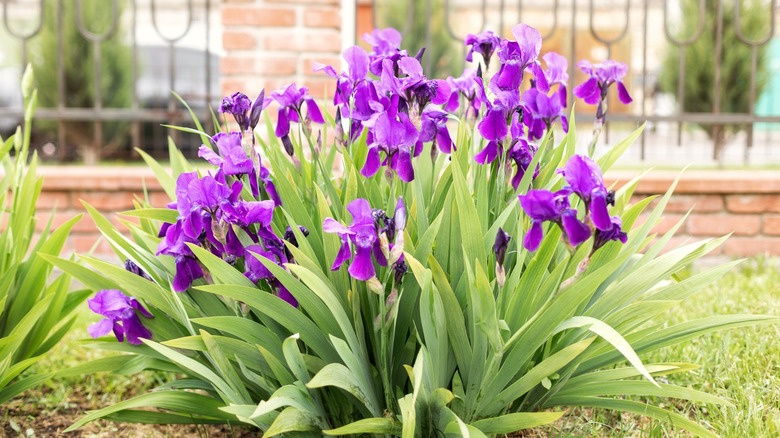
- Deadhead spent blooms to redirect energy.
- Remove yellowing foliage in fall to reduce borer eggs.
- Divide consistently every 3-5 years—mark your calendar post-bloom!
Differences Between Iris Types 📊
Understanding variety-specific needs prevents common frustrations.
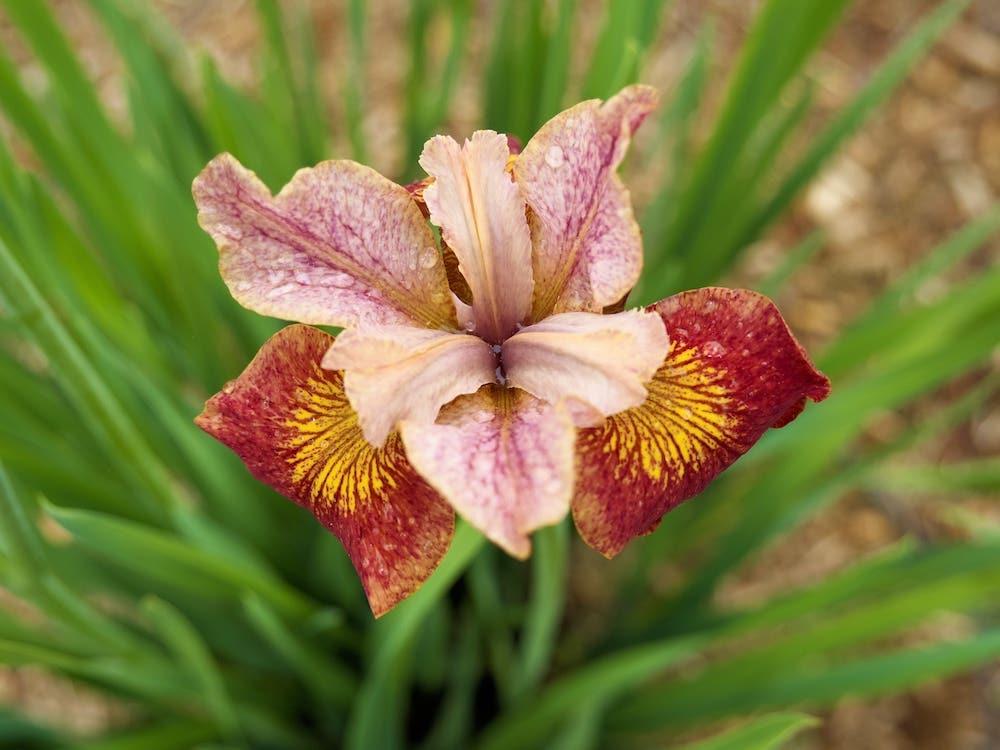
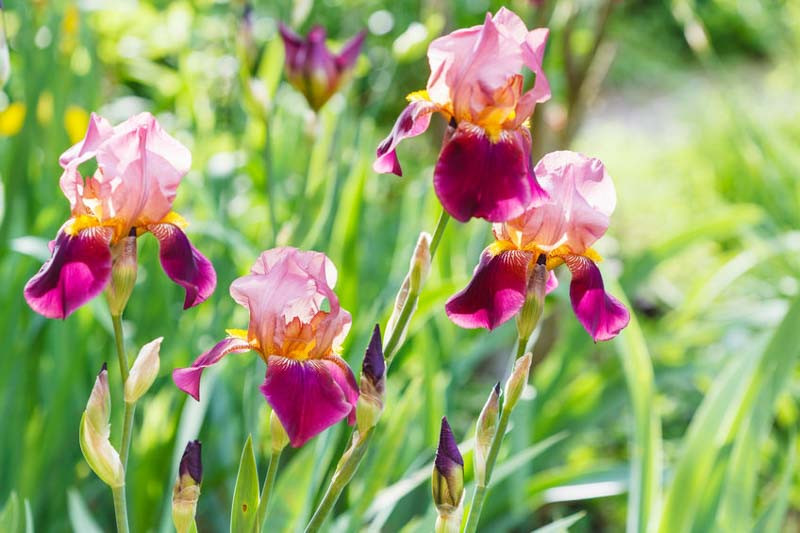
- Bearded irises: Rhizomatous, sun-worshippers, drought-tolerant once established. Sword-like fans, fuzzy beards on falls. Need exposed rhizomes and excellent drainage.
- Siberian irises: Fibrous-rooted, more shade and moisture tolerant. Narrow, grass-like foliage that stays attractive post-bloom. Smaller, elegant flowers; deeper planting.
Other types like Japanese (ensata) prefer acidic, wetter soil, while Louisiana irises thrive in boggy conditions.
Expert Insights from Years in the Field 🔍
- Reblooming varieties: Cultivars like ‘Immortality’ or ‘Harvest of Memories’ often need more frequent division (every 2-3 years) and extra phosphorus for reliable fall blooms.
- Wet climates: Prioritize raised beds and gravel mulch to combat rot—I’ve saved entire collections this way in rainy regions.
- Hybridizing tip: Save increases from your favorites; healthy divisions are the foundation of new introductions.
- Companion planting: Pair with daylilies, peonies, or alliums for staggered blooms and natural pest deterrence.
These nuances, backed by hybridizers at Schreiner’s Gardens and regional iris societies, separate average beds from award-winning displays.
FAQs: Your Top Iris Transplant Questions Answered ❓
Gardeners often ask these—here are straightforward, expert answers:
Q: Will transplanted irises bloom next year? 🌸 A: Typically yes, though sparsely the first season. Full, spectacular blooms usually return by year two if transplanted in the optimal late summer window.
Q: Can I transplant in fall or spring? 🗓️ A: Late summer/early fall is best. Late fall works in mild climates (before frost), but spring transplants often skip that year’s blooms, especially for bearded types.
Q: How long can rhizomes be out of ground? ⏳ A: Up to 2-4 weeks if stored cool, shaded, and slightly moist (e.g., in peat moss). Replant as soon as possible for best survival.
Q: What’s the difference for Siberian irises? ⚖️ A: Plant deeper (1-2 inches), divide less frequently, and they’re more tolerant of spring moves or wetter soil.
Q: My irises have borers — what now? 🐛 A: During division, discard affected rhizomes. Prevent future issues with fall foliage cleanup and spring monitoring.
Q: Should rhizomes be exposed? ☀️ A: For bearded irises, yes—tops bare to “bake” and prevent rot. Siberians prefer covered.
Q: How many new plants from one clump? 🔄 A: A mature clump often yields 10-30+ healthy divisions, depending on age and size.
Conclusion: Transform Your Iris Garden Today! 🌈
Mastering when to transplant iris plants—ideally late summer after bloom—is your gateway to a lifetime of breathtaking displays, healthier rhizomes, and ever-expanding collections. Armed with this comprehensive guide, from spotting decline signs to advanced care tips, you’re now ready to divide with confidence and watch your garden flourish.
Start planning your next transplant session this season. Your irises (and future self) will reward you with stronger growth, disease resistance, and waves of vibrant color year after year. Happy gardening—may your beds be forever blooming! 🪴✨











