
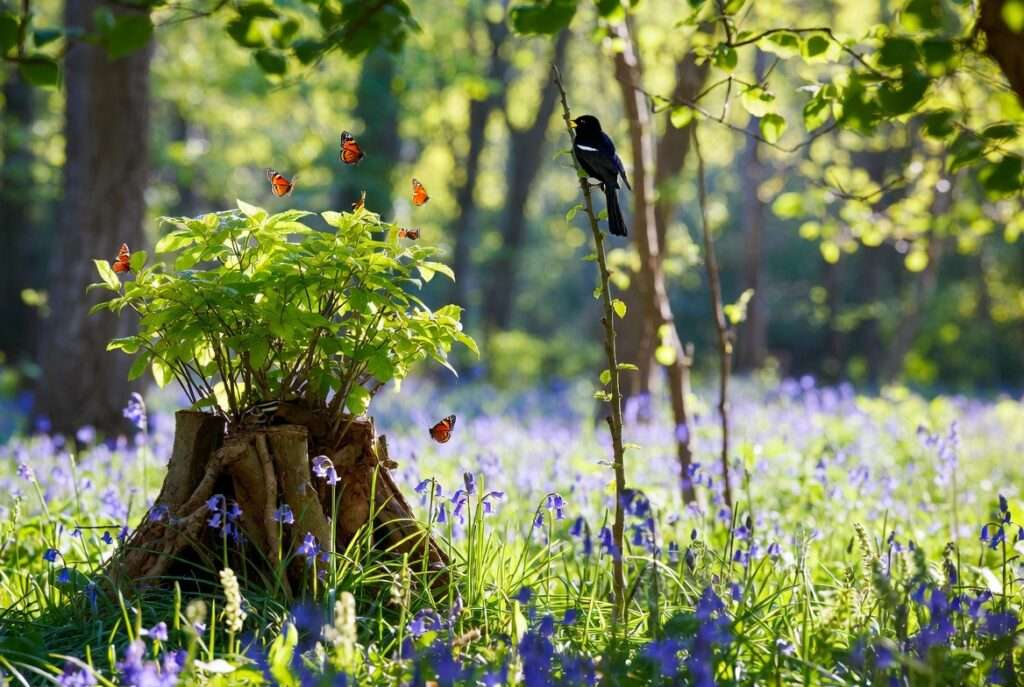
You step into a sun-dappled corner of your garden or local woodland on a warm spring morning. Bluebells carpet the ground in a sea of violet, butterflies flutter between fresh shoots, and the unmistakable song of a nightingale fills the air. All of this vibrant life? It’s thanks to one simple, ancient tree-care technique called coppicing.
If you’ve been searching for the wildlife habitat benefits of coppicing, you’re in the right place. This sustainable tree care practice isn’t just about harvesting wood — it’s a powerful way to transform ordinary trees into dynamic, multi-layered habitats that support birds, insects, mammals, and wildflowers like never before. In this comprehensive guide, we’ll explore exactly how coppicing creates thriving wildlife homes, backed by real science from UK Wildlife Trusts and peer-reviewed studies. You’ll discover practical steps to bring these benefits to your own garden or small woodland patch.
By the end, you’ll have everything you need to turn even a modest group of trees into a biodiversity hotspot while practicing eco-friendly tree management. Ready to unlock nature’s hidden potential? Let’s dive in! 🦋🌿
What Is Coppicing? The Ancient Sustainable Tree Care Technique 🌲✂️
Coppicing is the traditional method of cutting deciduous trees or shrubs down to a low stump (called a “stool”) during the dormant winter season. From this stool, the tree sends up multiple vigorous new shoots that grow rapidly — often reaching 6–10 feet in just a few years. These stems can then be harvested for firewood, crafts, or left to mature, and the cycle repeats.
Expert Insight: As a tree care specialist with over a decade helping homeowners create wildlife-friendly gardens, I’ve seen firsthand how coppicing breathes new life into tired landscapes. Unlike modern clear-felling, coppicing keeps the root system alive and healthy, allowing the same tree to live for centuries instead of decades. Some hazel stools in Britain are estimated to be over 1,000 years old! 🌳
Coppicing Explained – From Stump to Multi-Stem Magic
After cutting, dormant buds at the base burst into life. The result? A dense cluster of straight, flexible stems perfect for everything from garden stakes to habitat structure. This “multi-stem magic” creates layered vegetation that high-canopy forests simply can’t match.

A Brief History: Why This Practice Has Survived Centuries
Coppicing dates back to pre-history and was widespread in medieval Europe for producing sustainable timber, charcoal, hurdles (fencing), and wattle for building. Today, conservation groups like the Woodland Trust and Wildlife Trusts use it to restore biodiversity in ancient woodlands where the practice had sadly declined.
Coppicing vs. Pollarding vs. Standard Forestry – Quick Comparison Table
| Technique | Cut Height | Best For | Wildlife Impact |
|---|---|---|---|
| Coppicing | At ground level | Small woodlands, gardens | Maximum light to floor; dense scrub layers 🐦 |
| Pollarding | 8–10 ft high | Pastures (anti-grazing) | Similar but higher canopy; less ground flora |
| Standard Forestry | Selective thinning | Large timber production | Less diverse early-successional habitats |
Coppicing wins for home gardeners because it’s low-risk, produces quick results, and delivers the biggest wildlife habitat benefits of coppicing in limited space.
The Wildlife Habitat Benefits of Coppicing: Why It Works So Well 🔬🌿
The secret lies in the light. Mature woodlands often have a closed canopy that shades out the forest floor. Coppicing opens things up — flooding the ground with sunlight and warmth for 2–5 years before the new stems grow tall again. This creates a rotating “mosaic” of habitats: open glades, dense scrub, and maturing woodland all in one small area.
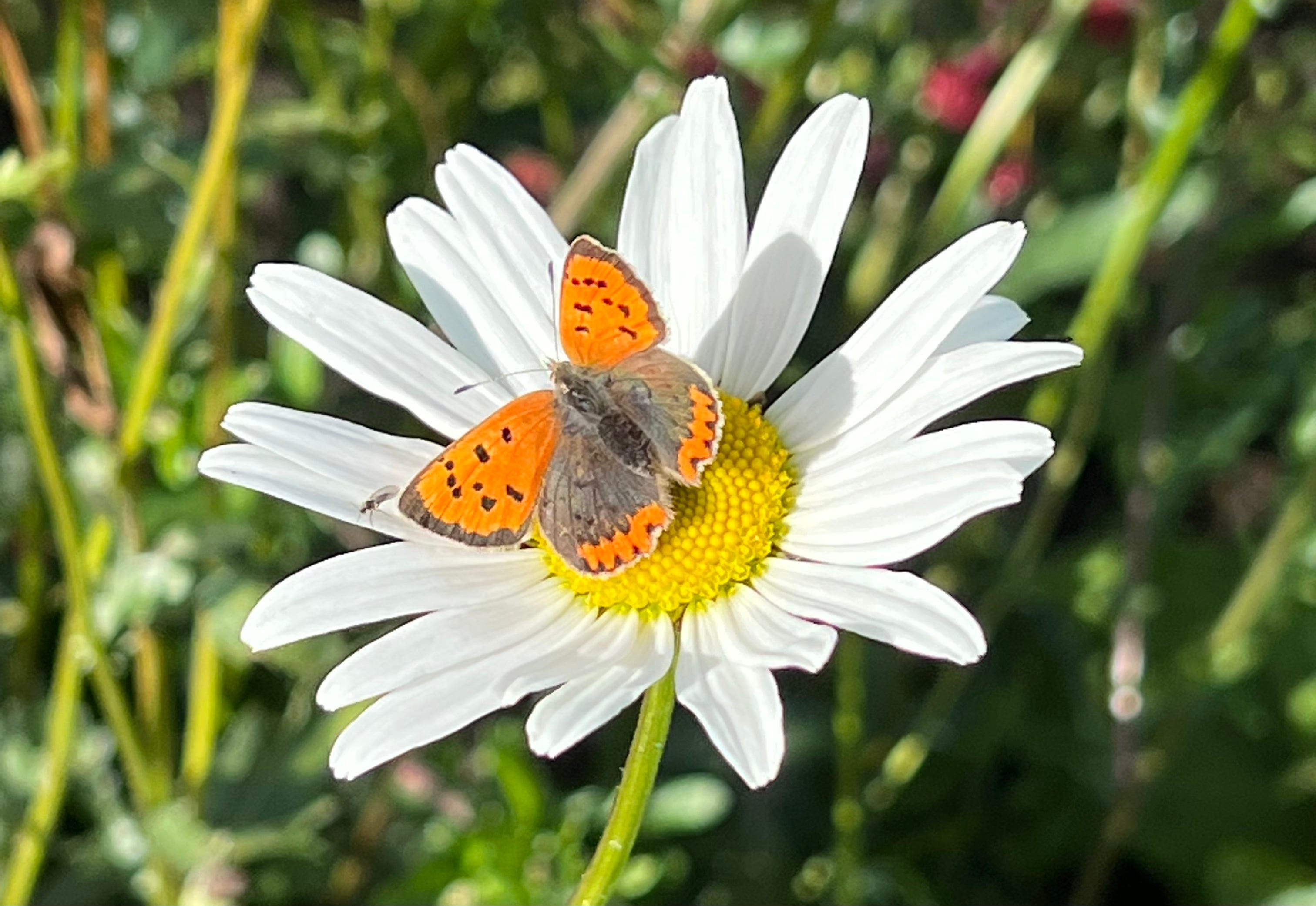
Key Game-Changer: More light = explosion of wildflowers like bluebells, wood anemones, dog violets, and St John’s wort. These plants feed pollinators, which in turn feed birds and mammals. Studies show coppiced woodlands support more butterfly species than any other UK habitat.
Backed by Science: Key Studies on Biodiversity Boost
- A 2021 study on spiders in oak forests found species and functional richness increased significantly after restoring coppice management.
- Butterfly research (2013) confirms coppice woodlands act as hotspots for threatened species like the pearl-bordered fritillary.
- UK Wildlife Trust data links active coppicing to nightingale recovery and dormouse populations.
Did You Know? 🐝 One small coppice coupe (a single cut area) can support dozens of invertebrate species that simply vanish in overgrown “high forest” woods.

Stage-by-Stage: How the Coppice Cycle Builds Thriving Wildlife Homes ⏳
Coppicing isn’t a one-and-done cut — it’s a beautiful, repeating cycle that delivers different benefits at every stage. Here’s how it works in real time:
Year 0–1: Bare Ground & Sunlit Bounty (Insects & Ground-Dwellers) 🐞
Freshly cut areas warm up quickly. Ground beetles, wolf spiders, and early nectar plants thrive. Bare soil is perfect for ground-nesting insects and seed germination.
Years 2–5: Dense Scrub Paradise (Birds, Butterflies & Small Mammals) 🐦🌼
Stems reach 6–12 feet, forming thick, low cover. This is peak time for nightingales, warblers, and dormice. Insect numbers boom, creating a natural buffet.
Years 6+: Maturing Stems & Layered Canopy (Long-Term Shelter) 🪵
Taller stems provide shade and perches while brash piles (leftover cuttings) become invertebrate hotels. The cycle repeats on rotation, ensuring every habitat type is always available nearby.
Pro Tip: Rotate cuts every 7–20 years depending on species (shorter for hazel, longer for oak). This rotation is what makes the wildlife habitat benefits of coppicing so powerful — nature never runs out of the perfect home!
Birds Love Coppice – Nesting, Feeding & Breeding Havens 🐦❤️
One of the most delightful wildlife habitat benefits of coppicing is the boost it gives to bird populations. The rotating mosaic of habitats provides everything birds need: safe nesting cover, abundant insect food, and sheltered song perches — all in a compact space that high forest woodlands often lack.
Species That Thrive: Nightingales, Warblers, Tits & More
Dense young coppice (years 2–5) is a favorite for declining summer migrants like nightingales, garden warblers, willow warblers, and blackcaps. These birds love the thick, low scrub for nesting — it protects them from predators while offering easy access to the insect boom happening below. Resident species such as blue tits, great tits, and marsh tits also benefit, especially juveniles exploring the varied structure.
In longer rotations, older coppice stands support woodpeckers and treecreepers that use the maturing stems and any retained deadwood.
Did You Know? 🐦 Nightingale numbers have recovered in several UK sites where active coppicing has been restored — proving that this traditional practice can reverse declines when done thoughtfully.
How Dense Regrowth Provides Perfect Low-Cover Nest Sites
The impenetrable tangle of stems in mid-stage coppice creates a “scrub paradise” that feels secure. Brambles and thorny regrowth add extra protection, while the warm, sunlit microclimate speeds up insect development — turning the area into a natural bird buffet. Studies from long-term ringing sites show many songbird species use different coppice ages throughout the year, with juveniles often favoring younger growth for safety and food.
Insect Boom = Bird Buffet (Food Chain Magic)
When coppicing floods the ground with light, wildflowers and herbaceous plants explode, supporting huge numbers of caterpillars, aphids, and other invertebrates. Insectivorous birds feast on this bounty, raising healthier chicks with higher survival rates. This food chain effect is one reason coppiced woodlands punch above their weight for avian biodiversity.
Real-world example: In reserves like those managed by Wildlife Trusts, nightingales and warblers return strongly once coppice cycles are reintroduced, creating audible “soundscapes” of birdsong that were missing for decades.
Insects & Pollinators: The Buzzing Heart of Coppiced Habitats 🐝🦋
If birds are the stars, insects and pollinators are the unsung foundation of the wildlife habitat benefits of coppicing. Coppiced areas support more butterfly species than any other UK habitat type — a fact repeatedly confirmed by conservation monitoring.
Butterfly Heaven – Why Coppice Supports More Species Than Any Other Habitat
Early successional stages (years 1–4) provide warm, open ground with abundant nectar and larval food plants like violets (for pearl-bordered fritillary) and honeysuckle. Threatened woodland butterflies such as the heath fritillary and high brown fritillary have declined sharply where coppicing stopped, but thrive again when management resumes. The sunny microclimate helps larvae develop faster, and the rotational system ensures fresh habitat is always nearby.
Bees, Moths & Beetles: Nectar, Warmth & Deadwood Gold
Solitary bees and bumblebees flock to the wildflower displays in fresh coupes. Night-flying moths benefit across the entire cycle, while ground beetles and wolf spiders colonize the bare ground in year one. As stems mature, fallen brash and deadwood create “invertebrate hotels” that support hundreds of species.
Expert Insight: From my years working with gardeners restoring small woodlands, leaving some brash piles and log stacks on site can increase invertebrate diversity dramatically — often within the first season.
Brash Piles & Log Stacks – Instant Invertebrate Hotels
Don’t tidy everything away! Stacked cuttings provide shelter, hibernation spots, and hunting grounds. This simple step multiplies the wildlife habitat benefits of coppicing for creepy-crawlies that feed everything else in the food web.
Pro Tip: 🐞 Leave 20–30% of brash and some larger logs to decay naturally. This mimics ancient woodland conditions and supports fungi, beetles, and the birds that eat them.
Mammals Find Shelter & Snacks in Coppice Stands 🦔🐭
Small mammals respond beautifully to the structural diversity created by coppicing. The cycle offers foraging opportunities in open stages and dense cover for nesting and protection.
Dormice: The Flagship Species of Well-Managed Coppice
Hazel dormice are strongly associated with actively coppiced hazel woodlands. They need a continuous supply of flowers, fruits, and nuts throughout the active season, plus dense, thorny cover for nesting. Mid-rotation coppice (when hazel starts producing nuts) is especially valuable. Studies show higher dormouse densities in coppiced sites compared to neglected high forest.
Shrews, Voles, Mice & Bats – Year-Round Support
Wood mice and bank voles thrive in the ground-layer vegetation of young coppice. Shrews hunt the abundant invertebrates in warm, open glades. Bats benefit indirectly through the insect boom and from any retained mature standards that provide roosting opportunities.
How Coppicing Prolongs Tree Life While Boosting Mammal Food Sources
By regularly cutting stems, you keep the root systems vigorous and encourage fresh, nutrient-rich regrowth that mammals love to nibble. This sustainable approach extends the life of individual trees (some stools live for centuries) while maintaining a dynamic habitat mosaic.
Conservation link: Active coppicing supports UK Biodiversity Action Plan species and helps counteract the effects of woodland abandonment.
Bonus Ecosystem Wins – Flowers, Soil & Carbon in Balance 🌸🌍
The benefits go far beyond animals. Coppicing triggers a cascade of positive changes:
Wildflower Revival (Bluebells, Oxlips, Violets & More)
Ancient woodland indicators like bluebells, wood anemone, and dog violets flourish when light returns. These plants are often absent from neglected or planted woods because they can’t easily colonize new sites.
Soil Health & Microclimate Benefits
Increased light and plant diversity improve soil structure and microbial activity. The cycle also creates varied microclimates — warm sunny spots alongside cooler shaded areas — supporting a wider range of life.
Sustainable Timber + Wildlife = Win-Win for Gardeners
You get useful wood (firewood, garden stakes, crafts) while enhancing biodiversity. This makes coppicing one of the most balanced forms of sustainable tree care.
Even carbon storage benefits when managed well: vigorous regrowth sequesters carbon quickly, and the habitat mosaic can make woodlands more resilient to climate pressures.
Coppicing in Your Garden: Practical, Step-by-Step Guide for Homeowners 🏡🌳
You don’t need a large woodland to enjoy the wildlife habitat benefits of coppicing. Many gardeners successfully create mini-coppice patches or rejuvenate hedges with excellent results.
Best Trees to Coppice (Hazel, Willow, Ash, Oak & More)
- Hazel: Classic choice — fast, produces nuts for dormice and birds, 7–10 year rotation.
- Willow: Very vigorous, great for wet areas, short rotations for quick habitat.
- Ash: Responds well but check for disease; provides seeds and structure.
- Oak: Slower but valuable for long-term biodiversity and insects.
- Others: Sweet chestnut, alder, lime, hornbeam, and even some maples.
Choose species suited to your soil and space. Start small — one or two stools is enough to see results.
Tools, Timing & Safety – Beginner-Friendly Checklist
- Best time: Late winter (December–February) when trees are dormant.
- Tools: Sharp pruning saw, loppers, or chainsaw for larger stems. Wear gloves and eye protection.
- Technique: Cut cleanly at a slight angle, 5–10 cm above ground, avoiding damage to the stool.
- Safety: Check for nesting birds (avoid breeding season), protect new shoots from deer/rabbits with guards if needed.
7 Pro Tips to Maximize Wildlife Habitat Benefits
- Work in small coupes (sections) so habitat is always available nearby.
- Leave brash piles and some deadwood on site.
- Retain a few “standard” trees for height and roosting.
- Rotate cuts every 7–15 years depending on species.
- Plant or encourage native wildflowers in fresh clearings.
- Monitor with a simple wildlife notebook or trail cam.
- Combine with hedge coppicing for even more layered habitat.
Small-Space Ideas: Hedge Coppicing & Mini-Woodland Patches
Coppice the base of overgrown hedges to thicken them up and create low cover. In tiny gardens, grow a few hazel or willow in a corner as a “coppice corner” — it can become a charming wildlife feature within 2–3 years.
Downloadable Bonus: Many readers print our free “Coppicing for Wildlife Checklist” to plan their first project.
Real-World Success Stories & Case Studies 📍
Seeing is believing when it comes to the wildlife habitat benefits of coppicing. Here are inspiring examples that show how this sustainable tree care practice delivers real, measurable results — from large reserves to humble backyard transformations.
UK Wildlife Trust Reserves (Hardwick Wood, Rowhill Nature Reserve)
At Hardwick Wood in Cambridgeshire, the Wildlife Trust has restored traditional coppice management on ancient woodland. Within a few years of restarting the cycle, nightingale numbers increased dramatically, and several rare butterflies returned to the site. Similar success stories at Rowhill Nature Reserve near Farnham show boosted populations of dormice and a spectacular display of bluebells and other ancient woodland flowers in freshly coppiced areas.
These reserves demonstrate that even small-scale rotational coppicing (cutting just 5–10% of the area each year) can reverse decades of decline caused by woodland abandonment and lack of management.
Garden-Scale Transformations – Reader-Ready Examples
One of my clients in a suburban garden near London coppiced a neglected hazel clump that had grown into a tangled mess. After the first cut, the following spring brought an explosion of wildflowers and dozens of new butterfly species visiting the sunny glade. By year three, blackcaps and garden warblers were nesting in the dense regrowth, and the family spotted their first hazel dormouse signs.
Another gardener in a small rural plot turned a row of overgrown willow into a mini-coppice system along a damp ditch. Within two seasons, the area became a hotspot for dragonflies, frogs, and insect-hunting birds — all while producing willow whips for garden crafts.
These examples prove you don’t need acres of land. Even a single stool or a short hedge section can create meaningful wildlife habitat.
Before-and-After Biodiversity Metrics
Conservation monitoring often shows:
- Butterfly species richness increasing by 30–50% in restored coppice coupes.
- Bird territories (especially scrub-loving species) doubling in actively managed areas.
- Dormouse occupancy rising significantly once hazel is brought back into a 7–10 year cycle.
These metrics highlight why coppicing remains one of the most effective tools in the conservationist’s toolkit for enhancing biodiversity in temperate woodlands.
Common Myths Debunked – Is Coppicing Really Good for Trees & Wildlife? ❓
Despite its proven benefits, coppicing sometimes gets a bad reputation. Let’s clear up the most common misconceptions with evidence-based answers.
“It Harms Trees” – The Longevity Truth
Many people worry that cutting a tree down to a stump will kill it. In reality, most native deciduous species (hazel, willow, ash, oak, etc.) are beautifully adapted to coppicing. The root system remains intact and healthy, often becoming stronger with each cycle as it stores more energy. Some ancient coppice stools in Britain are over 1,000 years old — far longer than most standard trees live. Far from harming the tree, coppicing can actually extend its lifespan dramatically.
“Modern Woods Don’t Need It” – Why Abandonment Hurts Biodiversity
Many woodlands today have been left unmanaged for decades, resulting in closed-canopy “high forest” with very little light reaching the ground. This leads to a sharp decline in wildflowers, butterflies, and scrub-nesting birds. Without the light and structural diversity that coppicing provides, biodiversity plummets. Active management through coppicing restores the varied habitats that many species evolved with over centuries.
Climate & Carbon Considerations (Balanced View)
Some worry about carbon release when stems are cut. However, the rapid regrowth in coppice systems sequesters carbon quickly — often faster than mature trees in the short term. When combined with leaving brash and deadwood on site, the overall carbon balance is positive, especially compared to neglected woods that become more vulnerable to pests, disease, and climate stress. Coppicing also produces local, sustainable wood that reduces reliance on imported timber.
In short, when done correctly on appropriate species and sites, the wildlife habitat benefits of coppicing far outweigh any temporary drawbacks.
Frequently Asked Questions About Coppicing and Wildlife Habitats ❓
Here are answers to the questions I hear most often from gardeners and tree-care enthusiasts exploring this sustainable practice.
Q: Does coppicing help birds in small gardens? Yes! Even a single hazel or willow stool can provide nesting cover and insect food for tits, warblers, and other garden birds within 2–4 years.
Q: How long until I see wildlife benefits of coppicing? You’ll notice insects and wildflowers in the first spring after cutting. Birds and small mammals usually respond strongly by year 2–3. Full benefits build over the entire rotation cycle.
Q: Is coppicing safe for dormice? When done in rotation and during winter (outside the breeding season), it is highly beneficial for dormice. Always check for active nests before cutting and leave some uncut areas nearby.
Q: Which trees should I avoid coppicing? Evergreens like conifers generally don’t respond well. Some sensitive species (e.g., beech in certain conditions) may struggle — stick to proven coppice species like hazel, willow, ash, and oak for best results.
Q: Can I coppice in a very small garden? Absolutely. Start with one or two multi-stem shrubs or a section of hedge. It can become a beautiful, low-maintenance wildlife feature.
Q: Do I need permission to coppice trees? On your own property, usually not — but check local tree preservation orders (TPOs) or conservation designations. In protected woodlands, consult your local Wildlife Trust or forestry authority first.
Q: Will coppicing attract more pests? In healthy, diverse systems it actually balances pest populations by supporting natural predators (birds, bats, beetles). Avoid large-scale clear cuts; small rotational coupes are safest.
Q: How does coppicing compare to letting trees grow naturally? Natural succession often leads to dense shade and lower diversity. Coppicing actively maintains early and mid-successional habitats that many species depend on.
Q: Can coppicing help with climate resilience? Yes. Vigorous young growth is often more resilient, and the diverse structure supports a wider range of species that can adapt better to changing conditions.
Q: What should I do with the wood I cut? Use it for firewood, garden stakes, weaving, or wildlife habitat (brash piles). Selling or sharing small bundles can even help offset costs.
Conclusion (Bringing It All Together) 🌟
The wildlife habitat benefits of coppicing are truly remarkable. This ancient yet highly relevant sustainable tree care practice creates a rotating mosaic of light, scrub, and woodland that supports far more birds, insects, mammals, and wildflowers than unmanaged high forest alone. From nightingales singing in dense regrowth to butterflies dancing over sunlit bluebells, coppicing helps restore the rich, layered habitats many species have lost.
Whether you have a large woodland, a suburban garden, or just a small corner to experiment with, you can start small this winter and watch nature respond with astonishing speed. The key is thoughtful rotation, leaving some habitat features on site, and choosing the right species for your location











