

Have you ever looked at your garden or favorite fruit tree and thought, “Why isn’t it thriving like it should?” Yellowing leaves, stunted growth, frequent pest attacks, or soil that feels lifeless despite regular watering and care — these are common frustrations for plant lovers everywhere. The good news? You don’t need expensive synthetic fertilizers or harsh chemicals to turn things around. Enter worm tea — nature’s own liquid super-boost made from worm castings. This powerful, organic elixir delivers essential nutrients, billions of beneficial microbes, and natural growth promoters straight to your plants’ roots and leaves. 🌿
In this ultimate guide, we’ll dive deep into the worm tea benefits and how to use it effectively for everything from vibrant vegetables and blooming flowers to robust fruit trees and indoor houseplants. Whether you’re a beginner gardener in a small backyard or managing a larger orchard, you’ll learn science-backed reasons why worm tea works, foolproof recipes (including beginner and advanced methods), precise application techniques, and pro tips to avoid common pitfalls. By the end, you’ll have the tools to create healthier soil, stronger plants, and bigger harvests — naturally and sustainably. Let’s get brewing! 🍅
What Exactly Is Worm Tea? 🪱
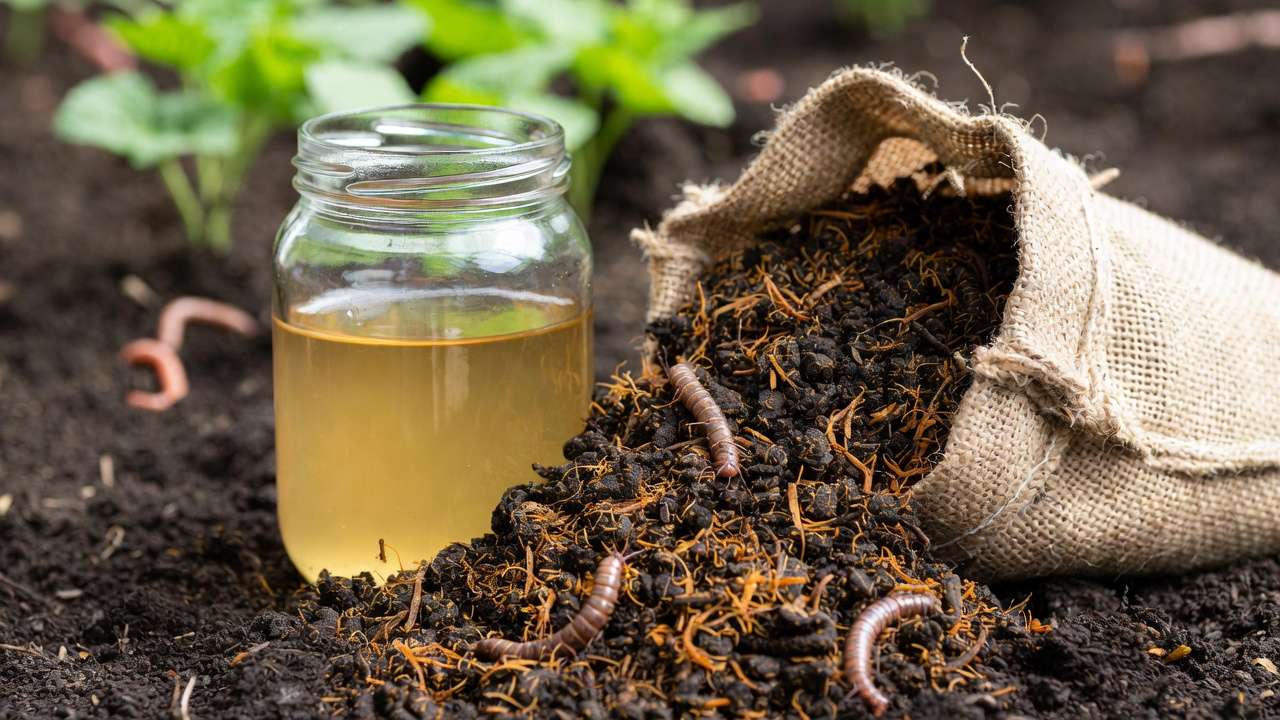
Worm tea (also called vermicompost tea or worm casting tea) is a liquid extract brewed from finished worm castings — the nutrient-rich “black gold” produced by red wigglers and other composting worms after they process organic matter.
Unlike plain water runoff from a worm bin (known as leachate), true worm tea is actively brewed to extract soluble nutrients and multiply beneficial microorganisms. It’s a living solution teeming with bacteria, fungi, protozoa, and other soil-friendly life forms that enhance the soil food web.
Key distinction: Worm Tea vs. Worm Bin Leachate vs. Regular Compost Tea
- Worm tea — Brewed from high-quality worm castings (vermicompost), often aerated to explode microbial populations.
- Leachate — The dark liquid that drains naturally from a worm bin; it can be anaerobic (low oxygen) and potentially harmful if used undiluted.
- Compost tea — Made from regular (non-vermicompost) compost; worm tea tends to be richer in certain microbes and plant growth hormones due to the unique digestive process of worms.
Always aim for properly brewed, oxygenated worm tea — never use raw leachate straight on plants without dilution and aeration. 🛡️
The Science Behind Worm Tea – Why It Works So Well 🔬
Worm castings are already a powerhouse: they contain balanced N-P-K (nitrogen, phosphorus, potassium), micronutrients like calcium and magnesium, plus humic and fulvic acids that make nutrients more available to plants.
But brewing them into tea takes it further:
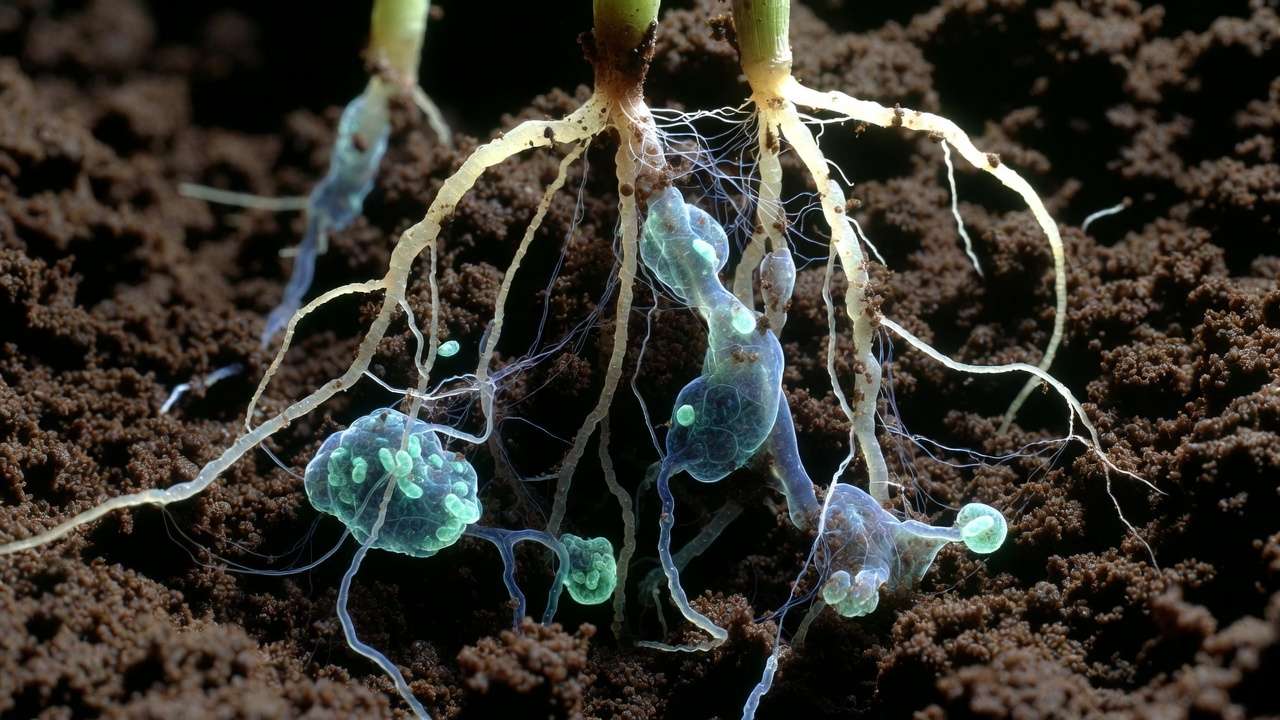
- Microbial boost — Billions of beneficial bacteria and fungi colonize roots, improving nutrient cycling and suppressing pathogens (studies from sources like MDPI and university extensions show vermicompost teas enhance disease resistance and pest suppression).
- Natural plant hormones — Auxins, cytokinins, and gibberellins promote root development, flowering, and fruit set.
- Soil structure improvement — Increases water-holding capacity, reduces compaction, and builds long-term fertility.
Research highlights include improved growth in crops like lettuce, tomatoes, and corn, plus suppression of pests like fall armyworms when used consistently. It’s not magic — it’s biology at work! ✨
Worm Tea Benefits for Plants and Trees 🌳💚
Here are the top, evidence-based advantages that make worm tea a game-changer for home gardeners and tree care enthusiasts:
Explosive Plant Growth & Stronger Roots Worm tea delivers readily available nutrients and stimulates root elongation — gardeners often see 50–200% faster growth in trials. Seedlings germinate quicker, transplants establish better, and trees develop deeper, more resilient root systems.
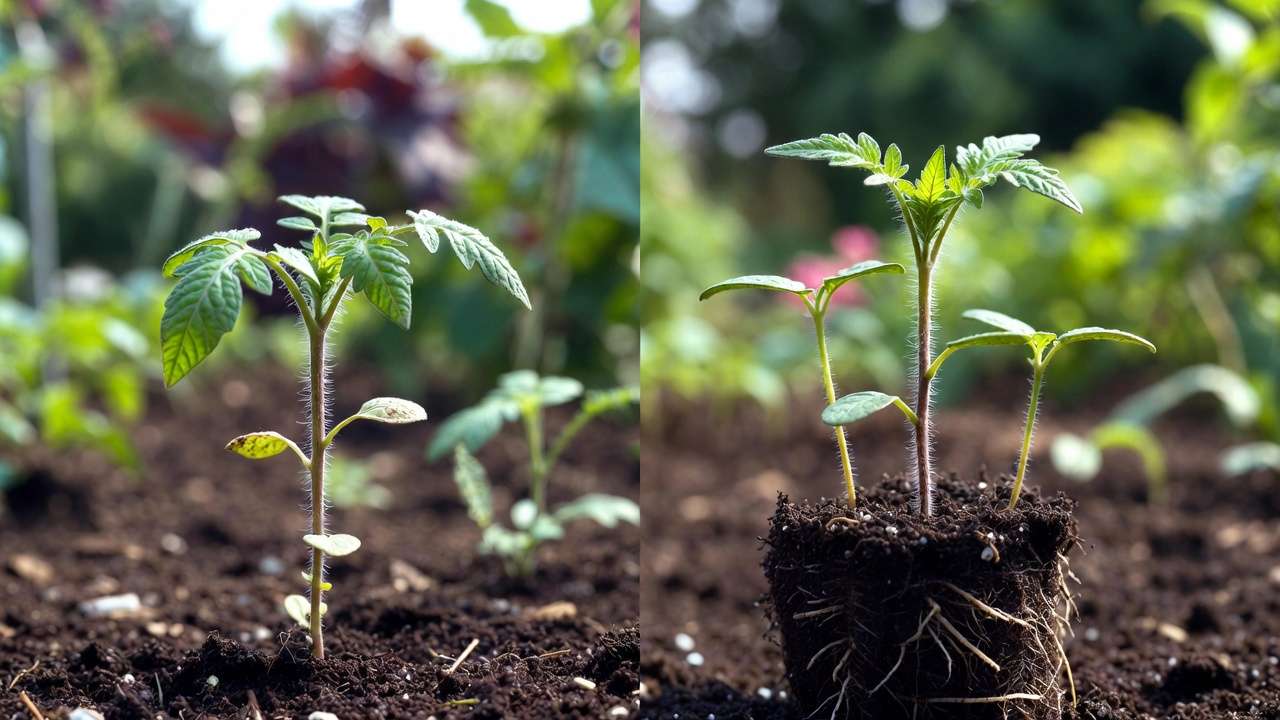
Natural Pest & Disease Resistance Beneficial microbes outcompete harmful ones, while foliar applications create a protective barrier. Reports show reduced aphids, powdery mildew, and soil-borne issues — ideal for organic veggie patches and fruit trees.
Improved Soil Health & Structure Long-Term Regular use rebuilds microbial diversity, boosts organic matter, and enhances water retention. Over time, soil becomes looser, more fertile, and less prone to erosion or drought stress.
Better Nutrient Uptake & Reduced Fertilizer Needs Humic acids chelate nutrients, making them easier for plants to absorb. Many users cut synthetic fertilizer use significantly while seeing greener leaves and higher yields.
Eco-Friendly & Safe for Edibles, Pets, Kids No risk of chemical burn when properly diluted; perfect for organic gardens, fruit trees you harvest from, and family yards. 🌍
Real-World Examples
- Vegetable gardeners report bumper tomato and pepper harvests with fewer blossom-end rots. 🍅
- Fruit tree owners notice healthier citrus, apples, and mangoes with better fruit set and fewer diseases.
- Indoor plant lovers revive droopy houseplants almost overnight with weekly soil drenches.
How to Make Worm Tea at Home: Two Proven Methods 🛠️
Method 1: Simple Non-Aerated Worm Tea (Beginner-Friendly, No Equipment Needed)
This bucket method is quick and effective for small-scale use.
- Gather: 1 part high-quality worm castings (dark, crumbly, earthy-smelling) to 5–10 parts dechlorinated water (let tap water sit 24 hours or use rainwater).
- Place castings in an old sock, pantyhose, or mesh bag; tie securely.
- Submerge in a 5-gallon bucket of water.
- Stir gently daily; let steep 3–7 days (longer for more nutrients, but don’t exceed to avoid anaerobic conditions).
- Remove bag, strain if needed, and use within a few days (or refrigerate briefly).
Smells sweet and earthy? Good! Foul odor? Discard and start fresh.
Method 2: Aerated Worm Tea (Advanced – Maximum Microbial Power)
Aeration multiplies microbes exponentially for superior results.
Equipment: 5-gallon bucket, aquarium air pump + airstone, optional unsulphured molasses (microbe food).
- Fill bucket with 4–5 gallons dechlorinated water.
- Add 1–2 cups worm castings (loose or in bag).
- Add 1–2 Tbsp molasses per 5 gallons (feeds bacteria).
- Connect airstone and run pump continuously.
- Brew 24–48 hours (36 ideal); monitor for light foam and sweet smell.
- Use immediately for peak microbe activity.
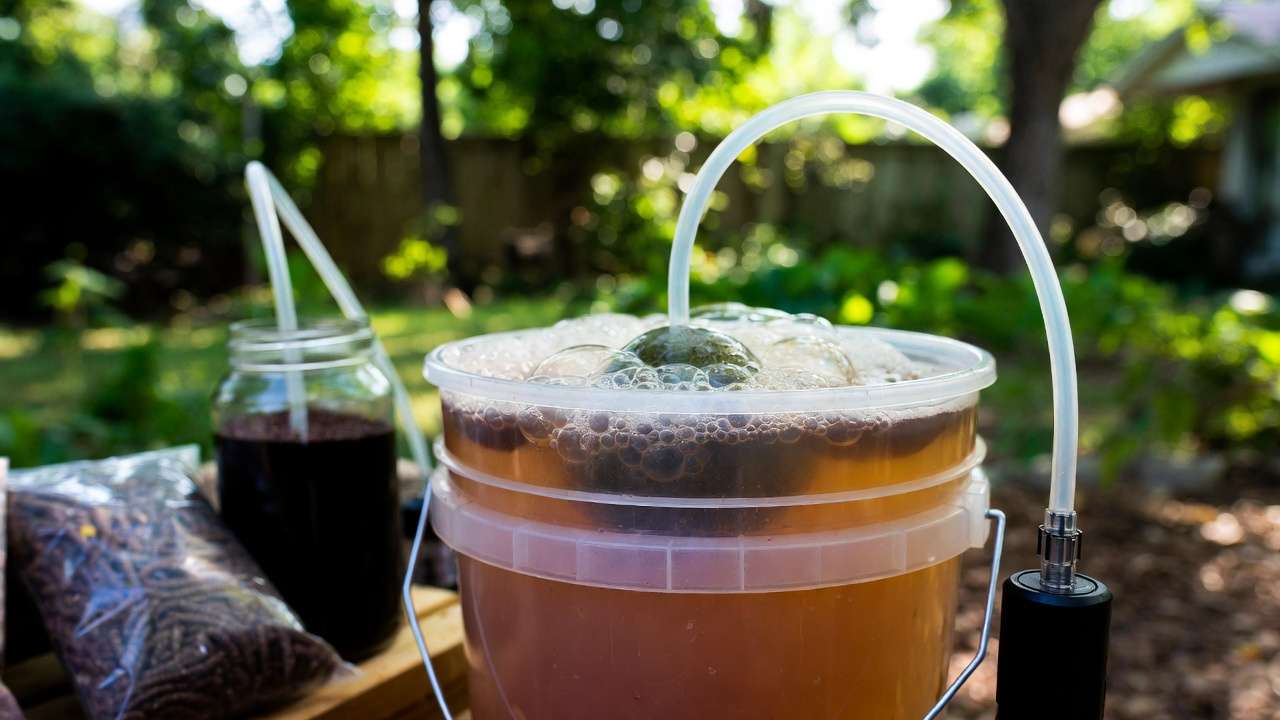
Troubleshooting: Too much foam? Reduce molasses. Bad smell? Stop and restart with better aeration.
Best Worm Castings to Use Look for pure, mature castings from reputable sources (no fillers). DIY vermicomposting? Harvest when material is dark and uniform. Quality castings = quality tea! ⭐
Frequently Asked Questions (FAQ) ❓
Here are the most common questions gardeners ask about worm tea benefits and how to use it, answered with practical, expert-level detail to help you get started confidently.
Is worm tea the same as worm bin leachate? No — worm tea is a brewed, oxygenated extract from worm castings designed to maximize nutrients and beneficial microbes. Leachate is the raw liquid that drains from the bottom of a worm bin; it can be anaerobic (low-oxygen) and may contain harmful pathogens if not diluted and aerated properly. Always brew proper worm tea rather than using straight leachate undiluted.
Can I use worm tea on fruit trees? Absolutely — and it’s one of the best applications! Fruit trees (citrus, apples, mangoes, avocados, etc.) respond beautifully to soil drenches around the drip line in spring and early summer. It promotes strong root systems, better fruit set, improved flavor, and natural resistance to common issues like citrus greening or fungal diseases. Use 1:10 dilution every 2–4 weeks during active growth.
How long does worm tea last?
- Aerated worm tea: Best used within 24–48 hours (microbial activity peaks then declines rapidly).
- Non-aerated worm tea: Can last 5–14 days if refrigerated and kept in an airtight container; shake well before use. Always smell-test: sweet/earthy = good; foul/ammonia-like = discard.
Will worm tea burn my plants? When properly diluted (1:5 to 1:20), worm tea is very gentle and rarely causes burn — it’s much safer than many synthetic fertilizers. Undiluted or overly concentrated batches can cause temporary tip burn or salt stress, especially on young seedlings or in hot weather. Start conservative and watch plant response.
What’s the best time of day to apply worm tea?
- Soil drench: Anytime the soil isn’t bone-dry or waterlogged — morning or evening works well.
- Foliar spray: Early morning or late afternoon/evening so leaves dry before night (reduces fungal risk) and avoids midday sun that can magnify droplets and scorch leaves.
Can beginners make worm tea without fancy equipment? Yes! The simple non-aerated bucket method (sock + bucket + water + 3–7 day steep) requires zero special tools and still delivers excellent results for most home gardeners. Aeration is a bonus step for maximum microbial power, not a requirement.
Does worm tea help with transplant shock? One of its standout uses! A dilute (1:15–1:20) soil drench right after transplanting, followed by another dose 3–5 days later, dramatically improves survival rates, speeds root establishment, and reduces wilting. Many gardeners call it “transplant insurance.”
How does worm tea compare to chemical fertilizers? Worm tea is slower-release, living, and holistic — it feeds the soil food web rather than just the plant. Chemical fertilizers give a fast green-up but can harm long-term soil health, kill beneficial microbes, and leach easily. Over time, consistent worm tea use often reduces or eliminates the need for synthetics while producing healthier, more resilient plants and tastier harvests.
Can I make worm tea with store-bought castings? Yes — as long as they’re high-quality, mature worm castings (not “worm dirt” fillers). Look for dark, uniform, earthy-smelling product from reputable vermicompost suppliers. Avoid anything with added fertilizers or questionable sourcing.
Is worm tea safe for pets and kids? When made from pure castings and properly diluted, yes — it’s completely non-toxic and safe around edible gardens, pets, and children. Just avoid letting pets drink large amounts of undiluted tea (same as any garden input).
Conclusion: Start Brewing Your Way to Healthier Plants Today 🌿✨
Worm tea is more than a fertilizer — it’s a complete soil revitalizer, a natural plant tonic, and one of the most powerful tools in the organic gardener’s arsenal. By delivering balanced nutrients, billions of beneficial microbes, and plant-growth-promoting compounds, it addresses the root causes of weak growth, pest pressure, disease susceptibility, and poor soil health — all without synthetic chemicals.
Whether you’re reviving tired houseplants, coaxing more fruit from your backyard citrus tree, or building long-term fertility in your vegetable beds, consistent use of properly made and applied worm tea delivers visible, lasting results: deeper green foliage, stronger roots, bigger blooms, better yields, and soil that keeps improving year after year.
Ready to experience the difference?
- Harvest or buy quality worm castings.
- Brew your first small batch this weekend (start with the beginner method — no excuses!).
- Dilute, apply, and observe — your plants will show their appreciation quickly.
Share your results in the comments below — I’d love to hear how your garden or trees respond! 🌱🍅🪴
If you enjoyed this guide, subscribe for more practical, science-backed plant care and tree care tips delivered straight to your inbox. Happy gardening — and happy brewing! 🚀











