
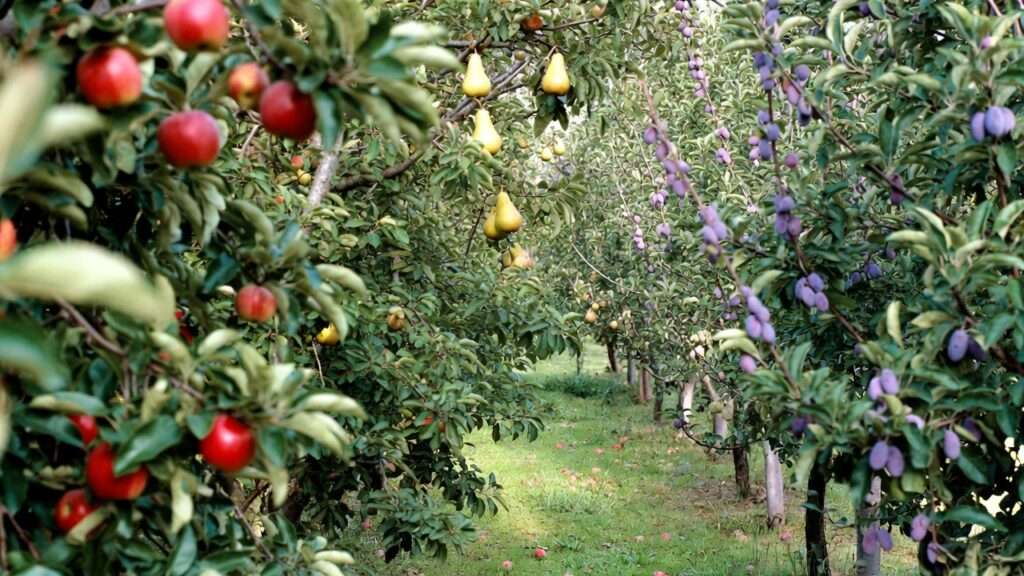
Imagine stepping into your backyard and plucking perfectly ripe, sun-kissed apples 🍏, juicy peaches 🍑, or sweet pears 🍐 straight from your own trees — year after year, with minimal frustration and maximum flavor. But for many home gardeners, that dream turns into disappointment: sparse yields, pest invasions, diseases, or trees that simply stall out. 😔
The secret? Consistent, season-by-season care tailored to your fruit trees’ natural cycles. This year-round fruit tree care guide delivers the complete, expert-level roadmap you’ve been searching for. Drawing from university extension services (like Penn State, University of Maryland, and UC ANR), proven organic practices, and decades of hands-on orchard experience, you’ll learn how to prevent 80-90% of common issues, boost fruit production naturally, and enjoy healthier trees that thrive for decades.
Whether you’re a beginner planting your first dwarf apple or an experienced grower fine-tuning a backyard orchard, these seasonal tips cover pruning, watering, fertilizing, pest management, and more — all aligned with real-world home conditions in temperate and subtropical zones. Let’s turn your trees into productive stars! 🌱✨
Why Year-Round Care Matters for Fruit Trees
Fruit trees aren’t like annual veggies — they’re long-lived perennials whose health compounds over time. Skipping winter sanitation or summer thinning can lead to cascading problems: weakened branches, poor fruit set, or chronic diseases like apple scab and brown rot.
Key benefits of structured year-round maintenance:
- Prevents most pests and diseases through cultural controls and timely interventions 🛡️
- Increases yields by 2-5x with proper thinning, pollination support, and nutrition
- Extends tree lifespan and improves fruit quality (size, flavor, color)
- Builds soil resilience and reduces reliance on chemicals via organic methods
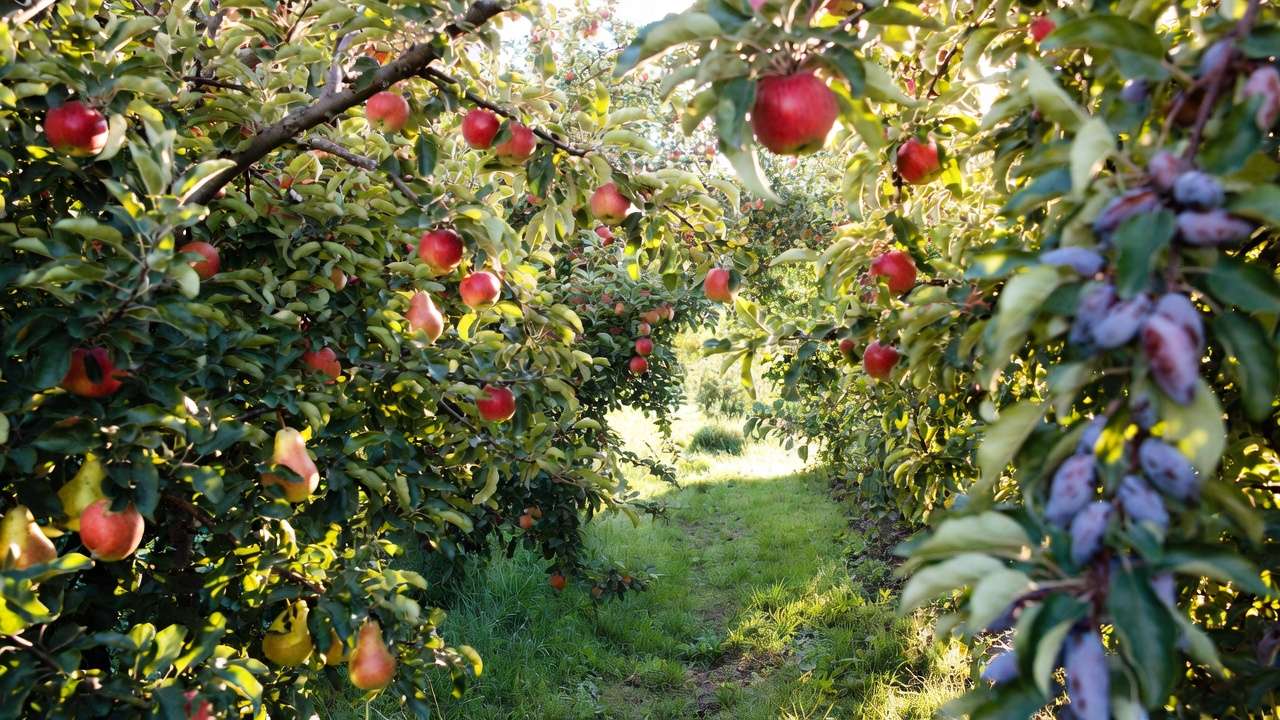
Adapt these tips to your USDA hardiness zone, chill hours (cold winter accumulation needed for bloom/fruit set), and local microclimate — for example, Barisal’s tropical/subtropical conditions favor citrus, mangoes, or low-chill varieties! 🌍
Choosing the Right Fruit Trees for Long-Term Success
Success starts before planting. Pick varieties mismatched to your climate, and you’ll fight an uphill battle.
- Climate assessment: Check chill hours (e.g., apples need 400-1000+; low-chill types for warmer areas), frost dates, and heat/humidity tolerance ❄️🔥
- Soil and site needs: Full sun (at least 6-8 hours), well-drained soil (avoid waterlogged roots), pH 6.0-7.0. Test soil every 3 years!
- Rootstock choices: Dwarf (space-saving, earlier fruiting), semi-dwarf (balanced), or standard (larger yields but bigger trees)
- Pollination: Self-fertile options (many peaches, figs) vs. cross-pollinators (most apples, pears — plant compatible varieties nearby) 🐝
- Beginner-friendly picks by region: Apples (Gala, Fuji), peaches (Redhaven), citrus (in mild zones), figs, plums — prioritize disease-resistant cultivars
Pro tip: Consult local extension services for region-specific recommendations to avoid common failures.
Preparing Your Site and Planting Fruit Trees
Planting right sets the foundation for decades of success.
- Best times: Late winter/early spring for bare-root (cheaper, vigorous); fall in mild climates for root establishment
- Soil prep: Test and amend with compost/organic matter for drainage and nutrients. Fix heavy clay or sandy soils
- Planting technique: Dig hole 2-3x wider than root ball, keep graft union 2-4 inches above soil line to prevent rot
- Support and aftercare: Stake if windy, water deeply (not shallowly), apply 2-4 inches mulch (keep away from trunk) 🌿
- Spacing: Dwarf 8-12 ft, semi-dwarf 12-18 ft, standard 20-25 ft — plan for mature size!
Water consistently the first 1-2 years — aim for 1 inch/week during establishment.
Winter Care (Dormant Season) ❄️🥶
December – February Dormancy is prime time for structural work and prevention.
- Major pruning: Remove dead, diseased, crossing branches; shape for open center (stone fruits) or central leader (pome fruits) ✂️. Prune apples/pears in mid-winter; peaches/nectarines late winter to avoid bacterial canker
- Dormant sprays: Apply horticultural oil or lime sulfur to smother overwintering pests/eggs (aphids, scale, mites) when temps >40°F (4°C)
- Wildlife protection: Use trunk guards/wraps against rodents, rabbits, deer
- Soil health: Test soil, apply slow-release organic fertilizer if needed (avoid high N late season)
- Tool care: Sharpen, sanitize shears/loppers to prevent disease spread
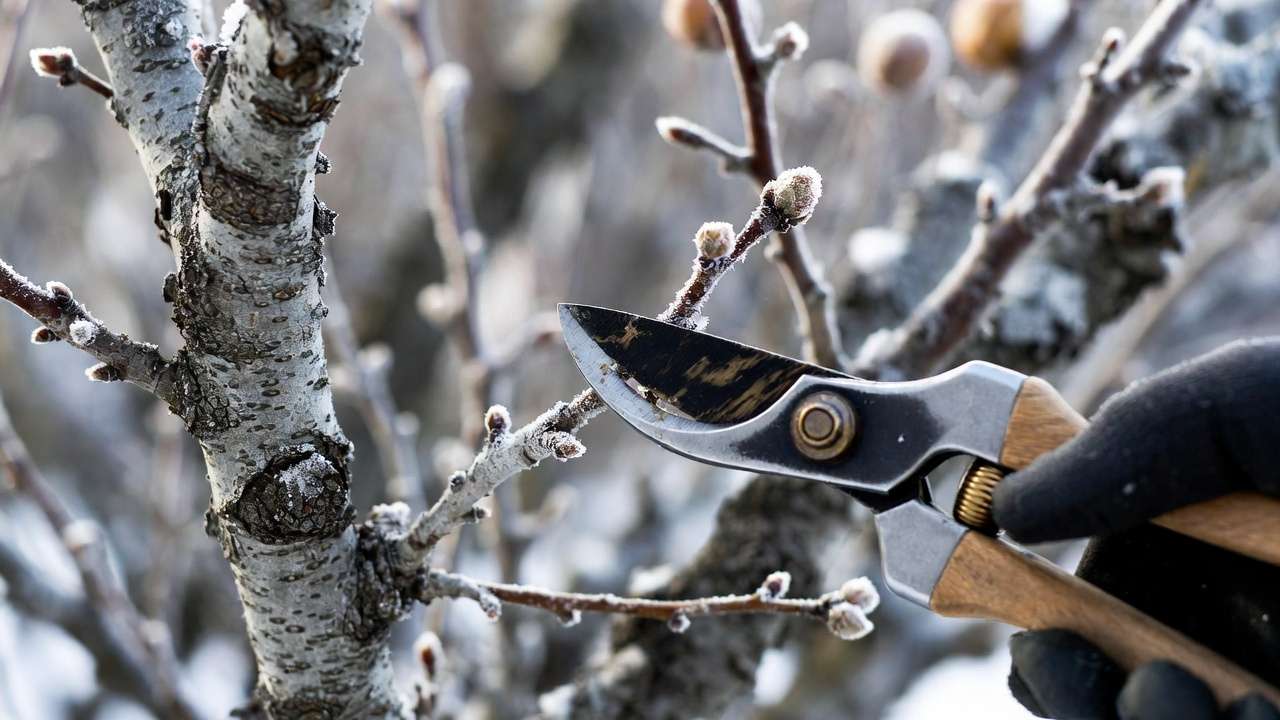
Sanitation is key — rake fallen leaves to break pest/disease cycles!
Early Spring Care (Bud Break to Bloom) 🌸🌱
March – April As buds swell, shift to protective and supportive tasks.
- Final pruning touch-ups: Light cuts before full growth
- Missed dormant sprays: Apply if pests overwintered
- Fertilizing: Balanced organic (e.g., compost tea) for young trees; hold on mature if growth excessive
- Weed/mulch refresh: Suppress competition, retain moisture
- Early pest/disease watch: Scout for aphids, fire blight (blackened shoots), peach leaf curl — use organic options like neem or copper sprays
- Frost protection: Cover blooms on cold nights with fabric or sprinklers ❄️🌸
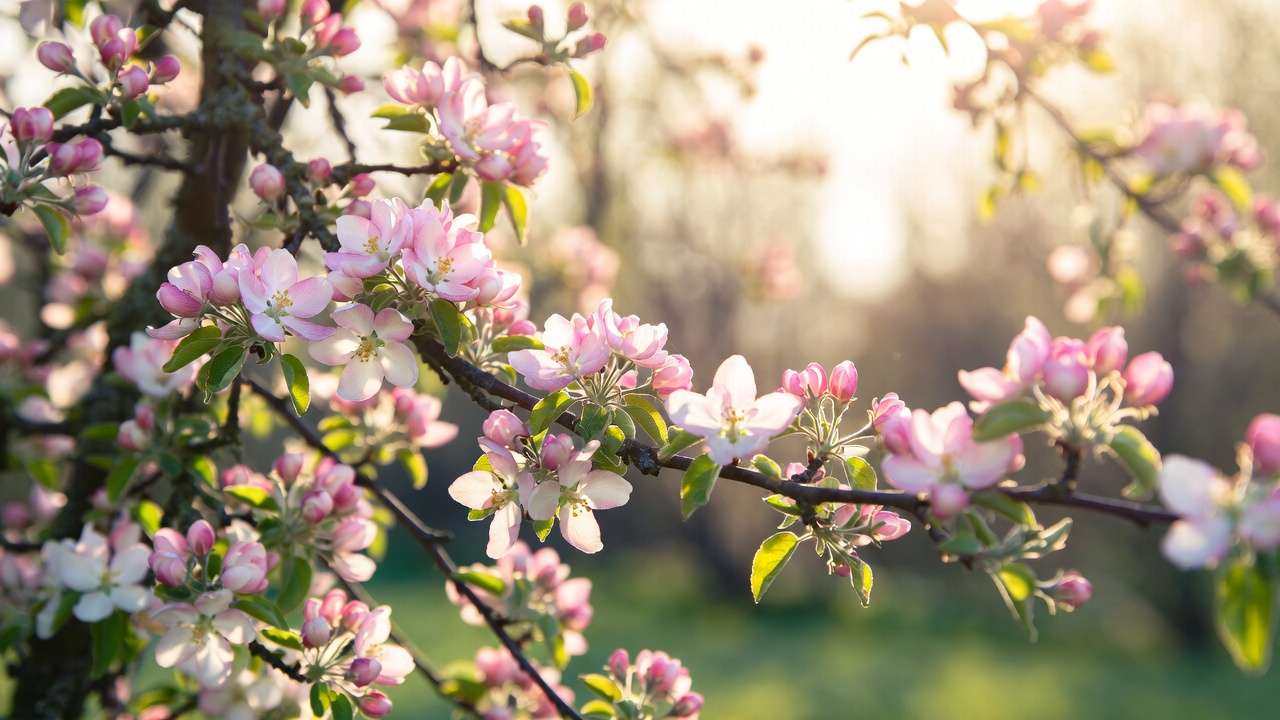
Monitor chill accumulation — inadequate winter cold delays or reduces fruiting.
Late Spring to Early Summer Care (Bloom to Fruit Set) 🌼🍑
May – June This is the magical transition from flowers to tiny fruits — but it’s also when many things can go wrong if ignored. Focus on supporting pollination, reducing overload, and staying ahead of pests/diseases.
- Pollination support 🐝: Fruit trees rely heavily on bees and other pollinators during bloom. Avoid any insecticides while flowers are open! Plant bee-friendly companions nearby (like lavender, borage, or clover), and if weather is poor or bee activity low, consider hand-pollination with a soft brush for small trees.
- Fruit thinning ✂️: Nature often sets more fruit than the tree can support. Thin excess fruits when they’re about nickel- to quarter-sized (late May–early June) to improve size, flavor, and prevent branch breakage. Space remaining fruits: 6–8 inches apart for peaches/plums, 4–6 inches for apples/pears. Hand-thin for best results — it can double next year’s crop quality!
- Deep, consistent watering 💧: Young trees and those in fruit need 1–2 inches of water per week (more in hot, dry spells). Water deeply at the drip line to encourage strong roots — avoid frequent shallow watering that promotes weak surface roots.
- Integrated Pest Management (IPM): Scout weekly for aphids, scale, plum curculio, or codling moth. Introduce beneficial insects (ladybugs, lacewings), use insecticidal soap/neem oil early, or Bt (Bacillus thuringiensis) for caterpillars. Remove fallen petals/fruitlets to disrupt disease cycles.
- Disease monitoring: Watch for fire blight (blackened shoots — prune 12 inches below infection), powdery mildew (white coating), or brown rot (mummified fruit). Prune for airflow and use organic copper sprays preventatively if history shows issues.
- Summer pruning for young trees: Lightly tip-prune vigorous shoots to encourage branching and control size — especially useful in small spaces.
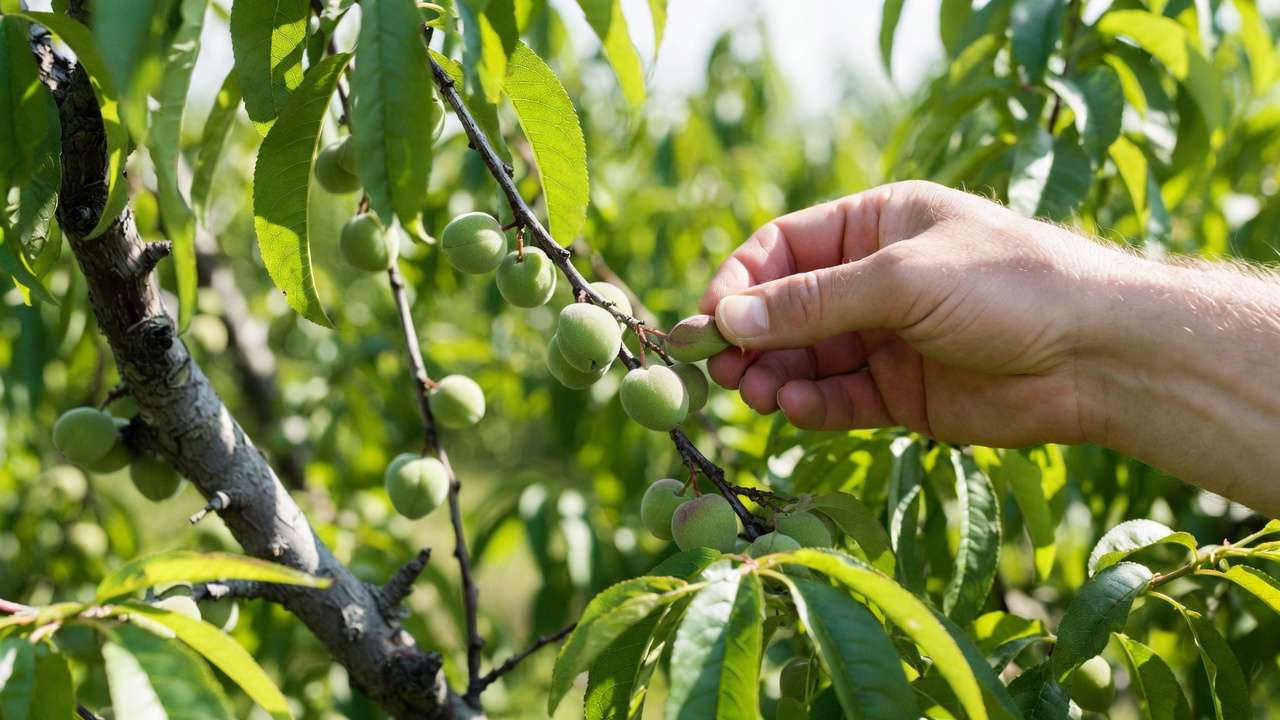
In warmer regions like Barisal (tropical/subtropical), prioritize heat-tolerant, low-chill varieties and watch for fungal issues in humid conditions.
Mid-Summer Care (Fruit Development & Growth) ☀️🍎
July – August Fruits are sizing up — trees need steady support to avoid stress that leads to small, cracked, or dropped fruit.
- Irrigation focus 💦: Maintain deep watering (15–20+ gallons per mature tree weekly in dry weather). Mulch helps retain moisture and keep roots cool during peak heat.
- Pest scouting & control: Key threats include codling moth (worms in apples/pears), Japanese beetles, aphids, and spider mites. Use pheromone traps, trunk banding (sticky barriers for climbing pests), or organic sprays like spinosad. Pick up fallen fruit daily to break pest life cycles.
- Summer pruning ✂️: For vigorous trees, remove water sprouts, suckers, and excess growth in July–early August to improve light/airflow, enhance fruit color, and control size. Avoid heavy cuts on stone fruits late in summer to prevent disease entry.
- Fertilizer caution: No high-nitrogen feeds after early summer — it promotes soft growth vulnerable to winter damage. Use compost tea if leaves look pale.
- Branch support: Prop heavy limbs with stakes or slings to prevent splitting under fruit weight.
- Early harvest prep: Start picking early-ripening varieties (some peaches, plums) when color and flavor peak.
Summer heat in Bangladesh can stress trees — ensure good mulch and shade cloth for young plants if needed!
Late Summer to Early Fall Care (Pre-Harvest to Post-Harvest) 🍂🍏
September – October Harvest time is rewarding — but proper handling prevents next-year problems.
- Harvest timing & technique: Pick when fruit reaches full color, firmness, and taste (test a few!). Use pruners or twist gently; handle carefully to avoid bruising. Store properly (cool, humid for apples/pears; room temp for stone fruits).
- Post-harvest cleanup 🧹: Remove all fallen fruit, mummies, and debris — this breaks pest/disease cycles (e.g., brown rot overwinters in mummified fruit). Compost only healthy material; dispose of diseased parts.
- Late-season watering: Continue deep watering to support bud formation for next year — reduce gradually as rains increase.
- Pest/disease wrap-up: Final sprays if needed (e.g., for late-season rots). Monitor for borers or scale.
- Tree assessment: Note which varieties performed well, any issues — plan improvements for next season.
In your region, late summer monsoons may reduce watering needs but increase fungal risks — ensure good drainage.
Fall and Late Fall Care (Preparing for Winter) 🍁🛡️
November – Early December Dormancy approaches — focus on protection and cleanup.
- Final sanitation: Rake leaves, remove debris, and prune lightly if needed (save major work for winter).
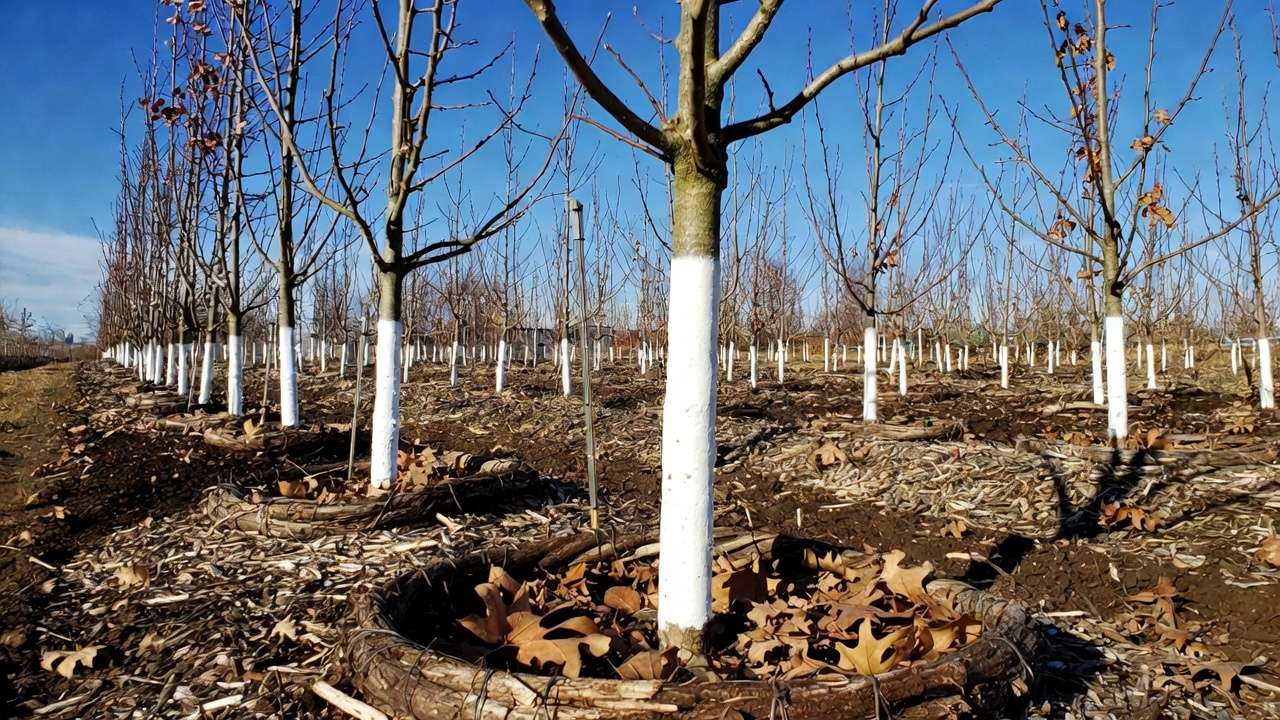
- Mulch renewal 🌿: Apply 3–4 inches of organic mulch (wood chips, straw) in a donut shape (keep 4–6 inches from trunk) to insulate roots, retain moisture, and suppress weeds.
- Trunk protection: Paint trunks with diluted white latex paint (50/50 water mix) or use tree wraps/guards to prevent sunscald (temperature swings cracking bark) and rodent damage. Install hardware cloth or spiral guards for rabbits/deer.
- Planting in mild areas: Fall is excellent for new trees in subtropical zones like Barisal — roots establish before heat returns.
- Seasonal reflection 📝: Journal successes/challenges — adjust variety choices, care tweaks for your local climate.
Common Year-Round Maintenance Tasks
- Watering guidelines: 1 inch/week average; deep/infrequent best. Use soaker hoses or drip systems.
- Mulching best practices: Organic materials, 2–4 inches deep, refreshed annually.
- Organic fertilization: Compost/manure in spring; slow-release balanced if soil tests show need. Avoid late-season N.
- Pruning principles: Open center for peaches/plums (vase shape); central leader/modified leader for apples/pears. Always sanitize tools.
- IPM calendar: Monitor weekly; cultural controls first, then organic sprays.
- Troubleshooting: Yellow leaves (nutrient/water issues), poor set (pollination/chill hours), cracking fruit (water fluctuations).
Advanced Tips from Experienced Growers
- Espalier/training: Grow flat against walls/fences for small spaces — great for apples/pears.
- Companion planting: Garlic/chives deter aphids; marigolds repel nematodes.
- Organic spray recipes: Neem + soap for pests; baking soda + oil for mildew.
- Grafting: Add varieties to existing trees for diversity.
- Extend harvest: Plant early/mid/late-ripening cultivars.
Frequently Asked Questions (FAQs) ❓
- How much water do fruit trees really need each season? About 1–2 inches/week during active growth; less in dormancy. Adjust for rain/soil.
- When is the best time to fertilize fruit trees? Early spring and possibly light summer feed; avoid fall to prevent tender growth.
- Why isn’t my fruit tree producing fruit yet? Young trees (3–7 years), poor pollination, insufficient chill, stress, or pruning errors.
- How do I prune different types of fruit trees? Stone fruits: open center; pome: central leader. Detailed guides available from extensions.
- Are chemical sprays necessary, or can I go fully organic? Fully organic is possible with IPM, sanitation, and resistant varieties — many succeed!
- What fruit trees are easiest for beginners? Figs, low-chill peaches, self-fertile plums, citrus in mild zones.
Final Thoughts: Your Path to a Thriving Home Orchard
Consistency wins! Follow this year-round fruit tree care guide, observe your trees weekly, and tweak for your Barisal climate (warm, humid, monsoonal) — you’ll soon enjoy abundant, homegrown harvests. 🌟
Share your fruit tree journey in the comments — which varieties are you growing, and what’s your biggest win this season? Happy gardening! 🍓🌳











