
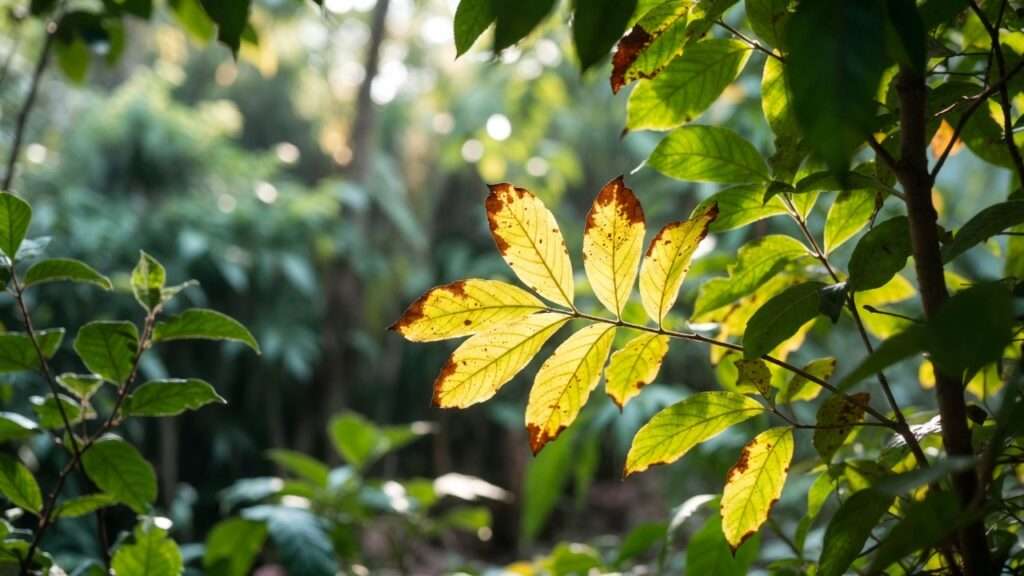
Picture this: You step into your garden or glance at your beloved houseplant, and suddenly those once-vibrant green leaves are turning a worrying shade of yellow. 😟 Your heart sinks—is this a deadly disease that could spread and kill the plant, or just a simple nutrient deficiency you can fix with a quick tweak? Yellowing leaves (also called chlorosis) is one of the most common plant problems gardeners and indoor plant parents face, but the good news is: most cases are fixable if you act fast!
In this comprehensive guide, we’ll dive deep into the real causes behind yellowing leaves, how to tell if it’s a disease or deficiency, and step-by-step solutions to get your plants thriving again. Whether you’re dealing with houseplants like pothos or fiddle leaf figs, garden veggies like tomatoes, or trees like citrus, oaks, or maples, you’ll get expert-backed advice to diagnose accurately and revive your greenery. Let’s turn that yellow into green! 💚
Why Do Plant Leaves Turn Yellow? The Basics 🌱
Yellowing leaves occur when plants lose chlorophyll—the green pigment essential for photosynthesis. Without enough chlorophyll, leaves can’t produce energy efficiently, leading to pale or bright yellow coloration. This symptom, known as chlorosis, can stem from two main categories:
- Nutrient deficiencies or environmental issues (the most common culprits—up to 80% of cases in home gardens and houseplants!)
- Diseases (fungal, bacterial, or viral infections that attack roots or vascular systems)
Other non-disease/non-deficiency triggers include overwatering, underwatering, poor light, temperature stress, or even natural aging (older lower leaves yellowing and dropping is normal in many plants). The key? Spot the pattern early to save your plant before permanent damage sets in.
Step-by-Step Diagnosis: Is It Disease or Deficiency? 🔍
Don’t panic—diagnosis starts with observation. Follow this foolproof process:
Observe the Pattern – Your #1 Clue 🕵️♂️
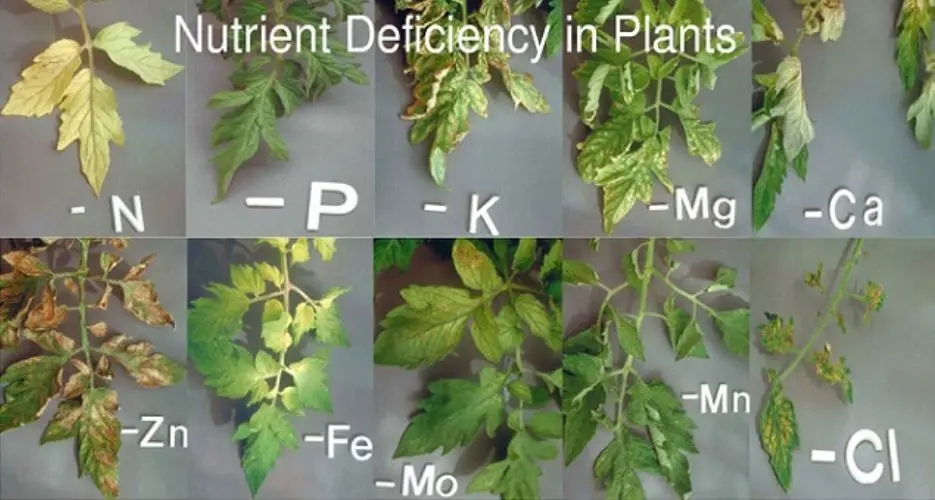
- Older/lower leaves first → Often mobile nutrients like nitrogen (N), magnesium (Mg), or potassium (K). These move from old to new growth when scarce.
- Younger/new growth first → Immobile nutrients like iron (Fe), manganese (Mn), or zinc (Zn).
- Uniform yellowing → Nitrogen deficiency or overwatering.
- Interveinal chlorosis (yellow between green veins) → Classic for iron, magnesium, or manganese.
- Edges/margins scorched → Potassium or salt buildup.
- Spots, blotches, or one-sided yellowing → Points to disease or pests.
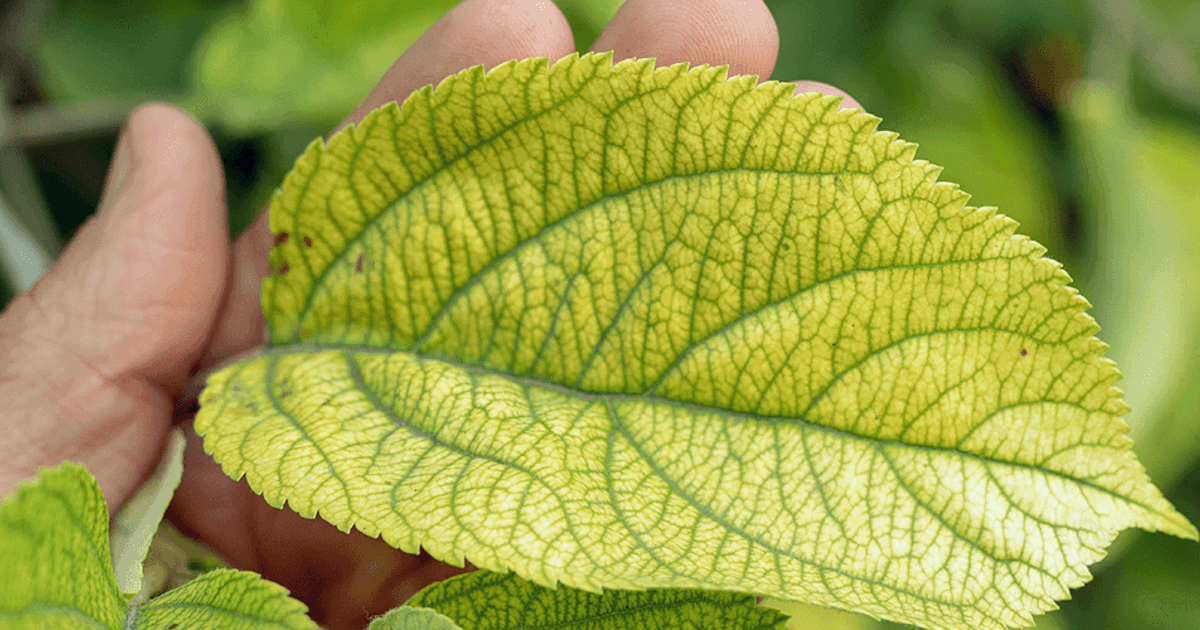
(These show classic interveinal chlorosis from iron deficiency—green veins standing out against yellow tissue!)
Timing & Progression ⏳ Sudden yellowing across the plant? Likely environmental shock or overwatering. Gradual, starting low? Nutrient issue. One branch/section only? Could be vascular disease like wilt.
Additional Symptoms to Check 📋
- Wilting despite moist soil → Root rot or vascular disease.
- Leaf drop, stunted growth → Severe deficiency or infection.
- Visible spots, mold, or pests → Disease or infestation.
- Foul smell from soil → Root rot.
Quick Home Tests 🧪
- Finger test: Soil soggy? Overwatering/root issues. Dry? Underwatering.
- pH strips: Above 7.0? Alkaline soil locks up iron/manganese (common in trees).
- Inspect roots/under leaves: Mushy roots = rot; pests = insects.
Common Nutrient Deficiencies Causing Yellowing (Most Likely Culprit!) ⚠️
Nutrient issues top the list—here’s a breakdown with patterns and fast fixes:
Nitrogen (N) Deficiency – Uniform pale/yellow older leaves, stunted growth 🌿 Causes: Poor soil, no recent feeding. Fix: Apply balanced fertilizer (e.g., 10-10-10 or organic compost). Water in well.
Iron (Fe) Deficiency – Classic Interveinal Chlorosis 🔬 Young leaves yellow with green veins; thrives in alkaline soils (pH >7). Affected plants: Citrus 🍋, roses 🌹, pin oaks, azaleas. Fix: Chelated iron foliar spray or soil drench; acidify soil with sulfur or pine needles.
Magnesium (Mg) Deficiency – Interveinal on older leaves, sometimes reddish tints. Fix: Epsom salts (1-2 tbsp/gallon water) as foliar or soil soak—safe and effective!
Other Key Ones
- Manganese/Zinc: Similar interveinal on new growth; treat with micronutrient mixes.
- Potassium: Yellow/brown leaf edges.
- Sulfur: Uniform yellowing on young leaves.

pH Imbalance – The Hidden Trigger ⚡ High pH locks micronutrients. Test soil; aim for 6.0-7.0 for most plants (acid-loving like blueberries need lower).
When Yellowing Means Disease or Infection 🦠
Diseases are less common but serious—look for these red flags:
Fungal Diseases 🍄
- Verticillium/Fusarium wilt: One-sided yellowing, wilting, vascular browning inside stem.
- Root rot (Phytophthora): Yellowing + wilting in wet soil, mushy roots. Treatment: Improve drainage, prune affected parts, fungicides if early; often fatal—remove plant to prevent spread.
Viral Infections – Mottled yellowing, distortion. No cure; remove plant.
Bacterial Issues – Sudden yellow + ooze. Rare in home settings.
Differentiate: Spots/molds, foul smells, or wilting in wet soil scream disease over deficiency.
Environmental & Care Mistakes That Mimic Disease/Deficiency 🚫
- Overwatering/root rot 💦 – #1 houseplant killer! Soggy soil → yellow lower leaves.
- Underwatering – Crispy edges, droop then yellow.
- Poor light – Too little: pale yellow; too much: scorched yellow.
- Temperature extremes/transplant shock – Sudden changes cause drop/yellow.
How to Fix Yellowing Leaves – Fast Action Plan 🛠️
Immediate Steps (First 24-48 hours)
- Check soil moisture—stop watering if wet; water if dry.
- Prune yellow/dead leaves with clean scissors.
- Repot if rootbound or rotten (use fresh, well-draining mix).
Targeted Treatments by Cause
- Deficiency: Fertilize appropriately (slow-release for trees).
- pH/iron: Chelated sprays work fast.
- Disease: Isolate, improve air circulation; fungicides for fungal.
Long-Term Prevention Strategies 🛡️
- Soil test annually.
- Water deeply but infrequently.
- Mulch trees/shrubs.
- Choose resistant varieties.
Real-Life Examples & Case Studies 🌳🏡
Let’s make this practical with real-world scenarios that gardeners and plant enthusiasts face every day. These examples show how the patterns we’ve discussed play out in common plants.
Case 1: Houseplant Hero – The Yellowing Pothos Your trailing pothos has bright yellow lower leaves, but new growth looks okay. The soil stays constantly moist. Diagnosis: Classic overwatering leading to root rot (mimics nitrogen deficiency early on). Roots may feel mushy if you check. Fix: Let soil dry out completely between waterings, repot in fresh well-draining mix (add perlite), prune yellow leaves. Recovery usually shows in 2–4 weeks with brighter new vines. 💚 Pro tip: Pothos are forgiving—many “dead” looking plants bounce back beautifully!
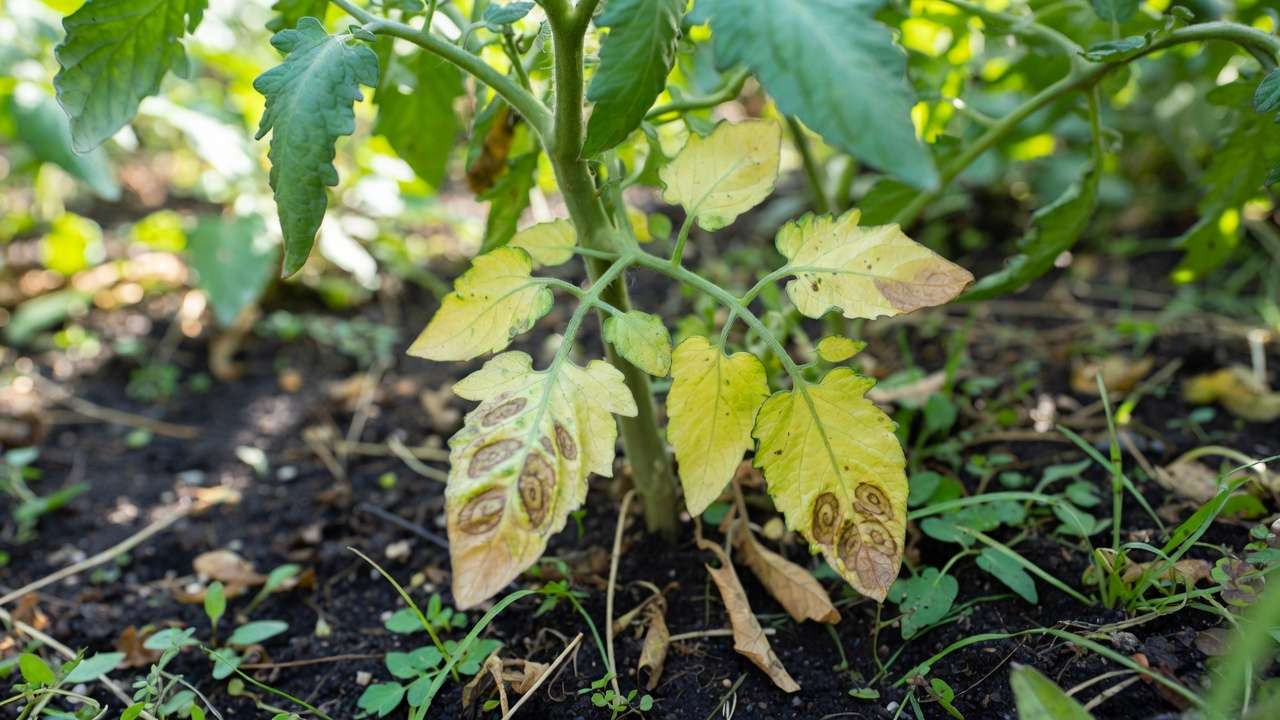
Case 2: Garden Vegetable Drama – Tomato Leaves Turning Yellow Lower leaves on your tomato plants start yellowing uniformly, then brown spots appear. Plants look stunted. Diagnosis: Could be early nitrogen deficiency (uniform yellow) OR fungal leaf spot/early blight (spots + yellow halos). Check for concentric rings on spots → fungal. Fix for deficiency: Side-dress with balanced organic fertilizer or compost tea. Fix for disease: Remove affected leaves, improve air circulation, apply copper-based fungicide preventatively next season. Rotate crops! 🍅
Case 3: Tree Trouble – Pin Oak Chlorosis A young pin oak in your yard has bright yellow new leaves with distinct green veins—classic interveinal chlorosis. Older leaves still green. Soil around it is heavy clay, pH likely 7.5+. Diagnosis: Iron deficiency due to high soil pH locking up iron availability (very common in alkaline regions). Fix: Apply chelated iron (Fe-EDDHA works best in high pH) as soil drench in spring/fall. Foliar sprays give quick cosmetic improvement. Long-term: Add elemental sulfur or organic matter to gradually lower pH. Many pin oaks recover fully and thrive for decades after treatment. 🌳
Case 4: Acid-Loving Plant Blues – Azalea Yellowing Your potted azalea suddenly shows yellow between veins on new growth. Diagnosis: Iron or manganese deficiency from using tap water (alkaline) or potting mix that’s become too neutral over time. Fix: Switch to rainwater or acidified water (add vinegar—1 tbsp per gallon), use azalea/camellia fertilizer, and repot in acidic mix if needed. Yellowing reverses quickly with proper care.
These cases highlight a crucial point: context matters. The same symptom (yellow leaves) can have different causes depending on the plant type, season, and growing conditions.
Expert Tips from Plant Care Pros 💡
After years of diagnosing thousands of plants (both indoors and in landscapes), here are battle-tested insights:
- Yellow leaves don’t turn green again — once chlorophyll is lost in a leaf, it’s permanent. Focus energy on new growth instead of mourning old leaves. Prune them off to redirect resources.
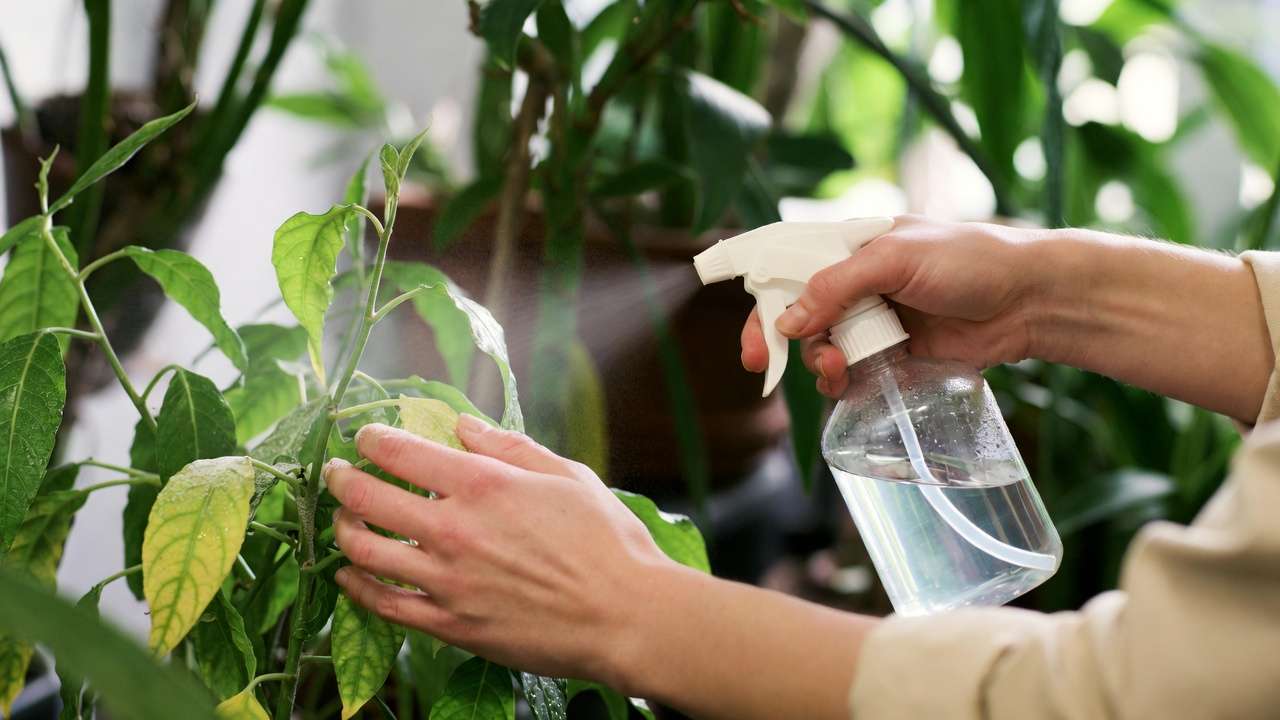
- Foliar feeding is your secret weapon for fast results on iron, magnesium, and micronutrient deficiencies. Spray early morning or evening to avoid leaf burn.
- Organic vs. synthetic fertilizers — both work! Organics (compost, fish emulsion, worm castings) build soil health long-term; synthetics give quicker correction for severe deficiencies.
- Seasonal yellowing is normal in some plants — many citrus and deciduous trees drop older leaves in spring as new growth emerges. Don’t panic unless pattern matches deficiency/disease.
- Myth busted: “All yellow leaves mean the plant is dying.” False! Most yellowing is reversible if caught early. Only widespread vascular wilts or severe root rot are truly fatal.
- When to call a pro — For large shade trees showing branch-by-branch dieback or suspected Dutch elm disease/verticillium wilt, consult a certified arborist. Soil testing through your local extension service is inexpensive and incredibly valuable.
Frequently Asked Questions (FAQ) ❓
Why are only the bottom/older leaves turning yellow? Most often nitrogen deficiency or natural aging. Mobile nutrients get pulled from older leaves to support new growth. If only a few bottom leaves yellow slowly, it’s usually normal.
Can yellow leaves turn green again? Unfortunately, no. Once a leaf loses chlorophyll, the damage is irreversible. The goal is to stop the progression and encourage healthy new foliage.
Is yellowing contagious between plants? Only if it’s caused by pests (spider mites, aphids) or pathogens (fungal spores, viruses). Nutrient deficiencies and environmental issues aren’t contagious. Always isolate suspect plants just in case!
How long does it take to fix deficiency yellowing? Foliar sprays can show improvement in 3–7 days. Soil applications take 2–6 weeks depending on severity and plant type. Consistency is key—don’t over-correct!
What’s the best fertilizer to prevent yellow leaves? A balanced, slow-release fertilizer (e.g., 10-10-10 or organic all-purpose) applied in spring and midsummer works for most plants. For acid-lovers or high-pH soils, choose formulas with micronutrients (especially chelated iron).
My whole plant is yellowing suddenly—what now? Check watering first (overwatering is #1 cause of rapid yellowing). Then inspect roots and soil pH. Act fast—sudden onset often means environmental shock or root damage.
Conclusion: Save Your Plants Before It’s Too Late! 🌟
Yellowing leaves can feel alarming, but armed with the right knowledge, you can confidently answer: Disease or deficiency? Most of the time, it’s a fixable nutrient issue, care mistake, or environmental factor—not a death sentence.
Key takeaways:
- Look at pattern (old vs. new leaves, uniform vs. interveinal)
- Check soil moisture and pH first
- Act quickly with targeted fixes (fertilizer, drainage, pruning)
- Prevent recurrence with good habits (soil testing, proper watering, mulching)
Your plants are resilient. Diagnose today, tweak tomorrow, and watch them reward you with lush, green growth! 🌿💚
Have you battled yellow leaves recently? Drop a comment with your plant type and symptoms—I’d love to help diagnose it! And if this guide saved your plant, share it with a fellow plant lover.
Happy growing! Your Plant Care Expert 🌱











