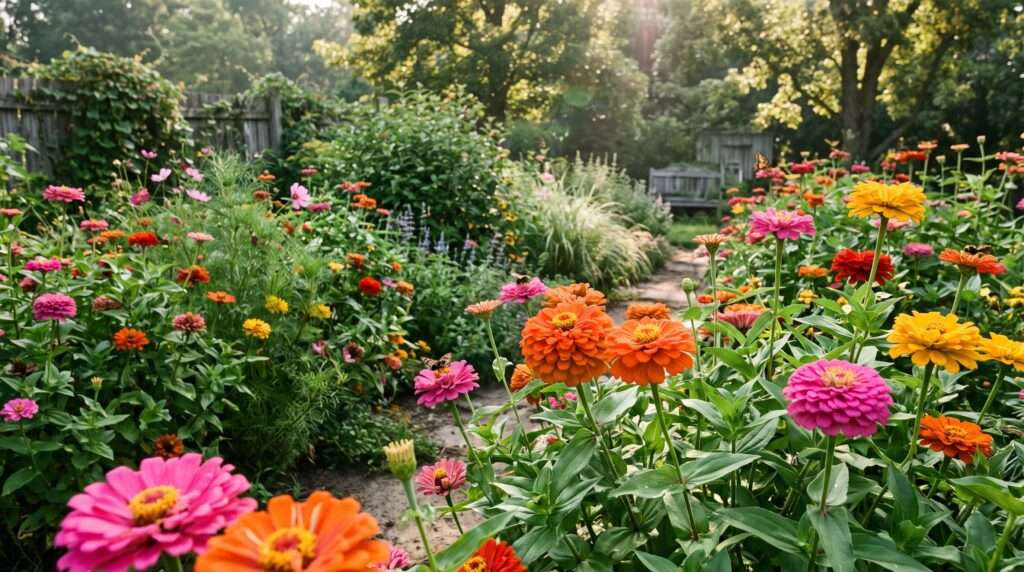
Imagine walking into your garden during the sweltering heat of August. While other flowers are wilting and struggling to survive the relentless summer sun, one spectacular flower stands tall, bursting with vibrant, jewel-toned colors. If you want a show-stopping summer garden that requires minimal fuss, zinnia plants are your ultimate secret weapon.
As a master gardener who has spent years trialing dozens of flower varieties in varying climates and soil types, I can confidently say that few annuals offer the same incredible return on investment as zinnias. However, many gardeners still struggle with common issues like powdery mildew, stunted growth, or blooms that fade too quickly. In this comprehensive guide, we will dive deep into expert-backed care strategies to ensure your zinnias not only survive but thrive, giving you endless summer blooms right up until the first frost. 🌸
Understanding Zinnia Plants: Which Variety is Right for You? 🌱
Before getting your hands dirty, it is crucial to understand that not all zinnias are created equal. Choosing the right variety for your specific garden goals is the first step toward a successful growing season.
Dwarf vs. Tall Zinnia Varieties 📏
Zinnias generally fall into two main categories based on their height, which dictates how they should be used in your landscape design:
-
Dwarf Varieties: Growing only 6 to 12 inches tall, varieties like Thumbelina and Zahara are perfect for front-of-the-border plantings, container gardens, and edging. They are compact, bushy, and highly disease-resistant.
-
Tall Varieties: Reaching up to 3 to 4 feet in height, towering types like Benary’s Giant and State Fair are the undisputed champions of the cutting garden. They produce long, sturdy stems that are ideal for creating structural, long-lasting floral arrangements.
Single, Double, and Cactus Flowered Types 🌼
Beyond height, zinnias offer a fascinating diversity in flower shape and petal structure:
-
Single-Flowered: Featuring a single row of petals with a highly visible center, these are absolute magnets for bees and butterflies.
-
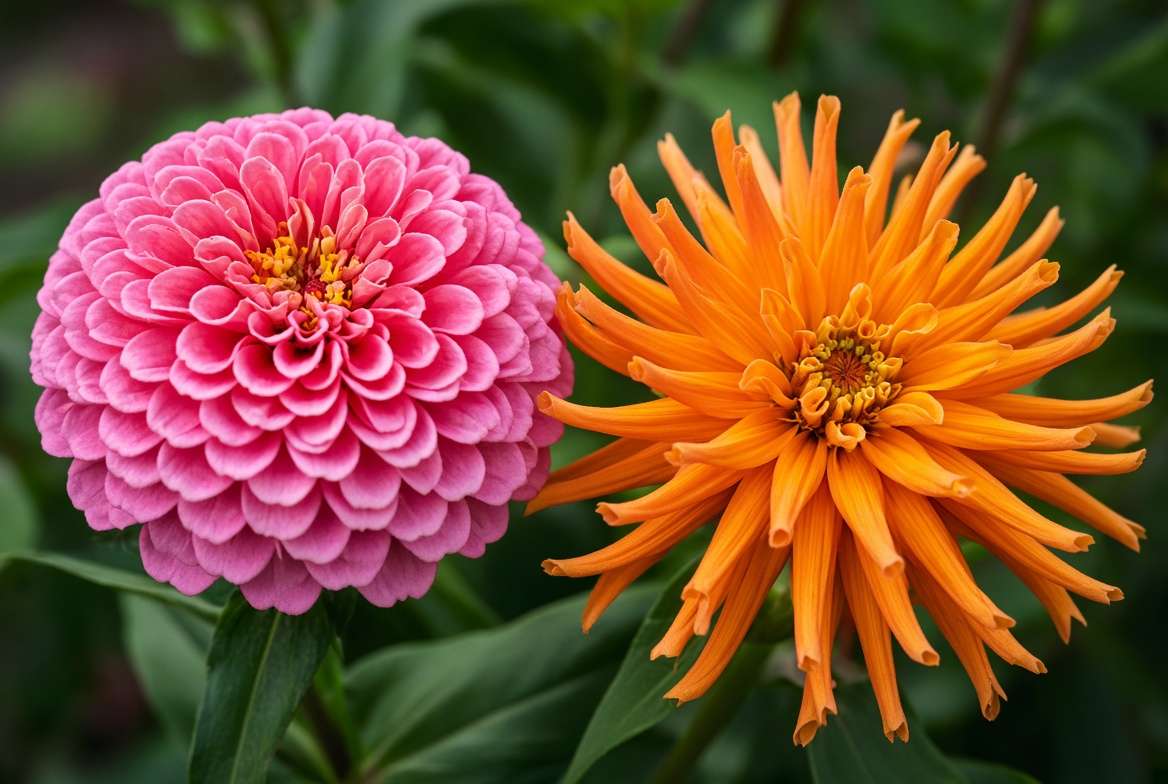
Double-Flowered: These blooms are packed with multiple rows of petals, creating a dense, pom-pom-like appearance that hides the center.
-
Cactus-Flowered: Characterized by long, narrow, curled petals, these add a unique, spidery texture to both garden beds and bouquets.
Expert Insight: If you live in a region with high summer humidity, opt for the Profusion or Zahara series. Through years of cross-breeding, these varieties have developed exceptional resistance to fungal diseases that often plague older heirloom types.
How to Plant Zinnias for Maximum Success 🧤
The foundation of a thriving zinnia garden is laid on planting day. While they are famously easy to grow, making a few critical adjustments during the planting phase will drastically improve your plant’s overall health and flower yield.
Starting from Seed vs. Nursery Transplants 🪴
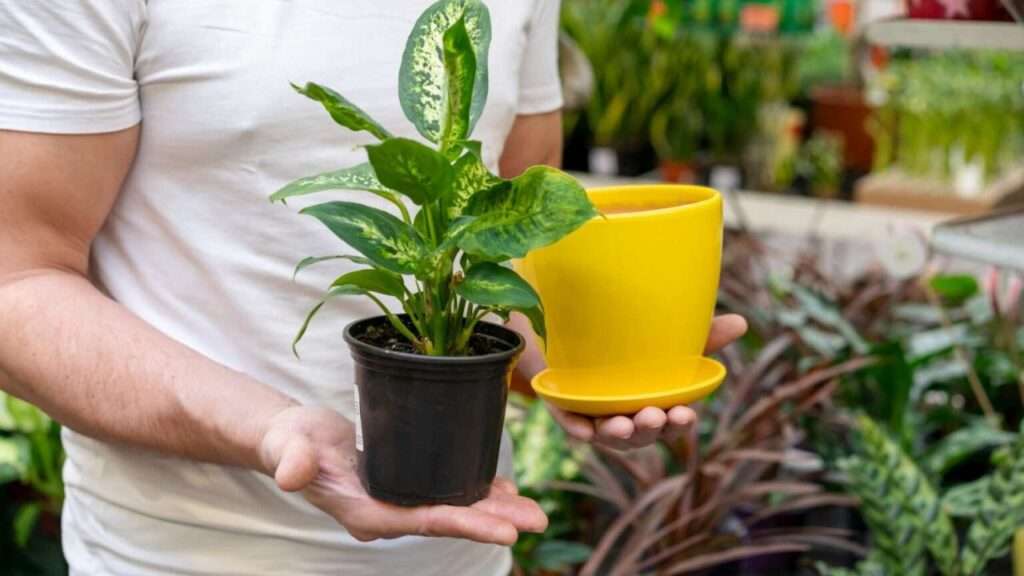
While it can be tempting to buy blooming zinnia plants from the local nursery, zinnias are notoriously sensitive to root disturbance. Transplant shock can lead to stunted growth and premature blooming. Direct sowing seeds right into your garden beds after the danger of frost has passed is almost always the superior choice. Zinnia seeds germinate incredibly fast—often within 5 to 7 days—and will quickly outpace nursery transplants.

Choosing the Perfect Location (Sunlight & Soil) ☀️
Zinnias are native to Mexico and thrive in hot, dry conditions. To replicate their natural habitat, you must provide:
-
Full Sun: Zinnias require a minimum of 6 to 8 hours of direct, unfiltered sunlight daily. Anything less will result in leggy plants, fewer flowers, and a much higher susceptibility to disease.
-
Well-Draining Soil: While they tolerate poor soil better than most flowers, zinnias will rot in heavy, waterlogged clay. Amend your soil with organic compost to improve drainage and provide a slow-release nutrient base.
Step-by-Step Planting Guide 📝
-
Prepare the Bed: Clear the area of weeds and work 2 inches of rich compost into the top layer of the soil.
-
Sow the Seeds: Plant seeds exactly 1/4 inch deep. Covering them too deeply will prevent the sunlight necessary for germination from reaching them.
-
Space Properly: This is critical! Space dwarf varieties 6 to 8 inches apart, and tall varieties 12 to 18 inches apart. Crowding zinnias restricts airflow, which is the number one cause of powdery mildew.
Essential Care Guide for Thriving Zinnia Plants 💧
Once your seedlings have established their first set of true leaves, your focus shifts to maintenance. Proper watering and feeding routines will determine whether you get a few scattered flowers or a dense, continuous flush of blooms.
Watering Techniques to Prevent Disease 🚿
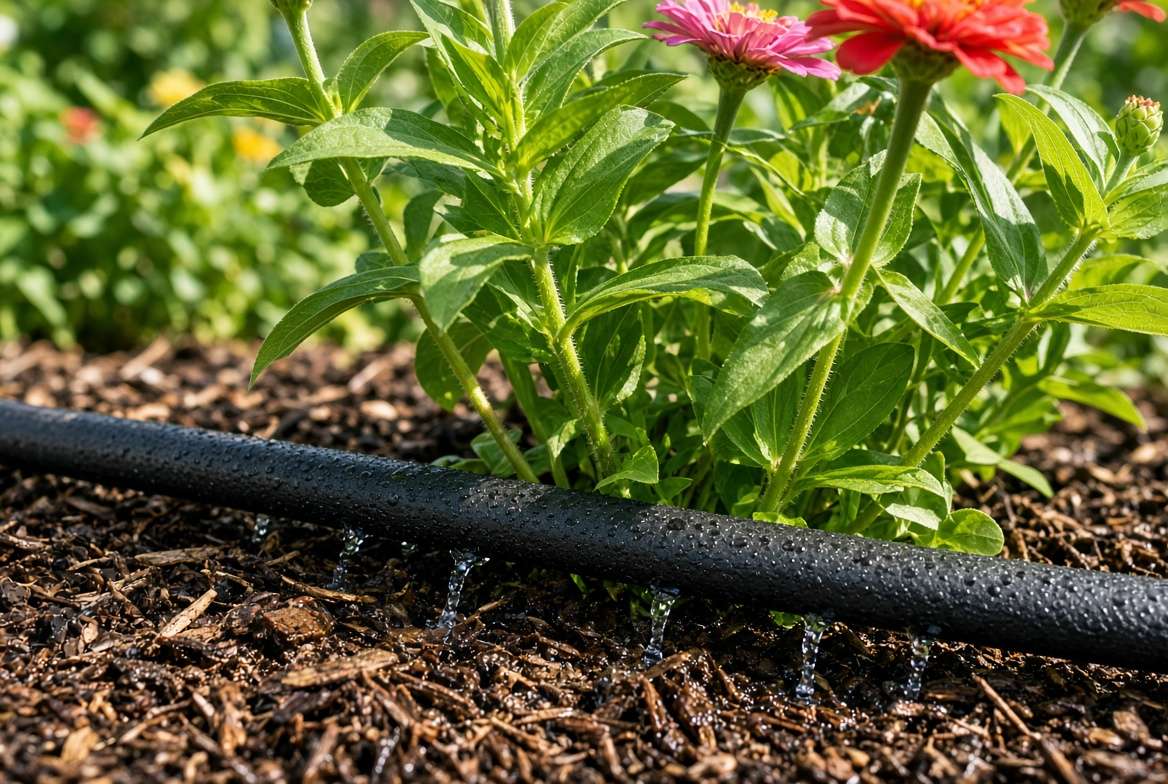
How you water your zinnias is far more important than how often. Always water at the base of the plant using a soaker hose or drip irrigation system. Overhead watering with a sprinkler leaves the foliage wet, creating the perfect breeding ground for fungal spores. If you must water by hand, do so early in the morning so the sun can quickly dry any splashed leaves.
Fertilizing for Continuous Blooms 🪄
Zinnias are heavy bloomers, which means they consume a lot of energy. To fuel this continuous flower production, apply a balanced, water-soluble fertilizer every three to four weeks. As the plants mature, switch to a phosphorus-rich fertilizer (the middle number on the N-P-K ratio) to encourage massive flower development rather than excessive green foliage.
Mulching and Weed Control 🍂
Applying a 1-to-2-inch layer of organic mulch (like shredded bark or straw) around the base of your zinnias works wonders. Mulch suppresses weeds that compete for soil nutrients and regulates soil temperature, ensuring the shallow root systems stay evenly moist during severe heatwaves.
The Art of Pruning: Pinching and Deadheading ✂️
To the novice gardener, taking a pair of sharp shears to a perfectly healthy young plant feels counterintuitive. However, in the world of professional flower farming and expert gardening, strategic pruning is the closely guarded secret to multiplying your flower yield.
Why You Must “Pinch” Young Zinnia Plants 🤏
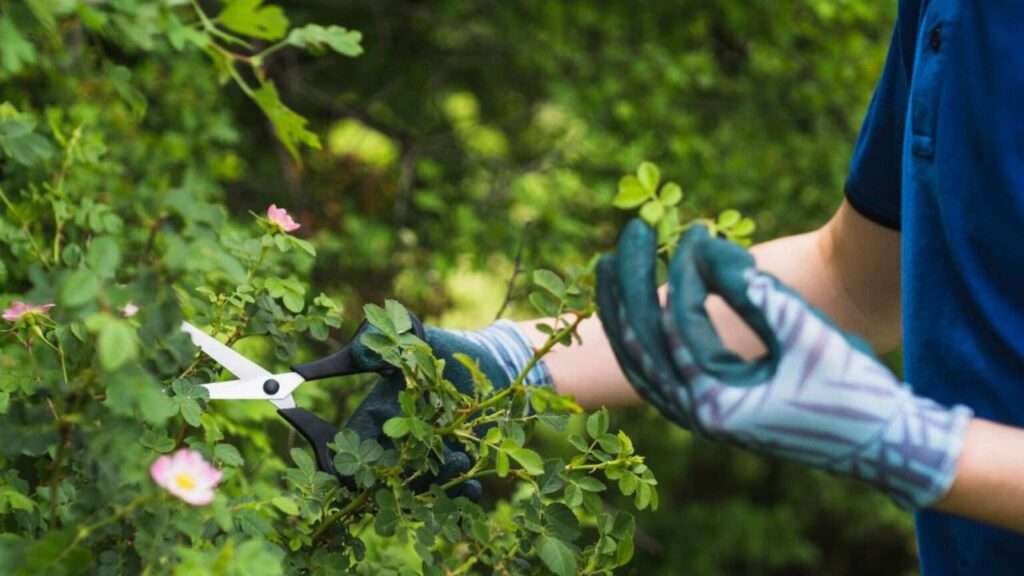
When your zinnia plants reach about 8 to 12 inches tall, they will begin to form their very first flower bud at the top of the central stem. While it is tempting to let this single bloom develop, you must practice tough love and “pinch” it off. Using clean micro-snips, cut the central stem just above a set of healthy leaves.
This process breaks the plant’s apical dominance (its natural urge to grow a single, tall main stem). By removing the top, you force the plant to send its energy into the lower leaf nodes. The result? The plant will aggressively branch out, sending up four to six new stems in place of the one you removed. You trade one early flower for a robust, bushy plant that produces quadruple the amount of long-stemmed blooms throughout the growing season.
Deadheading for Endless Summer Blooms ✂️
The biological goal of any annual flower is to produce seeds to ensure the next generation. Once a zinnia flower gets old, the plant redirects all its energy away from growing new buds and into developing seeds in the dying flower head.
Deadheading—the process of removing spent or fading flowers—interrupts this seed-making process. By cutting off old blooms, you trick the plant into continuously producing new flowers to fulfill its biological mission. When deadheading, do not just snap off the top flower. Follow the stem down to the next set of leaves or new side shoot, and make a clean cut. This keeps the plant looking tidy and encourages strong, structurally sound new growth.
Troubleshooting Common Pests and Diseases 🐛
Even the most resilient gardens face environmental challenges. Because zinnia plants are so vibrant and lush, they occasionally attract unwanted visitors. Prompt identification and organic intervention will keep your flower beds pristine.
Defeating Powdery Mildew 🍄
Powdery mildew is the Achilles’ heel of the zinnia. It presents as a dusty, white or gray powder coating the leaves, eventually causing the foliage to shrivel and die. It thrives in environments with warm days, cool nights, and high humidity.
Prevention is your best defense. As mentioned in the planting section, aggressive spacing is mandatory to ensure cross-breeze airflow. If mildew does appear, immediately remove the affected leaves and dispose of them in the trash (never your compost bin). You can treat the remaining foliage with an organic fungicidal spray made of cold-pressed neem oil or a homemade solution of one tablespoon of baking soda mixed with a gallon of water and a few drops of mild dish soap.
Managing Aphids, Spider Mites, and Japanese Beetles 🐞
-
Aphids and Spider Mites: These tiny sap-sucking pests congregate on the undersides of leaves and new growth tips, causing stippling and distorted foliage. A strong blast of water from the hose is often enough to dislodge them. For severe infestations, a thorough application of insecticidal soap will naturally break down their exoskeletons without harming your plants.
-
Japanese Beetles: These metallic-green pests can skeletonize zinnia leaves in a matter of days. The most effective, environmentally friendly eradication method is hand-picking them off the plants in the early morning when they are sluggish, dropping them into a bucket of soapy water.
Pro Tip: Avoid broad-spectrum chemical pesticides. These chemicals indiscriminately kill the beneficial predatory insects, like ladybugs and lacewings, which naturally keep aphid and mite populations under control.
Companion Planting with Zinnias 🐝
Companion planting is the practice of placing mutually beneficial plants next to each other to naturally enhance growth, repel pests, and maximize space. Zinnias are incredibly social plants that elevate the health of the entire garden ecosystem.
Attracting Pollinators and Butterflies 🦋
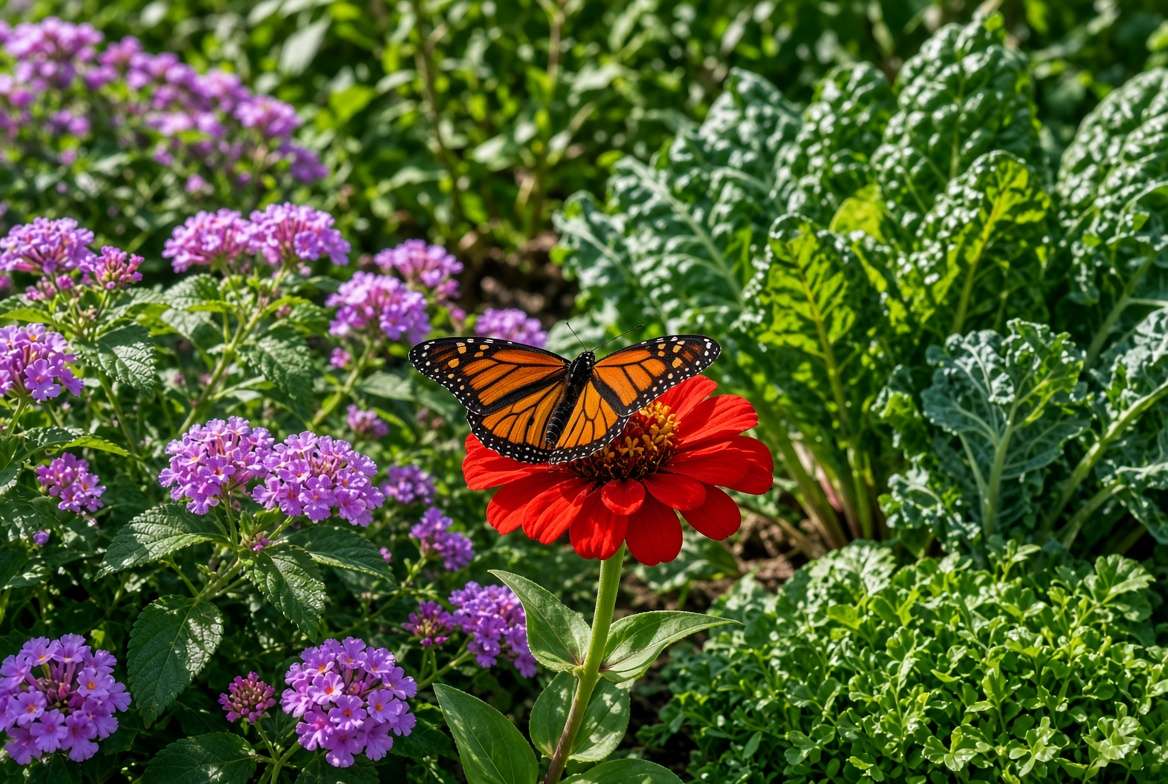
Zinnias act as a botanical landing pad. Their bright, flat, disc-like centers provide an easy resting place for heavy pollinators like Monarch and Swallowtail butterflies. To create an irresistible pollinator paradise, interplant your zinnias with milkweed, lantana, and tall salvias. The varying heights, bloom shapes, and nectar profiles will draw in a diverse array of beneficial insects, hummingbirds, and native bees, transforming your yard into a buzzing wildlife sanctuary.
Best Veggie Garden Companions 🍅
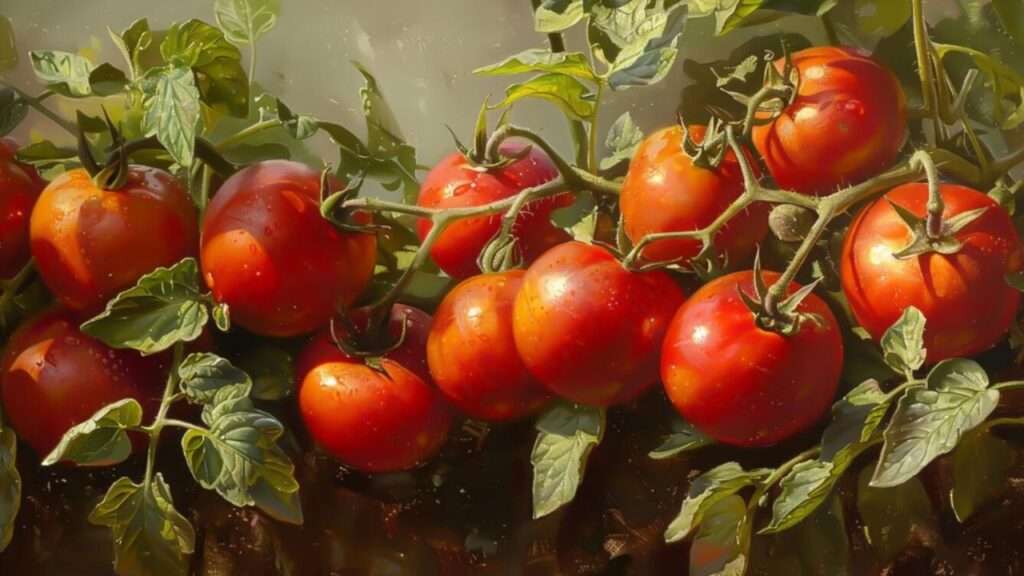
Savvy vegetable gardeners know that zinnia plants are an essential border crop for the vegetable patch. Planting zinnias near tomatoes, peppers, and squash serves a dual purpose. First, the bright blooms attract bees in droves, ensuring excellent pollination for your fruiting vegetables (which directly translates to a heavier harvest). Second, zinnias act as a natural trap crop for Japanese beetles, luring them away from your precious vegetable foliage.
Frequently Asked Questions (FAQs) About Zinnia Plants ❓
Do zinnia plants come back every year? Zinnias are true annuals, meaning they complete their entire life cycle—from germination to seed production to death—in a single growing season. They will not survive a winter freeze. However, if you leave the final blooms of the season on the plant to dry, they will drop seeds that can naturally germinate in your flower beds the following spring.
Can I grow zinnias in pots or containers? Absolutely. The dwarf and spreading varieties, such as the Zahara or Profusion series, thrive in containers. Ensure your pot has excellent drainage holes and is at least 10 to 12 inches deep to accommodate the root system. Container plants dry out faster than those in the ground, so check the soil moisture daily during the peak of summer.
Why are the leaves on my zinnias turning brown and crispy? Brown, crispy leaves usually point to one of two issues: severe underwatering or advanced fungal blight. Check the soil at the base of the plant. If it is bone dry two inches down, the plant is dehydrated. If the soil is wet but the leaves are still browning from the bottom up, you are likely dealing with a fungal infection caused by poor airflow or overhead watering.
How long does it take for zinnias to bloom from seed? One of the most rewarding aspects of growing these flowers is their rapid development. Depending on the specific variety and weather conditions, most zinnias will go from a dry seed to a fully blooming plant in just 60 to 70 days.
Enjoy Your Spectacular Summer Garden 🌻
Cultivating breathtaking zinnia plants does not require an advanced degree in horticulture—it simply requires working with nature rather than against it. By providing absolute full sun, practicing base watering, pinching early growth for structural integrity, and committing to regular deadheading, you will unlock the full potential of these resilient flowers.
Whether you are designing a dedicated cutting garden for kitchen table bouquets or looking to line your vegetable patch with vibrant colors, zinnias will reliably anchor your landscape through the toughest heat of the year. Grab your seeds, prepare your soil, and get ready to enjoy a garden overflowing with vivid, endless summer blooms.