
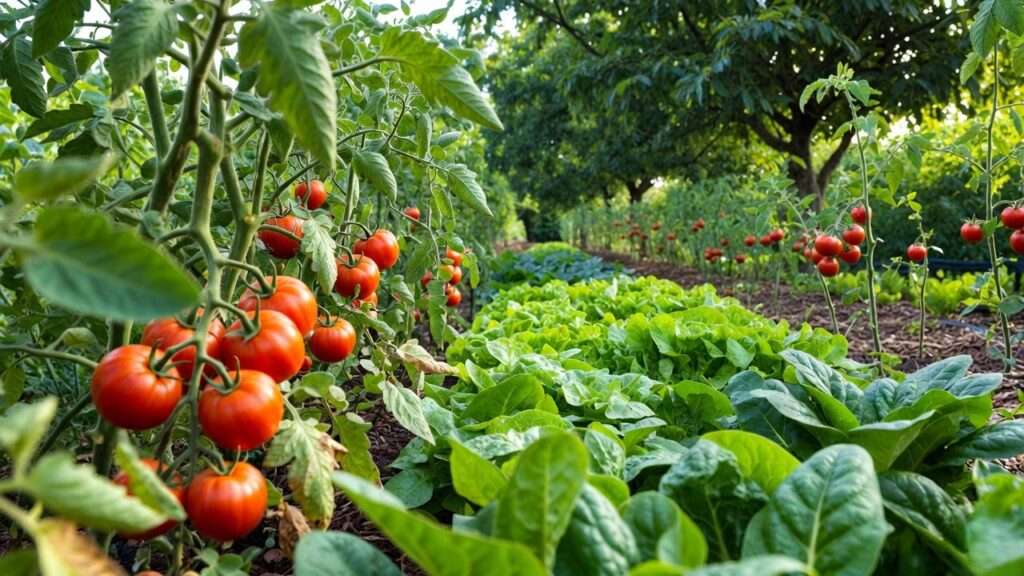
Imagine stepping into your garden after weeks of careful tending, only to find your prized tomatoes ruined by ugly black spots at the bottom—blossom end rot strikes again! 😩 Or your young apple trees dropping fruit far too early. These heartbreaking scenarios are all too common, but here’s the good news: most are caused by one preventable issue—calcium deficiency. Using the right calcium fertilizer for plants can stop these problems in their tracks, strengthen cell walls, improve fruit quality, and lead to healthier, more productive gardens. In this ultimate guide, we’ll explore everything you need to know about calcium nutrition for plants, from spotting deficiencies early to choosing and applying the best fertilizers. Whether you’re a home gardener growing vegetables or caring for fruit trees, this comprehensive resource will empower you to achieve thriving plants all season long. 🍅🌳
Calcium is often called the “unsung hero” of plant nutrients because it works behind the scenes. Unlike nitrogen that drives lush green growth or phosphorus for flowering, calcium builds structural integrity. It’s a secondary macronutrient essential for cell wall formation, membrane stability, and enzyme activation. Without adequate calcium, plants become vulnerable to physiological disorders, poor fruit development, and increased disease susceptibility. Yet, many gardeners overlook it until problems appear.
This guide draws from decades of horticultural research, extension service recommendations, and real-world gardening experience to give you actionable, science-backed advice. We’ll cover symptoms, causes, fertilizer options, application methods, natural alternatives, and prevention strategies—everything to make your plants stronger and your harvests bountiful. Let’s dive in! 🪴
Understanding Calcium’s Role in Plant Nutrition 🔬
Calcium plays a critical role in plant health that goes far beyond basic nutrition. As a key component of cell walls (in the form of calcium pectate), it provides rigidity and strength, much like rebar in concrete. Strong cell walls help plants resist pathogens, withstand environmental stress, and maintain proper structure.
What Does Calcium Do for Plants? 💪
- Strengthens Cell Walls: Prevents cells from collapsing, reducing issues like tip burn and weak stems.
- Regulates Nutrient and Water Uptake: Acts as a messenger in signaling pathways, helping plants respond to stress.
- Improves Fruit Quality: Enhances shelf life, reduces cracking, and prevents disorders like blossom end rot in tomatoes or bitter pit in apples.
- Boosts Root Development: Supports healthy root tips and improves overall soil microbe interactions.
- Enhances Disease Resistance: Stronger tissues make it harder for fungi and bacteria to invade.
Research from universities like Cornell and Purdue consistently shows that adequate calcium levels correlate with higher yields and better-quality produce in crops ranging from leafy greens to fruit trees.
How Plants Absorb and Transport Calcium 🚰
Unlike mobile nutrients such as nitrogen, calcium is immobile once deposited in plant tissues. Plants absorb it primarily as Ca²⁺ ions through root tips and young roots. It travels upward via the xylem in the transpiration stream—essentially hitching a ride on water evaporating from leaves.
This is why consistent soil moisture is crucial: drought stress or irregular watering halts transpiration, blocking calcium delivery to fast-growing fruits and new leaves. Even if your soil has plenty of calcium, delivery failures cause localized deficiencies.
Factors Affecting Calcium Uptake 🌧️
Several environmental and soil factors influence availability:
- Soil pH: Calcium is most available between pH 6.0–7.0. Acidic soils (below 6.0) lock it up.
- Moisture Fluctuations: Dry-wet cycles are a major culprit in disorders like blossom end rot.
- Cation Competition: Excess potassium, magnesium, or ammonium can outcompete calcium for root uptake.
- Temperature and Humidity: High humidity reduces transpiration, slowing calcium movement.
- Root Health: Damaged or compacted roots limit absorption zones.
Understanding these dynamics is the foundation of effective calcium management in any garden.
Signs of Calcium Deficiency: Spot the Symptoms Early ⚠️
Catching calcium deficiency early can save your crop. Symptoms often appear first in new growth because calcium doesn’t redistribute from older tissues.
Common Visual Symptoms in Leaves and Stems 🍃
- Young leaves become distorted, cupped, or curled.
- Leaf margins show scorching or “tip burn”—brown, necrotic edges.
- Growing tips may die back, and stems weaken, leading to lodging in taller plants.
- In severe cases, leaves develop interveinal chlorosis or hook-like deformities.
Fruit and Root Disorders 🍎
Fruits suffer dramatically:
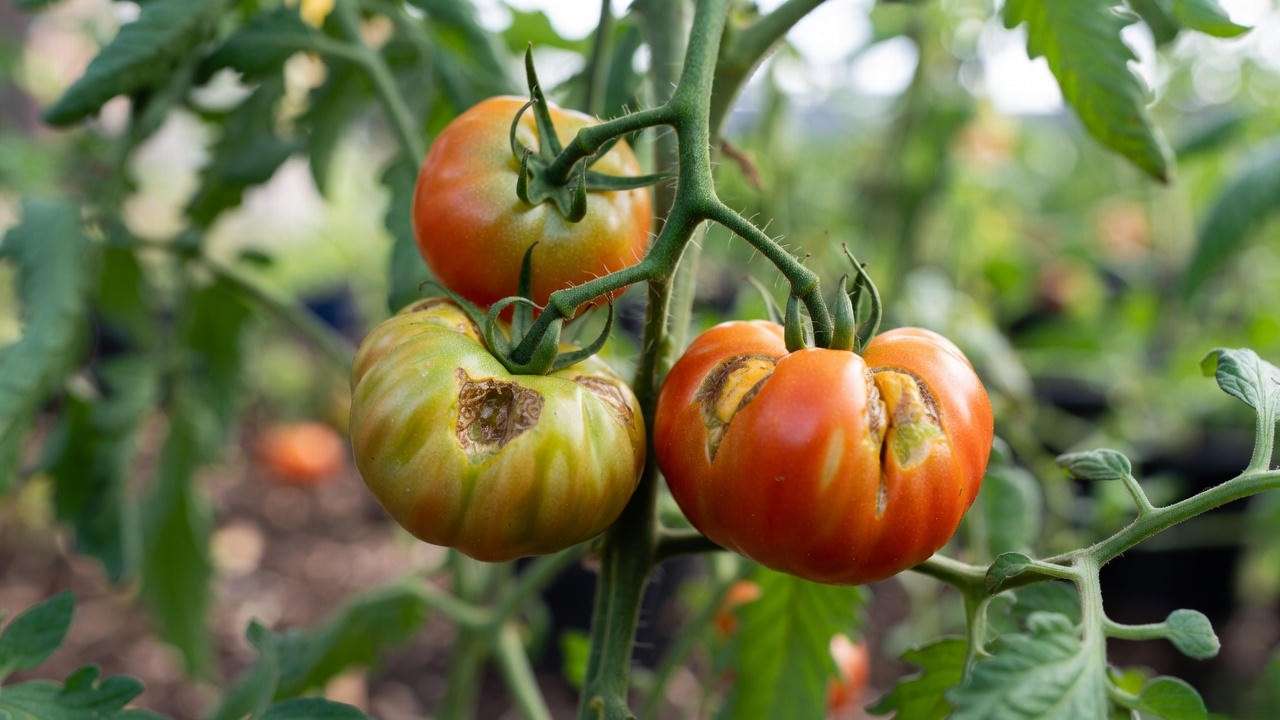
- Blossom End Rot: Classic in tomatoes, peppers, zucchini, and watermelons—a leathery, sunken black patch at the blossom end.
- Bitter Pit: Small, corky spots under the skin of apples and pears.
- Cracking: Fruits like tomatoes or cherries split open as they expand rapidly without strong cell walls.
- Poor Shelf Life: Affected produce spoils faster after harvest.
- Root Issues: Stunted, brown root tips that fail to elongate properly.
These symptoms aren’t always due to low soil calcium—uptake problems are often the real villain.
Expert Tip: When to Test Your Soil 🧪
Don’t guess—test! A professional soil test from your local cooperative extension service measures available calcium, pH, and cation exchange capacity (CEC). Ideal levels are 1,000–2,000 ppm (parts per million) for most vegetable gardens, higher for fruit trees. Testing every 2–3 years prevents surprises and guides precise amendments.
Causes of Calcium Deficiency (And How to Avoid Them) 🛡️
Calcium deficiencies in plants are rarely caused by a complete absence of calcium in the soil—most soils naturally contain plenty. The real problem is availability and uptake. Understanding the root causes empowers you to prevent issues before they start.
Soil-Related Issues 🏜️
- Acidic Soils: When soil pH drops below 6.0, calcium becomes bound to soil particles and unavailable to roots. This is common in regions with high rainfall or in gardens heavily fertilized with ammonium-based products.
- Sandy or Low-Organic-Matter Soils: These drain quickly and leach calcium along with other nutrients.
- High Salinity or Sodium Levels: Excess salts displace calcium on soil exchange sites.
Prevention: Regular soil testing and liming with calcitic or dolomitic lime in fall or early spring raises pH gradually and supplies calcium over time. Gypsum is ideal for sodic soils because it adds calcium without altering pH.
Environmental and Cultural Factors ☀️
- Inconsistent Watering: The number-one cause of blossom end rot. Rapid growth spurts during wet periods followed by dry spells disrupt calcium transport to fruits.
- High Temperatures and Low Transpiration: Extreme heat or high humidity slows water movement through the plant.
- Over-Fertilization: Too much potassium, magnesium, or ammonium competes directly with calcium at root absorption sites.
Prevention: Use mulch to stabilize soil moisture, install drip irrigation for consistent delivery, and balance your fertilizer program. Avoid high-nitrogen feeds during fruit set.
Plant-Specific Vulnerabilities 🌶️
Certain crops are notoriously calcium-hungry:
- Tomatoes, peppers, eggplant, and squash (prone to blossom end rot)
- Apples and pears (bitter pit)
- Brassicas like cabbage and broccoli (tip burn)
- Watermelons and cucumbers
Fast-growing varieties or heavy fruit loads exacerbate the problem because demand outpaces supply.
Expert Insight: In my years working with commercial growers and home gardeners, I’ve seen that preventive calcium applications during early fruit development can increase marketable yield by 20–30% in susceptible crops.
Types of Calcium Fertilizer for Plants: Choosing the Best Option 🛒
Selecting the right calcium source depends on your soil test results, garden type (organic vs. conventional), speed of correction needed, and whether you want to adjust pH.
Synthetic Options for Quick Fixes ⚡
- Calcium Nitrate (15.5-0-0 + 19% Ca): Water-soluble and fast-acting. Provides a bonus nitrogen boost. Excellent for foliar sprays and side-dressing vegetables.
- Calcium Chloride: Extremely soluble and used primarily in foliar applications for rapid correction. Use sparingly—high chloride can harm sensitive plants.
Organic and Natural Sources 🌿
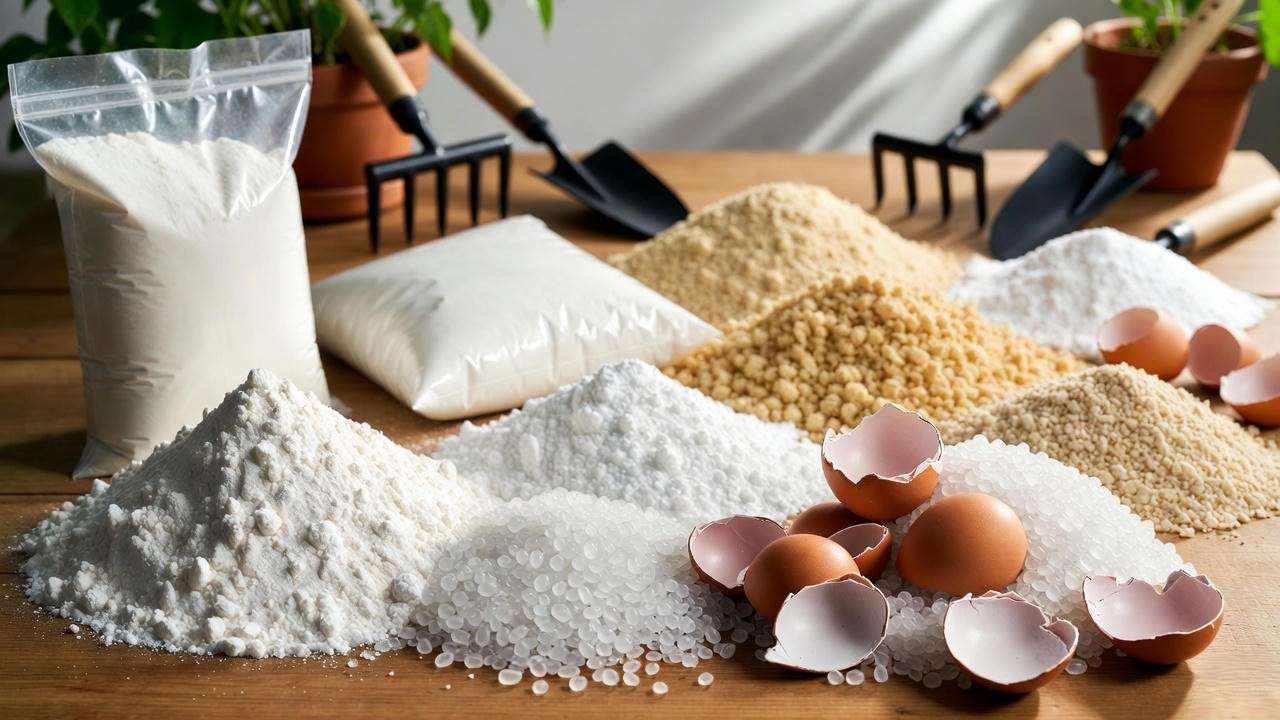
- Gypsum (Calcium Sulfate): Supplies 23% calcium and 19% sulfur. Doesn’t change soil pH, making it perfect for neutral or alkaline soils needing calcium without liming.
- Agricultural Lime (Calcium Carbonate): Slow-release, raises pH. Calcitic lime is nearly pure calcium; dolomitic adds magnesium too.
- Bone Meal: Organic phosphorus source with about 20–25% calcium. Slow breakdown.
- Eggshells, Oyster Shell Flour, and Crab Meal: Excellent long-term organic options when crushed finely and incorporated into soil or compost.
Comparison Table: Which Calcium Fertilizer is Right for You?
| Type | Speed | pH Effect | Best For | Pros | Cons |
|---|---|---|---|---|---|
| Calcium Nitrate | Fast | Neutral | Quick deficiencies, veggies | Dual Ca + N boost, foliar-friendly | Synthetic, can burn if overused |
| Calcium Chloride | Very Fast | Neutral | Emergency foliar correction | Rapid absorption | Risk of leaf burn, chloride buildup |
| Gypsum | Medium | None | Soil structure, all pH levels | Adds sulfur, improves clay soils | Slower in cold conditions |
| Calcitic/Dolomitic Lime | Slow | Raises | Acidic soils | Long-term correction, inexpensive | Can over-alkalize if misapplied |
| Eggshells/Bone Meal | Very Slow | Slight raise | Organic gardens | Free/sustainable, adds other nutrients | Takes months to become available |
Pro Recommendation: For most home gardeners, start with gypsum for immediate calcium without pH risk, combined with dolomitic lime if your soil test shows low magnesium and acidic pH.
How to Apply Calcium Fertilizer Effectively 🛠️
Application method and timing are just as important as the product chosen.
Soil Application Methods 🌱
- Pre-Plant Incorporation: Mix lime or gypsum into the top 6–8 inches of soil weeks before planting.
- Side-Dressing: Apply granular calcium nitrate or gypsum alongside rows during early fruit set (e.g., 1–2 tablespoons per tomato plant).
- General Rates: 1–2 pounds of gypsum per 100 square feet; adjust based on soil test recommendations.
Foliar Sprays for Fast Results 💦
Foliar feeding bypasses root uptake issues and delivers calcium directly to leaves and developing fruits.
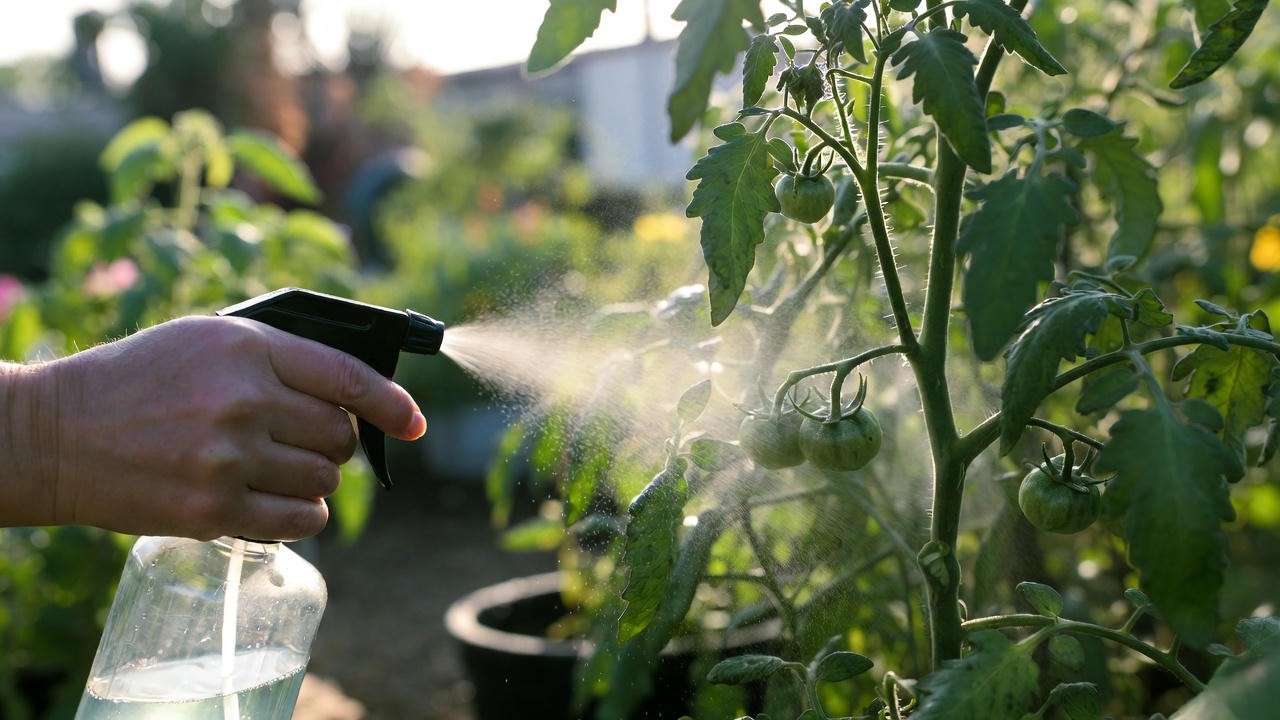
- Recipe: Dissolve 1–2 tablespoons of calcium nitrate per gallon of water. Add a few drops of non-ionic surfactant for better adhesion.
- Timing: Apply early morning or evening every 7–10 days during fruit development. Avoid hot, sunny conditions to prevent burn.
- Gypsum Foliar: Finely ground gypsum can be sprayed, though absorption is slower than nitrate forms.
Timing and Best Practices ⏰
- Begin preventive applications at transplant or when fruits are marble-sized.
- For tree fruits, apply soil amendments in fall or early spring; foliar sprays at petal fall and 2–3 weeks later.
- Always water thoroughly after soil applications to move calcium into the root zone.
Pro Tips from Horticulturists 🌟
- Never mix calcium products with phosphate or sulfate fertilizers in concentrated solutions (they can precipitate).
- Combine calcium management with boron—adequate boron improves calcium mobility within the plant.
- Monitor weather: Increase foliar sprays during prolonged wet periods when root uptake may slow.
Natural Ways to Boost Calcium in Your Garden (DIY Options) 🥚
For gardeners preferring organic or budget-friendly approaches, nature provides plenty of calcium sources. These methods build soil health over time and reduce reliance on commercial products—perfect for sustainable plant care.
Homemade Remedies 🏡
- Crushed Eggshells: One of the easiest and most accessible options. Rinse, dry, and crush eggshells into a fine powder (a blender or mortar works well). Add directly to planting holes, sprinkle around plants, or mix into compost. Each eggshell provides about 1 gram of calcium. For faster availability, bake shells at 200°F to dry them thoroughly before crushing.
- Milk or Whey Sprays: Diluted milk (1 part milk to 9 parts water) can be used as a foliar spray. The calcium in dairy is highly bioavailable, and lactose encourages beneficial microbes. This old-time remedy is especially popular among tomato growers for preventing blossom end rot.
- Wood Ashes: From untreated hardwood fires, ashes contain 25–50% calcium carbonate—similar to lime. Use sparingly (no more than 20 pounds per 1,000 sq ft annually) and only if your soil pH is below 7.0, as they strongly raise alkalinity.
- Seaweed and Kelp: Rich in calcium plus trace minerals. Rinse fresh seaweed or use dried kelp meal as a soil amendment or compost activator.

Long-Term Soil Amendments 🕰️
- Compost Rich in Calcium Sources: Add eggshells, bone meal, greensand, or rock dust to your compost pile. Well-decomposed compost improves cation exchange capacity, making existing soil calcium more available.
- Cover Crops and Green Manures: Legumes like clover or vetch fix nitrogen while improving soil structure, indirectly aiding calcium uptake. Deep-rooted covers like daikon radish help bring calcium from lower soil layers.
- Rock Minerals: Azomite, basalt rock dust, or crushed limestone release calcium slowly over years, mimicking natural soil formation.
These natural methods shine in organic systems and contribute to overall soil biology, leading to healthier plants less prone to deficiencies.
Preventing Calcium Deficiencies: Expert Strategies 🛡️
Prevention beats cure every time. Implementing these practices creates an environment where calcium is readily available and efficiently used by your plants.
Soil Testing and pH Management 📊
Make soil testing a routine—every 2–3 years minimum. Target pH 6.2–6.8 for most vegetables and 6.5–7.0 for fruit trees. If acidic, apply lime in fall to allow winter rains to incorporate it. Use high-calcium (calcitic) lime if magnesium levels are adequate; dolomitic if both are low.
Watering and Mulching Tips 💧
- Maintain even soil moisture, especially during fruit development. Aim for 1–1.5 inches of water per week.
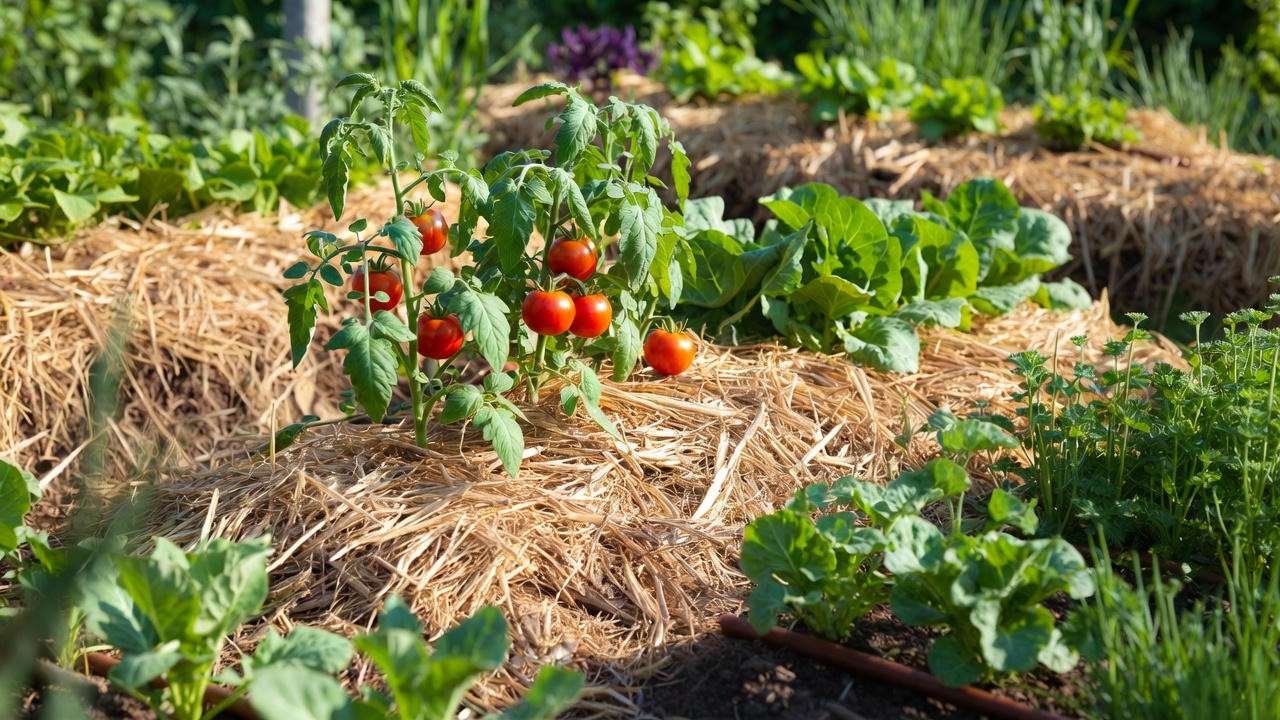
- Apply 2–3 inches of organic mulch (straw, shredded leaves, or compost) to reduce evaporation and temperature swings.
- Drip irrigation or soaker hoses deliver steady moisture without wetting foliage, reducing disease risk too.
Crop Rotation and Companion Planting 🤝
- Rotate heavy feeders (tomatoes, peppers) with light feeders or cover crops to prevent nutrient depletion.
- Companion plant with calcium accumulators like comfrey or borage, whose deep roots mine minerals from subsoil.
Bonus Strategy: Add a small amount of boron (from borax or solubor) if soil tests show deficiency—boron is essential for calcium translocation within the plant.
Real-Life Case Studies and Success Stories 📸
Nothing illustrates the power of proper calcium management like real examples:
- Tomato Grower in Ohio: A home gardener struggled with 50–70% blossom end rot losses yearly. After soil testing revealed pH 5.4, they applied dolomitic lime in fall and switched to weekly foliar calcium nitrate sprays at fruit set. The following season, losses dropped below 5%, with larger, tastier fruits.
- Commercial Apple Orchard in Washington: Bitter pit affected 20% of their crop. Switching to gypsum applications (no pH change needed) plus three timed calcium chloride foliar sprays reduced incidence to under 2%, significantly increasing pack-out grades.
- Urban Container Gardener: Limited soil volume caused frequent deficiencies. Using a mix of gypsum in potting soil and monthly eggshell tea drenches kept peppers and eggplants healthy all summer.
These stories, drawn from extension reports and grower forums, show that consistent, informed calcium management pays off dramatically.
FAQs About Calcium Fertilizer for Plants ❓
Q: Can I use milk as a calcium source for my plants? A: Yes! Diluted milk sprays (1:9 ratio) provide bioavailable calcium and can suppress powdery mildew as a bonus. It’s most effective as a foliar feed during fruiting.
Q: Is too much calcium harmful to plants? A: Absolutely. Excess calcium can induce deficiencies in magnesium, potassium, or iron by antagonism. Always base applications on soil tests—more isn’t better.
Q: What’s the best calcium fertilizer for tomatoes? A: For quick correction: calcium nitrate (foliar or side-dress). For prevention in soil: gypsum. Many experts combine both for optimal results.
Q: How often should I apply calcium fertilizer? A: Preventive soil applications once or twice per season; foliar sprays every 7–14 days during critical growth stages (flowering to fruit swell).
Q: Do succulents or houseplants need calcium fertilizer? A: Most don’t if using quality potting mix, but orchids and African violets benefit from occasional calcium supplementation to prevent bud drop or leaf tip burn.
Q: Can I use antacid tablets (like Tums) as emergency calcium? A: In a pinch, yes—crush and dissolve calcium carbonate tablets in water for foliar spray. It’s a proven hack among indoor growers.
Conclusion: Unlock Healthier, More Productive Plants Today! 🌟
Mastering calcium fertilizer for plants is one of the most impactful steps you can take toward a thriving garden. From preventing heartbreaking disorders like blossom end rot and bitter pit to building stronger, more resilient plants overall, proper calcium nutrition delivers results you can see—and taste—in every harvest.
Start simple: get a soil test, stabilize moisture with mulch and consistent watering, choose the right calcium source for your needs (gypsum for most, lime if pH is low), and supplement with foliar sprays during high-demand periods. Whether you’re growing juicy tomatoes, crisp apples, or lush greens, these strategies will help you avoid common pitfalls and enjoy abundant, high-quality yields.
Your plants deserve strong foundations—give them the calcium they need, and watch your garden flourish like never before. Happy planting, and here’s to a deficiency-free season ahead! 🪴🍅🌳











