

Imagine stepping barefoot onto a vibrant, velvety green carpet that bounces back from kids playing, pets romping, and scorching summer heat—the kind of lawn that’s the pride of the neighborhood. If you’ve ever wondered how do I plant Bermuda grass seed to create that resilient, low-maintenance dream yard, you’re in the right place. Bermuda grass (Cynodon dactylon) is a warm-season superstar, beloved across the southern U.S. and transition zones for its toughness and beauty. In this expert guide, backed by university extension research and real-world turf management experience, we’ll cover everything from variety selection to long-term care. Whether you’re starting a new lawn from scratch or repairing bare patches, these proven steps will help you achieve full, thick coverage in one season. Let’s get your lawn thriving! ☀️
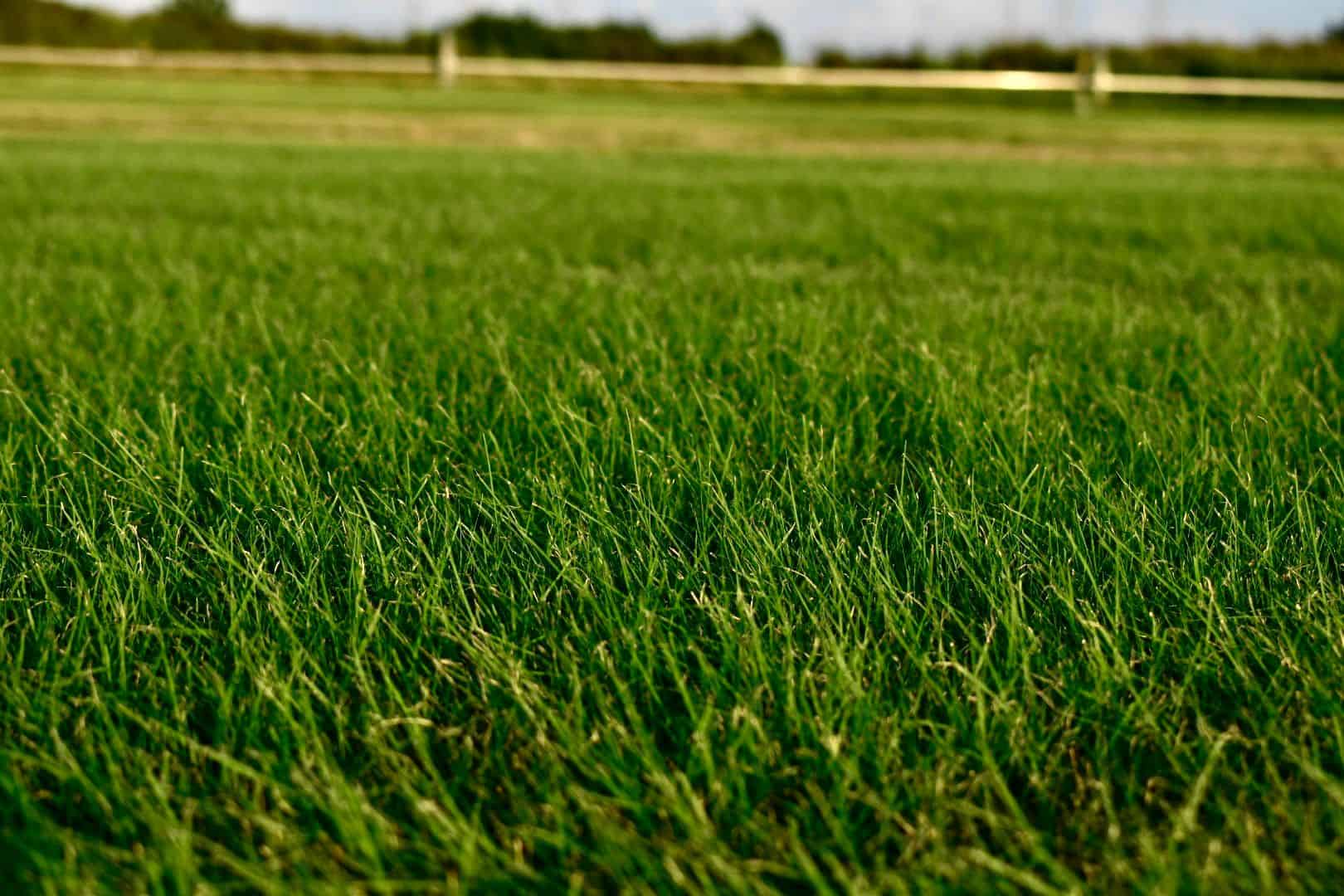
Why Choose Bermuda Grass? Benefits and Characteristics 🌞
Bermuda grass stands out as one of the most durable warm-season turfgrasses, making it ideal for high-traffic yards in USDA zones 7-10. Its aggressive spreading via stolons (above-ground runners) and rhizomes (underground stems) allows quick self-repair, perfect for families, pets, and active lifestyles.
Key Benefits:
- Exceptional heat and drought tolerance: Thrives in temperatures over 80°F and requires less water once established compared to cool-season grasses.
- Rapid establishment and recovery: Improved varieties can achieve full coverage in 6-12 weeks under optimal conditions.
- High wear resistance: Commonly used on golf courses, athletic fields, and parks—backed by trials from Texas A&M and Oklahoma State University extensions.
- Deep emerald green color: Modern seeded cultivars offer fine texture and dense growth for a premium look.
Pros vs. Cons:
- Pros: Low long-term water needs, aggressive fill-in for bare spots, cost-effective seeding option.
- Cons: Dormant (brown) in winter below 50°F; can spread invasively without edging; requires full sun (at least 6-8 hours daily).
Expert Insight: According to university turfgrass programs like those at Oklahoma State and Texas A&M, Bermuda outperforms many alternatives in southern climates for vigor, adaptability, and low-input maintenance once mature.
Best Bermuda Grass Seed Varieties for Lawns 🏆
Gone are the days of coarse common Bermuda—today’s improved seeded varieties rival hybrids in quality. Choose based on your region, desired texture, and cold tolerance. As of 2026, top performers include blends and singles with enhanced disease resistance and faster germination.
Top Seeded Varieties (recommended by recent NTEP trials and seed companies):
- Riviera: High density, cold-tolerant; excellent for transition zones.
- Yukon: Superior drought tolerance (up to 25% less water); fine texture, great for blending.
- Monaco: Dark green, quick establishment; popular for premium lawns.
- Princess 77: Fine-leaf, dense turf; fast germination (5-10 days).
- Rio: Outstanding cold and frost tolerance; early spring green-up.
- Scotts Turf Builder blends: Coated for better germination; high user success rates.
- Blackjack or Maya: Improved common types; affordable and hardy.
Hulled vs. Unhulled Seed 🌾: Hulled seeds germinate faster (7-14 days) as the protective coat is removed. Unhulled offer staggered emergence for better fill-in. Many experts recommend a 50/50 mix or coated seeds (e.g., Yellow Jacket) for pest protection and even distribution.
Tip: For best results in 2026, source from reputable suppliers like Hancock Seed or Pennington. Avoid outdated common varieties unless budget is a primary concern—improved types provide darker color, finer blades, and better disease resistance.

When to Plant Bermuda Grass Seed: Timing for Success 📅
Timing is everything—Bermuda seed needs warm soil to germinate reliably. Plant too early, and cold snaps kill seedlings; too late, and frost shortens the establishment window.
Ideal Window: Late spring to early summer (May-July) when soil temperatures consistently hit 65-70°F at 2-4 inches deep. Aim for daytime highs in the 80s°F.
Regional Tips (updated for typical 2026 conditions):
- Deep South (TX, FL, GA, CA): As early as April-March in coastal areas.
- Transition Zones (OK, AR, NC): Mid-May to June for safety.
- Northern Edges: Late May-July; use cold-tolerant varieties like Yukon or Riviera.
- Avoid: Fall planting—seedlings need 90+ frost-free days to root deeply.
Pro Tip: Invest in a soil thermometer ($10-20). Monitor local forecasts via extension services. In variable climates, hulled seed in peak heat maximizes success.
Preparing Your Soil: The Foundation for a Healthy Lawn 🛠️
A lush Bermuda lawn starts with excellent soil preparation—skipping this step is one of the biggest reasons new lawns fail. Bermuda thrives in well-drained soils with good structure, so investing time here pays off with faster germination, deeper roots, and fewer weeds.
Step-by-Step Soil Preparation:
- Clear the Area Thoroughly 🌿: Remove all existing vegetation, weeds, rocks, debris, and old grass. For heavy weed infestations (like crabgrass or nutsedge), apply a non-selective herbicide like glyphosate. Wait the full label period (usually 7-14 days) before tilling to avoid harming new seedlings.
- Test Your Soil 🧪: Send a sample to your local cooperative extension service or use a home kit. Bermuda prefers a pH of 6.0-7.0. If too acidic (below 6.0), apply lime; if alkaline (above 7.5), use sulfur. Also check for nutrient deficiencies—most tests recommend amendments.
- Till and Amend the Soil 🚜: Loosen the top 6-8 inches with a rototiller. Incorporate 2-4 inches of organic matter like compost or aged manure to improve drainage, nutrient retention, and microbial activity. For sandy soils, add more organic matter; for clay, consider gypsum to break up compaction.
- Grade and Level 📏: Rake to create a smooth, even surface. Fill low spots to prevent water pooling, which can drown seedlings or cause disease. Aim for a slight slope away from structures for drainage.
Expert Insight: University extensions (e.g., Texas A&M, Oklahoma State) emphasize that poor drainage is a leading cause of Bermuda failure in heavy soils. Aerate compacted areas before final grading.
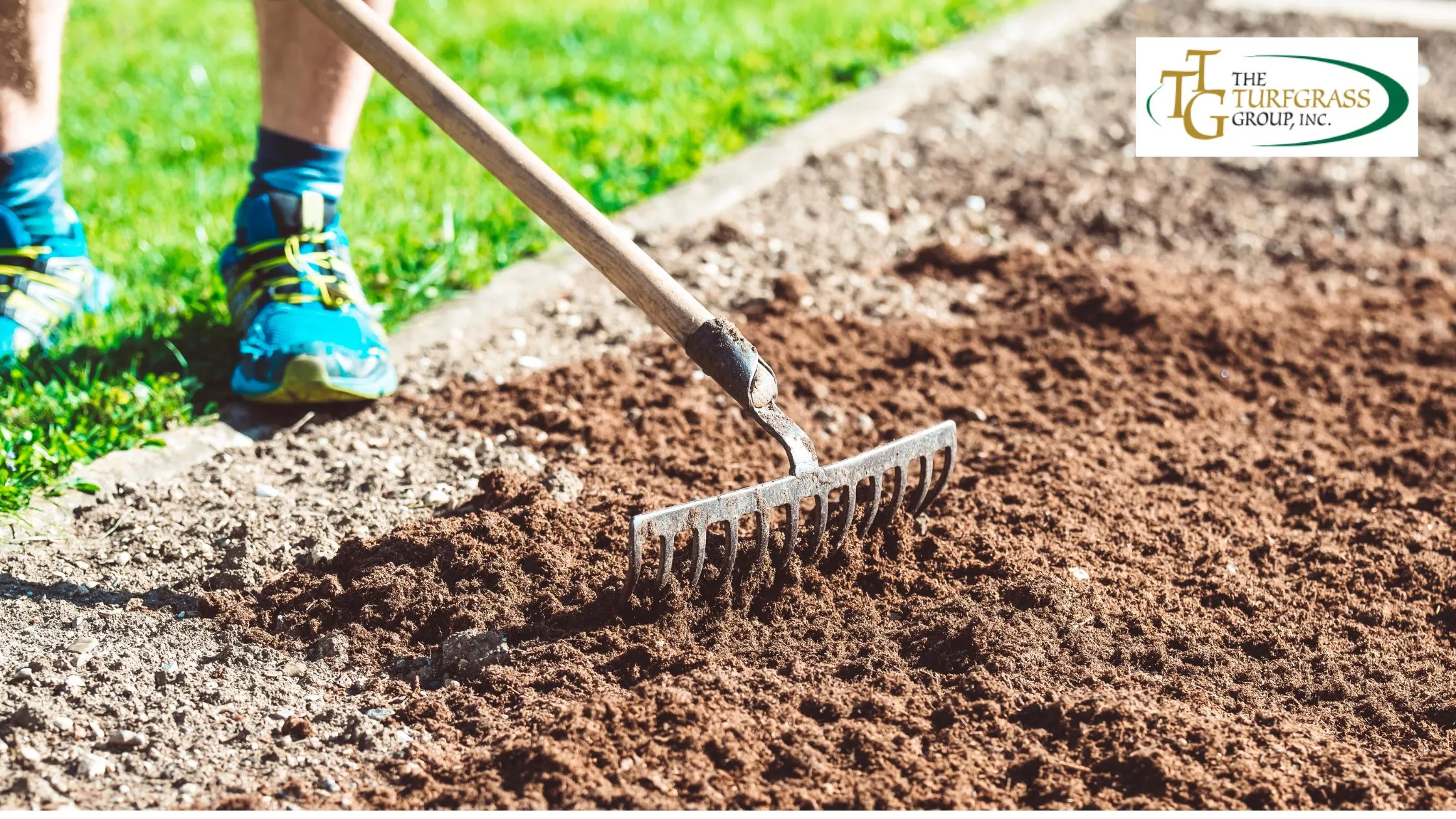
Pro Tip: Final prep should leave a firm but crumbly seedbed—walk on it; footprints should be no deeper than 1/2 inch.
Step-by-Step Guide: How to Plant Bermuda Grass Seed 🚜
With soil ready and timing right, planting is straightforward but requires precision for even coverage.
Recommended Seeding Rates (based on university guidelines and seed producer data):
- New Lawns (bare soil): 2-3 lbs of hulled seed per 1,000 sq ft (or 1-2 lbs coated). This equates to roughly 80-130 lbs per acre.
- Overseeding Existing Lawns: 1-2 lbs per 1,000 sq ft to thicken without overcrowding.
Tools You’ll Need:
- Broadcast or drop spreader (calibrated for accurate application)
- Metal rake
- Lawn roller (or tractor tires)
- Starter fertilizer
The Planting Process:
- Divide and Spread Seed 🌱: Split your seed into two batches. Spread the first half walking north-south, the second east-west for uniform coverage. Use spreader settings from the seed bag.
- Achieve Seed-to-Soil Contact: Lightly rake seed into the top 1/8-1/4 inch of soil—Bermuda needs light to germinate, so don’t bury deeply!
- Roll for Firm Contact: Gently roll the area to press seed into soil, improving germination by up to 30%.
- Apply Starter Fertilizer: Use a high-phosphorus formula (e.g., 10-20-10 or 16-20-0) at label rates. This boosts root development without burning seedlings.
Bonus Tip: Skip straw mulch—modern advice from turf experts discourages it, as it can mat, harbor pests, or block light. Consistent moisture is far more effective.
Watering and Germination: Keeping Seeds Happy 💦
Germination is where patience pays off—Bermuda seed can sprout in 7-21 days with ideal conditions.
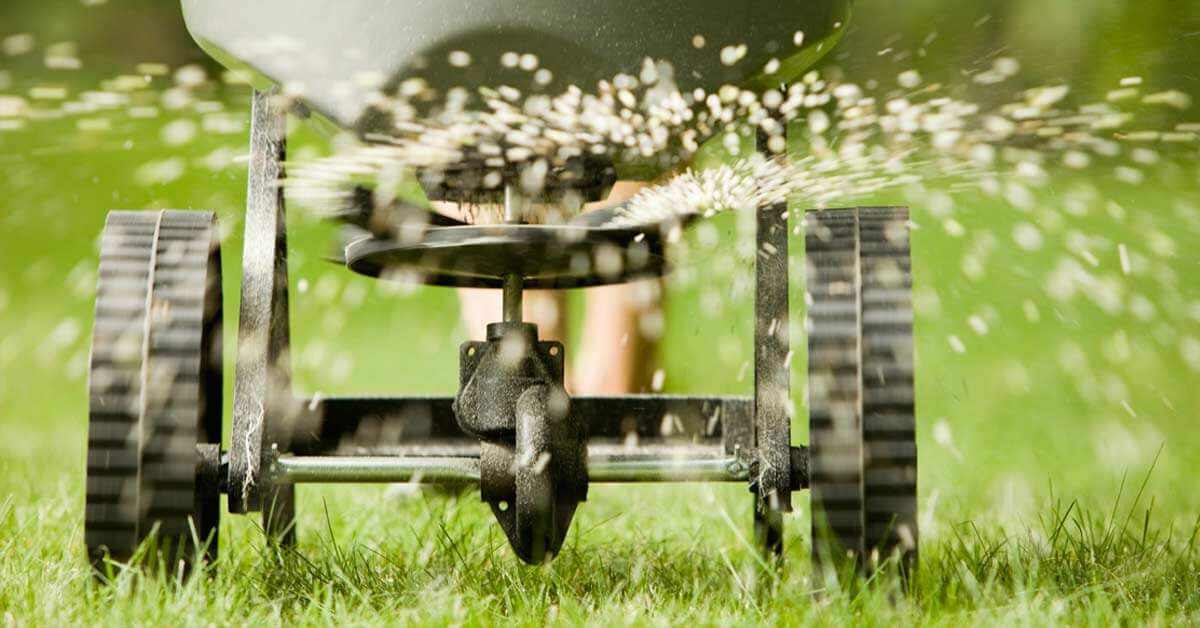
- Weeks 1-3 (Germination Phase): Light watering 2-4 times daily to keep the top 1/2 inch consistently moist (like a wrung-out sponge). Aim for 1/8-1/4 inch per session—avoid puddles.
- Weeks 4-6 (Seedling Stage): Reduce to 1-2 times daily, deeper to encourage rooting.
- After Establishment: 1 inch per week (deep, infrequent) to promote drought-tolerant roots.
Key Tips:
- Water early morning to minimize evaporation and fungal risk.
- Use a fine mist or oscillating sprinkler—high pressure washes away seed.
- Monitor soil: If it dries out even once, germination can drop dramatically.
Expert Advice: Overwatering is as bad as underwatering—soggy soil invites damping-off fungi. In hot 2026 summers, shade cloth can help retain moisture without excess watering.
Fertilizing Your New Bermuda Lawn 🍃
Proper nutrition fuels rapid spread and deep greening—Bermuda is a heavy feeder during the active growing season.
Fertilization Timeline:
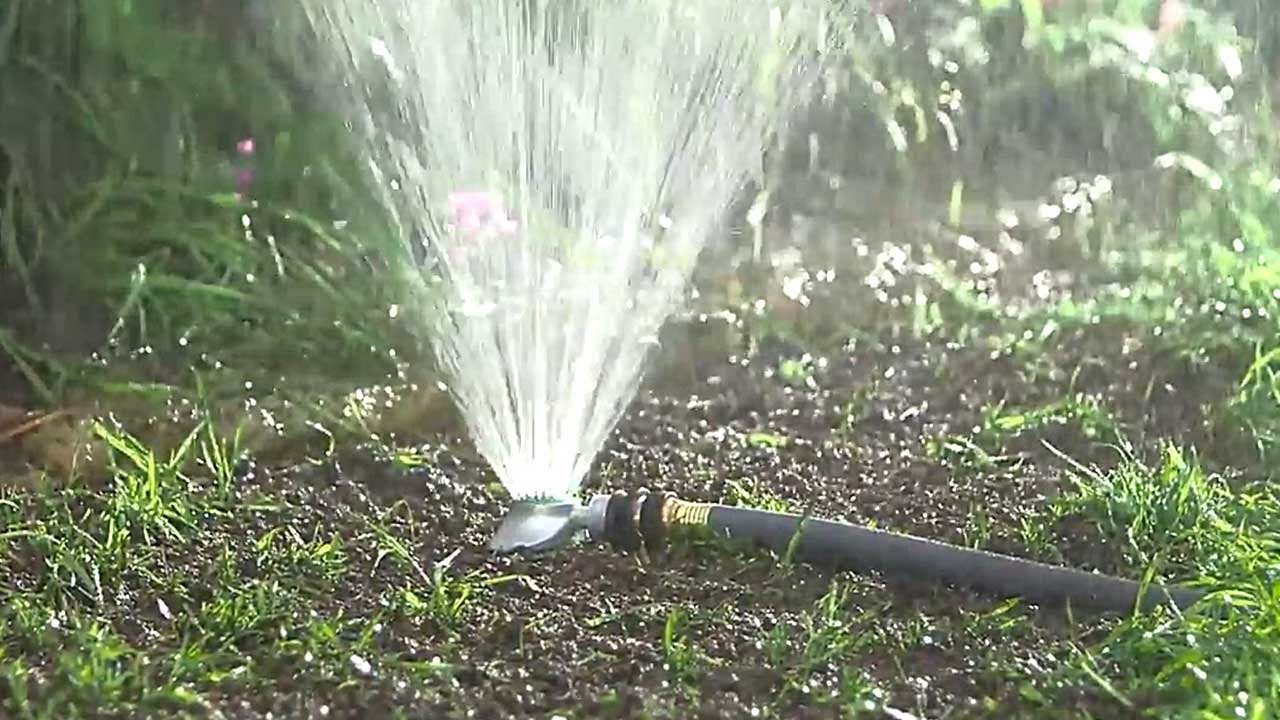
- At Planting: Apply a starter fertilizer (high in phosphorus, low in nitrogen) to promote root growth. Examples: 10-20-10 or 18-24-12 at 1 lb phosphorus per 1,000 sq ft.
- 4-6 Weeks Post-Germination: First nitrogen application once seedlings have been mowed 2-3 times. Use 1/2-1 lb nitrogen per 1,000 sq ft (e.g., 16-4-8 or ammonium sulfate).
- Ongoing Schedule: Every 4-8 weeks during the growing season (spring through early fall). Total annual nitrogen: 3-6 lbs per 1,000 sq ft, depending on variety and soil test results.
- Slow-Release vs. Quick-Release: Slow-release for steady growth and fewer surges; quick for fast green-up.
Application Tips:
- Calibrate your spreader for even coverage—overlap passes slightly.
- Water lightly after to activate.
- Avoid high-nitrogen in late fall to prevent winter injury.
Caution: Never use “weed and feed” products on new seedlings—they can damage or kill young Bermuda. Wait until the lawn is fully established (mowed 4+ times).
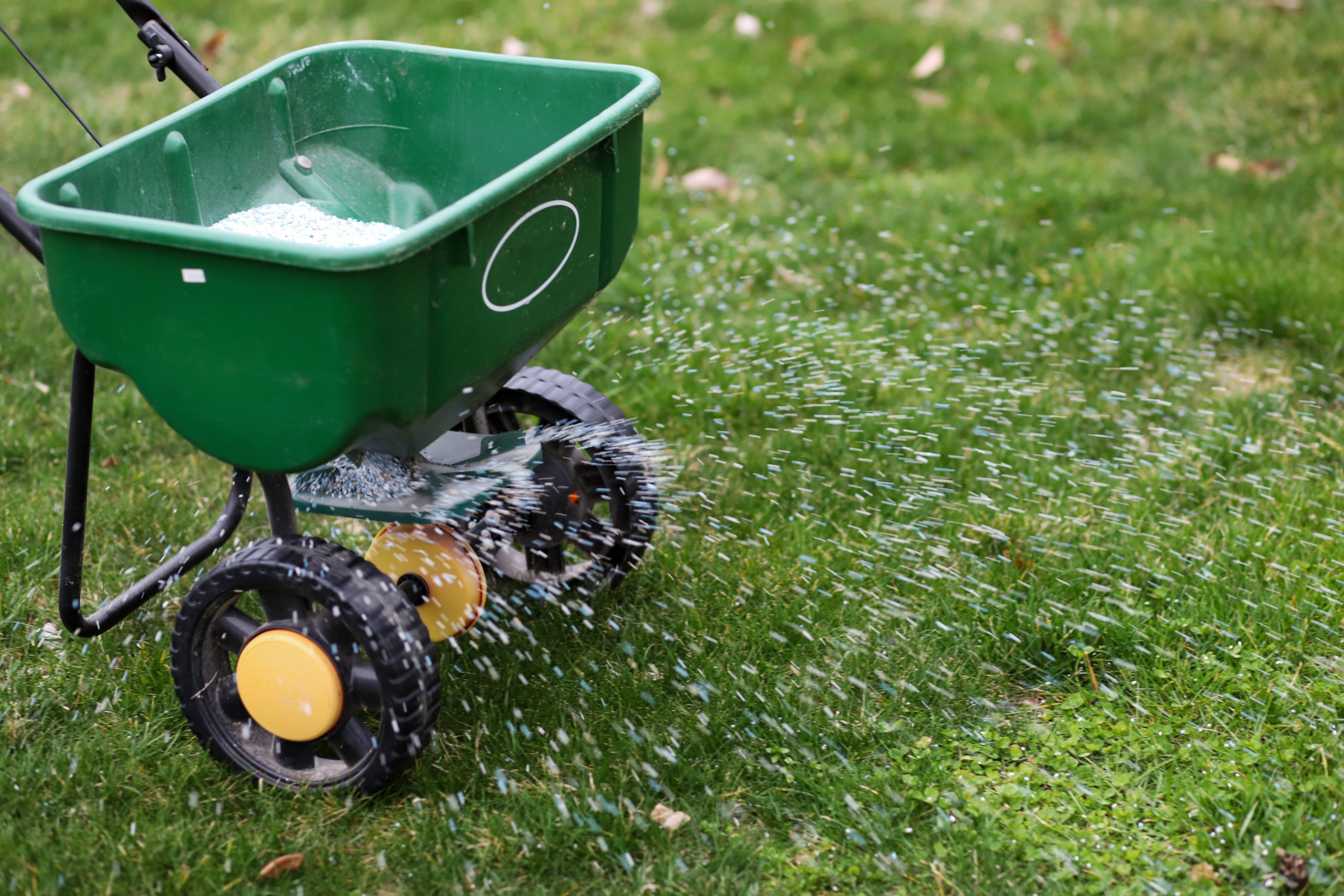
Expert Insight: Soil tests from your local extension guide precise needs—over-fertilizing leads to thatch buildup and disease susceptibility.
Mowing, Maintenance, and First-Year Care ✂️
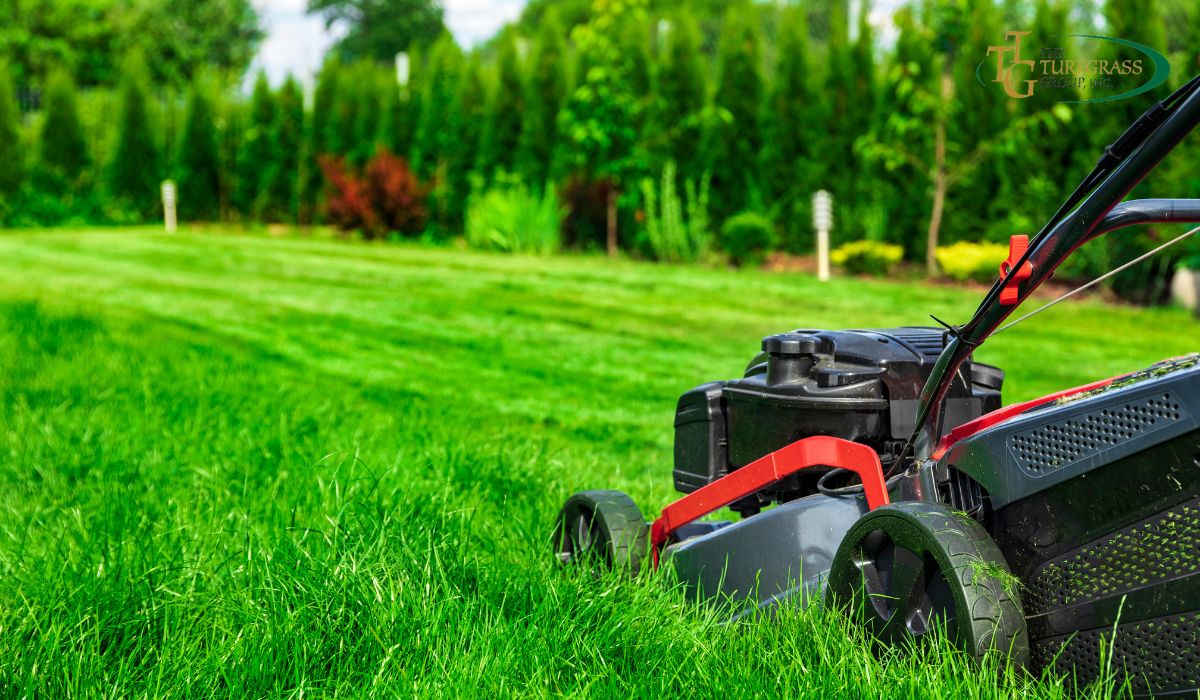
Mowing correctly is crucial—Bermuda thrives when cut low and often, encouraging lateral spread for density.
Mowing Guidelines:
- First Mow: Wait until grass reaches 2-3 inches, then cut no more than 1/3 off (down to 1.5-2 inches).
- Established Height: 0.5-1.5 inches for premium look and thickness. Reel mowers excel at low cuts; rotary for higher.
- Frequency: Mow 2-3 times weekly during peak growth—never let it exceed 2 inches unmowed.
- Sharp Blades: Dull blades tear tips, causing brown appearance.
First-Year Maintenance:
- Weed Control: Hand-pull early weeds. Post-emergent herbicides safe after 3-4 mowings (e.g., Celsius for broadleaf).
- Pest Monitoring: Watch for chinch bugs (yellow patches) or armyworms—treat with labeled insecticides if needed.
- Thatch Management: Bermuda produces thatch; dethatch lightly if over 1/2 inch.
Pro Tip: Return clippings to recycle nutrients—Bermuda clippings decompose quickly.
Common Mistakes to Avoid (And How to Fix Them) ⚠️
Even experienced gardeners slip up—here’s how to sidestep pitfalls.
- Planting Too Deeply: Seeds buried >1/4 inch fail to emerge. Fix: Rake lightly next time.
- Inconsistent Watering: Drying out kills seedlings. Fix: Set timers for frequent light sessions.
- Early Fertilizer or Herbicides: Burns or inhibits growth. Fix: Wait per label.
- Mowing Too Soon/Low: Weakens plants. Fix: Follow height rules.
- Ignoring Soil Prep: Leads to poor drainage/disease. Fix: Amend heavily next overseed.
Expert Insight: Patience is key—most failures trace to rushing establishment.
Troubleshooting Common Problems 🔧
- Patchy or Thin Growth: Causes—poor seed contact, uneven spreading, compaction. Solution: Overseed patches, aerate, topdress with soil.
- Weeds Taking Over: Pre-emergents (e.g., prodiamine) in early spring after establishment; spot-treat invasives like crabgrass.
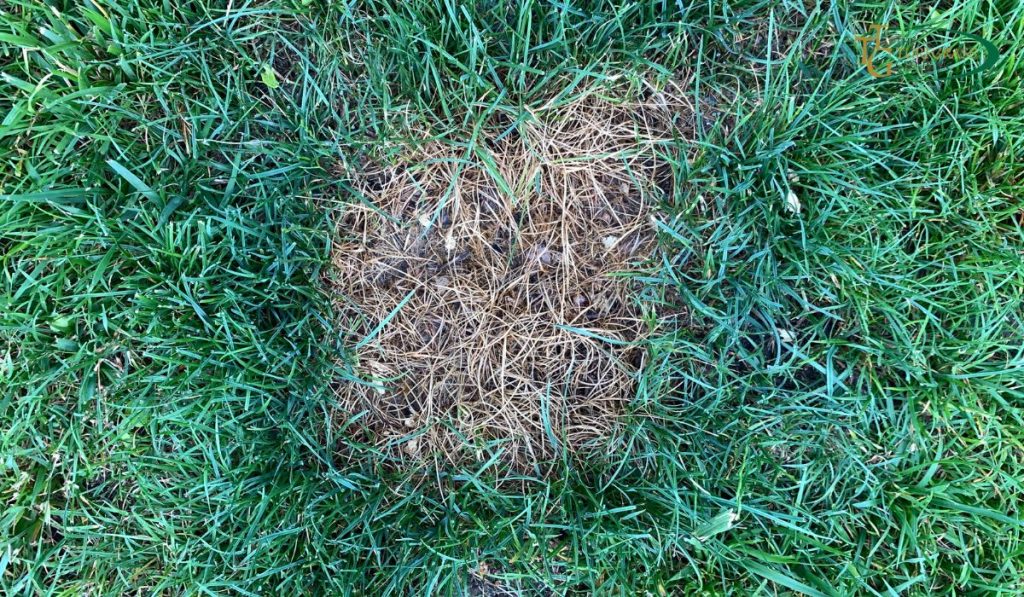
- Brown Patches/Disease: Rhizoctonia or dollar spot from overwatering. Improve airflow, fungicide if severe.
- Yellowing: Nitrogen deficiency or iron chlorosis—apply chelated iron or balanced fertilizer.
Long-Term Care for a Thriving Bermuda Lawn 🌳
Once established, Bermuda is low-maintenance but rewards consistent care.
- Annual Aeration: Core aerate in early summer to relieve compaction.
- Overseeding: Refresh thin areas annually with same variety.
- Winter Prep: Final mow low; avoid traffic on dormant grass.
- Edging: Contain spread with barriers if needed.
Advanced Tip: Reel mowing at 0.5 inches and frequent light feeding create golf-course density.
Frequently Asked Questions (FAQs) ❓
How long until my Bermuda lawn is fully established? 6-12 weeks for coverage; full thickness in 1-2 seasons with good care.
Can Bermuda grow in partial shade? No—needs 6-8 hours direct sun. Alternatives like Zoysia for shade.
Is Bermuda grass invasive? Yes, spreads aggressively—great for fill-in, but edge beds/gardens.
Best for pets and kids? Absolutely—one of the toughest turfs available.
Seed vs. sod vs. plugs? Seed: Cheapest, full control. Sod: Instant lawn. Plugs: Mid-cost, slower fill.
Conclusion: Your Dream Lawn Awaits! 🏡
You’ve now got a complete, expert roadmap to successfully plant and grow Bermuda grass seed into a thick, lush lawn that withstands heat, drought, and heavy use. From soil prep to troubleshooting, these steps—backed by decades of turfgrass research—will set you up for success. Start this spring or summer, stay consistent, and watch your yard transform into a vibrant oasis. For region-specific advice, reach out to your local cooperative extension. Happy planting—you’ve got this! 🌱✨











