
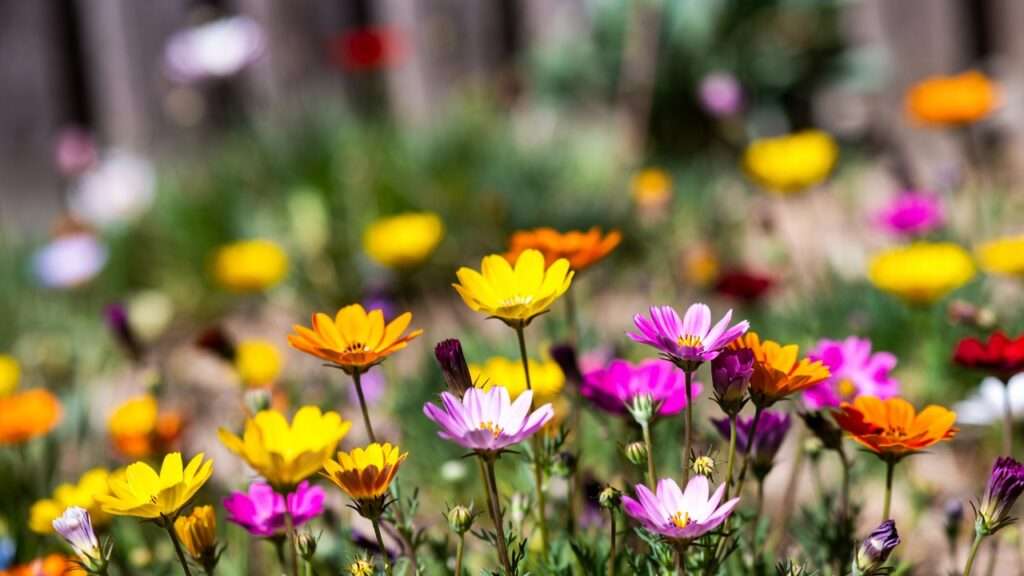
Picture this: It’s the peak of summer, temperatures are soaring, water restrictions are in place, and your garden is still bursting with vivid reds, sunny yellows, electric purples, and hot pinks that turn heads from the street. No wilting, no constant hose-dragging, just effortless, eye-popping color that lasts from early summer straight through fall. 😍
That’s the magic of colorful xeric flowers for summer — drought-tolerant blooms designed to thrive in hot, dry conditions while delivering non-stop vibrancy. As a plant care expert who’s designed and maintained water-wise gardens in challenging climates for over a decade (including consultations with university extension programs and real-world testing in heat waves), I’ve seen firsthand how these plants solve a common gardener’s headache: keeping landscapes beautiful without guzzling precious water or endless maintenance.
In this ultimate guide, we’ll explore the best drought-tolerant perennials and annuals for summer color, share proven planting and care tips, debunk myths, and provide design ideas to transform your yard into a resilient, pollinator-friendly paradise. Whether you’re in a hot arid zone or facing occasional dry spells, these picks deliver real results with minimal effort. Let’s dive in and make your summer garden the envy of the neighborhood! 🌞🌺
What Is Xeric Gardening and Why It’s Perfect for Summer Color? 🌵🔥
Xeric gardening (often called xeriscaping) follows seven core principles from the original concept developed in Colorado: planning and design, soil improvement (focusing on drainage), practical turf areas, appropriate plant selection, efficient irrigation, mulching, and proper maintenance. The goal? Create beautiful, sustainable landscapes that use far less water than traditional gardens.
For summer especially, xeric plants shine because they’re adapted to heat, low rainfall, and poor soils. Many feature deep root systems, silvery or fuzzy foliage to reflect sun and reduce evaporation, small or thick leaves, and blooms that don’t demand constant moisture. Best of all, the myth that drought-tolerant means dull and brown is completely false — these plants offer some of the most vibrant, long-lasting flowers around! 🏵️🐝
Benefits include slashing your water bill, supporting local bees and butterflies, reducing weeding (thanks to mulching), and creating a garden that bounces back after dry spells. In regions with water restrictions, xeric gardening isn’t just smart — it’s essential for keeping color alive all season.
Understanding Summer Challenges for Plants in Dry Conditions ☀️💦
Summer heat brings intense sun, high evaporation, and often compacted or sandy soils that drain too quickly. Plants without adaptations suffer wilting, scorched leaves, or weak blooms.
True xeric flowers counter this with clever survival strategies: taproots that reach deep for moisture, reflective foliage (like silver-gray tones), succulent-like structures in some annuals, and blooms timed for cooler mornings or evenings.
Adapt based on your region — arid Southwest needs ultra-tough natives, while humid Southeast might favor heat-loving perennials that handle occasional downpours. Always prioritize well-drained soil; poor drainage kills more xeric plants than drought ever does!
Top 15+ Colorful Xeric Flowers for Non-Stop Summer Blooms 🌈
Here’s the heart of the guide: my top expert-recommended picks, proven performers in hot, dry summers. I’ve grouped them into perennials (return year after year) and annuals (quick color, great fillers). Each includes key details for easy selection.
Perennials 🌿
Blanket Flower (Gaillardia) 🔥 Daisy-like blooms in fiery red, yellow, and orange combinations bloom nonstop from early summer to frost. Height: 1-2 ft. Zones: 3-10. Pollinator favorite! Why summer-tough: Deep roots, heat-loving. Pro tip: Deadhead for more flowers; deer-resistant.
:max_bytes(150000):strip_icc()/GettyImages-177391037-eb8c14743e3d4160810c19515e203c4b.jpg)
Coneflower (Echinacea) 🏵️ Classic purple, pink, or white petals with prominent centers attract butterflies and bees. Blooms mid-summer onward. Height: 2-4 ft. Zones: 3-9. Tough as nails once established.
Yarrow (Achillea) 🌼 Flat clusters in rainbow hues (yellow, pink, red) bloom all summer; aromatic foliage. Height: 1-3 ft. Zones: 3-9. Super low-maintenance.
Salvia (various, e.g., nemorosa or leucantha) 🐦 Spiky blue, purple, or red blooms draw hummingbirds. Heat-proof and reblooms with trimming. Zones: 4-10.
Butterfly Milkweed (Asclepias tuberosa) 🦋 Bright orange clusters essential for monarchs; blooms summer-long. Height: 1-2 ft. Zones: 3-9. Native powerhouse!
:max_bytes(150000):strip_icc()/growing-butterfly-weed-in-your-garden-2539531-06-999a7926f9df4941bd424f11b0653c2c.jpg)
Coreopsis (Tickseed) ☀️ Sunny yellow/orange daisies bloom relentlessly. Height: 1-3 ft. Zones: 4-9.
Penstemon (Beardtongue) 🎨 Tubular flowers in vivid shades; hummingbird magnet. Zones: 3-9.
Lavender (e.g., Hidcote) 💜 Fragrant purple spikes + silvery leaves; evergreen appeal. Zones: 5-9.
Ice Plant (Delosperma) ❄️ Jewel-like pink/purple/yellow daisies on succulent foliage. Zones: 5-10.
Annuals for Quick, Bold Summer Impact 🌱
Zinnia (drought-hardy varieties) 🌟 Bright, bold blooms all season; easy from seed.
Lantana 🌺 Multicolor clusters thrive in extreme heat; butterfly attractor.
:max_bytes(150000):strip_icc()/lantana_luscious_citrus_blend_improved-1-f7b2dd9c23de46d2a680245df10213dc.jpg)
Portulaca (Moss Rose) 🌈 Succulent leaves + neon blooms that open in full sun. Perfect for hot spots!
:max_bytes(150000):strip_icc()/growing-portulaca-1315707-10-01dbfd5896c04e238d1aabda4769c89f.jpg)
Globe Amaranth ⚽ Fluffy, everlasting color balls; great dried.
Cosmos Airy daisies in pinks/whites; self-seeds gently.
These selections provide continuous bloom waves — mix early, mid, and late bloomers for all-season interest.
How to Choose the Right Colorful Xeric Flowers for Your Garden 🎨🗺️
Selecting from this vibrant lineup starts with matching plants to your specific conditions — that’s the key to success in xeric gardening.
First, check your USDA hardiness zone (most of these thrive in zones 4–10, but always confirm). Next, assess your soil: xeric plants demand excellent drainage — sandy, rocky, or loamy soils work best; heavy clay needs amending with gravel or raised beds. Full sun (6+ hours) is non-negotiable for maximum blooms and drought tolerance.
Consider your color goals:
- Hot, fiery palettes — Blanket Flower, Butterfly Milkweed, Coreopsis, and Lantana create explosive summer energy. 🔥
- Cool, calming tones — Salvia, Lavender, Penstemon, and Coneflower offer soothing purples and blues. 💜
- Pollinator rainbow — Mix Echinacea, Yarrow, and Ice Plant for a bee- and butterfly buffet. 🐝🦋
Layer heights for depth: tall Coneflowers (2–4 ft) in back, mid-height Yarrow or Salvia in middle, low-spreading Portulaca or Ice Plant upfront. Combine perennials for longevity with annuals like Zinnia or Cosmos for instant punch and filler until perennials mature. This ensures continuous color waves from June through September (or longer in mild climates).
Planting and Design Tips for Maximum Vibrancy and Low Maintenance 🛠️🌿
Success starts before the first plant hits the soil.
Site preparation: Test drainage — dig a 12-inch hole, fill with water; it should drain in 1–2 hours. Avoid rich amendments; these plants prefer lean soil. Plant in spring or early fall for root establishment before summer heat.
Planting techniques: Space according to mature size (e.g., 12–18 inches for most perennials). Dig holes twice as wide as the root ball but no deeper. Water deeply at planting, then taper off quickly to encourage deep roots. Group in odd numbers (3, 5, 7) for natural impact.
Companion planting: Pair with drought-tolerant grasses like Blue Fescue or Little Bluestem for texture, or silver-foliaged artemisia and Russian sage for contrast. Herbs like oregano add fragrance and pollinator appeal.
Design inspirations:
- Rock gardens — Ice Plant and Portulaca cascade beautifully over stones.
- Borders and pathways — Blanket Flower and Salvia create colorful edges.
- Containers for patios — Lantana and Moss Rose thrive in pots with minimal watering.
- Meadow-style xeriscapes — Scatter mixes of Echinacea, Coreopsis, and Yarrow for wild, natural beauty.
These designs not only look stunning but require far less upkeep than traditional flower beds.
Essential Care Guide: Keep Them Thriving All Summer Long (Minimal Effort!) 💚
Once established (usually after the first season), these plants are incredibly low-maintenance.
Watering wisely: Provide deep, infrequent soaks during the first summer (1 inch every 7–10 days). After that, most need little to none except in extreme drought. Water early morning to reduce evaporation.
Mulching magic: Apply 2–3 inches of gravel, decomposed granite, or organic mulch (bark or straw) to retain moisture, suppress weeds, and moderate soil temperature. Gravel mulches enhance the xeric aesthetic!
Pruning and deadheading: Snip spent blooms on Gaillardia, Salvia, and Yarrow to encourage rebloom. Cut back Coneflower and Coreopsis mid-summer for bushier growth and extended flowering.
Pest and disease resistance: These selections are naturally tough — few issues with aphids, powdery mildew, or rot when drainage is good. Deer often avoid fuzzy or aromatic foliage like Yarrow and Lavender.
Fertilizing: Skip it! Over-fertilizing promotes weak, leggy growth that suffers in heat. A light compost top-dress in spring is plenty.
Expert Insights and Common Mistakes to Avoid 🚫🔍
From years of hands-on experience: The biggest myth is that xeric = no color or no flowers. These plants prove otherwise with months of vivid display!
Pro tip: Extend bloom seasons by succession planting — sow Zinnia seeds every 2–3 weeks for continuous waves. Layer textures: mix spiky Salvia with daisy-like Echinacea and flat Yarrow tops for visual interest.
Avoid these pitfalls:
- Overwatering established plants (leads to root rot).
- Planting in shade or poor drainage.
- Ignoring winter protection in colder zones (mulch heavily for perennials).
Bonus: These flowers boost sustainability — native picks like Butterfly Milkweed support monarchs, while all attract pollinators and reduce water use by up to 50–75% compared to thirsty annuals.

Stunning Visual Ideas: Bringing It All Together 📸
Imagine a hot-color border: Gaillardia’s daisy-like fire bursts alongside Lantana’s multicolored clusters and Butterfly Milkweed’s bright orange globes — pollinators go wild!
For cooler vibes: Purple Coneflower towers over silvery Lavender and spiky Salvia.
In containers: Portulaca spills over edges in neon pinks, yellows, and reds — perfect for balconies in water-restricted areas like urban Dhaka summers.
Before xeriscape: thirsty lawn patches. After: vibrant, low-water color explosions that save time and resources.
Frequently Asked Questions (FAQs) ❓
Do xeric flowers really bloom all summer? Yes — many like Gaillardia, Lantana, and Portulaca flower nonstop with deadheading. Mix types for seamless transitions.
Which are best for beginners? Start with tough winners: Blanket Flower, Coneflower, Zinnia, and Portulaca. They’re forgiving and showy.
Can I grow these in pots? Absolutely! Use well-draining containers with Lantana, Ice Plant, or Moss Rose for portable summer color.
How much water do they need once established? Often just rainfall after year one. Supplemental deep watering only during prolonged dry spells.
Are they deer/rabbit resistant? Many (Yarrow, Salvia, Lavender, Lantana) have aromatic or fuzzy foliage that deters browsers.
Conclusion: Transform Your Summer Garden into a Low-Water Paradise Today! 🌟
You’ve got the tools: vibrant, drought-tolerant flowers that deliver endless summer color with minimal water and care. Start small — pick 3–5 favorites like Blanket Flower, Coneflower, and Portulaca — plant them properly, mulch well, and step back. Your garden will reward you with non-stop beauty, happy pollinators, and lower bills.
Water-wise doesn’t mean boring — it means brilliant! Share your xeric successes or photos in the comments below. Happy gardening, and here’s to a colorful, resilient summer ahead! 💚🌍🌺











