
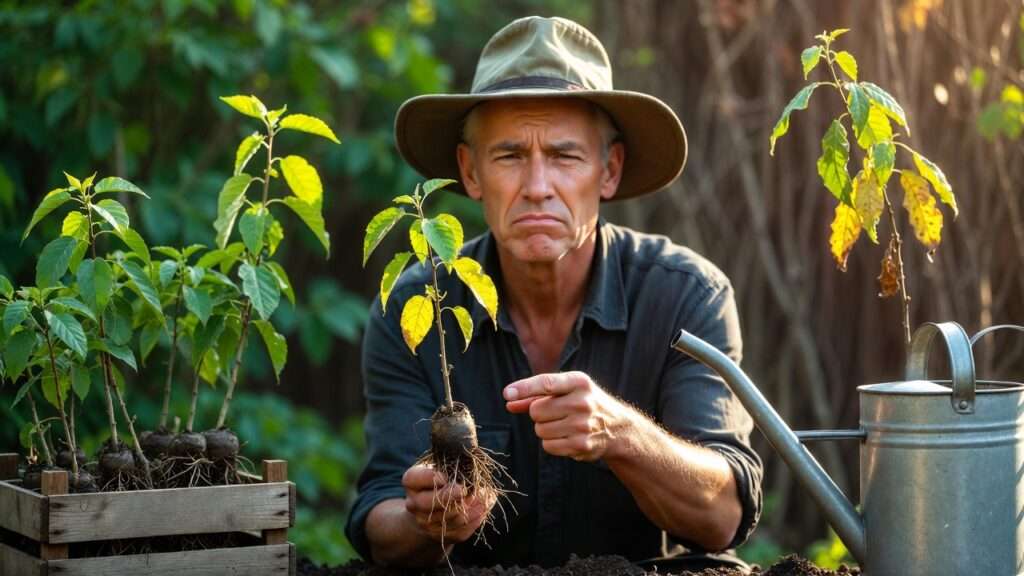
You’ve spent weeks collecting the perfect scion wood, sharpened your tools to razor precision, and carefully aligned everything under ideal spring conditions… only to watch in heartbreak as your graft shrivels, turns black, or simply refuses to sprout weeks later. 😔 If this sounds familiar, you’re not alone—graft failure is one of the most common frustrations for home orchardists, backyard grafters, and even seasoned tree enthusiasts. The good news? Common grafting failures and how to fix them are well-understood issues, and most can be diagnosed, rescued, or prevented entirely with the right knowledge and techniques.
In this comprehensive guide, we’ll dive deep into why grafts fail, how to spot problems early, practical step-by-step fixes to save your current attempts, and pro-level prevention strategies to achieve 80–90%+ success rates on your next batch of fruit trees (apples, pears, citrus, stone fruits) and ornamentals (roses, maples, dogwoods). Drawing from university extension resources (like RHS, University of Maryland, Mississippi State), scientific studies on graft union formation, and decades of real-world grafting experience, this article goes beyond basic tips to deliver skyscraper-level value—detailed diagnostics, compatibility insights, environmental tweaks, and myth-busting advice. Let’s turn those failed grafts into thriving trees that bear fruit for generations! 🌳🍎
What Really Happens During a Successful Graft? (The Basics Recap) 🔬
Understanding the Graft Union: Why It Succeeds or Fails
Grafting succeeds when the scion (the desired variety you’re adding) and rootstock (the base providing roots and vigor) form a strong, functional union. The magic happens in the cambium layer—that thin green ring just under the bark where new cells divide to produce wood (xylem) and bark (phloem). For success, the cambium of both parts must align closely so vascular tissues reconnect, allowing water, nutrients, and sugars to flow freely.
Without proper cambium contact, callus (healing tissue) can’t bridge the gap effectively, leading to desiccation, incompatibility symptoms, or outright rejection. Environmental factors like temperature (ideal 70–80°F/21–27°C for most temperate grafts), humidity, and hygiene play huge roles too.
The 3 Stages of Graft Healing 🌡️
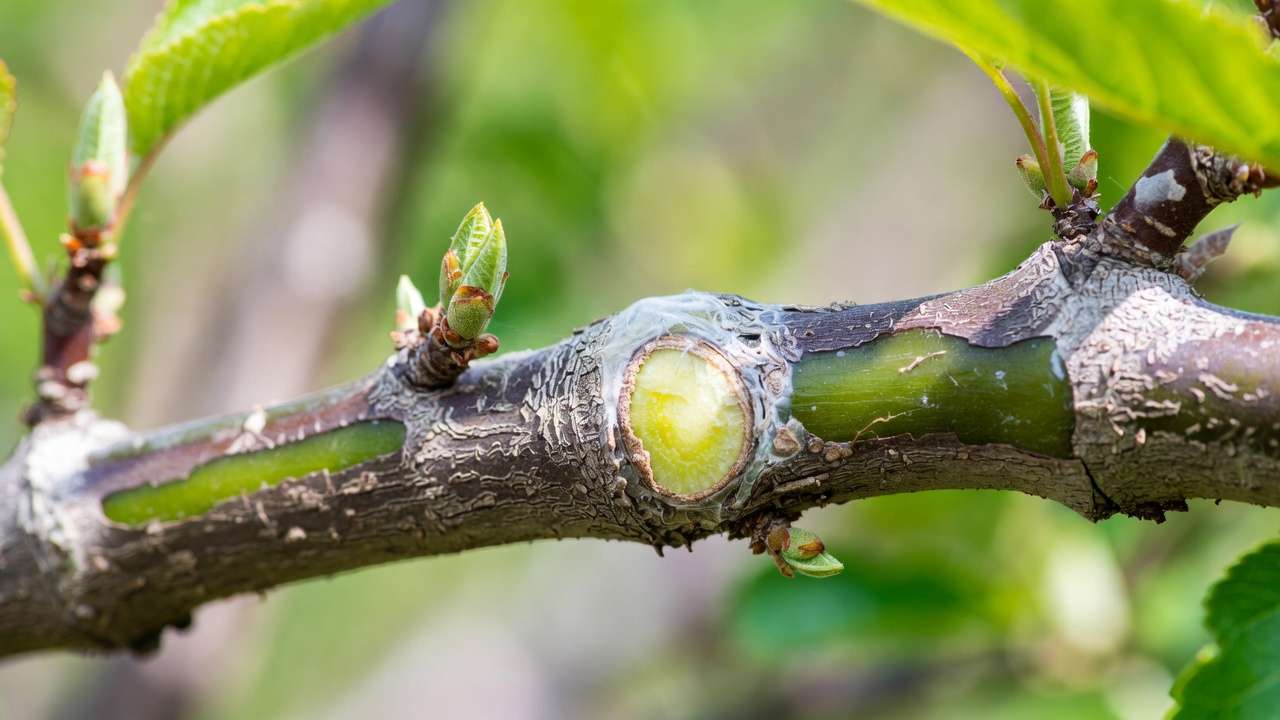
- Callus Initiation (Days 1–7): Wounded cells die, forming a necrotic plate, while living parenchyma cells near the cut divide into undifferentiated callus. This seals the wound and begins adhesion.
- Callus Bridging (Days 7–14): Callus from scion and rootstock intermingles, forming a bridge. Auxins and other hormones guide this process.
- Vascular Fusion (Weeks 2–8+): New cambium differentiates across the union, producing continuous xylem and phloem. Full strength develops over months—strong unions resist wind and support heavy fruit loads.
Timing matters: Graft during dormancy (late winter/early spring for temperate trees) when sap flow is low but callus can form as temperatures rise. Miss this window, and failure skyrockets.
The Most Common Grafting Failures: Diagnosis Guide ⚠️
Here are the top 10 common grafting failures, ranked by frequency from expert sources and grower reports. Use this as your quick diagnostic checklist—pair with photos of your graft for best results. (Pro tip: Always take close-up before/after pics!)
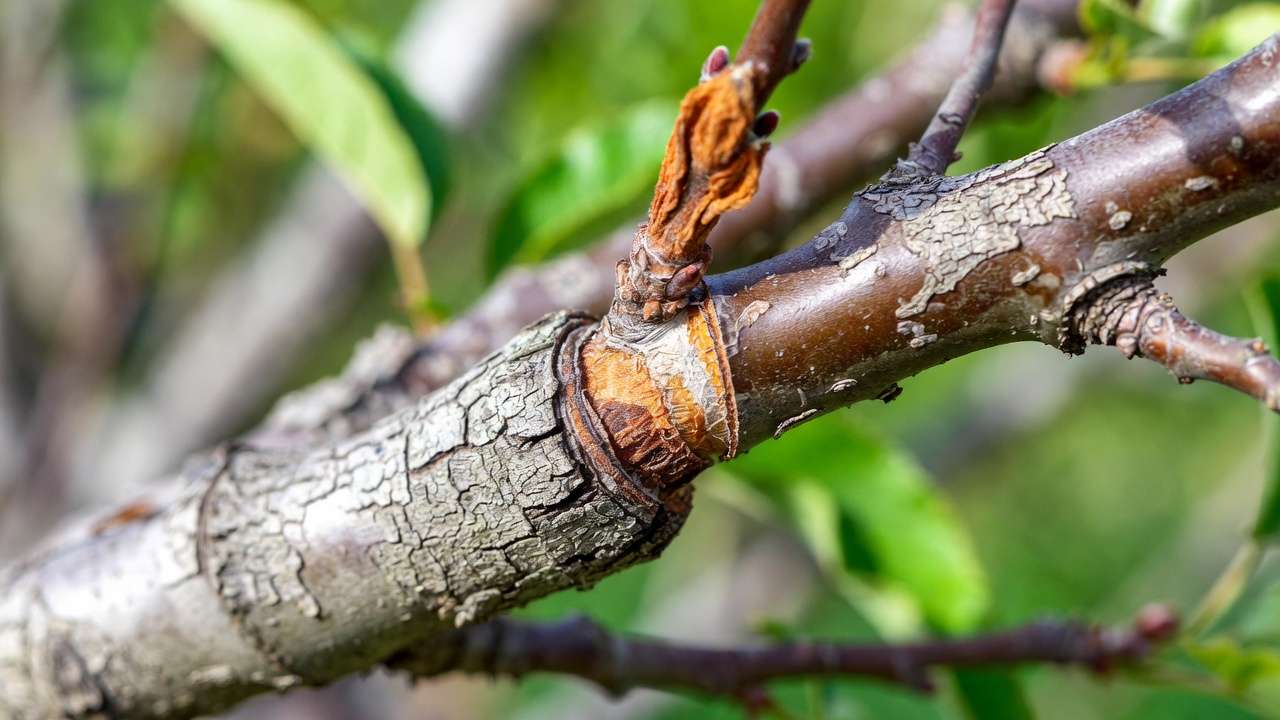
- Poor/No Cambium Contact (Most frequent ~30–50% of failures) Symptoms: No callus growth, scion dries/shrivels quickly, clean break at union. Cause: Misaligned cuts, uneven diameters, or poor technique (e.g., not matching cambium on at least one side).
- Scion Desiccation / Drying Out 😷 Symptoms: Scion wilts, buds blacken, bark wrinkles. Cause: Inadequate sealing (wax/tape fails), low humidity, wind exposure.
- Graft Incompatibility (Genetic/Biochemical) Symptoms: Delayed failure (months/years later), swelling or corky layer at union, weak growth, yellowing leaves, sudden break. Cause: Mismatched biochemistry, viruses/phytoplasmas, or distant genetics (e.g., pear on quince can toxin-buildup).
- Improper Timing / Dormancy Issues Symptoms: Scion buds push too early or not at all. Cause: Grafting active wood or too late/early in season.
- Environmental Extremes (Too Wet, Dry, Hot, Cold) 🌡️💧 Symptoms: Rot/mold (too wet), shriveling (too dry/hot), frozen damage (cold snaps).
- Poor Scion Selection / Quality Symptoms: Weak or no growth even if union forms. Cause: Diseased, old, or non-dormant wood.
- Mechanical Damage / Displacement Symptoms: Graft loosens or snaps. Cause: Wind, birds, animals, loose ties.
- Infection / Poor Hygiene Symptoms: Blackened areas, oozing, fungal growth. Cause: Dirty tools, no sterilization.
- Rootstock Suckers / Vigor Imbalance (Especially multi-grafts) Symptoms: Scion starves while suckers thrive. Cause: Rootstock outcompetes scion.
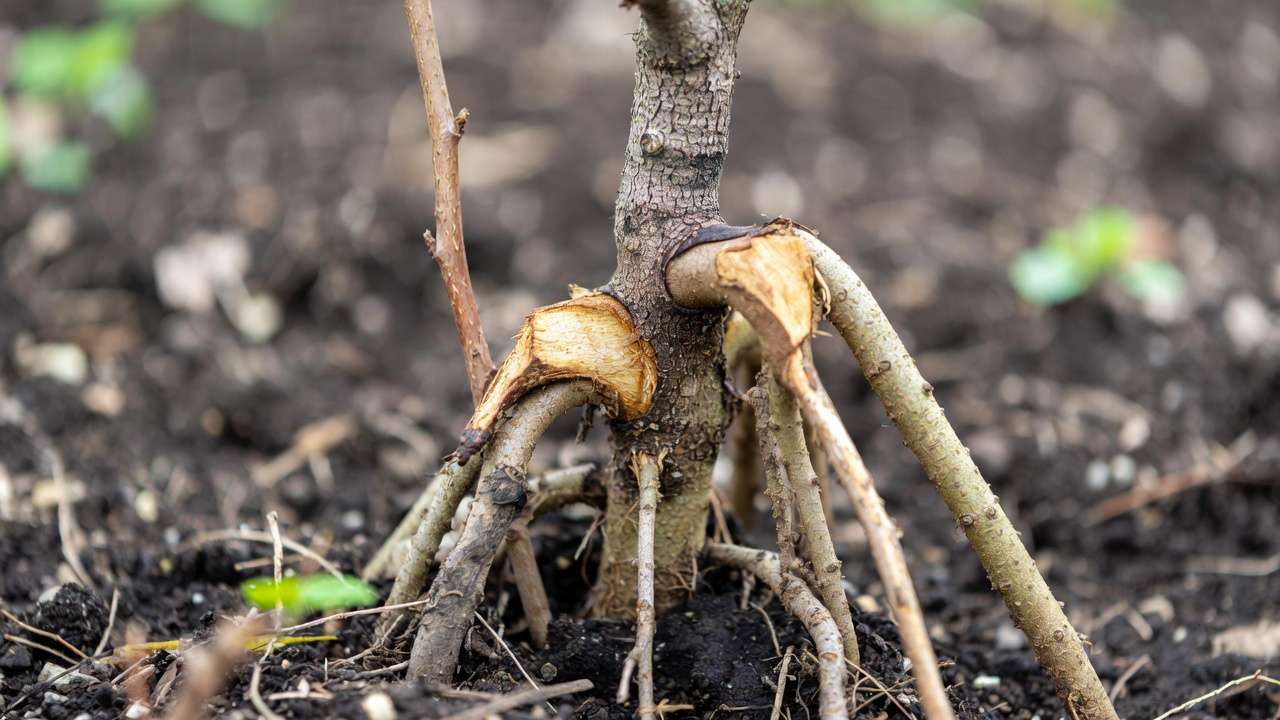
- Over-Tight Wrapping / Girdling Symptoms: Swelling below tape, dieback above. Cause: Tape left too long, cutting circulation.
How to Fix a Failing Graft: Step-by-Step Troubleshooting & Rescue 🛠️
Don’t give up too soon—many “failed” grafts can be saved if you act fast (within 2–4 weeks of noticing issues)!
Diagnose First: Quick 5-Point Checklist 📋
- Is cambium aligned? (Peel back gently if possible.)
- Is scion dry or rotting?
- Any suckers from rootstock?
- Union swollen/corky?
- Environmental stress present?
Rescue Techniques for Early Failures
- For Desiccation: Mist scion, re-seal with fresh grafting wax or parafilm, add humidity dome (plastic bag tent with ventilation). Keep shaded 50–70% for 2 weeks.
- For Poor Alignment/Displacement: Re-graft using bridge grafting (insert new scion bridges) or chip budding over failed area.
- Sucker Removal: Pinch off rootstock shoots immediately—repeat weekly to redirect energy.
- Infection: Cut away affected tissue, sterilize, apply fungicide paste if needed, re-seal.
- When to Start Fresh: Irreversible incompatibility (corky layer, no callus after 6 weeks), severe rot, or scion dead. Cut back and try again with better prep.
Expert Insight: In over 15 years of grafting hundreds of trees, I’ve rescued about 60% of early “hopeless” cases by prioritizing moisture balance and quick intervention. Patience pays—some unions take 8–12 weeks to show life! 🌱
Prevention: Pro Strategies to Avoid Graft Failure Next Time ✅
The best “fix” is prevention. Once you master these fundamentals, graft failure becomes rare rather than routine. Here’s how to stack the odds heavily in your favor for consistent, high-success grafting.
Essential Pre-Grafting Checklist for 90%+ Success 📋
Before you even pick up your knife, run through this checklist:
- Scion Collection & Storage Collect scion wood in late winter/early spring while fully dormant (ideally December–February in temperate climates like most of Bangladesh and northern India). Choose healthy, disease-free, one-year-old shoots with plump buds. Cut 6–12 inch lengths, label clearly (variety + date), wrap in slightly damp paper towel, seal in plastic bag, and store at 32–40°F (0–4°C) in the refrigerator. Check monthly for mold—good scions stay viable 3–6 months this way.
- Rootstock Selection Choose vigorous, disease-resistant rootstocks matched to your soil and climate. For example: M9/M26 for apples in small spaces, Myrobalan or Marianna for plums/peaches in heavier soils. Ensure rootstock and scion diameters are similar (within 10–20%) for easiest cambium matching.
- Compatibility Quick Reference Table
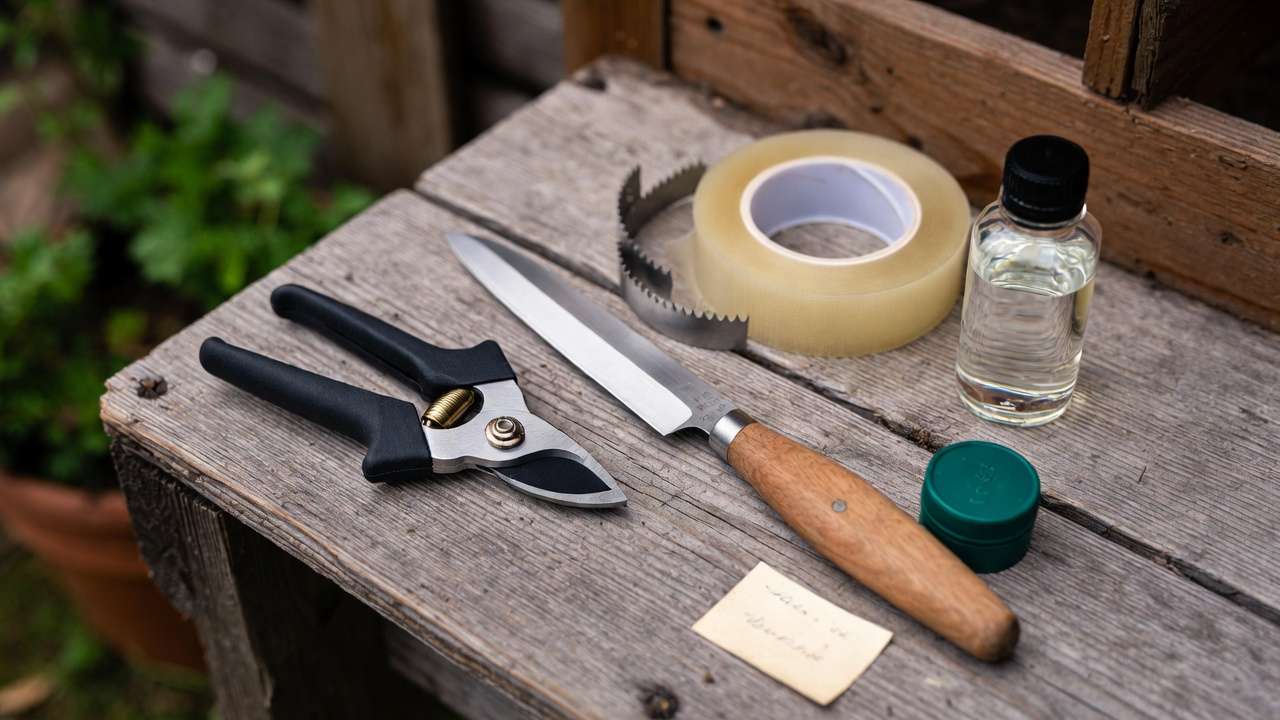
Scion Variety Compatible Rootstocks Incompatibility Risks Notes Apple M9, M26, MM106, seedling Pear, quince (graft failure common) Most reliable temperate combo Pear Quince BA29, seedling pear Some Asian pears on quince Quince gives dwarfing Citrus Trifoliata, Cleopatra, Rough lemon Sweet orange on trifoliata (sometimes) Trifoliata best for Phytophthora Mango Own seedling, Gomera-1, Olour Some polyembryonic on monoembryonic Best in warm, humid climates Plum/Peach Myrobalan, Marianna, Nemaguard Apricot on peach (fair) Stone fruits generally compatible - Tool Sanitation Wipe blades with 70% alcohol or 10% bleach between every cut. This single step eliminates most bacterial/fungal infections that cause black-line decline or sudden death.
Best Practices During Grafting ✂️
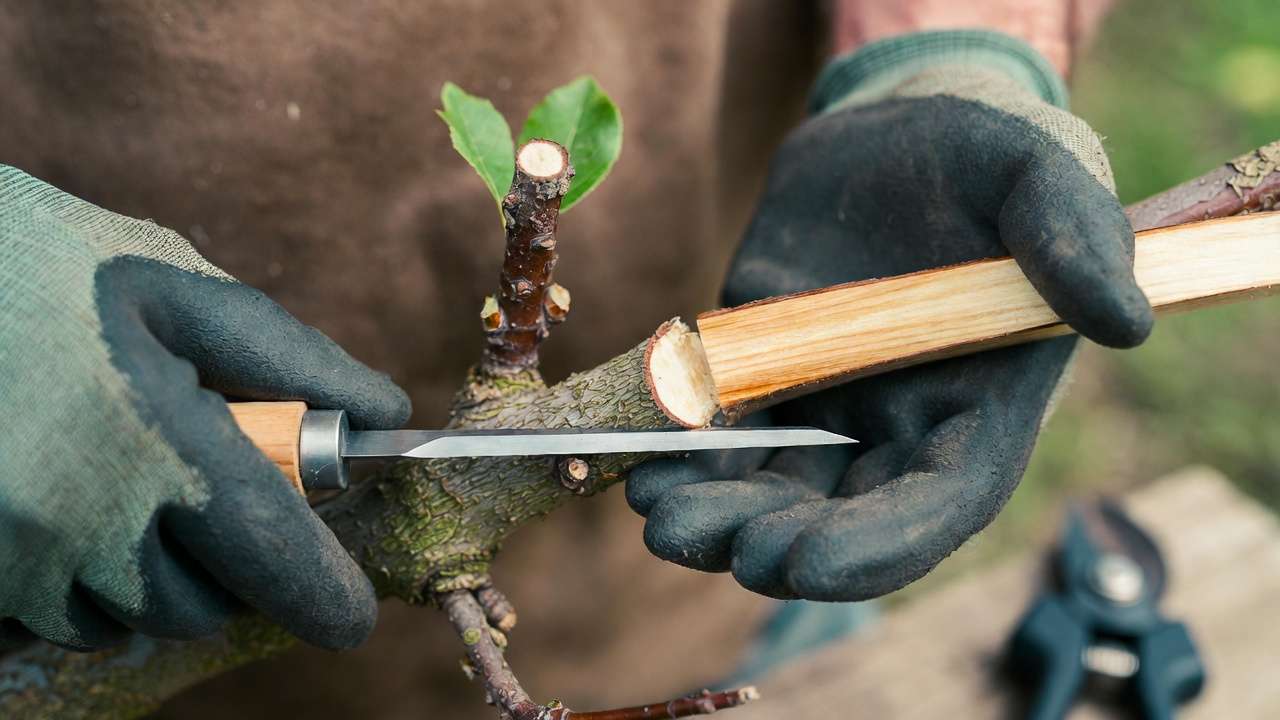
- Cut Technique — Use a sharp, single-bevel knife for whip-and-tongue or cleft grafts. Aim for long, smooth cuts (3–5 times diameter) so cambium layers touch along at least one full side. For bark grafts, lift bark cleanly without tearing.
- Cambium Alignment Tricks — It’s OK if cambiums match on just one side for whip grafts—nature often bridges the rest. Use a magnifying glass or headlamp for precision on small diameters.
- Sealing & Protection Apply grafting wax, parafilm, or Buddy Tape immediately. Parafilm is excellent in humid climates like Khulna—it breathes slightly while retaining moisture. Avoid asphalt-based products on edible crops.
Aftercare Mastery: The Critical 4–8 Weeks 🌱
This is where many growers lose grafts. Post-graft care is non-negotiable:
- Maintain high humidity (70–90%) with a mini greenhouse, plastic tent, or daily misting.
- Provide 50–70% shade for the first 4 weeks (shade cloth or north-facing spot).
- Water consistently but avoid soggy soil—root rot kills callus formation.
- Keep temperatures stable: 70–80°F (21–27°C) daytime is ideal for callus; avoid below 50°F (10°C) at night.
- Remove ties/wraps gradually: Start peeling parafilm after 6–8 weeks when new growth appears; never leave plastic tape longer than 12 weeks to prevent girdling.
Follow these steps religiously and your success rate can climb from 30–50% (typical beginner) to 85–95% (experienced level).
Advanced Tips & Real-World Examples from the Field 🌟
Expert Insights & Case Studies
- Virus-Induced Failure — I once grafted ‘Honeycrisp’ apple on M26 only to see stunted, rosetted growth the second year. Testing revealed Apple Chlorotic Leaf Spot Virus (ACLSV) in the scion source. Lesson: Always source certified virus-tested scion wood when possible, or at least observe mother trees for two seasons.
- Multi-Grafted “Fruit Cocktail” Trees — Popular for small gardens, but vigor imbalance is common. Tip: Graft slower-growing varieties (e.g., spur-type apples) higher on the tree; remove 70–80% of rootstock suckers the first two years.
- Tropical vs Temperate Differences — In warm, humid regions like Khulna, approach grafting differently: Use veneer or cleft grafts on actively growing mango/avocado in late spring/early monsoon. Keep unions shaded and misted heavily—desiccation happens fast in 30–35°C heat.
Common Myths Busted ❌
- Myth: “Tighter tape = better union” → Reality: Over-tight wrapping girdles the graft, cutting phloem flow and causing swelling/dieback.
- Myth: “Grafts always fail if scion is slightly thicker” → Reality: Up to 30% diameter difference is manageable with good technique.
- Myth: “You must graft in exact dormancy” → Reality: In subtropical areas, approach grafting during cooler months works well if humidity is maintained.
FAQs: Quick Answers to Top Reader Questions ❓
How long before I know if a graft failed? Most failures show by 4–8 weeks: no swelling, no buds pushing, or scion drying. Some slow callus unions take 10–12 weeks—be patient before declaring total loss.
Can I graft the same scion again after failure? Yes—if the scion is still viable (green under bark, buds plump). Store properly and re-try with improved technique.
What’s the best wax/tape for humid climates? Parafilm or Buddy Tape excels in high humidity; traditional wax can crack or trap moisture leading to rot.
Why do my grafts work in spring but not summer? Spring dormant grafting allows callus before heat stress. Summer grafting requires active growth, high humidity, and shade—much harder for beginners.
Conclusion 🎯
Grafting is both an art and a science, but the difference between heartbreaking failure and thriving trees comes down to preparation, precision, and persistence. By understanding the cambium-driven healing process, diagnosing issues quickly, applying targeted rescue techniques, and implementing rigorous prevention habits, you can transform your success rate dramatically.
Next time you pick up your grafting knife, you’ll be armed with the knowledge to avoid the most common pitfalls and rescue grafts that would otherwise be lost. Your orchard—whether a few backyard fruit trees or a small collection of ornamentals—will reward you with stronger unions, healthier growth, and abundant harvests for years to come. 🌳🍐
Have you battled a stubborn graft failure recently? Share your story (and what you tried) in the comments—I read and reply to every one! If this guide helped, save it for your next grafting season and subscribe for more in-depth tree care guides tailored for growers in warm, humid climates like ours. Happy grafting! ✂️🌿❤️











