
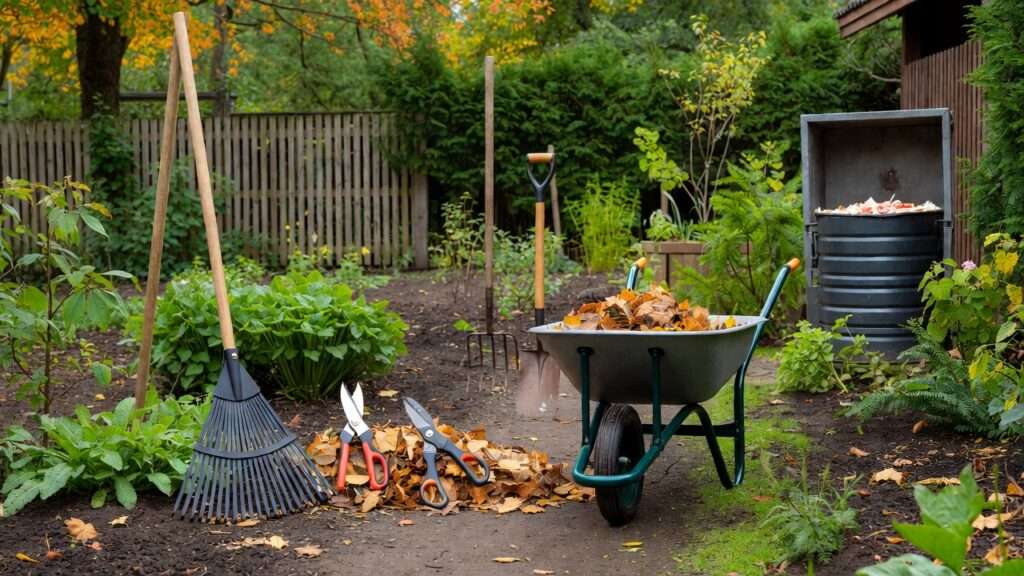
Picture this: Your garden beds are a beautiful mess of fading foliage, scattered leaves 🍁, and the last stubborn tomatoes clinging to vines 🍅. The air has that crisp autumn bite, and the first frost is just around the corner. Many gardeners sigh, pack away their tools, and call it a season—only to face a pest-infested, disease-ridden spring cleanup nightmare months later. But what if a thoughtful end-of-season garden cleanup could prevent overwintering problems, enrich your soil naturally, and set you up for a vibrant, low-maintenance spring explosion of growth?
That’s exactly what this comprehensive end-of-season garden cleanup guide delivers. As a dedicated plant care and tree care specialist with years of hands-on experience tending diverse gardens—from urban veggie plots to suburban orchards—I’ve seen firsthand how proper fall preparation transforms outcomes. Backed by insights from university extensions (like MSU, OSU, and Penn State) and sustainable gardening best practices, this guide goes deeper than basic checklists. It balances tidiness with ecology, protects beneficial insects 🐝, boosts soil health 🌍, and ensures your plants, trees, and shrubs emerge stronger next year.
Whether you’re dealing with vegetables, perennials, ornamentals, or fruit trees, follow these essential steps for healthier plants next spring. Let’s put your garden to bed the right way—your future self (and your plants!) will thank you! 🌱✨
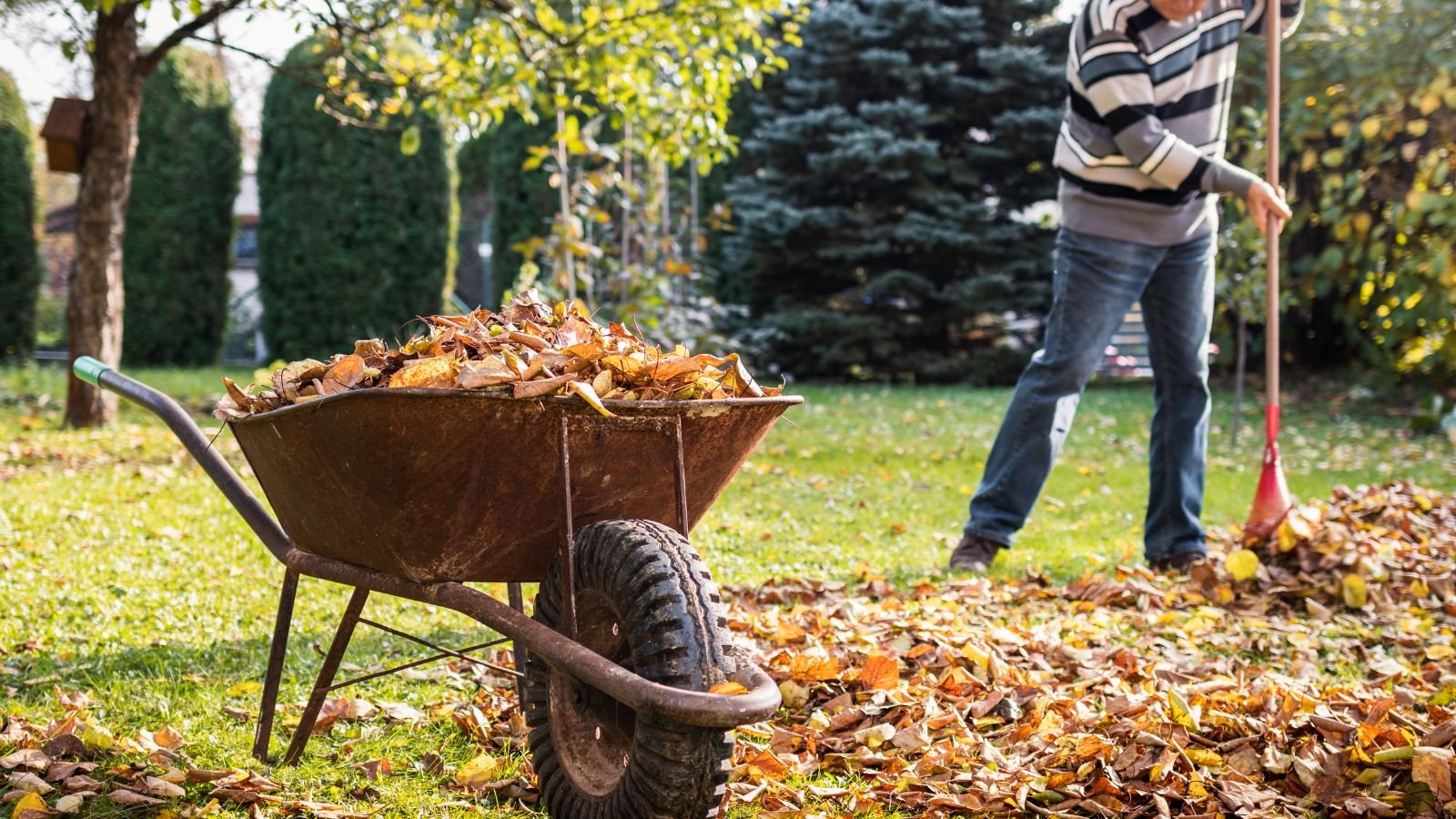
Why End-of-Season Cleanup Matters (The Science Behind It) 🔬🍃
Skipping or rushing fall cleanup might seem harmless when you’re tired from summer weeding and watering, but it invites trouble. Plant debris—dead stems, fallen fruits, yellowed leaves—becomes a cozy winter hotel for pests like aphids, squash bugs, and rodents 🐀, plus fungal spores (powdery mildew, blight) and bacterial pathogens that survive cold weather. Come spring, these overwintered issues explode, requiring more pesticides or lost crops.
On the flip side, smart cleanup reduces disease inoculum by 50-70% in many cases (per extension research), improves soil structure through organic matter addition, and recycles nutrients via decomposition. It also supports biodiversity: A “messy” but intentional garden provides habitat for overwintering pollinators like solitary bees and butterfly pupae 🦋.
Key benefits include:
- Fewer spring pests and diseases
- Better soil fertility and moisture retention
- Easier planting and weeding next season
- Healthier trees and shrubs with less winter damage
Pro tip: Balance is key—over-cleaning creates sterile environments that harm beneficial wildlife, while thoughtful cleanup nurtures both your garden and the ecosystem.
When to Start Your Cleanup (Timing Guide) ⏰🌡️
Timing matters for maximum effectiveness and minimal plant stress. Start after the first light frost (or when annuals blacken) but before heavy freezes or constant rain make soil muddy.
- Cool climates (USDA Zones 3-6): Mid to late fall, after harvests finish and leaves drop.
- Mild climates (Zones 7-10): Late fall to early winter—watch for extended warm spells.
- Signs it’s go-time: Most plants yellowing/dieback, final harvests complete, deciduous trees shedding leaves.
Avoid starting too early (healthy plants still photosynthesize) or too late (frozen ground hinders mulching/amending). In Dhaka’s subtropical climate (mild winters), aim for November-December when monsoon remnants fade.
Comprehensive Step-by-Step Cleanup Checklist (The Heart of the Guide) 📋🛠️
This skyscraper-level checklist covers every angle—vegetables, flowers, trees, soil, tools, and wildlife—for thorough preparation.
1. Harvest Remaining Crops & Remove Spent Annuals 🌽🥦
Gather any lingering produce—even small or green tomatoes can ripen indoors. Pull or cut annuals/veggies at ground level.
- Leave roots of nitrogen-fixers (beans, peas) to decompose and feed soil microbes.
- Diseased plants alert 🚨: Trash (don’t compost) anything with blight, mildew, rust, or spots to prevent spore survival.
2. Weed Control – The Last Stand Before Winter 🌱🛑
Fall weeding prevents thousands of spring seedlings. Pull weeds roots and all—rain-softened soil makes it easier.
Tools: Sharp hoe for surface weeds, broadfork for deep-rooted ones without disturbing soil structure.
3. Perennial & Ornamental Plant Care 🌸✂️
Not everything needs chopping—many perennials benefit from standing stems for insect habitat and bird food.
- Cut back: Hostas, peonies, daylilies (remove to 2-4 inches to avoid rot).
- Leave standing: Coneflowers, black-eyed Susans, ornamental grasses (seed heads feed birds 🐦; hollow stems shelter insects).
- Divide overcrowded clumps now—replant immediately for strong roots before dormancy.
4. Tree & Shrub Prep (Special Focus for Tree Lovers) 🌳🛡️
Trees and shrubs need gentle care to avoid winter injury.
- Rake up fallen fruit/leaves to curb fungal diseases like apple scab or black spot.
- Apply 2-3 inches mulch around bases (keep 2-4 inches from trunks to prevent rot).
- Young tree protection: Wrap trunks with guards against sunscald/rodents 🐿️; stake only if necessary.
Light pruning: Remove dead/diseased branches only—save major shaping for late winter/dormancy.
5. Soil Health & Amendment Time (The Real Game-Changer) 🌍💪
Fall is prime for soil building—cooler temps slow nutrient loss, and worms/microbes incorporate amendments deeply.
- Test soil (pH, NPK)—kits from local extensions are affordable.
- Add 2-4 inches compost, aged manure, leaf mold, or cover crops (clover, winter rye for erosion control/nitrogen).
- Favor no-dig methods: Layer amendments on top—worms do the work!
Best for veggies: Compost + cover crop. For flowers/trees: Leaf mulch + slow-release organics.
6. Mulching Mastery 🍂🛡️
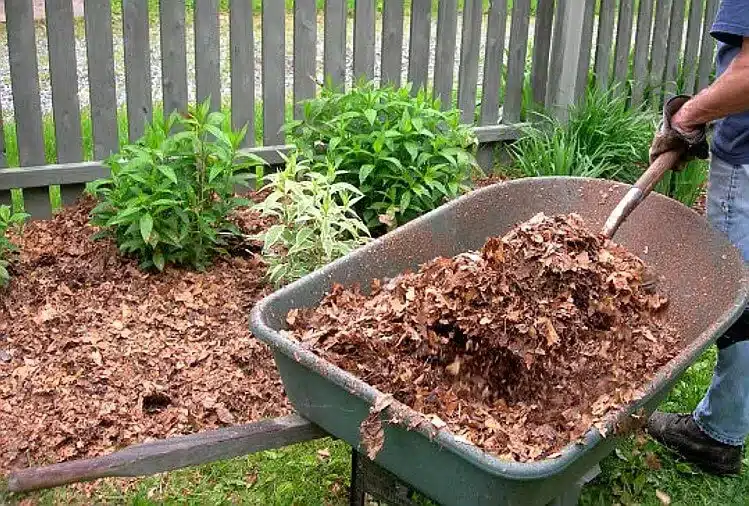
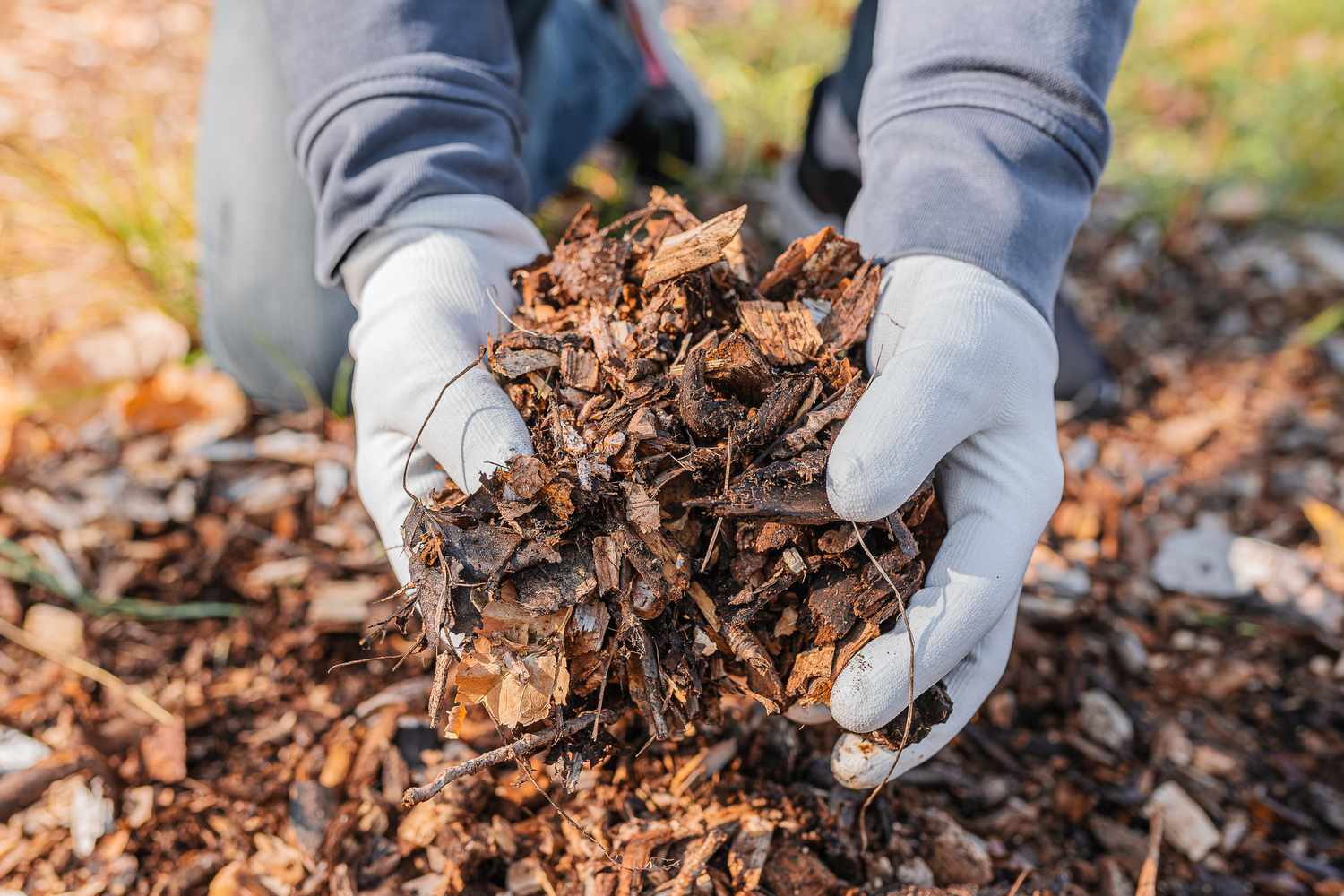
Mulching in fall is one of the highest-ROI tasks you can do. A good layer suppresses weeds, moderates soil temperature (protecting roots from freeze-thaw cycles), retains moisture, and feeds soil life as it breaks down.
- Ideal materials: Shredded leaves (free and abundant in fall—run over them with a mower!), straw, pine needles, or wood chips. Shredded leaves are gold: they decompose slowly, improve soil structure, and are less likely to mat.
- How to apply: Spread 2–4 inches thick over beds, around perennials, trees, and shrubs. Keep mulch 2–3 inches away from stems/trunks to prevent rot and rodent hiding spots 🐀.
- Pro tip for Dhaka’s mild winters: Use lighter layers (2 inches) since extreme freezes are rare, but mulch still helps retain moisture during dry spells.
Avoid fresh grass clippings or uncomposted manure in fall—they can compact or burn roots in cooler weather.
7. Lawn & Pathways Final Touches 🌱🚶
Don’t neglect the lawn—proper fall care sets up lush green next spring.
- Mow one last time at 2–2.5 inches (shorter helps prevent snow mold in colder zones).
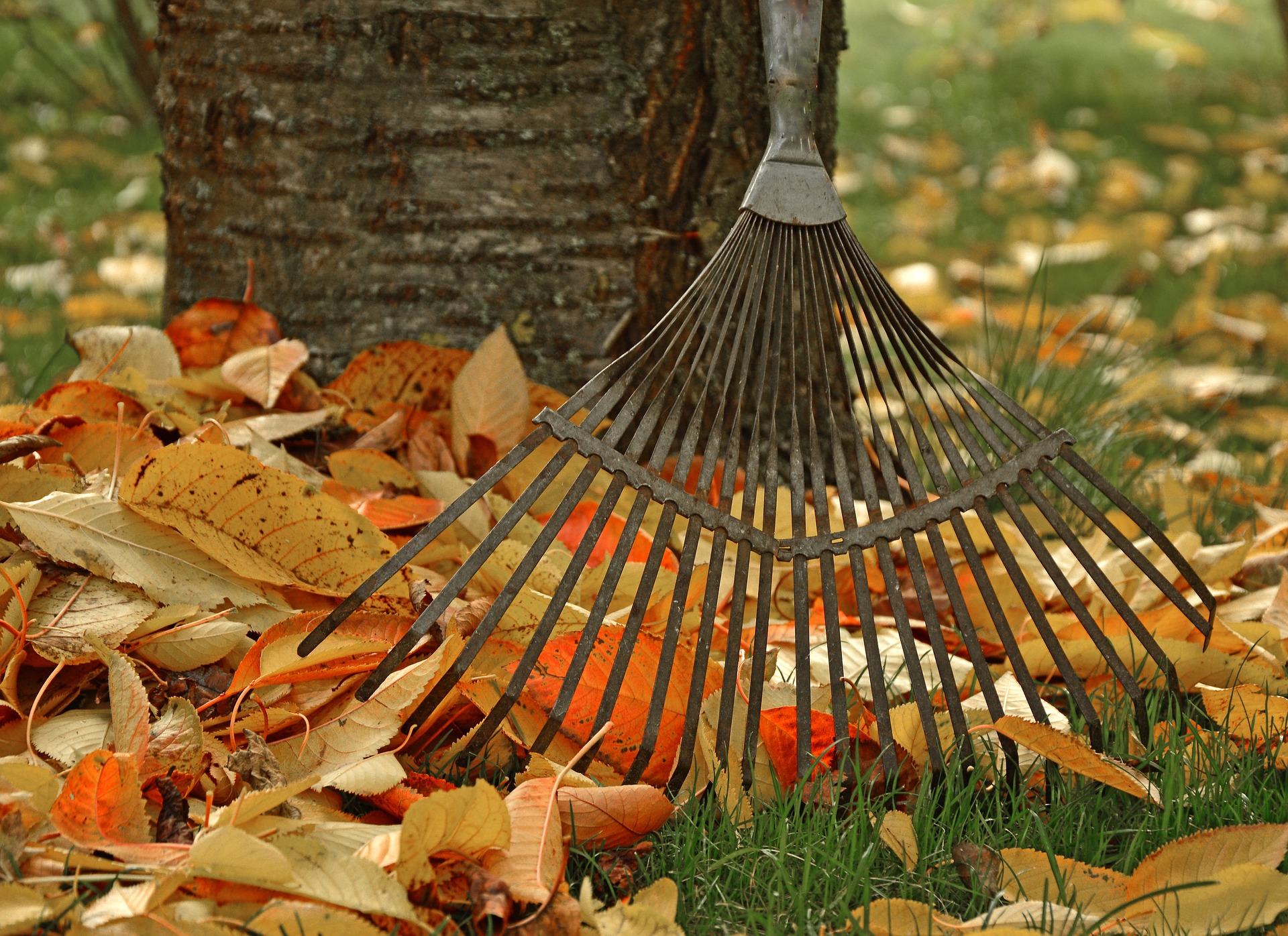
- Leave mulched leaves on the lawn (they add organic matter) or rake excess to beds/compost.
- Aerate compacted areas if you have heavy clay soil common in parts of Bangladesh.
- Clean pathways: Sweep debris, edge beds, and apply gravel or mulch to suppress weeds.
8. Tool Cleaning & Storage 🛠️🧼
Clean tools last longer and prevent spreading diseases next season.
- Wash off soil with water and a stiff brush.
- Disinfect blades with a 10% bleach solution or rubbing alcohol (especially after diseased plants).
- Sharpen edges with a file or whetstone for cleaner cuts.
- Oil metal parts (linseed or mineral oil) to prevent rust.
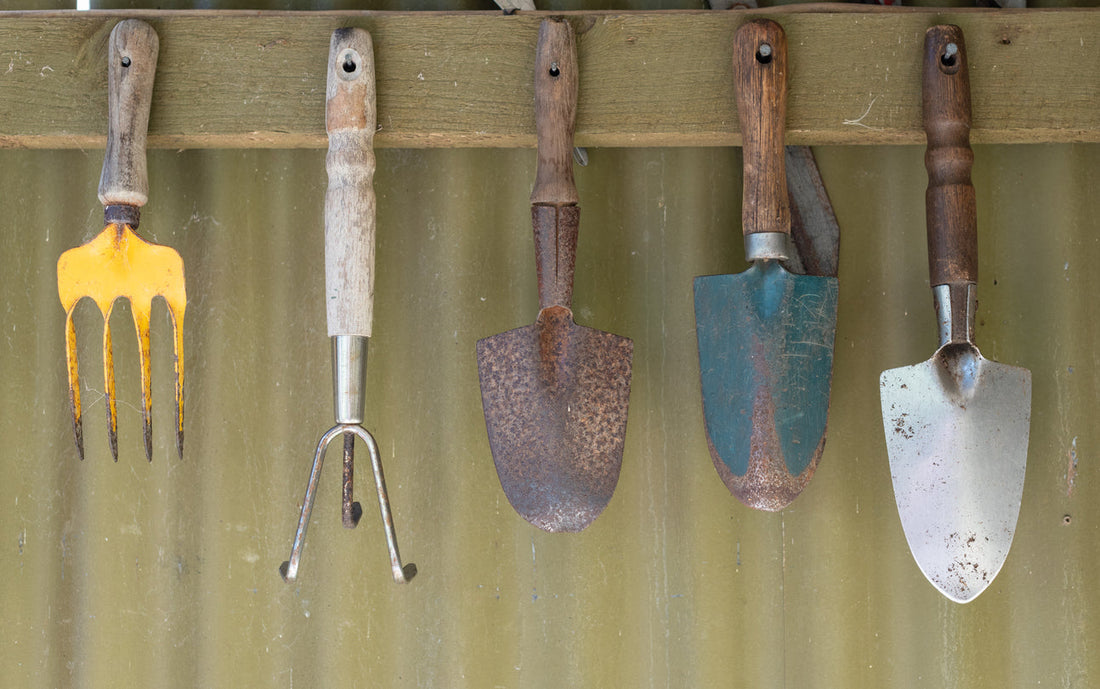
- Store in a dry shed or garage—hang them to avoid moisture buildup.
A little effort now saves hours of frustration (and replacement costs) in spring!
9. Wildlife & Pollinator Support (Eco-Friendly Twist) 🐝🌼
Modern gardening embraces “leave the leaves” philosophy—perfect for supporting declining pollinator populations.
- Leave leaf litter in beds and under shrubs (insulates soil and shelters queen bumblebees, butterfly chrysalises, and beetle larvae).
- Keep hollow stems of perennials (cut at 12–18 inches) for cavity-nesting bees.
- Create brush piles or rock piles for small mammals and insects.
- Add a bird feeder or suet block—many migratory birds appreciate it during fall migration.
In milder climates like Dhaka, this “intentional mess” provides year-round habitat without major winter kill risks.
Common Mistakes to Avoid ❌🚫
Even experienced gardeners slip up—here are the big ones:
- Over-cleaning: Removing every stem/leaf harms biodiversity and soil health.
- Composting diseased material: Fungal spores survive home compost piles—always trash suspect plants.
- Deep tilling in fall: Disrupts mycorrhizal fungi and earthworms; surface amendments are better.
- Mulching too close to trunks/stems: Invites rot and pests.
- Ignoring regional timing: In subtropical areas, don’t delay mulching—early dry spells can stress plants.
Bonus Expert Insights & Pro Tips ✨🔍
- Zone tweaks for Dhaka/Bangladesh: Focus on moisture conservation and fungal prevention (high humidity encourages issues like anthracnose). Use neem-based sprays if needed before cleanup.
- DIY leaf shredder hack: Mow leaves in place or bag them and run the mower over—saves buying equipment.
- Cover crop cheat sheet: Quick-growing options like daikon radish break up clay; crimson clover fixes nitrogen.
- Printable checklist: Jot down these steps or download similar from university extensions for your fridge!
FAQs (Boost Your Confidence & Answer Common Doubts) ❓🌱
Here are the questions I hear most often from gardeners during fall cleanup season—real answers based on years of experience and university extension recommendations.
Q: Should I remove all leaves from the garden beds? A: No—not all of them! Shredded leaves make excellent free mulch and habitat. Rake thick piles off the lawn (to prevent smothering grass) and spread them thinly (2–3 inches) over beds. Leave some loose leaf litter under shrubs and in wilder corners for overwintering pollinators 🐝 and beneficial insects. Only remove leaves that are diseased or matted into solid layers.
Q: Can I compost tomato plants that had blight or other diseases? A: Absolutely not. Fungal pathogens like late blight (Phytophthora infestans) and early blight can survive home composting temperatures. Bag and trash diseased tomato, potato, pepper, and squash plants. Healthy, non-diseased vegetable tops can go in the compost pile.
Q: When exactly is the best time to apply fall mulch? A: After the first light frost kills tender annuals, but before the ground freezes solid (if your area gets hard freezes). In milder climates like Dhaka, apply mulch in late November to early December—right after the monsoon season winds down—so it locks in soil moisture during the drier winter months.
Q: Do I need to prune my roses now? A: Light cleanup only. Remove dead, damaged, or crossing branches and any diseased foliage. In subtropical regions, avoid heavy pruning in fall—wait until late winter/early spring when new growth begins. Heavy fall pruning can stimulate tender shoots that get damaged by occasional cool snaps.
Q: How do I protect potted perennials and herbs over winter? A: Group pots together against a south-facing wall for insulation. Wrap pots in burlap or bubble wrap if freezes are possible. Move very tender plants (basil, coleus remnants) indoors or take cuttings. Mulch the soil surface heavily and water lightly before cold spells.
Q: Is it too late to plant a cover crop in mid-fall? A: Not necessarily! Fast-growing options like winter rye, oats, or crimson clover can still establish if planted 4–6 weeks before your first expected hard frost. In Dhaka’s mild climate, you can sow cover crops even into early December for excellent soil protection and spring green manure.
Conclusion – Look Forward to a Beautiful Spring! 🌸🌞
Congratulations—you’ve just invested a few hours that will pay dividends all next year. By following this end-of-season garden cleanup guide, you’ve:
- Reduced overwintering pests and diseases dramatically
- Built richer, more living soil through smart amendments and mulching
- Protected your trees, shrubs, and perennials from winter stress
- Created habitat for the pollinators and beneficial insects that make your garden thrive
- Saved yourself weeks of spring frustration
Come March or April, when the soil warms and new shoots emerge, you’ll notice the difference: cleaner beds, fewer weeds to battle, stronger plants, and earlier blooms and harvests. Your garden will thank you with healthier foliage, more flowers, and tastier vegetables.
Start small if the list feels overwhelming—begin with diseased plant removal and mulching today. Every step counts.
I’d love to hear how your cleanup goes! Drop a comment below with your biggest takeaway, a photo of your neatly mulched beds, or any questions that popped up while working. And if you found this guide helpful, subscribe or bookmark it so you’re ready for spring prep next year.
Here’s to putting your garden to bed the right way—and waking up to a spectacular spring! 🌱✨ Happy gardening, and see you on the other side of winter! 🍃











