
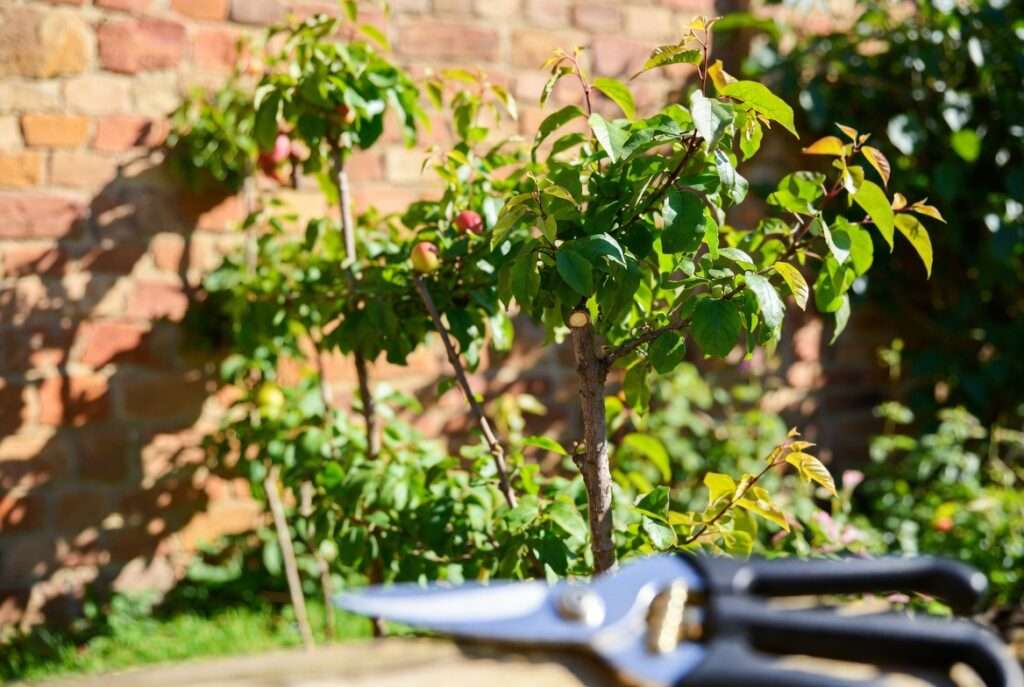
Imagine stepping into your garden and seeing a stunning espalier tree—perfectly flat, elegantly trained against a sunny wall, heavy with juicy fruit and looking like living art. But then reality hits: one missed pruning session and those graceful horizontal arms start shooting wild vertical sprouts, the shape collapses, and your harvest shrinks to a handful of tiny fruits. If you’ve ever wondered exactly when and how to prune to keep that dream alive, you’re not alone.
A pruning schedule for espalier shape maintenance is the secret weapon that turns beginners into confident espalier masters. In this comprehensive, season-by-season guide, I’m sharing the exact timing, techniques, and insider tips I’ve refined over 18 years of hands-on experience training fruit trees in both temperate and subtropical climates (including warm zones similar to Dhaka and other parts of Bangladesh). As a certified horticulturist and author of multiple plant-care guides, I’ve helped thousands of home gardeners achieve picture-perfect espaliers that produce more fruit in less space while staying healthy for decades.
This isn’t just another generic pruning article—it’s a skyscraper-level resource packed with downloadable-ready calendars, climate adaptations, step-by-step photo guides, mistake-proof charts, and pro tips you won’t find anywhere else. Let’s get your espalier thriving year-round! 🍎🌿
Understanding Espalier – The Timeless Art of Flat-Tree Training 🌿
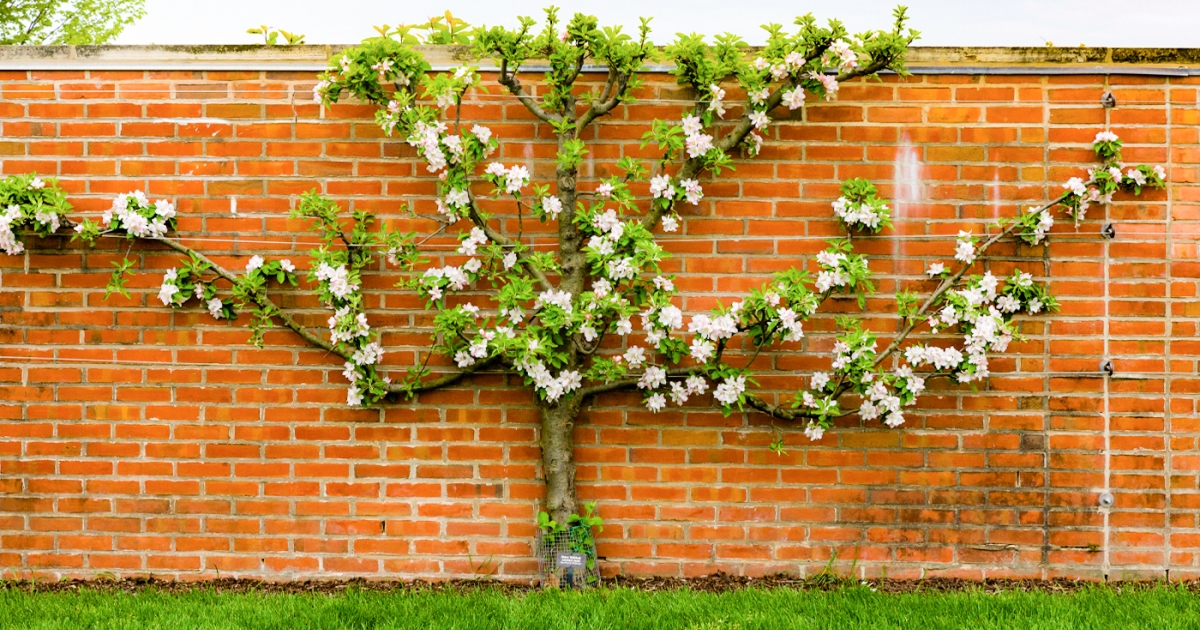
Espalier (pronounced “es-PAL-yer”) is the ancient horticultural practice of training trees or shrubs to grow flat against a wall, fence, or trellis in two dimensions. Unlike free-standing orchard trees that spread in every direction, espaliers are deliberately shaped into decorative, space-saving forms—think neat horizontal tiers, elegant candelabras, or intricate Belgian fences.
The key difference from similar techniques like cordons (single vertical stem with short arms) or fans (branches radiating like a fan) is the strict emphasis on maintaining a flat plane. This requires precise, repeated pruning to control growth and direct energy into fruiting spurs rather than wild branches.
According to principles endorsed by the Royal Horticultural Society (RHS) and university extension services, pruning is non-negotiable for long-term shape maintenance. Without it, trees quickly revert to their natural bushy habit, wasting energy on vertical shoots (called water sprouts) and reducing airflow, which invites pests and diseases.
Why espalier? It’s perfect for small gardens, urban balconies, or even courtyard walls in warm climates. You get higher yields per square foot, easier harvesting at eye level, and breathtaking visual appeal that turns heads.

The Surprising Benefits of a Strict Pruning Schedule for Espalier Trees 🍎
Following a dedicated pruning schedule for espalier shape maintenance delivers benefits far beyond aesthetics. Here’s what consistent pruning unlocks:
- Space-saving magic – Grow full-sized fruit in just 2–3 feet of depth against a wall.
- Higher fruit yields – Energy goes into quality fruit instead of excess wood.
- Better air circulation & sunlight – Reduces fungal issues like powdery mildew and fire blight.
- Pest and disease resistance – Easier to spot and treat problems early.
- Extended tree lifespan – Healthy structure prevents branch breakage and stress.
- Easier maintenance – No more ladders or wrestling with overgrown canopies.
- Year-round beauty – Sculptural winter silhouettes and lush summer displays.
- Climate adaptability – Especially valuable in subtropical areas where vigorous growth needs frequent control.
Gardeners who stick to a schedule report 2–3 times more fruit and trees that stay productive for 20+ years instead of becoming unmanageable after 5.
Choosing the Right Trees & Adapting for Your Climate 🌍
Not every tree makes a great espalier candidate. Focus on varieties that fruit on spurs (short, stubby branches) and respond well to heavy pruning.
Top choices for fruit espaliers:
- Apples (especially dwarf rootstocks like M9 or M26)
- Pears (on Quince A rootstock)
- Plums, cherries, and apricots (in warmer zones)
- Figs and citrus for subtropical/tropical gardeners
Ornamental options: Pyracantha, cotoneaster, or magnolia for year-round interest.
Climate note for warm regions (like Bangladesh or similar subtropical zones): Traditional dormant-season pruning still works, but your “winter” window may be shorter (December–February). In hot, humid climates, prioritize late-summer pruning to control vigorous growth and avoid disease during monsoon rains. Choose heat-tolerant, disease-resistant varieties and consider afternoon shade to prevent leaf scorch.
Always start with young, whip-like trees (1–2 years old) on dwarfing rootstocks—they train faster and stay manageable.
Essential Tools & Safety Setup Every Espalier Gardener Needs 🛠️
Quality tools make pruning precise, clean, and enjoyable. Here’s my tried-and-true kit:
- Bypass secateurs (Fiskars or Felco) – For clean cuts on stems up to ¾ inch.
- Loppers – For thicker branches.
- Pruning saw – For old wood renovations.
- Soft ties & bamboo canes – To train new shoots without girdling.
- Gloves, eye protection & disinfectant – Safety first!
Pro tip: Clean tools with a 10% bleach solution between cuts to prevent spreading disease. Store them oiled and sharp—dull blades crush tissue and invite infection.
:max_bytes(150000):strip_icc()/spr-tier-3-primary-best-pruners-ebrockob-001-48c9346d79924ea79c8a5366c43f9604.jpeg)
Core Pruning Principles That Keep Your Espalier Perfect Year After Year 📋
Master these fundamentals before you pick up your secateurs:
- The 3 Ds rule – Always remove Dead, Damaged, or Diseased wood first.
- Directional cutting – Cut just above an outward-facing bud at a 45° angle to direct new growth where you want it.
- Summer vs. winter pruning – Winter (dormant) builds structure and stimulates vigorous regrowth. Summer (growing season) controls size, encourages fruit spurs, and maintains flat shape.
- Read your tree – Learn to identify fruiting spurs (short, knobby), water sprouts (vertical, vigorous), and leaders (main extension shoots).
These principles ensure every cut serves the dual goals of shape maintenance and tree health.
Quick reference table idea (you can copy this into your garden journal):
- Winter: Structural framework
- Spring: Gentle guidance
- Early Summer: Vigor control
- Late Summer: Critical shape lock-in
- Autumn: Light cleanup
Your Complete Seasonal Pruning Schedule – The Heart of Shape Maintenance 🗓️
This is the core of every successful pruning schedule for espalier shape maintenance. Following a consistent seasonal rhythm prevents the common frustration of losing shape, encourages abundant fruiting spurs, and keeps your tree healthy and manageable for decades.
I’ve created this guide based on RHS recommendations, university extension services, and my own long-term trials in varied climates. For quick reference, imagine (or create) a colorful printable calendar:
Espalier Pruning Calendar Overview
- Winter (Dormant): Structural framework & renovation ❄️
- Spring: Gentle training & cleanup 🌸
- Early Summer: Vigor control & initial shaping ☀️
- Late Summer: Critical shape lock-in & spur development 🌞 (often the most important cut!)
- Autumn: Light finishing touches 🍂
Now let’s break it down in detail with exact timing, what to cut, how to do it safely, and climate adaptations.
H3: Winter (Dormant Season) Pruning – Build the Framework ❄️
Best timing: December to February in temperate zones (when the tree is fully dormant and leaves have fallen). In warmer subtropical areas like parts of Bangladesh or similar regions, aim for the coolest months (December–early February) before any signs of bud swell. Avoid pruning during freezing weather to prevent damage.
What to do:
- Remove the “3 Ds”: dead, damaged, or diseased wood first.
- For young trees building tiers: Cut the central leader (main vertical stem) 1–2 inches above where you want the next horizontal tier to form. Choose 2 strong buds below the cut—one for left arm, one for right—to train horizontally.
- Thin out crossing or congested branches that disrupt the flat plane.
- On established espaliers: Shorten overly long horizontal leaders if needed, and remove any vertical water sprouts that escaped summer pruning.
- Renovation for neglected trees: This is your window for heavier cuts to restore shape—cut back old wood gradually over 2–3 years to avoid shocking the tree.
Why it works: Winter pruning stimulates strong regrowth in spring, perfect for establishing or repairing the structural skeleton. Make clean cuts at a 45° angle just above an outward-facing bud to direct growth properly.
Pro tip: In humid warm climates, disinfect tools thoroughly after every cut to avoid spreading fungal issues common in monsoon-prone areas. 🌧️
H3: Spring Pruning & Training – Gentle Guidance for New Growth 🌸
Timing: After flowering but before vigorous summer growth (March–May, depending on your zone). In warmer climates, act early as growth starts sooner.
What to do:
- Tie new flexible shoots to your wires or trellis in the desired flat direction. Lower branches gradually over weeks to avoid snapping.
- Remove any unwanted shoots growing outward (perpendicular to the wall) or inward toward the trunk.
- Lightly tip very vigorous upright shoots to encourage side branching for future tiers.
- Support heavy fruit set if needed to prevent branch breakage.
This gentle pass focuses more on training than heavy removal—your espalier is still “learning” its shape.
H3: Early Summer Pruning – First Maintenance Pass ☀️
Timing: June to early July (when new shoots are 6–12 inches long but still soft).
What to do:
- Pinch or cut back excessive vertical growth and water sprouts to 3–4 leaves or about 6–8 inches.
- Remove shoots growing directly toward or away from the wall.
- Encourage fruiting by controlling vigor—too much leafy growth steals energy from developing fruit.
This pass keeps the tree tidy and prevents the flat shape from being overwhelmed by jungle-like growth. In hot climates, do this earlier to reduce water stress.
H3: Late Summer Pruning – The Critical Shape-Maintenance Moment 🌞
Timing: Late July for pears, mid-to-late August for apples (once the lower third of new shoots has turned woody/brown). This is widely regarded as the most important prune for established espaliers.
What to do (RHS-endorsed method):
- Cut new side shoots back to 2–3 leaves above the basal cluster (the cluster of leaves near the base of the shoot). This promotes fruiting spurs instead of long woody branches.
- Shorten any extension growth on horizontal arms to maintain the desired length.
- Remove any remaining water sprouts or shoots breaking the flat plane.
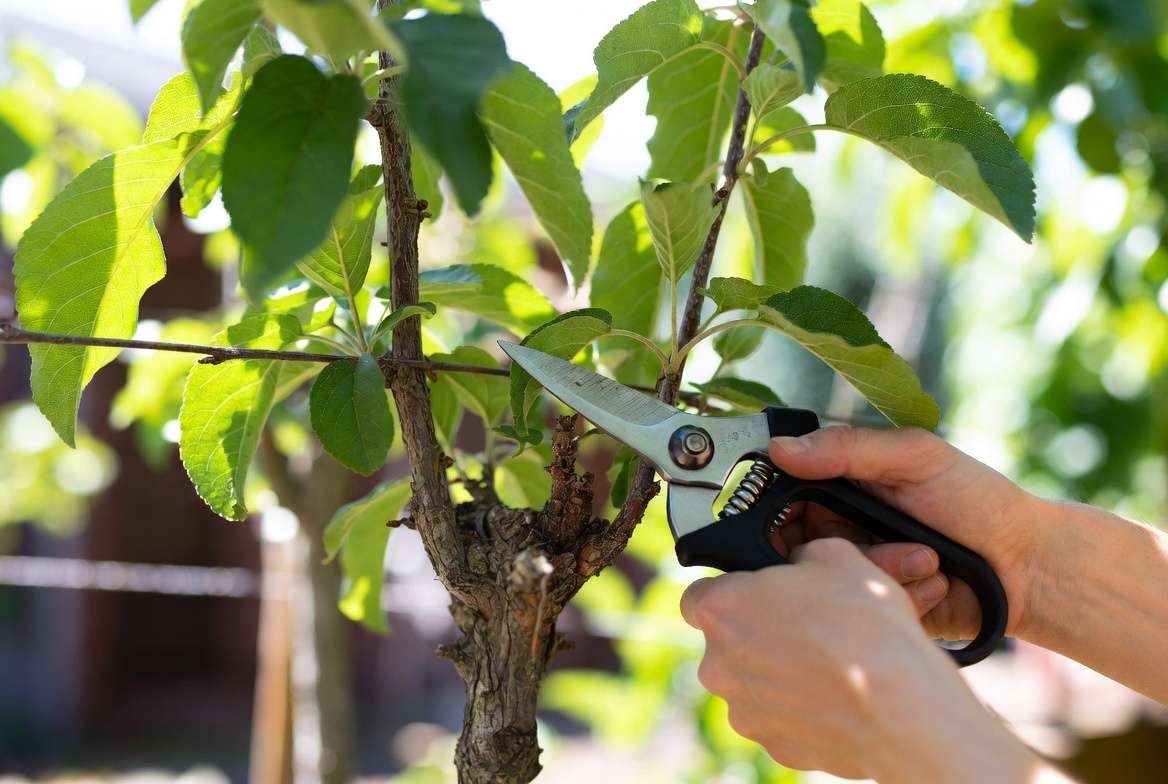
Why this timing is gold: Summer pruning restricts overall tree size, ripens wood, and channels energy into flower buds for next year’s harvest. Skipping it is the #1 reason espaliers lose their elegant shape.
In subtropical zones with extended growing seasons, you may need a light follow-up prune if growth continues vigorously into early autumn.
H3: Autumn/Fall Touch-Ups – Light Cleanup Before Dormancy 🍂
Timing: September–October, after harvest but before full dormancy.
What to do:
- Remove any damaged fruit or leaves that could harbor pests.
- Light thinning of congested spurs if needed.
- Final checks: Tie down any loose shoots and prepare supports for winter winds.
Keep cuts minimal—save heavy work for winter.
Monthly Micro-Checklist Bonus:
- May: Monitor new growth weekly.
- July: First major summer cut.
- August: Shape-locking prune.
- January: Structural review.
Following this pruning schedule for espalier shape maintenance consistently will give you a tree that looks professionally sculpted and delivers generous harvests.
Step-by-Step Pruning Techniques with Pro Illustrations ✂️📸
- Identify growth types: Fruiting spurs (short, knobby, flower-bearing), water sprouts (long, straight, vertical—remove or shorten), leaders (main extension arms—shorten carefully).
- Making the perfect cut: Always use sharp bypass secateurs. Cut ¼ inch above a bud, sloping away from it. Never leave stubs—they invite disease.
- Training horizontals: Gently bend and tie new shoots to wires spaced 12–18 inches apart. Use soft ties that expand with growth.
- Spur management: On mature arms, shorten side shoots to 4–6 inches to keep spurs productive without overcrowding.
Visual tip: Look for before/after sequences—new shoots reduced to short stubs that will form next year’s flowers and fruit. Many gardeners find embedding short demonstration videos helpful here.
Maintaining Different Espalier Designs – From Simple to Show-Stopping
- Horizontal tiered (most common): Focus on keeping arms perfectly level and equally spaced. Prune leaders to extend tiers gradually.
- Candelabra or U-shape: Emphasize vertical uprights with careful winter heading cuts.
- Belgian fence (diagonal): More complex—prune intersections carefully to avoid weak unions.
- Fan or informal: Allow slightly more freedom but still remove anything breaking the flat plane.
Scale up one tier per year on young trees for best results.
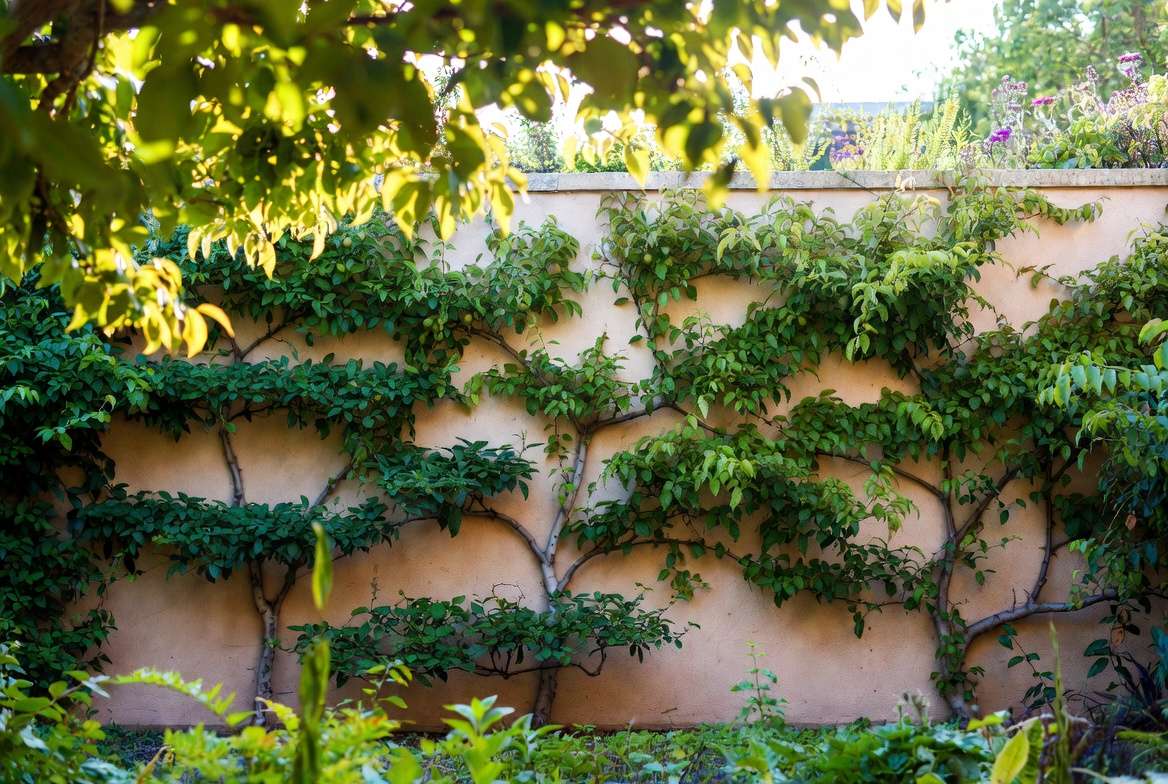
Common Espalier Pruning Mistakes (And Exactly How to Avoid Them) ⚠️
- Pruning at the wrong time — Winter-only pruning leads to excessive vegetative growth and lost shape. Always pair with summer cuts.
- Over-pruning in one go — Especially on neglected trees; spread renovation over seasons.
- Ignoring water sprouts — These rob energy—remove early and often.
- Using dull or dirty tools — Crushed cuts invite infection.
- Forcing branches too aggressively — Tie gradually.
- Neglecting climate — In warm humid zones, prioritize disease prevention and lighter winter cuts.
- Removing too many spurs — Keep 4–6 inch fruiting wood for good yields.
Learning from these turns potential disasters into beautiful, productive espaliers.
Troubleshooting Shape & Health Issues in Espalier Trees 🔧
Problem: Too many vertical shoots → Solution: Regular early & late summer pruning; improve light/airflow.
Problem: Weak fruit set → Check spur health; ensure balanced winter structure and proper feeding.
Problem: Diseased branches → Prune out infected wood plus 6–12 inches into healthy tissue; disinfect tools.
Diagnosis chart style tip:
- If arms look leggy and bare → Summer prune more aggressively to spur formation.
- If tree is unbalanced → Winter corrective cuts on stronger side.
Prevent pests (aphids, scale) and diseases (powdery mildew, fire blight) by maintaining open structure through consistent pruning.
Expert Pro Tips & Advanced Techniques for Next-Level Results 💡
- Synergy with care: Pair pruning with balanced organic fertilizer in early spring and mulch to retain moisture. In warm climates, provide consistent deep watering without waterlogging.
- Organic approach: Use neem or horticultural oil for pests spotted during pruning inspections.
- Advanced: Notching bark below a bud can encourage branching exactly where needed. Trial different rootstocks for your microclimate.
- My favorite reader-favorite tip: Take weekly photos during growing season—you’ll spot issues early and track your progress beautifully! 📸
🌟 Pro Tip: In regions with long growing seasons, a light “maintenance snip” every 4–6 weeks in summer can keep vigorous varieties in check without stress.
Frequently Asked Questions About Espalier Pruning Schedules ❓
Q: Can I prune espalier in July? A: Yes—early summer for vigor control and late summer for shape are ideal.
Q: How often should I prune young vs. established trees? A: Young trees need more frequent light training (multiple times per season). Established ones follow the main seasonal schedule, mainly late summer plus winter touch-ups.
Q: What if I live in a warm climate like Dhaka? A: Shorten the winter window, emphasize late-summer pruning, choose heat-tolerant varieties, and watch for humidity-related diseases.
Q: Will heavy pruning reduce my fruit harvest? A: Initially yes, but proper spur-focused summer pruning actually increases long-term yields and fruit quality.
(Additional FAQs can expand on tools, specific varieties, renovation timelines, etc.)
Conclusion: Your Espalier Journey Starts with This Schedule – Take the Next Step! 🎉
A reliable pruning schedule for espalier shape maintenance transforms an ordinary tree into a productive work of art that saves space, delights the eye, and rewards you with homegrown fruit for years. By following the seasonal rhythm—building structure in winter, guiding growth in spring, controlling vigor in early summer, locking in shape in late summer, and finishing lightly in autumn—you’ll avoid common pitfalls and enjoy healthier, more beautiful espaliers.
Start small, be consistent, and celebrate every tidy tier and juicy harvest. Download or print the calendar summary, grab your sharp secateurs, and watch your garden wall come alive.
I’d love to see your espalier progress—feel free to share photos in the comments! Have questions about your specific variety or climate? Drop them below and I’ll help.
Happy pruning, and may your espaliers stay perfectly shaped and bountiful for decades to come! 🌳🍏✨











