
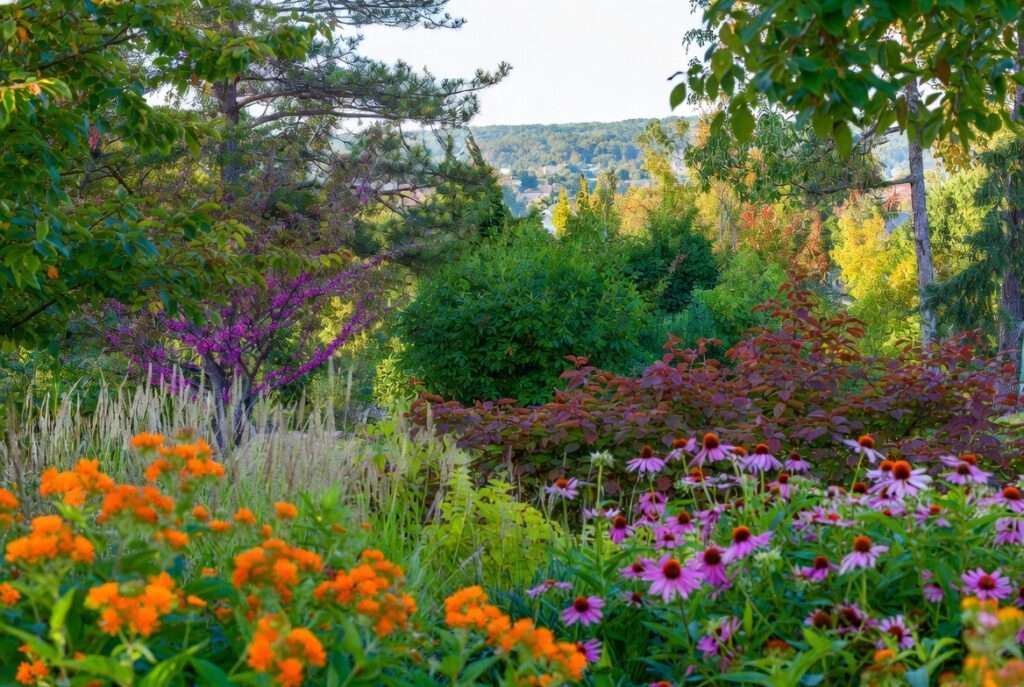
Imagine stepping into your backyard in Pennsylvania and seeing a vibrant, colorful garden bursting with life — butterflies dancing around orange blooms, birds feasting on berries, and lush foliage that stays beautiful from spring through fall — all with almost no watering, fertilizing, or weekend weeding after the first year. 🌼🦋
If you’re tired of high water bills, constant yard maintenance, struggling exotic plants that wilt in our humid summers or harsh winters, and the guilt of contributing to declining pollinator populations, PA native plants are your perfect solution. These remarkable species evolved right here in Pennsylvania’s soils and climate, making them incredibly low-maintenance once established while creating stunning, resilient landscapes that support local wildlife.
In this comprehensive guide, we’ll explore the best low-maintenance PA native plants — including trees, shrubs, perennials, and groundcovers — tailored for Pennsylvania gardeners. Whether you have a small urban yard in Philadelphia, a suburban plot in Pittsburgh, or a larger property in central PA, you’ll discover practical choices that solve real problems: saving time and money, conserving water, and bringing effortless beauty to your garden. Let’s dive in and transform your landscape into a thriving, eco-friendly haven! 🌳✨
What Are PA Native Plants and Why Choose Them? 🏞️
PA native plants are species that occurred naturally in Pennsylvania before European settlement. According to the Pennsylvania Department of Conservation and Natural Resources (DCNR), there are approximately 2,100 native plant species in the state, ranging from majestic trees to delicate wildflowers.
These plants aren’t just “local” — they’ve adapted over thousands of years to Pennsylvania’s variable conditions: clay-heavy or rocky soils, humid summers, freezing winters, and everything in between. This deep-rooted adaptation is what makes them truly low-maintenance for home gardeners.
Key Benefits of Choosing PA Native Plants:
- Low-Maintenance Magic — Once established (usually after the first year), they require far less watering, fertilizing, and pruning than non-native ornamentals. Many thrive in average or poor soils without amendments.
- Water Conservation — Their deep root systems make them drought-tolerant, reducing irrigation needs — a big win during Pennsylvania’s occasional dry spells.
- Pollinator and Wildlife Support — Natives provide essential nectar, pollen, and host plants for bees, butterflies (including monarchs), birds, and beneficial insects. This helps combat the decline in pollinator populations. 🐝
- Soil Health and Erosion Control — Many natives improve soil structure and manage stormwater runoff, especially useful in rain gardens or sloped yards.
- Pest and Disease Resistance — Adapted to local pressures, they often face fewer issues with common PA pests and diseases.
- Cost Savings — Lower long-term expenses on water, fertilizers, pesticides, and replacement plants.
- Biodiversity and Sense of Place — They create authentic Pennsylvania landscapes that feel connected to our natural heritage while looking beautiful year-round.
In contrast, many popular non-native plants (like certain butterfly bushes or burning bush) can become invasive, disrupt local ecosystems, and demand more care. Switching to PA native plants solves the common frustration of high-maintenance yards while delivering ecological rewards. As a plant care specialist who’s worked with countless Pennsylvania homeowners, I’ve seen first-hand how natives turn frustrating gardens into effortless joys.
Understanding Pennsylvania’s Growing Conditions ☀️❄️
Pennsylvania’s climate and soils vary widely, which is why “right plant, right place” is essential for true low-maintenance success with native plants.
Most of the state falls within USDA Hardiness Zones 5a to 7b, with colder zones in the north and higher elevations, and milder conditions in the southeast. To find your exact zone, use the USDA Plant Hardiness Zone Map with your zip code.
Common PA Challenges:
- Soils: Often heavy clay in the east or rocky/shallow in the west.
- Weather: Humid summers with thunderstorms, cold winters with freeze-thaw cycles, and variable rainfall.
- Wildlife: High deer pressure in many suburban and rural areas.
- Urban issues: Compacted soils, pollution, and limited space.
Matching plants to your site’s sun exposure (full sun, partial shade, or full shade), soil moisture (dry, moist, or wet), and pH helps ensure they establish quickly and need minimal ongoing care. A simple soil test from your local Penn State Extension office is a smart first step.
Top Low-Maintenance PA Native Trees for Your Landscape 🌳
Native trees provide structure, shade, fall color, and long-term habitat with very little upkeep once established. Here are some of the best performers for Pennsylvania gardens:
- Red Maple (Acer rubrum) — A standout for its brilliant red-to-orange fall foliage. Highly adaptable to various light and moisture levels, it supports early pollinators and provides seeds for birds. Grows 40-70 feet tall; excellent for larger yards. Low-maintenance and tolerant of wet or dry soils. 🍁
- Eastern Redbud (Cercis canadensis) — Features charming pink-purple pea-like flowers in early spring before leaves emerge. Compact size (20-30 feet) makes it great for smaller landscapes. Attracts bees and butterflies; prefers moist, well-drained soil in sun to partial shade.
- Flowering Dogwood (Cornus florida) — Pennsylvania classic with white or pink bracts in spring, red berries in fall, and attractive bark. Reaches 20-40 feet. Provides wildlife food; best in partial shade with good drainage. Note: Watch for anthracnose in humid areas and choose resistant varieties.
- Eastern White Pine (Pinus strobus) — Graceful evergreen for year-round interest and windbreaks. Fast-growing, supports birds with seeds and cover. Thrives in full sun; tolerant of various soils but prefers moist, well-drained. Pennsylvania’s state tree, Eastern Hemlock (Tsuga canadensis), offers similar evergreen benefits but needs more consistent moisture and protection from pests like hemlock woolly adelgid.
- Serviceberry (Amelanchier species) — Multi-season interest with white spring flowers, edible summer berries for birds (and humans!), and fiery fall color. Shrubby or small tree form (15-25 feet). Very adaptable and low-care.
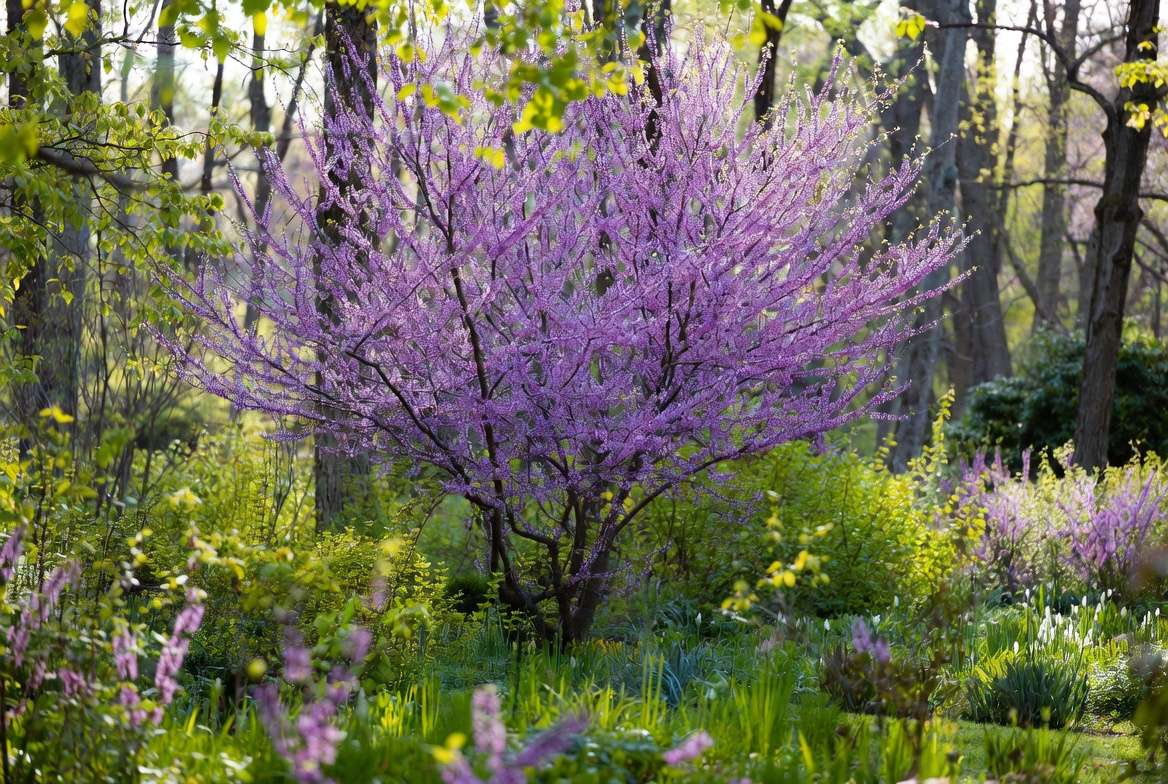
Planting Tip: Plant trees in spring or fall for best root establishment in PA’s climate. Water deeply the first year, then let nature take over.
Best Low-Maintenance Native Shrubs for Pennsylvania Gardens 🌿
Shrubs add layers, privacy, hedges, and four-season appeal with minimal effort.
- Ninebark (Physocarpus opulifolius) — Textured foliage (some cultivars purple), peeling bark, and clusters of white/pink flowers. Highly adaptable to sun or partial shade; tolerates clay soils and drought once established. Great for pollinators and birds. Grows 6-10 feet.
- Inkberry Holly (Ilex glabra) — Evergreen with dark green leaves and black berries (on female plants). Compact and excellent for hedges or foundations. Thrives in moist to wet soils but adapts to average conditions; full sun to partial shade. Low-maintenance structure all year.
- Bayberry (Myrica pensylvanica) — Fragrant leaves and waxy berries beloved by birds. Salt-tolerant and great for coastal or roadside plantings. Grows 5-10 feet; full sun to light shade, dry to moist soils.
- Chokeberry (Aronia melanocarpa) — White spring flowers, black berries, and stunning red fall color. Extremely tough — tolerates wet, dry, and poor soils. Excellent for rain gardens and wildlife.
- Fothergilla — Bottlebrush-like white flowers in spring and vibrant fall foliage. Prefers moist, acidic soils in partial shade but is forgiving.
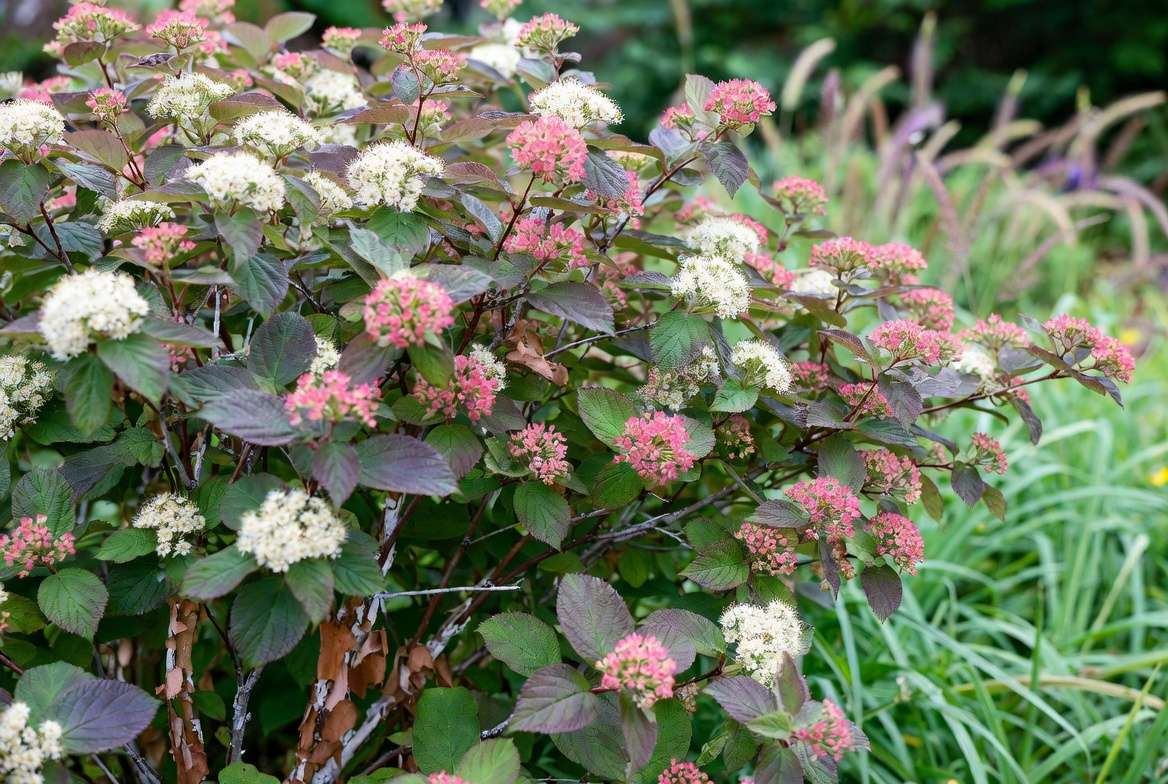
These shrubs layer beautifully with perennials for dynamic, pollinator-friendly borders that practically care for themselves. 🌸
Top Low-Maintenance Native Perennials and Wildflowers 🌸🦋
Perennials are the stars of any low-maintenance PA native plants garden. They return year after year, require minimal replanting, and act as powerful pollinator magnets while delivering waves of color throughout the seasons. Because they’ve co-evolved with Pennsylvania’s insects and climate, these plants establish deep roots that make them remarkably drought-tolerant and resilient once settled in.
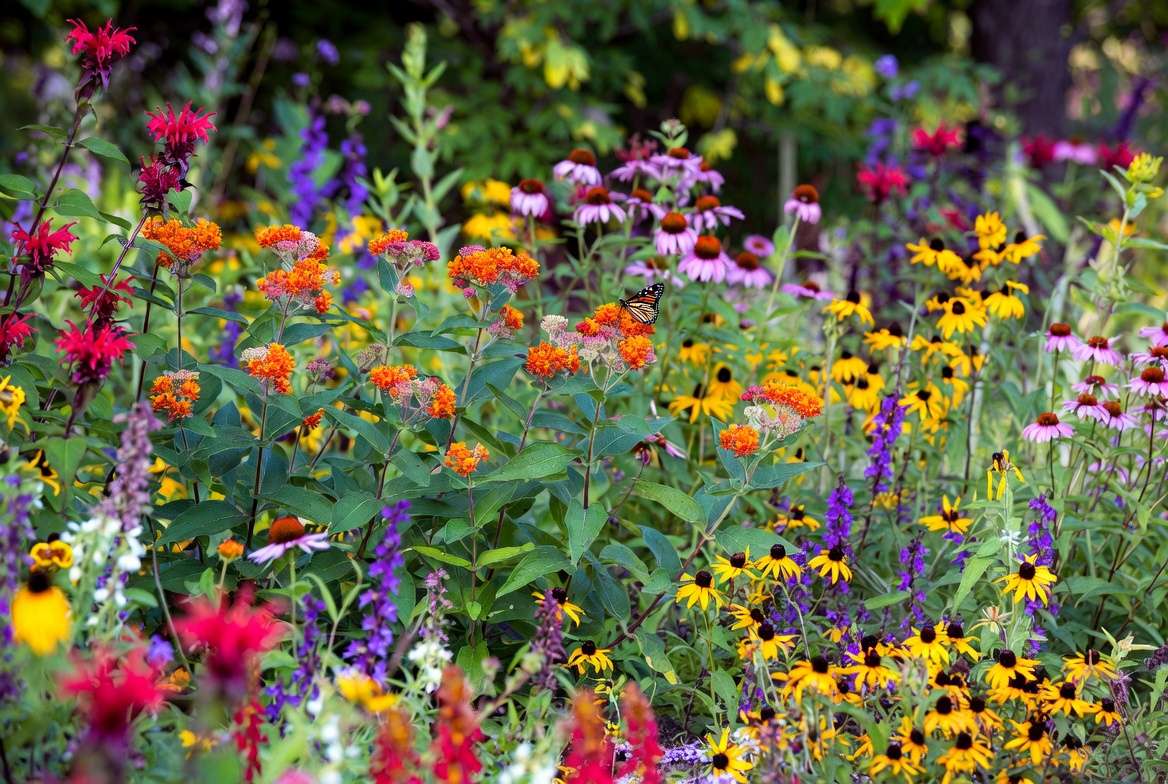
Here are some of the best-performing native perennials for Pennsylvania gardens, selected for their beauty, adaptability, and minimal care needs:
- Butterfly Weed (Asclepias tuberosa) — Bright orange clusters of flowers from June to August make this a must-have for monarch butterflies and other pollinators. Grows 1-2 feet tall, thrives in full sun and well-drained (even dry or poor) soils. Extremely low-maintenance and deer-resistant. Plant in groups for maximum impact! 🦋
- Purple Coneflower (Echinacea purpurea) — Iconic daisy-like pink-purple flowers with prominent cones that attract bees, butterflies, and goldfinches (who love the seeds). Blooms mid-to-late summer; reaches 2-4 feet. Tolerates heat, humidity, and average to dry soils. Deadhead spent blooms optionally to encourage more flowers, but it’s not required.
- Black-Eyed Susan (Rudbeckia hirta) — Cheerful golden-yellow petals with dark centers bloom from summer into fall. Grows 1-3 feet; full sun to light shade. Self-seeds gently and provides late-season nectar. A true workhorse for effortless color.
- Bee Balm (Monarda fistulosa) — Fragrant lavender-pink tubular flowers loved by hummingbirds, bees, and butterflies. Blooms mid-summer; 2-4 feet tall. Prefers moist to average soils in full sun to partial shade. Its minty scent helps deter some pests naturally.
- Joe-Pye Weed (Eutrochium purpureum or E. maculatum) — Tall (4-7 feet) pink-purple domes in late summer that draw hordes of pollinators. Excellent for the back of borders or rain gardens. Tolerates moist to wet soils and partial shade.
- Wild Columbine (Aquilegia canadensis) — Delicate red-and-yellow nodding flowers in spring. Grows 1-2 feet; perfect for woodland edges or partial shade. Attracts hummingbirds and self-seeds nicely without becoming weedy.
- Asters (e.g., New England Aster Symphyotrichum novae-angliae or White Wood Aster) — Late-season bloomers (September-October) in shades of purple, pink, or white. Provide critical nectar when other flowers fade. Vary in height; many tolerate dry shade or full sun.
Seasonal Bloom Chart for PA Native Perennials (great for planning continuous color):
| Plant | Bloom Time | Color | Height | Best Conditions | Wildlife Value |
|---|---|---|---|---|---|
| Wild Columbine | April-June | Red/Yellow | 1-2 ft | Partial shade | Hummingbirds |
| Butterfly Weed | June-August | Orange | 1-2 ft | Full sun, dry | Monarchs, bees |
| Purple Coneflower | June-September | Pink/Purple | 2-4 ft | Full sun | Bees, butterflies |
| Bee Balm | July-August | Pink/Lavender | 2-4 ft | Sun/Part shade, moist | Hummingbirds, bees |
| Black-Eyed Susan | July-October | Yellow | 1-3 ft | Full sun | Goldfinches, bees |
| Joe-Pye Weed | August-September | Pink/Purple | 4-7 ft | Moist, sun/part shade | Butterflies, bees |
| New England Aster | September-October | Purple | 3-6 ft | Sun, average soil | Late pollinators |
This diversity ensures your garden stays lively from spring through frost while supporting Pennsylvania’s declining pollinator populations.
Native Grasses and Groundcovers for Effortless Landscapes 🌾
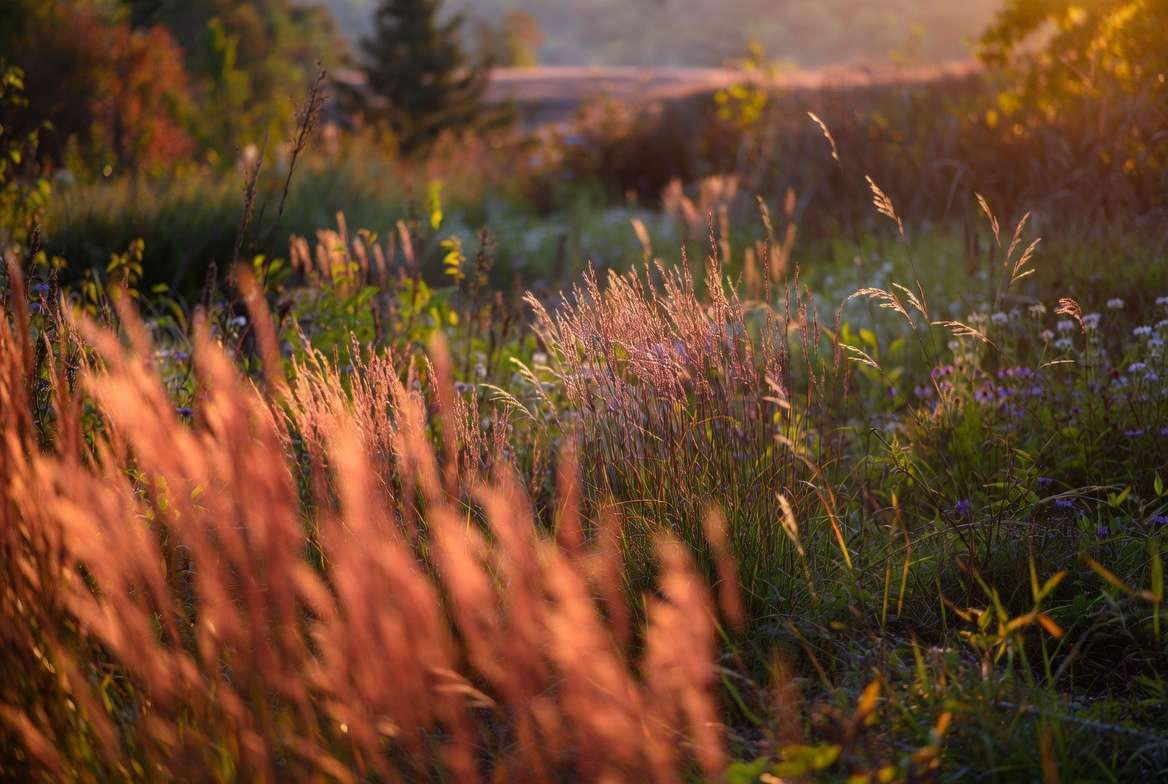
Don’t overlook native grasses and groundcovers — they create natural-looking meadows, control erosion on slopes, and serve as low-mow lawn alternatives with far less upkeep than traditional turf.
- Little Bluestem (Schizachyrium scoparium) — Blue-green foliage turns copper-red in fall. Grows 2-4 feet; full sun and dry to average soils. Provides seeds for birds and habitat for insects.
- Pennsylvania Sedge (Carex pensylvanica) — Graceful, grass-like clumps for shade. Excellent as a no-mow groundcover under trees. Tolerates dry shade once established.
- Wild Strawberry (Fragaria virginiana) — Sweet white flowers, edible (tiny) berries, and red fall foliage. Spreads gently as a living mulch in sun to partial shade.
Integrate these into borders or dedicate a sunny area to a mini-meadow for a low-maintenance, wildlife-friendly vibe that looks intentional and beautiful.
How to Design a Beautiful, Low-Maintenance PA Native Plant Garden 🏡
Creating a successful native landscape starts with thoughtful planning — the key to true low maintenance.
Step-by-Step Guide:
- Assess Your Site — Note sun exposure, soil type (get a soil test via Penn State Extension), moisture levels, and any slopes or drainage issues.
- Choose the Right Plants — Match species to conditions using the “right plant, right place” principle for minimal intervention.
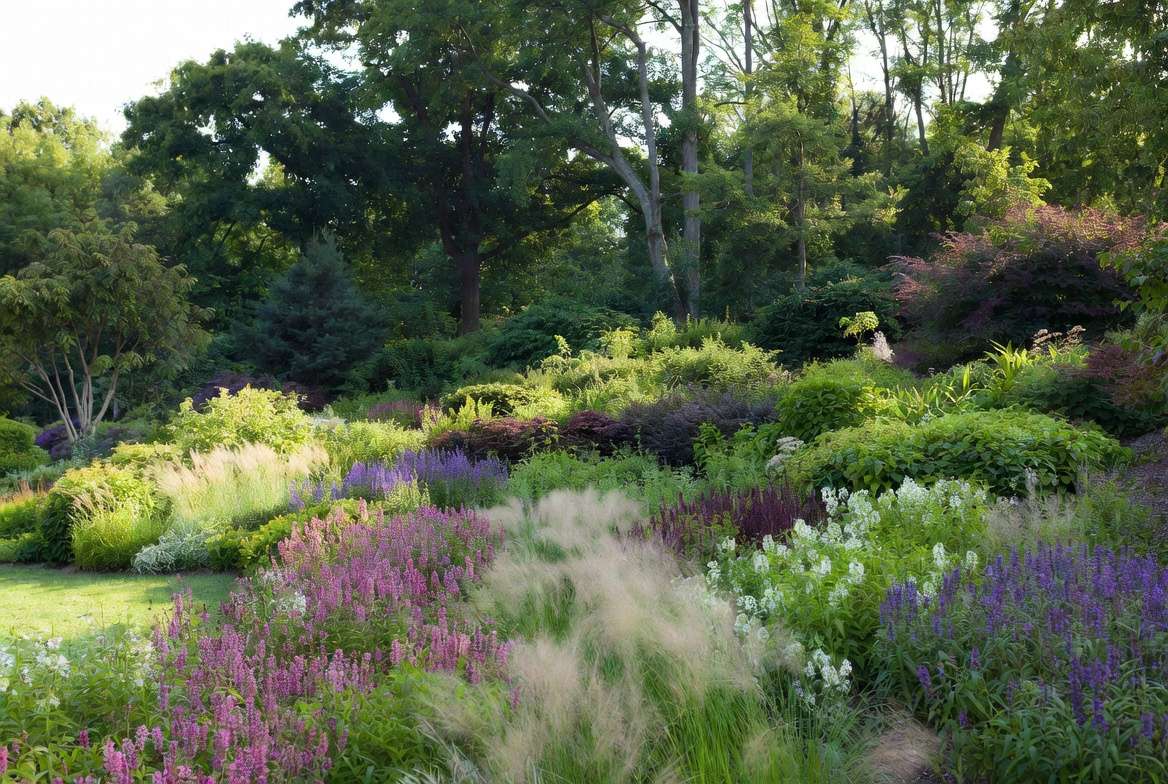
- Layer Strategically — Tall trees as backbone → mid-level shrubs → perennials and grasses → groundcovers at the base. This mimics natural ecosystems and reduces weeds.
- Plant in Drifts — Group 3-7 of the same species for visual impact and better pollinator attraction.
- Incorporate Features — Add rain gardens for wet spots, woodland edges for shade, or pollinator patches near patios.
Sample Plans:
- Small Urban Yard — Eastern Redbud tree + Inkberry holly + Butterfly Weed and Coneflower borders + Pennsylvania Sedge groundcover.
- Suburban Backyard — Red Maple + Ninebark and Chokeberry shrubs + mixed perennial drifts + Little Bluestem accents.
- Large Property — White Pine windbreak + layered woodland with Serviceberry, Columbine, and Asters.
Aim for year-round interest: spring blooms, summer color, fall foliage/berries, and winter structure from evergreens and seed heads.
Planting, Care, and Maintenance Tips for Success 📅
The beauty of PA native plants shines after proper establishment.
- Best Planting Times — Spring (after last frost) or early fall for root development before winter.
- Soil Prep — Loosen soil, add compost if very poor, but most natives prefer lean conditions — avoid over-fertilizing.
- Planting Technique — Dig twice as wide as the root ball, same depth. Water deeply but infrequently the first year.
- Mulching — Apply 2-3 inches of organic mulch to retain moisture and suppress weeds (keep away from stems).
- Watering — Deep, infrequent sessions encourage deep roots. After year one, natural rainfall usually suffices.
- Fertilizing & Pruning — Rarely needed. Prune only for shape or dead wood in late winter/early spring.
- Seasonal Checklist:
- Spring: Plant, mulch, light weeding.
- Summer: Monitor for establishment, enjoy blooms.
- Fall: Leave seed heads for birds; cut back optionally.
- Winter: Enjoy structure and plan next season.
Dealing with PA-Specific Issues: Use deer-resistant choices (e.g., Butterfly Weed) or fencing for high-pressure areas. Native plants generally handle our humidity and freeze-thaw cycles better than exotics.
Common Mistakes to Avoid When Planting PA Native Plants ⚠️
- Overwatering or over-fertilizing (leads to weak growth or disease).
- Planting in the wrong light/soil conditions.
- Expecting instant maturity — natives take 1-3 years to look “full.”
- Buying from big-box stores without verifying local provenance.
- Removing all “weeds” too aggressively — some self-seeders add charm.
Avoid these, and your garden will thrive with minimal effort.
Where to Buy Authentic PA Native Plants 🛒
Source plants grown from local stock for best adaptation:
- Pennsylvania Native Plant Society events and sales.
- State park native plant sales (often late April/early May).
- Reputable nurseries like Redbud Native Plant Nursery, Bluet Native Nursery, or local options via DCNR’s native plant nursery list.
- Penn State Extension recommendations and county conservation districts.
Look for straight species (not overly bred cultivars) when possible to maximize wildlife value. Ask about provenance — plants from Pennsylvania or nearby mid-Atlantic stock perform best.
FAQs About PA Native Plants ❓
Are native plants really lower maintenance than traditional landscaping? Yes! Once established, most require little to no supplemental water, fertilizer, or pesticides.
Will PA native plants attract more deer? Some may, but many (like Butterfly Weed or Ninebark) are naturally deer-resistant. Mix in less palatable species.
How long until my native garden looks established? Expect noticeable improvement in year 2, with full beauty by year 3-4. Patience pays off with effortless beauty later.
Can I mix natives with non-natives? Yes, but prioritize at least 70% natives for maximum ecological benefit.
Best natives for shady or wet areas in Pennsylvania? Shade: Pennsylvania Sedge, Wild Ginger, Columbine. Wet: Joe-Pye Weed, Inkberry, Buttonbush.
(Additional FAQs can expand on soil testing, invasives to avoid, etc.)
Conclusion 🌟
Switching to PA native plants transforms challenging Pennsylvania yards into low-maintenance, vibrant landscapes that save time, money, and water while nurturing local birds, butterflies, and bees. From majestic Red Maples and resilient Ninebark to cheerful Coneflowers and effortless sedges, these choices deliver year-round beauty with minimal fuss.
Start small — pick 3-5 plants suited to your site — and watch your garden evolve into a thriving ecosystem. Your future self (and Pennsylvania’s wildlife) will thank you! Ready to get planting? Share your favorite PA native in the comments or explore more plant care guides on our site.
Happy gardening! 🌿✨











