
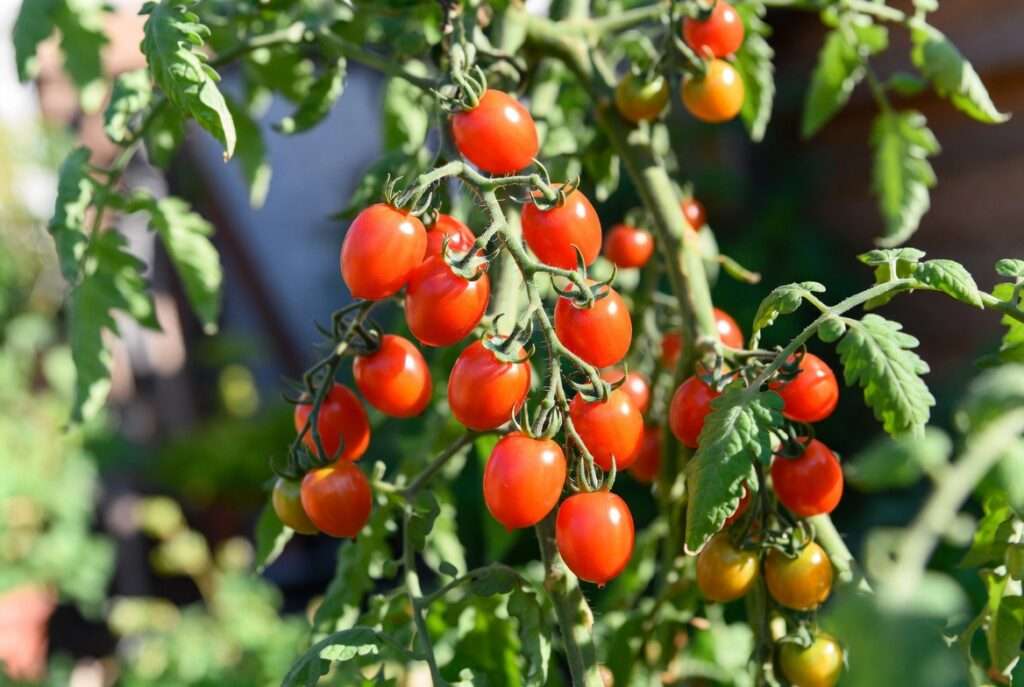
Picture this: clusters of glossy, sweet, elongated grape-like tomatoes hanging like ruby jewels from vigorous vines that just keep producing week after week — right up until the first frost. If you’ve ever struggled with bland supermarket tomatoes or finicky varieties that crack and stop yielding mid-season, Juliet tomato plants are about to become your new garden heroes.
As a passionate gardener with over 15 years of hands-on experience growing tomatoes in various climates, I’ve tested dozens of varieties. Juliet consistently stands out as one of the most reliable, productive, and flavorful grape tomatoes you can grow at home. This 1999 All-America Selections winner delivers exceptional disease resistance, crack-resistant fruit, and impressive yields — often 200–300+ sweet tomatoes per plant! 🍅
In this comprehensive guide, you’ll discover everything you need to successfully grow Juliet tomato plants for abundant, delicious harvests. Whether you’re a beginner or seasoned gardener, these expert tips will help you overcome common challenges and enjoy sweet success. Let’s dive in!
What Are Juliet Tomato Plants?
Understanding This Exceptional Grape Tomato Variety 🌟
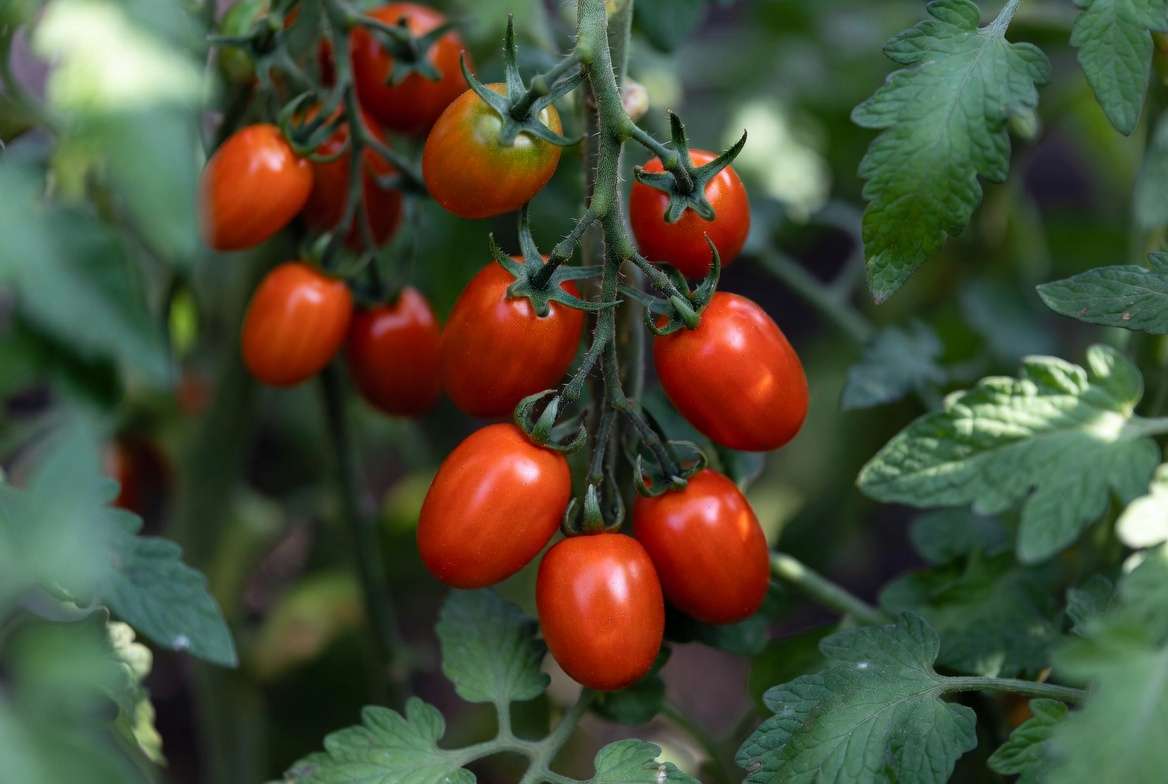
Juliet tomato plants (Solanum lycopersicum ‘Juliet’) are a hybrid F1 indeterminate grape tomato variety celebrated for its unique elongated shape, rich flavor, and garden performance. Unlike typical cherry tomatoes, Juliet produces slightly larger fruits — about 1 to 2 ounces each — resembling mini Roma or large grapes.
Key Characteristics of Juliet Tomatoes ✨
- Fruit: Deep red, glossy, elongated (1–2 oz), sweet with a perfect sugar-acid balance
- Growth Habit: Indeterminate (vines continue growing and producing all season)
- Maturity: 55–65 days from transplant
- Clusters: Fruits grow in attractive grape-like clusters of 6–18 tomatoes
- Disease Resistance: Strong intermediate resistance to early blight, late blight, and other common issues
- Vigor: Can reach 6–10 feet tall with proper support
Juliet vs. Other Grape/Cherry Tomatoes (Quick Comparison)
| Variety | Fruit Size | Disease Resistance | Yield Potential | Crack Resistance | Best For |
|---|---|---|---|---|---|
| Juliet | 1-2 oz | Excellent | Very High | Outstanding | Fresh & Cooking |
| Sweet 100 | Smaller | Moderate | High | Average | Snacking |
| Sun Gold | Small | Moderate | High | Good | Sweet snacks |
| Roma | Larger | Good | Medium | Good | Sauces |
Why Home Gardeners Love Growing Juliet ❤️ Gardeners rave about Juliet because the fruits hold well on the vine without cracking or dropping quality, even during hot or humid weather. The sweet, rich tomato flavor makes them perfect for snacking straight off the vine, and their firm texture shines in cooked dishes.
Benefits of Growing Juliet Tomato Plants
Why This Variety Delivers High Yields and Sweet Results 🍅
Growing Juliet tomato plants offers multiple advantages that solve common gardener frustrations:
- Prolific Production: One healthy plant can yield hundreds of tomatoes in a single season.
- Superior Disease Resistance: Built-in protection against early and late blight reduces the need for chemical sprays.
- Crack and Blossom End Rot Resistance: Fruits stay beautiful even with fluctuating moisture.
- Long Harvest Window: Indeterminate vines produce continuously from early summer until frost.
- Versatility: Excellent for fresh eating, salads, roasting, sauces, drying, and canning.
- Excellent Shelf Life: Fruits store well after picking, making them practical for busy families.
These benefits make Juliet an outstanding choice for both backyard gardeners and container growers seeking reliable results.
Choosing the Right Location and Timing
Setting Your Juliet Tomatoes Up for Success ☀️
Success with Juliet tomato plants starts with the right site and timing.
Ideal Climate and Hardiness Zones Juliet performs best in USDA zones 5–11. They thrive in warm summers with daytime temperatures between 70–85°F (21–29°C). In hotter regions, provide afternoon shade to prevent fruit scorch.
Sunlight Requirements Plant in full sun — at least 6–8 hours of direct sunlight daily. More sun equals sweeter fruits and higher yields.
Best Time to Plant
- Start seeds indoors 6–8 weeks before your last frost date.
- Transplant outdoors when soil temperature reaches 60°F (15°C) and all frost danger has passed.
- In warmer climates (like zones 9–11), you can plant in early spring or even fall for a second crop.
Container vs. In-Ground Growing Juliet adapts wonderfully to both. Use 5–10 gallon containers for patios or balconies. In-ground planting allows maximum root development for bigger yields.
Soil Preparation for Juliet Tomato Plants
Building the Perfect Foundation for Healthy Plants 🪴
Healthy soil is the secret to vibrant Juliet tomato plants.
Soil Type, pH, and Drainage Aim for well-draining, loamy soil with a pH of 6.0–6.8. Poor drainage leads to root rot, while overly alkaline soil locks up nutrients.
Amending Soil with Organic Matter Mix in plenty of compost, aged manure, or worm castings. This improves structure, adds nutrients, and supports beneficial microbes.

Raised Beds and Container Mix Recommendations For containers, use a high-quality potting mix blended with 30–40% compost. Raised beds should be filled with a 50/50 mix of garden soil and compost.
Soil Testing and Nutrient Basics Test your soil before planting. Juliet benefits from balanced nutrients, especially calcium to prevent blossom end rot.
How to Plant Juliet Tomato Plants
Step-by-Step Planting Guide 🌱
Proper planting technique sets the foundation for strong, productive Juliet tomato plants.
Starting from Seeds Indoors Begin seeds indoors 6–8 weeks before your last expected frost. Fill seed trays with a sterile seed-starting mix. Plant seeds ¼ inch deep, keep soil moist at 70–80°F (21–27°C) for fast germination (usually 5–10 days). Provide strong light — grow lights are ideal — to prevent leggy seedlings.
Transplanting Seedlings When seedlings have 2–3 sets of true leaves and are 6–8 inches tall, it’s time to transplant. Use the deep planting method: bury the stem up to the first set of leaves. This encourages additional root growth along the stem for a stronger plant.
Spacing Requirements Space plants 24–36 inches apart in rows 4–5 feet apart. This allows good airflow, reduces disease risk, and gives indeterminate vines room to sprawl or climb.
Companion Planting Ideas for Juliet Tomatoes Plant Juliet near basil, marigolds, or nasturtiums to deter pests naturally. Avoid planting near potatoes or fennel, which can compete for nutrients or spread disease.
Essential Care for Juliet Tomato Plants
Daily and Weekly Maintenance for Maximum Yields 💧
Consistent care is what transforms good plants into exceptional producers.
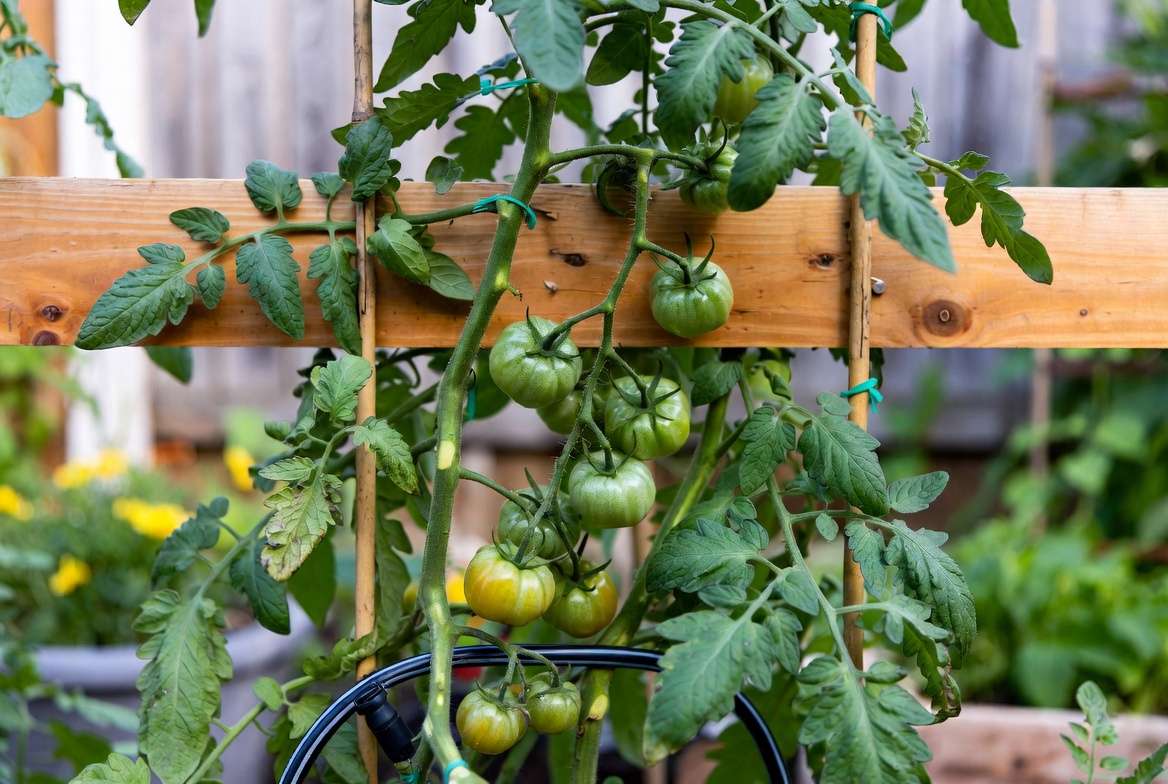
Watering Best Practices Keep soil consistently moist but not soggy — aim for 1–2 inches of water per week. Water at the base of the plant early in the morning to reduce fungal issues. Drip irrigation or soaker hoses work wonderfully for Juliet tomatoes as they deliver steady moisture and prevent leaf wetting.
Fertilizing Schedule
- Weeks 1–4 after transplant: Use a balanced 10-10-10 fertilizer every 2 weeks.
- At flowering and fruiting: Switch to a low-nitrogen, high-phosphorus and potassium formula (like 5-10-10 or tomato-specific fertilizer).
- Supplement with calcium (crushed eggshells or gypsum) and Epsom salts for magnesium every 3–4 weeks.
Supporting Indeterminate Vines Juliet vines can reach 8–10+ feet, so strong support is essential. Use sturdy tomato cages, stakes with twine, or a Florida weave trellis system. Secure vines gently as they grow.
Pruning and Training Techniques Prune suckers (side shoots) regularly, especially below the first flower cluster, to focus energy on fruit production and improve airflow. Keep 2–3 main stems for optimal balance between foliage and yield.
Mulching Benefits Apply 2–3 inches of organic mulch (straw, shredded leaves, or wood chips) around plants after the soil warms. Mulch suppresses weeds, retains moisture, regulates soil temperature, and prevents soil from splashing onto leaves.
Pollination and Fruit Set Tips
Ensuring Abundant Sweet Harvests 🐝
Even with strong plants, good pollination ensures heavy fruit set.
- Gently shake plants or use an electric toothbrush on flower clusters to mimic bee vibration (hand pollination).
- Attract pollinators by planting borage, lavender, or cosmos nearby.
- Maintain consistent moisture and avoid high-nitrogen fertilizer during flowering to prevent blossom drop.
- In extreme heat (above 90°F), provide temporary afternoon shade to protect flowers.
Common Problems with Juliet Tomato Plants & Solutions
Troubleshooting Guide for Healthy, Productive Plants 🛠️
Juliet’s natural disease resistance helps, but vigilance prevents issues.
Yellow Leaves, Curling, or Spots
- Bottom yellowing: Often nitrogen deficiency — feed accordingly.
- Leaf curl: Usually from heat stress or over/under watering.
- Spots: Early blight — remove affected leaves and improve airflow.
Blossom End Rot Prevention Maintain steady calcium levels and consistent watering. Mulch heavily and avoid deep cultivation near roots.
Pest Control
- Tomato hornworms: Handpick or use Bacillus thuringiensis (Bt).
- Aphids & whiteflies: Spray with neem oil or insecticidal soap.
- Companion planting and healthy soil naturally reduce pest pressure.
Cracking and Fruit Issues Juliet is quite crack-resistant, but sudden heavy rain after dry spells can still cause issues. Consistent watering is the best prevention.
Harvesting Juliet Tomatoes
When and How to Pick for Peak Sweetness ✨
Harvest at the right time for maximum flavor and sweetness.
Look for deep red color with slight softness when gently squeezed. Juliet tomatoes ripen from the bottom up in clusters. Twist and pull gently or use scissors to avoid damaging vines. Pick every 2–3 days during peak season to encourage more production.
Fruits store beautifully on the counter for 5–7 days or in the refrigerator for up to 2 weeks.
Extending Your Harvest Season
Prolonging Yields Until Frost ❄️
- Use floating row covers or cloches when temperatures drop.
- In mild climates, prune lightly in late summer to redirect energy.
- Succession planting every 3–4 weeks extends the overall harvest window.
- Container-grown plants can be moved to protected areas as winter approaches.
Delicious Ways to Use Your Juliet Tomato Harvest
Recipes and Culinary Inspiration 🍝
Juliet tomatoes shine in many dishes thanks to their sweet flavor and firm texture:
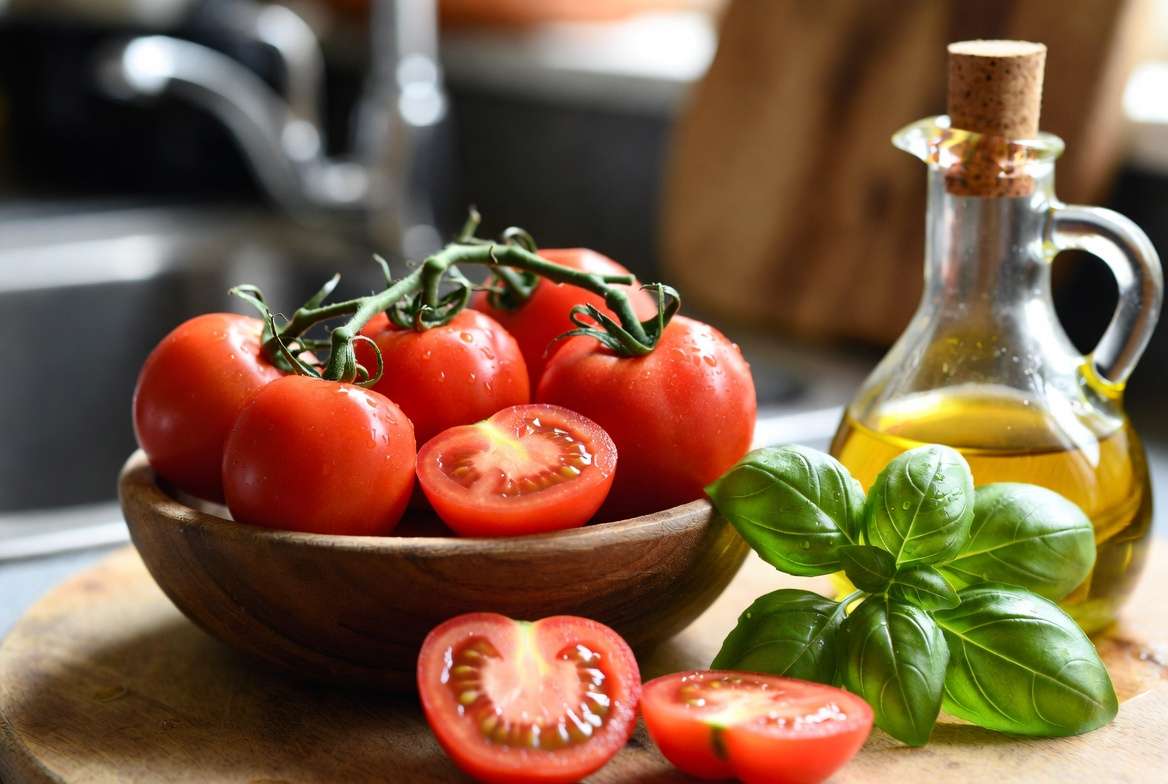
- Fresh: Perfect for snacking, Caprese salads, or Greek salad.
- Roasted: Toss with olive oil, garlic, and herbs — roast at 425°F for incredible sweetness.
- Sauces & Soups: Their low seed count makes smooth sauces.
- Drying: Halve and dehydrate for intense sun-dried tomato flavor.
- Preservation: Can whole, freeze in bags, or make delicious chutneys.
Expert Tips for Record-Breaking Yields
Advanced Techniques from Experienced Growers 🏆
- Weekly foliar feeding with diluted seaweed extract boosts micronutrients.
- Root zone warming in early season using black plastic mulch.
- Strategic pruning — remove lower leaves as plants grow to reduce disease.
- CO2 enrichment in greenhouses (for serious growers).
- Stress management — slight water stress during ripening can concentrate flavors.
- Crop rotation every season to maintain soil health.
- Save suckers for free extra plants through cloning.
Conclusion
Start Your Juliet Tomato Journey Today 🌟
Growing Juliet tomato plants is one of the most rewarding experiences for home gardeners seeking sweet, abundant harvests with minimal headaches. Their disease resistance, prolific production, and outstanding flavor make them a standout variety worth planting every season.
By following this complete guide — from soil preparation to expert harvesting techniques — you’ll be well on your way to enjoying baskets full of glossy, delicious Juliet tomatoes.
Ready to grow? Grab some Juliet seeds or seedlings this season and experience the difference yourself. Share your Juliet tomato success stories or questions in the comments below — I’d love to help!
FAQ Section
Frequently Asked Questions About Juliet Tomato Plants ❓
How tall do Juliet tomato plants grow? Indeterminate Juliet vines typically reach 6–10 feet or more with proper support.
Are Juliet tomatoes determinate or indeterminate? They are indeterminate, meaning they continue growing and producing throughout the season.
How many tomatoes does one Juliet plant produce? A healthy plant can yield 200–300+ fruits in a good season.
Can I grow Juliet tomatoes in containers? Yes! They perform excellently in 5–10 gallon pots with proper support and consistent care.
What makes Juliet tomatoes so sweet? Their genetics provide an excellent sugar-to-acid ratio, enhanced by full sun and consistent growing conditions.
How long do Juliet tomatoes take to mature? About 55–65 days from transplanting seedlings.
Are Juliet tomatoes resistant to blight? They have strong intermediate resistance to early and late blight compared to many other varieties.
Can you save seeds from Juliet tomatoes? As a hybrid variety, saved seeds may not produce true-to-type plants, so it’s best to purchase fresh seeds each year.
This comprehensive guide equips you with everything needed for success with Juliet tomato plants. Happy gardening! 🍅🌱











