
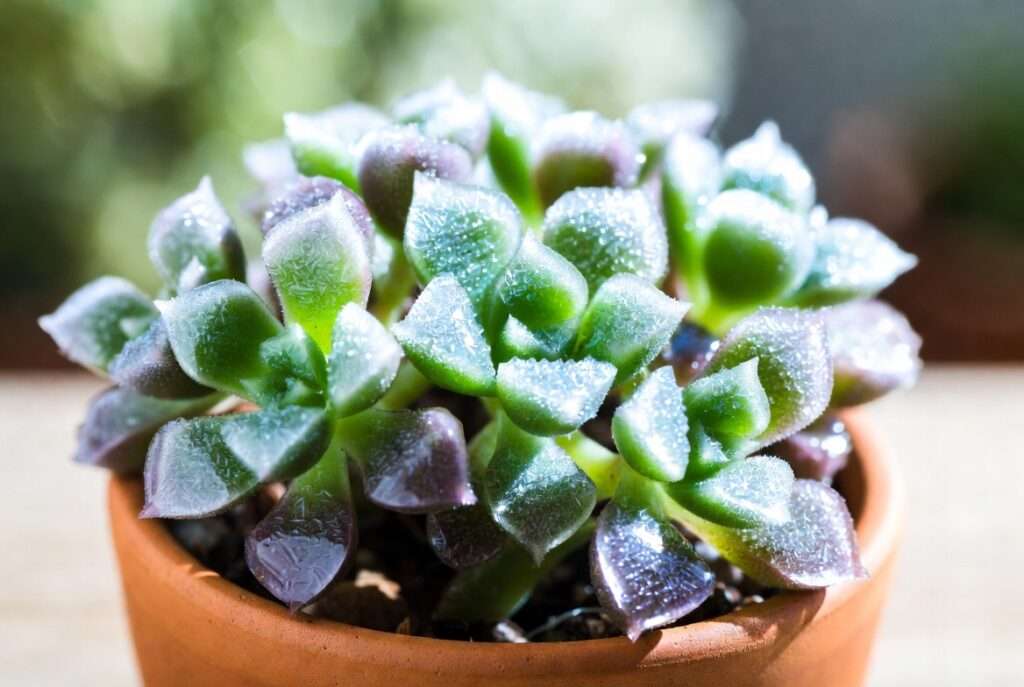
Have you ever seen a succulent that looks like it’s covered in tiny sparkling ice crystals or translucent diamonds? That’s the magic of the ice succulent plant — a stunning, low-maintenance beauty that adds a unique glow to any plant collection. 🌟
Its plump, geometric leaves catch the light beautifully, shifting from soft green to hints of blue and purple, and it rewards patient growers with cheerful daisy-like flowers. Whether you’re a beginner plant parent or a seasoned succulent enthusiast, this guide will help you master ice succulent plant care so your plant not only survives but thrives year-round.
As a succulent specialist with over 12 years of hands-on experience growing hundreds of varieties indoors and outdoors, I’ve seen firsthand how the right care routine transforms these plants. In this comprehensive guide, you’ll discover everything from ideal growing conditions and expert watering techniques to troubleshooting common issues like root rot and pests. By the end, you’ll have all the tools to grow a healthy, vibrant ice succulent plant that becomes a showstopper in your home or garden. 🪴
The ice succulent plant (primarily Corpuscularia lehmannii, also known as Ice Plant) is a member of the Aizoaceae family. Native to the arid regions of South Africa, it has evolved remarkable adaptations for water storage and survival in harsh conditions. Unlike the hardy ground-cover ice plants (Delosperma species) often used in landscaping, this succulent variety is more tender and excels as a houseplant or container specimen.
People searching for “ice succulent plant” are usually looking for practical solutions — how to water it properly, prevent common problems, and keep those iconic icy leaves looking plump and sparkling. This skyscraper guide goes deeper than most articles, offering seasonal checklists, diagnostic tables, multiple propagation methods, and pro tips backed by real growing experience.
What Is the Ice Succulent Plant? Identification and Varieties 🌱
Understanding your plant is the first step to successful care. The ice succulent plant stands out with its distinctive features that earned it the “ice” nickname.
Botanical Background and Origin
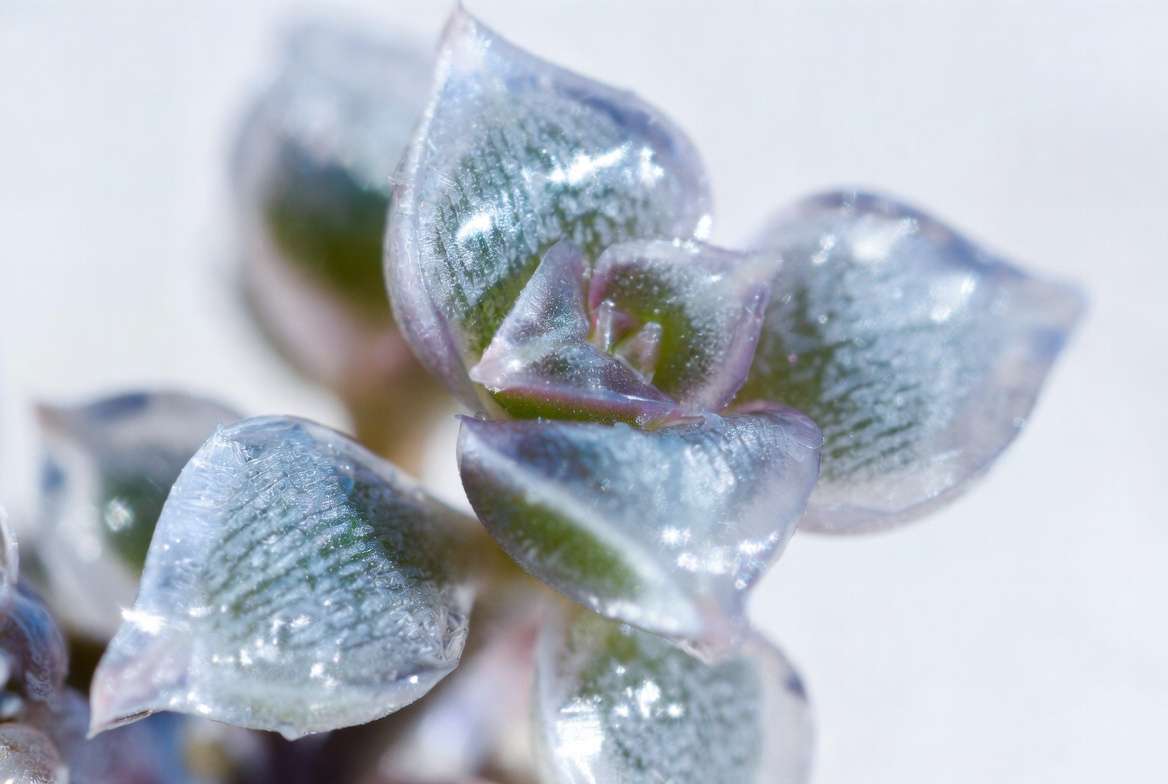
Corpuscularia lehmannii (formerly classified under Delosperma or Mesembryanthemum) originates from South Africa’s Western Cape. In its natural habitat, it grows in rocky, well-draining soils where it hugs the ground or trails gently over edges. The leaves are covered in tiny papillae (small translucent bumps) that give them a frosted, icy appearance, especially when backlit by sunlight.
This adaptation helps the plant reflect intense sun and store moisture efficiently — a perfect example of nature’s ingenuity for arid environments.
Popular Types of Ice Succulents
While Corpuscularia lehmannii is the main focus for indoor succulent lovers, you might encounter similar varieties:
- Corpuscularia lehmannii (primary ice succulent plant): Compact, trailing growth with diamond-shaped, bluish-green leaves. Produces bright yellow or white daisy-like flowers in spring/summer.
- Delosperma cooperi (Hardy Ice Plant): More cold-tolerant ground cover for outdoor gardens, with vibrant purple-pink flowers. Not the same as the tender succulent version.
- Oscularia deltoides (Pink Ice Plant): Similar triangular leaves with a pinkish tint and fragrant flowers.
Knowing the exact variety helps tailor care — the tender Corpuscularia version is not frost-hardy and prefers container life in most climates.
Visual Identification Guide
Look for these key traits:
- Leaves: Triangular to diamond-shaped, fleshy, and arranged in opposite pairs. They feel firm when healthy and may wrinkle slightly when thirsty.
- Growth Habit: Low-growing, spreading or trailing up to 12–18 inches wide. Perfect for hanging baskets or wide shallow pots.
- Flowers: Small, daisy-shaped blooms that open in bright sunlight.
- Color Changes: Leaves can take on purple or reddish hues under strong light or cooler temperatures — a natural stress response, not necessarily a problem.
Pro Tip 💡: If your plant’s leaves look translucent and sparkly in the sun, you’ve got the real ice succulent plant!
Ideal Growing Conditions for Healthy Ice Succulent Plants ☀️
Creating the right environment is crucial for preventing stress and encouraging those beautiful icy leaves and blooms.
Light Requirements
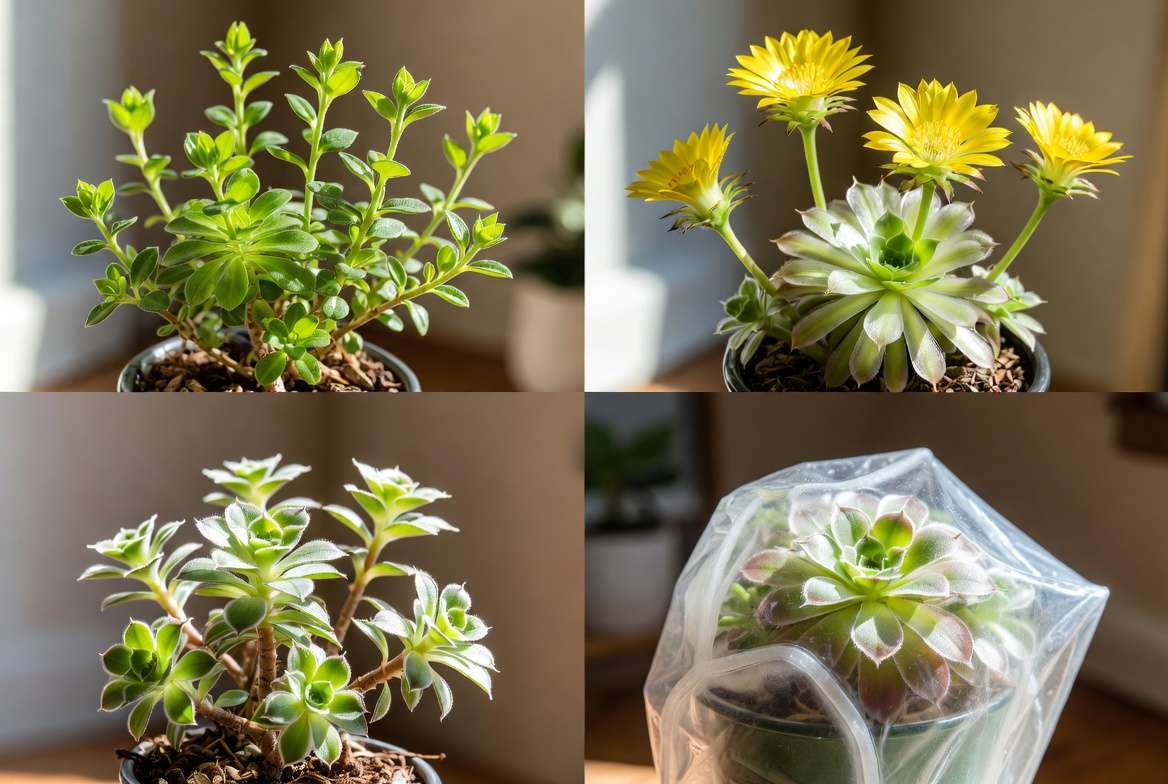
The ice succulent plant is a full-sun lover. It needs 6–8+ hours of bright, direct sunlight daily for compact growth and flowering. Indoors, place it in a south or west-facing window. In lower light conditions, it may stretch (etiolate), losing its tight, attractive shape.
For indoor growers without enough natural light, supplement with full-spectrum grow lights (12–14 hours daily). Signs of insufficient light include leggy stems and faded leaf color. Gradually acclimate plants to stronger light to avoid sunburn.
Temperature and Humidity
- Optimal Range: 65–85°F (18–29°C) during the day.
- Nighttime: Can drop to 50°F (10°C) comfortably.
- Minimum Tolerance: Around 30°F (-1°C) briefly, but it’s not cold-hardy. Bring indoors before frost.
It prefers low to moderate humidity. High humidity combined with poor airflow increases rot risk. Good air circulation is essential, especially indoors.
Best Soil Mix for Ice Succulent Plant
Drainage is non-negotiable. Use a gritty, fast-draining cactus/succulent mix. A recommended DIY recipe:
- 50% cactus/succulent potting soil
- 30% perlite or pumice
- 20% coarse sand or horticultural grit
This mimics its native rocky habitat and prevents water from lingering around roots. Avoid regular potting soil, which holds too much moisture.
Expert Insight: Always choose terracotta or unglazed ceramic pots with drainage holes. These materials wick away excess moisture better than plastic.
How to Plant and Repot Ice Succulent Plant 🪴
Best Time: Spring or early summer when the plant is actively growing.
Step-by-Step Planting Guide:
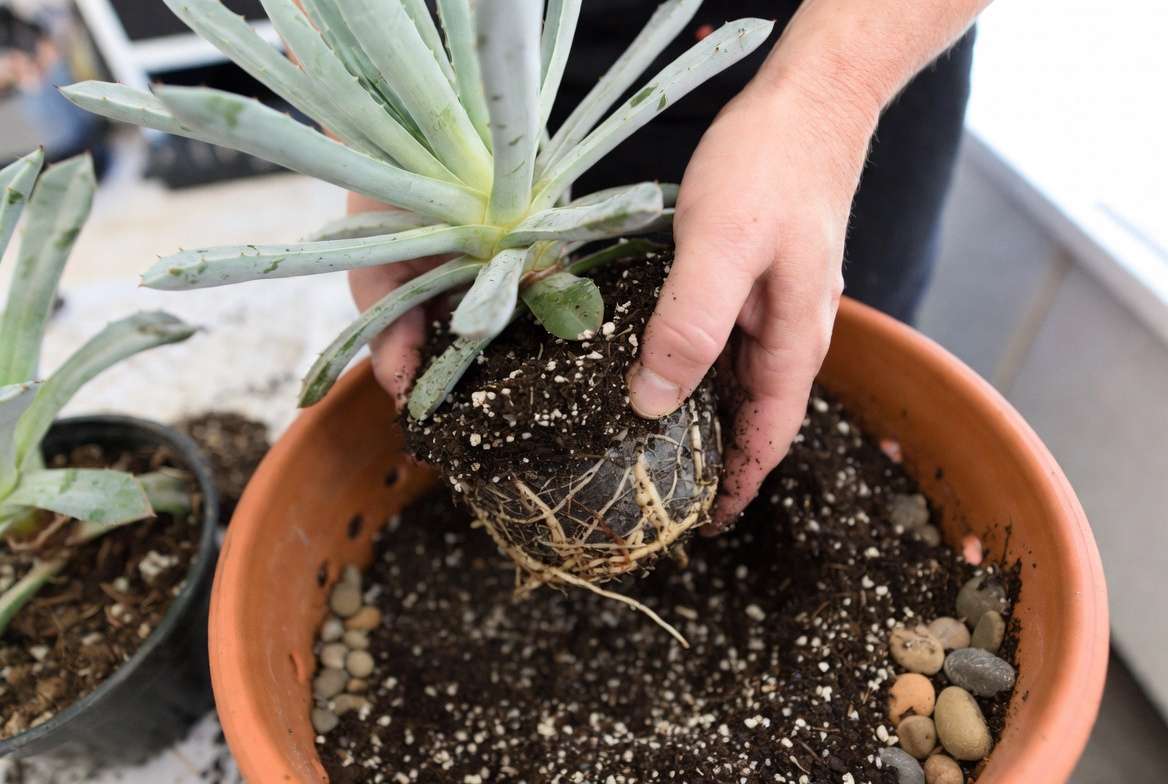
- Select a pot 1–2 inches wider than the root ball.
- Add a layer of drainage material (pebbles or broken terracotta) at the bottom.
- Fill with prepared soil mix.
- Gently place the plant, ensuring the base sits at soil level.
- Water lightly after planting and wait for full dry-out before regular watering.
Repot every 1–2 years or when roots fill the container. Signs it’s time: roots emerging from drainage holes or slowed growth.
Watering Guide: The #1 Secret to Success 💧
Watering is the most critical aspect of ice succulent plant care. Get this right, and your plant will reward you with plump, sparkling leaves and beautiful blooms. Get it wrong, and you’ll quickly face root rot or shriveled foliage.
The ice succulent plant stores water in its fleshy leaves, making it highly drought-tolerant. Overwatering is the #1 killer of these plants.
The Soak and Dry Method Explained
Use the proven “soak and dry” technique:
- Water thoroughly until it drains out the bottom of the pot.
- Allow the soil to dry out completely before watering again.
Seasonal Watering Schedule:
- Spring & Summer (Growing Season): Water every 7–10 days. Check by inserting a finger or wooden stick 2 inches into the soil — if completely dry, it’s time.
- Fall: Reduce to every 12–14 days as growth slows.
- Winter (Dormancy): Water sparingly, every 3–4 weeks. The plant needs much less moisture during cooler months.
Signs of Underwatered Ice Succulent Plant:
- Leaves become soft and wrinkled.
- Slight wilting or leaf drop.
- Soil feels bone-dry for too long.
Signs of Overwatering:
- Yellowing or mushy leaves.
- Blackened stems near the soil.
- Foul smell from the pot (root rot).
Pro Expert Tip 💧: Bottom watering is ideal for the ice succulent plant. Place the pot in a saucer of water for 20–30 minutes so the roots drink from below. This keeps the leaves dry and reduces rot risk. Always empty the saucer afterward.
For outdoor or ground-cover ice plants (Delosperma types), rely more on rainfall but ensure excellent drainage to prevent standing water.
Fertilizing and Nutrient Needs 🌱
Ice succulent plants are not heavy feeders, but a little nutrition during the active growing season boosts growth and flowering.
- When to Fertilize: Only from spring through early fall. Skip winter completely as the plant rests.
- Best Fertilizer: Use a balanced, diluted succulent or cactus fertilizer (e.g., 5-10-5 or lower nitrogen formula). Dilute to half or quarter strength.
- Frequency: Every 4–6 weeks during peak growth.
Warning: Over-fertilizing causes salt buildup, leaf burn, and weak, leggy growth. Always water the soil first before applying fertilizer.
Organic Alternative: Compost tea or worm castings diluted heavily can provide gentle nutrients for more natural growers.
Propagation Methods: Multiply Your Ice Succulent Plant for Free ✨
One of the joys of owning an ice succulent plant is how easily it propagates. You can quickly grow a full collection or share with friends.
1. Stem Cuttings (Easiest & Fastest Method)
- Choose a healthy 3–4 inch stem with several leaves.
- Use clean, sharp scissors to cut just below a node.
- Let the cutting callous over for 2–3 days in a shaded, dry spot.
- Plant in well-draining soil mix.
- Mist lightly once every few days until roots form (usually 2–4 weeks).
Success rate: Very high (85–95%) with proper light and warmth.
2. Leaf Propagation
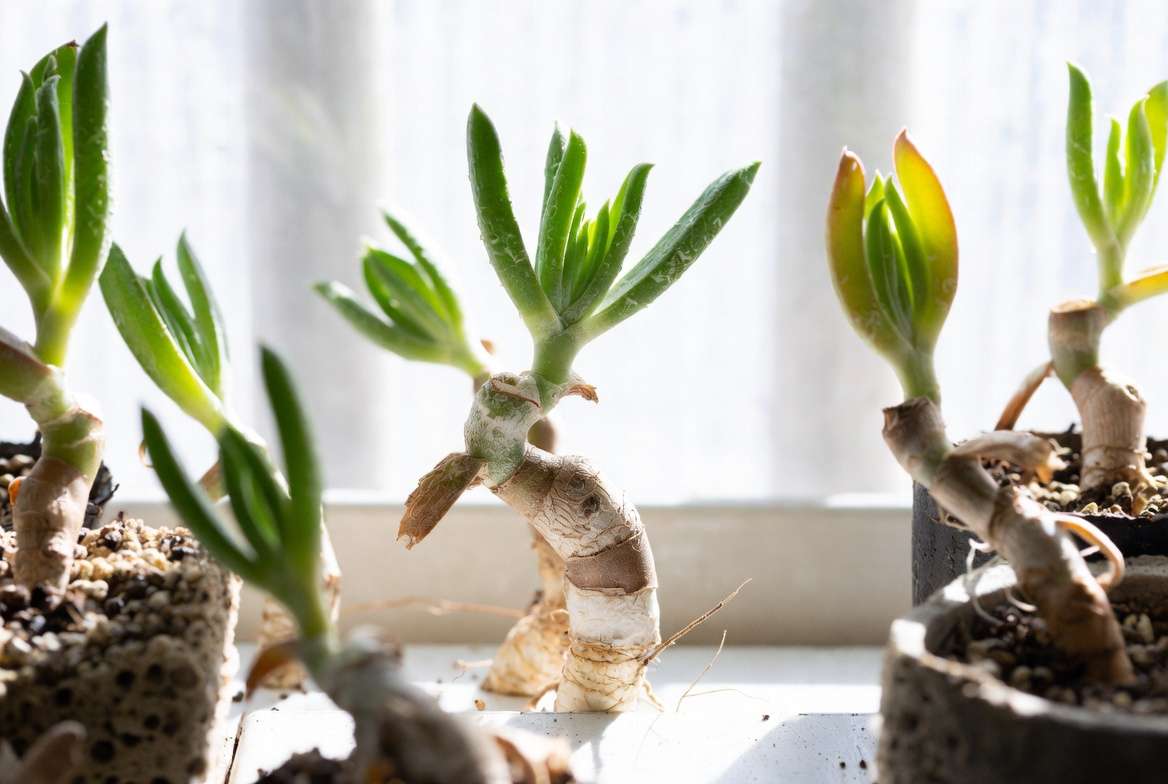
- Gently twist a healthy leaf from the stem.
- Allow it to callous for several days.
- Place on top of moist (not wet) soil mix.
- Keep in bright, indirect light.
- Tiny new plants (plantlets) should appear at the base within 4–8 weeks.
3. Division
For mature, crowded plants:
- Remove from pot and gently separate clumps with roots.
- Repot each section immediately.
- Ideal during repotting season.
Timeline Expectations: New plants usually show active growth within 6–8 weeks. Keep them slightly drier than mature plants initially.
Expert Insight: Always propagate during spring or early summer for the highest success. Use rooting hormone powder sparingly on stubborn cuttings.
Pruning, Maintenance, and Encouraging Blooms ✂️
Regular maintenance keeps your ice succulent plant looking tidy and encourages more flowers.
- Pruning: Pinch or cut back leggy stems in spring. This promotes bushier growth.
- Deadheading: Remove spent flowers to redirect energy to new buds.
- Cleaning: Gently wipe dusty leaves with a soft, damp cloth to maintain that sparkling icy look.
How to Encourage More Blooms:
- Provide at least 6 hours of direct sun.
- Maintain cool nights (55–65°F) during budding season.
- Avoid excess nitrogen fertilizer (it favors leaves over flowers).
Seasonal Maintenance Checklist:
- Spring: Repot if needed, prune, increase watering.
- Summer: Monitor for pests, enjoy blooms.
- Fall: Reduce water and fertilizer.
- Winter: Protect from cold, minimal care.
Common Problems and Solutions for Ice Succulent Plant ⚠️
Even experienced growers face challenges. Here’s a comprehensive troubleshooting section to help you diagnose and fix issues quickly.
Overwatering and Root Rot (Most Common Issue)
Symptoms: Yellow, mushy leaves starting from the bottom, soft stems, soil stays wet.
Rescue Steps:
- Remove plant from pot.
- Trim off all rotted roots and leaves with sterilized scissors.
- Let the healthy portion dry for 2–3 days.
- Repot in fresh, dry soil mix.
- Wait 7–10 days before first watering.
Yellowing Leaves, Wrinkling, and Leaf Drop
| Symptom | Likely Cause | Solution |
|---|---|---|
| Yellow leaves | Overwatering | Reduce watering, improve drainage |
| Wrinkled leaves | Underwatering | Soak thoroughly, then follow schedule |
| Sudden leaf drop | Cold shock or transplant stress | Stabilize temperature and light |
| Brown tips | Sunburn or fertilizer burn | Move to slightly less intense light |
Pests
- Mealybugs: White cottony spots. Treat with neem oil or isopropyl alcohol swab.
- Aphids: Tiny green insects on new growth. Blast with water or use insecticidal soap.
- Fungus Gnats: Overly moist soil. Let soil dry more and use sticky traps.
Prevention: Quarantine new plants, ensure good airflow, and avoid overwatering.
Other Issues
- Etiolation (Stretching): Move to brighter light immediately.
- Sunburn: Brown crispy patches — provide afternoon shade in very hot climates.
- Fungal Infections: Improve airflow and reduce humidity.
Diagnostic Tip 💡: Take clear photos of symptoms and compare with healthy plants. Early intervention saves most ice succulent plants.
Seasonal Care Guide ❄️🌞
Spring: Awakening period. Increase light and water gradually. Best time for repotting and propagation.
Summer: Peak growth. Watch for intense afternoon sun in hot regions. Fertilize regularly for abundant blooms.
Fall: Slow growth. Reduce watering to prepare for dormancy. Prune for shape.
Winter: Rest period. Keep indoors if temperatures drop below 40°F. Minimal watering prevents rot during low light months.
Creative Uses and Display Ideas for Ice Succulent Plant
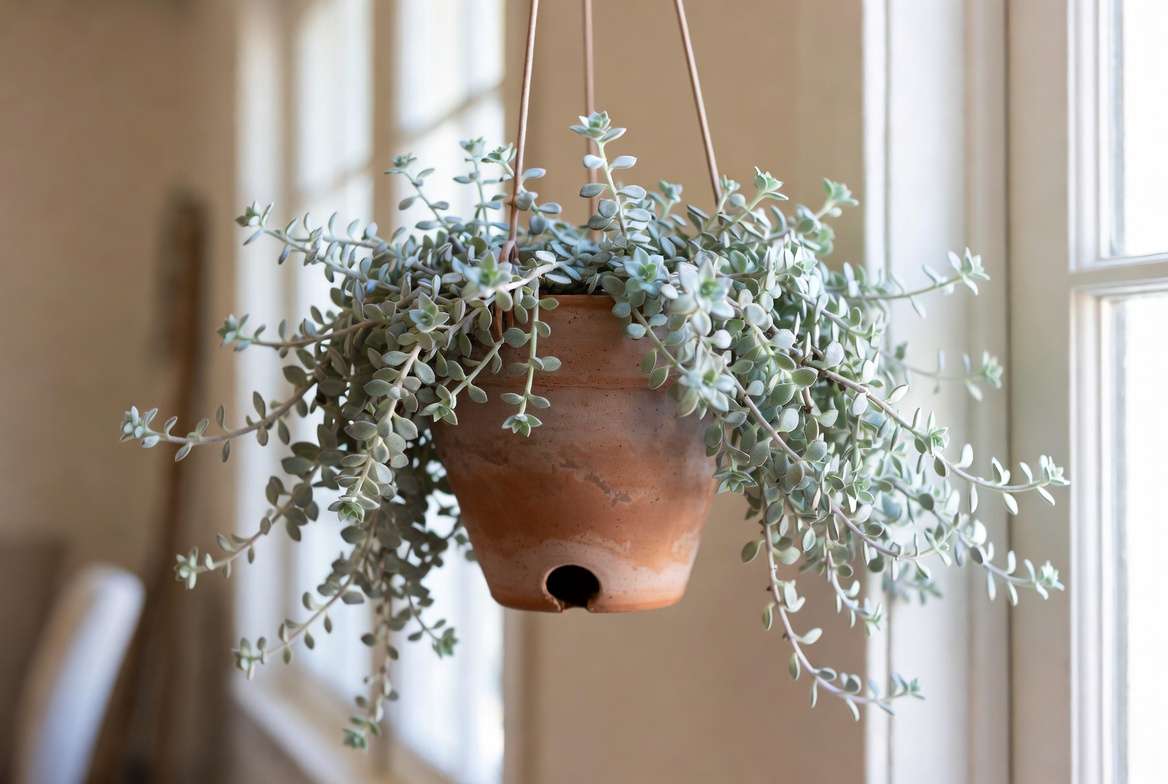
- Indoor: Hanging baskets, wide shallow bowls, mixed succulent arrangements, or windowsill collections.
- Outdoor: Rock gardens, container patios, or as trailing ground cover in mild climates.
- Companion Plants: Pair with Echeveria, Sedum, or Haworthia for beautiful contrast.
The translucent icy leaves look especially magical when backlit near a window.
Toxicity and Pet Safety Information 🐾
The ice succulent plant (Corpuscularia lehmannii) is generally considered non-toxic to cats, dogs, and humans according to ASPCA guidelines. However, it’s always wise to keep plants out of reach of curious pets to prevent accidental ingestion or choking on leaves.
Frequently Asked Questions (FAQs) ❓
Q1: Why is my ice succulent plant dying? A: Most often due to overwatering or poor drainage. Check roots and repot if necessary.
Q2: Can ice succulent plant grow indoors year-round? A: Yes! It thrives indoors with sufficient bright light (natural or grow lights).
Q3: How fast does the ice succulent plant grow? A: Moderate growth. It spreads 6–12 inches per year under ideal conditions.
Q4: Why isn’t my ice succulent flowering? A: Insufficient sunlight or too much nitrogen. Move to brighter spot and adjust fertilizer.
Q5: Is the ice succulent plant the same as the hardy ice plant? A: No. Corpuscularia lehmannii is a tender succulent, while Delosperma is a hardy ground cover.
Conclusion: Mastering Ice Succulent Plant Care 🌟
The ice succulent plant is a rewarding, beginner-friendly succulent that brings sparkle and joy to any space. By following this detailed care guide — focusing on proper watering, bright light, and well-draining soil — you’ll enjoy a healthy, blooming plant for years to come.
Remember: Patience and observation are your best tools. Watch how your plant responds and adjust care accordingly.
Share your ice succulent plant journey in the comments below! Have you grown Corpuscularia lehmannii successfully? What challenges did you face?
For more expert plant care guides, explore our other articles on succulent propagation, indoor plant troubleshooting, and seasonal care tips.
Happy Growing! 🪴✨











