
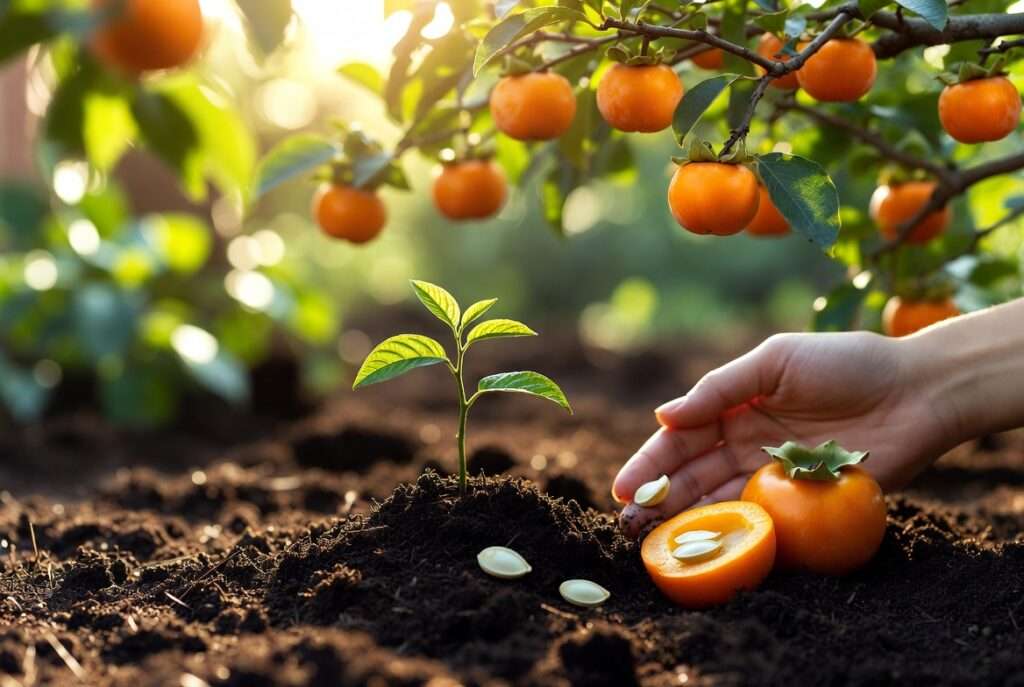
Have you ever dreamed of picking sweet, honey-like persimmons straight from your own backyard tree? Starting from a tiny seed feels incredibly rewarding, especially when you watch it transform into a resilient, fruit-bearing beauty over the years. If you’re searching for how to plant persimmon seeds, you’re in the right place. This comprehensive guide delivers everything you need for successful germination and long-term growth.
Persimmons are among the most delightful fruit trees for home gardeners. Their vibrant orange fruits, rich flavor, and stunning fall foliage make them a standout in any landscape. Growing them from seed is an affordable way to add genetic diversity and potentially discover unique varieties adapted to your local conditions. Whether you’re a beginner gardener or an experienced plant parent, this guide covers every stage with practical, proven advice.
As a horticulture enthusiast with years of experience growing fruit trees in various climates, I’ve helped many gardeners successfully propagate persimmons. This article draws from reliable horticultural practices, real grower experiences, and university extension resources to give you trustworthy information you can rely on.
In this guide, you’ll learn:
- How to choose and prepare viable seeds
- The critical cold stratification process
- Step-by-step planting and seedling care
- Long-term tree maintenance for beautiful harvests
Note: Growing persimmons requires patience — trees can take 4–9 years to produce fruit from seed — but the journey is deeply satisfying. Let’s get started! 🌟
Understanding Persimmon Trees and Why Grow from Seed
Persimmons belong to the Diospyros genus. Two main types are popular for home growing: American persimmons (Diospyros virginiana) and Asian persimmons (Diospyros kaki).
American vs. Asian Persimmons – Key Differences for Home Growers American persimmons are native to the eastern and midwestern United States. They are exceptionally cold-hardy (many varieties survive Zone 4–5 winters down to -20°F or lower) and more adaptable to various soils. The fruit is typically smaller, sweeter when fully ripe (almost jelly-like), and excellent for fresh eating, baking, or drying.
Asian persimmons (also called Japanese or Oriental persimmons) produce larger, often non-astringent fruits that can be eaten crisp like an apple. They prefer milder climates (Zones 7–10) and are less cold-tolerant. Many popular supermarket varieties like Fuyu and Hachiya are Asian types.
Benefits of Growing Persimmons from Seed
- Cost-effective: One fruit can yield multiple seeds, saving money compared to buying grafted saplings.
- Genetic Diversity: Seed-grown trees may develop unique traits better suited to your microclimate.
- Hardiness: American persimmon seedlings often show excellent vigor and disease resistance.
- Satisfaction: There’s nothing like the pride of growing a tree from seed to fruit! 🍊
Potential Challenges Persimmons are dioecious (separate male and female trees), though some varieties are self-fertile. Seed-grown trees show variable fruit quality, and it takes patience — expect 4–9 years for the first harvest.
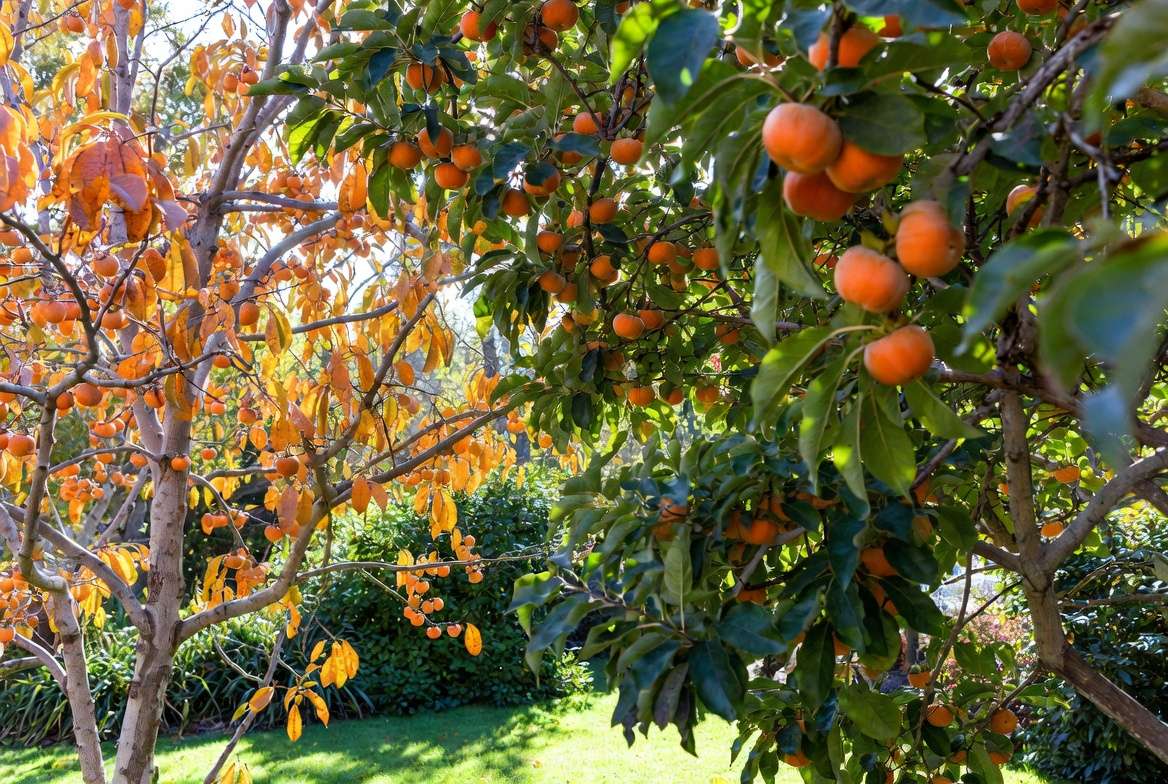
Realistic Timeline – From Seed to First Fruit
- Germination: 2–8 weeks after stratification
- Seedling stage: 1–2 years
- Young tree: 3–5 years
- First reliable fruit: 4–9 years (faster with good care)
Expert Insight: For beginners in cooler climates, focus on American varieties like Early Golden, Prok, Yates, or Meader. These are proven performers for seed starting.
Choosing the Right Persimmon Seeds
Success starts with quality seeds.
Best Varieties for Beginners Prioritize cold-hardy American types: Early Golden (Zone 4), Prok, Yates, and Garretson. These offer good flavor and reliability.
Where to Source Fresh, Viable Seeds
- Extract from fully ripe, fallen fruit (best viability).
- Purchase from reputable suppliers like Perfect Circle Farm or specialty seed companies.
- Avoid dried-out or old seeds from stores.
How to Extract and Clean Seeds Properly
- Scoop seeds from ripe persimmons.
- Rinse thoroughly to remove all pulp (pulp can cause mold).
- Air-dry briefly (1–2 days) but do not let them dry out completely — they must stay slightly moist for stratification. 💧
Pro Tip: Perform a simple viability test by placing seeds in water. Viable ones usually sink. 🌱
Preparing Persimmon Seeds for Planting (Critical Step!)
Cold stratification is non-negotiable for most persimmon seeds. It mimics winter conditions and breaks dormancy. Without it, germination rates drop dramatically.
Why Cold Stratification is Essential Persimmon seeds have natural inhibitors that prevent premature sprouting in fall. 60–90 days of moist cold (34–41°F) is ideal.
Step-by-Step Stratification Methods Refrigerator Method (Most Reliable):
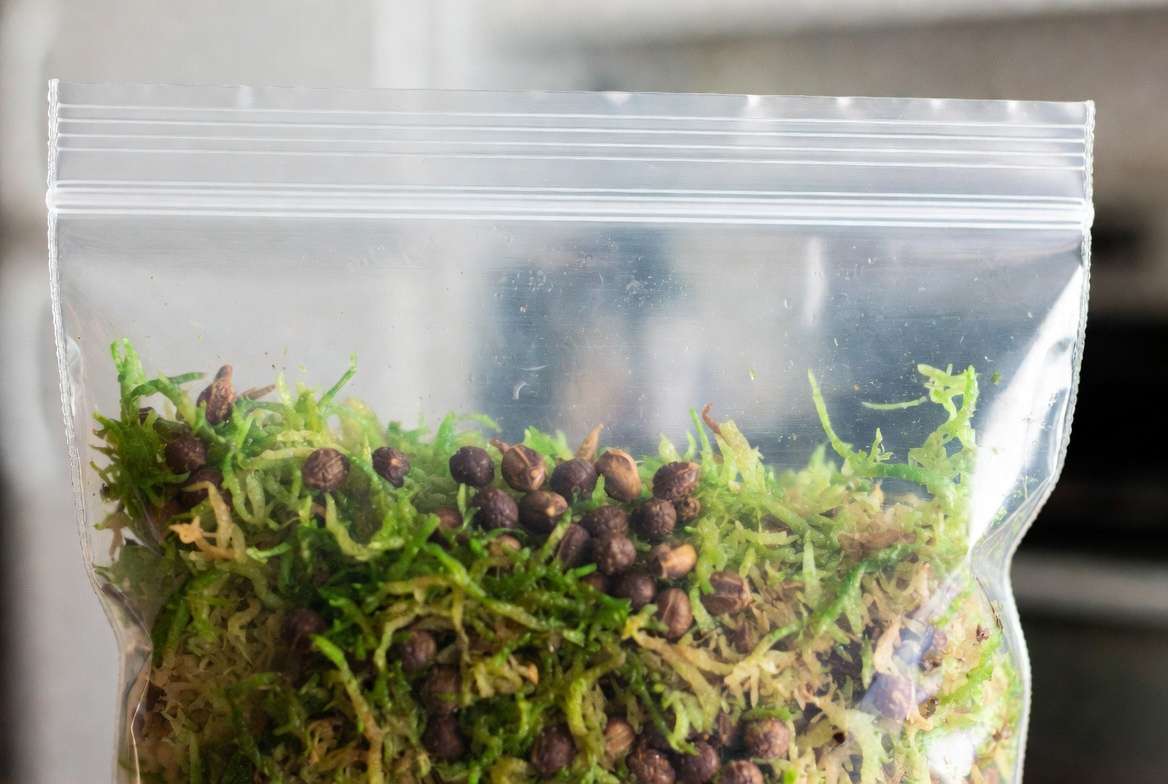
- Mix clean seeds with moist (not wet) sphagnum moss, peat, or paper towels.
- Place in a labeled ziplock bag.
- Store in the fridge for 60–90 days. Check weekly for moisture/mold.
- Some growers report success with 30–120 days depending on variety.
Outdoor Winter Sowing: Plant seeds in fall directly in prepared beds or pots and let nature handle it (best in colder zones).
Common Mistakes That Kill Germination Rates ❌
- Letting seeds dry out completely
- Using soggy media (causes rot)
- Insufficient stratification time
- Storing near ethylene-producing fruits (apples, bananas)
Step-by-Step Guide to Planting Persimmon Seeds
Best Time to Plant After stratification, plant in early spring when soil warms to 60–70°F.
Choosing Containers and Soil Mix Use deep, tall pots (10–14 inches) to accommodate the strong taproot. Ideal mix: 50% potting soil, 30% perlite, 20% compost. Slightly acidic pH (6.0–7.0).
Planting Process
- Fill pots with moist mix.
- Plant seeds 1–2 inches deep, pointy end down if visible.
- Water gently and cover with plastic for humidity.
- Place on a heat mat (70–75°F) until germination.
Indoor vs. Outdoor Setups Indoor offers better control; outdoor works well in mild climates.
Using Heat Mats and Monitoring Keep soil consistently moist. First sign is usually a long white root emerging before leaves. 🌱
Caring for Persimmon Seedlings 🌱💧
Once your persimmon seeds germinate, the real journey of nurturing young plants begins. Seedlings are delicate in their first year but grow into tough, resilient trees with proper care. Consistent attention during this stage dramatically improves survival rates and sets the foundation for strong, productive trees.
Light, Water, and Temperature Requirements Persimmon seedlings thrive in bright, indirect light for the first 4–6 weeks. Place them near a south-facing window or under grow lights (14–16 hours of light daily). Once true leaves appear, gradually introduce them to direct morning sun.
Watering is critical: Keep the soil evenly moist but never soggy. Overwatering is one of the leading causes of seedling loss. Allow the top inch of soil to dry slightly between waterings. Use room-temperature water to avoid shocking the roots. Ideal growing temperatures are 65–75°F (18–24°C) during the day.
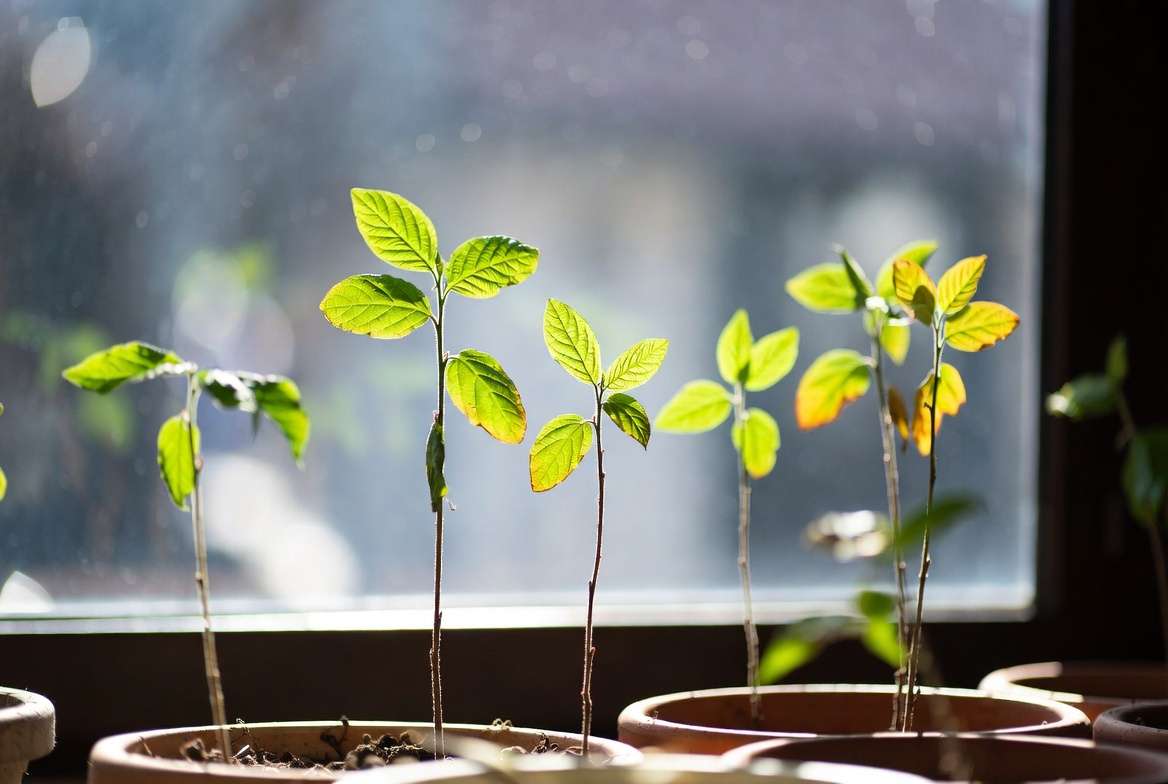
Transplanting Seedlings Successfully (When and How) Transplant when seedlings reach 4–6 inches tall with several sets of true leaves, usually 2–3 months after germination.
- Choose deep nursery pots to support the developing taproot.
- Gently loosen the soil and lift by the leaves (never pull the stem).
- Plant at the same depth as before, firming the soil lightly.
- Water thoroughly after transplanting and keep in partial shade for 7–10 days to reduce transplant shock.
Fertilization Schedule for Healthy Growth Avoid fertilizing newly germinated seedlings for the first 4–6 weeks. Once established, use a diluted balanced liquid fertilizer (such as 10-10-10) every 3–4 weeks during the growing season. Switch to a higher phosphorus formula in late summer to encourage root development. Organic options like compost tea or worm castings work wonderfully and support beneficial soil microbes.
Protecting Young Plants from Pests, Diseases, and Weather Common threats include aphids, spider mites, and fungal issues like damping-off.
- Use neem oil or insecticidal soap for organic pest control.
- Ensure excellent air circulation to prevent mold.
- Protect from strong winds and late frosts with row covers or cloches when moving outdoors. 🛡️
Common Seedling Problems and Solutions
- Yellowing leaves: Often nitrogen deficiency or overwatering — adjust accordingly.
- Slow growth: May indicate insufficient light or cool temperatures.
- Damping off: Fungal disease from overly wet soil — improve drainage and use sterile mix.
- Leggy seedlings: Increase light intensity immediately.
With attentive care, your persimmon seedlings will develop robust root systems and sturdy stems within their first year.
Transplanting to the Garden – Long-Term Success 🌳
Moving your young persimmon tree to its permanent home is an exciting milestone. Proper transplanting ensures fast establishment and healthy development.
Choosing the Perfect Planting Site Select a location with full sun (at least 6–8 hours daily) and well-draining soil. Persimmons tolerate a wide pH range (5.5–7.5) but prefer slightly acidic conditions. Avoid low-lying areas prone to waterlogging. Space trees 15–25 feet apart depending on variety, as they can reach 30–60 feet at maturity.
How to Transplant Without Damaging the Taproot The taproot is the persimmon’s lifeline — handle it with care.
- Dig a hole twice as wide as the root ball but no deeper.
- Carefully slide the tree out of its pot.
- Position so the root crown sits at soil level.
- Backfill with native soil mixed with compost.
- Water deeply to eliminate air pockets.
Watering, Mulching, and Establishment Care Water deeply once or twice weekly for the first two years. Apply 3–4 inches of organic mulch (wood chips or straw) in a 3-foot circle around the base, keeping it away from the trunk to prevent rot. Mulch conserves moisture, suppresses weeds, and moderates soil temperature. 🍂
Pruning and Training Young Trees Minimal pruning in the first 2–3 years. Remove any dead, damaged, or crossing branches. Shape the tree to develop a strong central leader. Prune in late winter during dormancy.
Companion Planting Ideas for Persimmons Plant with nitrogen-fixers like clover or beans, or beneficial flowers such as marigolds and nasturtiums to attract pollinators and deter pests. Avoid planting near walnut trees due to juglone sensitivity.
Ongoing Tree Care for Fruit Production 🍊
Seasonal Maintenance Calendar
- Spring: Fertilize lightly as buds swell. Monitor for pests.
- Summer: Consistent deep watering during dry spells.
- Fall: Harvest ripe fruit and clean up fallen debris.
- Winter: Prune and protect young trees from extreme cold.
Pollination Tips (Male vs. Female Trees) Since most persimmons are dioecious, plant at least one male pollinator tree for every 4–5 females. Some American varieties are self-fertile or have perfect flowers. Hand-pollination can help in low-pollinator areas.
Organic Pest and Disease Management Persimmons are relatively pest-resistant but watch for:
- Persimmon psylla
- Scale insects
- Anthracnose and leaf spot (treat with copper fungicide if needed)
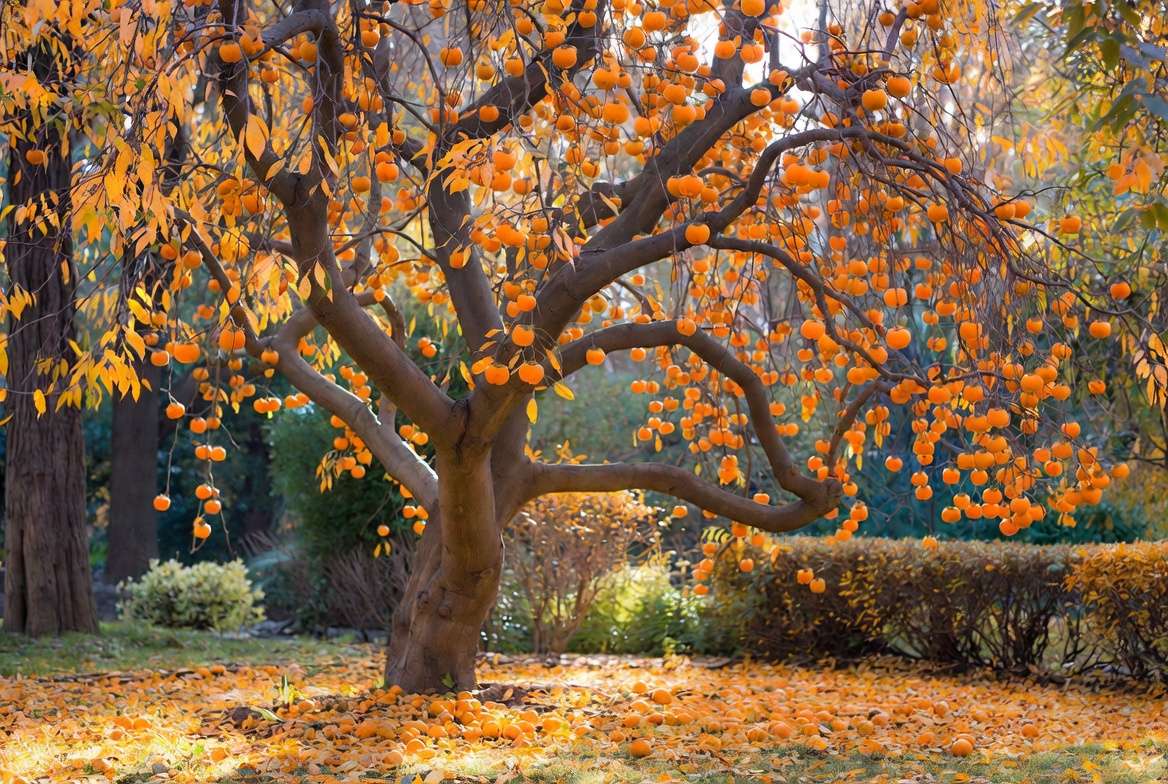
When to Expect Your First Harvest and How to Ripen Persimmons Most trees produce their first small harvest between years 4–7. Fruits ripen in late fall. American persimmons must be fully soft and jelly-like before eating (astringent until ripe). Non-astringent Asian types can be eaten firm.
Expert Tips: Accelerating Growth and Improving Fruit Quality
- Apply potassium-rich fertilizer in late summer.
- Use foliar sprays of seaweed extract for micronutrients.
- Thin fruit in early summer for larger remaining persimmons.
Advanced Tips and Troubleshooting for Higher Success Rates ✨
- Regional Adaptations: In hot, humid climates, provide afternoon shade. In cold zones, choose ultra-hardy varieties and use trunk wraps.
- Sustainable Practices: Integrate cover crops and rainwater harvesting for eco-friendly growing.
- Scaling Up: Start multiple seeds to select the strongest performers for a home orchard.
- Troubleshooting Low Germination: Test fresh seeds and extend stratification time.
Frequently Asked Questions (FAQs) ❓
How long does persimmon seed germination take? Usually 2–8 weeks after stratification, depending on temperature and seed freshness.
Can I grow Fuyu persimmon from seed? Yes, but Asian varieties like Fuyu are less cold-hardy and may take longer to fruit with variable results.
Why isn’t my persimmon seedling growing? Common causes include insufficient light, cold temperatures, or nutrient-poor soil.
Do persimmon trees need a pollinator? Most do. Planting both male and female trees ensures better fruit set.
How deep should I plant persimmon seeds? 1–2 inches deep in well-draining soil.
Are persimmons invasive? American persimmons can sucker but are generally not considered invasive in home gardens.
Can I plant persimmon seeds directly outdoors? Yes, in fall for natural stratification, though success rates vary by climate.
How tall do persimmon trees get? American types reach 30–60 feet; Asian varieties are smaller (15–30 feet).
Conclusion
Growing persimmons from seed is a patient yet incredibly rewarding adventure. By following this detailed how to plant persimmon seeds guide, you now have the knowledge to achieve strong germination and healthy tree growth. Remember: success comes from quality seeds, proper stratification, attentive seedling care, and choosing the right planting site.
Start collecting ripe persimmons this season and begin your journey today. In a few years, you’ll be enjoying homegrown persimmons while creating a beautiful, productive landscape.
Share your progress in the comments below — I’d love to hear about your persimmon growing success! Save this guide for future reference and explore more fruit tree care articles on the site.
Happy planting! 🌱🍊🌳











