
Imagine a plant that stays vibrantly green through the hottest, driest summers, fills the air with a refreshing spicy-sweet aroma, and provides year-round privacy and beauty with almost zero effort once established. That’s the magic of the laurel sumac plant (Malosma laurina). Whether you’re a beginner gardener in a Mediterranean climate or an experienced landscaper looking for a tough, native evergreen, this resilient beauty delivers exceptional results with minimal fuss.
In this comprehensive guide, you’ll discover everything needed to successfully grow and care for Laurel Sumac — from planting techniques to long-term maintenance. Backed by years of hands-on experience with California native plants and horticultural best practices, this resource goes deeper than most online articles to help you avoid common mistakes and create a thriving, eco-friendly landscape. ✨
What Is Laurel Sumac? Botanical Profile 🌱
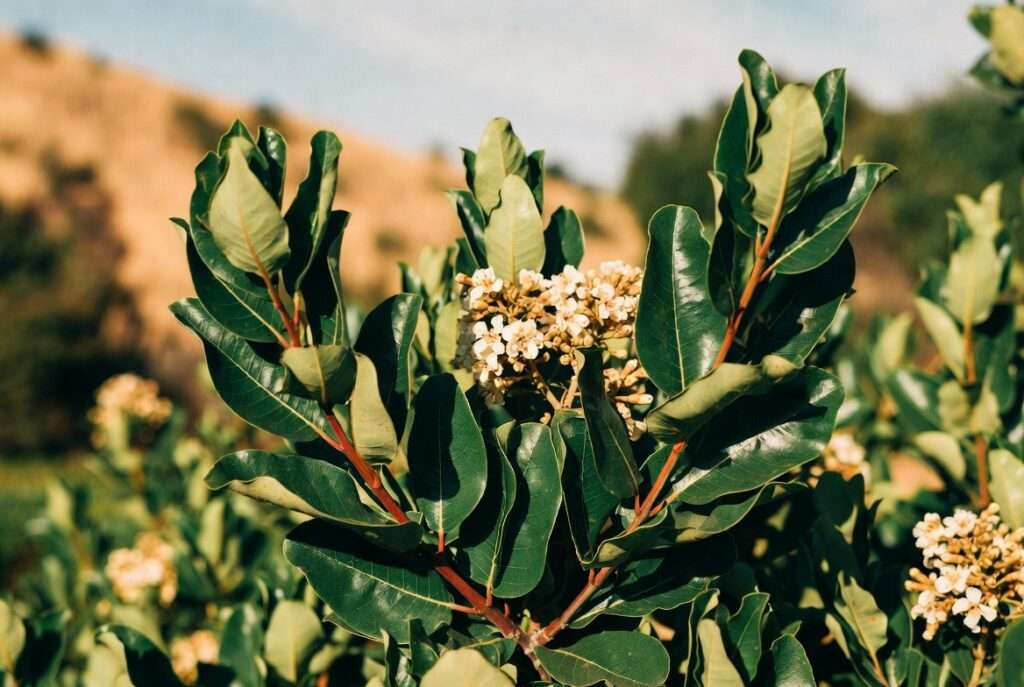
The Laurel Sumac, also known as Malosma laurina (formerly Rhus laurina), belongs to the Anacardiaceae family — the same family as poison oak, though this plant is generally considered non-toxic to touch. It is a large, rounded evergreen shrub or small multi-trunked tree that typically reaches 10–20 feet tall and wide, though it can be pruned to fit smaller spaces.
Its most striking feature is the glossy, leathery leaves that resemble true laurel leaves — oblong, 3–6 inches long, with a distinctive “taco” fold along the midrib. This adaptation helps the plant conserve water by reducing sun exposure and channeling moisture toward the roots. When crushed, the foliage releases a pleasant, pungent aromatic scent that many describe as the true essence of the California chaparral.
In late spring to summer, it produces large, pyramid-shaped clusters of creamy-white to pale pink flowers that attract bees and butterflies. These are followed by small, whitish-to-reddish berries that provide important food for songbirds, especially warblers and other native species.
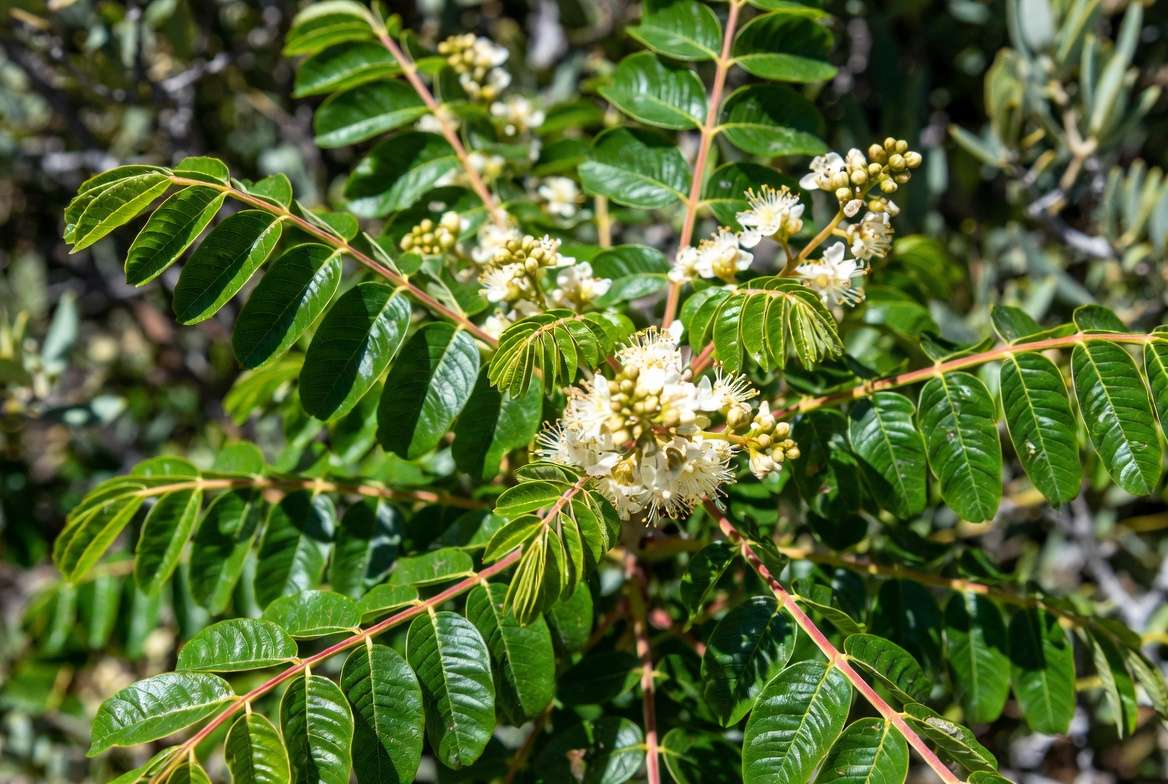
Natural Habitat and Ecology Native primarily to Southern California and Baja California, Laurel Sumac thrives in coastal sage scrub and chaparral communities on dry slopes, canyons, and bluffs below 3,300 feet. It is remarkably fire-adapted — resprouting vigorously from the base after burns — and plays a vital role in erosion control thanks to its deep taproot system, which can extend over 40 feet in search of water.
Benefits of Growing Laurel Sumac in Your Garden 🌟
Choosing the Laurel Sumac plant offers numerous advantages that make it a standout choice for modern gardens:
- Exceptional Drought Tolerance: Once established, it needs little to no supplemental water, making it perfect for water-wise and xeriscape landscapes.
- Wildlife Support: Its flowers feed pollinators, while berries and dense foliage provide food, shelter, and nesting sites for birds and beneficial insects.
- Year-Round Beauty: Unlike many California natives that go dormant or brown in summer, Laurel Sumac remains lush and evergreen.
- Fast Growth & Versatility: It grows quickly and can be shaped as a large shrub, privacy hedge, screen, slope stabilizer, or even a small patio tree.
- Low Maintenance: Resistant to most pests and diseases when properly sited, with minimal fertilization needs.
- Environmental Impact: Excellent for habitat restoration, carbon sequestration, and bank stabilization.
Homeowners in USDA zones 9–10 particularly love it as a citrus/avocado climate indicator plant — it generally grows where frost risk is low.
Ideal Growing Conditions for Laurel Sumac ☀️
Climate and Hardiness Zones
Laurel Sumac performs best in USDA Hardiness Zones 9–10. It tolerates temperatures down to about 35°F but suffers branch dieback or death in harder freezes. It is not suitable for areas with regular winter frost.
Sunlight Requirements
Full sun is ideal for the densest growth and best flowering. It can tolerate partial shade, but plants become leggier and produce fewer flowers in lower light.
Soil Preferences
This plant is highly adaptable and grows well in sandy, rocky, or even clay soils as long as drainage is good. Preferred soil pH is 6.0–8.0. It thrives in poor, nutrient-lean soils and does not like overly rich or constantly wet conditions.
Pro Tip: Before planting, test your soil drainage by digging a hole and filling it with water. If it drains within a few hours, you’re good to go.
Spacing and Site Selection
Allow 10–20 feet of space depending on your desired mature size. Choose a location protected from strong winds and cold air pockets for best results.
How to Plant Laurel Sumac Step-by-Step 🌱
Planting your laurel sumac plant correctly is the foundation for long-term success. This hardy evergreen responds beautifully when given the right start, developing a strong root system that supports its impressive drought tolerance later.
Best Time to Plant The ideal planting window is fall (October–December) or early spring (February–April). Fall planting allows roots to establish during cooler months before summer heat arrives. Avoid planting in the peak of summer heat or during heavy winter rains.
Selecting Healthy Stock Choose nursery plants with:
- Dense, glossy green foliage (no yellowing or spotting)
- Strong, woody stems
- No signs of root-bound circling roots
- Container size of at least 5–15 gallons for faster establishment
Step-by-Step Planting Process:
- Prepare the Site: Dig a hole twice as wide as the root ball but only as deep. Roughen the sides of the hole to encourage roots to spread outward.
- Positioning: Place the plant so the top of the root ball sits slightly above ground level (1–2 inches). This prevents settling and collar rot.
- Backfilling: Mix native soil with a small amount of compost (no more than 20%). Gently firm the soil to eliminate air pockets.
- Initial Watering: Water deeply and slowly until the soil is saturated. This helps settle the soil and removes air pockets.
- Mulching: Apply 2–4 inches of organic mulch (wood chips, bark, or leaf litter) in a donut shape, keeping it away from the trunk to prevent moisture buildup and disease. 🌿
Transplanting Established Plants Laurel Sumac develops a deep taproot, so transplanting is best done when the plant is young. Water thoroughly the day before, dig wide, and preserve as much root mass as possible. Expect some transplant shock — new growth should appear within 4–6 weeks with proper care.
Laurel Sumac Watering Guide 💧
One of the biggest mistakes gardeners make with this species is overwatering. Laurel Sumac is a classic drought-tolerant plant that hates “wet feet.”
Establishment Phase (First 1–2 Years)
- Weeks 1–4: Water deeply 2–3 times per week.
- Months 2–6: Reduce to once per week.
- Year 2: Water every 10–14 days during dry periods.
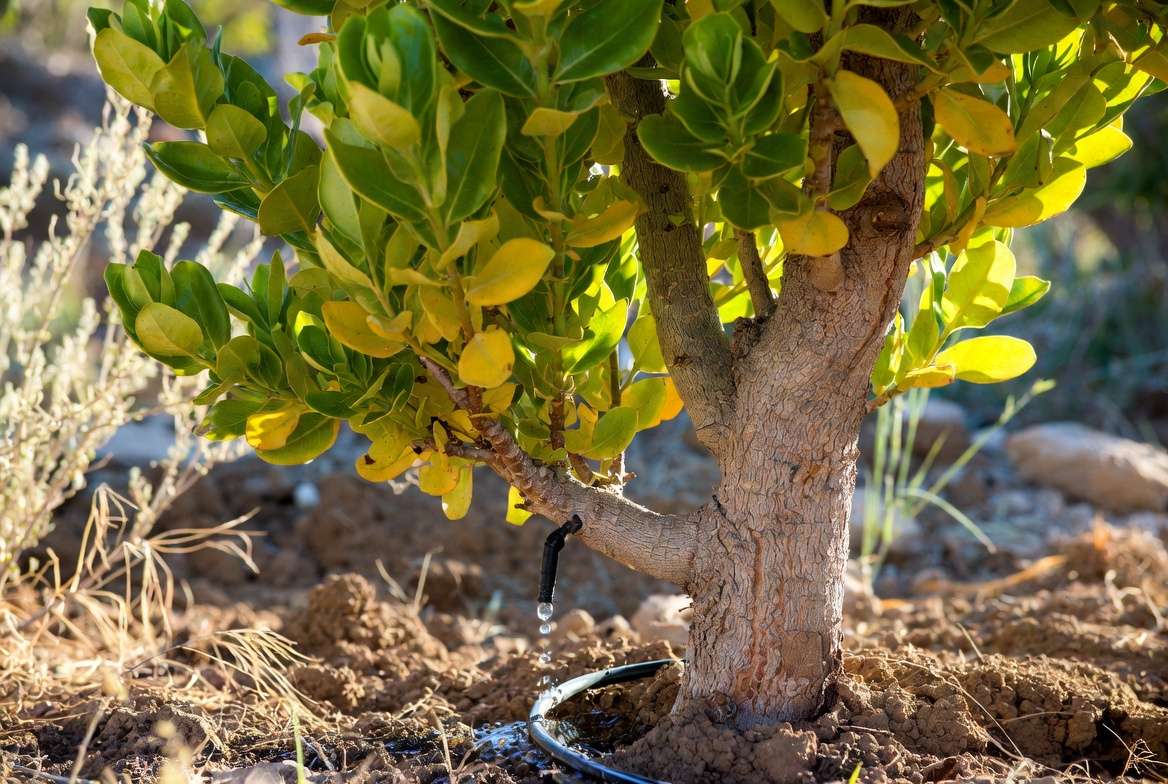
Mature Plants Once established (usually after 2–3 years), Laurel Sumac needs very little supplemental water. Many mature specimens survive on rainfall alone in Mediterranean climates. Deep, infrequent watering (every 3–4 weeks in extreme drought) is better than frequent shallow watering.
Signs to Watch:
- Underwatering: Slightly drooping leaves that recover at night.
- Overwatering: Yellowing lower leaves, soft growth, or root rot.
Smart Watering Tip: Use a moisture meter or the screwdriver test — if a long screwdriver pushes easily into the soil more than 8 inches, you probably don’t need to water yet.
Soil, Fertilization, and Nutrition 🌍
Laurel Sumac evolved in nutrient-poor soils, so it rarely needs heavy feeding. In fact, too much fertilizer can cause weak, leggy growth and reduce its natural drought resistance.
Soil Requirements Recap Well-draining, slightly alkaline to neutral soil is preferred. It performs exceptionally well in sandy loam and decomposed granite.
Fertilization Strategy:
- Year 1: Light application of balanced organic fertilizer in early spring.
- Established plants: Usually none needed. A yearly top-dressing of compost in fall is sufficient.
- Micronutrients: Occasional iron or magnesium if leaves show chlorosis (yellowing between veins).
Organic Approach: Use worm castings, kelp meal, or slow-release native plant blends designed for California chaparral species.
Pruning and Maintenance for Healthy Growth ✂️
Proper pruning transforms Laurel Sumac from a wild shrub into an elegant garden feature.
Best Pruning Time: Late fall to early winter after flowering but before new spring growth.
Pruning Techniques:
- As a Large Shrub: Light thinning of crossing branches to improve air flow.
- As a Hedge or Screen: Tip pruning encourages denser growth.
- As a Small Tree: Remove lower branches gradually to reveal an attractive multi-trunk form.
- Rejuvenation: Older plants can be coppiced (cut back hard to 12–18 inches) every 8–10 years to stimulate fresh, vigorous growth.
Year-Round Maintenance Checklist:
- Spring: Monitor new growth and fertilize lightly if needed.
- Summer: Check for heat stress and deep water occasionally.
- Fall: Major pruning and mulch refresh.
- Winter: Protect young plants from rare frost with burlap or frost cloth.
Propagation Methods: Grow More Plants for Free 🌱
Growing new laurel sumac plants from your existing specimen is rewarding and cost-effective.
From Seeds:
- Collect fresh berries in late summer.
- Soak in water for 24 hours, then scarify or lightly nick the hard seed coat.
- Sow in well-draining mix and keep moist until germination (can take 4–8 weeks). Seeds benefit from heat or smoke treatment to mimic wildfire conditions.
From Cuttings:
- Take 6–8 inch semi-hardwood cuttings in late summer.
- Dip in rooting hormone and place in a humid environment with bottom heat.
- Success rate improves significantly with misting systems.
Division and Layering: Possible but less common due to the plant’s deep root system.
Common Pests and Diseases (and How to Manage Them) 🛡️
When grown in the right conditions, Laurel Sumac is remarkably pest and disease resistant.
Common Issues:
- Aphids and Scale: Usually appear on new tender growth. Blast with strong water spray or use insecticidal soap.
- Spider Mites: Common in hot, dusty conditions. Increase humidity and apply neem oil.
- Fungal Leaf Spot: Rare but appears during prolonged wet weather. Improve air circulation and avoid overhead watering.
- Branch Dieback: Often caused by extreme drought, poor drainage, or mechanical damage.
Prevention is Key: Proper siting, good drainage, and avoiding over-fertilization eliminate most problems.
Seasonal Care Calendar for Laurel Sumac 📅
A well-planned seasonal routine keeps your laurel sumac plant looking its best year after year.
Spring (March–May)
- Watch for fresh glossy growth and flower buds.
- Apply a light top-dressing of compost.
- Increase watering slightly as temperatures rise.
- Prune lightly if needed to shape new growth. 🌸
Summer (June–August)
- Peak drought tolerance season. Water deeply but infrequently.
- Monitor for spider mites during heat waves.
- Enjoy the aromatic leaves and pollinator activity.
- Avoid heavy pruning during extreme heat.
Fall (September–November)
- Best time for major pruning and shaping.
- Plant new specimens.
- Refresh mulch layer.
- Reduce watering as rains begin. 🍂
Winter (December–February)
- Protect young plants if frost is forecast (cover with frost cloth).
- Minimal watering — rely on natural rainfall.
- Inspect for dead wood and remove it on mild days.
Companion Plants and Landscaping Ideas 🏡
Laurel Sumac shines when paired with other Mediterranean and California native plants:
Excellent Companions:
- Ceanothus (California Lilac): Beautiful blue flowers contrast with Laurel Sumac’s creamy blooms.
- Manzanita: Adds interesting bark texture and winter flowers.
- Sage (Salvia species): Aromatic foliage and pollinator support.
- Toyon and Coffeeberry: Complementary berries for wildlife.
- Deer Grass and Sages: Soften the base with ornamental grasses.
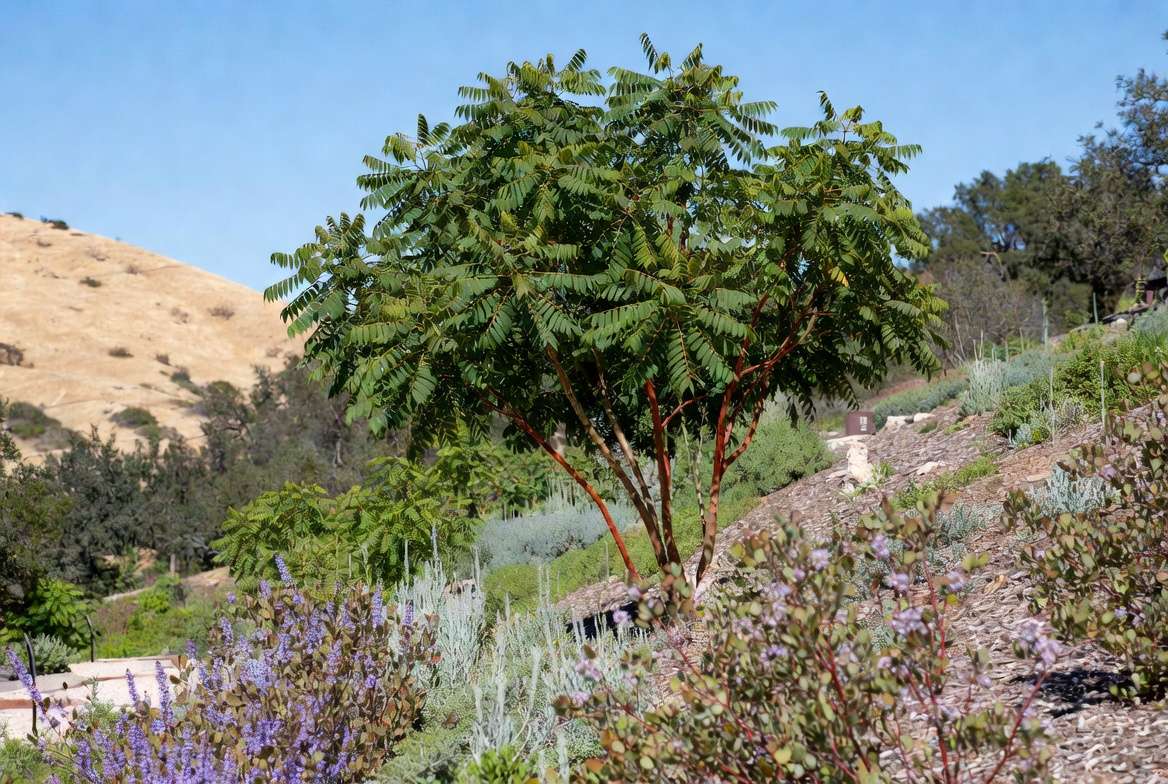
Landscaping Uses:
- Privacy screen or windbreak along property lines.
- Erosion control on slopes and banks.
- Mediterranean or xeriscape gardens.
- Wildlife habitat gardens.
- Large container specimen on patios (use oversized pots with excellent drainage).
Fire-Wise Planting Tip: While fire-adapted, maintain spacing from structures and prune lower branches for better defensibility.
Troubleshooting Common Problems ❗
Even tough plants have occasional issues. Here’s how to diagnose and fix them:
- Yellowing Leaves: Usually overwatering or poor drainage. Cut back water and improve soil aeration.
- Leggy Growth: Insufficient sunlight. Relocate or prune to encourage bushiness.
- Leaf Drop: Normal during extreme drought or after transplanting. New leaves return with improved care.
- No Flowers: Too much shade or nitrogen-heavy fertilizer. Move to sunnier spot and reduce feeding.
- Slow Growth: Normal in very poor soil. Be patient — it invests in roots first.
Most problems stem from incorrect watering or siting. With the right conditions, Laurel Sumac is one of the most reliable evergreens available.
Expert Tips and Advanced Care Insights 💡
From years working with native landscapes, here are professional insights:
- Use Laurel Sumac as a “nurse plant” to help establish more sensitive species nearby.
- Its deep roots make it excellent for bioswales and rainwater harvesting systems.
- For fragrance maximization, brush leaves gently when passing by — the scent releases beautifully.
- In hotter inland areas, provide afternoon shade during the first two summers.
- Consider mycorrhizal inoculants at planting time to boost root development and drought resistance.
- Longevity: With proper care, specimens can live 50+ years and develop beautiful, gnarled character.
Sustainable Practice: Source plants from local native nurseries to preserve genetic diversity and support regional ecosystems.
Frequently Asked Questions (FAQs) ❓
Is Laurel Sumac toxic? Unlike some members of the sumac family, Malosma laurina is generally considered non-toxic to humans and pets, though it’s always wise to avoid ingesting any plant material.
How fast does Laurel Sumac grow? It grows quickly once established — often 2–3 feet per year under good conditions.
Can I grow Laurel Sumac outside California? Yes, in similar Mediterranean climates (USDA Zones 9–10) with mild winters. It performs well in parts of Arizona, Texas, and coastal Australia.
Does it attract bees? Absolutely! Its flowers are a favorite for honeybees and native pollinators.
How tall can it get? Up to 20 feet tall and wide if left unpruned. Regular pruning keeps it manageable at 8–12 feet.
Is it deer resistant? Moderately. Young plants may need protection, but mature plants are usually ignored by deer.
Can it be grown in containers? Yes, but choose a very large pot (minimum 25–30 gallons) with excellent drainage.
Why are my leaves folding? That’s natural! The “taco” shape helps the plant reduce water loss during heat.
Conclusion: Why Laurel Sumac Deserves a Place in Your Garden 🌳
The laurel sumac plant stands out as one of the most rewarding choices for water-wise, low-maintenance, and ecologically beneficial gardening. Its glossy evergreen foliage, aromatic presence, wildlife value, and incredible resilience make it far more than just another shrub — it’s a living piece of California’s natural heritage that brings beauty and function to any landscape.
By following this detailed guide, you now have the knowledge and confidence to successfully grow and maintain Laurel Sumac for decades. Whether you’re creating a drought-tolerant backyard oasis, stabilizing a slope, or building a pollinator paradise, this hardy evergreen will reward you with year-round elegance and minimal effort.
Ready to plant? Head to your local native plant nursery and bring home this tough beauty today. Your garden — and local wildlife — will thank you! ✨
Share your Laurel Sumac success stories in the comments below. Which part of this care guide helped you most?











