
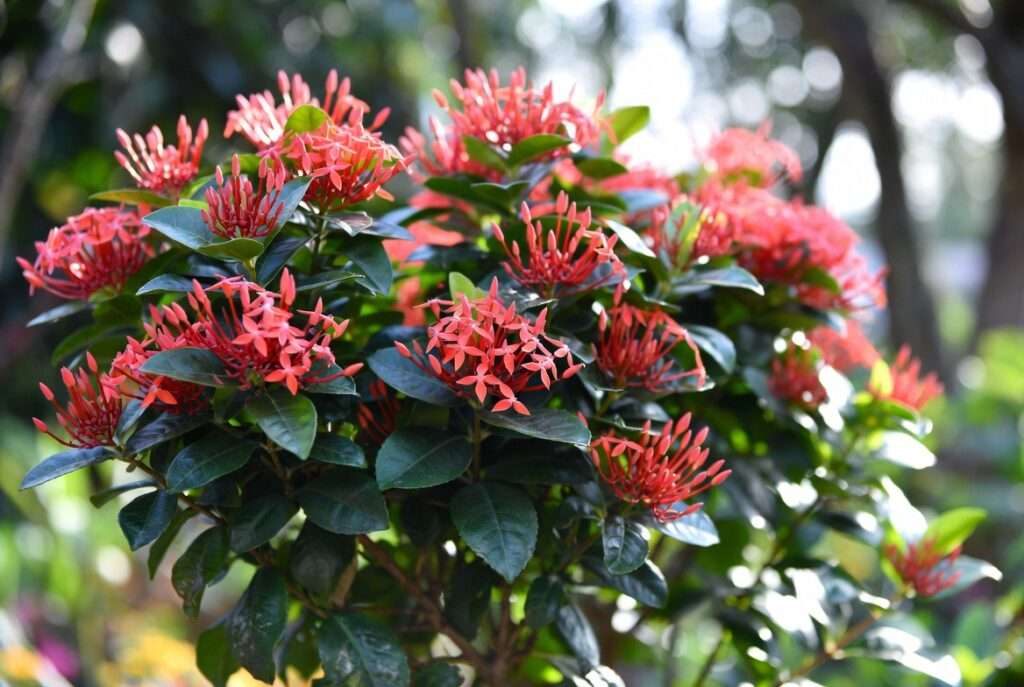
Imagine waking up to clusters of brilliant, fiery red flowers covering a lush evergreen shrub right outside your window — a sight that brings instant tropical joy to any garden. If you’ve been searching for the Maui Red Ixora plant, you’re likely dreaming of that exact vibrant display. This stunning variety is beloved by gardeners for its prolific blooming, glossy foliage, and relative toughness compared to other Ixora types.
As a plant care specialist with over 15 years of hands-on experience growing tropical shrubs across different climates — from humid subtropical gardens to container setups in transitional zones — I’ve helped countless enthusiasts turn struggling Ixora plants into showstoppers. Many gardeners face the same frustrations: yellowing leaves, sparse blooms, or plants that simply stop thriving. This comprehensive guide solves those problems with proven, step-by-step strategies tailored specifically for the Maui Red Ixora plant.
Whether you’re a beginner or seasoned gardener, this skyscraper-level resource will equip you with everything needed to grow a healthy, bloom-filled Maui Red Ixora that performs beautifully year after year. Let’s dive in and transform your garden into a tropical paradise! 🌴
What is the Maui Red Ixora Plant?
The Maui Red Ixora (scientific name: Ixora coccinea ‘Maui’) is a compact, evergreen flowering shrub prized for its striking clusters of deep red-orange tubular flowers. Unlike standard Ixora varieties that can reach 6–10 feet, the Maui Red typically grows 3–5 feet tall and wide, making it ideal for smaller landscapes, hedges, and containers.
Key Characteristics:
- Flowers: Large, ball-shaped clusters of vibrant red blooms that appear from spring through fall (and often year-round in ideal conditions).
- Foliage: Glossy, leathery, dark green leaves that provide beautiful contrast.
- Growth Habit: Dense, rounded shape with moderate growth rate.
- Hardiness: More cold-tolerant than many Ixora cultivars, performing well in USDA Zones 9–11 and sometimes pushing into protected Zone 8b areas.
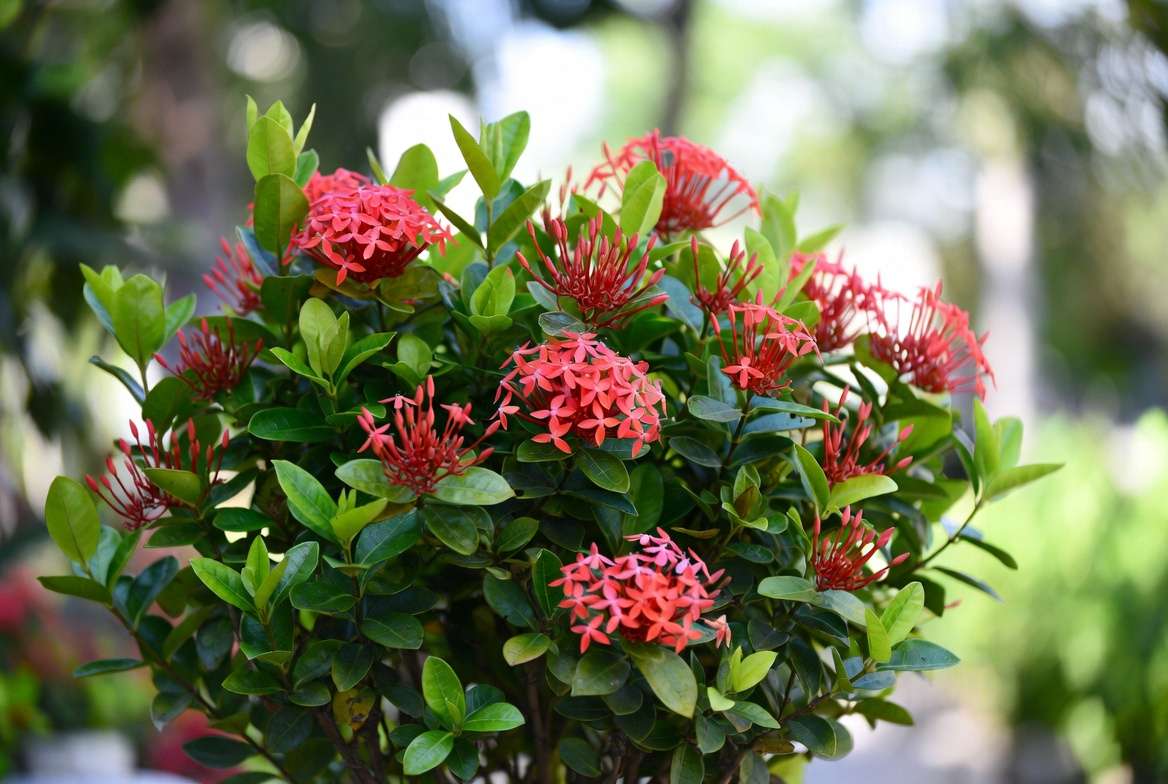
Why Gardeners Love Maui Red Ixora This variety stands out for its improved cold hardiness and reliable blooming. It works beautifully as a low hedge, foundation planting, border accent, or potted focal point on patios. Its tropical appeal pairs perfectly with other warm-climate plants like hibiscus, plumeria, and bird of paradise. 🪴
Compared to dwarf Ixora (often orange-flowered and smaller), Maui Red offers deeper red tones and slightly larger stature while remaining manageable.
Ideal Growing Conditions for Success
Climate and Hardiness Zones
The Maui Red Ixora plant thrives in warm, humid tropical and subtropical environments. It performs best in USDA Hardiness Zones 9–11. In Zone 9, it may experience some leaf drop during occasional cold snaps but usually rebounds well in spring.
Temperature Tips:
- Ideal range: 60–85°F (15–29°C)
- Minimum: Protect from temperatures below 50°F (10°C)
- Frost protection: Use frost cloth or move containers indoors during rare freezes.
Sunlight Requirements
For maximum blooms, plant your Maui Red Ixora in full sun (6–8+ hours of direct sunlight daily). It can tolerate partial shade (4–6 hours), but flowering will be noticeably reduced. In extremely hot regions, provide afternoon shade to prevent leaf scorch. 🌞
Signs of Insufficient Light:
- Leggy, stretched growth
- Fewer or smaller flower clusters
- Pale foliage
Soil Requirements
This is one of the most critical factors for success. Maui Red Ixora demands acidic, well-draining soil with a pH between 5.0 and 6.0. Alkaline soil is the #1 cause of yellow leaves (chlorosis) due to iron and manganese lockout.
Recommended Soil Mix:
- In-ground: Amend native soil with 40–50% organic matter (pine bark, peat moss, compost).
- Containers: High-quality potting mix + perlite + pine bark fines for excellent drainage.
Always test your soil pH before planting!
Planting Your Maui Red Ixora
Best Time to Plant: Spring or early summer when soil temperatures are warming up.
Step-by-Step Planting Guide:
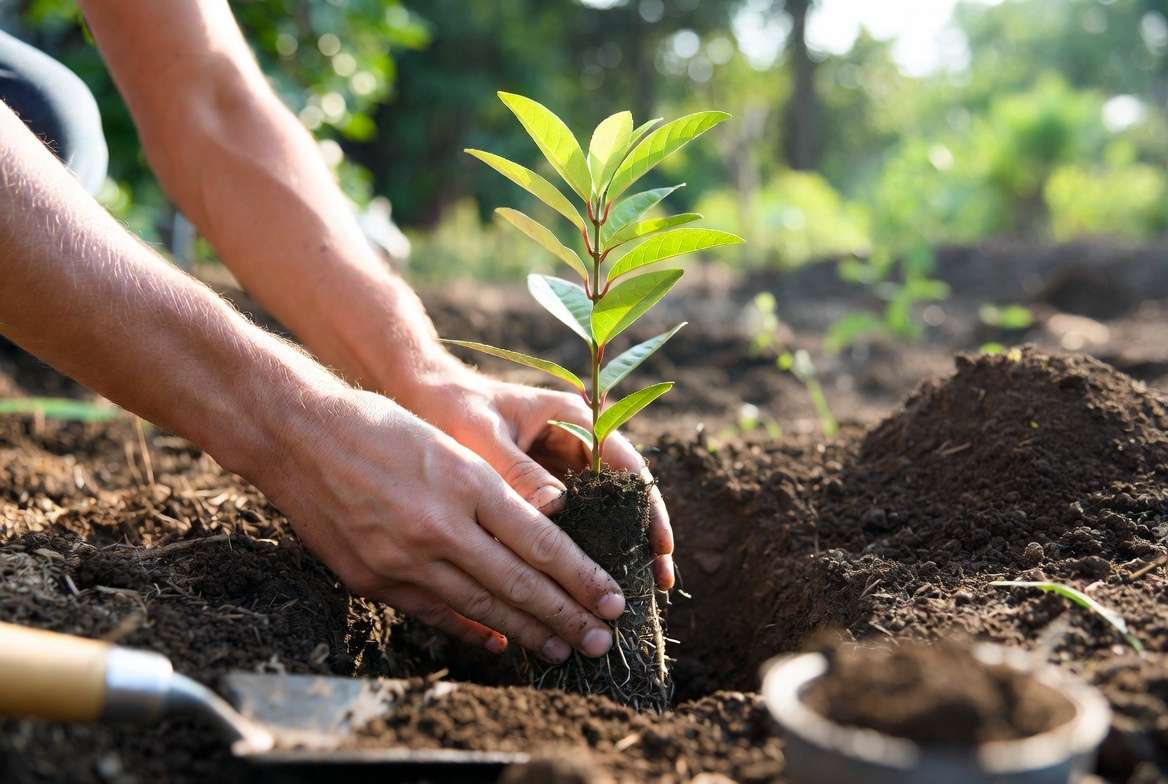
- Choose a location with proper sun and space (2.5–3 feet apart for hedges).
- Dig a hole twice as wide as the root ball but same depth.
- Gently loosen roots and place the plant at the same level it was in the nursery pot.
- Backfill with amended soil and firm gently.
- Water deeply and apply 2–3 inches of organic mulch (keeping it away from the stem). 🪴
Watering Best Practices 💧
Proper watering is essential for keeping your Maui Red Ixora plant healthy and blooming vigorously. This tropical beauty loves consistent moisture but hates soggy roots.
Watering Guidelines:
- Newly Planted: Water deeply every 2–3 days for the first 4–6 weeks to help establish strong roots.
- Established Plants: Once settled, water when the top 1–2 inches of soil feel dry. In hot summer weather, this may mean 2–3 times per week.
- Mature Shrubs: In-ground plants often need less frequent watering thanks to deeper roots, but container plants dry out faster and may require attention every 1–2 days during peak heat.
Pro Tips for Success:
- Always water at the base of the plant to keep foliage dry and reduce disease risk.
- Early morning watering is best so leaves can dry before evening.
- Use rainwater or distilled water if your tap water is very alkaline.
Signs of Watering Issues:
- Overwatering: Yellow leaves, wilting despite wet soil, or root rot.
- Underwatering: Crispy leaf edges, drooping flowers, and leaf drop.
Apply a 2–3 inch layer of organic mulch (pine bark or cypress) around the base. This helps retain moisture, regulate soil temperature, and suppress weeds while slowly acidifying the soil — perfect for Ixora! 🌱
In winter, reduce watering significantly as growth slows. Overwatering during cooler months is one of the most common reasons Maui Red Ixora plants decline.
Fertilization for Abundant Blooms 🌸
Feeding your Maui Red Ixora correctly is the secret to those jaw-dropping, continuous red flower clusters. As an acid-loving plant, it responds beautifully to fertilizers formulated for azaleas, gardenias, and camellias.
Best Fertilizer Choices:
- Slow-release granular fertilizer (e.g., 10-10-10 or 14-14-14 acid-loving formula)
- Liquid feeds high in micronutrients, especially iron and magnesium
- Organic options: Compost tea, fish emulsion, or cottonseed meal
Feeding Schedule:
- Spring: Apply a balanced slow-release fertilizer as new growth appears.
- Summer: Feed lightly every 6–8 weeks to support heavy blooming.
- Fall: Reduce or stop fertilizing by late September to help the plant harden off before cooler weather.
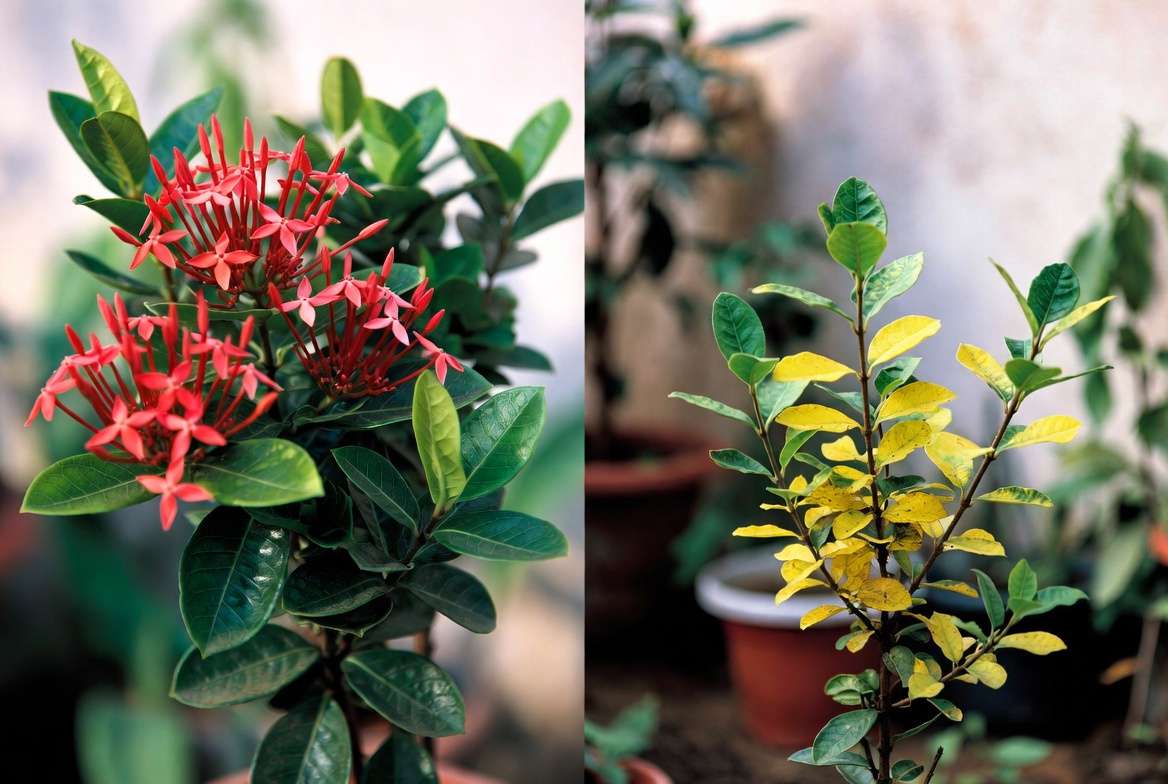
Addressing Nutrient Deficiencies: Yellow leaves with green veins (chlorosis) usually signals iron deficiency — very common in alkaline soils. Use chelated iron supplements or liquid iron sprays for quick recovery. Magnesium deficiency can cause older leaves to yellow too. Regular soil testing (every 6–12 months) helps you stay ahead of these issues. 🧪
Expert Insight: I’ve seen dramatic improvements in bloom production when gardeners switch to acid-specific fertilizers and maintain proper soil pH. Avoid high-phosphorus “bloom booster” formulas unless your soil test shows a real need — balanced feeding usually produces better long-term results for Maui Red Ixora.
Pruning and Maintenance ✂️
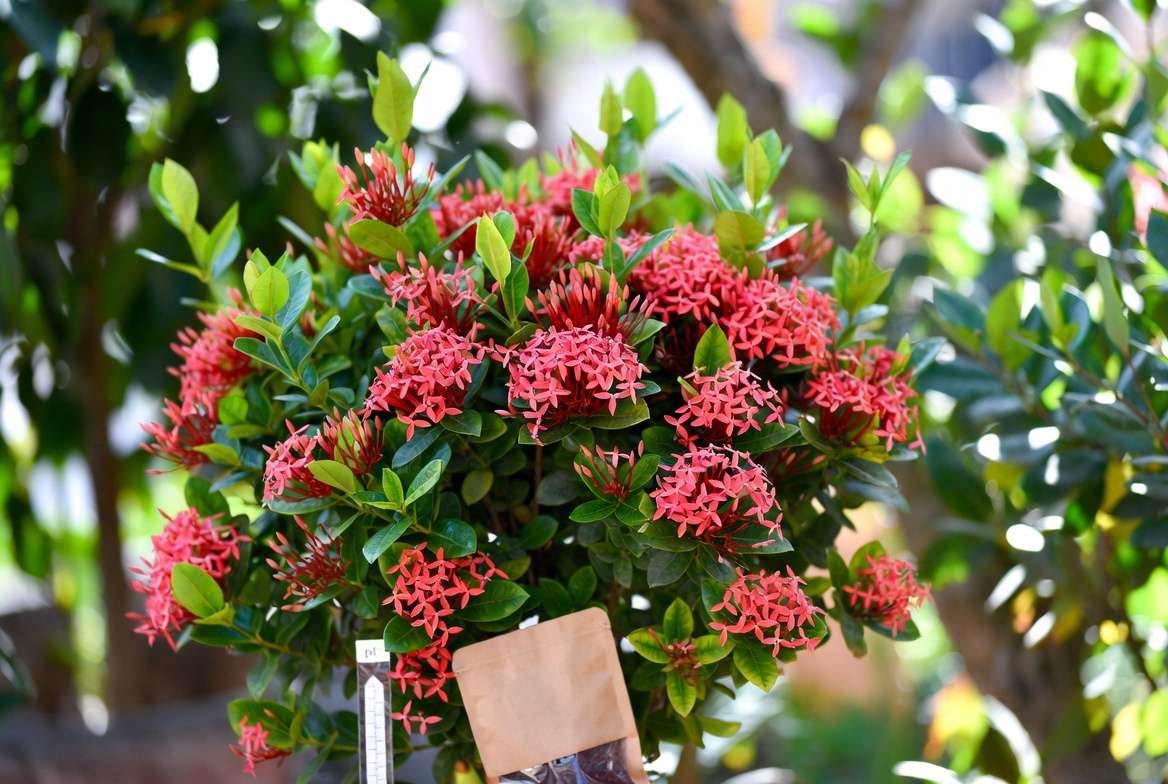
Pruning is key to keeping your Maui Red Ixora compact, bushy, and full of flowers. Many gardeners are afraid to prune, but proper timing and technique actually encourage more blooms.
When to Prune:
- Light shaping: Anytime during active growing season (spring–summer).
- Major pruning: Late winter or early spring before new growth starts.
- Deadheading: Remove spent flower clusters regularly to promote continuous blooming.
Pruning Techniques:
- Use clean, sharp bypass pruners.
- Cut back leggy stems by up to one-third to encourage branching.
- Remove dead, damaged, or crossing branches.
- For hedges, shear lightly for shape rather than heavy cuts.
Rejuvenation Pruning: Older, woody plants benefit from cutting back by half every few years. While it looks drastic, Maui Red Ixora recovers quickly and often blooms more vigorously afterward.
Other Maintenance Tips:
- Wipe leaves occasionally with a damp cloth to remove dust and improve photosynthesis.
- Monitor for weeds around the base.
- Rotate container plants every few weeks for even growth.
Consistent maintenance prevents common problems and keeps your plant looking its tropical best all season long. 🪴
Propagation Methods
Want more Maui Red Ixora plants for free? Propagation is surprisingly easy and rewarding.
Stem Cuttings (Most Reliable Method):
- Take 4–6 inch semi-hardwood cuttings in late spring or early summer.
- Remove lower leaves and dip the cut end in rooting hormone.
- Plant in a well-draining mix (perlite + peat moss).
- Keep warm (75–80°F) and humid with a plastic bag or propagation dome.
- Roots usually form in 4–6 weeks.
Growing from Seeds: Possible but slower. Fresh seeds have better germination rates. This method is great for experimentation but less common for maintaining the exact ‘Maui’ traits.
Success Rate Boosters: Use bottom heat mats and keep cuttings in bright indirect light. Once rooted, transplant carefully and treat as young plants with extra attention to watering and feeding.
Common Problems and Solutions
Even the toughest plants face challenges. Here’s a troubleshooting guide based on real gardener experiences I’ve encountered over the years.
Nutrient Deficiencies and Yellowing Leaves
Chlorosis (yellow leaves with green veins) is the #1 complaint. Fix by acidifying soil and applying iron chelate. Test soil pH first!
Pests
- Aphids & Spider Mites: Look for sticky leaves or fine webbing. Treat with neem oil or insecticidal soap.
- Scale Insects: Hard bumps on stems — remove manually or use horticultural oil.
- Mealybugs: White cottony spots — alcohol-dipped cotton swabs work well for light infestations.
Diseases
Root rot from poor drainage and fungal leaf spot from overhead watering are preventable with good cultural practices. Improve airflow and avoid wetting foliage in the evening.
Other Issues
- No Blooms: Usually caused by insufficient sun, wrong fertilizer, or heavy pruning at the wrong time.
- Leggy Growth: Increase sunlight and prune tips regularly.
- Leaf Drop: Normal in winter or after transplant shock, but sudden heavy drop signals watering or temperature stress.
Early intervention is always better — check your plants weekly during growing season.
Seasonal Care Calendar 📅
A well-planned seasonal approach makes caring for your Maui Red Ixora plant much easier and more effective. Here’s a practical month-by-month guide:
Spring (March–May)
- Resume fertilizing as new growth emerges.
- Prune lightly for shape and remove any winter damage.
- Increase watering as temperatures rise.
- Watch for new pests after winter dormancy. 🌱
Summer (June–August)
- Peak blooming season — deadhead regularly.
- Water more frequently during heat waves.
- Provide afternoon shade in extremely hot areas (95°F+).
- Apply mulch refresh if needed. This is when your Maui Red Ixora should shine with abundant red clusters! 🌞
Fall (September–November)
- Reduce fertilization by mid-September.
- Continue deadheading but prepare for slower growth.
- Protect from early cold snaps in marginal zones.
- Take cuttings for propagation before cooler weather sets in.
Winter (December–February)
- Minimize watering and stop fertilizing.
- Move container plants to a sheltered spot or indoors near bright windows.
- Protect in-ground plants with frost cloth if temperatures drop below 45°F.
- Use this time to plan spring improvements and clean tools. ❄️
Following this calendar helps prevent common seasonal mistakes and keeps your plant strong year-round.
Creative Landscaping Ideas with Maui Red Ixora 🏡
The Maui Red Ixora is incredibly versatile in garden design. Its compact size and vibrant color make it a favorite for tropical and subtropical landscapes.
Popular Uses:
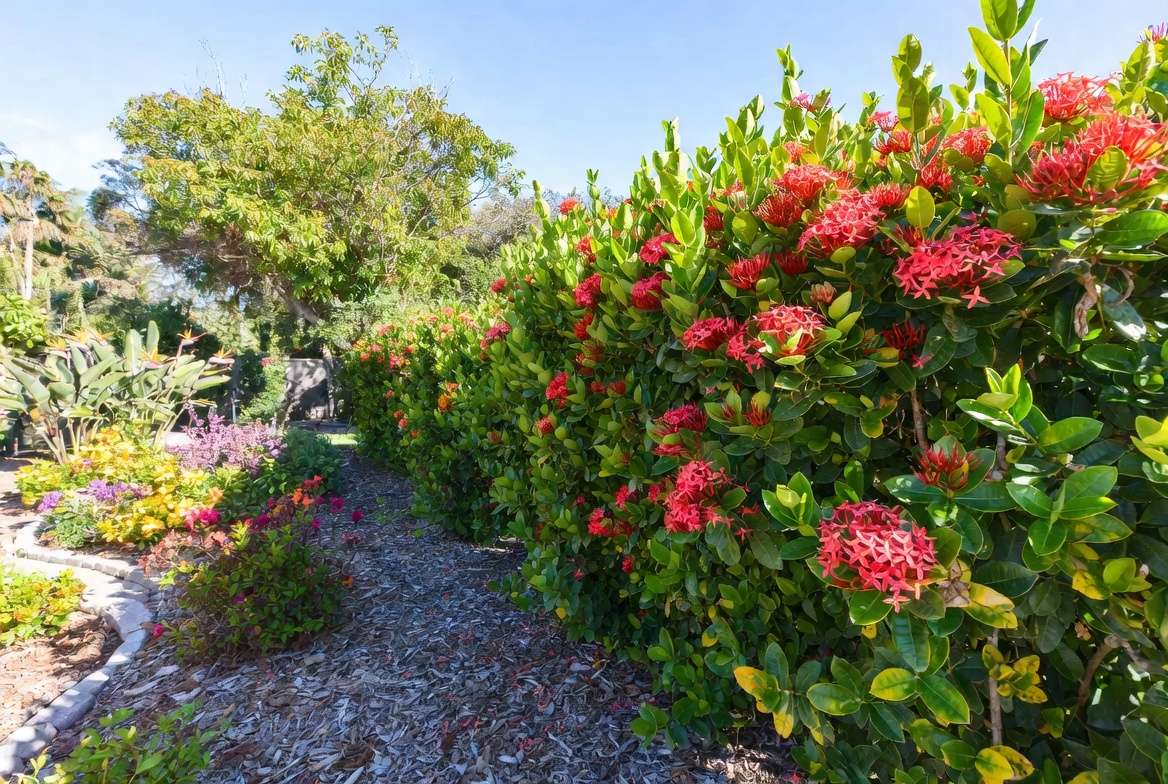
- Hedges & Borders: Plant 2–3 feet apart for a dense, flowering privacy screen or colorful property line.
- Foundation Plantings: Softens the base of homes with year-round greenery and seasonal blooms.
- Container Displays: Perfect for patios, balconies, and entrances. Group with trailing plants like sweet potato vine for stunning contrast.
- Mass Plantings: Create bold drifts of red in larger garden beds.
Beautiful Companion Plants:
- Yellow or pink Hibiscus
- Bird of Paradise
- Plumeria (Frangipani)
- Croton for colorful foliage
- Lavender or white Lantana for pollinator-friendly combinations
Design Tips: Pair with dark mulch to make the red flowers pop. Use in both formal and cottage-style tropical gardens. In cooler climates, grow in large movable containers so you can enjoy them outdoors in summer and protect them in winter. 🌺
Expert Tips for Thriving Blooms Year-Round ✨
Here are my top professional insights gathered from years of growing Maui Red Ixora successfully:
- pH is Everything — Test soil every 6 months. Keep it between 5.0–6.0 for best nutrient uptake.
- Consistent Moisture Without Waterlogging — Use the finger test: if the top inch is dry, water deeply.
- Sunlight is Non-Negotiable — Aim for at least 6 hours of direct sun for heavy flowering.
- Micronutrient Boost — Apply chelated iron 2–3 times per year, especially in spring.
- Strategic Pruning — Never remove more than 1/3 of the plant at once.
- Neem Oil Routine — Spray preventatively every 3–4 weeks during humid months to deter pests.
- Group Planting — Plants perform better when grouped together, creating a beneficial microclimate.
- Patience with New Plants — Young Maui Red Ixora may take 6–12 months to bloom heavily as they establish roots.
- Organic Mulch Magic — Pine bark mulch not only conserves water but naturally helps acidify soil over time.
- Monitor for Stress — Early signs like leaf yellowing allow quick fixes before major problems develop. 🧑🌾
Implementing even a few of these tips can dramatically improve results.
FAQs About Maui Red Ixora
Why are my Maui Red Ixora leaves turning yellow? The most common cause is alkaline soil or iron deficiency. Test pH and apply chelated iron. Overwatering can also cause yellowing.
How fast does Maui Red Ixora grow? It has a moderate growth rate, typically reaching mature size (3–5 feet) in 2–3 years with good care.
Can Maui Red Ixora be grown indoors? Yes, but it needs very bright light (south-facing window or grow lights) and good humidity. It’s better suited as a seasonal indoor plant or in sunrooms.
Is Ixora toxic to pets? Maui Red Ixora is generally considered non-toxic to cats and dogs, though it’s always wise to discourage chewing on any plants.
How do I make my Ixora bloom more? Ensure full sun, acidic soil, proper fertilization, and regular deadheading. Avoid heavy pruning during peak bloom time.
What’s the difference between Maui Red and regular Ixora? Maui Red is more compact, has deeper red flowers, and better cold tolerance than many standard varieties.
How often should I repot container-grown Maui Red Ixora? Every 2–3 years or when roots fill the pot. Refresh soil at the same time.
Can it survive light frost? It can tolerate brief dips to around 45–50°F but needs protection from actual frost.
Conclusion
Growing a beautiful, floriferous Maui Red Ixora plant is absolutely achievable with the right knowledge and consistent care. By following this detailed guide — from proper soil and sunlight to smart pruning and pest management — you can enjoy vibrant red blooms that bring tropical charm to your garden for years to come. 🌟
Remember, every plant has its own personality. Observe yours closely, adjust as needed, and celebrate the small wins like the first perfect flower cluster.
If you have questions or want to share photos of your thriving Maui Red Ixora, feel free to comment below. Happy gardening, and may your garden overflow with brilliant red blooms!











