
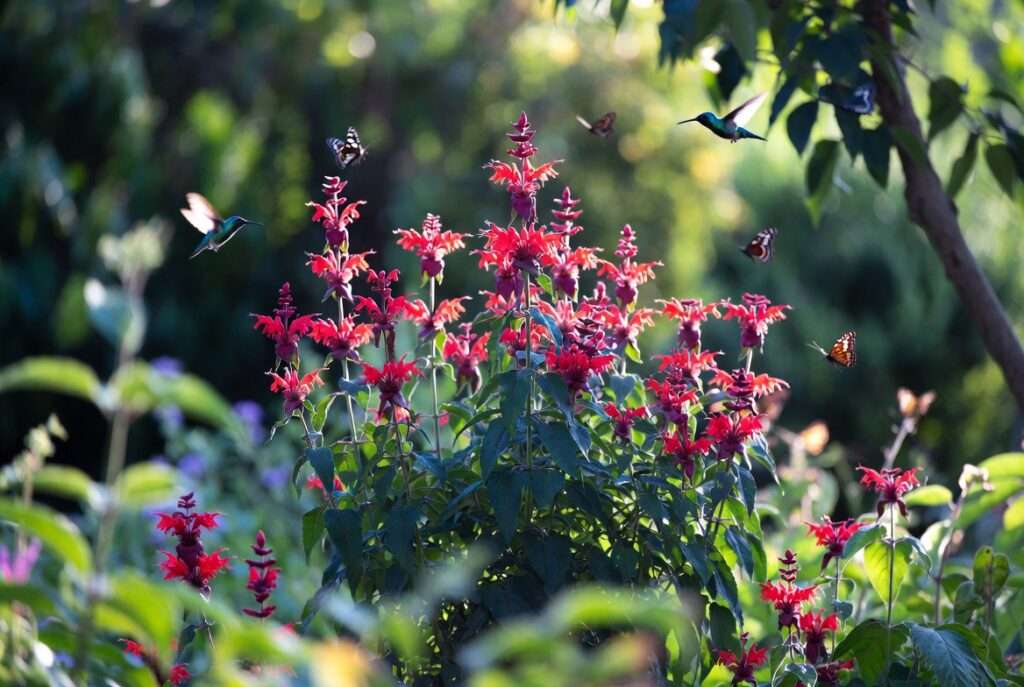
Imagine stepping into your garden on a warm summer morning and being greeted by towering, vibrant scarlet-red flower towers alive with the constant hum of bees, the darting flight of hummingbirds, and the gentle flutter of butterflies. That’s the magic the Monarda Jacob Cline plant brings to any landscape. This standout cultivar of Bee Balm (Monarda didyma ‘Jacob Cline’) is prized by gardeners for its massive blooms, impressive height, and notably strong resistance to powdery mildew — a common headache with other varieties. 🌱
Whether you’re a beginner looking to attract pollinators or an experienced gardener seeking a reliable, fragrant perennial that returns bigger and better each year, this comprehensive guide will help you succeed. We’ll cover everything from planting and care to troubleshooting and propagation, so you can enjoy months of stunning color and wildlife activity. Let’s dive in! 🐝
What Is Monarda ‘Jacob Cline’? (Plant Profile)
Botanical Background and Key Characteristics
The Monarda Jacob Cline plant is a selected cultivar of Monarda didyma, commonly known as scarlet bee balm or Oswego tea. It was discovered growing wild near the Blue Ridge Parkway in Virginia by Georgia plantsman Jean Cline and named after his son, Jacob. This heritage gives it excellent vigor and adaptability.
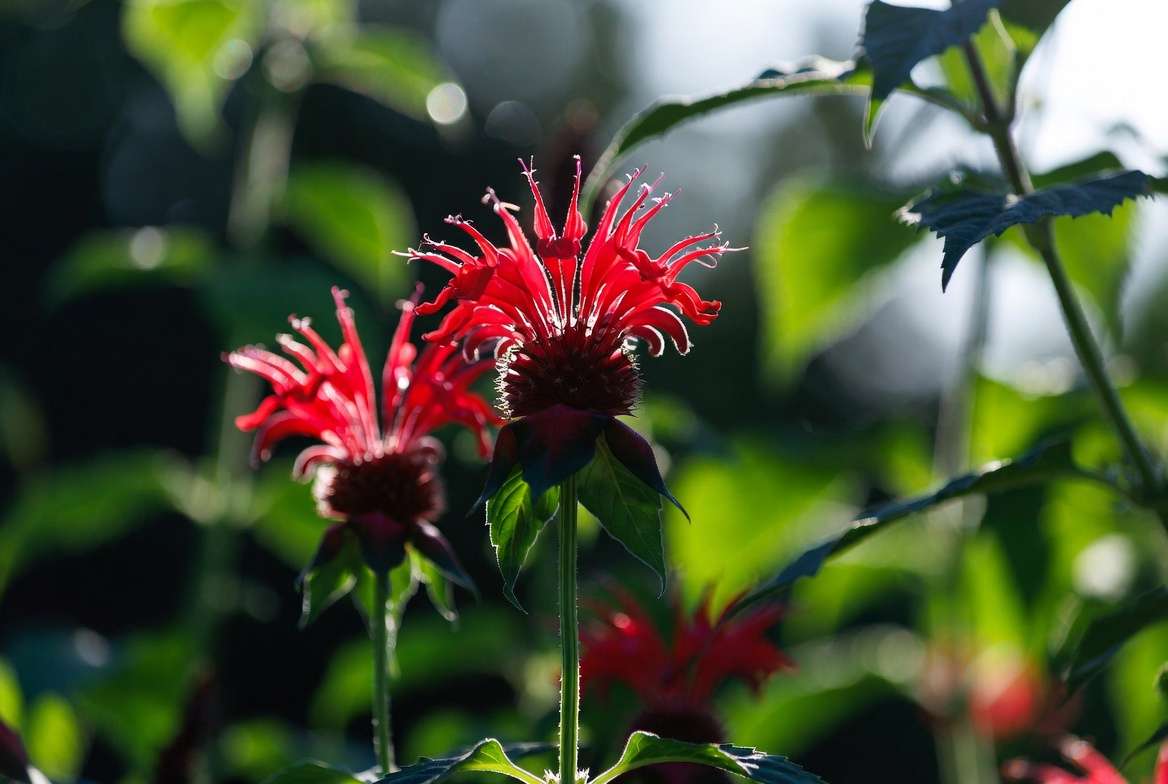
Physical Description Jacob Cline stands out with its tall, upright stems reaching 3 to 5 feet in height and spreading 2 to 3 feet wide. It produces large, globular flower heads packed with tubular scarlet-red blossoms that bloom from mid to late summer (often July through August). The dark green, lance-shaped leaves are highly fragrant with a minty, basil-like scent when crushed — a hallmark of the mint family (Lamiaceae). The flowers sit atop sturdy stems with attractive whorled bracts.
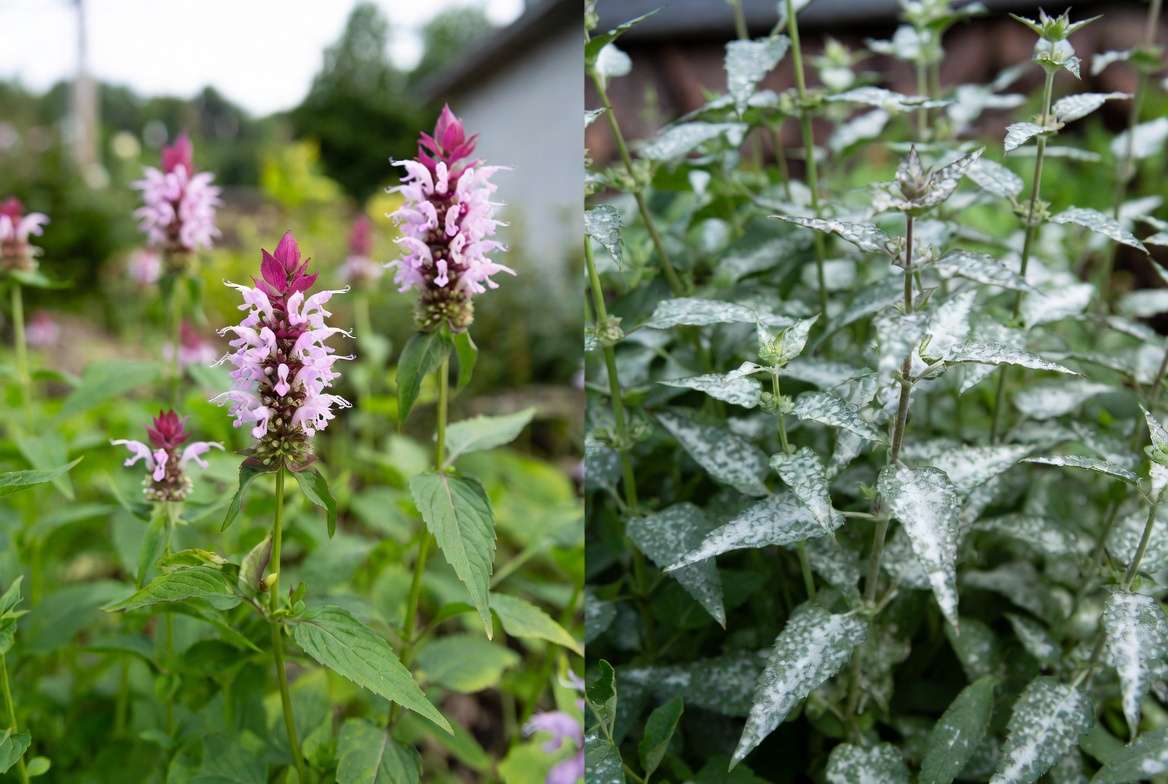
How It Compares to Other Bee Balms Compared to wild Monarda didyma or older cultivars, ‘Jacob Cline’ offers superior mildew resistance, larger flower heads, and better heat/humidity tolerance. While varieties like ‘Raspberry Wine’ (pink-purple) or ‘Gardenview Scarlet’ are beautiful, Jacob Cline’s deep red color is particularly attractive to hummingbirds. It’s taller and more vigorous than many compact selections, making it ideal for back borders.
Here’s a quick comparison table:
| Cultivar | Flower Color | Height | Mildew Resistance | Best Feature |
|---|---|---|---|---|
| Jacob Cline | Scarlet Red | 3-5 ft | Excellent | Huge blooms, hummingbird magnet ❤️ |
| Gardenview Scarlet | Bright Red | 3-4 ft | Very Good | Neat habit |
| Raspberry Wine | Pink-Purple | 3-4 ft | Good | Wine-colored stems |
| Wild Monarda | Red | 2-4 ft | Variable | Native adaptability |
Why Grow Monarda Jacob Cline? (Benefits & Garden Uses) 🌼
This plant is far more than just a pretty face. Here’s why it deserves a prime spot in your garden:
- Pollinator Powerhouse: Its nectar-rich flowers are irresistible to ruby-throated hummingbirds, bumblebees, honeybees, and butterflies. One mature clump can support dozens of pollinators daily.
- Deer and Rabbit Resistance: The aromatic foliage is unpalatable to most herbivores, making it excellent for gardens with wildlife pressure. 🦌🚫
- Fragrance and Herbal Uses: Crush the leaves for a refreshing minty scent. Historically used as Oswego tea, the leaves make a delicious herbal infusion rich in antioxidants.
- Cut Flower Perfection: Long, strong stems and showy blooms last well in vases — perfect for bouquets.
- Landscape Versatility: Thrives in cottage gardens, pollinator borders, rain gardens, and mass plantings. It adds dramatic vertical interest and bold color.
Expert Insight: As a horticulturist with over 15 years working with native and pollinator plants, I’ve found ‘Jacob Cline’ to be one of the most reliable red bee balms for humid climates. Its ability to perform without constant chemical intervention makes it a top choice for organic and sustainable gardens.
Ideal Growing Conditions for Success
Sun, Soil, and Climate Requirements
Light Needs The Monarda Jacob Cline plant performs best in full sun (at least 6 hours of direct sunlight daily). This promotes strong stems, abundant blooms, and better air circulation to prevent disease. It tolerates partial shade (4-6 hours), but flowering may be reduced and stems can become leggy.
Soil Preferences Rich, moist, well-draining soil is ideal. It tolerates clay soils if amended with compost but hates waterlogged conditions. Aim for a pH between 6.0–7.0. Adding organic matter improves fertility and moisture retention.
Hardiness Zones USDA Zones 4–9 (some sources extend to Zone 3 with protection). It’s remarkably adaptable across much of North America, handling both cold winters and hot, humid summers once established.
Climate Considerations Excellent heat and humidity tolerance compared to other monardas. In very hot, dry regions, provide afternoon shade and consistent moisture. In colder zones, apply a thick mulch layer for winter protection.
How to Plant Monarda Jacob Cline
Best Time to Plant Spring (after last frost) or early fall are ideal. This gives roots time to establish before extreme weather.
Site Selection and Preparation Choose a spot with good air circulation. Space plants 18–36 inches apart to prevent overcrowding and mildew. Amend soil with compost and ensure good drainage.
Planting from Pots, Bare Roots, or Seeds
- Potted Plants: Dig a hole twice as wide as the container. Place at the same depth, backfill, and water deeply.
- Bare Roots: Soak roots for a few hours before planting.
- Seeds: Start indoors 6-8 weeks before last frost; germination takes 10-14 days. Note: Seeds may not come true to the parent cultivar.

Companion Planting Ideas Pair with Echinacea (coneflower), Rudbeckia (black-eyed Susan), Salvia, Yarrow, or Phlox for a stunning pollinator display. These companions share similar needs and create beautiful color contrasts. 🌸
Comprehensive Care Guide Daily & Seasonal Care for Thriving Plants 🌱💧
Caring for the Monarda Jacob Cline plant is straightforward once you understand its preferences. This vigorous perennial rewards gardeners with reliable performance when given consistent moisture and good air circulation. Here’s exactly how to keep your scarlet bee balm looking its best all season long.
Watering Requirements Jacob Cline thrives in consistently moist soil, especially during its first growing season while roots establish. Water deeply 1–2 times per week, providing about 1 inch of water total. Early morning watering is best to reduce fungal risks.
Once established (after year one), it shows good drought tolerance but performs dramatically better with steady moisture during hot summer blooms. Use a soaker hose or drip irrigation to keep foliage dry and deliver water directly to the root zone. In humid regions, avoid overhead watering to minimize powdery mildew pressure. 🐝
Fertilizing Monarda Jacob Cline is a light feeder. Apply a balanced, slow-release organic fertilizer in early spring as new growth emerges. A thin layer of compost around the base each spring provides sufficient nutrients without encouraging excessive leafy growth at the expense of flowers.
Avoid high-nitrogen fertilizers, which can lead to weak stems and increased disease susceptibility. In poor soils, a second light feeding in early summer can boost bloom production.
Mulching Apply 2–3 inches of organic mulch (such as shredded bark, straw, or leaf mold) around plants after the soil warms in spring. Mulch helps retain soil moisture, suppresses weeds, and moderates soil temperature. Keep mulch a few inches away from stems to prevent rot. Refresh mulch annually in spring. 🌿
Pruning, Deadheading & Maintenance
- Pinching: In early spring when stems reach 12 inches tall, pinch back the top 4–6 inches to encourage bushier growth and stronger stems.
- Deadheading: Remove spent flower heads to promote a second, often lighter flush of blooms in late summer.
- Fall Cleanup: After the first hard frost, cut stems back to 2–4 inches above ground. This tidies the garden and reduces overwintering pests and diseases.
Supporting Tall Stems In windy locations or rich soils, the 3–5 foot stems may need support. Use discreet bamboo stakes or grow-through supports installed early in the season. Proper spacing and pinching usually reduce the need for staking.
Propagation Methods
The most reliable way to multiply your Monarda Jacob Cline is through division — and it’s also beneficial for plant health.
Division (Recommended Method) Every 3–4 years in early spring or fall, dig up mature clumps and separate them into smaller sections with healthy roots and shoots. Replant immediately and water well. This prevents the center from dying out and controls spread.
Stem Cuttings Take 4–6 inch softwood cuttings in late spring or early summer. Dip in rooting hormone and place in moist potting mix under high humidity. Roots typically form within 2–3 weeks.
Seed Starting While possible, seeds from ‘Jacob Cline’ may not produce identical plants (not true-to-type). If trying, start indoors 6–8 weeks before last frost at 70°F. Germination occurs in 10–14 days. This method is better for experimentation than exact replication.
Common Problems and Solutions (Troubleshooting) 🛠️
Even resistant varieties like Jacob Cline can face challenges. Here’s how to diagnose and fix the most common issues:
Powdery Mildew Though ‘Jacob Cline’ offers excellent resistance, poor airflow or overly humid conditions can still cause white powdery coating on leaves. Solutions: Improve spacing, ensure full sun, avoid overhead watering, and apply neem oil or baking soda solution preventatively in early summer. Remove and dispose of severely affected foliage.
Other Diseases
- Rust (orange spots): Improve air circulation and remove infected debris.
- Leaf spot: Usually cosmetic; maintain plant vigor through proper watering and nutrition.
Common Pests
- Aphids: Blast with strong water spray or introduce ladybugs.
- Spider mites: Increase humidity and use insecticidal soap.
- Four-lined plant bug or stalk borer: Handpick or use organic controls.
Yellowing Leaves, No Blooms, Excessive Spreading
- Yellow leaves: Often underwatering or nutrient deficiency.
- Few flowers: Insufficient sunlight or overcrowding.
- Aggressive spreading: Normal for bee balm — contain with root barriers or regular division.
Prevention Checklist
- Plant in full sun with good spacing
- Water at base, not overhead
- Divide every 3 years
- Choose resistant cultivars like Jacob Cline
- Practice good garden hygiene
Seasonal Maintenance Calendar 📅
Spring
- Divide clumps if needed
- Apply compost and mulch
- Pinch young stems
Summer
- Deep water during dry spells
- Deadhead for extended bloom
- Monitor for pests and mildew
Fall
- Cut back after frost
- Plant new divisions
- Add winter mulch in cold zones
Winter
- Minimal care — plants go dormant
- Check for rodent damage under mulch
Advanced Tips for Stunning Results
To take your Monarda Jacob Cline to the next level:
- Maximize Hummingbird Visits: Plant in large drifts near windows or seating areas. Combine with tubular flowers like salvia and agastache.
- Container Growing: Use large pots (minimum 5 gallons) with high-quality potting mix. Water more frequently and provide winter protection in cold climates.
- Pollinator Garden Design: Layer with shorter perennials in front and taller grasses behind for movement and habitat.
- Organic Practices: Encourage beneficial insects and use compost tea for natural fertilization.
Professional growers often note that consistent moisture combined with excellent air flow produces the largest flower heads and healthiest foliage.

Harvesting and Using Jacob Cline Bee Balm
Cut Flowers: Harvest stems when flowers are ¾ open. Cut in early morning and place immediately in water with floral preservative. Blooms last 7–10 days in arrangements.
Herbal Uses: Fresh or dried leaves make excellent Oswego tea — steep 1–2 teaspoons in hot water for a minty, citrusy infusion. Flowers are edible and add color to salads. Always ensure plants are grown organically before consuming.
Drying: Hang small bundles upside down in a dark, airy location or use a dehydrator on low heat.
Frequently Asked Questions (FAQs)
Is Monarda Jacob Cline invasive? It spreads via underground rhizomes but is easy to control with division and edging. Not considered invasive in most regions.
Why isn’t my Jacob Cline blooming? Usually due to too much shade, overcrowding, or insufficient water. Move to sunnier spot and divide if needed.
How fast does it spread? Moderate to fast. Expect 2–3 feet wide within 2–3 years.
Can I grow it in hot climates? Yes — its heat tolerance is excellent. Provide afternoon shade and extra water in Zone 8–9.
Is it deer resistant? Highly resistant due to aromatic foliage, though extremely hungry deer may sample it occasionally.
How tall does Monarda Jacob Cline really get? Typically 3–5 feet, depending on soil fertility and sunlight.
Does it come back every year? Yes, it’s a hardy perennial in Zones 4–9.
Best time to divide Jacob Cline? Early spring or early fall for highest success rate.
Conclusion
The Monarda Jacob Cline plant stands out as one of the finest scarlet bee balms available for modern gardens. Its spectacular red blooms, pollinator-attracting power, and improved disease resistance make it a worthy addition to any landscape. By following this complete growing and care guide — from proper planting and consistent moisture to timely division and troubleshooting — you’ll enjoy years of vibrant color and garden life.
Ready to bring hummingbirds and butterflies to your yard? Plant a few Jacob Cline this season and watch the magic unfold. 🌺🦋
Share your experiences growing Monarda Jacob Cline in the comments below. Which tip helped you most? For more perennial guides, check our articles on Echinacea care, Salvia varieties, and creating pollinator-friendly gardens.











