
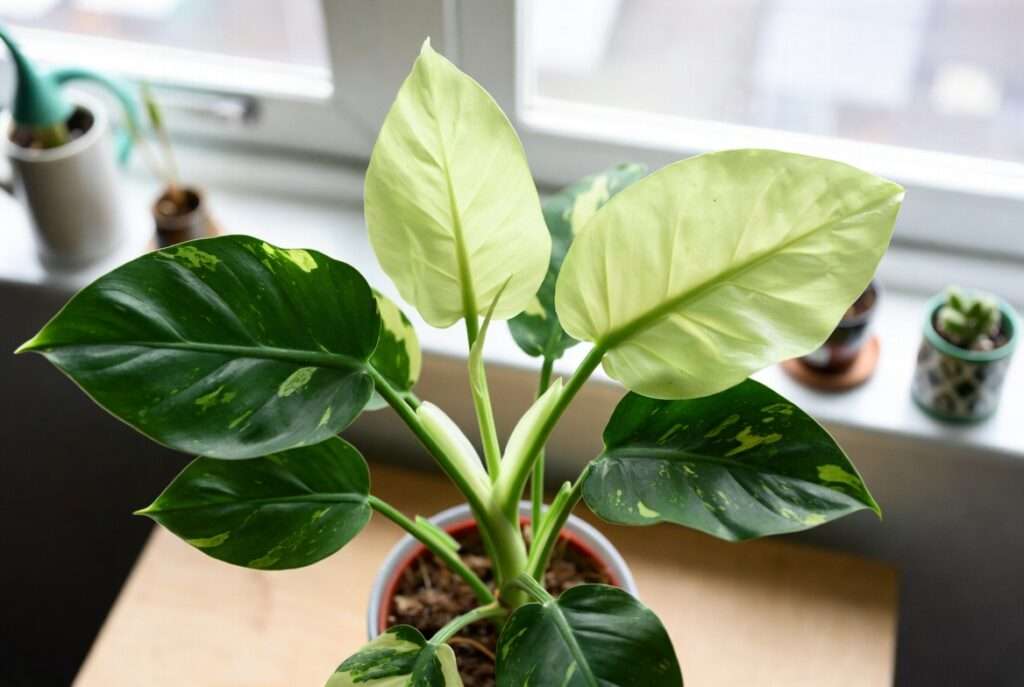
Imagine walking into a room and being greeted by a vibrant burst of luminous chartreuse foliage that seems to glow softly, like moonlight filtering through tropical leaves. 🌕 That’s the magic of the moonlight plant — a stunning houseplant that can transform dull indoor spaces into lively green sanctuaries. If you’ve recently brought home a Philodendron Moonlight or are considering one, you’re in for a rewarding journey.
As a plant care specialist with over a decade of hands-on experience growing hundreds of Philodendron varieties, I’ve seen firsthand how this beauty thrives when given the right conditions — and how quickly it can struggle when common mistakes creep in. Whether you’re battling yellow leaves, leggy growth, or simply want your plant to flourish lush and full, this comprehensive guide is designed to help you succeed.
The Philodendron Moonlight (often called Moonlight Philodendron) is a hybrid prized for its upright, compact growth and striking bright lime-green to golden-yellow leaves. Unlike many vining philodendrons, it stays relatively bushy, making it perfect for tabletops, shelves, and office corners. In this ultimate care guide, you’ll discover everything you need to know — from ideal lighting and watering techniques to propagation, troubleshooting, and expert tips that go beyond basic advice. By the end, you’ll have the confidence and knowledge to grow a thriving moonlight plant that becomes the star of your indoor jungle. Let’s dive in! 🌿
What is the Philodendron Moonlight Plant? 🌿
Understanding the Moonlight Plant
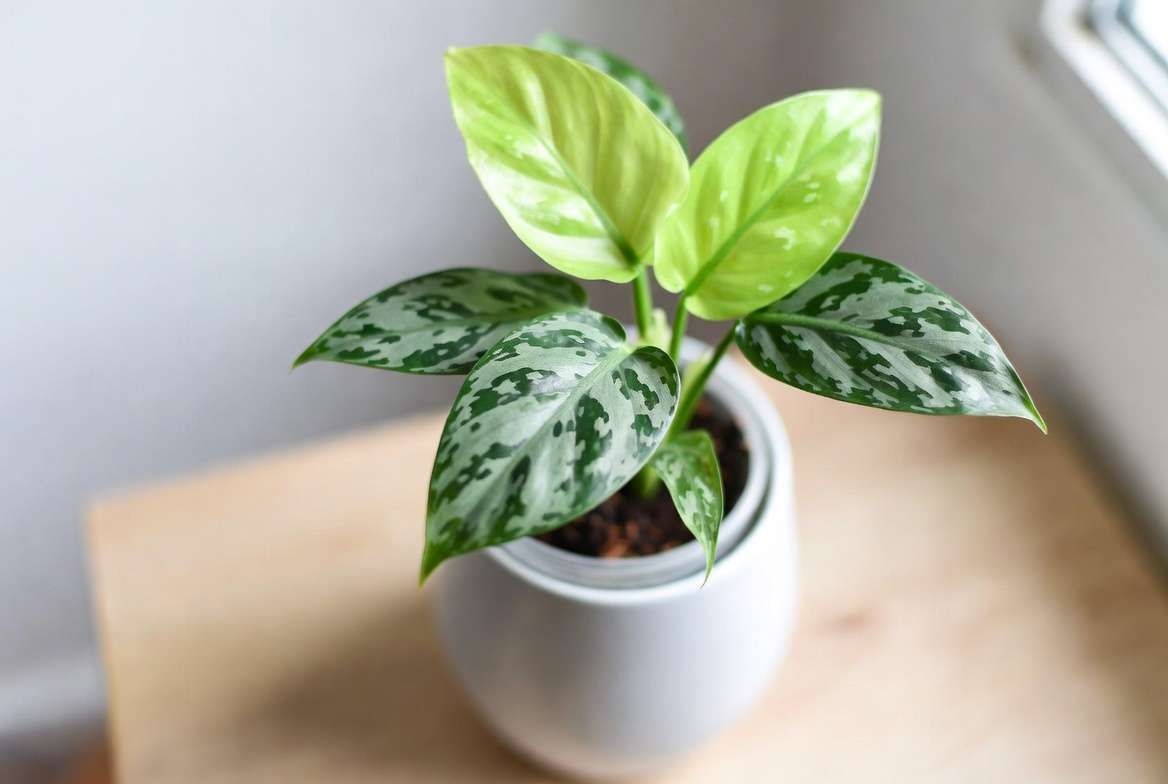
The moonlight plant is a cultivar of Philodendron, a large genus in the Araceae family native to tropical regions of Central and South America. This particular hybrid was developed for its eye-catching foliage that emerges in a brilliant chartreuse or neon lime color, gradually maturing to a deeper green while retaining that signature glow.
Unlike its climbing relatives, Philodendron Moonlight has a more self-heading or upright growth habit. Indoors, it typically reaches 2–3 feet tall and wide, making it an excellent choice for smaller spaces. Its leaves are broad, heart-shaped to oval, and emerge from a central stem, creating a lush, tropical appearance.
Benefits of Growing Moonlight Plant Indoors ✨
- Air Purification: Like many philodendrons, it helps filter indoor toxins such as formaldehyde and benzene.
- Mood Booster: Its bright, glowing leaves instantly lift the energy of any room and are proven to reduce stress.
- Low Maintenance Appeal: Forgiving for beginners while rewarding attentive care with vigorous growth.
- Compact Size: Ideal for apartments and desks without taking over space.
Important Pet Safety Note ⚠️ Philodendron Moonlight is toxic to cats, dogs, and other pets if ingested due to calcium oxalate crystals. These can cause mouth irritation, drooling, vomiting, and difficulty swallowing. Keep it out of reach or choose pet-safe alternatives if you have curious animals.
Ideal Growing Conditions for Success 🌞💧
Light Requirements for Philodendron Moonlight
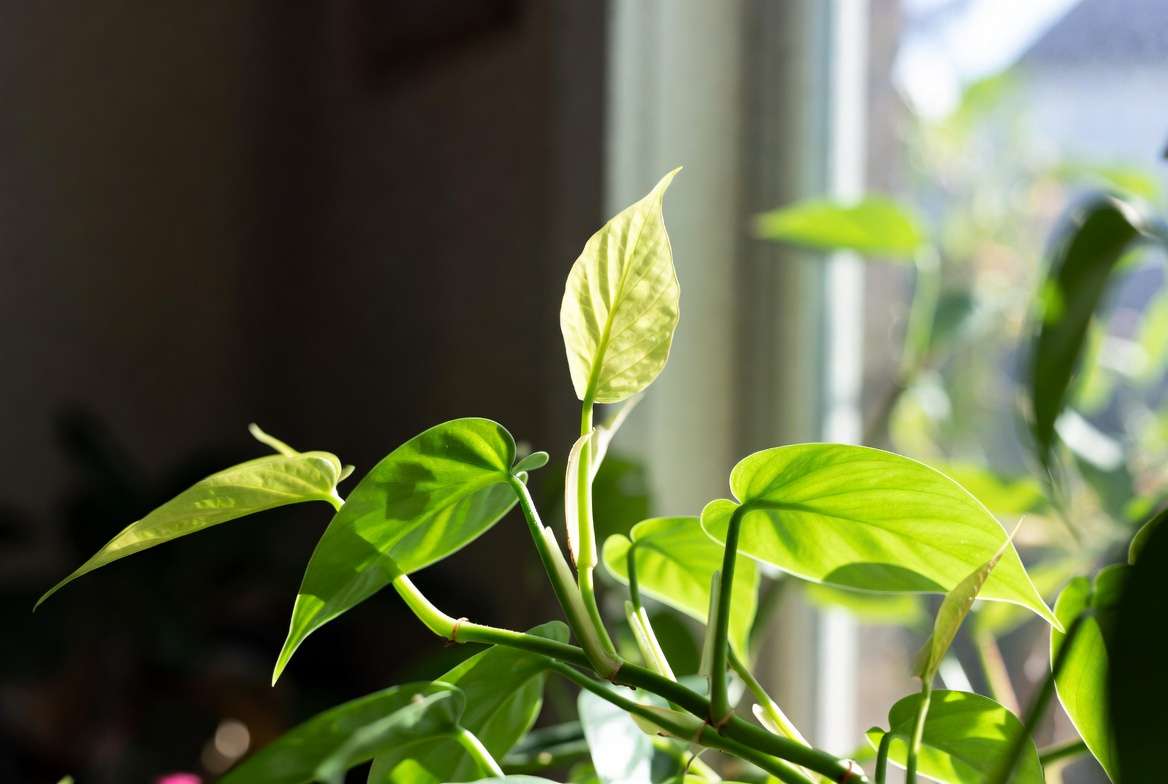
Proper lighting is the foundation of healthy moonlight plant growth. This variety thrives in bright, indirect light. An east-facing window is often ideal, providing gentle morning sun. You can also place it a few feet back from south or west-facing windows.
- Too much direct sun: Causes leaf scorch and fading of the beautiful chartreuse color.
- Too little light: Leads to leggy, stretched stems and smaller, duller leaves.
- Artificial lighting: Great option! Use full-spectrum LED grow lights for 12–14 hours daily in low-light homes.
Pro Tip: Rotate your plant every few weeks for even growth and that signature glow. 🌟
Soil and Potting Mix Recommendations
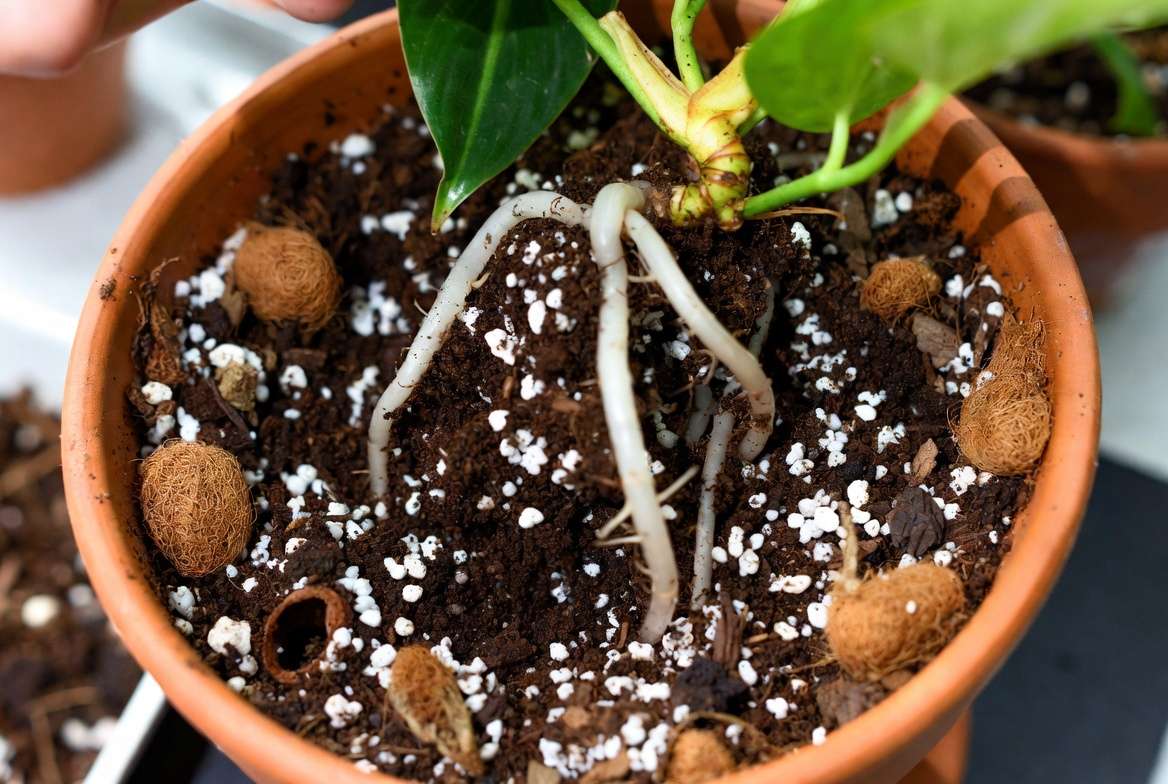
Moonlight plants demand excellent drainage to prevent root rot. Use a well-aerated, nutrient-rich mix such as:
- 50% peat moss or coco coir
- 20–30% perlite or pumice
- 20% orchid bark or charcoal
This combination retains moisture while allowing excess water to escape quickly. Aim for a slightly acidic pH (5.5–6.5). Avoid heavy garden soil, which compacts easily.
Choose pots with drainage holes — terracotta or ceramic work beautifully. Repot every 2–3 years or when roots start circling the bottom.
Watering Schedule and Techniques 💦
One of the most common questions is “How often should I water my moonlight plant?” The answer: It depends on your environment, but always check the soil first.
- Water thoroughly when the top 1–2 inches of soil feel dry to the touch (usually every 5–7 days in average conditions).
- Use room-temperature filtered or settled water.
- Allow water to drain completely — never let the pot sit in a saucer of standing water.
Signs of Issues:
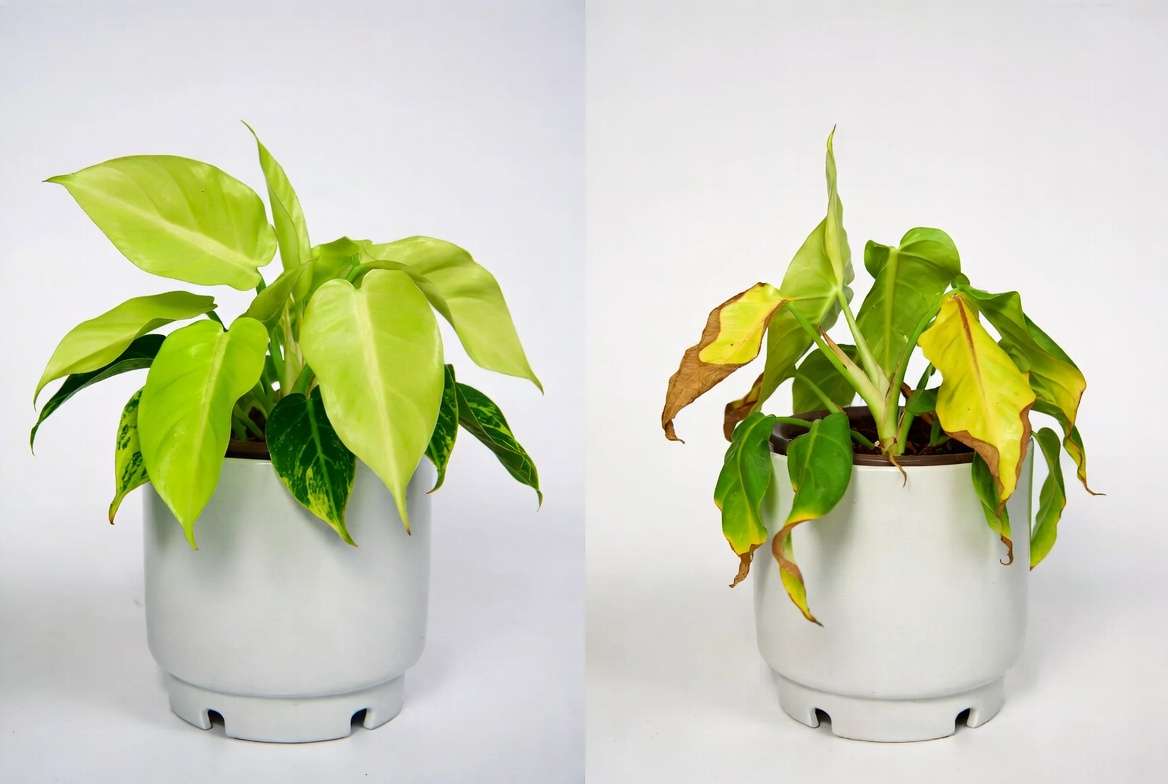
- Overwatering (most common): Yellow lower leaves, mushy stems, soil smells sour.
- Underwatering: Wilting, crispy brown edges, soil pulling away from pot sides.
Increase humidity to 60–80% using a pebble tray, humidifier, or grouping plants together. Mist occasionally, but avoid over-wetting leaves.
Temperature, Humidity & Fertilization
- Temperature: 65–85°F (18–29°C) during the day. Avoid drafts and temperatures below 55°F.
- Humidity: Loves tropical levels. Use a hygrometer to monitor.
- Fertilizer: Feed with a balanced liquid houseplant fertilizer (diluted to half strength) every 2–4 weeks during spring and summer. Reduce or stop in winter when growth slows. Organic options like compost tea or worm castings work wonderfully for long-term health.
Planting, Repotting & Propagation 🌱
How to Plant and Repot Your Moonlight Plant
Repotting refreshes nutrients and gives roots space. Best time: Spring or early summer.
Step-by-step:
- Gently remove the plant from its current pot.
- Inspect and trim any mushy or circling roots.
- Place in a new pot 1–2 inches larger with fresh soil mix.
- Water lightly and keep in bright indirect light for a week.
Easy Propagation Methods
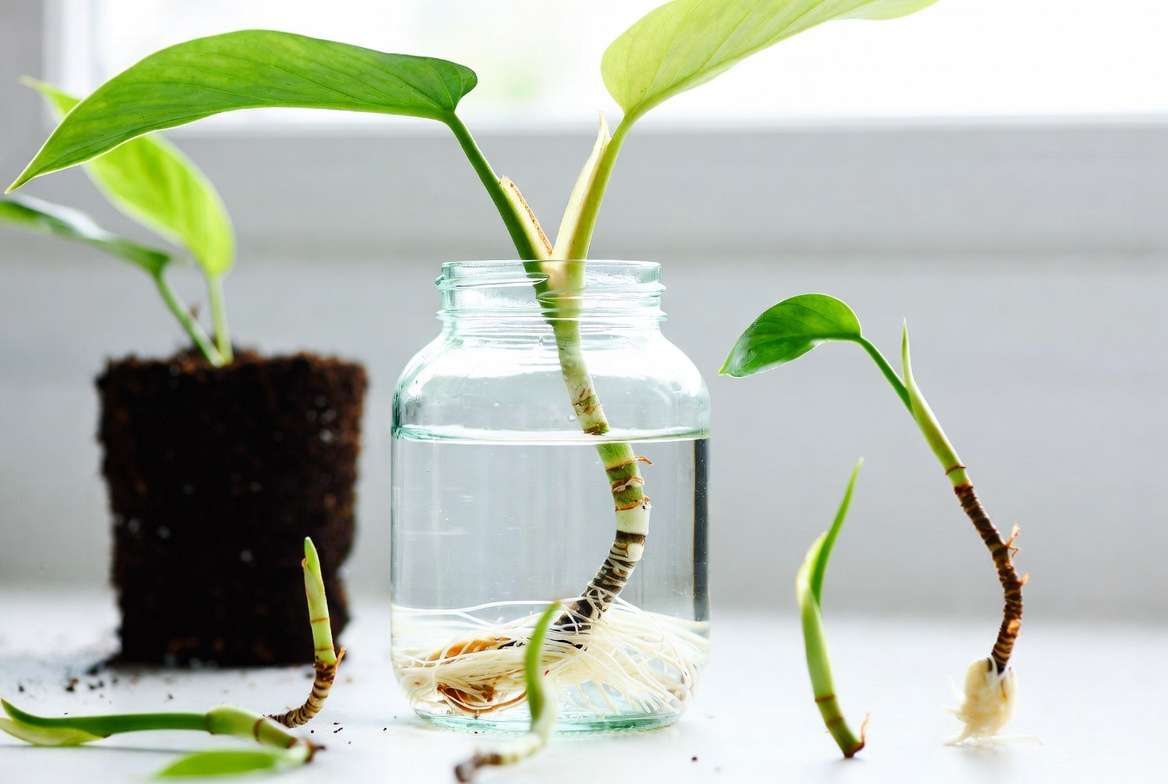
Propagating your moonlight plant is rewarding and budget-friendly! The easiest method is stem cuttings.
Water Propagation:
- Cut a healthy stem with 2–3 nodes below a leaf.
- Place in a jar of clean water.
- Change water every 3–5 days.
- Roots appear in 2–4 weeks. Transplant to soil once roots are 2–3 inches long.
Soil Propagation:
- Dip cut end in rooting hormone (optional).
- Plant directly in moist, well-draining mix.
- Cover with a plastic bag for humidity until new growth appears.
You can also divide offsets if your plant produces them. Success rate is high with patience and consistent moisture.
Pruning, Maintenance & Styling Tips ✂️🌿
Pruning for Bushier Growth
Regular pruning is one of the best ways to keep your moonlight plant looking full, vibrant, and compact. Pruning encourages new growth from the base and prevents the plant from becoming leggy or top-heavy.
When to prune: Best done in spring or early summer during active growth. You can remove yellow or damaged leaves anytime.
How to prune properly:
- Use clean, sharp scissors or pruning shears sterilized with alcohol.
- Cut just above a leaf node at a 45-degree angle.
- Remove no more than 20-25% of the foliage at once to avoid stressing the plant.
- Wipe leaves gently with a damp microfiber cloth to remove dust — this improves photosynthesis and keeps that signature moonlight glow.
Pro Insight: If your moonlight plant starts stretching toward the light, prune the longer stems and provide brighter indirect light. Within weeks, you’ll notice fuller, bushier growth.
Creative Ways to Display Your Moonlight Plant 🪴
The luminous foliage of the Philodendron Moonlight pairs beautifully with many interior styles:
- Modern Minimalist: Place on a sleek white or black stand in a matte ceramic pot.
- Bohemian Jungle: Group with trailing plants like Pothos or String of Hearts on shelves.
- Office-Friendly: Perfect for desks under grow lights — its bright color reduces eye strain.
- Hanging Option: Though upright, young plants can be displayed in macrame hangers for added movement.
Experiment with different heights to create visual interest in your indoor garden.
Common Problems and How to Fix Them ⚠️
Troubleshooting Yellow Leaves, Brown Tips & More
Even experienced plant parents face issues with the moonlight plant. Here’s a detailed troubleshooting guide based on years of real-world observation:
- Yellow Leaves: Most often caused by overwatering. Check soil moisture before watering and ensure excellent drainage. Other causes include nutrient deficiency or sudden temperature changes.
- Brown Tips or Edges: Usually indicates low humidity or inconsistent watering. Increase humidity and maintain steady moisture levels.
- Leggy Growth & Small Leaves: Clear sign of insufficient light. Move to brighter indirect light or supplement with grow lights.
- Fading Color: Too much direct sunlight can bleach the beautiful chartreuse hue. Relocate to gentler lighting.
- Wilting: Could be underwatering or root issues. Check roots immediately if soil is dry.
Pests and Diseases
Common pests that love Philodendron Moonlight include:
- Spider Mites: Tiny webs and speckled leaves. Treat with neem oil spray or insecticidal soap weekly until gone.
- Mealybugs: White cottony spots in leaf axils. Remove with alcohol-dipped cotton swab and follow with neem treatment.
- Scale Insects: Hard brown bumps on stems. Scrape off gently and apply horticultural oil.
Prevention Tips:
- Inspect new plants thoroughly before bringing them home.
- Maintain good air circulation.
- Quarantine new additions for 2 weeks.
- Use organic preventative sprays monthly during warmer months.
Root Rot: The biggest killer. Prevent by never letting soil stay soggy. If caught early, trim affected roots, repot in fresh mix, and reduce watering.
Advanced Care Tips & Seasonal Guide 🌸
Seasonal Care Adjustments
Spring & Summer (Peak Growing Season):
- Increase watering and fertilizing frequency.
- Provide maximum bright indirect light.
- Prune and propagate freely.
Fall & Winter (Dormancy Period):
- Reduce watering significantly — soil can dry out more between waterings.
- Hold off on fertilizer or use at quarter strength.
- Protect from cold drafts and heating vents.
- Supplement light if days are short.
Expert Tips for Thriving Moonlight Plants ✨
From my experience growing dozens of these plants:
- Maximize Color Intensity: Consistent bright indirect light + proper humidity brings out the most stunning chartreuse tones.
- Companion Planting: Pair with Calatheas, Ferns, or Peace Lilies for a beautiful humid microclimate.
- Long-term Health: Occasional top-dressing with worm castings keeps soil rich without chemical buildup.
- Toxicity Reminder: Always keep away from pets and small children. The sap can also irritate skin — wear gloves when pruning.
Frequently Asked Questions (FAQs) ❓
Why are my Moonlight plant leaves turning yellow? Overwatering is the top culprit. Let the top soil dry out properly and improve drainage.
Can Philodendron Moonlight tolerate low light? It can survive but won’t thrive. Expect slower growth and less vibrant color. Bright indirect light is best.
Is Philodendron Moonlight toxic to cats and dogs? Yes, it contains calcium oxalate crystals. Keep it in elevated spots or use pet-safe barriers.
How fast does the Moonlight plant grow? With ideal conditions, it can grow 6–12 inches per year, producing new leaves regularly during spring and summer.
What’s the best fertilizer for Moonlight Plant? A balanced liquid fertilizer (20-20-20) diluted to half strength every 2–4 weeks in growing season. Organic alternatives like fish emulsion also work well.
Should I mist my Moonlight plant? Occasional misting helps with humidity, but avoid daily misting to prevent fungal issues. A humidifier or pebble tray is more effective.
How often should I repot my Moonlight plant? Every 2–3 years or when roots fill the pot and growth slows.
Can I grow Moonlight plant outdoors? In USDA zones 9–11, yes — in shaded, protected spots. Most growers keep it as an indoor plant.
Why are my leaves losing their glow? Insufficient light or nutrient deficiency. Move to brighter spot and fertilize appropriately.
How do I make my Moonlight plant bushier? Regular pruning, adequate light, and proper feeding encourage branching.
Conclusion 🌱
Growing a thriving Philodendron Moonlight doesn’t require a green thumb — just the right knowledge and consistent care. By following this comprehensive guide, you can avoid common pitfalls and enjoy a beautiful, glowing plant that enhances your home for years to come.
Remember: Bright indirect light, well-draining soil, thoughtful watering, and a bit of love go a long way. Your moonlight plant will reward you with lush growth and that signature luminous beauty.
Have you tried growing Philodendron Moonlight yet? Share your experiences, photos, or questions in the comments below — I’d love to help you troubleshoot or celebrate your successes!
For more plant care guides, check out our articles on [related Philodendron varieties] and [indoor plant troubleshooting].
Happy growing! 🌿✨











