
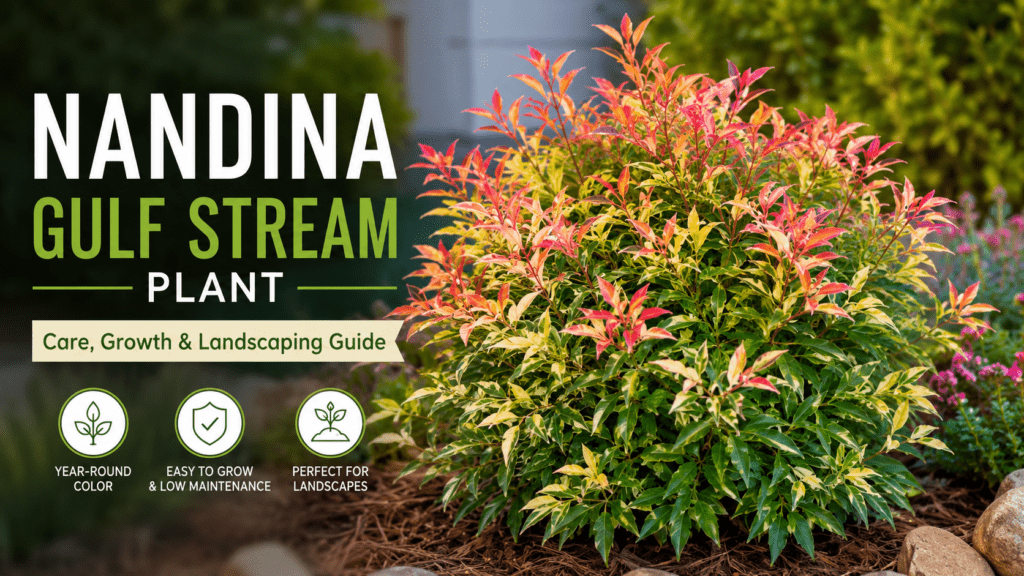
Imagine stepping into your garden on a crisp winter morning and being greeted by a compact evergreen shrub glowing with fiery reds, oranges, and bronzes — adding vibrant life even when everything else looks dormant. That’s the magic of the nandina gulf stream plant.
This stunning dwarf heavenly bamboo (Nandina domestica ‘Gulf Stream’) has become a favorite among modern gardeners who want year-round beauty, low maintenance, and a non-invasive option for small spaces. Unlike the taller, more aggressive traditional nandinas, Gulf Stream stays neatly compact at 3-4 feet tall and wide, making it perfect for foundation plantings, containers, borders, and mixed shrub beds.
As a horticulturist with over 15 years of hands-on experience growing and advising on ornamental shrubs across various climates, I’ve seen firsthand how the right care can transform this plant into a standout feature in any landscape. Whether you’re a beginner struggling with poor color or an experienced gardener looking to maximize seasonal interest, this comprehensive guide will equip you with everything you need for success.
In the following sections, you’ll discover expert planting techniques, seasonal maintenance schedules, troubleshooting tips, and creative landscaping ideas that go far beyond basic care. By the end, you’ll have the knowledge to grow a thriving, vibrant Nandina Gulf Stream that brings joy throughout the year. Let’s dive in! ✨
What Is the Nandina Gulf Stream Plant?
Botanical Overview and Characteristics
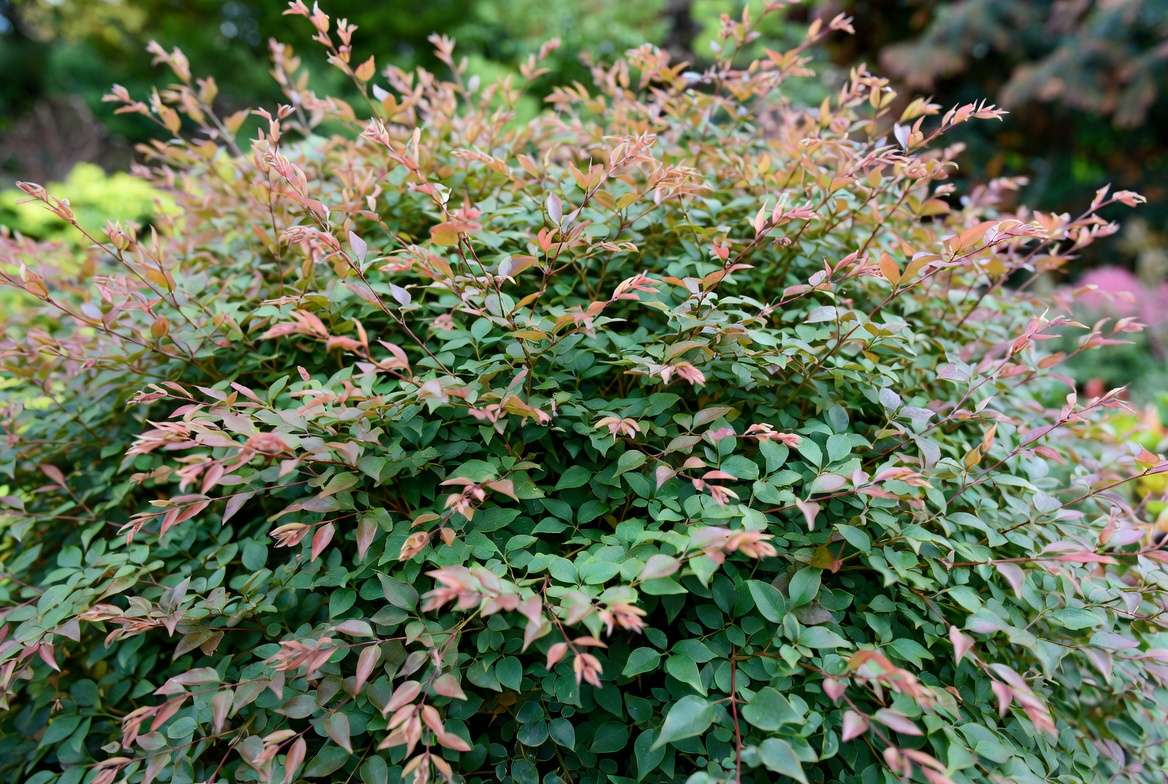
The Nandina Gulf Stream plant is a selected cultivar of Nandina domestica, commonly known as heavenly bamboo. This compact evergreen shrub features lacy, compound leaves that emerge with a fresh coppery-red tint in spring, mature to a deep blue-green in summer, and explode into brilliant scarlet, orange, and burgundy hues in fall and winter.
Unlike older nandina varieties, ‘Gulf Stream’ is prized for its dense, mounding growth habit and significantly reduced flowering and fruiting. This makes it essentially sterile in most conditions — a major advantage for gardeners concerned about invasiveness or berry cleanup.
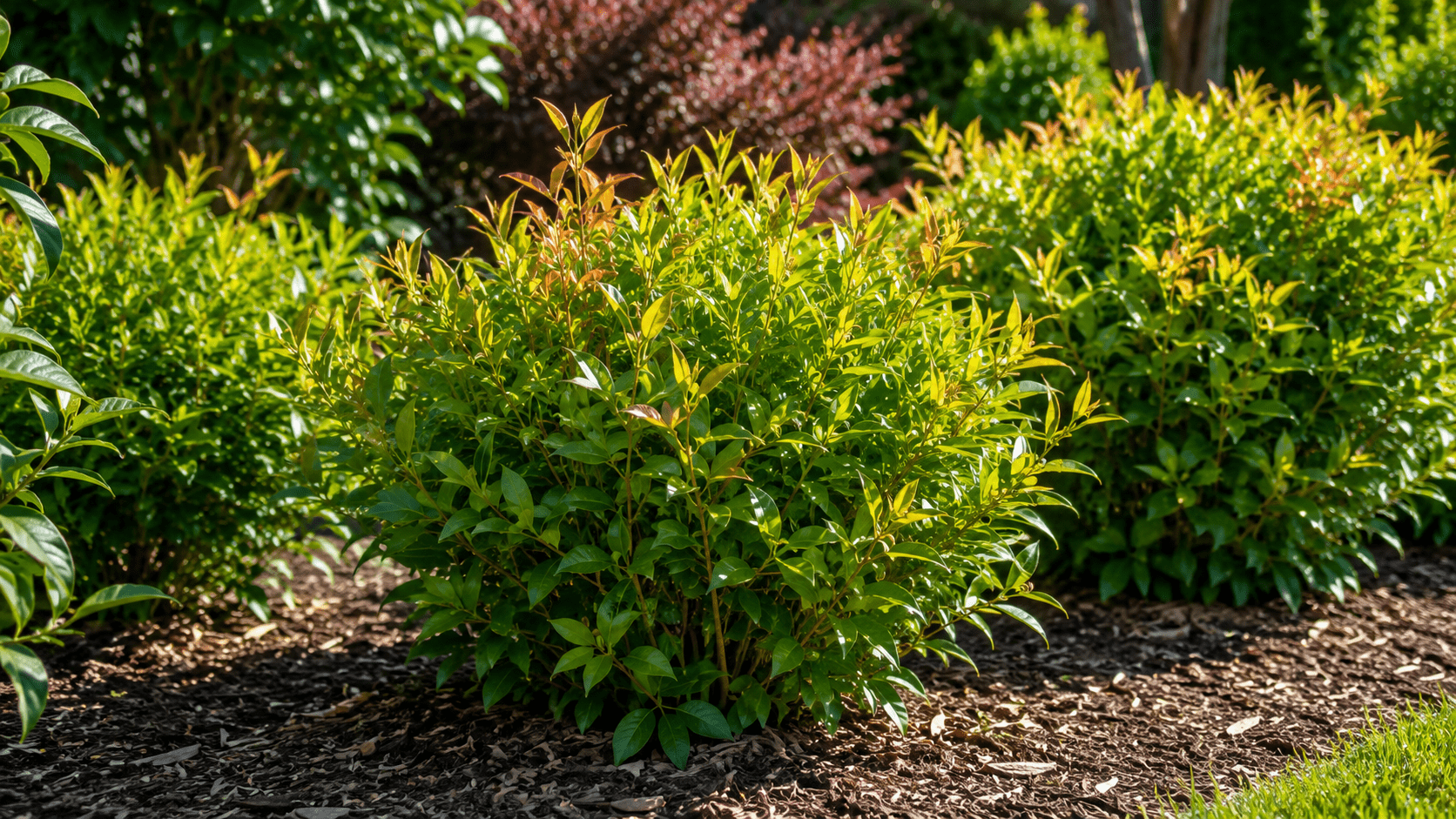
Mature size typically reaches 3-4 feet in height and spread, though it can be kept smaller with occasional pruning. The foliage has a delicate, bamboo-like texture that adds fine movement and elegance to the garden.
Why Choose Gulf Stream? Key Advantages ✨
- Compact & Non-Invasive: Stays tidy without aggressive spreading or heavy seeding.
- Exceptional Seasonal Color: Provides multi-season interest without needing flowers or berries.
- Low Maintenance: Drought tolerant once established, deer resistant, and pest-resistant.
- Versatile: Thrives in ground or containers, in sun or partial shade.
- Hardiness: Performs beautifully in USDA Zones 6-10, with best color in Zones 7-9.
Compared to ‘Fire Power’ (which stays very small but can look sparse) or standard Nandina domestica (which grows tall and produces lots of berries), Gulf Stream offers the perfect balance of size, color, and ease.
Ideal Growing Conditions for Nandina Gulf Stream ☀️
Climate and Hardiness Zones
Nandina Gulf Stream thrives in USDA Hardiness Zones 6-10. It handles cold winters down to -10°F (-23°C) with some protection in the colder end of its range and performs reliably in hot, humid summers typical of the southern United States. For the most intense winter coloration, plant in regions with distinct seasonal temperature changes.
Sunlight Requirements
For the brightest foliage colors, provide full sun to partial shade (at least 4-6 hours of direct sunlight daily). In full sun, expect richer reds and oranges. In deeper shade, the plant remains healthy but may appear more green and less compact. In very hot climates (Zone 9-10), afternoon shade helps prevent leaf scorch.
Soil Preferences and Preparation
This plant prefers well-drained, slightly acidic to neutral soil with a pH between 6.0 and 7.5. It tolerates clay, loam, or sandy soils as long as drainage is good — standing water will quickly cause root rot.
Pro Tip: Before planting, test your soil pH. If too alkaline, amend with elemental sulfur or pine bark to lower it gradually. Mix in 2-3 inches of compost or well-rotted organic matter to improve fertility and structure.
How to Plant Nandina Gulf Stream Successfully 🌱
Best Planting Time
The ideal times are early spring (after last frost) or early fall. These seasons allow roots to establish before extreme heat or cold stress the plant.
Step-by-Step Planting Guide
- Choose the Site: Select a location with proper sun exposure and good drainage.
- Prepare the Hole: Dig a hole 2-3 times wider than the root ball but no deeper. Roughen the sides for better root penetration.
- Position the Plant: Place so the top of the root ball sits level with the surrounding soil. Backfill with amended native soil (avoid heavy fertilizer at planting).
- Water Thoroughly: Settle the soil and water deeply to eliminate air pockets.
- Spacing: Plant 3-4 feet apart for mass plantings or hedges.
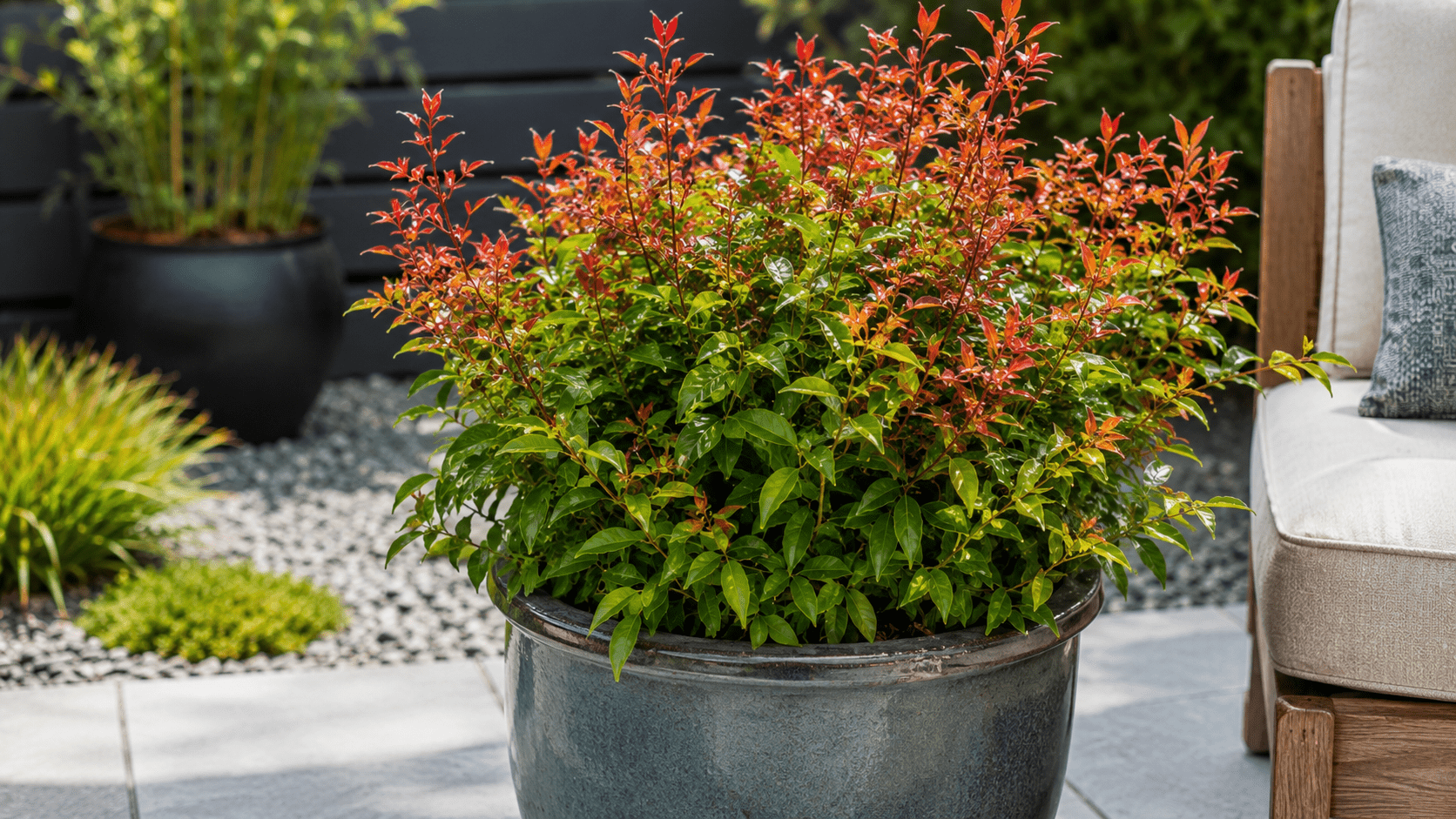
Container Planting: Use a pot at least 2-3 gallons larger than the nursery container with excellent drainage holes. A quality potting mix blended with perlite works well for patios and balconies.
Mulching and Initial Care
Apply a 2-3 inch layer of organic mulch (pine bark, shredded leaves, or cypress) around the base, keeping it away from the stems. This conserves moisture, moderates soil temperature, and suppresses weeds.
Watering and Fertilizing Nandina Gulf Stream 💧
Watering Schedule for Establishment and Long-Term
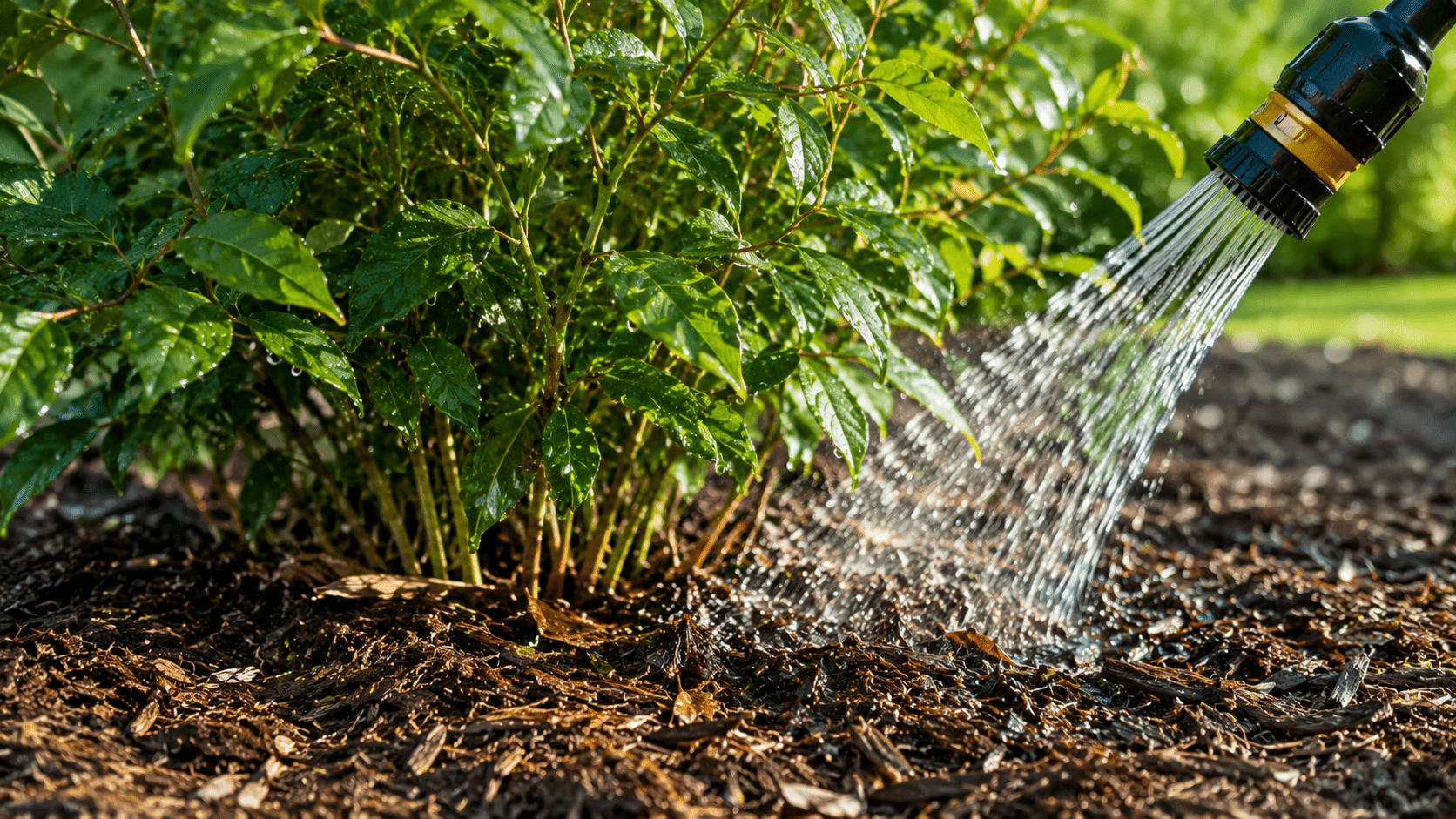
During the first year, water deeply 1-2 times per week (more in extreme heat) to establish a strong root system. Once established, the nandina gulf stream plant is quite drought tolerant and usually survives on rainfall alone, though supplemental watering during prolonged dry spells keeps the foliage looking its best.
Avoid overwatering — soggy soil is the most common cause of failure.
Fertilizer Recommendations and Timing
Nandina Gulf Stream is a light feeder. Apply a balanced, slow-release granular fertilizer (such as 10-10-10 or an acid-loving plant formula) in early spring as new growth begins. Organic options like compost tea, fish emulsion, or cottonseed meal work excellently.
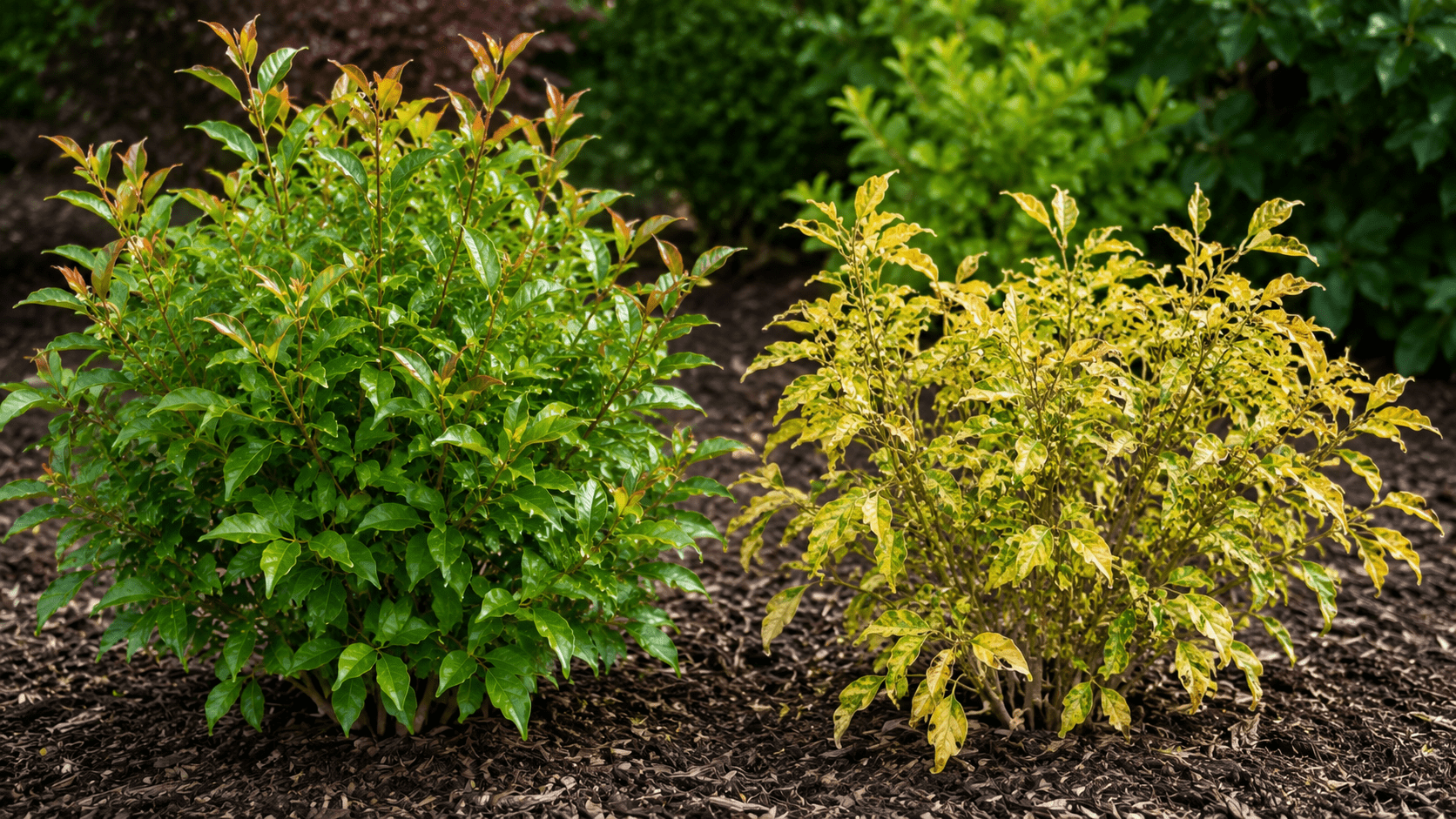
Skip fertilizing in late summer or fall to avoid encouraging tender growth before winter. Yellow leaves often indicate iron deficiency in alkaline soils — a chelated iron supplement can green them up quickly.
Pruning and Maintenance for Healthy Growth ✂️
One of the biggest advantages of the nandina gulf stream plant is its naturally tidy, compact growth habit. Unlike many other shrubs that require frequent shaping, Gulf Stream needs very little pruning to look its best. This makes it an excellent choice for busy gardeners who want maximum beauty with minimum effort.
When and How to Prune
The best time to prune Nandina Gulf Stream is in late winter or early spring, just before new growth emerges. At this stage, you can remove any damaged, crossing, or weak branches while the plant is still dormant.
Pruning Techniques:
- Use clean, sharp bypass pruners to make clean cuts just above a leaf node.
- Remove no more than one-third of the plant at a time to avoid stress.
- For rejuvenation of older plants, you can cut a few of the oldest stems back to the ground every 2–3 years. This encourages fresh, vibrant growth from the base.
- Avoid heavy shearing — it ruins the natural airy, bamboo-like texture.
Important Note: Never prune in late summer or fall, as this can stimulate tender new growth that may be damaged by early frosts.
Seasonal Maintenance Calendar 📅
- Spring: Apply slow-release fertilizer, refresh mulch, and prune lightly if needed. Watch for new coppery growth — this is the plant’s most delicate stage.
- Summer: Monitor watering during dry spells. The deep green foliage provides excellent summer structure.
- Fall: Enjoy the spectacular color transition! Minimal intervention needed.
- Winter: The fiery red and orange tones reach their peak. Gently brush off heavy snow to prevent branch breakage in colder zones.
With consistent but light maintenance, your nandina gulf stream plant will remain healthy, compact, and vibrant for decades.
Propagating Nandina Gulf Stream
While many gardeners prefer buying established plants from reputable nurseries, propagating Nandina Gulf Stream is possible for those who enjoy expanding their collection.
Primary Methods:
- Division — Best performed in early spring. Carefully dig up a mature clump and separate rooted sections with a sharp spade. Replant immediately and keep well-watered.
- Semi-Hardwood Cuttings — Take 4–6 inch cuttings in mid-summer from healthy, non-flowering stems. Remove lower leaves, dip in rooting hormone, and place in a well-draining mix (perlite + peat). Keep under high humidity until rooted (usually 6–8 weeks).
Success rates are higher with bottom heat and consistent moisture. Note that because many Gulf Stream selections are largely sterile, seed propagation is not reliable.
Common Problems and Solutions 🛠️
Even though the nandina gulf stream plant is remarkably resilient, occasional issues can arise. Here’s how to diagnose and fix them quickly.
Pests and Diseases
- Scale Insects (especially cottony cushion scale): Appear as small white or brown bumps on stems. Treat with horticultural oil or insecticidal soap in early stages.
- Spider Mites: Common in hot, dry conditions. Look for fine webbing and stippled leaves. Increase humidity and use neem oil.
- Powdery Mildew: Rare but possible in poor air circulation. Improve spacing and avoid overhead watering.
Thankfully, this cultivar is far more pest-resistant than older nandina varieties.
Environmental Stress
- Yellow Leaves (Chlorosis): Usually caused by alkaline soil locking up iron. Apply chelated iron or acidify the soil.
- Leaf Scorch: Too much intense afternoon sun in hot climates. Provide light afternoon shade.
- Winter Burn: In Zone 6, protect with burlap or anti-desiccant spray during extreme cold.
Toxicity and Safety Considerations
Important: All parts of the nandina gulf stream plant, especially berries (if any appear), contain compounds toxic to pets, livestock, and some birds if ingested in large quantities. Plant responsibly away from areas where curious pets or children play. This is a key safety consideration for family gardens.
Landscaping Ideas and Companion Plants 🌺
The versatility of Nandina Gulf Stream makes it a superstar in modern landscape design.
Design Uses
- Foundation Plantings: Perfect height for under windows without blocking views.
- Mass Plantings: Create stunning drifts of seasonal color.
- Container Gardens: Excellent for patios and balconies — pair with trailing plants.
- Mixed Borders: Combines beautifully with perennials and other evergreens.
- Hedges: Low informal hedges that provide year-round screening.
Best Companion Plants
- Japanese Maples: For contrasting foliage textures.
- Heuchera (Coral Bells): Complementary leaf colors.
- Boxwood or Dwarf Yaupon Holly: Classic evergreen partners.
- Ornamental Grasses: Adds movement alongside the bamboo-like leaves.
- Black Mondo Grass: Dramatic dark contrast against red winter foliage.
Seasonal Interest Throughout the Year
- Spring: Fresh copper-red new growth.
- Summer: Cool blue-green texture.
- Fall/Winter: Spectacular fiery display that lasts for months.
This extended seasonal appeal is why the nandina gulf stream plant remains highly sought after by designers in 2026.
Expert Tips for Thriving Nandina Gulf Stream 💡
Drawing from years of practical experience, here are my top professional insights:
- Boost Winter Color: Plant in full sun and avoid high-nitrogen fertilizers in late season.
- Container Success: Use high-quality potting soil with added perlite and water more frequently than in-ground plants.
- Eco-Friendly Approach: Mulch with pine needles to naturally maintain slightly acidic soil.
- Deer Resistance: While generally deer-resistant, protect young plants with repellents during winter food shortages.
- Combine with Lighting: Uplighting in winter dramatically highlights the red foliage at night.
- Avoid Overwatering: This is the #1 killer of established plants.
- Group Planting: Plant in odd numbers (3, 5, 7) for the most natural look.
- Soil Test Annually: Especially important in regions with variable rainfall.
Avoid these common mistakes: planting too deep, using heavy mulch against stems, or expecting fast growth — this is a slow-to-moderate grower that rewards patience.
Frequently Asked Questions (FAQs)
Does Nandina Gulf Stream produce berries? Most modern selections are fruitless or produce very few berries, reducing invasiveness and cleanup.
How fast does it grow? Slow to moderate — expect 6–12 inches per year under ideal conditions.
Is it deer resistant? Yes, generally highly deer resistant due to its texture and mild toxicity.
Can it grow in full shade? It tolerates shade but produces less vibrant color and may become leggy.
Why are my leaves turning yellow? Most often iron deficiency from alkaline soil or overwatering.
Is Nandina Gulf Stream invasive? No. This compact cultivar is bred to be much less aggressive than the straight species.
How do I overwinter in colder zones? Mulch heavily and provide wind protection in Zone 6.
Can it be grown indoors? Not recommended long-term — it prefers outdoor conditions and good air circulation.
Conclusion
The nandina gulf stream plant stands out as one of the most rewarding compact evergreen shrubs available today. Its stunning seasonal color changes, low-maintenance nature, compact size, and versatility make it an outstanding choice for both novice and experienced gardeners seeking year-round garden interest.
By following the expert techniques shared in this guide — from proper planting and soil preparation to seasonal care and creative landscaping — you can enjoy a healthy, vibrant Nandina Gulf Stream that enhances your outdoor space for many years.
Ready to add this beauty to your garden? Start planning your planting this season and watch your landscape transform.
Share your experiences or questions in the comments below — I’d love to help you succeed with your nandina gulf stream plant! For more expert plant care guides, explore our other articles on evergreen shrubs, foundation plantings, and low-maintenance gardening.
Happy gardening! 🌱✨











