
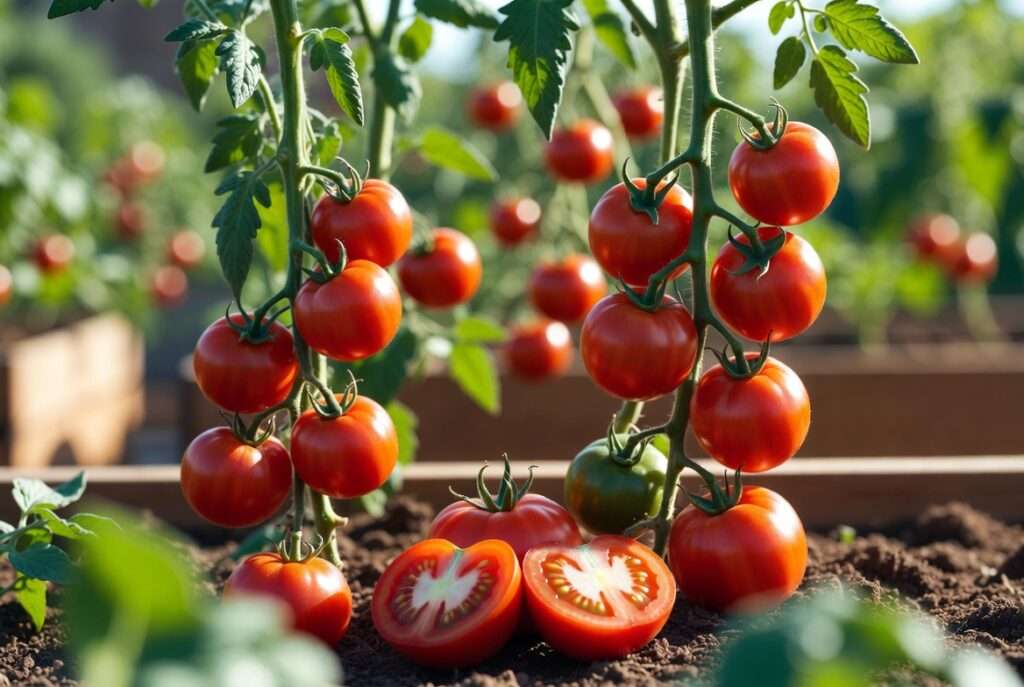
Tired of scooping out endless seeds from your homegrown tomatoes before making sauce, salsa, or even a simple sandwich? Imagine biting into a juicy, flavorful tomato with barely any seeds to interrupt that perfect texture—seedless tomato plants make this dream a reality for gardeners everywhere. These remarkable varieties, often parthenocarpic, set fruit reliably even when temperatures are too cool or pollination is spotty, delivering higher edible yields and less kitchen hassle.
As a plant care specialist with over a decade of hands-on experience growing tomatoes in diverse climates—from cool Pacific Northwest springs to warmer southern summers—I’ve tested dozens of varieties and refined techniques that turn average gardens into tomato abundance. Whether you’re a beginner frustrated by poor fruit set or an experienced grower seeking easier harvests, this comprehensive guide will equip you with everything needed for success. We’ll cover top varieties, expert planting and care strategies, pest management, and pro tips to maximize your yields. By the end, you’ll be ready to grow thriving seedless tomato plants that produce bountiful, delicious fruits season after season. Let’s dig in! 🌟
Understanding Seedless Tomato Plants – Why They’re a Gardener’s Dream ✨
Seedless tomatoes aren’t a modern genetic engineering miracle in most cases—they stem from natural and selective breeding for parthenocarpy. This is the ability of a plant to develop fruit without fertilization or pollination. The result? Fruits with significantly fewer or no seeds, especially in early sets or challenging weather.
The Science Behind Seedless Tomatoes In normal tomatoes, fruit development requires pollen to fertilize ovules, forming seeds. Parthenocarpic varieties bypass this, triggered by hormones within the flower. This trait shines in cooler temperatures (below 55–60°F nights) where regular tomatoes drop flowers. Oregon State University breeders like Dr. James Baggett pioneered many such varieties for short-season, cool-climate gardens.
Benefits for Home Gardeners 🍅
- Easier Preparation: Less time seeding for sauces, pastes, and canning—perfect for busy cooks.
- Higher Yields: More flesh per fruit means better edible weight.
- Reliable Production: Excellent for regions with variable weather, high tunnels, or greenhouses.
- Kid-Friendly & Versatile: Sweeter, smoother texture appeals to all ages for fresh eating.
- Disease & Stress Tolerance: Many come with built-in resistances (e.g., to verticillium wilt or cracking).
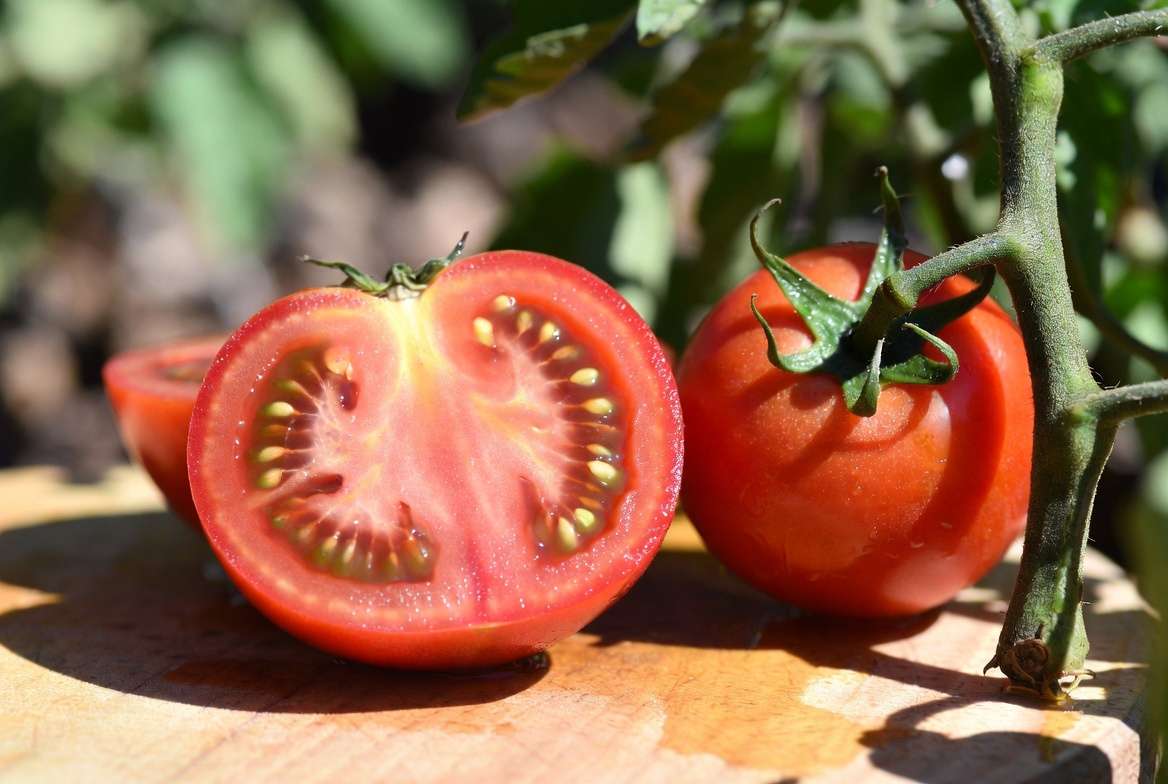
Common Misconceptions Not every fruit on a “seedless” plant will be 100% seed-free—later fruits may have some seeds if pollination occurs. They’re often “low-seed” or “nearly seedless,” but far superior to standard varieties. These are not typically GMO; most are traditional hybrids or open-pollinated selections.
This foundation explains why seedless tomato plants solve real problems like poor fruit set in cool springs or messy processing, making them a smart choice for sustainable home gardening.
Best Seedless and Low-Seed Tomato Varieties for Your Garden 🍅🌟
Choosing the right variety is key to success. Here’s a curated selection based on performance, flavor, and adaptability:
Top Cherry & Small-Fruited Varieties 🍒
- Sugarbear Seedless: Parthenocarpic plum/grape tomato. Produces sweet, seedless fruit even in tough conditions. Great for snacking and containers.
- Gold Nugget: Yellow cherry with low seeds, early producer, and excellent flavor.
Paste & Roma-Style Options 🍝
- Oregon Star: Early-maturing red paste tomato with large, meaty, nearly seedless fruits. Ideal for sauces and canning—low acid and flavorful.
- Other low-seed pastes like Amish Paste or Roma types for traditional processing.
Slicing & Beefsteak Varieties 🥪
- Siletz: Super early (around 55–60 days), parthenocarpic, large 10–12 oz red slicers. Nearly seedless early fruits, great flavor, disease-resistant. A standout for cool climates.
- Oregon Spring or Legend: Reliable parthenocarpic slicers with good blight tolerance in some cases.
How to Choose the Right Variety for Your Climate & Space
- Determinate (bushy, compact): Great for containers and short seasons (e.g., Siletz, Oregon Star).
- Indeterminate (vining): Longer harvest but need strong support.
- Consider disease resistance (VFNT codes), days to maturity, and local extension recommendations.
Expert Tips: Source seeds from reputable suppliers like Territorial Seed or Victory Seeds. Start with hybrids for vigor, then experiment with heirlooms. Compare in a variety chart: days to maturity, fruit size, resistance, and seedlessness level. For containers, choose dwarf or determinate types.
(This section alone can expand with detailed variety profiles, growing zones, and taste notes for depth.)
Preparing for Success – Site Selection, Soil, and Starting Methods 🌍🪴
Ideal Growing Conditions Seedless tomato plants thrive in full sun (8+ hours daily), well-drained soil with pH 6.2–6.8, and consistent warmth. They tolerate cooler nights better than standard types thanks to parthenocarpy.
Soil Preparation and Amendments Test soil and amend with compost, aged manure, and calcium (e.g., crushed eggshells or gypsum) to prevent blossom end rot. Good drainage is crucial—raised beds or containers excel here. Mulch early to retain moisture and suppress weeds. 🌿
Starting from Seed vs. Buying Transplants
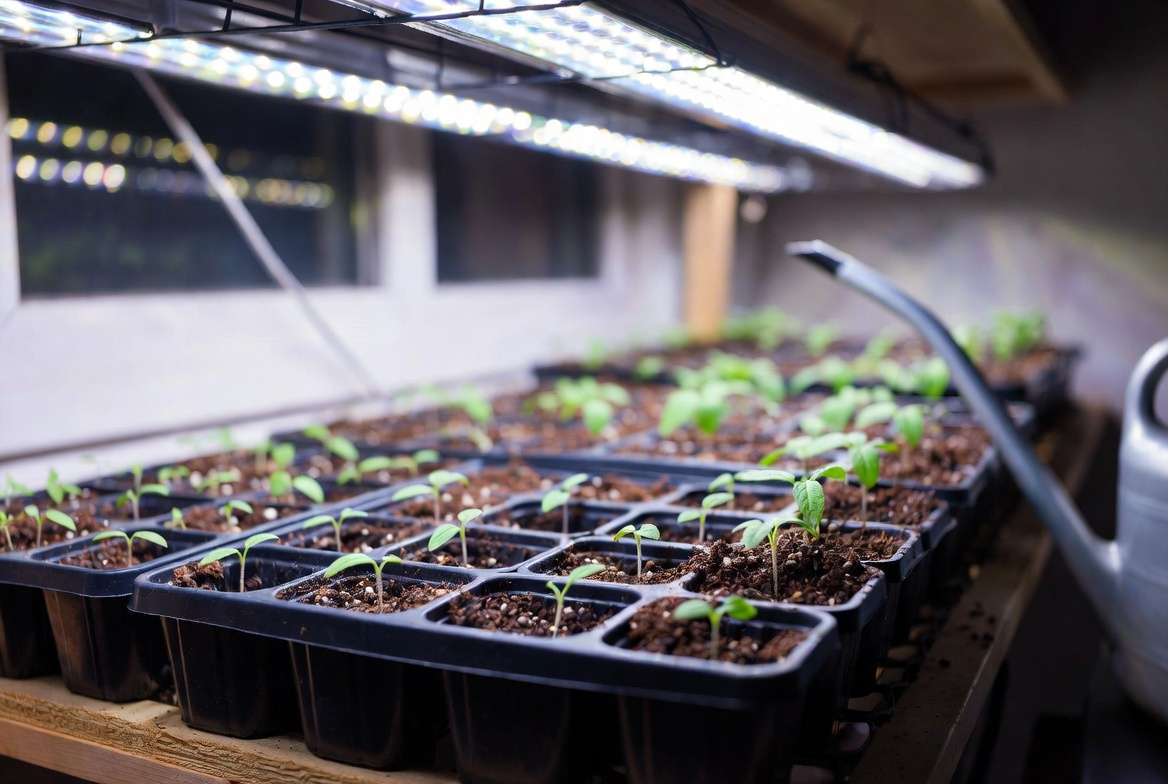
- Seeds: Start indoors 6–8 weeks before last frost. Use sterile mix, bottom heat (75–85°F for germination), and strong light to avoid leggy seedlings. Harden off before transplanting.
- Transplants: Choose sturdy, dark green plants. Easier for beginners.
Container vs. In-Ground Growing Containers (5+ gallons) with quality potting mix work well for patios. In-ground offers more nutrients but requires crop rotation.
Planting Seedless Tomato Plants the Right Way 🌱📍
When and How to Transplant After frost risk passes and soil hits 60–65°F. Dig deep holes—bury 2/3 of the stem to encourage adventitious roots. Space 2–3 feet apart (determinate) or 3–4 feet (indeterminate). Water deeply after planting.
Companion Planting Strategies Pair with basil (flavor & pest repellent), marigolds (nematodes), or borage. Avoid potatoes to reduce disease risk.
Support Systems Use sturdy cages, stakes, or trellises from day one. Florida weave or single-stake methods suit indeterminates.
Comprehensive Care Guide for Thriving Plants 💧☀️
Once your seedless tomato plants are in the ground or containers, consistent care is the secret to transforming good growth into exceptional harvests. These parthenocarpic varieties are forgiving, but they still reward attentive gardeners with heavier yields and fewer issues. Here’s my proven, season-long protocol developed through years of trial in real home gardens.
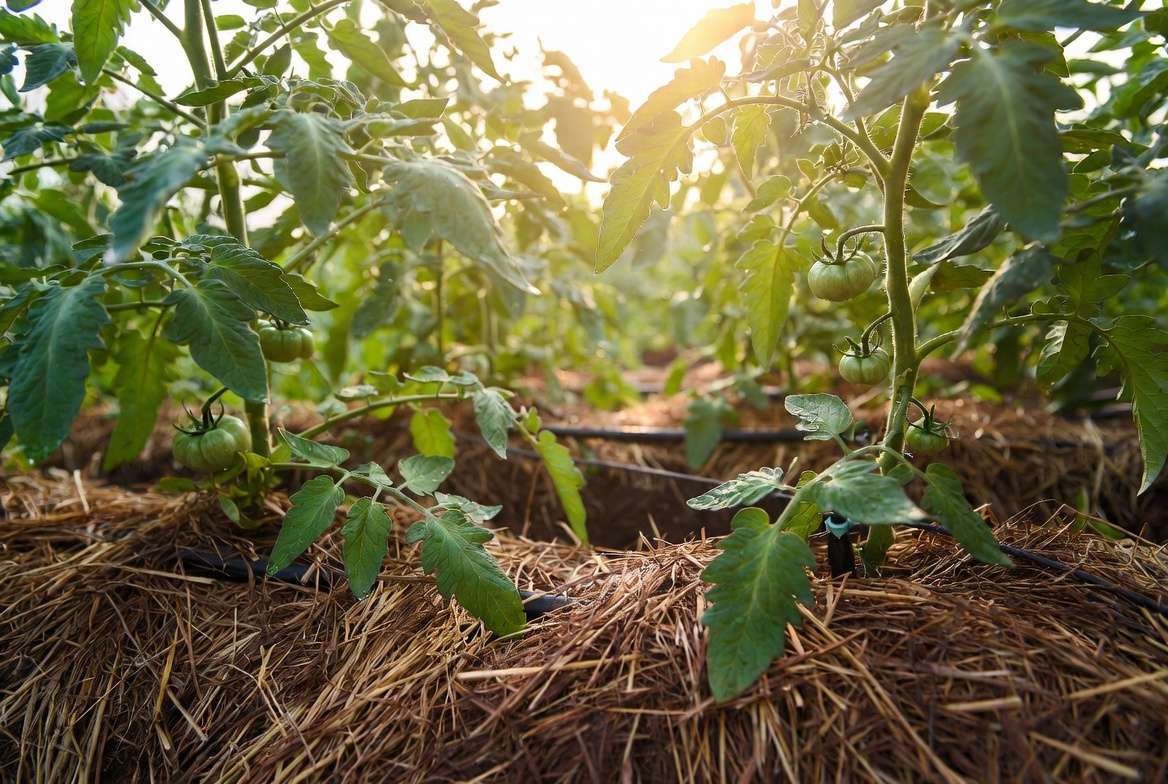
Watering Best Practices Consistency is everything. Seedless tomato plants need steady soil moisture—about 1–2 inches of water per week, depending on weather and soil type. Inconsistent watering leads to cracking, blossom end rot, and reduced fruit set. Water deeply at the base in the morning to allow foliage to dry by evening, minimizing disease risk. Use soaker hoses or drip irrigation for efficiency. In containers, check daily; they dry out faster. A thick layer of organic mulch (straw, shredded leaves, or compost) helps retain moisture and regulate soil temperature. 🌿
Fertilizing Schedule Tomatoes are heavy feeders. Start with a balanced organic fertilizer (like 10-10-10) at planting, then switch to a lower-nitrogen, higher-phosphorus and potassium formula once flowers appear to support fruit development. Side-dress every 3–4 weeks with compost tea, fish emulsion, or a tomato-specific organic blend. Calcium is non-negotiable—add crushed eggshells, gypsum, or Tums to the planting hole to prevent blossom end rot, a common calcium deficiency issue. Monitor leaves: yellowing older leaves often signal nitrogen needs, while purple stems may indicate phosphorus shortage.
Pruning and Maintenance Pruning improves airflow, reduces disease, and directs energy to fruit. For indeterminate varieties, remove suckers (shoots growing from leaf axils) weekly, keeping 1–3 main stems. Determinate types need less pruning—focus on lower leaves touching the soil. Remove yellowing or diseased foliage promptly. Good airflow is especially helpful for parthenocarpic plants that produce dense clusters. 🪴
Mulching and Weed Control Apply 2–4 inches of mulch after the soil warms. It suppresses weeds, conserves water, and prevents soil splash that spreads diseases. Reapply as needed throughout the season. Hand-pull or hoe weeds early to avoid root competition.
Managing Pests and Diseases Naturally 🛡️🐛
Even resilient seedless tomato plants can face challenges. Prevention through cultural practices is your first and best defense, aligning with organic, sustainable gardening principles I always recommend.
Common Pests and Organic Controls
- Tomato Hornworms: Hand-pick these large green caterpillars at dusk (they’re easier to spot then). Attract beneficial insects with companion plants like dill or borage. Bacillus thuringiensis (Bt) is a safe biological control.
- Aphids and Whiteflies: Blast with strong water spray; introduce ladybugs or lacewings. Neem oil or insecticidal soap works well as a follow-up.
- Spider Mites: Increase humidity and use neem or horticultural oil.
Disease Prevention
- Early and Late Blight: Choose resistant varieties like Siletz or Legend. Ensure good spacing, prune for airflow, and avoid overhead watering. Copper-based fungicides or biological options like Serenade can help if needed.
- Blossom End Rot: Already addressed with calcium and consistent watering.
- Fusarium and Verticillium Wilt: Rotate crops yearly and select VF-resistant varieties.
Troubleshooting Environmental Stress Cracking often results from rapid moisture changes—mulch and consistent watering help. Sunscald appears as white patches on exposed fruit; provide light shade cloth during intense heat waves. In humid areas, focus on ventilation.
Pollination and Fruit Set Tips for Maximum Yields 🌸🍅
One of the biggest advantages of seedless tomato plants is their parthenocarpic nature—they set fruit without perfect pollination, making them ideal for cool springs, greenhouses, or regions with pollinator shortages. Still, supporting natural processes boosts overall production.
Gently shake plants daily during flowering or use an electric toothbrush on flower clusters for vibration pollination. Maintain night temperatures above 55°F when possible. Balanced nutrition (avoid excess nitrogen) and adequate potassium encourage strong flower and fruit development. With these techniques, expect clusters loaded with smooth, low-seed fruits.
Harvesting, Storing, and Enjoying Your Seedless Tomatoes 🍅🏆
When and How to Harvest for Best Flavor and Texture Pick fruits when they’re fully colored but still firm—usually when they give slightly to gentle pressure. Harvest every 1–2 days to encourage more production. Twist and pull gently or use pruners to avoid damaging vines. Early morning harvests keep fruits crisp.
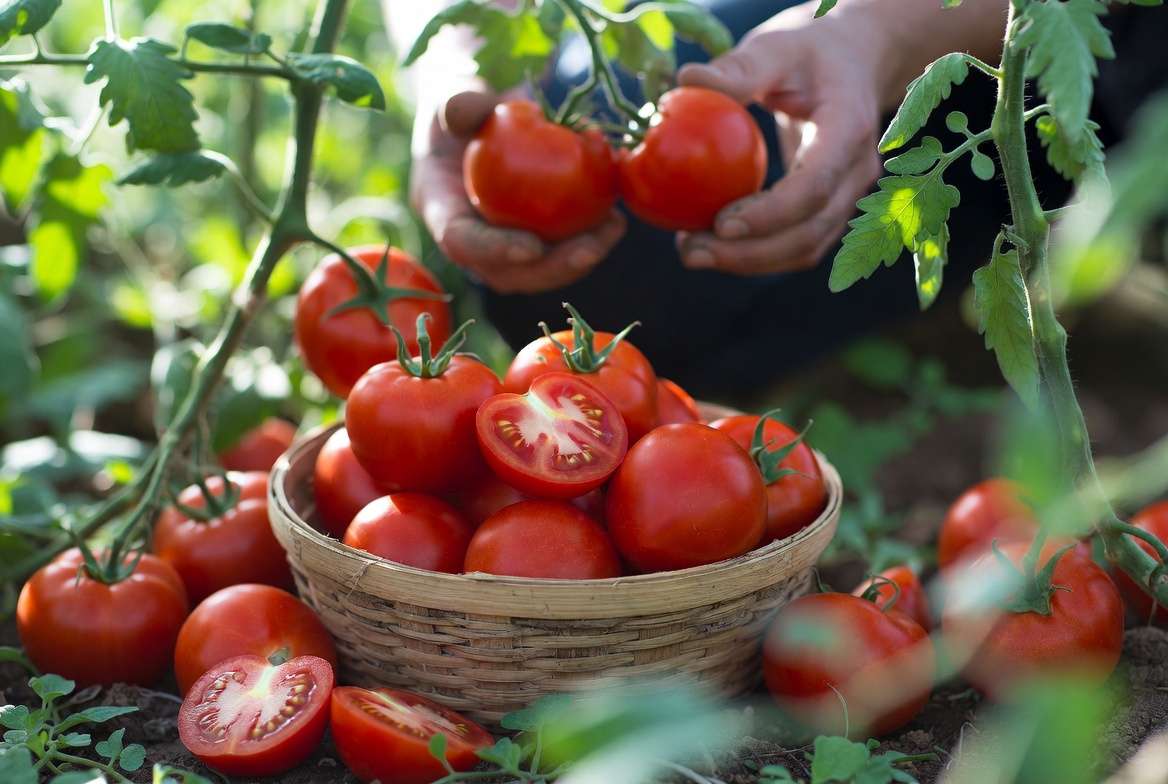
Creative Uses in the Kitchen The low-seed trait shines here! No more tedious seeding for homemade sauces, salsas, or ketchup. Cherry types are perfect for snacking, salads, or roasting. Paste varieties like Oregon Star make silky marinara with minimal processing. Slice larger types for sandwiches or caprese salads—the smooth texture is a revelation for kids and adults alike.
Extending the Harvest Use season extenders like row covers or high tunnels. For late-season green fruits, wrap individually in newspaper and store at 55–70°F to ripen gradually. Freeze whole or roasted tomatoes for winter use.
Advanced Tips and Troubleshooting for Bountiful Harvests 🚀
- Climate-Specific Adjustments: In short-season areas, prioritize early parthenocarpic varieties like Siletz (55–60 days). In hot climates, provide afternoon shade and extra mulch.
- Seed Saving: Hybrids won’t breed true, but some stable parthenocarpic lines can be saved—focus on open-pollinated options where possible.
- Scaling Up: For larger gardens, use the Florida weave trellising system for efficient support. Succession planting every 2–3 weeks extends your harvest window.
- Real-World Insights: In my experience, combining deep planting, heavy mulching, and weekly pruning routinely doubles yields compared to basic care. Track your results in a garden journal for continuous improvement.
Frequently Asked Questions (FAQs) ❓
Are seedless tomatoes GMO? No. Most are traditionally bred hybrids or selections with the parthenocarpic trait.
Can I save seeds from seedless tomato plants? It’s possible but tricky with hybrids—fruits may have few seeds, and offspring may not retain the trait consistently.
Why do some fruits still have seeds? Later fruits can develop seeds if pollination occurs. Early sets are often the most seedless.
What are the best varieties for containers? Determinate types like Siletz, Oregon Star, or compact cherries such as Sugarbear Seedless. Use at least 5-gallon pots.
How do I prevent blossom end rot? Consistent watering, calcium amendments, and avoiding high-nitrogen fertilizers.
Are they suitable for greenhouses? Absolutely—their reliable fruit set in variable conditions makes them excellent for protected growing.
How long do seedless tomato plants produce? Indeterminates can yield for months until frost; determinates produce a heavy main crop over 4–6 weeks.
Do they taste as good as regular tomatoes? Many gardeners report excellent or superior flavor due to higher flesh-to-seed ratio and bred-in sweetness.
Conclusion: Transform Your Garden with Seedless Tomato Plants 🌟
Growing seedless tomato plants offers a practical solution to common frustrations—messy processing, unreliable fruit set, and lower edible yields—while delivering delicious, homegrown abundance. By following this expert guide, from selecting the right varieties like Siletz and Oregon Star to mastering care and natural pest management, you’re set for success no matter your garden size or experience level.
The rewards go beyond the kitchen: healthier plants, less waste, and the satisfaction of harvesting vine-ripened tomatoes with minimal hassle. Start small this season, experiment, and watch your garden thrive. Share your experiences in the comments below—what variety will you try first?
For more plant care wisdom, explore our guides on companion planting, organic pest control, and preserving the harvest. Happy gardening, and here’s to your best tomato season yet! 🍅🌱











