
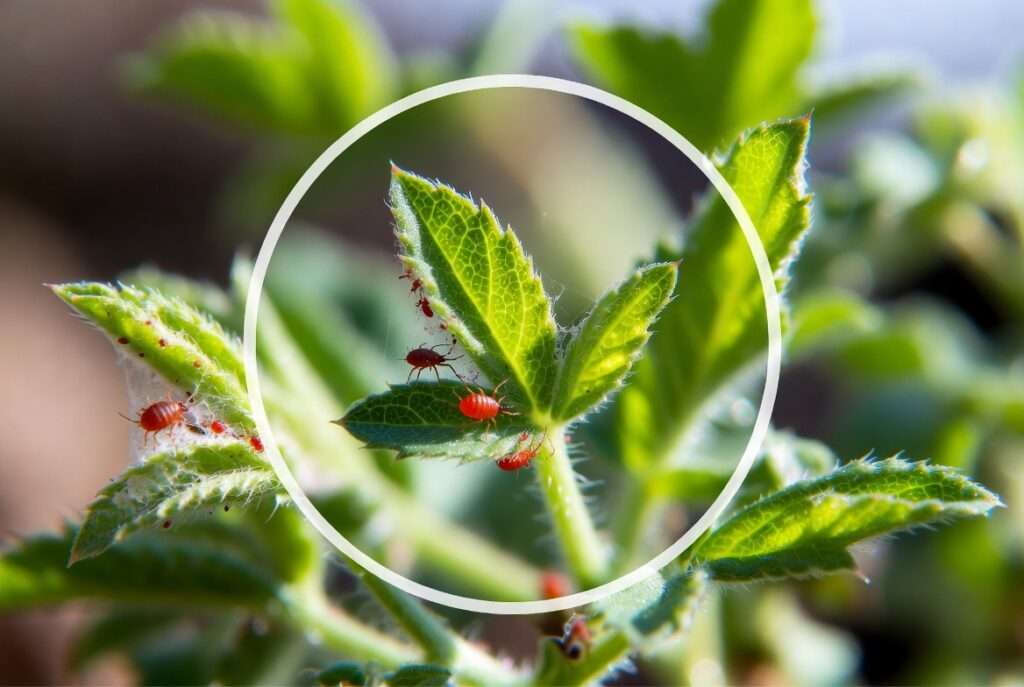
Imagine stepping into your garden on a sunny morning, only to discover your once-vibrant rose bush or lush tomato plants covered in tiny red specks. Your heart sinks as you notice leaves turning yellow and delicate webbing appearing on the undersides. If this sounds familiar, you’re dealing with small red bugs on plants — a common but frustrating problem for gardeners and houseplant enthusiasts alike.
These minuscule invaders can multiply at an alarming rate, turning a thriving green space into a battlefield in just days. As a plant care specialist with over 15 years of hands-on experience helping home gardeners and urban growers combat pests, I’ve seen these infestations devastate everything from indoor monstera collections to backyard vegetable patches. The good news? You don’t have to watch your plants suffer.
In this comprehensive guide, you’ll learn exactly how to identify small red bugs on plants, understand what attracts them, and discover fast, effective, and safe methods to eliminate them while nurturing your plants back to health. Whether you prefer natural solutions or need stronger intervention, this article covers every angle with practical, proven strategies. Let’s reclaim your garden together! 🛡️
Understanding Small Red Bugs on Plants – Common Culprits 🐛
Small red bugs on plants are rarely just one species. Several tiny arachnids and insects appear as bright red or reddish-orange dots to the naked eye. The most frequent offender is the red spider mite (Tetranychus urticae), though red aphids, clover mites, and even immature scale insects can cause similar issues.
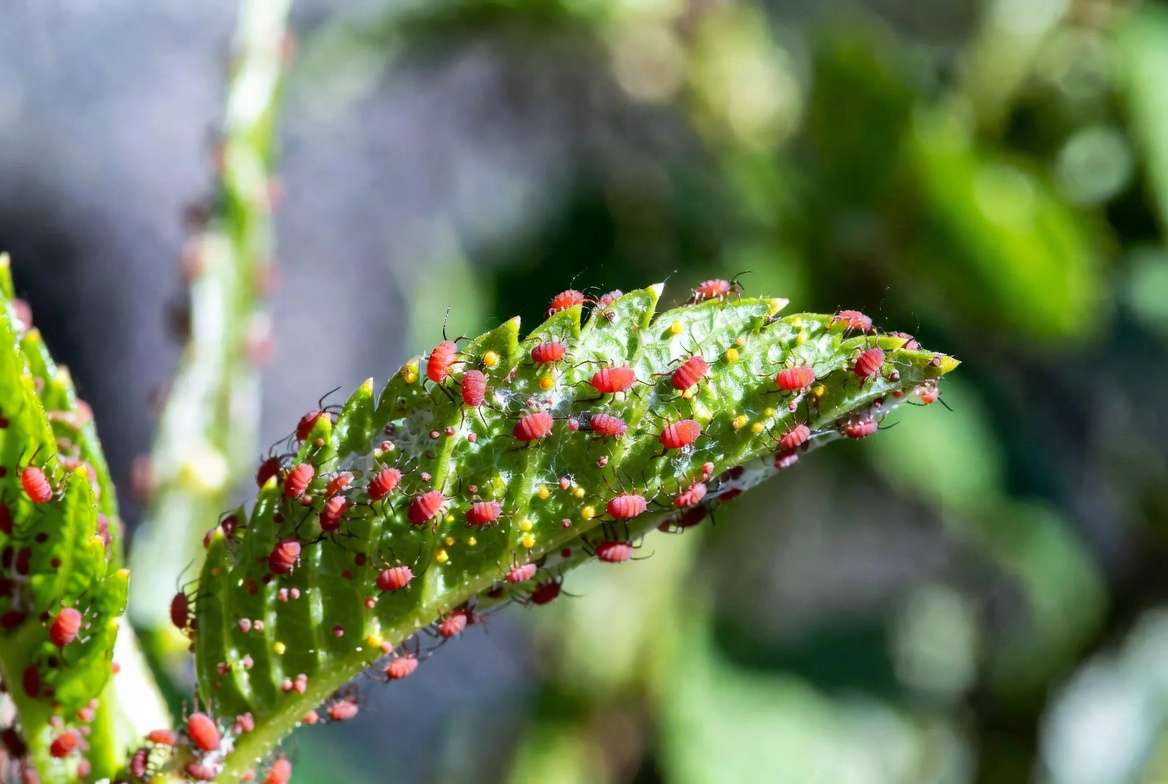
What Do Small Red Bugs on Plants Actually Look Like?
Most small red bugs on plants measure between 0.5mm and 2mm — about the size of a pinhead. They often cluster on the undersides of leaves, along stems, and near new growth where sap is richest.
- Red Spider Mites: Tiny, reddish-orange, with eight legs. Under magnification, they look like miniature spiders. They spin fine, silky webs that catch dust and give infested plants a dull appearance.
- Red Aphids: Soft-bodied, pear-shaped insects that may appear bright red or pinkish. They move slowly and often excrete sticky “honeydew.”
- Clover Mites: Bright red, oval-shaped, and faster-moving. They’re more common outdoors and rarely damage plants severely but can invade homes in large numbers.
- Beneficial Red Mites: Some predatory mites are also red — a crucial distinction we’ll cover later.
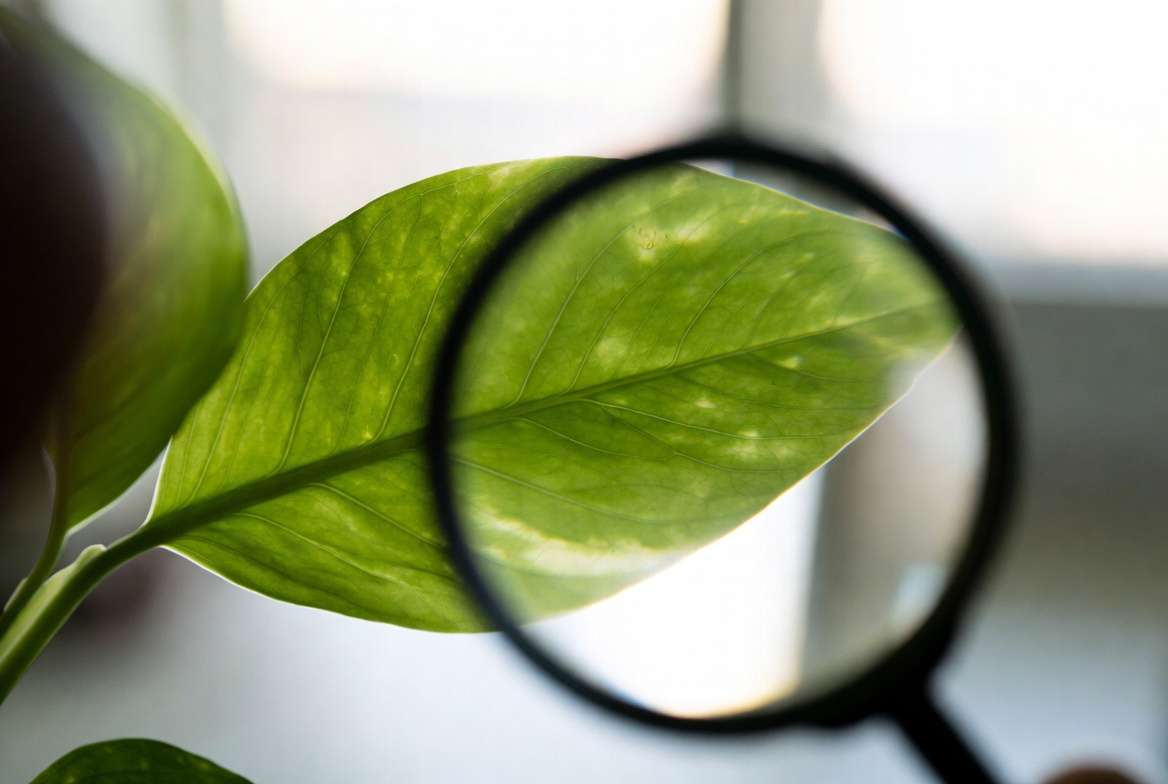
Pro Tip: Use a 10x hand lens or the white paper test — shake a leaf over white paper; moving red dots confirm active pests. 📸
Are They Harmful? Types of Damage They Cause
Yes — small red bugs on plants are sap-suckers. They pierce plant tissue to feed, causing:
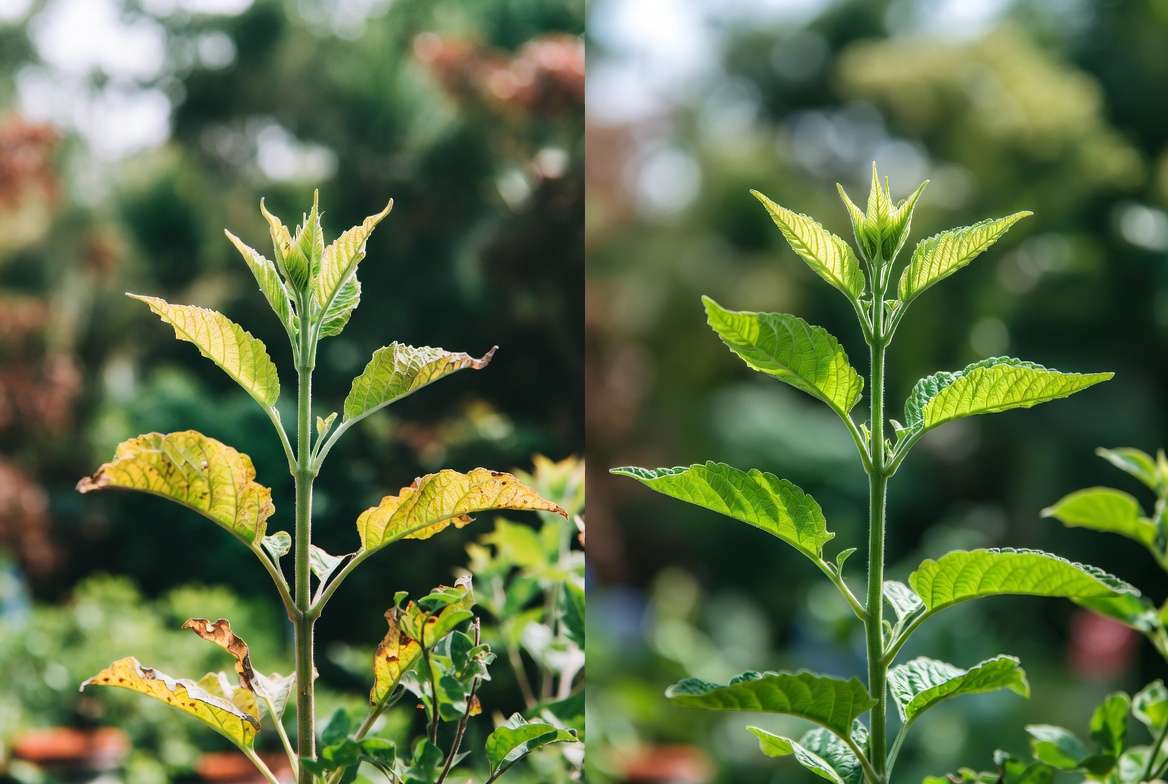
- Stippling: Tiny yellow or white dots on leaves.
- Leaf Yellowing and Drop: As chlorophyll is depleted.
- Webbing and Distortion: New growth curls or stunts.
- Secondary Issues: Honeydew attracts sooty mold and ants; weakened plants become vulnerable to diseases.
In severe cases, entire plants can die, especially stressed houseplants or young seedlings. Early detection is your strongest weapon.
Why Are You Seeing Small Red Bugs Right Now? (Environmental Triggers)
These pests thrive in hot, dry conditions (temperatures above 80°F/27°C with low humidity). Other common triggers include:
- Over-fertilization with high-nitrogen products (lush growth attracts them).
- Dusty leaves (mites love dust).
- Bringing infested nursery plants home.
- Poor air circulation indoors or drought stress outdoors.
Understanding these factors helps break the cycle permanently.
Accurate Identification – Don’t Mistake Friends for Foes 🔍
Misidentification leads to unnecessary treatments that can harm beneficial insects. Here’s how to get it right every time.
Step-by-Step Identification Guide
- Inspect Thoroughly — Check leaf undersides, stems, and soil edges.
- Look for Webbing — Classic sign of spider mites.
- Test Movement — Mites crawl quickly when disturbed.
- Note Plant Symptoms — Webbing + stippling = spider mites. Curled leaves + sticky residue = aphids.
Common Confusions – Beneficial Insects vs. Pests
Not all red bugs are villains! Predatory mites (like Phytoseiulus persimilis) are your allies — they’re slightly larger, more active, and don’t spin heavy webs. Ladybug larvae can also appear reddish-orange with spiky bodies.
Identification Table (for quick reference):
| Pest/Beneficial | Color | Size | Webbing? | Movement | Damage Level |
|---|---|---|---|---|---|
| Red Spider Mite | Red/Orange | 0.5mm | Yes | Slow crawl | High |
| Red Aphid | Bright Red | 1-2mm | No | Slow | Medium |
| Clover Mite | Bright Red | 1mm | No | Fast | Low |
| Predatory Mite | Red | 0.5mm | Minimal | Very active | None (helps!) |
Plant-Specific Red Bug Problems
- Roses & Ornamentals: Heavy spider mite pressure in summer.
- Tomatoes & Vegetables: Rapid spread in greenhouses.
- Succulents & Houseplants: Dry indoor air makes them prime targets.
- Fruit Trees: Can affect new growth and reduce yields.
Expert Insight: University extension services consistently report that stressed plants in suboptimal conditions account for over 80% of recurring infestations. Healthy plants naturally resist many pests.
Immediate Action – How to Get Rid of Small Red Bugs on Plants Fast ⚡
Don’t panic — you can often turn the tide within 48-72 hours using safe methods.
Non-Chemical Methods That Work Quickly
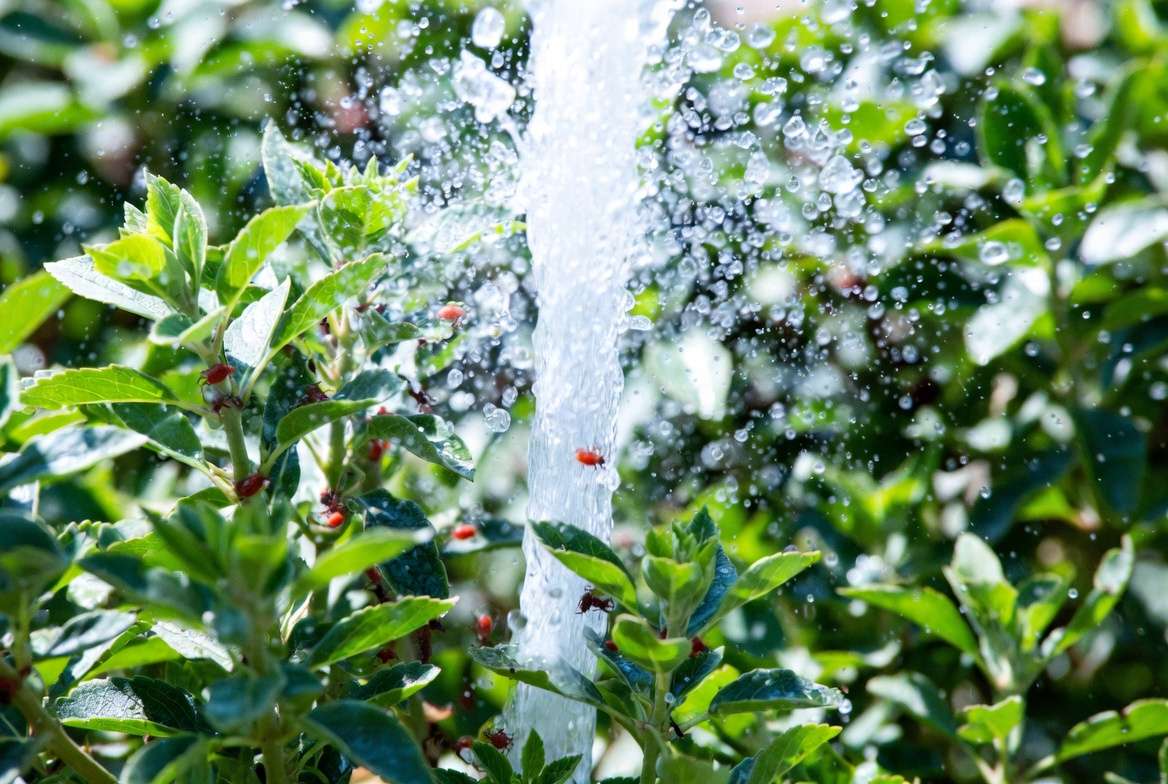
1. The Power Spray Technique A strong blast of water (using a hose nozzle or shower head for houseplants) dislodges mites and aphids. Focus on leaf undersides. Repeat every 2-3 days for a week. This simple method alone can reduce populations by 70-90% in light infestations. 💦
2. Neem Oil & Insecticidal Soap Mix 2 tsp neem oil + 1 tsp mild castile soap in 1 quart warm water. Spray thoroughly every 3-5 days. Neem disrupts feeding and reproduction without harming most beneficials when used correctly.
3. Homemade Remedies
- Rubbing alcohol (70% isopropyl) diluted 1:1 with water for spot treatment on succulents.
- Garlic or chili pepper sprays as deterrents.
Biological Controls – Nature’s Helpers
Introduce predatory mites or ladybugs for long-term control. Release them in the evening when temperatures are mild. One release can establish a self-sustaining population that keeps small red bugs on plants in check naturally.
Step-by-Step Treatment Plan for Heavy Infestations
- Day 1: Isolate affected plants. Thorough water spray + neem application. Prune heavily infested leaves (bag and dispose — do not compost).
- Day 3: Reapply treatment. Introduce biological controls if available.
- Day 7: Monitor and repeat as needed. Adjust based on progress.
- Ongoing: Maintain weekly inspections.
Safety Note: Always test sprays on a small leaf first to avoid burn, especially in hot sunlight.
Prevention Strategies – Stop Small Red Bugs Before They Return 🛡️
The best defense is a healthy, resilient garden.
Cultural Practices for Healthy, Resistant Plants
- Water consistently at the base to avoid stressing plants.
- Ensure good spacing and air circulation.
- Use balanced, organic fertilizers — avoid excess nitrogen.
- Mulch properly and maintain soil health with compost.
Early Warning Signs and Routine Monitoring
Create a weekly habit: Flip leaves, look for stippling or tiny moving dots. Catching small red bugs on plants early makes control dramatically easier.
Indoor Plant Care Tips
- Increase humidity with pebble trays or humidifiers (mites hate 60%+ humidity).
- Quarantine new plants for 2-3 weeks.
- Wipe leaves regularly with a damp cloth.
Bonus Prevention Checklist:
- 🌡️ Maintain proper temperature and humidity.
- ✂️ Prune for airflow.
- 🧼 Keep leaves dust-free.
- 🐞 Encourage natural predators.
Plant Recovery After Treatment – Helping Your Greens Bounce Back 🌱
After eliminating the pests:
- Remove damaged foliage cleanly.
- Apply a gentle balanced fertilizer once the plant stabilizes.
- Provide optimal light and water.
- Expect new healthy growth within 1-3 weeks for most plants.
Most plants recover fully with prompt care and love.
Safety Considerations and Common Mistakes to Avoid ⚠️
Always prioritize pet- and pollinator-safe options. Avoid broad-spectrum chemicals unless absolutely necessary. Common mistakes include treating the wrong pest, spraying in direct sun (causing leaf burn), or skipping follow-up applications.
Environmental Responsibility: Choose treatments that preserve the garden ecosystem whenever possible.
Case Studies & Real Gardener Success Stories 📖
Case 1: Sarah’s Indoor Jungle Rescue Sarah’s monstera collection was covered in small red bugs on plants after a dry winter. Using the power spray + neem protocol plus humidity boosts, she saved every plant within two weeks.
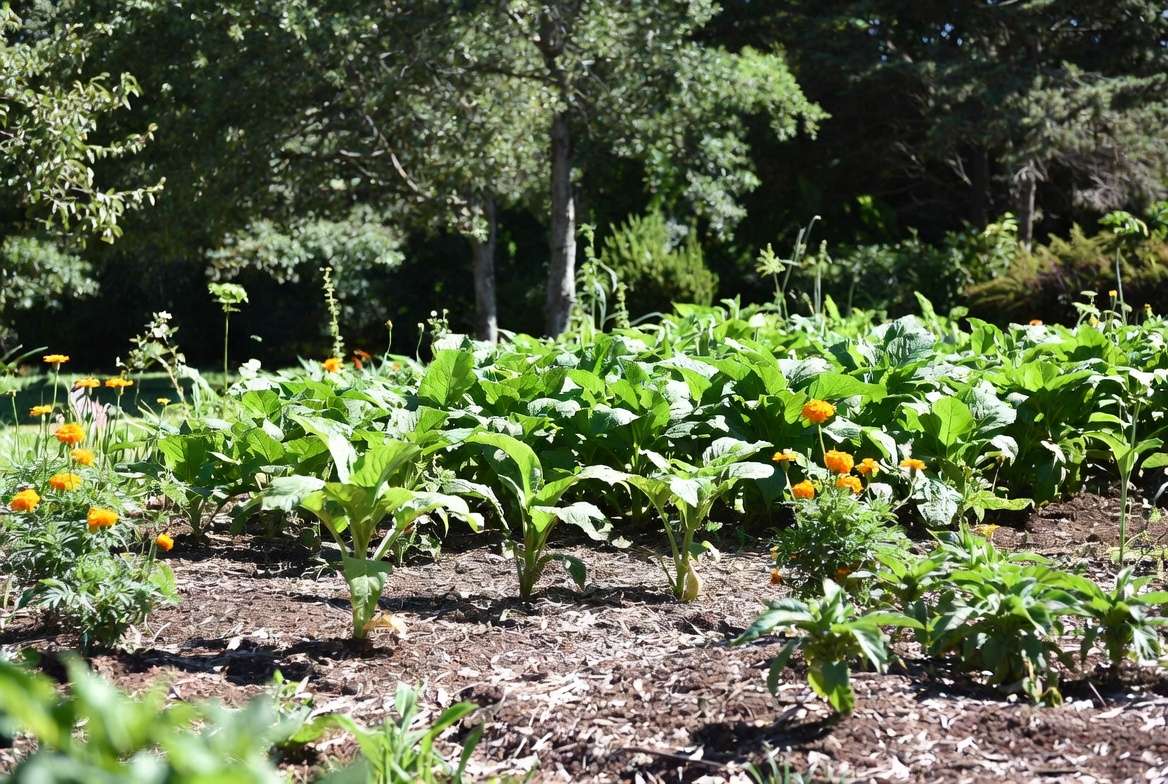
Case 2: Community Tomato Garden Turnaround A neighborhood plot faced heavy mite pressure in midsummer. Switching to biological controls and companion planting (marigolds, garlic) eliminated the problem and improved yields the following season.
These real-world examples prove that with the right knowledge, recovery is not only possible — it’s probable.
Conclusion
Dealing with small red bugs on plants doesn’t have to be overwhelming. By combining accurate identification, fast action, and smart prevention, you can protect your green companions effectively and naturally. Remember: healthy plants are your best defense.
Start today by inspecting your plants closely. With the strategies in this guide, you’re well-equipped to win the battle and enjoy a thriving garden or indoor oasis.
Share your success stories or questions in the comments — happy gardening! 🌿✨
FAQ Section ❓
1. What are the tiny red bugs on my plant leaves? Most often red spider mites or aphids. Use the identification guide above for confirmation.
2. Are small red bugs on plants harmful to humans? Generally no — they don’t bite or spread human diseases, though some people may experience mild skin irritation from large numbers of clover mites.
3. How do I get rid of small red bugs on plants naturally? Water sprays, neem oil, insecticidal soap, and predatory mites are highly effective natural options.
4. Can small red bugs kill my plants? Yes, if left untreated, especially on young or already stressed plants. Quick action prevents this.
5. Why do I keep getting small red bugs indoors? Low humidity and poor air circulation are the usual culprits. Improve conditions and quarantine new plants.
6. What’s the fastest way to treat red spider mites? Combine a strong water spray with neem oil applications and repeat consistently.
7. Are predatory mites the same as pest mites? No. Predatory mites are beneficial allies that eat pest mites.











