
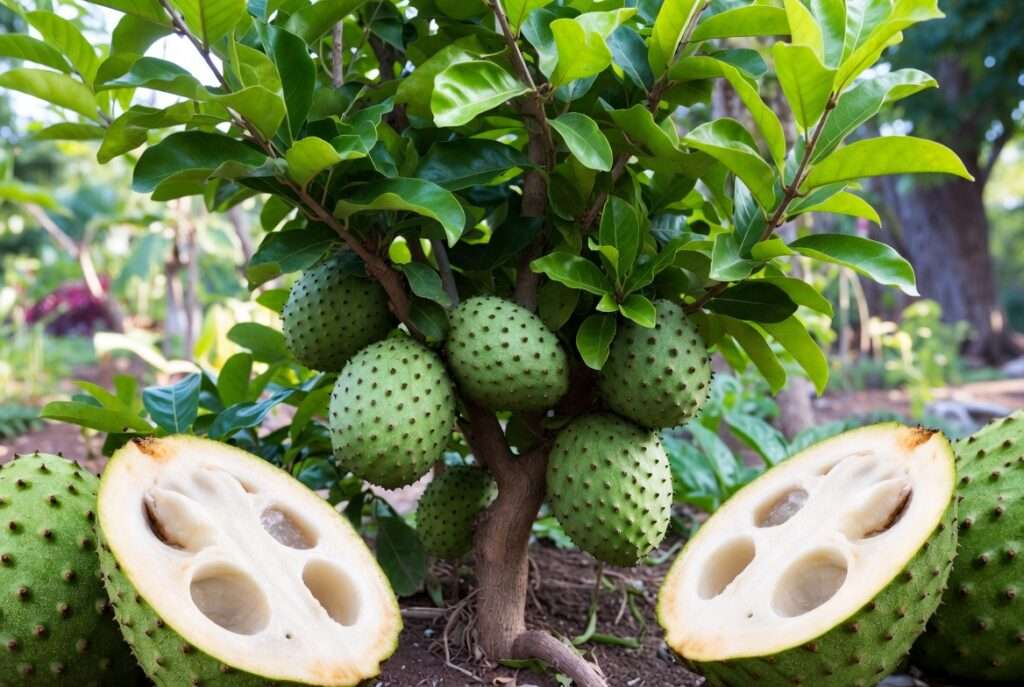
Imagine stepping into your backyard on a warm morning and plucking a large, spiky green fruit that tastes like a delightful mix of strawberry, pineapple, and citrus. That dream can become reality with successful soursop planting. Many gardening enthusiasts are drawn to this tropical treasure — also known as guanabana or graviola — for its unique flavor, impressive nutritional profile, and potential health benefits. Yet, despite its popularity, many first-time growers face challenges like poor germination, stunted growth, or disappointing harvests due to incorrect planting techniques or insufficient care.
As a horticulturist with over 15 years of experience cultivating tropical fruit trees in various climates, I’ve helped hundreds of home gardeners successfully establish thriving soursop orchards. This comprehensive guide distills proven methods, practical insights, and troubleshooting strategies to help you avoid common pitfalls and enjoy bountiful yields. Whether you’re a beginner with limited space or an experienced gardener expanding your collection, you’ll find everything you need here for healthy, productive soursop trees. 🌳
What Is Soursop and Why Grow It? 🌟
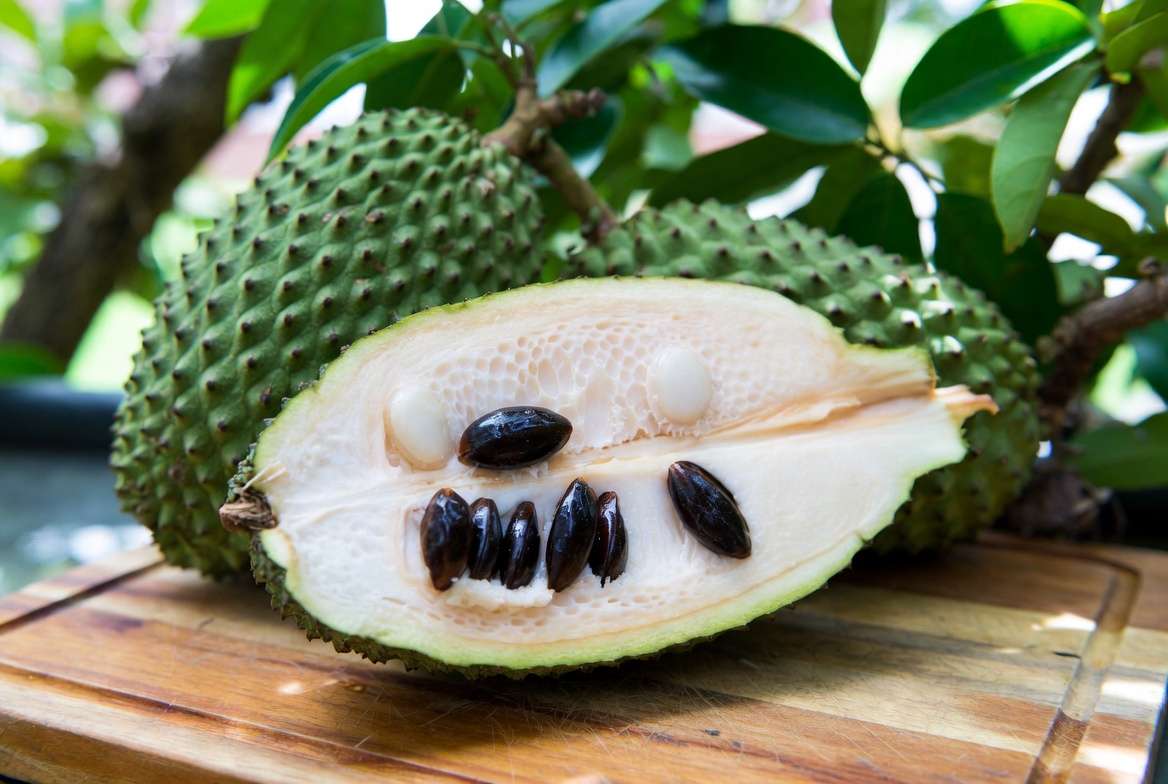
Soursop (Annona muricata) is a fast-growing evergreen tree native to the tropical regions of the Americas. It belongs to the Annonaceae family and is prized for its large, heart-shaped or oval fruits covered in soft spines. The creamy white flesh inside is aromatic, juicy, and versatile — perfect for fresh eating, smoothies, juices, ice creams, and even teas.
Beyond its delicious taste, soursop offers significant nutritional value. The fruit is rich in vitamin C, vitamin B complex, fiber, and antioxidants. Traditional medicine has long used various parts of the tree for their potential anti-inflammatory, antimicrobial, and immune-supporting properties. Modern research continues to explore these benefits, making soursop a favorite among health-conscious gardeners.
Growing your own soursop trees provides several advantages:
- Freshness and Flavor: Tree-ripened fruits taste far superior to store-bought ones.
- Cost Savings: Reduce grocery bills while enjoying organic produce.
- Sustainability: Support biodiversity and reduce your carbon footprint with homegrown tropical fruits.
- Ornamental Value: The glossy green leaves and unique fruits make soursop trees attractive landscape additions.
For many, the biggest motivation is the joy of harvesting your own exotic fruit. With proper soursop planting and care, a single mature tree can produce dozens of fruits per season.
Ideal Growing Conditions for Soursop Trees 🌍
Success in soursop planting starts with understanding the tree’s natural preferences. Soursop thrives in warm, humid tropical and subtropical climates but can adapt to certain temperate areas with protection.
Climate and Temperature Requirements Soursop trees prefer consistent temperatures between 75°F and 85°F (24°C–29°C). They are highly sensitive to frost — even brief exposure below 40°F (4°C) can damage young trees or reduce fruit production. Ideal USDA hardiness zones are 9–11. In cooler regions, growers often use greenhouses, large containers for mobility, or plant near south-facing walls for warmth.
Sunlight, Wind, and Space Needs Plant your soursop tree in a location receiving at least 6–8 hours of direct sunlight daily. Partial shade is tolerable in extremely hot climates but may slow growth and reduce yields. Choose a spot protected from strong winds, as the branches are somewhat brittle. Mature trees can reach 15–30 feet (4.5–9 meters) tall and wide, so plan for adequate spacing — at least 10–15 feet from buildings or other trees.
Soil Requirements Well-draining soil is non-negotiable for healthy soursop roots. The tree prefers slightly acidic soil with a pH between 5.5 and 6.5. Sandy loam or loamy soils enriched with organic matter perform best. Heavy clay soils lead to root rot, a common killer of young trees.
Pro Tip: Conduct a simple soil test before planting. Amend poor soil with compost, aged manure, and perlite or coarse sand to improve drainage and fertility. Raised beds or mounds are excellent solutions in areas with heavy rainfall. 🧪
Choosing the Best Soursop Planting Method 🪴
One of the most critical decisions in your soursop planting journey is selecting the propagation method. Each has distinct advantages depending on your timeline and resources.
Growing from Seeds This is the most accessible and budget-friendly option. Seeds from ripe, healthy fruits germinate readily but may take 2–4 weeks to sprout. Steps:
- Extract seeds from fully ripe fruit.
- Clean off the pulp and air-dry for 1–2 days.
- Plant immediately (viability decreases quickly) in moist, well-draining seed-starting mix.
- Maintain warmth (80°F+) and consistent moisture.
Pros: Inexpensive, genetically diverse. Cons: Longer time to fruit (often 3–5 years), variable quality.
Using Seedlings or Grafted Trees For faster results, purchase healthy seedlings or grafted varieties from reputable nurseries. Grafted trees often fruit within 1–3 years and offer superior traits like disease resistance or higher yields. This method is highly recommended for beginners seeking reliable outcomes.
Propagating from Cuttings An advanced technique best suited for experienced gardeners. Semi-hardwood cuttings treated with rooting hormone can develop roots in 4–8 weeks under high humidity. Success rates improve with bottom heat and misting systems.
Comparison Table (for quick reference):
| Method | Time to Fruit | Difficulty | Cost | Success Rate |
|---|---|---|---|---|
| Seeds | 3–5 years | Easy | Low | High |
| Seedlings/Grafted | 1–3 years | Medium | Medium | Very High |
| Cuttings | 2–4 years | Advanced | Low-Medium | Medium-High |
Recommendation: Start with grafted seedlings if possible for the best balance of speed and reliability in your soursop planting project.
Step-by-Step Soursop Planting Instructions 🌱
Timing matters greatly. The best time for soursop planting is at the beginning of the rainy season or spring in temperate areas, when consistent moisture supports root establishment.
Site Selection and Preparation Choose a sunny, sheltered spot with good drainage. Clear weeds and grass in a 3–4 foot diameter circle. Dig a hole twice as wide as the root ball but no deeper than the root crown.
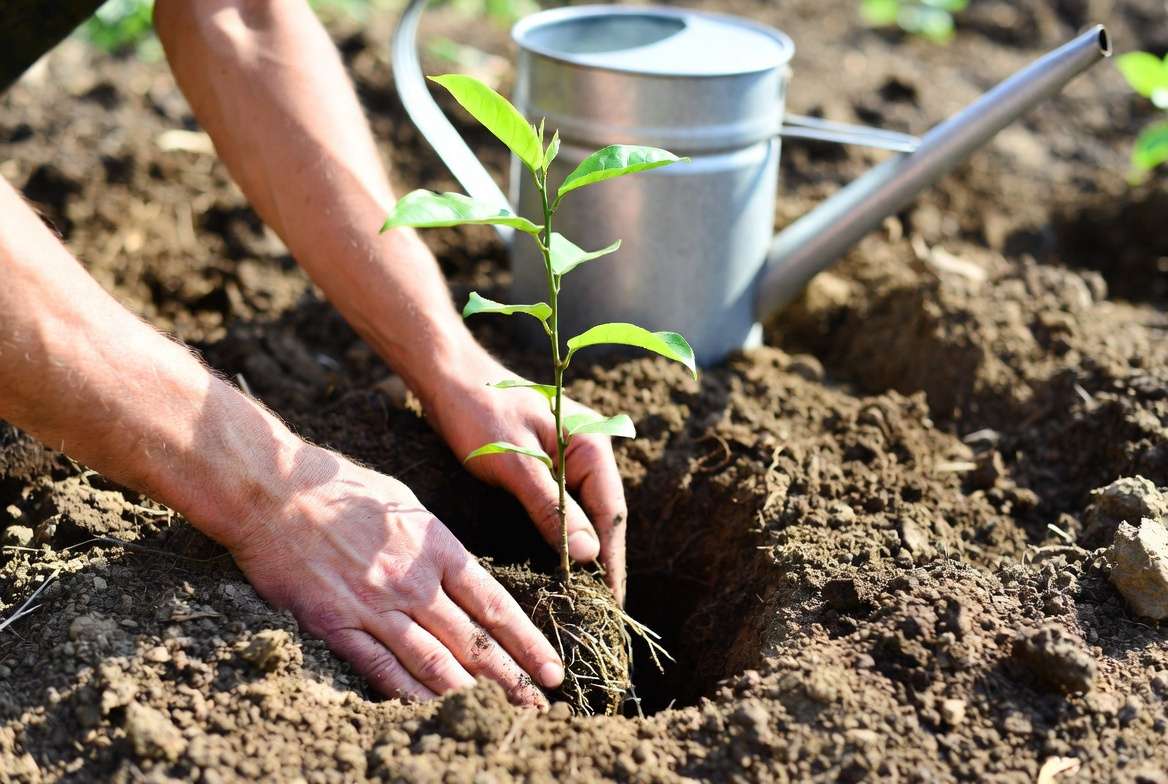
How to Plant Soursop Seeds or Seedlings
- Gently remove the plant from its container and loosen outer roots.
- Position the tree so the root crown sits slightly above soil level.
- Backfill with amended native soil mixed with compost.
- Firm the soil gently and create a watering basin around the base.
- Water thoroughly until the soil is moist but not waterlogged.
- Apply a 2–3 inch layer of organic mulch (avoid touching the trunk).
Spacing and Companion Planting Space trees 12–15 feet apart in rows. Good companions include banana plants, citrus, or nitrogen-fixing legumes that improve soil health without competing heavily for resources.
Essential Care Tips for Thriving Soursop Trees 💧🌿
Consistent care after planting is what separates struggling trees from productive ones. Soursop trees are relatively low-maintenance once established, but the first 1–2 years require attentive nurturing.
Watering Schedule and Techniques Young trees need deep, regular watering — about 1–2 inches per week, depending on rainfall. Water slowly at the base to encourage deep root growth. Established trees are more drought-tolerant but produce better fruit with consistent moisture, especially during flowering and fruit development.
Signs of underwatering include wilting leaves and leaf drop. Overwatering leads to yellowing and root rot. Use drip irrigation or soaker hoses for efficiency, particularly in drier climates. Mulch helps retain soil moisture and regulate temperature.
Fertilizing for Optimal Growth Feed your soursop tree with a balanced, slow-release fertilizer (such as 10-10-10 or organic equivalents) every 6–8 weeks during the growing season. Increase potassium and phosphorus as the tree matures to support flowering and fruiting.
Organic options like compost tea, worm castings, and well-rotted manure are excellent for building long-term soil health. Avoid over-fertilizing, which can cause excessive leafy growth at the expense of fruit.
Pruning and Training Your Tree Prune lightly in the first year to establish a strong framework with 3–4 main branches. Remove dead, damaged, or crossing branches annually. Pruning after harvest encourages new growth for the next season. Keep the tree at a manageable height (8–12 feet) for easier harvesting if space is limited.
Mulching and Weed Control Maintain a 3–4 inch layer of organic mulch (wood chips, straw, or leaves) in a donut shape around the tree. This suppresses weeds, retains moisture, and adds nutrients as it decomposes. Keep mulch away from the trunk to prevent rot. Hand-pull weeds or use cardboard barriers for eco-friendly control.
Managing Pests, Diseases, and Common Problems 🛡️
Even healthy soursop trees can face challenges. Early detection and organic methods keep problems manageable.
Common Pests
- Aphids and Mealybugs: Sap-sucking insects that cause distorted leaves. Control with neem oil sprays, insecticidal soap, or introducing beneficial insects like ladybugs.
- Fruit Flies: Major threat to ripening fruit. Use traps, bagging individual fruits, or timely harvesting.
- Scale Insects: Appear as waxy bumps on stems. Horticultural oil is effective.
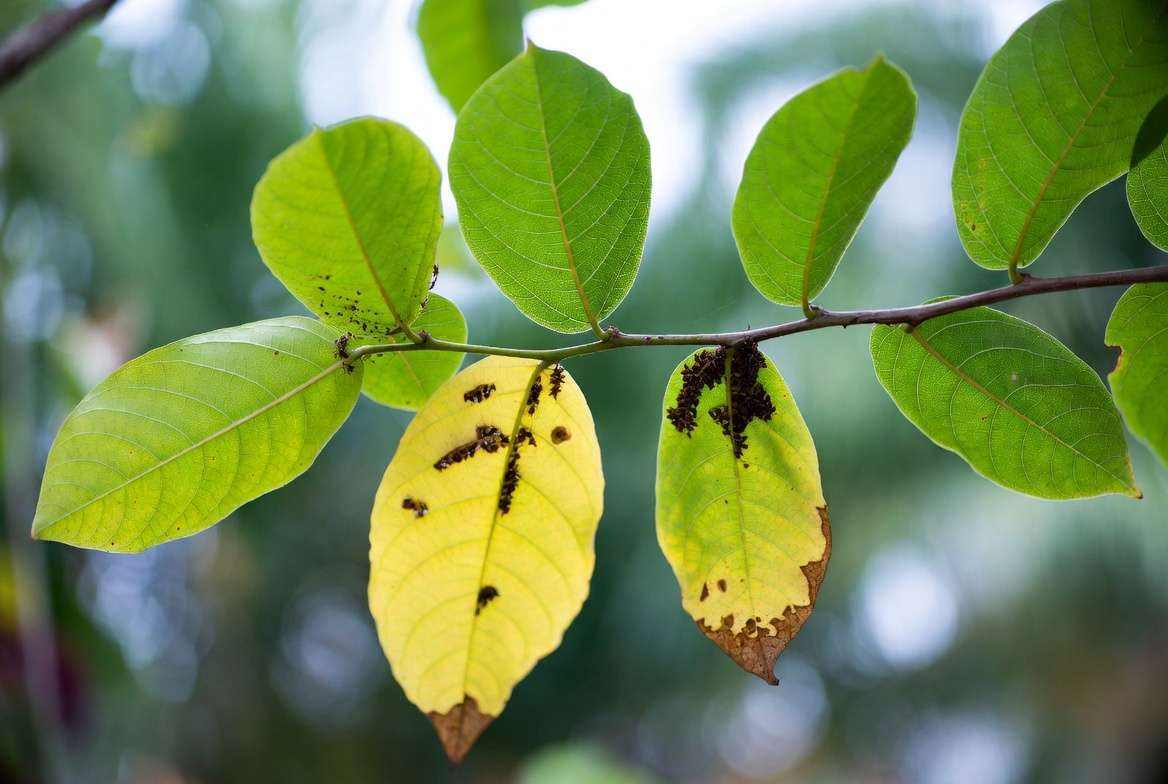
Major Diseases Root rot (from poor drainage) is the most common issue. Prevent by planting in raised areas and avoiding overwatering. Anthracnose causes dark spots on leaves and fruit — improve air circulation and apply copper-based fungicides if needed.
Troubleshooting Guide
- Yellow Leaves: Often nitrogen deficiency or overwatering. Adjust fertilizer and check drainage.
- No Flowers/Fruit: Insufficient sunlight, potassium deficiency, or young tree (be patient!). Hand-pollination can help.
- Leaf Drop: Normal during dry periods or transplant shock; increase watering consistency.
Create a simple monthly inspection routine: Check undersides of leaves, soil moisture, and overall vigor. Healthy soursop trees show vibrant green foliage and steady new growth.
Pollination, Flowering, and Fruit Development 🍈✨
Soursop flowers are fragrant and emerge directly on branches or the trunk. They open at night and are primarily pollinated by beetles and other nocturnal insects. In areas with low natural pollinator activity, hand-pollination boosts success rates significantly.
How to Hand-Pollinate: Use a small soft brush to transfer pollen from male to female parts of the flowers during early morning hours.
Flowering typically begins 1–3 years after planting for grafted trees. Fruits develop over 3–6 months, growing large (up to 8–10 pounds each). A single tree can yield 20–50+ fruits annually once mature.
Monitor for fruit set and thin excess young fruits to ensure larger, higher-quality produce.
Harvesting and Enjoying Your Soursop Fruits 🌟
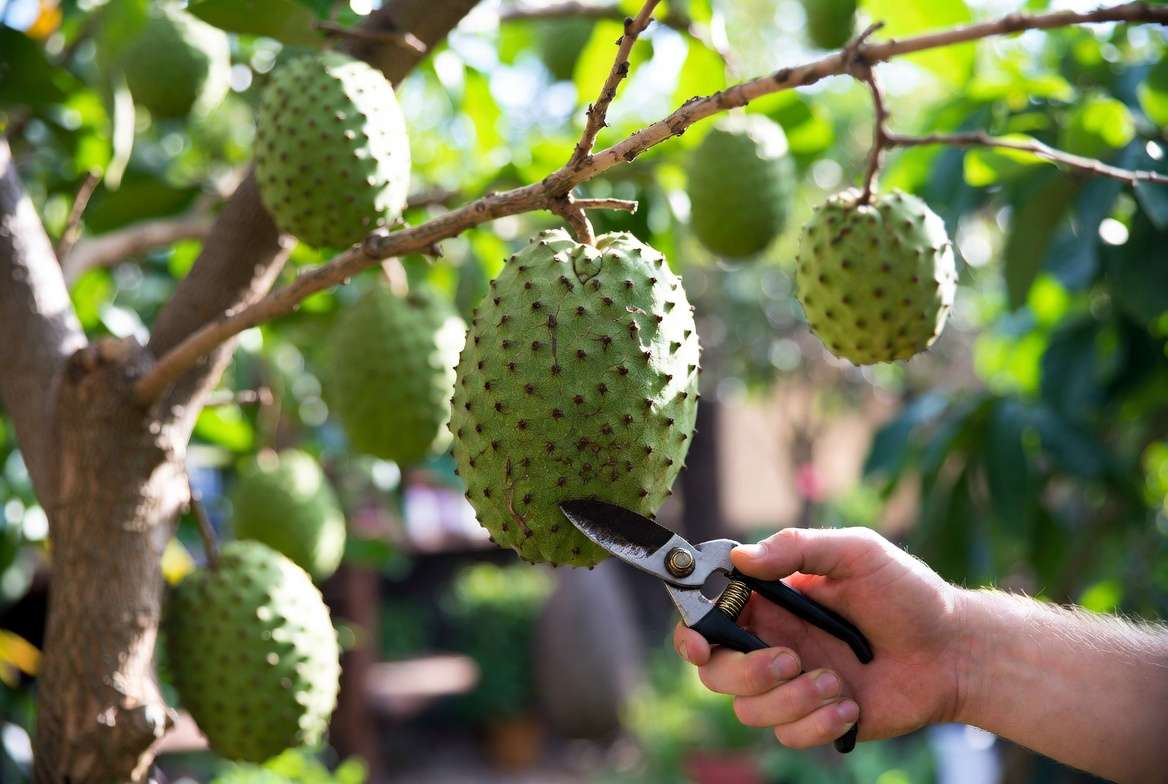
Harvesting at the right time is an art. Fruits are ready when the skin changes from dark green to a lighter yellowish-green and yields slightly to gentle pressure. They ripen fully off the tree — pick when firm and allow 2–4 days at room temperature.
Best Practices:
- Use pruning shears with a long handle to cut fruits with a short stem.
- Handle carefully to avoid bruising the soft spines.
- Store ripe fruit in the refrigerator for up to 3–4 days.
The flesh is best eaten fresh or blended. Popular recipes include soursop smoothies (blend with milk or coconut water), sorbet, and herbal teas from the leaves. Some gardeners dry the pulp or freeze it for year-round enjoyment.
Advanced Soursop Growing Techniques for Higher Yields 🌟
Once your basic soursop planting is established, you can explore advanced methods to maximize productivity and adapt to various growing conditions.
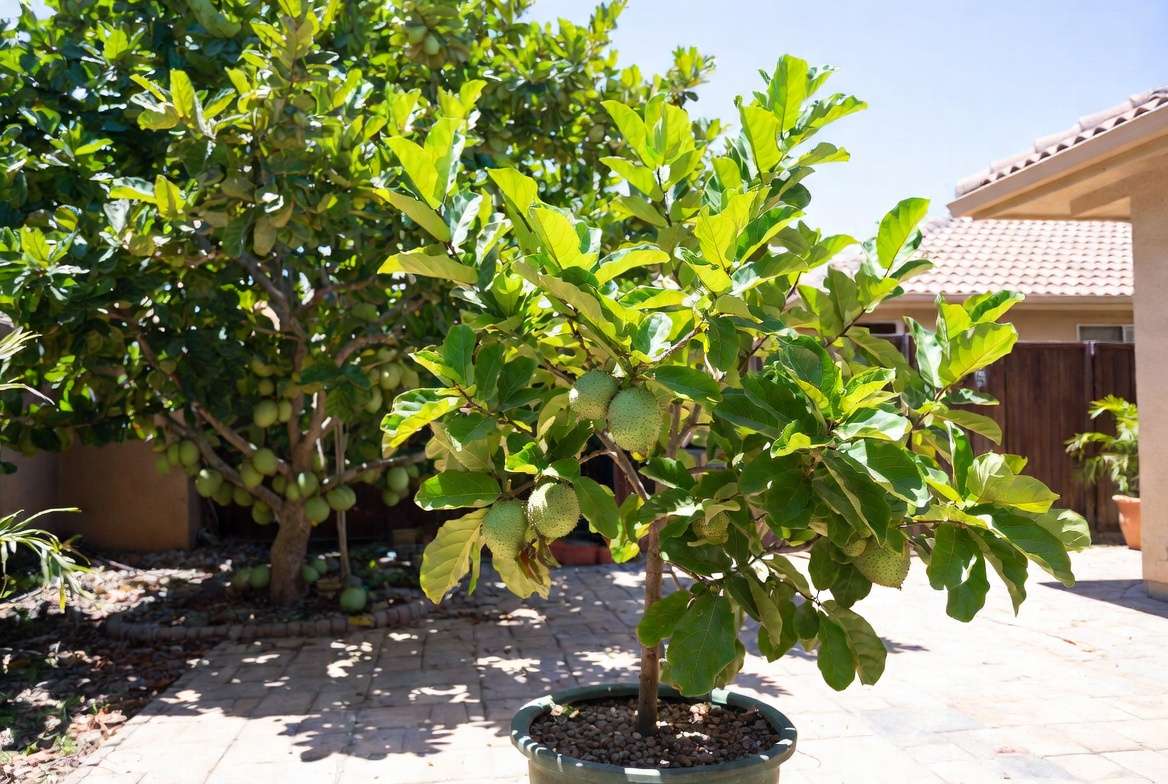
Container Growing for Small Spaces or Patios Soursop trees adapt well to large containers (minimum 20–25 gallons) with excellent drainage. Use high-quality potting mix amended with perlite. Container-grown trees require more frequent watering and feeding but allow gardeners in colder climates to move plants indoors during winter. Choose dwarf or compact varieties when available for best results.
Grafting Methods for Improved Varieties Grafting lets you combine the best traits — disease resistance from one rootstock with superior fruit quality from another. Common techniques include cleft grafting and whip-and-tongue grafting. Perform grafts during active growing seasons when sap is flowing. With practice, success rates exceed 70–80%.
Seasonal Care Adjustments
- Dry Season: Increase watering and apply thick mulch.
- Rainy Season: Ensure excellent drainage and monitor for fungal issues.
- Fertilization Schedule: Reduce nitrogen in late season to promote flowering.
Sustainable and Organic Practices Incorporate companion planting with marigolds (for pest deterrence), legumes (for nitrogen fixation), and aromatic herbs. Create a mini-ecosystem that attracts pollinators and beneficial insects. Compost all garden waste to close the nutrient loop. Many experienced growers report healthier trees and better-tasting fruit when using fully organic systems.
Frequently Asked Questions (FAQs) ❓
How long does it take for a soursop tree to bear fruit? Grafted trees often produce fruit within 1–3 years, while seed-grown trees may take 3–5 years or longer. Patience and proper care are key!
Can soursop grow in pots? Yes! Container growing is popular for patios and balconies. Choose a large pot, ensure good drainage, and provide consistent care. Repot every 2–3 years or refresh the soil.
Is soursop planting suitable for beginners? Absolutely. With the step-by-step guidance in this article, even novice gardeners can succeed. Start with a healthy seedling and focus on proper site selection and watering.
How cold can soursop trees tolerate? They are sensitive to temperatures below 40°F (4°C). Protect young trees with frost cloth or move potted trees indoors when cold snaps are forecast.
What are the best soursop varieties for home gardens? Look for ‘Cuban Fiberless,’ ‘Red’ varieties, or locally adapted seedlings known for sweetness and productivity in your region.
Do soursop trees need a pollinator? They benefit from cross-pollination. Planting multiple trees or hand-pollinating improves fruit set.
How do I prevent fruit from dropping prematurely? Ensure consistent watering, adequate potassium, and protection from pests and wind.
Are soursop leaves safe to use for tea? Yes, dried leaves are commonly used in traditional herbal teas. Consult reliable sources and consume in moderation.
Conclusion
Successful soursop planting transforms your garden into a source of exotic, nutritious fruit and immense satisfaction. By following the detailed steps, care routines, and troubleshooting advice shared here, you’ll be well-equipped to grow healthy, productive trees that reward you for years to come.
Remember, gardening is a journey of learning and observation. Pay attention to your trees — they will “tell” you what they need through their leaves, growth rate, and flowering patterns. Start small, stay consistent, and celebrate every milestone, from the first green sprout to your very first harvest.
If you found this guide helpful, share your own soursop planting experiences in the comments below. What challenges have you faced, and what successes are you celebrating? For more expert plant care guides on tropical fruits, citrus, and home orchards, explore our other articles and subscribe to stay updated.
Happy planting — may your soursop trees flourish and your harvests be sweet and abundant! 🍈🌳✨











