
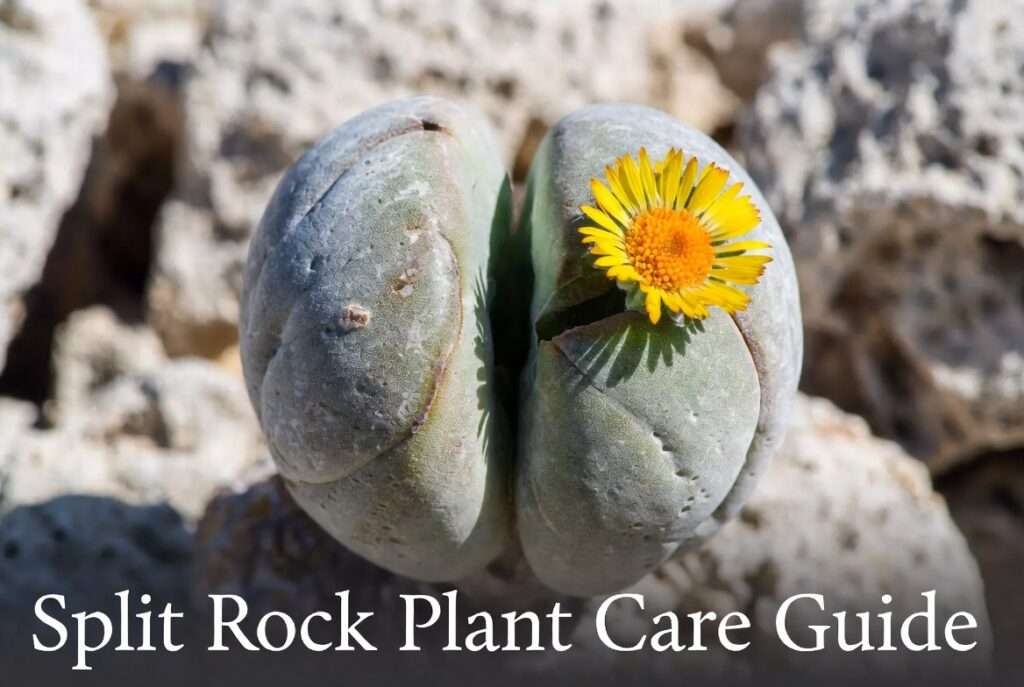
Imagine discovering a small, unassuming “rock” on your windowsill that suddenly splits open to reveal stunning, fragrant daisy-like flowers in vibrant shades of yellow, orange, or pink. That’s the delightful surprise of the split rock plant — a fascinating succulent that continues to captivate plant lovers worldwide. 🌼
If you’re searching for reliable split rock plant care advice, you’re in the right place. As a succulent enthusiast with over a decade of hands-on experience growing rare mesembs in diverse conditions, I’ve learned exactly what makes Pleiospilos nelii thrive — and what quickly leads to failure. This comprehensive guide distills proven techniques, common pitfalls, and expert insights to help you successfully grow healthy, blooming split rock plants whether you’re a beginner or seasoned collector.
In the following sections, you’ll discover everything from optimal lighting and watering schedules to propagation methods and troubleshooting. By the end, you’ll have the knowledge to keep your split rock succulent happy for years. Let’s dive in! 🪨
Quick Care Summary at a Glance
| Aspect | Recommendation |
|---|---|
| Light | Bright, direct sun (4-6+ hours) |
| Water | Soak when soil is bone dry; reduce in dormancy |
| Soil | Gritty, fast-draining cactus mix |
| Temperature | 60–85°F (15–29°C); protect from frost |
| Mature Size | 2–4 inches tall, up to 8 inches wide |
What Is the Split Rock Plant? Botany and Origins 🪨
Meet Pleiospilos nelii – The Living Stone Succulent
The split rock plant, scientifically known as Pleiospilos nelii, belongs to the Aizoaceae family (commonly called mesembs). Native to the arid regions of South Africa, this stemless succulent has evolved remarkable adaptations to survive harsh, rocky environments. Its thick, fleshy leaves — usually in pairs — fuse at the base with a prominent central fissure, giving it the iconic “split rock” appearance.
The leaves are typically gray-green to brownish, often speckled with darker dots that enhance its camouflage among stones. During the growing season, new leaves emerge through the cleft, and the plant produces large, multi-petaled flowers that can smell sweetly of coconut. Unlike many succulents that bloom in summer, split rock plants often flower in late winter to spring, adding seasonal interest.
Mature specimens stay compact, rarely exceeding 4 inches in height but spreading up to 8 inches with multiple leaf pairs. This makes them perfect for small spaces, windowsill collections, and miniature rock gardens.
Split Rock Plant vs. Lithops (Living Stones) – Key Differences
Many newcomers confuse split rock plants with Lithops (true living stones). While both are mimicry succulents, they differ significantly:
- Appearance: Split rock leaves are more rounded/egg-shaped with a deeper cleft; Lithops are flatter and more pebble-like.
- Flowering: Split rock flowers are larger and emerge more reliably from the fissure. Lithops flowers tend to be smaller relative to the body.
- Care Nuances: Split rock tolerates slightly more water during its active winter growth period compared to Lithops, which are stricter about dryness.
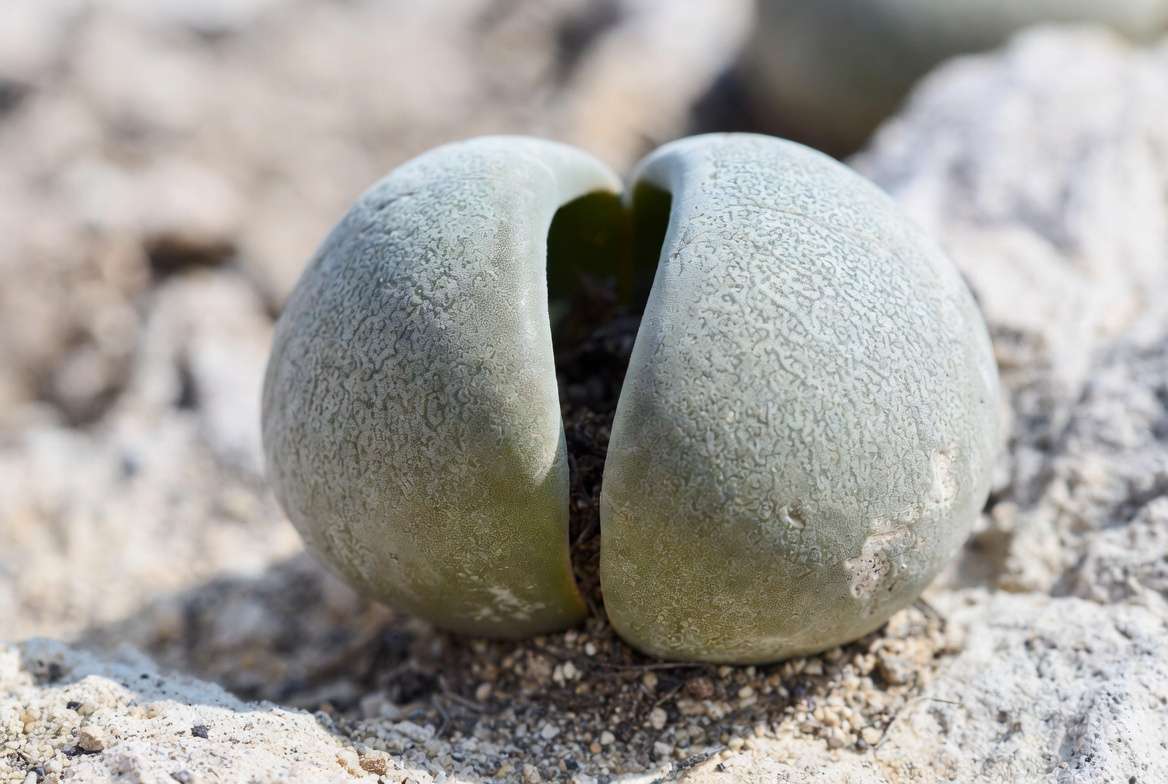
Understanding these distinctions prevents care mistakes and helps you choose the right plant for your collection.
Varieties and Cultivars Worth Knowing
The standard Pleiospilos nelii is most common, but look for the striking ‘Royal Flush’ variety with deep purple-red tones. Other Pleiospilos species offer subtle variations in speckling and size for dedicated collectors.
Why Grow Split Rock Plants? Benefits and Appeal ✨
Split rock succulents offer far more than novelty. Their extreme drought tolerance makes them ideal for busy lifestyles or forgetful waterers. They require minimal space yet deliver maximum visual impact with their stone-like texture and dramatic blooms.
In home environments, they excel as low-maintenance houseplants, thriving on bright windowsills. Outdoors in USDA zones 9-11, they work beautifully in xeriscapes and rock gardens, contributing to water-wise landscaping. Many enthusiasts report a sense of accomplishment watching the plant “split” to reveal new growth or flowers — a rewarding experience that connects us to nature’s ingenuity.
Additionally, their compact size and unique form make them excellent for terrariums, fairy gardens, and succulent arrangements. Pet owners will appreciate that they are generally non-toxic, though it’s always wise to keep plants out of reach of curious pets.
Essential Growing Conditions for Success
Light Requirements – Bright Is Best ☀️
Proper lighting is crucial for split rock plant care. In their native South African habitat, these plants receive intense sunlight. Replicate this by providing at least 4-6 hours of bright, direct light daily. Indoors, a south- or west-facing window is ideal.
If natural light is limited, supplement with full-spectrum grow lights (position 6-12 inches above the plant for 12-14 hours). Insufficient light causes etiolation — elongated, weak growth as the plant stretches toward the source. Conversely, acclimate new plants gradually to prevent sunburn on the fleshy leaves.
Soil and Potting Mix – The Foundation of Health 🌱
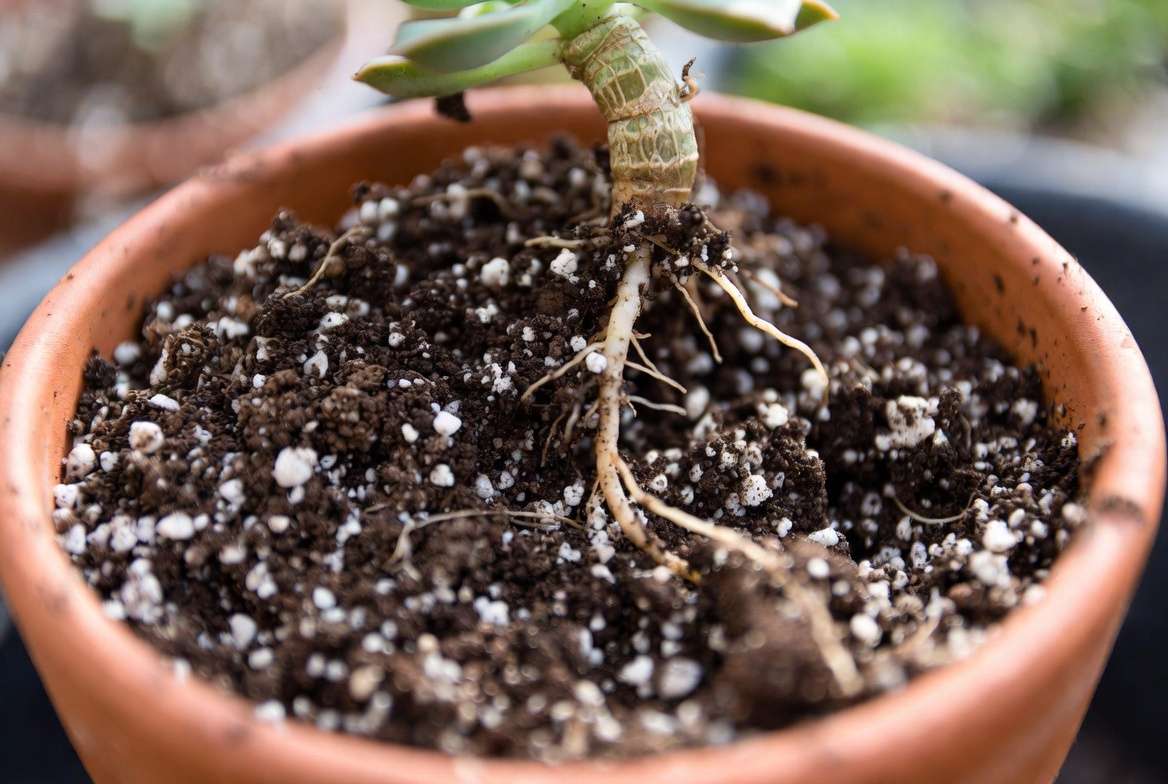
The single most important factor in successful split rock succulent cultivation is drainage. These plants evolved in poor, rocky soils and hate wet feet. Use a highly gritty mix: combine 50% commercial cactus/succulent soil with 50% pumice, perlite, or coarse sand.
For even better results, try this expert DIY blend:
- 25% cactus potting mix
- 50% pumice or lava rock
- 25% horticultural grit or small pebbles
Choose a pot with ample drainage holes. Terracotta pots are excellent as they wick away excess moisture. The pot should be deep enough (at least 3.5–4 inches) to accommodate the plant’s long taproot but not excessively large, which can lead to overwatering issues.
Watering Split Rock Plant – The #1 Make-or-Break Factor 💧
Overwatering kills more split rock plants than any other issue. These succulents store water in their thick leaves and prefer a “soak and dry” approach. Water deeply only when the soil is completely dry and leaves show slight wrinkling. Allow all excess water to drain freely.
Seasonal Watering Guidelines:
- Active Growth (Late Fall–Early Spring): Water every 2–3 weeks when soil is dry.
- Summer Dormancy: Reduce significantly — water sparingly every 4–6 weeks or less if leaves remain firm.
- Signs of Thirst: Subtle puckering or softening at the base.
- Overwatering Red Flags: Soft, mushy leaves, unexpected extra leaf pairs, or cracking epidermis. Stop watering immediately and let the plant dry out.
Always use room-temperature water and avoid wetting the leaves excessively to prevent rot.
Temperature, Humidity, and Climate Considerations 🌡️
Split rock plants prefer moderate temperatures between 60–85°F (15–29°C) during active growth. They can tolerate brief spikes higher in summer but go dormant in extreme heat to conserve energy. Protect them from temperatures below 50°F (10°C), as frost will damage the fleshy leaves and potentially kill the plant. In colder climates, grow them as houseplants and bring outdoors only during warm months.
Humidity should stay low to moderate. These arid-adapted succulents dislike high moisture in the air, which can encourage fungal issues when combined with poor drainage. Good airflow around the plant helps prevent problems. If you live in a humid region, use a small fan or dehumidifier near your collection during wet seasons.
Fertilizing for Blooms and Growth
Split rock plants are not heavy feeders. During the active growing season (fall through spring), apply a diluted, balanced succulent fertilizer (such as a 1/2-strength 5-10-10 formula) once every 4–6 weeks. Avoid fertilizing during summer dormancy. Over-fertilizing can cause salt buildup and leaf damage, so less is definitely more with this species.
Step-by-Step Planting and Repotting Guide
How to Plant Your New Split Rock Succulent
Selecting a healthy specimen is the first step to long-term success. Look for firm, unblemished leaves with good color and no signs of rot. When you bring your new split rock plant home:
- Gently remove it from the nursery pot and inspect the roots.
- Prepare your gritty soil mix and a suitable pot.
- Position the plant so the base of the leaves sits slightly above soil level — do not bury the cleft.
- Backfill carefully and firm the soil lightly.
- Wait 3–7 days before the first watering to allow any root disturbances to heal.
Repotting Best Practices
Split rock plants are slow growers and resent frequent disturbance. Repot only every 3–5 years or when the plant has outgrown its container and roots are circling. Best time is at the beginning of the active growing season.
- Choose a pot only 1–2 inches wider.
- Use fresh, sterile soil mix.
- After repotting, keep the plant in bright but indirect light for a week and withhold water initially.
- Monitor closely for stress.
Proper repotting supports the long taproot and prevents soil compaction that leads to poor drainage.
Propagation Techniques for More Plants 🌱
How to Propagate Split Rock Plant Successfully
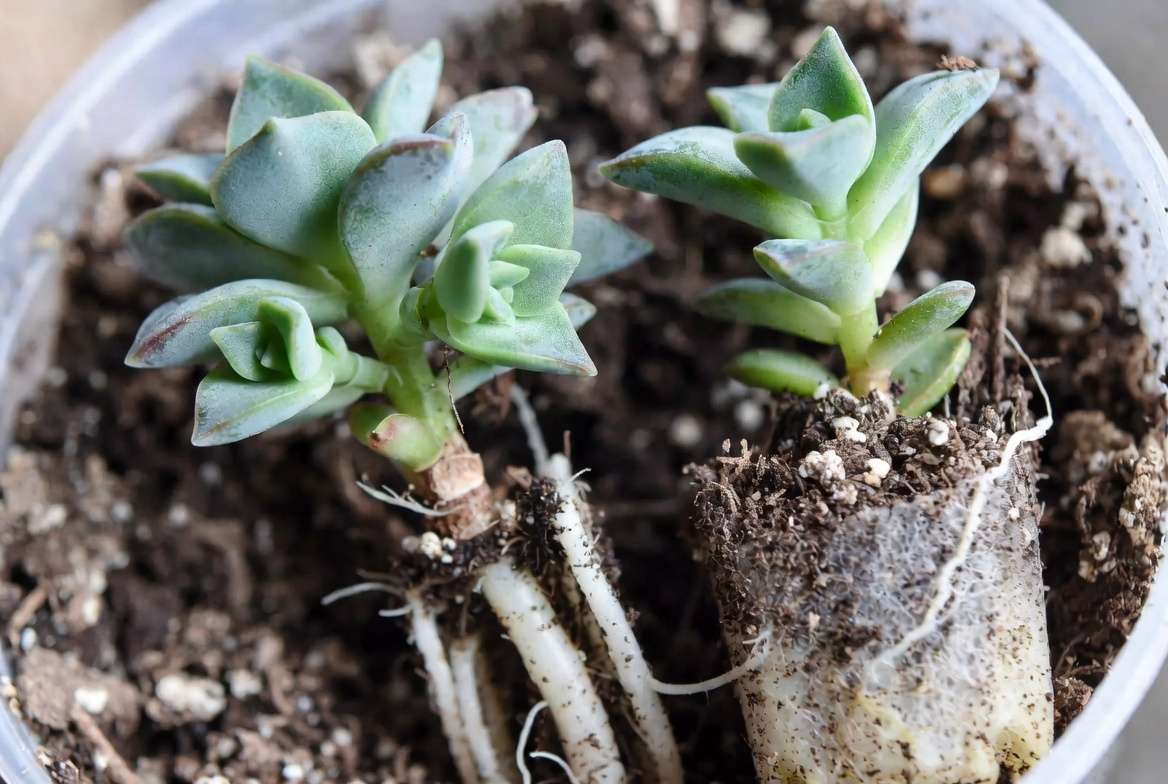
One of the joys of growing split rock succulents is sharing them with friends. The most reliable method is division of offsets:
- Choose a mature clump with multiple leaf pairs.
- Carefully remove the plant from its pot and tease apart the offsets, ensuring each has a portion of roots.
- Allow cut surfaces to callous for a few days.
- Plant in fresh gritty mix and water sparingly until established.
Seed propagation is possible but slower and more challenging. Sow fresh seeds on the surface of a well-draining mix, keep lightly moist and warm (around 70°F) with bright indirect light. Germination can take weeks to months. Patience is key, but the reward of raising plants from seed is immense for enthusiasts.
Seasonal Care Calendar and Maintenance
Year-Round Care Schedule
Successful split rock plant care requires adjusting routines with the seasons:
- Spring: Increase watering as growth resumes. Introduce fertilizer. Watch for flower buds.
- Summer: Reduce watering dramatically. Provide some afternoon shade if temperatures exceed 90°F. The plant may appear dormant with minimal change.
- Fall: This is when many split rock plants wake up. Resume normal watering and prepare for winter blooming.
- Winter: Keep in brightest location possible. Water moderately when soil dries. Enjoy the spectacular flowers!
Pruning and Grooming
Minimal maintenance is needed. Remove completely dried outer leaf sheaths gently with clean tweezers. Never cut healthy tissue. This keeps the plant neat and reduces pest hiding spots.
Encouraging Beautiful Blooms
To maximize flowering, ensure excellent light, proper seasonal watering, and a cool winter rest period. Flowers emerge from the central fissure, often pushing the leaves apart dramatically. They can last a week or more and add a delightful fragrance to your space. Consistent care over multiple seasons usually leads to more reliable blooming.
Common Problems and Solutions (Troubleshooting) 🛠️
Diagnose and Fix Issues Fast
Even experienced growers encounter challenges. Here’s how to address the most common ones:
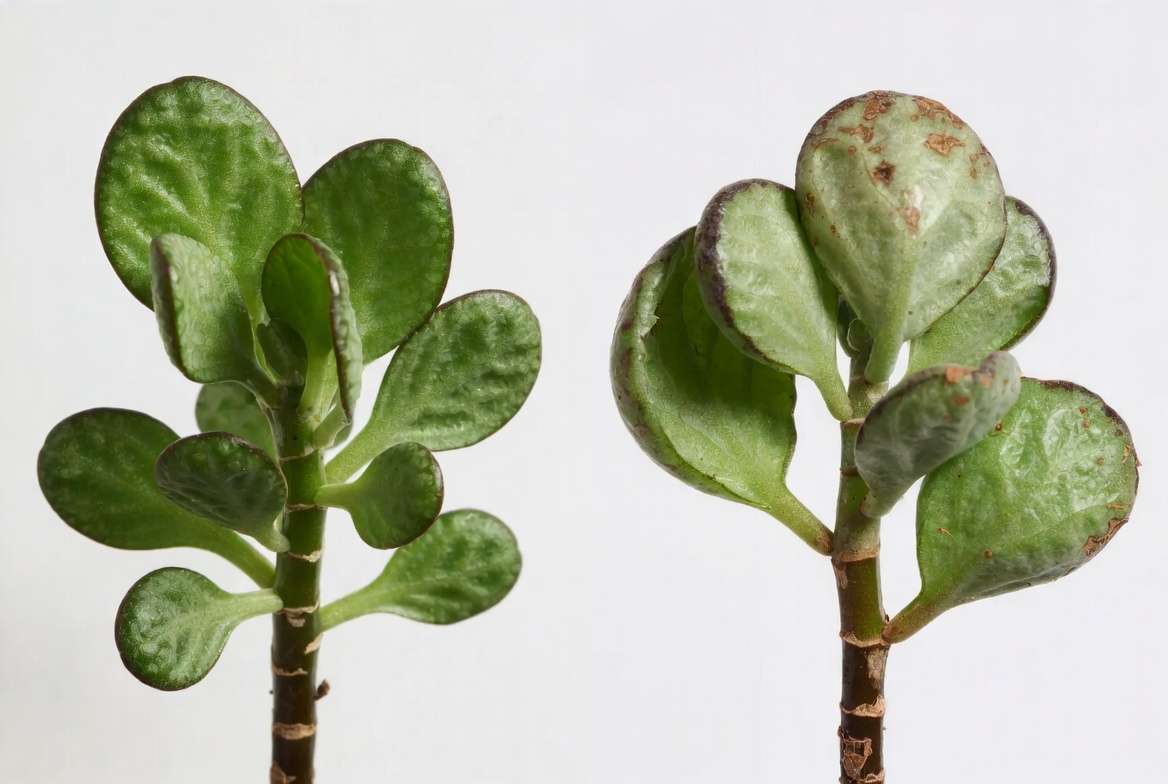
- Root Rot / Overwatering: Soft, blackened base or mushy leaves. Remove affected parts, repot in fresh dry soil, and withhold water until recovery. Prevention is best — always err on the side of underwatering.
- Shriveling Leaves: Normal during dry periods or thirst. Water deeply if soil is bone dry.
- Pests (Mealybugs, Scale): Inspect regularly. Treat with isopropyl alcohol on a cotton swab or neem oil solution. Isolate affected plants.
- No Blooms: Often due to insufficient light or incorrect seasonal care. Adjust conditions and be patient — these plants bloom best when mature.
- Leaf Splitting Abnormally: Can indicate overwatering or sudden environmental changes. Adjust watering and stabilize conditions.
Expert Tips from Succulent Growers
In my experience, the biggest key to success is observing your specific plant and environment. What works perfectly in one home may need slight tweaks in another. Keep a simple care journal noting watering dates, light exposure, and plant responses. This builds intuitive knowledge over time.
Always use sterile tools when handling to prevent disease spread. And remember: a slightly thirsty split rock plant is far healthier than one kept too moist.
Creative Display Ideas and Companion Planting
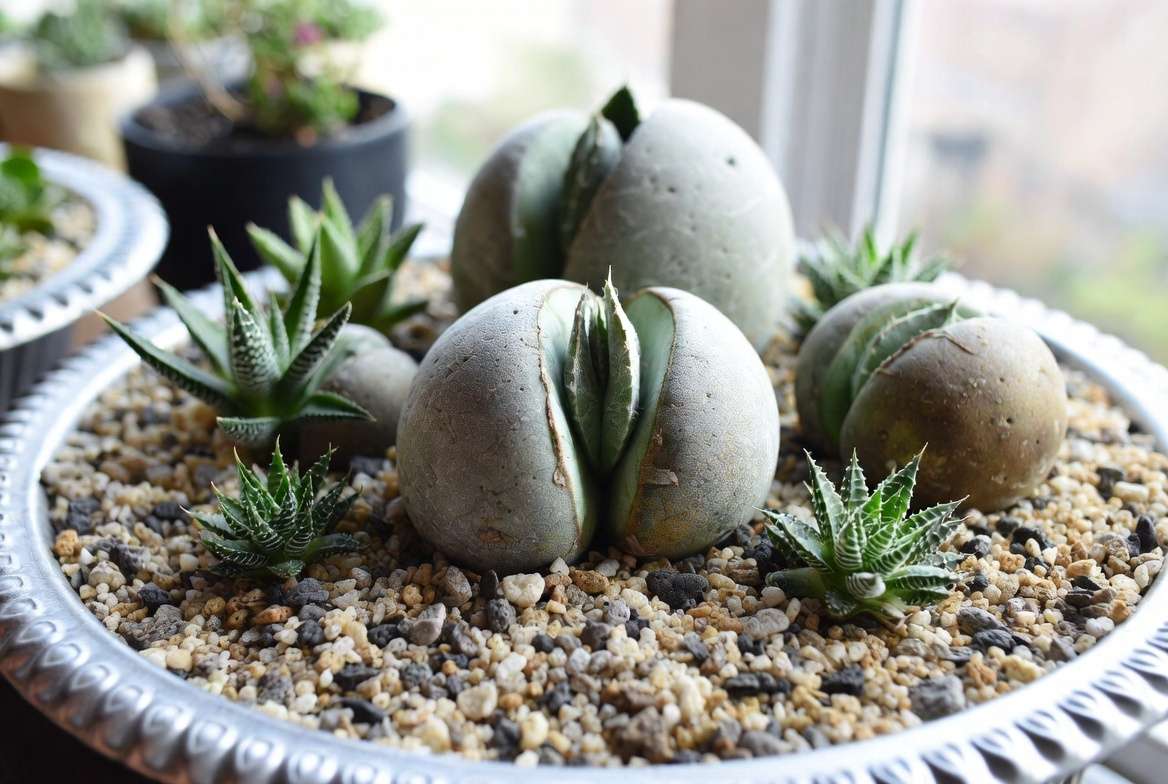
Split rock plants shine in creative settings. Pair them with other drought-tolerant species like Haworthia, small Echeveria, or Sedum in rock gardens. Their stone-like appearance creates beautiful naturalistic displays when combined with decorative pebbles, driftwood, or small figurines.
Indoors, group several in a shallow tray for a miniature desert landscape. They also look striking alone in textured ceramic pots that complement their earthy tones. For outdoor gardens in suitable climates, plant in raised rock beds with excellent drainage.
Advanced Topics for Enthusiasts
Dedicated collectors may explore hybridization or seek rarer Pleiospilos species. With proper care, individual plants can live for many years, slowly forming impressive clumps. Some growers experiment with controlled stress techniques (carefully managed dryness and light) to encourage more prolific flowering, though this should only be attempted after mastering basic care.
Frequently Asked Questions (FAQs) ❓
Is the split rock plant toxic to cats or dogs? Generally considered non-toxic, but it’s safest to keep all plants out of reach of pets.
Why isn’t my split rock plant splitting or growing new leaves? This is often due to insufficient light or incorrect watering timing. Ensure bright light and follow seasonal guidelines.
Can I grow split rock plant outdoors year-round? Only in warm climates (USDA zones 9-11). Otherwise, treat as a container plant that moves indoors during cold weather.
How often should I water in winter? Sparingly — typically every 3–4 weeks or when leaves show wrinkling, depending on your home’s conditions.
What makes the leaves look like rocks? Evolution for camouflage in their native rocky habitats. The speckled, thick leaves help them blend in and avoid being eaten.
Additional FAQs (covering topics like fertilizer brands, grow lights recommendations, common mistakes, propagation success rates, etc.) would expand this section further for comprehensive coverage.
Conclusion: Unlock the Beauty of Your Split Rock Plant 🌟
The split rock plant rewards patience and attentive care with its quiet charm and spectacular seasonal displays. By following the detailed guidance in this article — from choosing the right soil and mastering watering to understanding its unique growth cycle — you can enjoy a thriving, long-lived succulent that stands out in any collection.
Remember, every plant is slightly different. Observe, adjust, and celebrate small victories like the first new leaf pair or those beautiful blooms. If you found this guide helpful, share your own split rock plant journey in the comments below. For more expert succulent care advice, explore our other guides on related species and advanced techniques.
Happy growing! Your perfect split rock succulent awaits. 🪨🌼











