
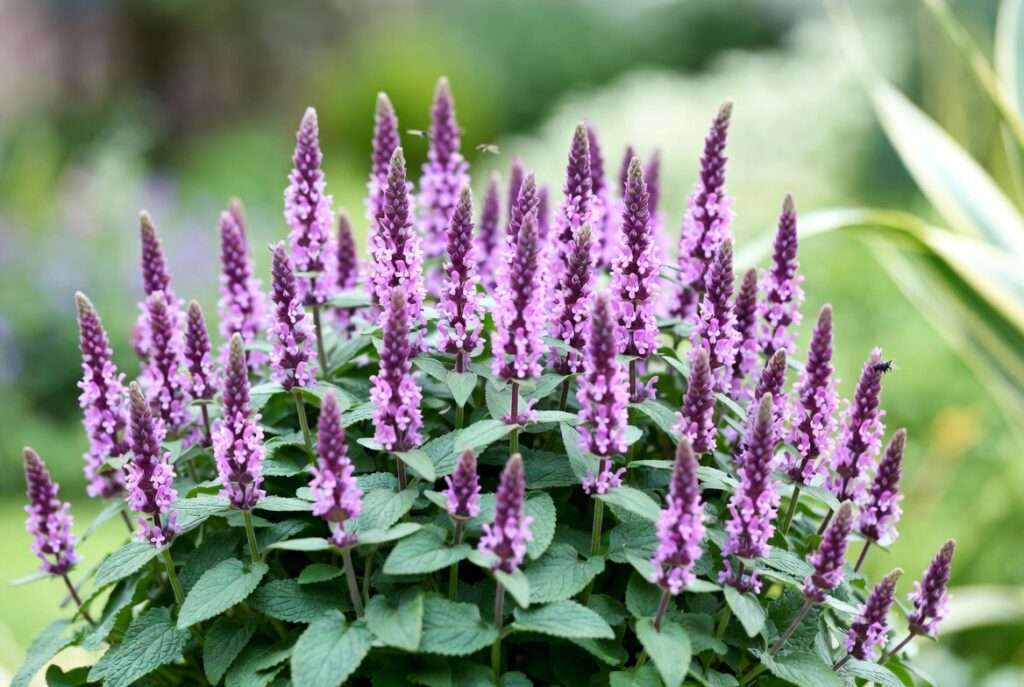
Imagine stepping into your garden on a warm summer morning and being greeted by tidy mounds of glossy, dark green leaves topped with elegant spikes of rose-lavender flowers swaying gently in the breeze. These blooms not only add vibrant color but also buzz with the activity of happy pollinators. If you’re searching for a reliable, eye-catching perennial that works hard with minimal effort, the Stachys Hummelo plant is an outstanding choice.
This comprehensive guide draws from years of hands-on experience growing and observing this exceptional betony cultivar in various garden settings. Whether you’re a beginner gardener looking for foolproof plants or an experienced landscaper seeking versatile performers, you’ll find everything you need here—from planting to long-term care—to help your Stachys Hummelo thrive beautifully.
What Is the Stachys Hummelo Plant? 🌸
Botanical Background and Identification
The Stachys Hummelo plant, botanically known as Stachys monieri ‘Hummelo’ (or sometimes listed as Stachys officinalis ‘Hummelo’), belongs to the Lamiaceae (mint) family. Commonly called Betony ‘Hummelo’ or Wood Betony, this herbaceous perennial earned its reputation through outstanding performance in rigorous trials, including those at the Chicago Botanic Garden. It was nominated as a Perennial Plant of the Year, highlighting its superior qualities.
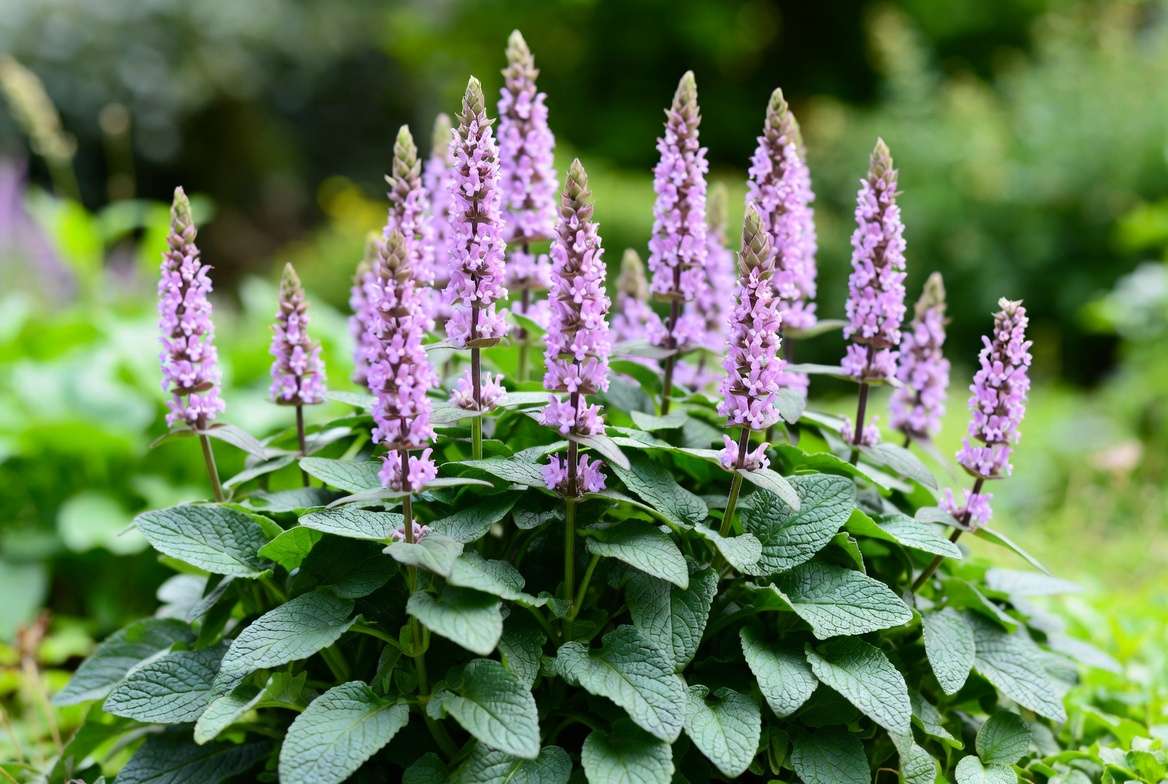
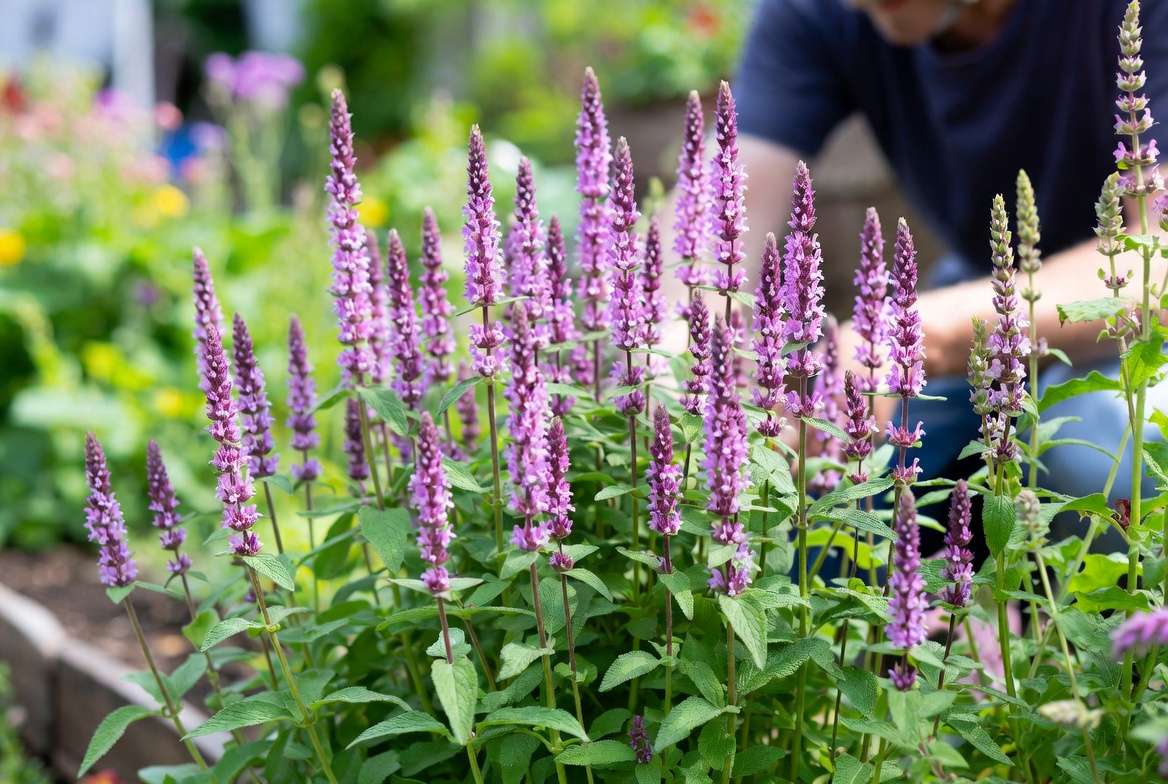
Visually, Stachys Hummelo forms neat, rounded clumps of ovate to heart-shaped, glossy dark green leaves with a slightly puckered or rugose texture. These basal rosettes create an attractive ground-covering mat even when the plant isn’t blooming. In summer, sturdy, mostly leafless flowering stems rise 18–24 inches tall, bearing dense spikes of small, two-lipped, rose-lavender to pinkish-purple flowers. The blooms typically appear from July through September, with peak display often in mid-to-late summer.
How It Differs from Lamb’s Ear (Stachys byzantina)
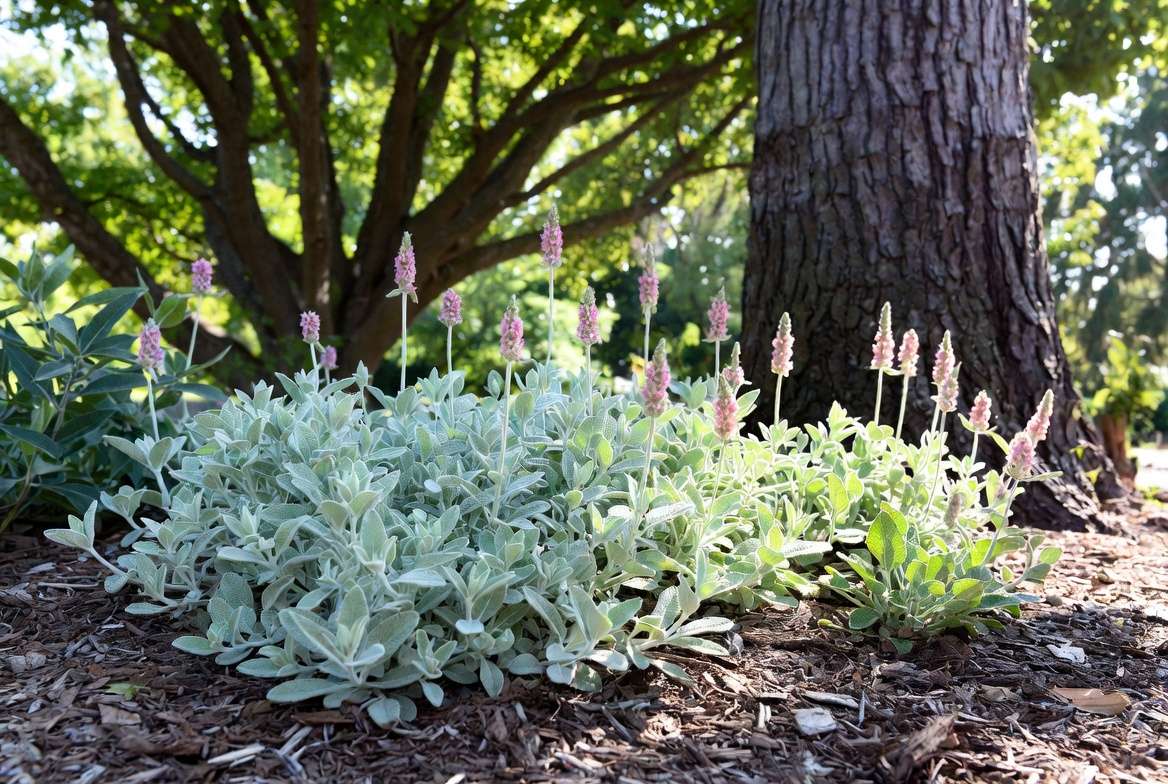
Many gardeners familiar with the fuzzy, silvery Lamb’s Ear are pleasantly surprised by Hummelo. Unlike its cousin’s soft, woolly leaves, Hummelo features smooth, shiny foliage that maintains a fresh green appearance. It also forms tighter, more structured clumps rather than spreading aggressively, making it far better behaved in formal borders and mixed plantings.
Origin, History, and Why ‘Hummelo’ Stands Out
Named after the Hummelo district in the Netherlands, this cultivar was selected for its vigor, flower power, and adaptability. It has proven itself as a tough, long-lived perennial that tolerates a range of conditions while delivering consistent garden performance. Ecologically, it serves as an excellent pollinator plant, attracting bees, butterflies, and even hummingbirds with its nectar-rich blooms. Its low-maintenance profile and resistance to deer and rabbits make it a favorite for wildlife-friendly and sustainable gardens.
Benefits of Growing Stachys Hummelo in Your Garden 🏡
Top Reasons Gardeners Love This Perennial
One of the biggest draws of the Stachys Hummelo plant is its ease of care. Once established, it is remarkably drought-tolerant, thriving in average garden soils without constant pampering. This solves a common problem for busy gardeners: finding beautiful plants that don’t demand daily attention.
Additional benefits include:
- Deer and Rabbit Resistance: Its foliage and flowers are generally unpalatable to these common garden pests.
- Versatility: Perfect for sunny borders, edging pathways, rock gardens, cottage-style plantings, and massed as a ground cover. It even tolerates planting near black walnut trees, which produce juglone that inhibits many other species.
- Season-Long Interest: The handsome foliage looks tidy from spring through fall, and the flower spikes add vertical drama. In milder winters, leaves may remain semi-evergreen.
- Pollinator Support: A boon for biodiversity in home landscapes.
Environmental and Wildlife Benefits
By choosing Stachys Hummelo, you contribute to a healthier ecosystem. Its clumping habit helps stabilize soil, and the flowers provide valuable forage during the peak summer months when many pollinators are most active. Unlike some high-maintenance annuals, this perennial returns year after year, reducing the need for frequent replanting and associated resource use.
How to Plant Stachys Hummelo Successfully 🌱
Choosing the Right Location and Timing
Proper site selection is key to success with any perennial, and Stachys Hummelo is no exception. It performs best in full sun (at least 6 hours of direct sunlight daily) but appreciates light afternoon shade in hot, humid climates to prevent leaf scorch.
USDA Hardiness Zones 4–8 cover its ideal range, making it suitable for much of North America. Plant in spring after the last frost or in early fall to give roots time to establish before extreme weather. Avoid planting during the heat of midsummer.
Soil Preparation and Planting Steps
Stachys Hummelo prefers average to medium, well-drained soil. It dislikes wet feet, so amending heavy clay with compost or grit is highly recommended. Aim for a slightly acidic to neutral pH.
Here’s a step-by-step planting guide:
- Prepare the bed by loosening soil to 12–18 inches deep and mixing in organic matter.
- Space plants 12–18 inches apart to allow for natural clumping and airflow.
- Dig holes slightly wider than the root ball but at the same depth.
- Place the plant, backfill gently, and water thoroughly to settle the soil.
- Apply a 2–3 inch layer of organic mulch, keeping it away from the crown to prevent rot.
For container growing, choose pots with excellent drainage and a high-quality potting mix. This makes Stachys Hummelo an excellent candidate for patios and small-space gardens.
Pro Tips for Establishment Water new plants consistently for the first 4–6 weeks. A diluted balanced fertilizer at planting can encourage strong root development, but avoid over-fertilizing, as this plant is a light feeder.
Essential Care Guide for Stachys Hummelo 🌞
Watering Needs and Drought Tolerance
During the establishment phase, keep soil evenly moist but never soggy. Mature Stachys Hummelo plants develop excellent drought tolerance, needing supplemental water only during prolonged dry spells. Deep, infrequent watering encourages stronger root systems compared to daily light sprinkles.
Watch for signs of stress: wilting or yellowing lower leaves usually indicate underwatering, while mushy crowns or fungal issues point to excess moisture.
Soil, Fertilizing, and Mulching
This betony cultivar thrives without heavy fertilization. A light application of compost or a balanced slow-release fertilizer in early spring is usually sufficient. Over-fertilizing can lead to lush foliage at the expense of flowers.
Mulching with shredded bark, compost, or leaf mold conserves moisture, suppresses weeds, and improves soil structure over time. Refresh mulch annually in spring.
Pruning, Deadheading, and Seasonal Maintenance
Deadheading spent flower spikes not only keeps the plant looking neat but often encourages a second flush of blooms in late summer. Use clean, sharp shears and cut stems back to the basal foliage.
In late fall or early spring, remove any damaged or winter-worn leaves. Divide overcrowded clumps every 3–4 years in spring or fall to maintain vigor and propagate new plants.
Temperature, Humidity, and Winter Care
Hardy down to Zone 4, Stachys Hummelo handles cold winters well once established. In very harsh climates, a light layer of mulch over the crown provides extra protection. In warmer zones (7–8), the foliage may remain attractive through much of the winter. Good air circulation helps prevent humidity-related issues in southern gardens.
Propagation Methods: Expand Your Stachys Collection 🌿
Easy Ways to Multiply Stachys Hummelo
Division is the most reliable and fastest method. In early spring as new growth emerges (or in early fall), dig up the clump and carefully separate it into sections with healthy roots and shoots. Replant immediately at the original depth and water well. Most divisions establish quickly.
While seed propagation is possible, it is slower and may not produce plants true to the parent cultivar. Stem cuttings can work but are less commonly used than division for this species.
With proper technique, you can quickly fill garden beds or share extras with fellow gardeners—making Stachys Hummelo a cost-effective addition to any landscape.

Common Problems and Solutions 🛠️
Pests, Diseases, and Troubleshooting
Fortunately, the Stachys Hummelo plant is notably resistant to most common garden pests and diseases, which contributes to its reputation as a low-maintenance standout. However, no plant is entirely immune, and early intervention is key to keeping your betony healthy and beautiful.
The most frequent issue is root rot, which occurs in poorly drained or constantly wet soils. Prevention is straightforward: ensure excellent drainage at planting time and avoid overwatering. If you notice wilting despite moist soil or soft, discolored crowns, carefully dig around the base, remove affected roots, and replant in fresh, amended soil.
Powdery mildew can occasionally appear during humid spells with poor airflow. Improve circulation by proper spacing and avoid overhead watering in the evening. Organic treatments like neem oil or baking soda solutions are usually effective if caught early.
Deer and rabbits generally leave Hummelo alone thanks to its texture and mild scent, but in areas with extreme pressure, a temporary repellent or physical barrier during the first season offers extra insurance.
Diagnosing and Fixing Common Growing Mistakes
- Leggy Growth or Few Flowers: Usually caused by insufficient sunlight. Relocate to a sunnier spot or prune back competing plants.
- Fading or Yellow Foliage: Often linked to nutrient deficiency or overly dry conditions. A top-dressing of compost and consistent moisture usually corrects this quickly.
- Slow Establishment: New plants may seem slow the first year as they focus energy on roots. Be patient—strong performance typically begins in year two.
A simple care checklist can prevent most issues: right plant, right place, good drainage, and moderate watering/feeding. With these basics, your Stachys Hummelo should remain trouble-free for years.
Design Ideas and Companion Plants 🌼
Landscaping with Stachys Hummelo
The tidy habit and striking vertical flower spikes of Stachys Hummelo make it incredibly versatile in garden design. Use it as a front-of-border edger where its foliage creates a clean line and the blooms add summer color. In mass plantings, it forms a dense, weed-suppressing ground cover that looks polished with minimal effort.
For cut flower arrangements, the sturdy stems hold up well in vases, bringing that soft lavender-rose hue indoors. It also shines in rock gardens, pollinator meadows, and cottage gardens alongside traditional favorites.
Best Companion Plants
Pair Stachys Hummelo with plants that share similar sun and soil preferences for easy-care combinations:
- Salvia nemorosa or ‘May Night’ — contrasting purple spikes and similar bloom time.
- Echinacea (Coneflower) — bold daisy-like flowers for beautiful contrast.
- Ornamental Grasses (e.g., Calamagrostis or Panicum) — add movement and texture.
- Sedum or Hylotelephium — late-season color and drought tolerance.
- Nepeta (Catmint) — soft gray-green foliage and complementary blue-purple tones.
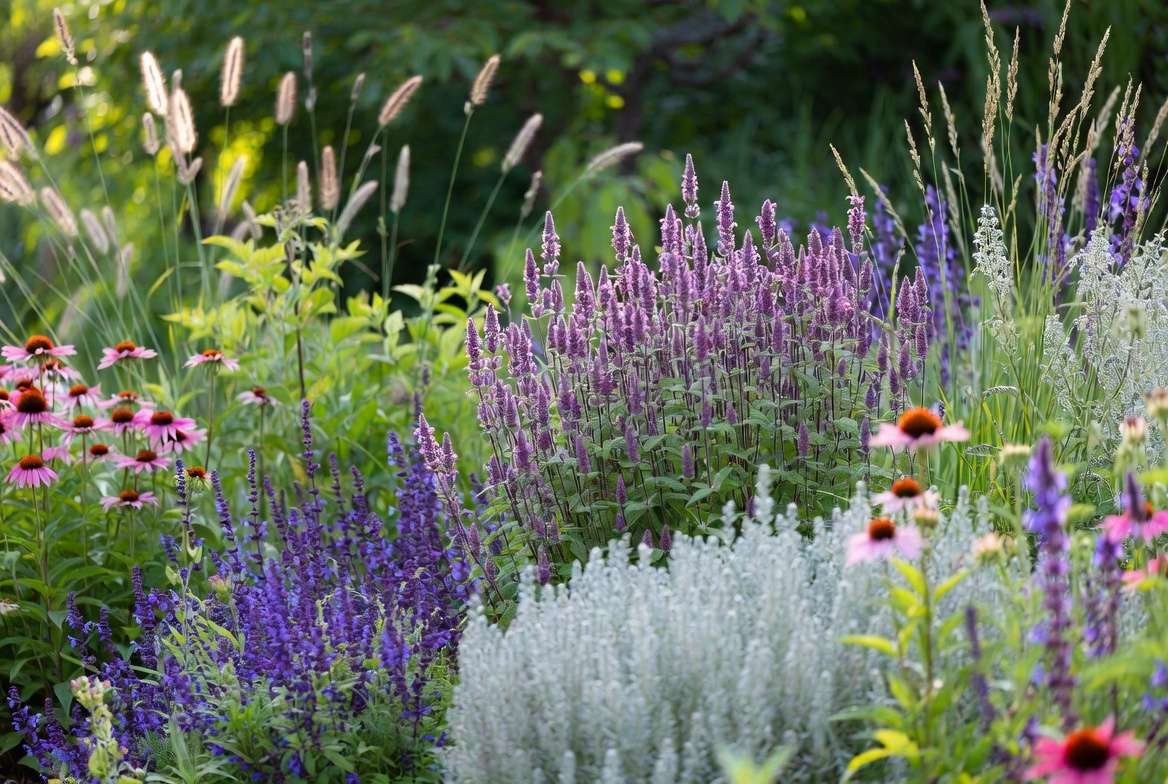
These combinations create dynamic, pollinator-friendly borders that look intentional and require little upkeep. Experiment with color schemes—Hummelo’s rose-lavender pairs beautifully with yellows, whites, and deep purples.
Frequently Asked Questions (FAQs) ❓
Is Stachys Hummelo invasive? No. Unlike some members of the mint family, this cultivar forms well-behaved clumps and spreads slowly via underground stems without becoming aggressive or invasive in most regions.
How fast does Stachys Hummelo grow? It establishes steadily in the first year and reaches mature size (18–24 inches tall and wide) by the second or third season, depending on conditions.
Is it toxic to pets? Stachys species are generally considered non-toxic to cats and dogs, making them a safer choice around curious pets compared to some other ornamentals. Always confirm with a vet for specific concerns.
When does Stachys Hummelo bloom? Primary bloom time is July to September, with possible rebloom after deadheading.
How do I overwinter Stachys Hummelo? In Zones 4–8 it is fully hardy. Cut back dead foliage in late fall or early spring and apply light mulch in colder areas.











