
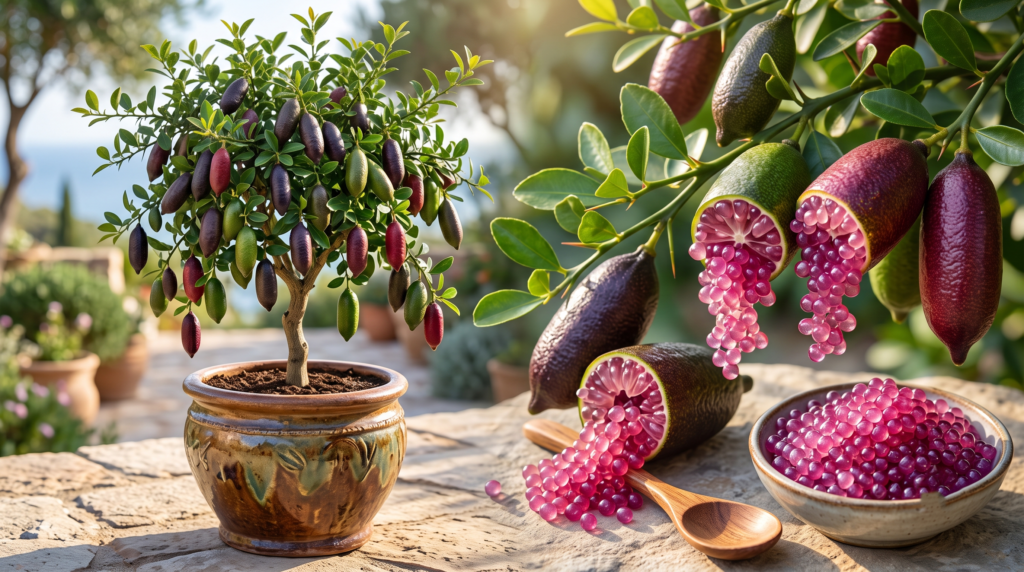
Imagine slicing open a small, unassuming, elongated fruit and watching a cascade of glistening, jewel-like pearls spill out. When you take a bite, they pop on your tongue with an intense burst of tart, zesty lime flavor. This is the culinary magic of “citrus caviar,” and it all comes from the incredibly rewarding finger lime tree.
While growing exotic citrus can sometimes feel intimidating—especially since many species are notoriously finicky about soil conditions, temperature, and watering schedules—cultivating this prized plant is entirely possible with the right knowledge. Whether you have a sprawling backyard garden or a sunny balcony perfect for container planting, this ultimate masterclass will teach you exactly how to plant, nurture, and harvest your very own citrus caviar. Let’s dive into the fascinating world of finger limes! ✨
What is a Finger Lime Tree (Microcitrus australasica)? 🍋
Before you can successfully grow a plant, you need to understand its biology. The finger lime tree, botanically known as Microcitrus australasica, is a unique, evergreen citrus plant. Unlike the broad canopies of traditional lemon or orange trees, finger limes feature an open, somewhat scraggly growth habit. They have tiny, densely packed leaves and branches covered in notoriously sharp thorns.
In recent years, the fruit of this tree has taken the culinary world by storm. Michelin-starred chefs and home gourmets alike prize the fruit for its internal vesicles (the tiny juice pearls) which hold their shape until bitten, providing a unique textural experience unlike any other citrus.
The Wild Australian Origins 🇦🇺
Understanding a plant’s native habitat is the ultimate key to E-E-A-T (Experience, Expertise, Authoritativeness, and Trustworthiness) in gardening. Finger limes are native to the lush, subtropical rainforests of the coastal border region between Queensland and New South Wales in Australia.
In the wild, they grow as an understory shrub. This means they naturally thrive under the protective canopy of much taller, older trees. Because of this evolutionary history, they prefer dappled sunlight, protection from harsh, drying winds, and environments with higher humidity. By replicating these understory conditions, you will set your tree up for long-term success.

Top Finger Lime Varieties to Grow at Home 🌱
Not all finger limes are created equal! Depending on your climate and flavor preferences, you might want to choose a specific cultivar. Here is a quick comparison of the most popular varieties available to home gardeners:
| Variety Name | Skin Color | Pearl Color | Flavor Profile | Growth Habit |
| Rainforest Pearl | Green to deep purple | Pinkish-red | Classic tart lime with subtle grapefruit notes | Vigorous and highly disease-resistant |
| Red Champagne | Maroon/Dark red | Bright red | Milder, slightly sweeter, great for cocktails | Upright, excellent for container growing |
| Crystal | Green | Translucent green | Intense, sharp citrus bite, very aromatic | Bushy, high-yielding |
| Pink Ice | Brownish-burgundy | Magenta/Pink | Tart with a hint of bitter aromatics | Cold-tolerant compared to other varieties |
Expert Tip: If you are a beginner, Rainforest Pearl is widely considered the most forgiving and adaptable variety for home cultivation.
Getting Started: Planting Your Finger Lime Tree 🪴
The foundation of a thriving tree is established on planting day. Making the right choices here will prevent a host of diseases and nutrient deficiencies down the line.
Choosing the Right Location (Indoor vs. Outdoor) ☀️
Finger lime trees are suited for USDA Hardiness Zones 8 through 11. If you live in a region where temperatures rarely dip below freezing (32°F or 0°C), you can plant your tree directly in the ground outdoors.
-
Outdoor Planting: Choose a spot that receives morning sun but is shielded from the scorching afternoon heat. Remember its rainforest origins! A spot near a larger tree or alongside an east-facing fence is ideal. Protect the site from heavy winds, which can easily damage the delicate fruit and snap the brittle branches.
-
Indoor/Container Planting: If you live in Zone 7 or colder, you must grow your finger lime in a pot so it can be brought indoors during the winter. Place it near a bright, south-facing window or in a sunroom.
The Perfect Soil Mix for Citrus Caviar 🪨
The number one killer of citrus trees is “wet feet” (root rot caused by soggy soil). Finger limes demand exceptionally well-draining soil with a slightly acidic pH between 5.5 and 6.5. Standard potting soil straight from the bag is usually too dense and retains too much moisture.
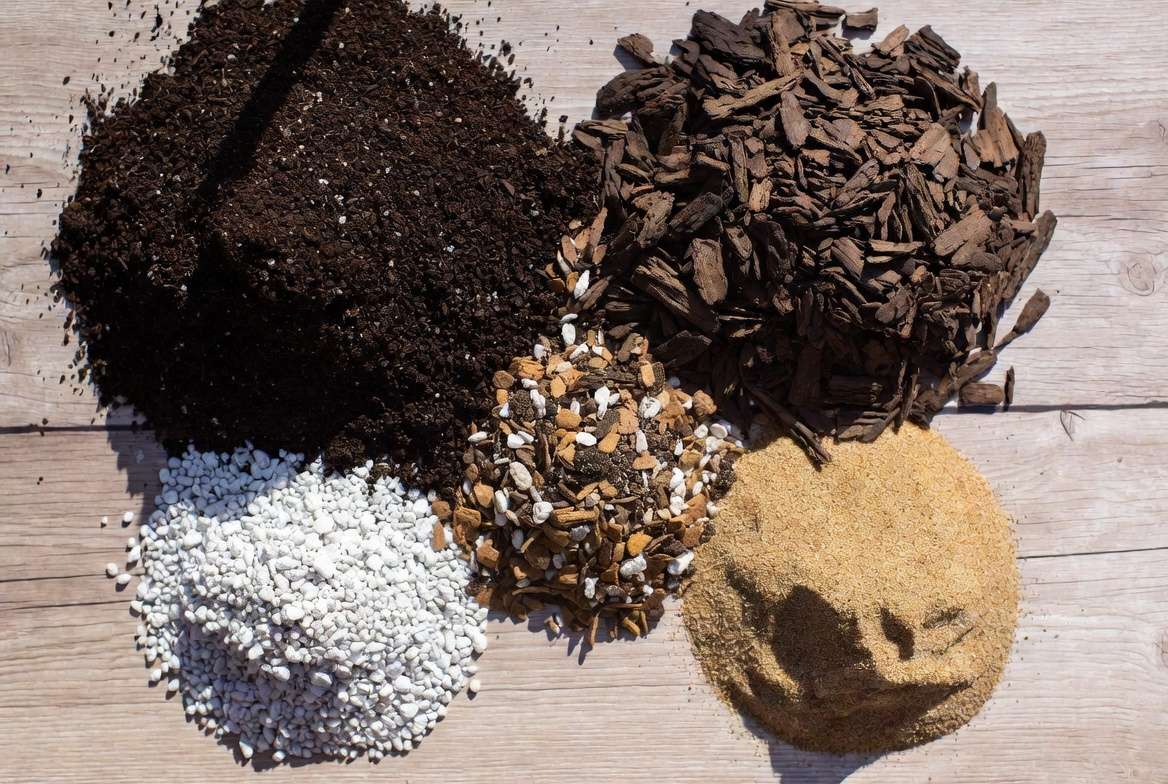
The Ultimate DIY Finger Lime Potting Recipe:
-
40% High-quality organic potting soil (Provides a nutrient-rich base)
-
30% Orchid bark or pine bark fines (Mimics the organic forest floor and provides essential aeration for the roots)
-
20% Perlite or pumice (Ensures rapid water drainage)
-
10% Horticultural sand (Adds weight and drainage)
Mix these components thoroughly before planting. The resulting soil should feel chunky, light, and airy.
Potting vs. In-Ground Planting: Which is Better? 🏡
While planting in the ground allows the tree to reach its maximum height (often up to 15 feet in ideal conditions), container growing is often preferred for finger limes. Why?
-
Mobility: You can chase the sun across the seasons or pull the tree under a patio during heavy rainstorms.
-
Size Control: Pots naturally restrict root growth, keeping the tree at a manageable, bush-like size (around 4 to 6 feet), making harvesting much easier.
-
Soil Control: It is much easier to maintain the exact acidity and drainage requirements in a localized container than it is to amend an entire garden bed.
Essential Finger Lime Tree Care (The Core Pillars) 💧
Once your tree is planted, routine care relies on three core pillars: hydration, light, and nutrition.
Watering Schedule: Finding the Sweet Spot 🚿
Proper watering is an art form. Finger limes hate drying out completely, but they despise sitting in puddles even more.
-
The Soak and Dry Method: Water the tree deeply until water runs out the drainage holes of the pot. Then, do not water again until the top 2 inches of the soil feel completely dry to the touch.
-
Seasonal Adjustments: During the peak heat of summer, you may need to water a potted finger lime every two to three days. In the winter, when the tree’s growth slows down (dormancy), you might only water once every two weeks.
-
Humidity: These rainforest natives love humidity. If growing indoors during the winter, indoor heating can dry out the air. Place a pebble tray filled with water beneath the pot to create a localized humid microclimate, or mist the leaves lightly a few times a week.
Sunlight and Temperature Requirements 🌡️
Finger limes require at least 6 to 8 hours of indirect or dappled sunlight daily to produce flowers and fruit.
If you are overwintering your plant indoors and lack a sunny window, invest in a full-spectrum LED grow light. Position the light about 12 to 18 inches above the canopy and run it for 10 hours a day.
Temperature-wise, they thrive between 65°F and 90°F. While mature trees can survive a brief, light frost, temperatures below 30°F will severely damage the leaves and young branches, and prolonged freezes will kill the tree.
Fertilizing for Maximum Fruit Yield 🌿
Citrus trees are notorious “heavy feeders.” To produce those hundreds of juicy pearls, the tree needs fuel.
-
When to Feed: Begin your fertilizing regimen in early spring (as soon as you see new leaf buds forming) and continue feeding every 4 to 6 weeks until late summer. Do not fertilize in late autumn or winter.
-
What to Use: Look for an organic, granular fertilizer specifically formulated for citrus or acid-loving plants. Ensure the fertilizer contains micronutrients like zinc, iron, and magnesium. Citrus leaves often turn yellow if they lack magnesium (a condition known as chlorosis).
-
Cautionary Note: Always apply fertilizer to the drip line (the outer edge of the leaf canopy) rather than piling it directly against the trunk, which can cause fatal fertilizer burn.
Pruning and Maintenance for a Healthy Canopy ✂️
Unlike manicured hedges, finger limes have a naturally wild, weeping growth habit. However, selective pruning is vital for plant health.
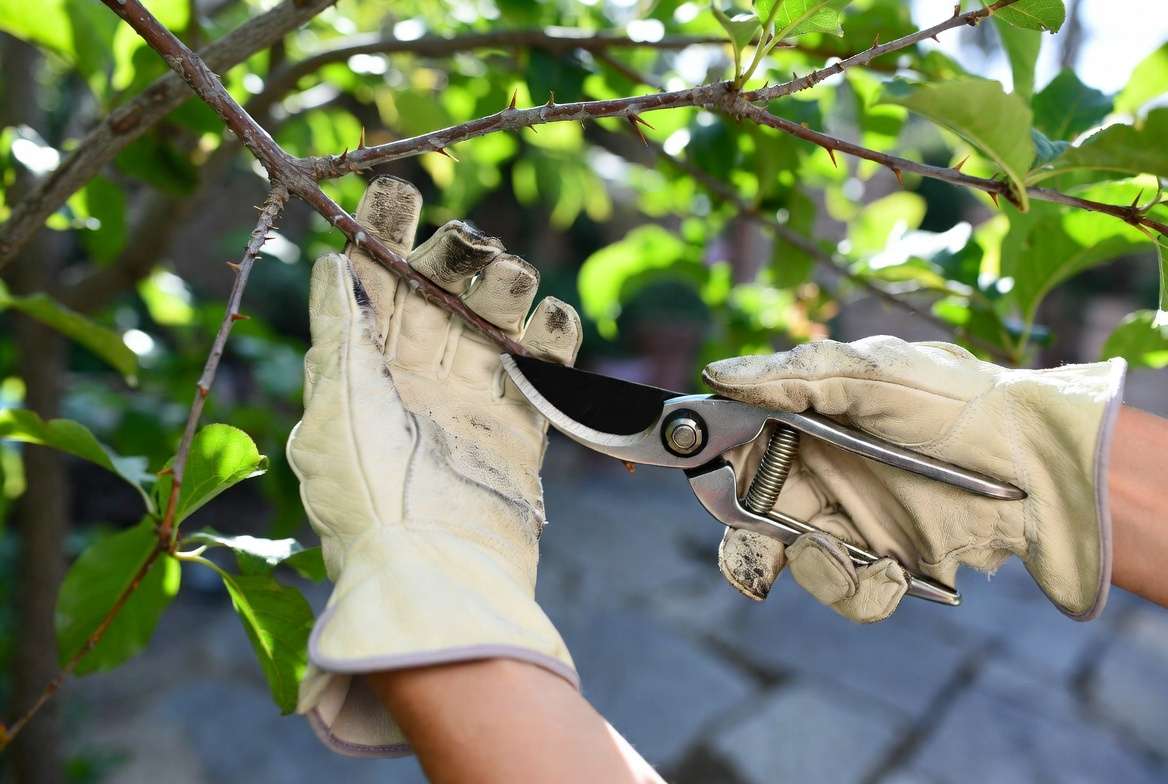
When and How to Prune Safely 🧤
The best time to prune is late winter or early spring, right after the final fruit harvest but before the new spring blossoms appear.
Your goals for pruning are simple:
-
Airflow: Remove branches that cross and rub against each other. Good airflow prevents fungal diseases.
-
Dead Wood: Snip away any dead, brittle, or diseased branches.
-
Shape: Lightly trim wayward branches to maintain a compact, manageable shape.
Identifying and Removing Rootstock Suckers 🪵
Most commercially sold finger lime trees are grafted. This means the finger lime branch (the scion) was spliced onto the root system of a hardier citrus variety (often Poncirus trifoliata, the trifoliate orange). This grafting process gives the tree incredible disease resistance and cold tolerance.
However, you must keep an eye out for “suckers.” These are shoots that sprout from the trunk below the graft line (the visible swollen scar near the base of the tree). These suckers belong to the rootstock plant, not the finger lime. They are aggressive and will literally suck the energy away from your finger lime, eventually overtaking the whole plant. If you see leafy shoots emerging from the base of the trunk or the soil, prune them off immediately, flush against the trunk.
Troubleshooting Common Finger Lime Problems 🛑
Even the most dedicated gardeners run into hiccups. Here is how to diagnose and cure common ailments.
Pests: Aphids, Scale, and the Citrus Gall Wasp 🐛
-
Aphids: These tiny green or black bugs congregate on the tender, new spring growth, sucking the sap and causing leaves to curl. Solution: Blast them off with a strong jet of water from the hose, or spray the foliage with cold-pressed Neem oil mixed with a few drops of dish soap.
-
Scale: These look like small, brown, stationary bumps on the branches and leaves. They secrete a sticky honeydew that leads to black sooty mold. Solution: Dab them with a cotton swab dipped in rubbing alcohol, or use a horticultural oil spray to smother them.
-
Citrus Gall Wasp: (Primarily an issue in Australia). This wasp lays eggs inside the branches, causing the branch to swell into a woody “gall.” Solution: The only cure is to cut off the galled branches entirely and destroy them before the new wasps emerge in late winter.
Diseases: Root Rot and Dieback 🍂
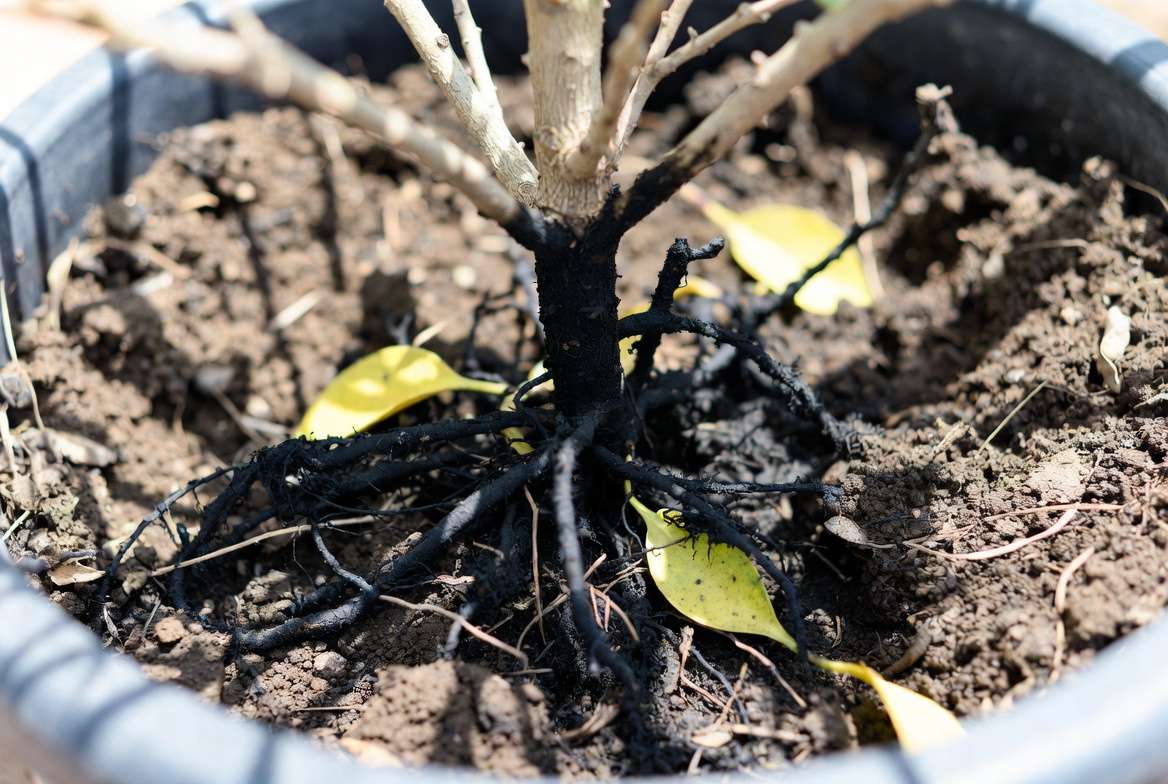
If your tree’s leaves are turning yellow, dropping rapidly, and the branches are turning black from the tips downward, you are likely dealing with Phytophthora root rot.
This is caused by poor drainage. Stop watering immediately. If the plant is in a pot, you may need to pull it out, trim away the black, mushy roots, and repot it in fresh, dry, highly aerated soil.
Why Is My Finger Lime Dropping Fruit or Flowers? 📉
It is incredibly heartbreaking to watch your tree bloom, only for the tiny white flowers or pea-sized fruits to drop to the ground. Common causes include:
-
Erratic Watering: Allowing the soil to go bone dry and then flooding it stresses the tree, causing it to abort its fruit to conserve energy.
-
Temperature Swings: A sudden cold snap during the blooming phase can cause flower drop.
-
Lack of Pollinators: While finger limes are generally self-fertile, they still rely on wind and insects to move the pollen. If your tree is indoors, gently shake the branches daily while it is blooming, or use a small, soft paintbrush to transfer pollen from flower to flower.
Harvesting and Enjoying Your ‘Citrus Caviar’ 🍽️
Patience is a virtue when growing citrus caviar. Grafted trees usually begin bearing fruit in 2 to 3 years, while trees grown from seed can take up to 15 years! The flowering season typically occurs in spring, with fruit ripening from late autumn through winter.
How to Tell When Finger Limes Are Ripe ⏱️
Unlike bananas or avocados, citrus fruits do not ripen once they are picked from the tree. You must wait until they are perfectly ripe on the branch.
-
Color: Depending on your variety, the skin will change from a dull green to its mature color (burgundy, bright red, or pale yellow).
-
The Touch Test: A ripe finger lime will feel slightly plump and yield to a very gentle squeeze. If it feels rock hard, it needs more time.
-
The Drop: Often, the easiest way to know they are ready is that perfectly ripe fruits will easily detach from the branch with a slight twist, or they will simply fall to the ground.
Expert Tips for Harvesting Safely 🧺
Because of the thorns, do not plunge your bare hands into the canopy. Wear protective gloves. Hold the branch with one hand, and gently twist the fruit with the other. If it stubbornly resists, leave it for another week.
Creative Ways to Use Finger Limes 🍹
Once harvested, slice the fruit in half horizontally and gently squeeze from the bottom up. The caviar pearls will erupt from the skin! Here are a few incredible ways to use them:
-
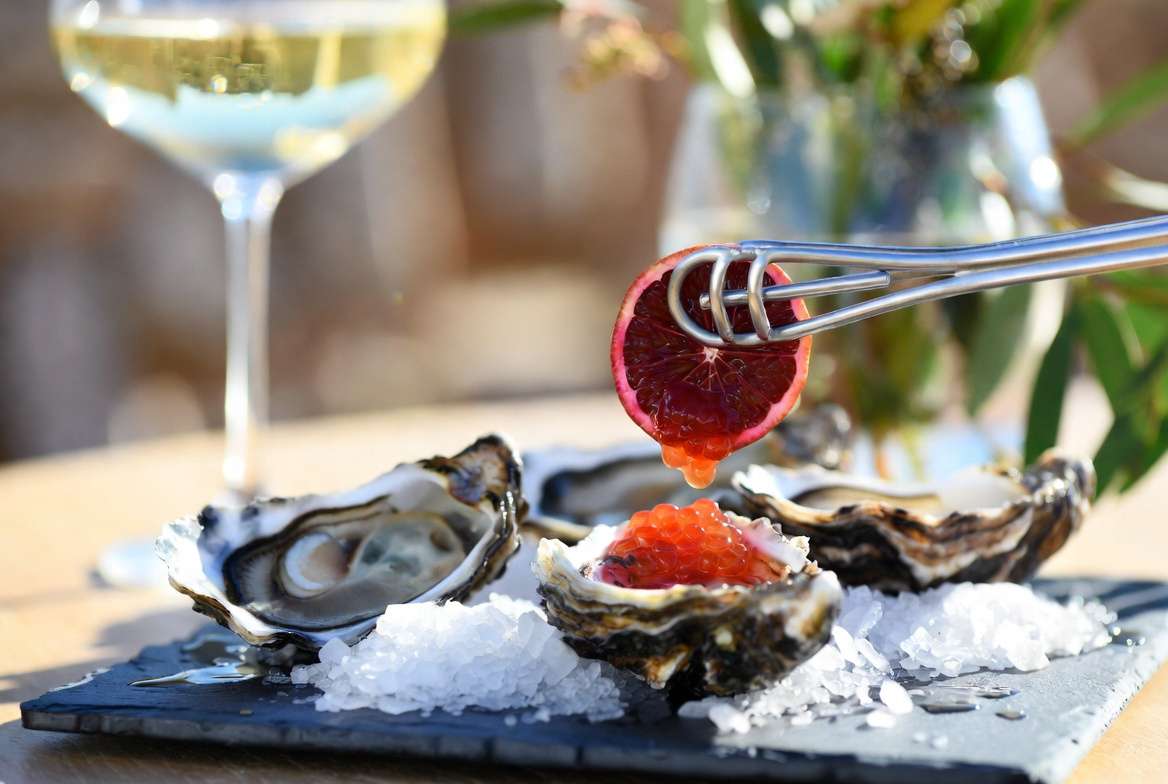
Seafood Garnish: Spoon a small amount over freshly shucked oysters, grilled salmon, or seared scallops. The acidity cuts through the richness beautifully.
-
Elevated Cocktails: Drop a teaspoon of the pearls into a gin and tonic, a margarita, or a glass of champagne. As the bubbles rise, the pearls dance in the glass!
-
Desserts: Sprinkle them over cheesecake, lemon tarts, or fruit salads for an unexpected, tangy crunch.
Frequently Asked Questions (FAQs) ❓
How long does it take for a finger lime tree to bear fruit?
If you purchase a grafted tree from a reputable nursery (which is highly recommended), you can expect your first small harvest in 2 to 3 years. If you attempt to grow from a seed, prepare to wait anywhere from 10 to 15 years for fruit.
Can I grow a finger lime tree from seed?
Yes, but it is not recommended. Aside from the massive time delay, seeds grown from hybrid varieties do not grow “true to type.” The fruit produced by a seed-grown tree may not look or taste anything like the parent fruit.
Do finger lime trees lose their leaves in winter?
Finger limes are evergreen, meaning they should keep their leaves year-round. If your tree is dropping all of its leaves in the winter, it is a sign of extreme stress—usually caused by freezing temperatures, overwatering, or severe lack of light.
Are finger limes self-pollinating?
Yes, they are technically self-fertile, meaning you only need one tree to get fruit. However, cross-pollination from bees and wind heavily increases the fruit yield. If your tree is indoors, hand-pollinating with a small brush is essential.
Conclusion & Next Steps 🌟
Growing a thriving finger lime tree is an incredibly rewarding journey. While they demand a bit more attention to their soil drainage and watering schedule than your average houseplant, the payoff is unparalleled. By providing them with a well-aerated potting mix, ample sunshine, and a consistent but careful watering routine, you will be rewarded with an exotic, gourmet ingredient right in your own backyard or balcony.
Remember, patience is key. Treat your tree like the subtropical treasure it is, respect its thorny nature, and soon you’ll be enjoying your very own harvests of citrus caviar.
Happy planting! 🌱 If you loved this guide, be sure to check out our other resources on exotic plant care, and don’t hesitate to share your own finger lime progress pictures in the comments below!











