
Have you ever spent months meticulously nurturing a patio garden, watering daily, and checking for pests, only to be rewarded with a few sad, stunted vegetables? It is a heartbreaking experience, but you are not alone. The number one reason container gardens fail has nothing to do with a lack of sunlight, poor weather, or skipped fertilizer applications. It almost always comes down to suffocated roots. If you want to guarantee explosive growth, vigorous foliage, and heavy summer yields, you must follow the exact pot size guidelines for tomatoes and peppers. Getting this foundational step right changes absolutely everything.
When growing fruiting vegetables in containers, the pot you choose is the entire universe for that plant. It dictates moisture retention, nutrient availability, and root expansion. Over years of cultivating plants, diagnosing stunted growth, and analyzing soil health, one truth remains constant: trying to force a massive root system into a tiny pot is a recipe for disaster.
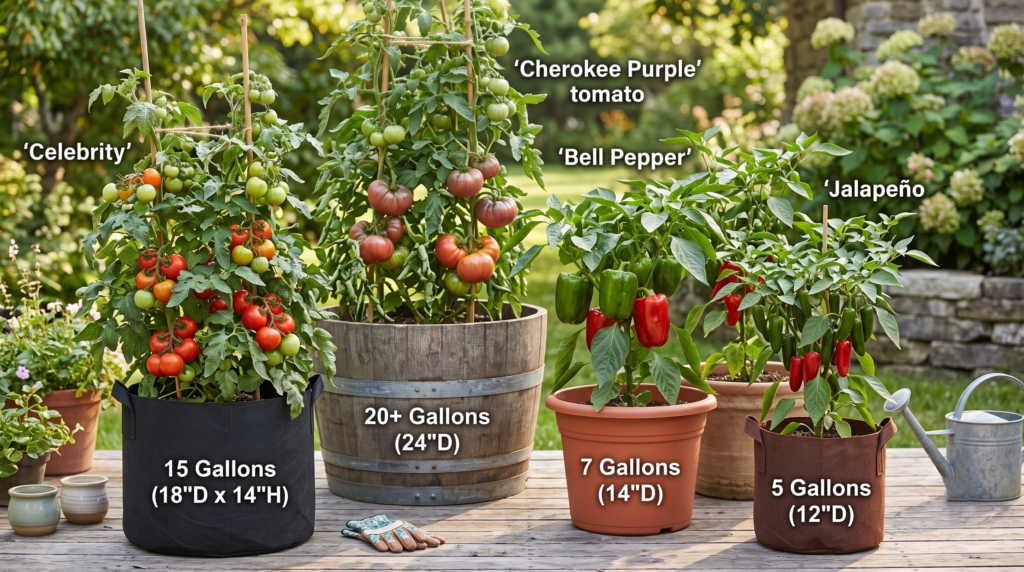
This comprehensive guide is designed to eliminate the guesswork. Whether you are growing sprawling heirlooms or fiery jalapeños, we are going to break down the exact dimensions you need. (Pro Tip: Be sure to save the infographic below to your favorite Pinterest gardening board so you have these dimensions handy next time you visit the garden center! 📌)
Why Container Size Dictates Your Harvest 📏
To understand why pot size is so critical, we have to look at the biological relationship between a plant’s root system (the engine) and its top growth (the harvest). A plant can only grow as large and produce as much fruit as its subterranean engine can support.
The Dangers of Undersized Pots ⚠️
When you place a tomato or pepper plant in a pot that is too small, several catastrophic things happen beneath the soil surface:
-
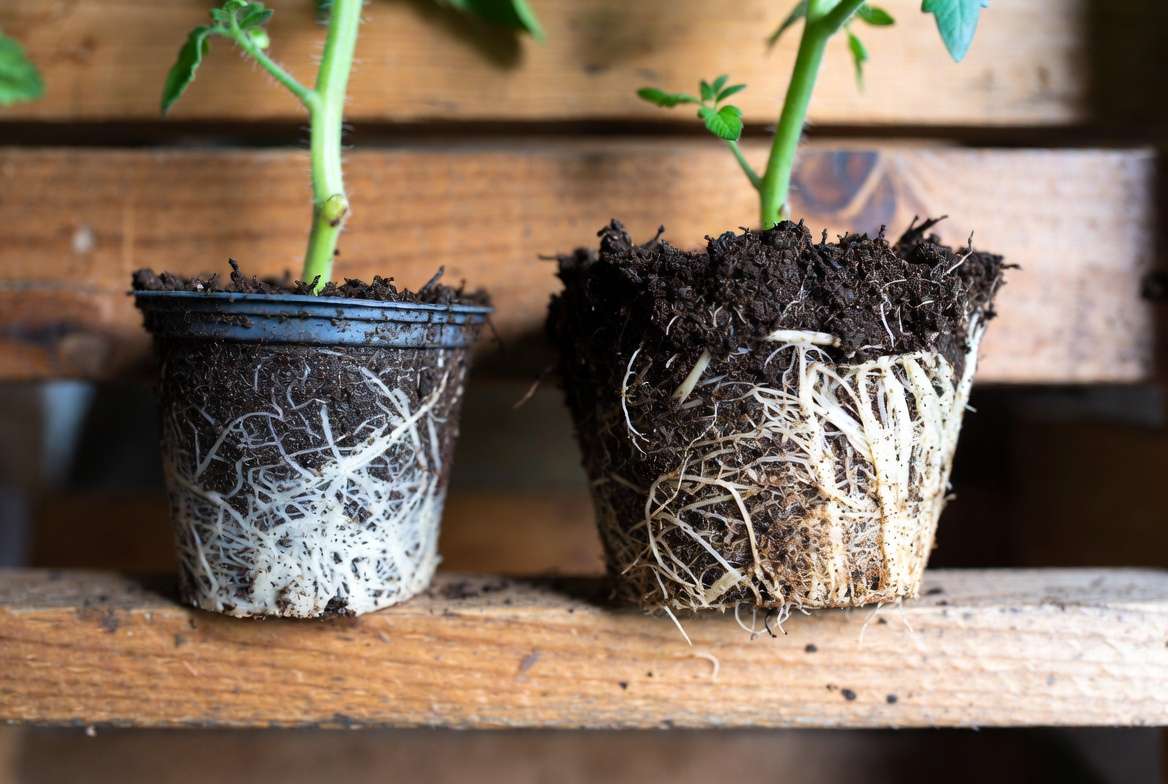
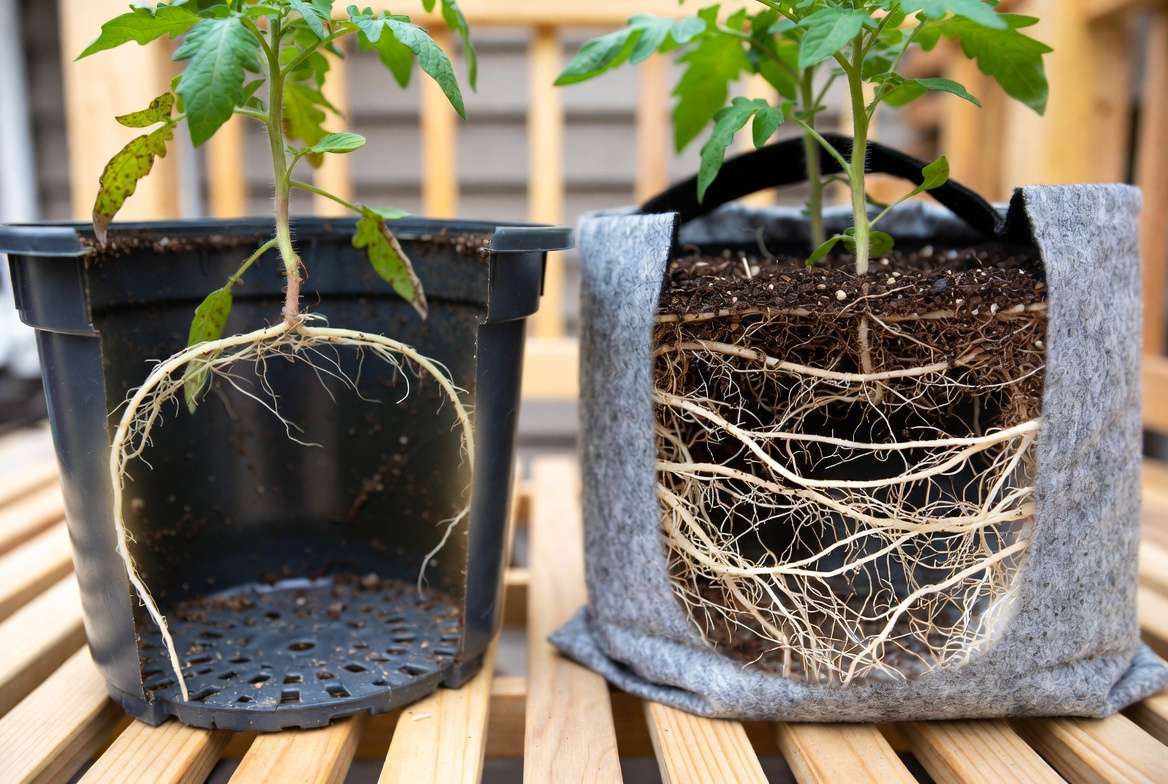
The Root-Bound Effect: The roots hit the edges of the pot and begin circling themselves. Eventually, they choke each other out, preventing the uptake of water and nutrients. The plant becomes permanently stunted.
-
Chronic Drought Stress: Small volumes of potting mix hold very little water. During the peak summer heat, an undersized pot might dry out completely in just a few hours. This erratic wet-to-dry cycle is exactly what causes Blossom End Rot—that dreaded black, sunken spot on the bottom of your ripening tomatoes and peppers.
-
Nutrient Lock-Out: A smaller soil volume means a smaller buffet of nutrients. Even if you feed your plants liquid fertilizer constantly, a tiny pot lacks the biological buffer needed to process those nutrients, often leading to fertilizer burn or deficiencies.
The Buffer Zone Advantage 🛡️
Conversely, providing a large container creates a vital “buffer zone.” A massive volume of healthy, living soil acts as an insulator. It protects delicate feeder roots from baking in the afternoon sun and acts like a giant sponge, holding onto consistent moisture for days rather than hours. This stability is the secret sauce for pushing a plant to produce its maximum yield.
Exact Pot Size Guidelines for Tomatoes 🍅
Tomatoes are notoriously heavy feeders with sprawling, aggressive root systems. However, not all tomatoes are created equal. You must match the container size to the specific growth habit of the variety you are planting.
1. Determinate (Bush) Tomatoes 🪴
Determinate tomatoes are genetically programmed to grow to a certain height (usually 3 to 4 feet), set all their fruit at once, and then stop growing. Because of their compact, bushy habit, they are highly popular for container gardening.
-
Minimum Pot Size: 10 to 15 gallons
-
Dimensions: At least 18 inches in diameter and 14 inches deep.
-
Why: Even though the top growth is compact, determinate tomatoes still need to support dozens of heavy fruits simultaneously. A 10-gallon minimum ensures enough soil volume to supply the massive amount of potassium and calcium required during that heavy fruiting window.
-
Popular Varieties: Roma, Patio Princess, Celebrity, and Bush Goliath.
2. Indeterminate (Vining) Tomatoes 🧗
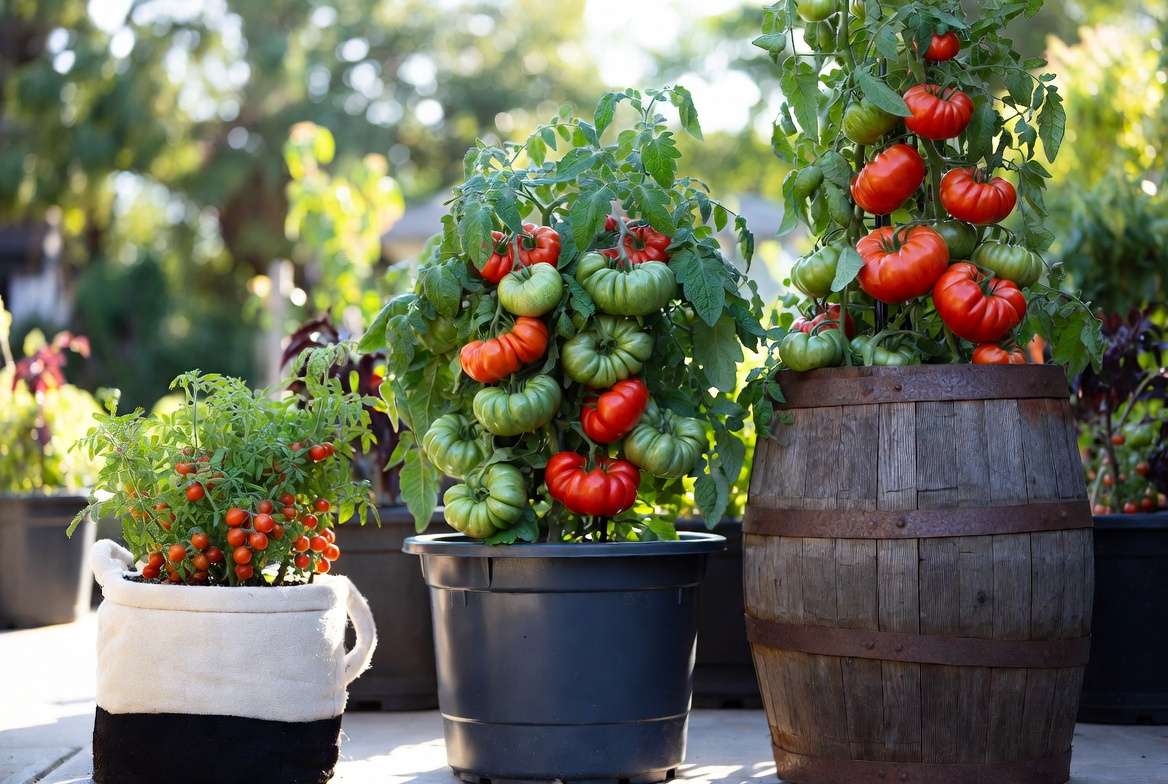
Indeterminate varieties are vines that will continue to grow, flower, and fruit until they are killed by frost. They can easily reach 8 to 10 feet tall if properly trellised. These plants require a massive root system to pump water all the way to the top of the vine.
-
Minimum Pot Size: 20 to 25 gallons (or larger)
-
Dimensions: Think half-whiskey barrels or large 24-inch diameter planters.
-
Why: Attempting to grow an indeterminate heirloom in a 5-gallon bucket is a common beginner mistake. The plant will quickly exhaust the soil, become severely root-bound by mid-July, and stop producing fruit. A 20-gallon pot gives the plant the runway it needs to thrive for the entire season. (Check out our embedded YouTube tutorial below on how to properly trellis indeterminate tomatoes in large containers! 🎥)
-
Popular Varieties: Cherokee Purple, Sun Gold, Early Girl, and Beefsteak.
3. Micro and Dwarf Varieties 🤏
Thanks to modern breeding, there is a whole new category of tomatoes designed specifically for small spaces, balconies, and tabletops. These true dwarfs have incredibly tight internodes and small root footprints.
-
Minimum Pot Size: 3 to 5 gallons
-
Dimensions: 10 to 12 inches in diameter.
-
Why: Their specialized genetics mean they don’t have the engine capacity to fill out a 20-gallon pot. A 5-gallon container is the absolute sweet spot to keep them hydrated without waterlogging the roots.
-
Popular Varieties: Micro Tom, Orange Hat, and Tiny Tim.
Exact Pot Size Guidelines for Peppers 🌶️
Peppers generally have a smaller, more compact root footprint compared to sprawling vining tomatoes, but they are equally demanding when it comes to consistent moisture and nutrient availability. The right pot size prevents the dreaded flower drop and ensures the plant has enough structural support to hold heavy fruit without tipping over in a summer breeze.
1. Sweet and Bell Peppers 🫑
Sweet peppers, including massive bell peppers, Corno di Toros, and thick-walled roasting varieties, require a surprisingly robust root system to produce those large, water-dense fruits. A small pot will result in thin, papery peppers that lack flavor and crunch.
-
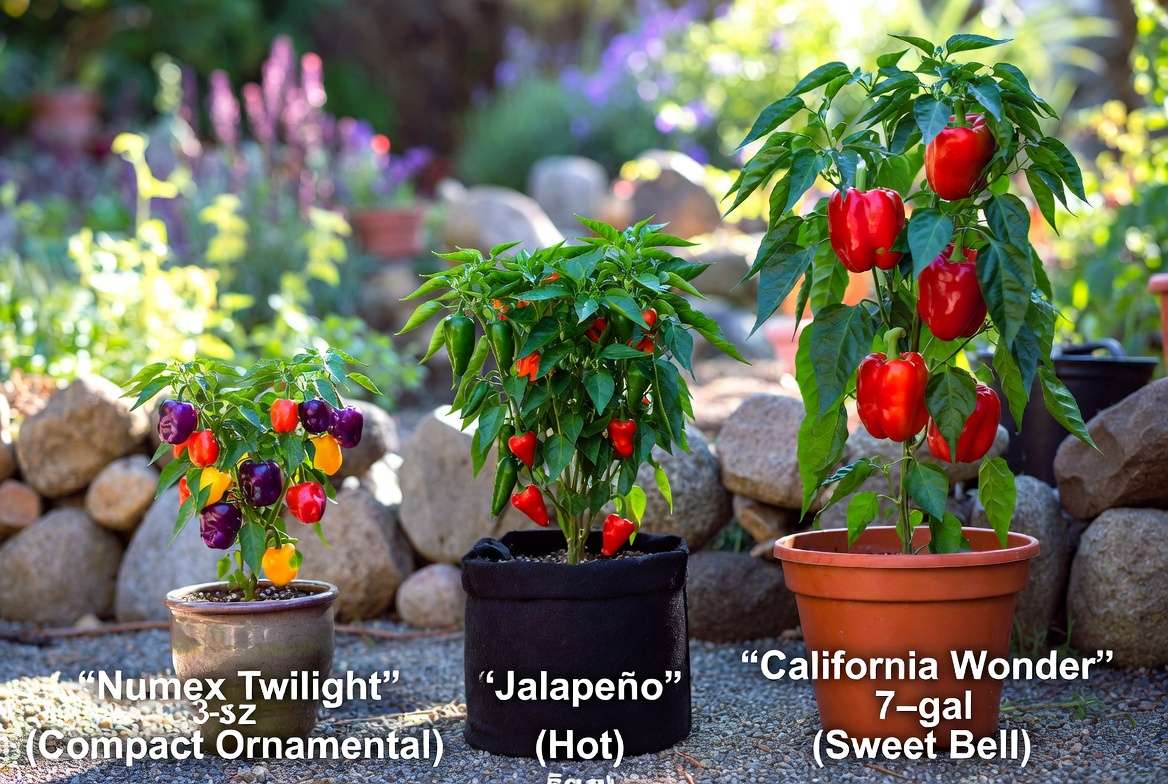
Minimum Pot Size: 5 to 7 gallons
-
Dimensions: 12 to 14 inches in diameter and at least 12 inches deep.
-
Why: Large sweet peppers are heavy. When a bell pepper plant is loaded with four or five full-sized fruits, a smaller, lighter pot will constantly blow over in the wind, damaging the plant and snapping branches. A 7-gallon container provides the necessary ballast and the soil volume required to keep the plant evenly hydrated.
-
Popular Varieties: California Wonder, Jimmy Nardello, and Carmen.
2. Hot and Chili Peppers 🌶️🔥
Hot peppers thrive on a little bit of stress—it actually increases their capsaicin levels (the compound that makes them spicy!). However, there is a fine line between beneficial stress and fatal root-binding.
-
Minimum Pot Size: 5 gallons
-
Dimensions: 10 to 12 inches across.
-
Why: Varieties like Jalapeños, Serranos, and Habaneros develop incredibly dense, fibrous root systems. A standard 5-gallon container allows them enough room to stretch out while maintaining the perfect balance of aeration and moisture. If you live in a particularly hot climate, bumping up to a 7-gallon pot will save you from having to water twice a day in July.
-
Popular Varieties: Jalapeño, Thai Chili, Poblano, and Ghost Pepper.
3. Compact and Ornamental Peppers 🪴
If you are working with a tight balcony space or simply want a beautiful, edible centerpiece for your patio table, compact and ornamental peppers are the perfect choice.
-
Minimum Pot Size: 2 to 3 gallons
-
Dimensions: 8 to 10 inches in diameter.
-
Why: These plants are genetically bred to stay under 18 inches tall. Their root systems are shallow and delicate, meaning putting them in a massive 10-gallon pot can actually be detrimental; the excess soil stays too wet for too long, leading to root rot.
-
Popular Varieties: Numex Twilight, Medusa, and Basket of Fire.
Soil Health: The Missing Link in Container Gardening 🪱
You can follow the exact pot size guidelines for tomatoes and peppers perfectly, but if you fill those optimal containers with the wrong medium, your plants will still struggle. When growing in containers, never use topsoil or garden dirt. It is too dense, lacks aeration, and will compact into a concrete-like brick after a few waterings, crushing the roots.
To truly maximize your harvest, you need a high-quality potting mix designed specifically for fruiting vegetables. The perfect container medium must achieve three things: excellent drainage, superior moisture retention, and a thriving biological ecosystem.
The Ultimate Fruiting Container Mix Recipe 📝
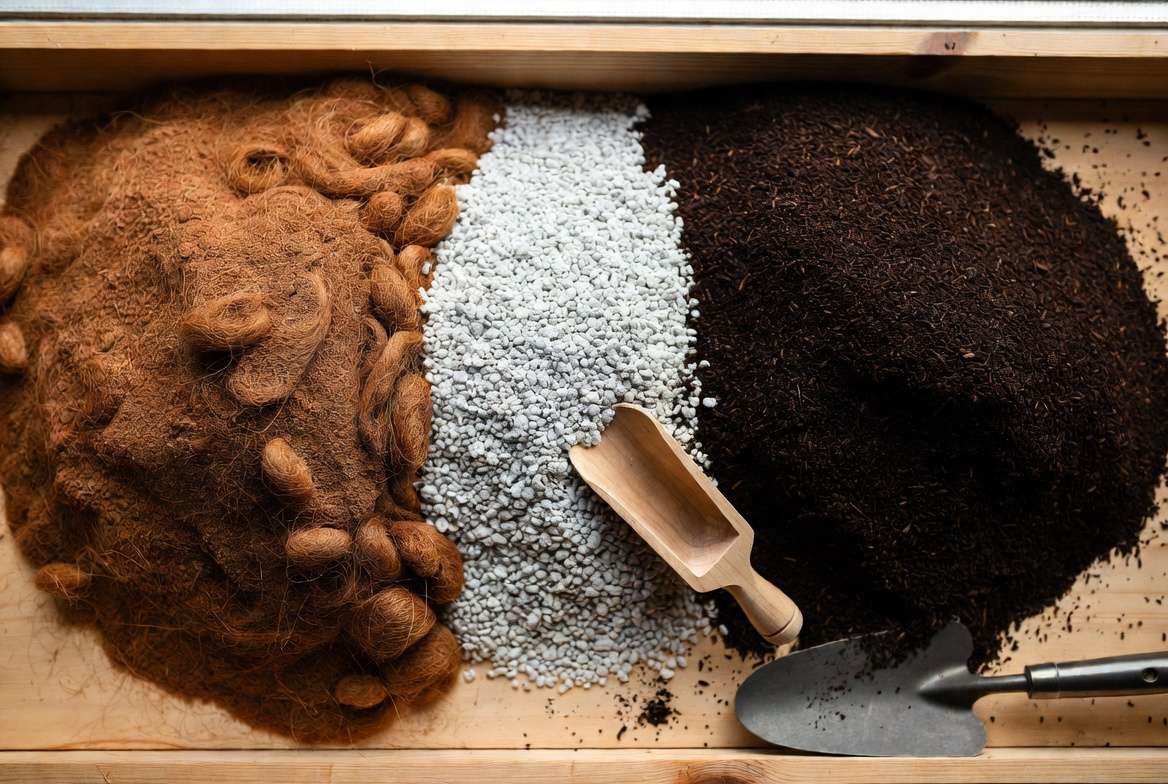
For robust plant health and explosive growth, you can blend your own expert-level potting mix. Combine the following:
-
50% High-Quality Base: Use coco coir or peat moss. This provides a lightweight structure that roots can easily push through while holding onto essential moisture.
-
30% Aeration: Heavy use of coarse perlite or pumice. This ensures water flows freely through the pot, preventing the anaerobic (oxygen-starved) conditions that lead to root rot.
-
20% Organic Compost/Worm Castings: This is the lifeblood of your soil. It introduces essential microbes, beneficial bacteria, and a slow-release source of nitrogen, phosphorus, and potassium.
Maintaining the Microbiome 🦠 In an isolated container, soil biology can diminish over time. To keep the soil web active, inoculate your potting mix with mycorrhizal fungi at the time of planting. These beneficial fungi form a symbiotic relationship with the tomato and pepper roots, essentially acting as microscopic extensions of the root system to scavenge for water and nutrients.
Drainage and Material: Beyond Just Pot Size 🪴
Once you know the exact volume you need, the material of the container plays a massive role in how the plant interacts with its environment.
Fabric Grow Bags: The Root-Pruning Miracle 🌬️
Fabric grow bags are widely considered the gold standard for container vegetables. Unlike solid plastic pots where roots hit the edge and circle (becoming root-bound), fabric bags allow air to penetrate the sides. When a root tip reaches the edge of the fabric, it is naturally “air-pruned.” This signals the plant to branch out and create thousands of fresh, new feeder roots, resulting in a denser, highly efficient root mass.
-
Ideal for: Both tomatoes and peppers, especially in humid climates where soil needs help drying out.
Plastic vs. Terra Cotta 🏺
-
Plastic Pots: Excellent for moisture retention. If you live in an arid, dry climate, heavy-duty, UV-resistant plastic or resin containers will prevent the summer sun from baking all the moisture out of your soil.
-
Terra Cotta: Beautiful and highly breathable, but they wick moisture away incredibly fast. If you use terra cotta for thirsty tomatoes, be prepared to water them constantly. They are better suited for drought-tolerant herbs rather than heavy-drinking fruiting crops.
The Golden Rule of Drainage 🚿 Regardless of whether you choose a repurposed 5-gallon bucket, a high-end resin planter, or a fabric bag, drainage is non-negotiable. Ensure there are multiple, large holes at the base of your container. Tomatoes and peppers hate having “wet feet.” Sitting in stagnant water will drown the roots and kill the plant faster than almost any pest or disease.
Pro-Tips to Maximize Your Container Yield 📈
Now that you have the perfect pot size and ideal soil, here are a few expert techniques to push your harvest over the top:
-
Mid-Season Feeding: Container plants wash nutrients out through the drainage holes every time you water. By mid-summer, your potting mix will be depleted. Top-dress with a granular, slow-release organic fertilizer specifically formulated for tomatoes (higher in phosphorus and potassium, lower in nitrogen) every 4 to 6 weeks.
-
Mulch Your Pots: Apply a 1-inch to 2-inch layer of straw, shredded leaves, or cedar mulch to the top of your container soil. This drastically reduces evaporation, cools the soil surface, and prevents soil-borne diseases from splashing up onto the lower leaves.
-
Support Early: Do not wait until your plants are massive to add support. Install heavy-duty tomato cages or stakes at the exact same time you plant your seedlings. Trying to cage a full-grown plant later will result in snapped branches and damaged roots. (Consider designing a custom Pinterest pin featuring different trellising methods for your readers!)
Frequently Asked Questions (FAQs) ❓
Can I plant a tomato and a pepper in the exact same pot? It is highly discouraged unless you are using a massive container (30+ gallons). Tomatoes and peppers are in the same family (Nightshades) and compete heavily for the exact same nutrients and water. The more aggressive tomato root system will usually stunt the pepper plant. Give them their own separate homes for the best results.
Is a standard 5-gallon bucket big enough for an indeterminate tomato? No. While a 5-gallon bucket is fantastic for peppers or dwarf tomatoes, an indeterminate vining tomato will outgrow it very quickly. The restricted root space will eventually cause the plant to drop its blossoms and suffer from severe nutrient deficiencies mid-season. Upgrade to a 20-gallon container.
How often should I water my potted pepper plants during a heatwave? During periods of extreme heat (above 90°F or 32°C), you may need to water daily, or even twice a day. The key is to check the soil moisture. Stick your finger two inches into the potting mix; if it feels dry at that depth, it is time to water until runoff appears from the bottom drainage holes.
Do I need to replace my potting soil completely every single year? You don’t have to throw it away, but you absolutely must refresh it. Old potting soil is depleted of nutrients and compacted. To reuse it, dump it into a wheelbarrow, break up any root masses, and mix in at least 30% fresh compost, a dose of granular fertilizer, and fresh perlite to restore its vitality.
Conclusion: Ready, Set, Grow! 🏁
Growing a lush, productive patio garden is entirely within your reach. By moving away from guesswork and following these exact pot size guidelines for tomatoes and peppers, you are setting up the biological foundation your plants need to thrive. Remember, the container you choose is the engine block for your garden—give your plants a big enough engine, fill it with premium, living soil, and watch as you maximize your harvest this season!
Are your containers prepped and ready for planting? Take a moment to measure your pots, source your high-quality potting mix, and get ready for your most abundant summer harvest yet. Happy gardening! 🧑🌾🌻











