
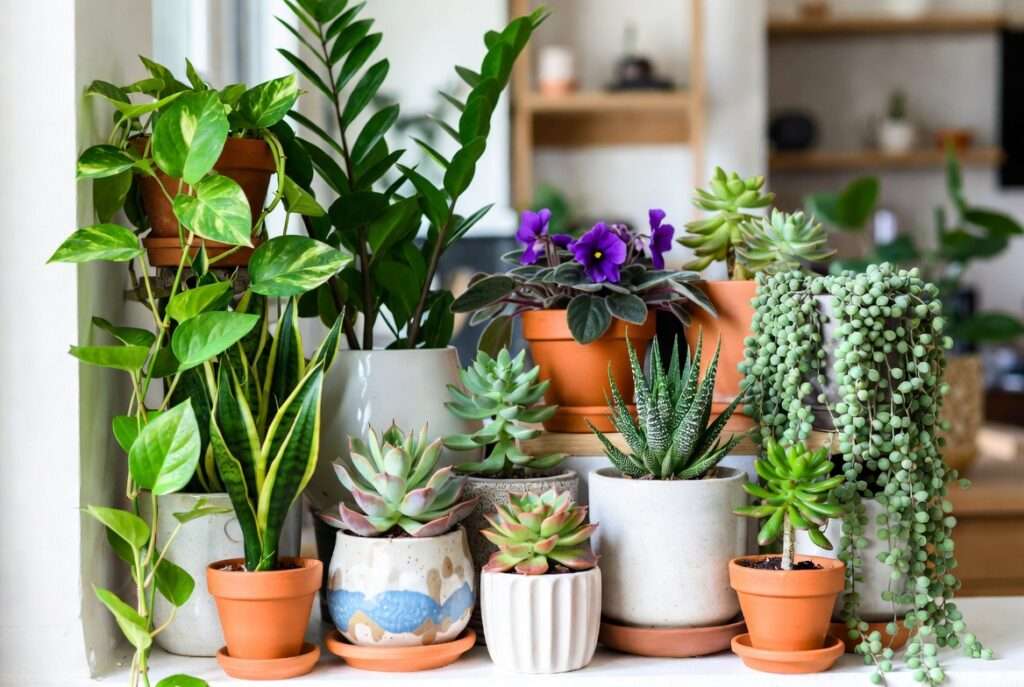
Living in a cozy apartment, working from a small home office, or dreaming of greenery on a tiny balcony? If you’ve ever felt limited by space but still crave the calming presence of houseplants, you’re not alone. Plants for small pots are the perfect solution — bringing life, color, and fresh air into even the most compact living areas without overwhelming your shelves or windowsills.
Imagine waking up to vibrant leaves on your desk, trailing greenery cascading from a shelf, or delicate blooms brightening your kitchen counter. Small-potted plants aren’t just decorative — they purify indoor air, reduce stress, boost mood, and even provide fresh herbs for your meals. As a plant care specialist with over a decade of urban gardening experience, I’ve helped countless beginners transform cramped spaces into lush green sanctuaries. This comprehensive guide shares my proven favorites and expert strategies so you can enjoy thriving plants no matter how limited your space is. 🌿
Whether you’re a busy professional with zero gardening experience, a pet owner seeking safe options, or someone battling low light conditions, this article delivers practical, actionable advice. We’ll explore 15 exceptional compact varieties, detailed care routines, common pitfalls to avoid, and creative styling ideas. By the end, you’ll feel confident starting (or expanding) your own small-pot plant collection. Let’s dig in and turn those tiny spaces into flourishing oases! 🪴
Table of Contents
- Why Plants in Small Pots Are Perfect for Modern Living
- How to Choose the Right Plants for Small Pots
- 15 Best Plants for Small Pots: Detailed Profiles
- Essential Care Tips for Thriving Small-Pot Plants
- Common Mistakes to Avoid
- Advanced Tips and Creative Uses
- Frequently Asked Questions
- Conclusion
Why Plants in Small Pots Are Perfect for Modern Living 🏠
In today’s fast-paced urban world, not everyone has a sprawling backyard or sunny patio. Yet the desire for nature connection remains strong. Plants for small pots solve this beautifully by fitting seamlessly into apartments, dorm rooms, office desks, and narrow balconies.
H2: Space-Saving Solutions for Apartments, Balconies, and Offices
Small pots (typically 4–6 inches in diameter) allow you to create vertical gardens, windowsill displays, or grouped tabletop arrangements. They take minimal floor space while maximizing visual impact. Many compact varieties stay under 12–18 inches tall, making them ideal for shelves and side tables without crowding your living area.
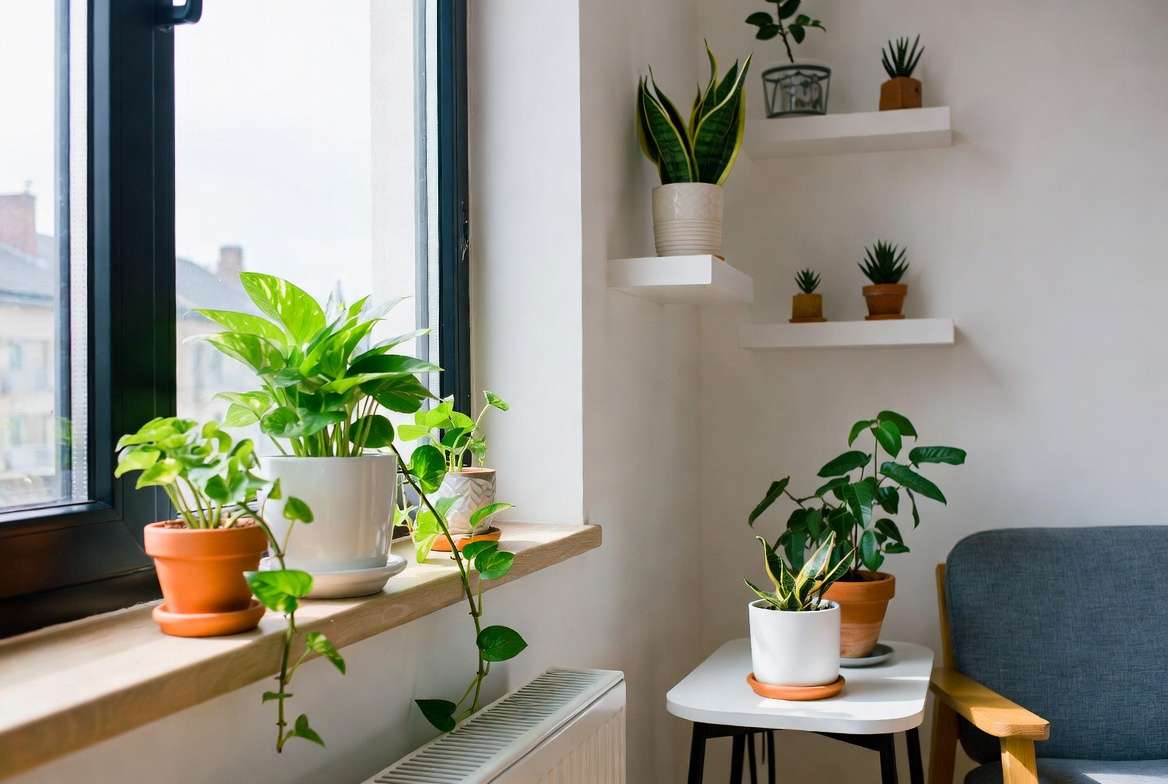
H2: Key Benefits: Improved Air Quality, Mental Wellness, and Decor Versatility
NASA studies and numerous horticultural reports confirm that houseplants filter toxins like formaldehyde and benzene from the air. Even one or two small plants can noticeably improve indoor air quality. Mentally, tending to plants reduces anxiety and promotes mindfulness — perfect for stressful modern lifestyles. 🌱
Aesthetically, small-potted plants add texture, color, and personality to any decor style — from minimalist Scandinavian to boho chic. They’re also budget-friendly and low-commitment compared to larger specimens.
H3: How Small Pots Encourage Mindful Plant Parenting
Caring for plants in small containers teaches observation skills. You’ll quickly notice when a plant needs water or more light, fostering a rewarding routine rather than overwhelming chores. This is especially helpful for beginners building confidence before scaling up.
How to Choose the Right Plants for Small Pots (Expert Selection Criteria) 📏
Success with plants for small pots starts with smart selection. Not every plant tolerates confined roots or limited soil volume.
H2: Essential Factors for Success
H3: Light Requirements (Low, Medium, Bright) Assess your space honestly. North-facing windows suit low-light lovers like ZZ Plant or Snake Plant. South-facing spots welcome sun-tolerant succulents and flowering varieties. Use a light meter app if unsure.
H3: Growth Habits: Compact, Slow-Growing, or Controllable Prioritize plants that naturally stay small or grow slowly. Avoid aggressive spreaders unless you’re willing to prune regularly.
H3: Watering Needs and Drought Tolerance Small pots dry out faster than large ones. Drought-tolerant succulents and plants with thick leaves forgive occasional neglect, making them beginner-friendly.
H3: Soil, Drainage, and Pot Size Guidelines Always choose pots with drainage holes. Start with 4–6 inch containers and upgrade only when roots circle the bottom. Use well-aerating mixes — add perlite or orchid bark for succulents and cacti.
H2: Matching Plants to Your Lifestyle (Beginner-Friendly, Pet-Safe, Low-Maintenance)
- Beginners: ZZ Plant, Pothos, Peperomia.
- Pet-safe: Most succulents (check ASPCA for specifics), African Violets.
- Low-maintenance: Snake Plant, Air Plants, Haworthia.
Pro Tip: Create a simple checklist — light level, watering frequency, pet/kid safety — before purchasing. This prevents impulse buys that end in disappointment. 🛒
15 Best Plants for Small Pots: Detailed Profiles 🌟
Here’s my curated list of standout performers based on years of real-world testing in small containers. Each profile includes why it excels, care essentials, troubleshooting, and styling ideas.
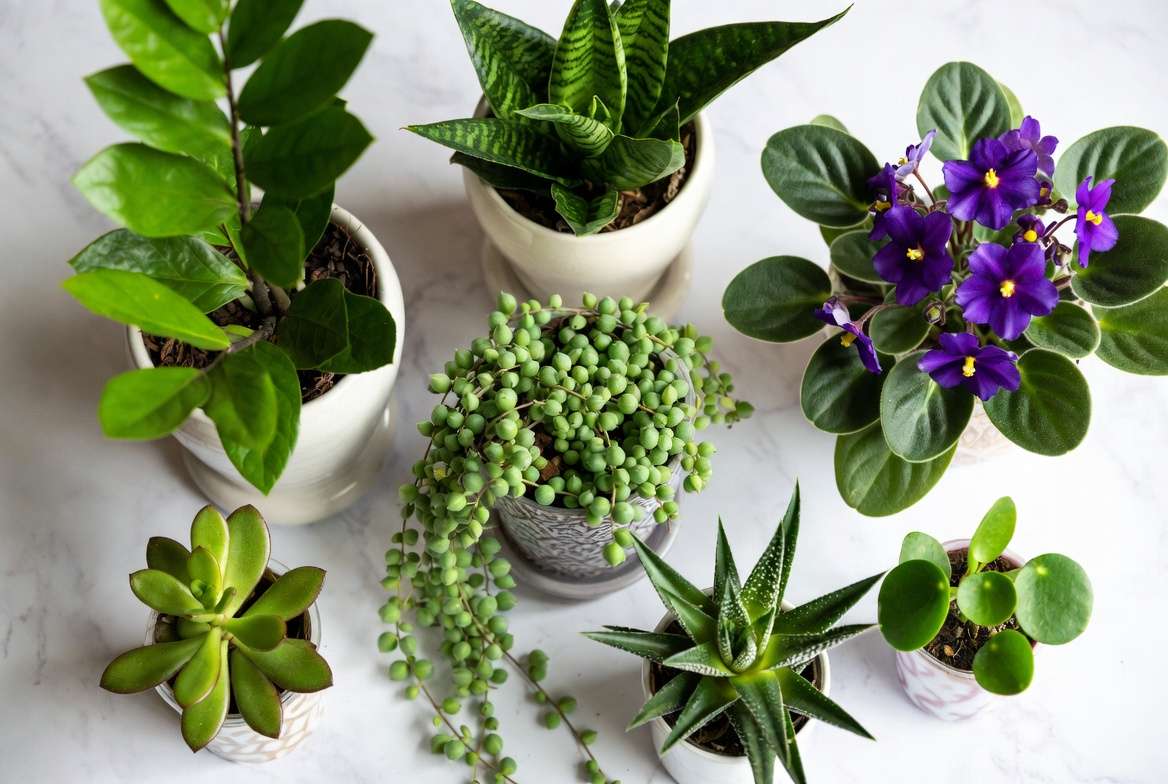
1. ZZ Plant (Zamioculcas zamiifolia) — The Ultimate Low-Maintenance Champion 🖤
The ZZ Plant tops nearly every “forgiving houseplant” list for good reason. Its glossy, dark green leaves and thick rhizomes store water, allowing it to survive weeks without attention. Perfect for forgetful owners or low-light offices.
Why it thrives in small pots: Slow growth keeps it compact for years. Light: Low to bright indirect. Water: Every 2–4 weeks; let soil dry completely. Soil: Well-draining potting mix. Propagation: Leaf or division. Common issues: Yellow leaves usually signal overwatering — cut back immediately. Styling: Sleek modern pots on desks or bookshelves. Fun fact: It’s nearly indestructible — I’ve revived neglected specimens many times!
2. Snake Plant (Sansevieria) Dwarf Varieties — Air-Purifying Powerhouse 🌬️
Dwarf cultivars like ‘Golden Hahnii’ or ‘Laurentii Dwarf’ form neat rosettes under 12 inches tall, unlike their taller cousins.
Why excellent for small pots: Upright growth maximizes vertical space. Excellent air purifiers. Light: Low to medium. Water: Every 3–4 weeks. Tips: Wipe leaves for dust. Pet-safe in moderation. Styling: Group several in matching pots for a striking display.
3. Pothos (Epipremnum aureum) — Trailing Beauty for Shelves 🪴
The classic “devil’s ivy” adapts beautifully to small pots when kept trimmed. Golden and Marble Queen varieties shine with variegation.
Care: Bright indirect light, water when top inch dries. Pinch tips for bushiness. Propagation: Super easy in water. Styling: Hanging or trailing over shelf edges.
4. African Violet — Charming Blooms in Tiny Spaces 🌸
African Violets are beloved for their delicate, velvety flowers that bloom almost continuously under the right conditions. Compact varieties stay perfectly sized for 4–5 inch pots, making them ideal plants for small pots on kitchen windowsills or bedside tables.
Why it excels: Continuous blooming brings cheerful color year-round without taking much space. Light: Bright indirect light (east or west windows work best). Avoid direct sun to prevent leaf scorch. Water: Water from the bottom to keep leaves dry — every 5–7 days when the top feels dry. Use room-temperature water. Soil: Light, airy African violet-specific mix with good drainage. Propagation: Easy from leaf cuttings in water or soil. Common issues: Powdery mildew from poor air circulation — improve airflow and avoid overhead watering. Brown leaf edges often mean dry air; use a pebble tray for humidity. Styling ideas: Place in decorative self-watering pots or group with other blooming plants for a mini indoor garden. Fun fact: With proper care, one plant can produce dozens of flowers simultaneously, turning a tiny corner into a focal point. As an expert, I recommend them highly for beginners wanting flowers rather than just foliage. 🌺
5. Haworthia (Zebra Plant) — Striking Succulent for Windowsills 🦓
Haworthia species, especially Haworthia fasciata or attenuata, feature beautiful white-striped, spiky leaves in tight rosettes. They remain compact (usually under 6 inches) and are incredibly forgiving.
Why perfect for small pots: Extremely slow-growing and drought-tolerant. Light: Bright indirect to some direct morning sun. Water: Every 2–3 weeks; allow soil to dry fully. Soil: Cactus/succulent mix with extra perlite. Propagation: Offsets (pups) separate easily. Troubleshooting: Stretching occurs in low light — move closer to a window. Root rot from overwatering is the main killer; err on the dry side. Styling: Modern geometric pots or grouped in a succulent dish garden. These add architectural interest without demanding much attention — perfect for busy urban dwellers. 🪴
6. Peperomia (e.g., Hope or Watermelon) — Cute, Compact Foliage Lover ❤️
Peperomias offer diverse leaf shapes and textures in a tiny footprint. Peperomia hope cascades gently, while Watermelon has adorable striped leaves.
Why it thrives: Naturally compact and tolerant of lower light. Light: Medium to bright indirect. Water: Allow top 1–2 inches to dry; roughly weekly. Soil: Well-draining potting mix. Propagation: Stem or leaf cuttings. Care tips: Pinch back for bushier growth. Highly resistant to pests. Styling: Hanging baskets or mixed with trailing plants. Their unique foliage makes them conversation starters on desks or bookshelves. I’ve grown dozens of these over the years — they’re among the most rewarding for small spaces. ✨
7. String of Pearls / String of Hearts — Cascading Succulent Magic ✨
These trailing succulents (Senecio rowleyanus and Ceropegia woodii) create stunning hanging displays with bead-like or heart-shaped leaves.
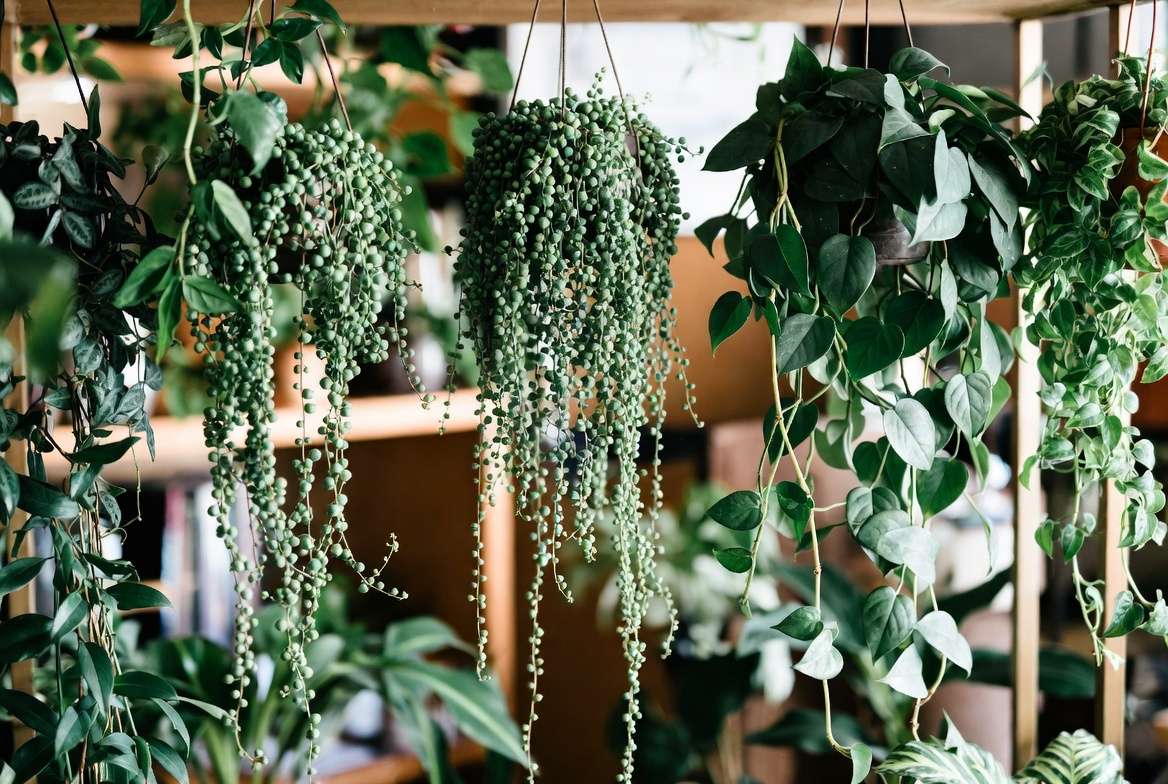
Why ideal: They spill beautifully over pot edges without needing much root space. Light: Bright indirect light. Water: Every 2 weeks; succulent-like care. Soil: Sandy, well-draining mix. Propagation: Easy stem cuttings. Issues & solutions: “Bald” strands mean too little light or inconsistent watering — prune and propagate healthy sections. Styling: Macrame hangers or high shelves. Their playful trailing habit transforms boring spaces into whimsical ones. 🌿
8. Jade Plant (Mini/Dwarf) — Lucky Money Tree Vibes 💰
Miniature Jade varieties (Crassula ovata) stay compact and develop a tree-like structure in small pots.
Why great: Symbolic of prosperity and very hardy. Light: Bright light, some direct sun. Water: Every 2–3 weeks. Soil: Cactus mix. Tips: Prune for shape. Leaves wrinkle when thirsty. Styling: On sunny windowsills or entry tables. Great for gifting!
9. Air Plants (Tillandsia) — No-Soil Wonders 🌬️
Air plants require zero soil, making them the ultimate space-savers.
Care: Bright indirect light, soak weekly for 20–30 minutes. Styling: Mounted on wood, in terrariums, or wire holders. Low-maintenance magic for minimalists. ✨
10. Flaming Katy (Kalanchoë) — Vibrant Flowering Star 🌺
Long-lasting colorful blooms on compact plants.
Care: Bright light, moderate water. Deadhead for repeat blooms.
11. Echeveria Succulents — Rosette Perfection 🌹
Classic rosette succulents in many colors. Slow-growing and stunning.
12. Baby Toes (Fenestraria) or Living Stones (Lithops) — Unique Mini Succulents 🪨
Fascinating mimicry plants for collectors. Extremely compact and low-water.
13. Chinese Money Plant (Pilea peperomioides) — Trendy and Easy 🍀
Round leaves on long stems — propagates like crazy via pups.
14. Moth Orchid (Phalaenopsis) Mini — Elegant Long-Lasting Blooms 🦋
Mini varieties fit small pots perfectly and rebloom with ice-cube watering method.
15. Herbs: Basil, Mint, or Thyme (Compact Varieties) — Fresh Kitchen Companions 🌿
Grow culinary herbs on your windowsill for fresh flavor. Pinch often to keep compact. Great for small pots in sunny kitchens.
H2: Bonus Mixed Pot Ideas and Companion Planting for Small Spaces
Pair plants with matching needs: succulents like Echeveria + Haworthia + String of Pearls in a wide shallow bowl for a mini desert landscape. Foliage combos like Pothos + Peperomia + ZZ create lush textures. Always ensure similar light/water requirements and leave space for growth. This approach maximizes visual interest while conserving space. 🪴
Essential Care Tips for Thriving Small-Pot Plants 🌡️
Small pots present unique challenges — faster soil drying and limited nutrients — but following these proven techniques ensures success.
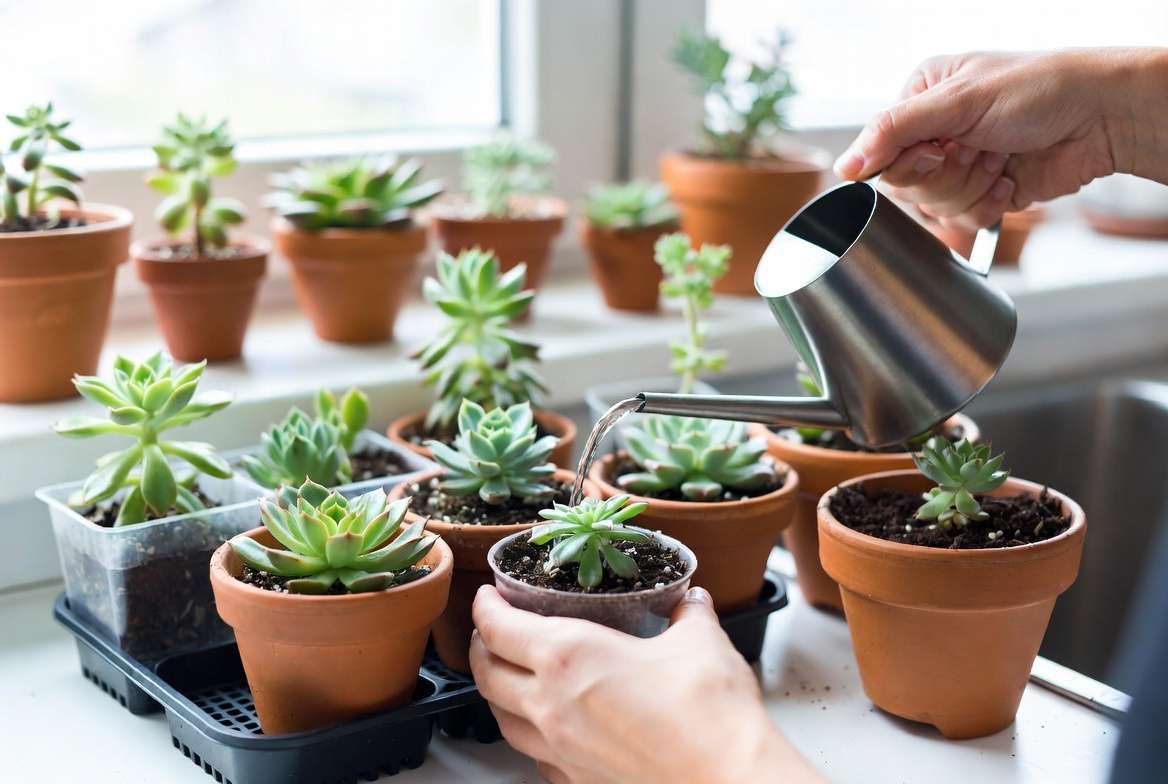
H2: Watering Wisely — Avoid Over/Underwatering Pitfalls 💧
Small containers dry out quicker, especially in warm or drafty spots. Use the “finger test”: insert your finger 1–2 inches into soil. Water thoroughly until it drains out the bottom, then empty saucers. Overwatering causes root rot more than anything else. Consider self-watering pots for consistency.
H2: Soil Mixes, Fertilizing, and Repotting Schedule
Use high-quality, well-aerating mixes. For succulents: 50/50 potting soil + perlite/sand. Fertilize sparingly during growing season (spring/summer) with diluted balanced fertilizer every 4–6 weeks. Repot only when roots emerge from drainage holes — usually every 1–2 years. Choose slightly larger pots to avoid shock.
H2: Light Optimization and Seasonal Adjustments
Rotate pots weekly for even growth. Supplement with grow lights during short winter days. South-facing windows suit sun lovers; sheer curtains protect sensitive plants.
H2: Pest Prevention and Troubleshooting
Common issues: spider mites, mealybugs, fungus gnats. Prevent with good airflow and quarantine new plants. Yellow leaves? Usually overwatering or poor light. Drooping? Check soil moisture. My experience shows early intervention saves most plants.
H3: Expert Insights on Container Materials
Terracotta breathes well but dries faster — great for succulents. Plastic retains moisture for tropicals like Pothos. Ceramic looks beautiful but ensure drainage. Always match material to plant needs.
Common Mistakes to Avoid When Growing in Small Pots ❌
- Poor Drainage: Always use pots with holes.
- Wrong Pot Size: Starting too big leads to soggy soil.
- Inconsistent Watering: Set reminders.
- Ignoring Light: Most failures stem from this.
- Over-Fertilizing: Less is more in small volumes.
- Neglecting Root Bound Signs: Check annually.
- Using Garden Soil: It compacts and harbors pests.
Learning from these mistakes (and my own early ones) accelerates your plant parenting journey.
Advanced Tips and Creative Uses for Small Pots 🎨
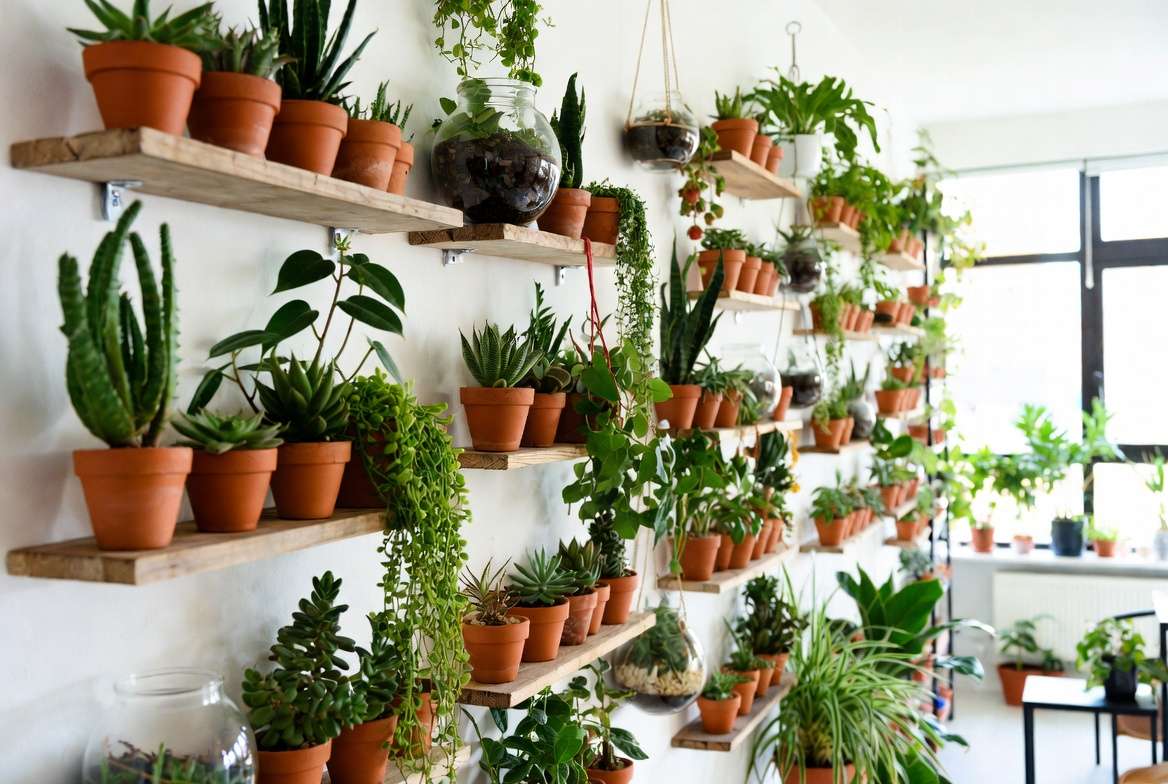
H2: Styling Ideas: Vertical Gardens, Terrariums, and Desk Displays
Use wall-mounted planters, hanging rails, or tiered shelves. Create closed terrariums for humidity-loving plants.
H2: Propagation Techniques to Expand Your Collection for Free
Water propagation for Pothos, leaf cuttings for African Violets, division for ZZ and Snake Plants. Turn one plant into many!
H2: Seasonal Care and Overwintering Strategies
Reduce watering in winter. Protect from cold drafts.
Sustainability: Choose recycled or biodegradable pots and organic fertilizers.
Frequently Asked Questions (FAQs) ❓
What are the easiest plants for small pots for beginners? ZZ Plant, Snake Plant, and Pothos top the list due to their resilience.
How often should I water plants in small pots? It varies — check soil moisture every few days rather than following a strict schedule.
Can I grow vegetables or herbs in tiny containers? Yes! Compact herbs like thyme, basil, and mint thrive beautifully.
Best plants for low-light apartments? ZZ Plant, Snake Plant, and certain Peperomia varieties excel here.
How to prevent root bound issues? Monitor growth and repot timely into slightly larger containers with fresh soil.
Conclusion: Start Your Small Pot Plant Journey Today! 🚀
Plants for small pots prove that beautiful, thriving greenery is accessible to everyone, regardless of space constraints. By choosing the right compact varieties and applying these expert care techniques, you’ll enjoy healthier plants, cleaner air, and greater joy in your home.
Start small — pick one or two from the list that match your conditions — and watch your confidence (and collection) grow. Share your favorite small-pot success stories in the comments below, and explore more guides on our site for advanced plant care tips. Happy planting! 🌱✨
Author Bio: With over 10 years of hands-on experience in urban plant care and horticulture, this guide draws from real successes and lessons learned in small-space gardening.











