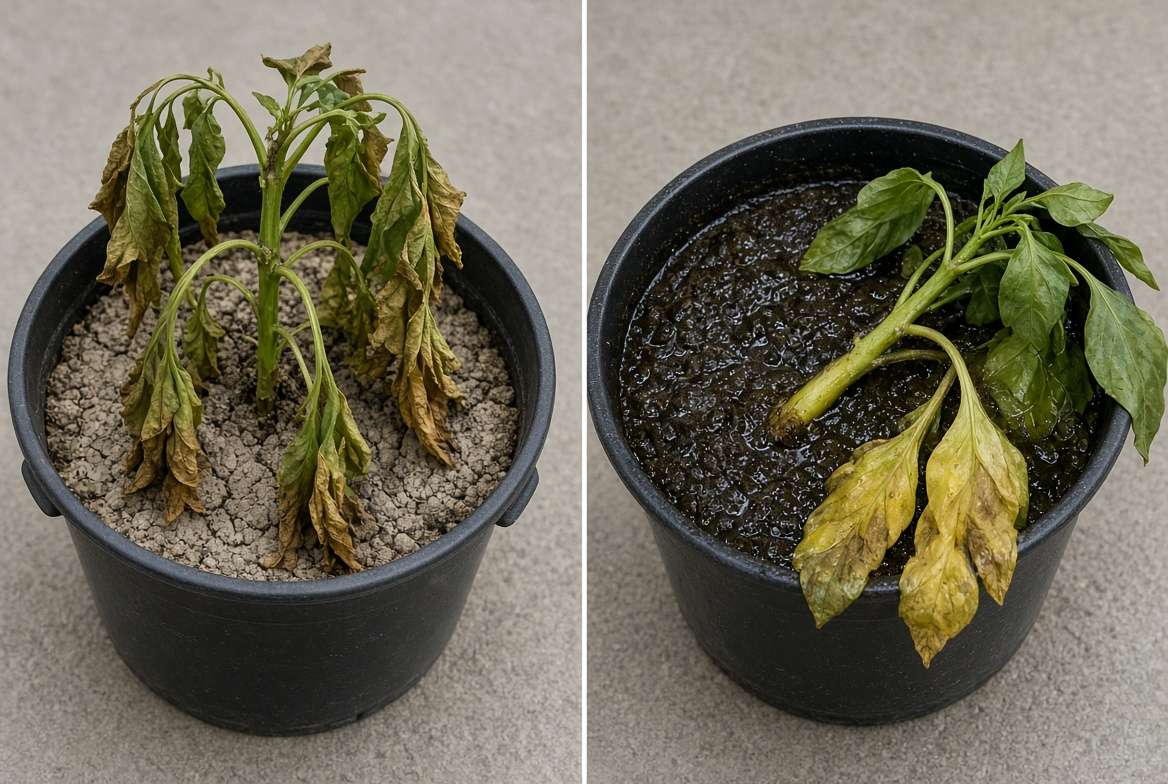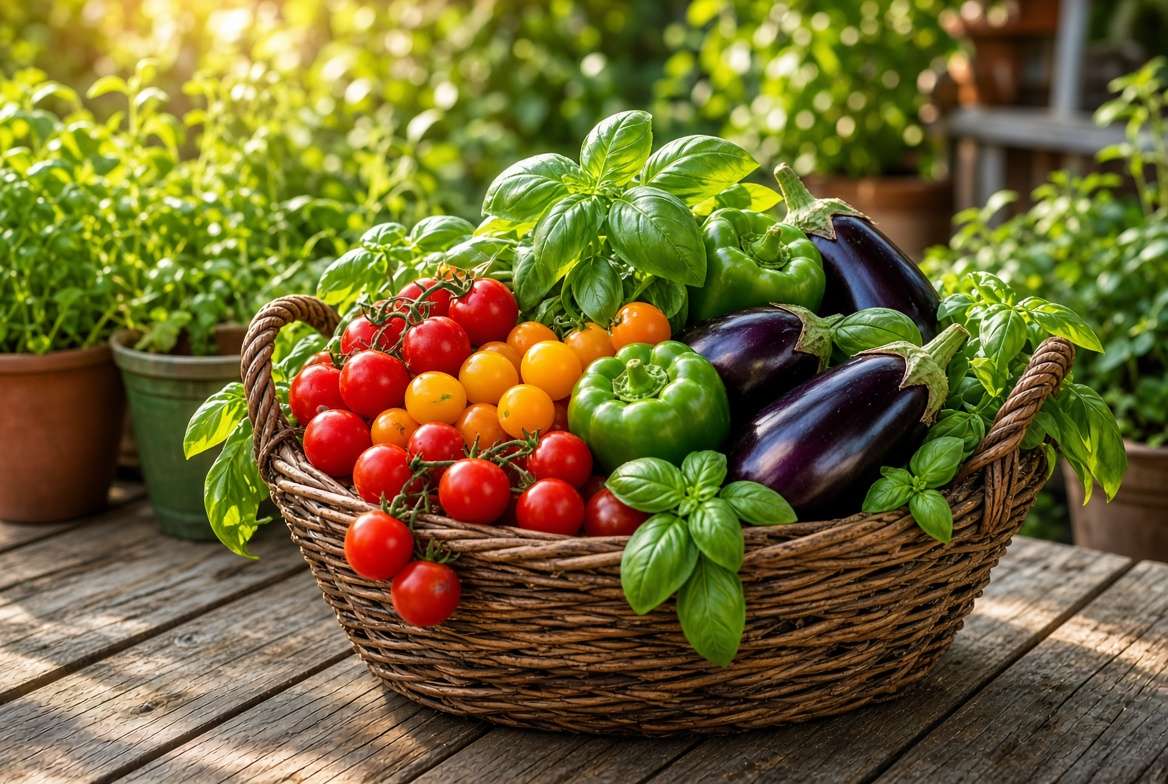
Picture this: You step out onto your patio, coffee in hand, ready to admire your flourishing container garden. Instead, you’re greeted by the heartbreaking sight of wilted tomato plants, or worse, yellowing, mushy leaves clinging to your peppers. If you have ever felt the frustration of losing a beautiful harvest simply because you gave it too much or too little water, you are not alone.
Understanding the exact watering frequency for potted veggies is the single most common hurdle for container gardeners. Ground soil and potting soil behave in completely different ways, rendering traditional gardening advice almost obsolete.
After years of testing soil moisture dynamics, evaluating root health, and rescuing drowning plants in container gardens, I have learned that watering is more of an art backed by science than a strict calendar schedule. In this comprehensive guide, we will replace the guesswork with a foolproof, science-backed system designed to maximize your vegetable yield. Let’s dive in and transform your harvest! 🌱
Why Potted Vegetables Need a Different Watering Strategy 🪴
If you have transitioned from a traditional backyard garden to a container garden, you will quickly notice that the rules of engagement have changed. Potted plants exist in a highly controlled, artificial environment, which directly impacts how they process water.
-
Limited Root Space: In a traditional raised bed or ground garden, vegetable roots can stretch deep into the earth to seek out moisture and nutrients during a dry spell. In a container, your plant is completely captive. It relies 100% on you for hydration because its roots are confined to the physical walls of the pot.
-
Faster Evaporation: Containers, especially those placed on sunny patios, balconies, or decks, are exposed to air circulation on all sides. This 360-degree exposure causes the potting soil to heat up and dry out exponentially faster than insulated ground soil.
-
Nutrient Runoff: Every time water pours out of the drainage holes of your pots, it carries away microscopic amounts of essential water-soluble nutrients. Therefore, your watering strategy directly impacts not just hydration, but how often you need to fertilize to maintain a healthy, productive plant.
The 5 Golden Variables That Dictate Your Watering Frequency ☀️🌧️
One of the biggest mistakes new gardeners make is asking, “Should I water every two days?” The truth is, your schedule will fluctuate based on a combination of environmental and biological factors. Understanding these five variables will instantly elevate your gardening expertise.
1. Pot Material & Size
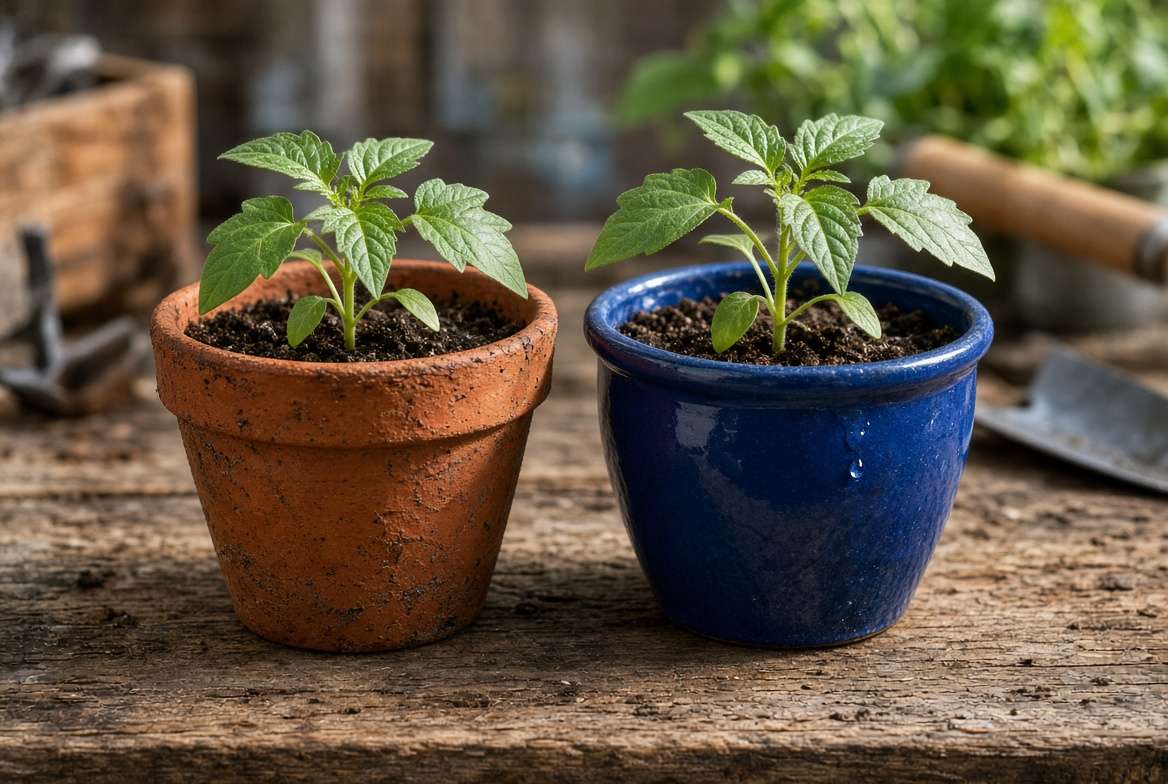
The vessel you choose dramatically influences evaporation. Terracotta and unglazed clay pots are porous; they “breathe,” allowing moisture to escape laterally through the walls. This means plants in terracotta will need water much more frequently than those in plastic, resin, or glazed ceramic pots, which trap moisture inside. Additionally, the soil-to-root volume ratio matters. A massive, mature tomato plant in a relatively small 5-gallon bucket will deplete the available water in a matter of hours on a hot day, requiring daily (or twice-daily) watering.
2. The Type of Vegetable
Not all vegetables drink at the same rate. Deep-rooted, thirsty plants like cucumbers, melons, and tomatoes are massive water consumers. On the other hand, Mediterranean herbs like rosemary or thyme, and shallow-rooted crops like certain hot peppers, prefer drier feet and are moderately drought-tolerant.
3. Stage of Growth
A tiny seedling in a large pot barely sips water. However, as that plant enters its vegetative stage and bursts with lush, green foliage, its transpiration rate skyrockets. By the time it hits the fruiting stage—swelling juicy tomatoes, heavy eggplants, or crisp bell peppers—it will be drinking at absolute peak capacity to support the heavy water weight of the developing fruit.
4. Weather & Microclimates
Ambient conditions act as the throttle for evaporation. Blazing direct sunlight, low humidity, and high winds act like a blow dryer on your container garden, stripping moisture from the leaves and soil rapidly. Conversely, a string of cloudy, cool, and highly humid days might mean you can safely skip watering entirely for nearly a week.
5. Potting Mix Composition
Your soil structure dictates moisture retention. A mix heavy in peat moss, vermiculite, or coco coir acts like a sponge, holding onto water for days. Conversely, a mix formulated with high amounts of perlite, sand, or pine bark fines ensures rapid drainage and excellent aeration. A well-draining mix is absolutely crucial to prevent root rot, but it will naturally necessitate a higher watering frequency.
Stop Using a Calendar: 3 Foolproof Ways to Test Soil Moisture 🖐️🧭
If you want to achieve the perfect watering frequency for potted veggies, throw away your calendar. Instead, rely on these three actionable, foolproof methods to assess exactly what your plants need at any given moment.
Technique 1: The Classic “Finger Test”
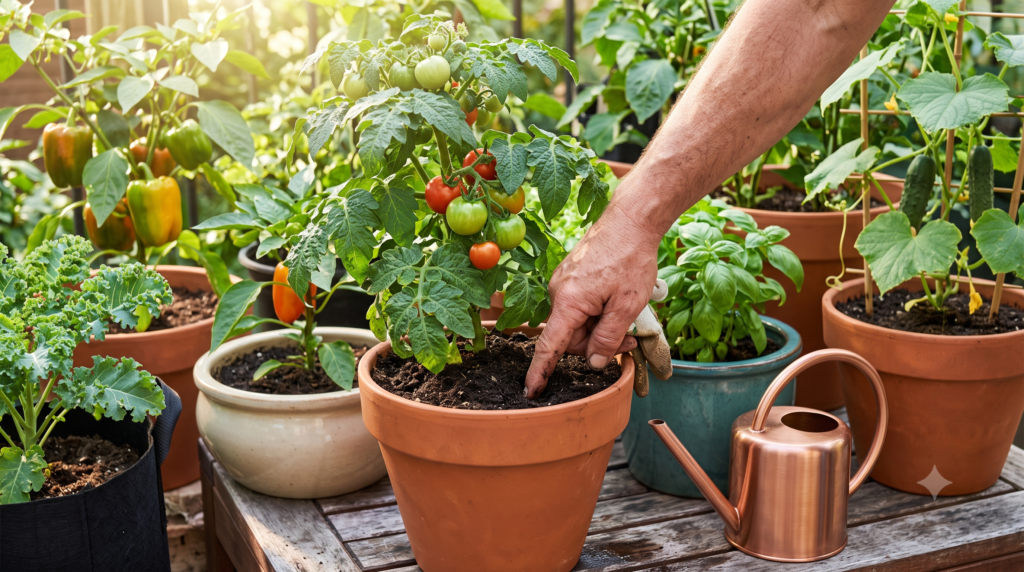
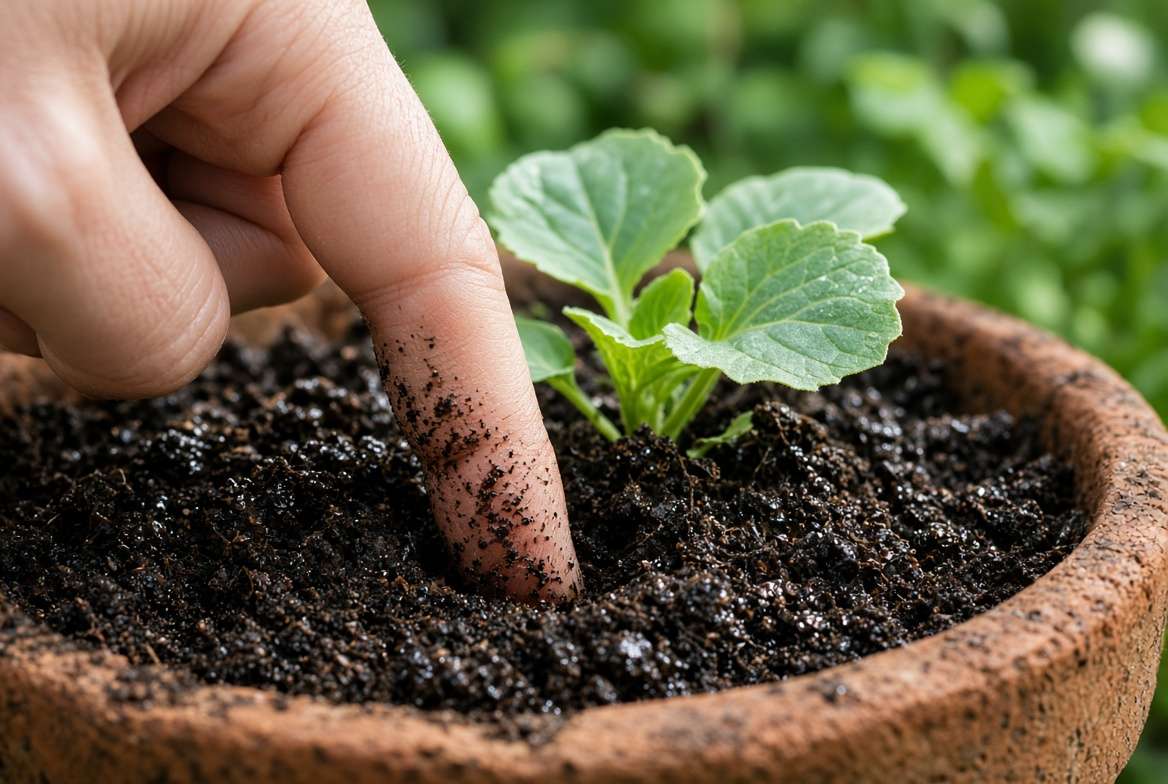
Your fingers are the most reliable moisture sensors available. Plunge your index finger 1 to 2 inches deep into the potting mix. Do not just touch the surface—topsoil dries out incredibly fast under the sun and will trick you into overwatering. If the soil at your fingertip feels cool, damp, and clings slightly to your skin, hold off on watering. If it feels dry, dusty, and warm, it is time to grab the watering can.
Technique 2: The Pot Lifting Method (Weighing)
Water is surprisingly heavy (about 8.3 pounds per gallon). By gently lifting or tilting your pots, you can accurately gauge how much moisture remains inside the root zone. Get into the habit of lifting your pots immediately after a deep watering to memorize their “heavy” baseline. Lift them again a few days later. When the pot feels surprisingly light and hollow, the soil has dried through, signaling it is time for a thorough soaking.
Technique 3: Using a Moisture Meter
For larger containers (like half-barrels, deep cedar planters, or 20-gallon grow bags) where the finger test falls short, a soil moisture meter is a fantastic investment. Push the probe deep into the root zone to get an instant reading. Expert Pro-Tip: Moisture meters measure electrical conductivity. Highly aerated, chunky potting mixes with lots of air pockets can sometimes result in false “dry” readings. Always corroborate the meter’s reading with the physical appearance of the plant itself.
The Ultimate Cheat Sheet: Watering Frequency for Potted Veggies by Type 📋🥦
To make your daily routine easier, here is a highly scannable reference guide. Keep in mind that these are general guidelines for peak summer conditions, and you should always verify with the moisture-testing techniques mentioned above!
| Vegetable Category | Examples | General Watering Frequency | Moisture Preference |
|---|---|---|---|
| Heavy Drinkers | Tomatoes, Cucumbers, Zucchini | 1-2 times daily | Keep consistently moist; never let the root ball dry out completely to avoid blossom end rot. |
| Moderate Drinkers | Peppers, Eggplants, Beans | Every 1-3 days | Allow the top 1-2 inches of soil to dry out entirely between waterings. |
| Leafy Greens | Lettuce, Spinach, Kale | Every 1-2 days | Prefers cool, even moisture to prevent premature bolting (going to seed) and bitter flavors. |
| Root Veggies | Carrots, Radishes, Beets | Every 2-4 days | Deep, infrequent watering encourages roots to stretch downward in search of moisture. |
| Herbs | Basil, Thyme, Rosemary | Varies wildly | Basil loves moisture; let top 2 inches dry out completely for Mediterranean herbs like oregano and thyme. |