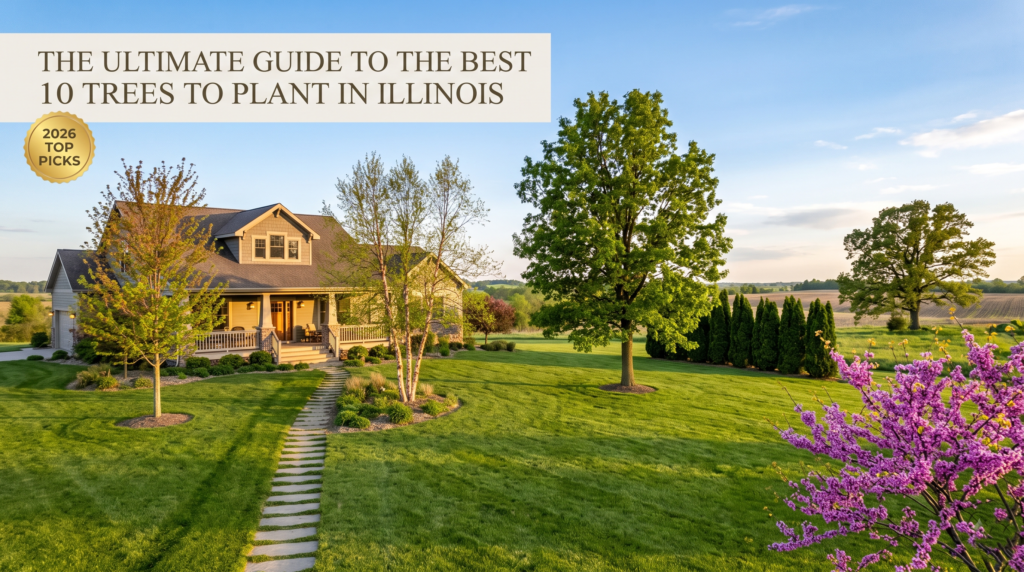
Illinois is famous for its extreme weather swings. From freezing, ice-laden winters to hot, wildly humid summers, the Prairie State demands serious landscape resilience. If you plant the wrong sapling in these harsh conditions, you could quickly be left with thousands of dollars in property damage from failing branches or a yard full of dead, withered landscaping.
To solve this common homeowner struggle, you need to find the best 10 trees to plant in illinois. The secret to a thriving yard is identifying hardy species capable of surviving USDA Zones 4 through 7, effortlessly penetrating the notoriously heavy Midwestern clay soils, and naturally resisting local pests.
Fortunately, you do not have to guess. We have meticulously selected these top-rated trees for their proven local climate resilience, long-term durability, and incredible aesthetic appeal. Best of all, each of our recommendations is directly available on Amazon, allowing for the easy, stress-free doorstep delivery of live saplings and bare roots so you can transform your property right away.
II. Buying Guide: How to Choose the Right Tree for Your Illinois Yard
Before diving into the best 10 trees to plant in illinois, it is crucial to understand what makes a tree survive and thrive in your specific backyard. Here is what you need to consider before adding a tree to your Amazon cart:
Understand Your Specific Zone
Illinois spans multiple USDA Hardiness Zones. Northern Illinois (including the Chicagoland area) largely falls into Zones 4b and 5, which experience bitter, freezing winds and heavy snowfalls. Central and Southern Illinois range from Zone 6 down to Zone 7, bringing milder winters but sweltering, humid summers. Always ensure the tree you purchase is rated for your specific zip code’s hardiness zone.
Soil and Drainage Factors
If you live in Illinois, you likely have clay soil. Clay is nutrient-rich but notoriously dense, meaning it drains poorly and suffocates the roots of delicate trees. When choosing a tree, look for species with aggressive root systems or high adaptability to poor drainage. If your yard tends to puddle after a spring storm, water-loving trees are your best bet.
Landscape Goals (The Decision Matrix)
What is the primary job of this tree?
-
For fast shade: Look for rapid growers with wide canopies to cool your home in the summer.
-
For privacy: Opt for dense evergreens that keep their foliage year-round to block out neighbors or street noise.
-
For curb appeal: Choose ornamental trees that offer spring blooms or striking fall foliage.
Buying Live Trees on Amazon
Buying trees online has never been easier. When browsing Amazon for the best 10 trees to plant in illinois, pay attention to how the tree is shipped. Bare root trees are shipped dormant (without soil) and look like sticks upon arrival, but they adapt rapidly once planted. Potted saplings arrive with soil and leaves but require immediate watering. Always check the nursery’s reviews for shipping reliability and packaging quality.
III. Tree Comparison Overview
To help you make a quick, informed decision, here is a mobile-friendly, three-column comparison of our top picks:
IV. Detailed Product Comparison and Reviews
1. Red Maple (Acer rubrum) – Best for Fast Shade and Fall Color
1. A Compelling Product Description: The Red Maple is the quintessential American shade tree and a crown jewel of Midwestern landscaping. Known for its explosive growth and rounded, symmetrical canopy, this deciduous powerhouse transforms into a breathtaking pillar of scarlet, orange, and yellow every autumn. Shipped as a sturdy bare-root or potted sapling on Amazon, the Red Maple establishes itself rapidly, providing a cooling canopy over your home that can significantly reduce summer air conditioning costs.
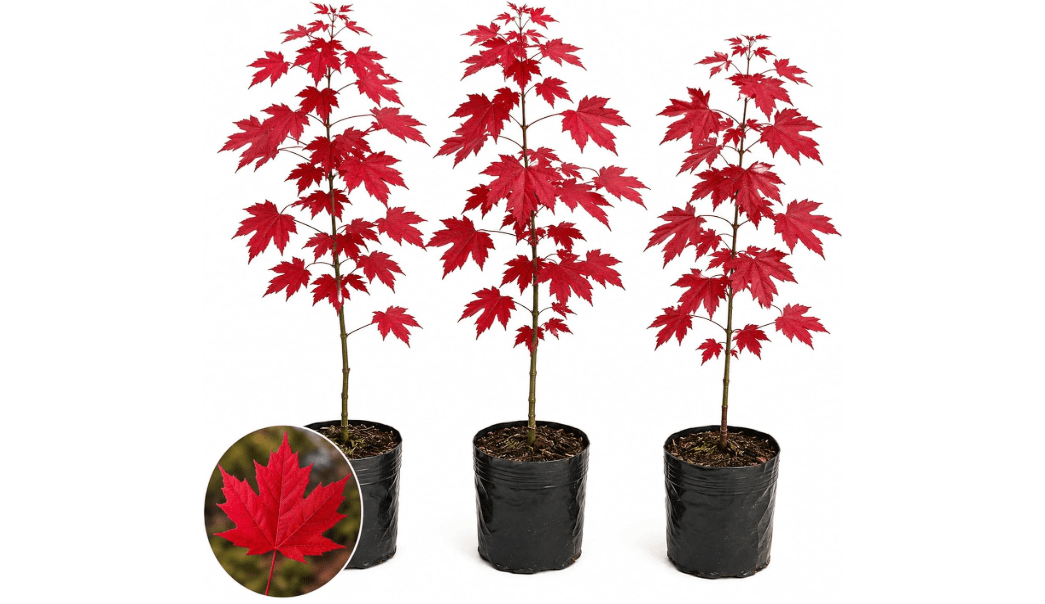
2. Price of the Product: $31.99
3. Key Features and Benefits:
-
Growth Rate: Extremely fast, putting on 1 to 2 feet of new growth per year.
-
Mature Size: Reaches 40–60 feet tall and 30–40 feet wide.
-
Adaptability: Features a robust root system that easily pushes through compacted dirt.
4. Pros and Cons:
-
Pros: Produces shade faster than most hardwoods; unmatched, fiery fall color; incredibly cold hardy (down to Zone 3).
-
Cons: Roots grow close to the surface, which can heave sidewalks or driveways if planted too close to pavement.
5. Amazon Customer Ratings and Reviews: Average Rating: 4.5/5 Stars. Customers frequently rave about how well these trees are packaged. One verified buyer noted, “Arrived dormant as expected, but within three weeks of planting in my clay soil, it exploded with healthy red leaves. Highly recommend for the Midwest!”
6. Why it’s a good choice for Illinois: The Red Maple is one of the best 10 trees to plant in illinois because it perfectly bridges the gap between the freezing winters of Chicagoland and the humid summers of the southern counties, resisting frost damage while thriving in full summer sun.
7. Ideal use case or who should buy it: Perfect for homeowners with medium-to-large front or back yards who want to drastically boost their property’s curb appeal and establish shade as quickly as possible.
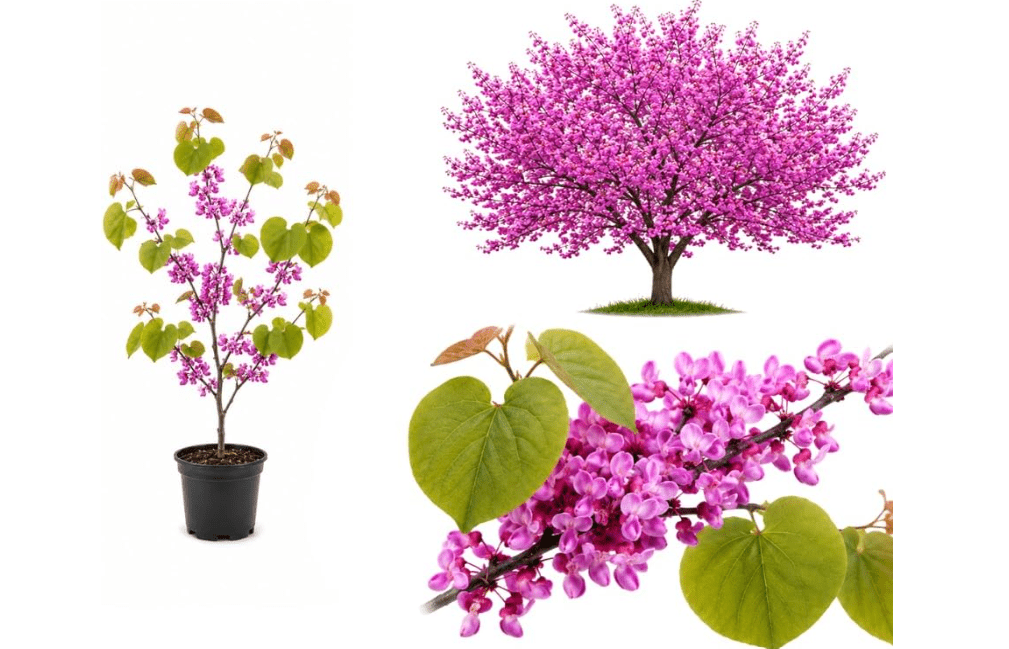
2. Eastern Redbud (Cercis canadensis) – Best Small Ornamental Tree
1. A Compelling Product Description: If you want to signal the end of a grueling Illinois winter, the Eastern Redbud is your tree. Before its beautiful, heart-shaped leaves even emerge, the branches of this compact understory tree burst into a spectacular display of vibrant pinkish-purple flowers. It provides a stunning architectural focal point for any yard and brings a touch of magic to your landscape during the early spring weeks when most other trees are still barren.
2. Price of the Product: $30.89
3. Key Features and Benefits:
-
Mature Size: Reaches a highly manageable 20–30 feet in height and spread.
-
Early Bloomer: One of the very first trees to flower in the spring, providing vital early nectar for bees and butterflies.
-
Native Species: Naturally adapted to the local ecosystem.
4. Pros and Cons:
-
Pros: Perfect for small, tight spaces; can be safely planted under utility lines; gorgeous multi-trunk growth habit.
-
Cons: Has a somewhat shorter lifespan than large hardwoods (typically 20–30 years); requires relatively well-draining soil to prevent root rot.
5. Amazon Customer Ratings and Reviews: Average Rating: 4.4/5 Stars. Reviewers consistently mention the survival rate of the bare-root options. “I was skeptical buying a tree online, but it leafed out beautifully by May. The heart-shaped leaves are gorgeous,” stated one buyer.
6. Why it’s a good choice for Illinois: As a native Midwestern species, it is genetically wired to handle the region’s seasonal transitions. It won’t snap under late-season snowfalls and tolerates the summer heat beautifully.
7. Ideal use case or who should buy it: Urban homeowners, townhouse residents, or anyone with limited yard space who wants a spectacular, head-turning focal point in their front yard without overwhelming their property.
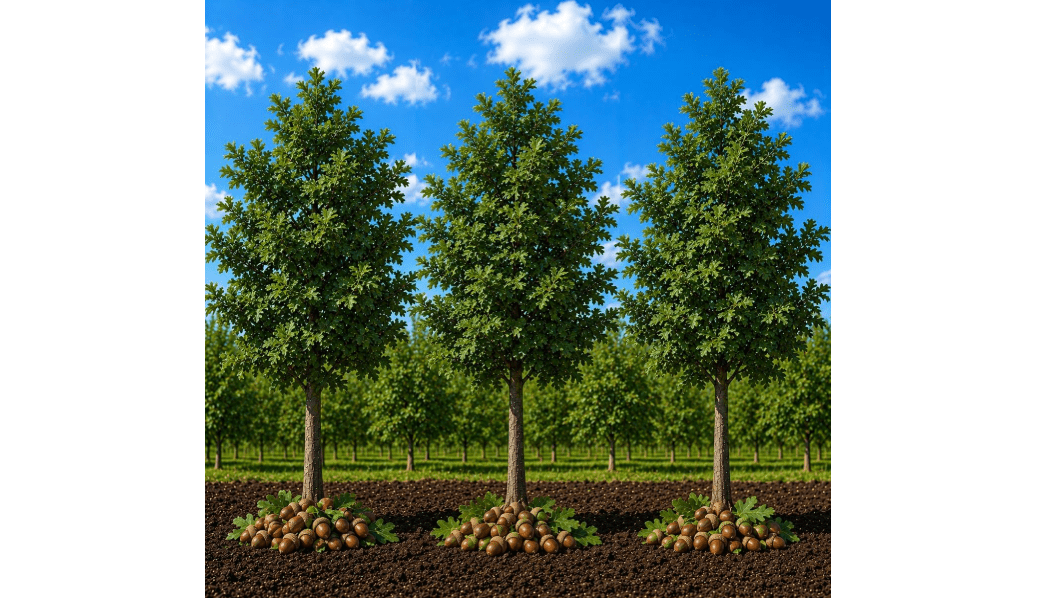
3. Bur Oak (Quercus macrocarpa) – Best Legacy and Drought-Tolerant Tree
1. A Compelling Product Description: The Bur Oak is a symbol of strength and endurance on the American prairie. This is a massive, rugged, and majestic native hardwood known for its thick, cork-like, fire-resistant bark and massive fringed acorns. When you plant a Bur Oak, you aren’t just landscaping for next year—you are planting a legacy that will stand in your yard for centuries. Amazon nurseries supply these as well-rooted saplings ready to conquer the toughest terrain.
2. Price of the Product: $32.90
3. Key Features and Benefits:
-
Lifespan: Can easily live for 200 to 300+ years.
-
Mature Size: Reaches a towering 70–90 feet with a massive, wide-spreading canopy.
-
Deep Taproot: Pulls moisture from deep underground, making it highly self-sufficient.
4. Pros and Cons:
-
Pros: Practically indestructible once established; highly drought and wind tolerant; provides incredible food and shelter value for local wildlife.
-
Cons: Has a notoriously slow growth rate; requires a massive amount of open space to mature properly without encroaching on structures.
5. Amazon Customer Ratings and Reviews: Average Rating: 4.6/5 Stars. Buyers focus on the sheer hardiness of the plant. A reviewer noted: “Planted this in terrible, compacted soil where nothing else would grow. It took a year to get established, but now it’s incredibly healthy and tough as nails.”
6. Why it’s a good choice for Illinois: The Bur Oak easily earns its spot among the best 10 trees to plant in illinois because it is arguably the most cold-hardy oak available and aggressively pushes its roots right through compacted Illinois clay where other trees would suffocate.
7. Ideal use case or who should buy it: Property owners with large, expansive, open spaces who want to plant a generational “legacy” tree that their grandchildren will one day sit beneath.
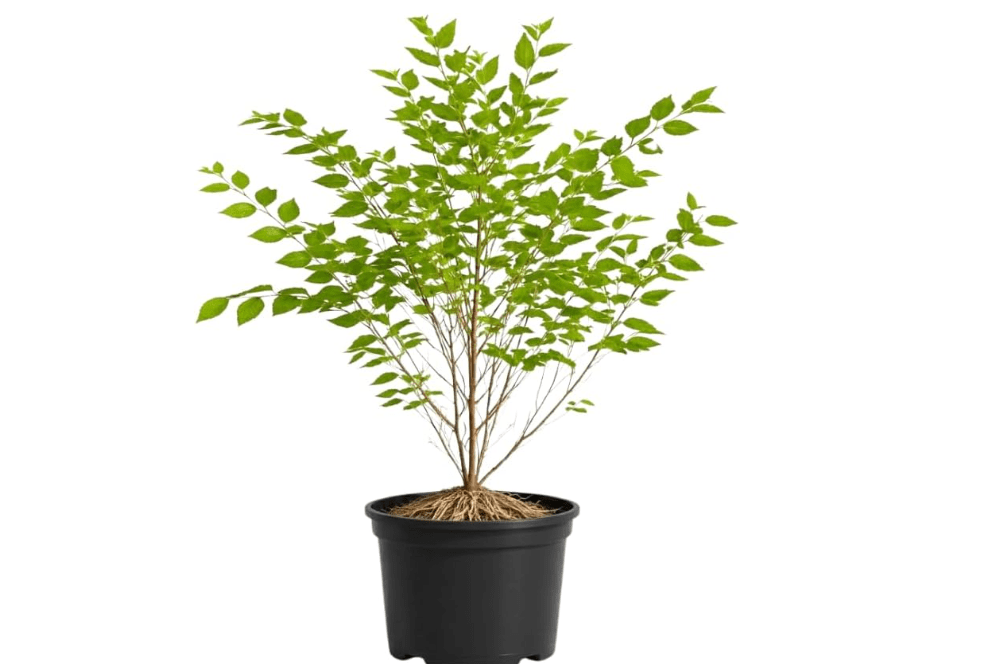
4. River Birch (Betula nigra) – Best for Wet, Clay Soils
1. A Compelling Product Description: If you have a soggy spot in your yard that turns into a muddy swamp every April, the River Birch is your ultimate solution. This fast-growing, multi-trunked tree acts as a natural water pump, thriving in wet conditions while offering stunning year-round visual interest. Its dramatic, peeling, cinnamon-colored bark provides a striking contrast against white winter snow, making it a landscape designer’s dream.
2. Price of the Product: $24.76
3. Key Features and Benefits:
-
Mature Size: Reaches 40–70 feet in height.
-
Pest Resistance: Highly resistant to the Bronze Birch Borer, a pest that kills most other birch species in the Midwest.
-
Moisture Loving: Actively prefers damp, poorly drained soils.
4. Pros and Cons:
-
Pros: Exceptional winter aesthetic due to the peeling bark; grows very quickly; excellent for preventing soil erosion on slopes.
-
Cons: It is a “messy” tree that drops small twigs and leaves throughout the year, requiring slightly more lawn cleanup.
5. Amazon Customer Ratings and Reviews: Average Rating: 4.5/5 Stars. Customers love the immediate visual impact. “Arrived well-hydrated. Within two seasons, it’s grown almost four feet and the bark is already starting to peel beautifully. Perfect for our rainy backyard,” shared an Amazon customer.
6. Why it’s a good choice for Illinois: Unlike traditional white birches that wither in the heat, the River Birch effortlessly withstands Illinois’ intense summer humidity. It turns the state’s heavy, water-retaining clay soil into an asset rather than a liability.
7. Ideal use case or who should buy it: Homeowners dealing with low-lying areas, poor drainage, rain gardens, or properties situated near creeks or ponds.
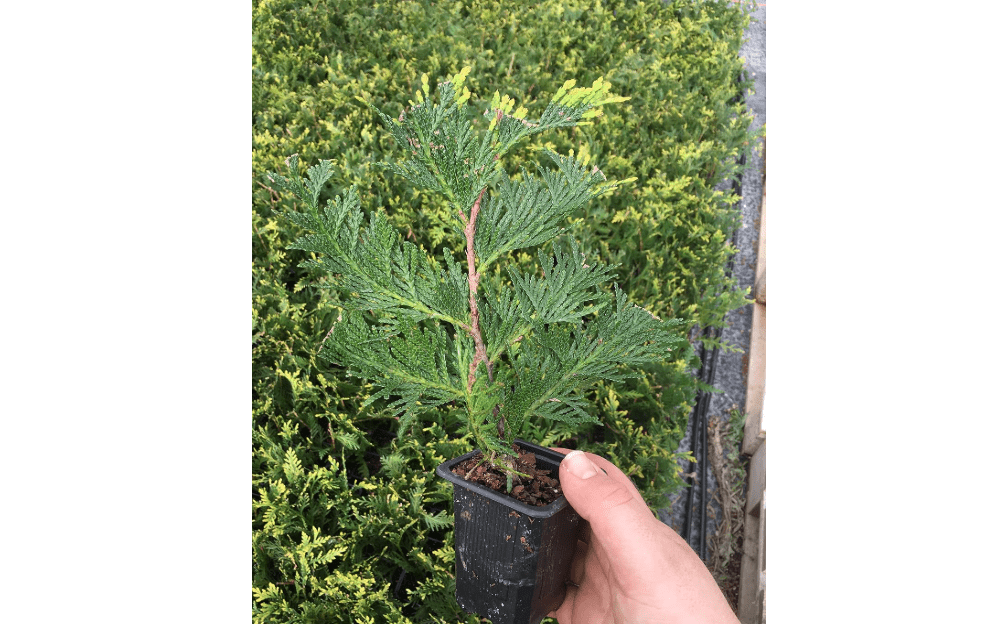
5. Green Giant Arborvitae (Thuja standishii x plicata) – Best for Privacy Screens
1. A Compelling Product Description:
When you need to block out a busy street or create a living fence between you and your neighbors, the Green Giant Arborvitae is the undisputed champion. This vigorous, pyramidal evergreen provides a dense, rich green privacy screen that remains vibrant all year long. Sold in multi-packs on Amazon, these trees arrive ready to be planted in a row, quickly forming a lush, impenetrable wall of foliage that requires almost no pruning to maintain its classic, uniform shape.
2. Price of the Product: $39.95
Typically ranges from $20.00 to $60.00 per tree (often sold at a discount in bulk packs of 4, 10, or 20).
3. Key Features and Benefits:
-
Growth Rate: Exceptionally fast, packing on 3 to 5 feet of new growth each year.
-
Mature Size: Can reach 30–50 feet in height and 12–15 feet in width.
-
Pest Resistance: Highly deer-resistant and largely immune to common evergreen diseases.
4. Pros and Cons:
-
Pros: Creates an instant windbreak and privacy shield; handles snow loads perfectly without branches snapping; far more attractive (and often cheaper) than a wooden fence.
-
Cons: Requires deep, consistent watering during the first two summers to establish its rapid growth.
5. Amazon Customer Ratings and Reviews:
Average Rating: 4.8/5 Stars.
Boasting thousands of reviews, buyers frequently highlight the bulk shipping success. “I ordered 30 of these to line my property. They arrived well-packaged, and three years later, I have a beautiful, 20-foot-tall living wall,” shared a verified purchaser.
6. Why it’s a good choice for Illinois:
The Green Giant easily handles the brutal, freezing prairie winds of an Illinois winter while acting as a natural snow fence for your property. It thrives across all Illinois hardiness zones (down to Zone 5).
7. Ideal use case or who should buy it:
Homeowners living on busy corner lots, those wanting to block out nosy neighbors, or anyone looking to dampen ambient street noise without paying for expensive hardscaping.
6. Downy Serviceberry (Amelanchier arborea) – Best for Wildlife and Four-Season Interest
1. A Compelling Product Description:
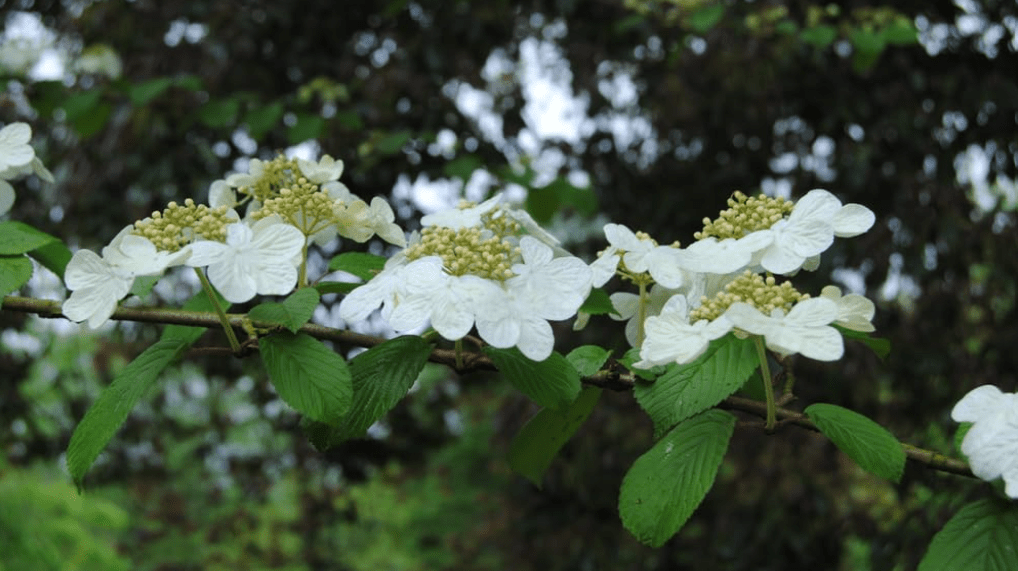
If you want maximum visual reward from a single plant, the Downy Serviceberry delivers year-round. This versatile, small native tree kicks off spring with a cloud of fragrant white flowers. By early summer, it produces delicious, blueberry-like edible fruits. Autumn turns its foliage into a fiery display of red and orange, and winter highlights its striking, smooth silver bark. It is a true four-season masterpiece that ships easily as a bare-root specimen.
2. Price of the Product:
Typically ranges from $11.00 to $25.00 for bare-root stock.
3. Key Features and Benefits:
-
Mature Size: Reaches a compact 15–25 feet tall and wide.
-
Edible Harvest: Produces sweet, purplish-black berries that are excellent for fresh eating, jams, or pies.
-
Pollinator Friendly: A vital early-spring food source for local bees.
4. Pros and Cons:
-
Pros: Incredible four-season appeal; highly adaptable to various soil types; berries attract over 40 species of songbirds.
-
Cons: The birds love the berries so much that if you want to make jam, you have to race them to the harvest.
5. Amazon Customer Ratings and Reviews:
Average Rating: 4.3/5 Stars.
Reviewers love the ecological benefits. One buyer noted, “Planted this bare root last spring. Not only did it survive the winter, but the sheer amount of birds it brought to our yard this year was incredible.”
6. Why it’s a good choice for Illinois:
Native to the eastern United States and the Midwest, the Downy Serviceberry is perfectly adapted to the local climate. It happily endures bitter freezes (hardy to Zone 4) and thrives as an understory tree in tight suburban lots.
7. Ideal use case or who should buy it:
Bird watchers, urban foragers, and garden enthusiasts wanting a highly decorative, low-maintenance tree for a front yard or woodland border.
7. Hackberry (Celtis occidentalis) – Best for Tough Urban Conditions
1. A Compelling Product Description:
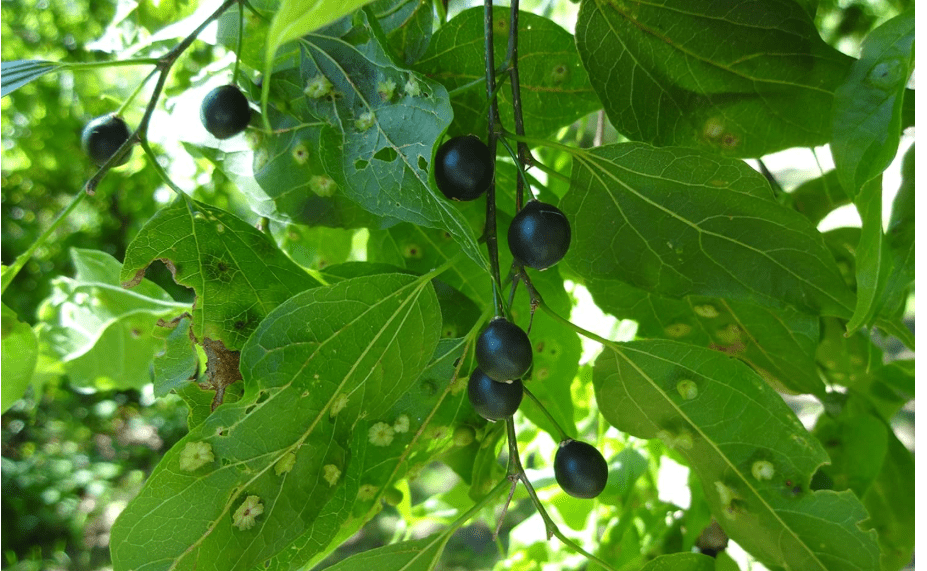
The Hackberry is the unsung hero of urban forestry. With its elm-like, arching canopy and highly unique, corky, ridge-covered bark, it is a visually interesting shade tree that absolutely thrives on neglect. If you have a yard where every other plant has died due to poor soil, pollution, or drought, the Hackberry will step up to the plate. It establishes quickly from online root stock and rapidly provides deep, cooling shade.
2. Price of the Product: $26.00
Typically ranges from $30.00 – $55.00.
3. Key Features and Benefits:
-
Growth Rate: Medium to fast, growing 1 to 2 feet per year.
-
Mature Size: Reaches 40–60 feet tall with a wide, spreading crown.
-
Durability: Highly tolerant of extreme soil compaction, wind, and air pollution.
4. Pros and Cons:
-
Pros: Survives where other trees fail; stands up to flooding and severe droughts equally well; strong branches resist wind shear.
-
Cons: Frequently develops “nipple gall” (small bumps on the leaves caused by insects), which is entirely cosmetic but can look slightly alarming to new gardeners.
5. Amazon Customer Ratings and Reviews:
Average Rating: 4.4/5 Stars.
Customers highly rate its survivability. “We live right next to a heavily salted road where nothing survives the winter runoff. This Hackberry didn’t even flinch,” wrote one satisfied buyer.
6. Why it’s a good choice for Illinois:
Illinois suburban developments often suffer from severe soil compaction and high alkaline clay. The Hackberry ignores these poor conditions, handling the road salt of Chicago winters and the baked, cracked clay of August downstate with ease.
7. Ideal use case or who should buy it:
City dwellers, homeowners living adjacent to busy streets, or anyone dealing with historically “dead” or highly disturbed soil.
8. Bald Cypress (Taxodium distichum) – Best for Flooded or Low-Lying Areas
1. A Compelling Product Description:
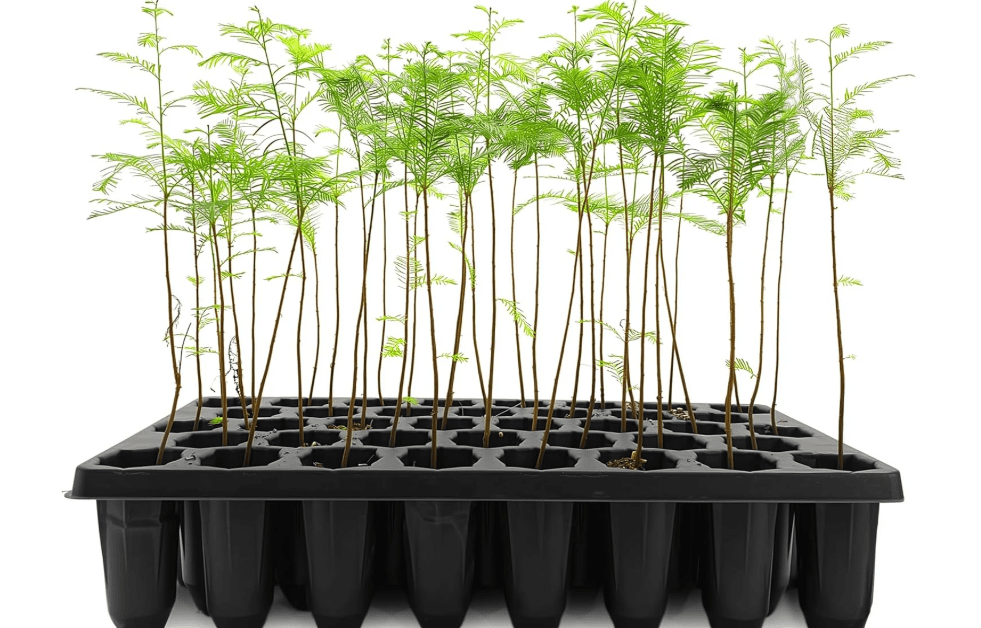
The Bald Cypress is a fascinating botanical marvel. While it looks like a soft, feathery evergreen pine tree all summer, it is actually a deciduous conifer. In the autumn, its needles turn a stunning, fiery rust-orange before dropping completely for the winter. Known for its pyramidal, architectural shape and naturally rot-resistant wood, it is one of the most unique trees you can add to your landscape.
2. Price of the Product: $34.97
Typically ranges from $40.00 – $75.00.
3. Key Features and Benefits:
-
Mature Size: Reaches 50–70 feet in height.
-
Moisture Tolerance: Capable of growing in completely waterlogged soils or even standing water.
-
Foliage: Soft, fern-like, light green needles that provide a beautiful textural contrast to standard broadleaf trees.
4. Pros and Cons:
-
Pros: Unmatched tolerance for flooded yards; highly wind-resistant; visually striking seasonal color changes.
-
Cons: If planted in very wet spots, it may develop “cypress knees” (woody root projections that pop above the ground), which can make mowing around it frustrating.
5. Amazon Customer Ratings and Reviews:
Average Rating: 4.7/5 Stars.
Buyers consistently praise the striking autumn color. “I bought this because my backyard floods every spring. Not only did it soak up the water, but the orange color in October is the best in the neighborhood,” mentioned a reviewer.
6. Why it’s a good choice for Illinois:
Despite its association with Southern swamps, the Bald Cypress is highly adaptable and incredibly cold-hardy (surviving easily up into Zone 4). It completely neutralizes the drainage issues caused by dense Illinois clay.
7. Ideal use case or who should buy it:
Homeowners with retention ponds, severe yard drainage issues, or those seeking a visually striking focal point that differs from standard maples and oaks.
9. White Oak (Quercus alba) – Best Native Shade Tree
1. A Compelling Product Description:
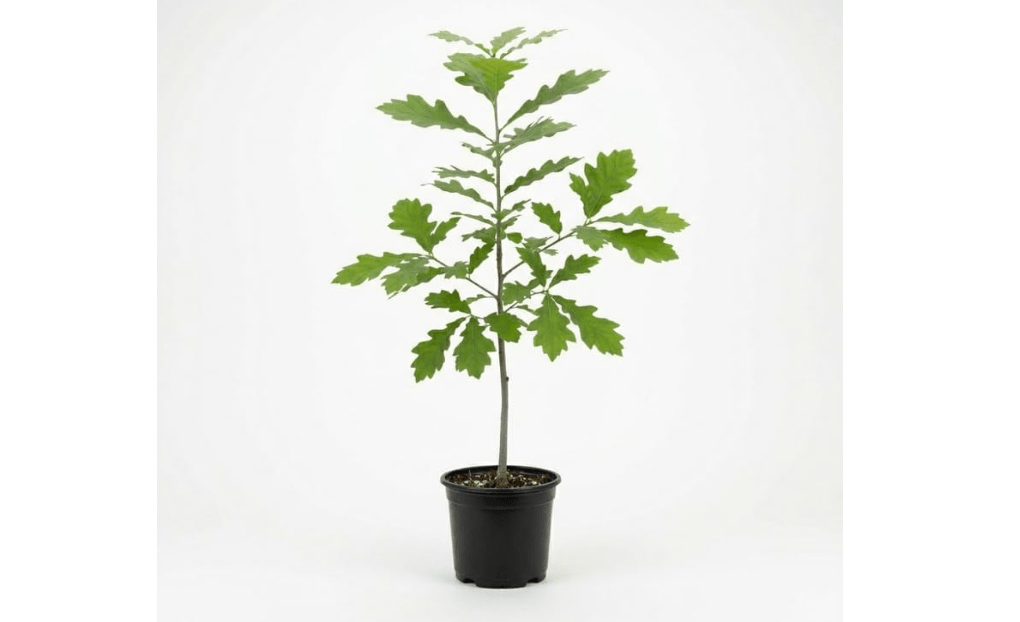
As the official state tree of Illinois, the White Oak is a piece of living history. This majestic, wide-spreading hardwood forms a massive, rounded crown that dominates the landscape. Known for its incredibly strong wood and brilliant purplish-red fall foliage, planting a White Oak is a true commitment to the local ecosystem. While they take time to establish, bare-root stock shipped straight to your door is the best way to get this legendary tree acclimated to your yard.
2. Price of the Product: $24.79
Typically ranges from $20.00 – $50.00 (usually shipped bare-root to protect the sensitive taproot).
3. Key Features and Benefits:
-
Lifespan: Can live for up to 300+ years.
-
Ecological Value: Supports hundreds of species of native caterpillars, pollinators, and birds—more than almost any other tree genus.
-
Wood Strength: Extremely dense wood that rarely drops branches during storms.
4. Pros and Cons:
-
Pros: Unrivaled ecological benefits; gorgeous autumn color; incredibly strong and storm-resistant.
-
Cons: Extremely tricky to transplant when mature due to its deep taproot (must be planted while small); very slow-growing in its first few years.
5. Amazon Customer Ratings and Reviews:
Average Rating: 4.3/5 Stars.
Focus is usually on the root health upon arrival. “It looked like a stick when it arrived in the mail, but I followed the instructions. By year two, it took off. You just have to be patient with oaks,” a verified purchaser explained.
6. Why it’s a good choice for Illinois:
Because it is the state tree, it is literally perfectly evolved for the Illinois climate. It has spent millennia adapting to the specific soil profiles, insect populations, and extreme weather shifts of the Midwest.
7. Ideal use case or who should buy it:
Eco-conscious homeowners looking to restore native habitats, support local wildlife, and create long-term shade for future generations.
10. Thornless Honeylocust (Gleditsia triacanthos inermis) – Best for Filtered Shade and Lawns
1. A Compelling Product Description:
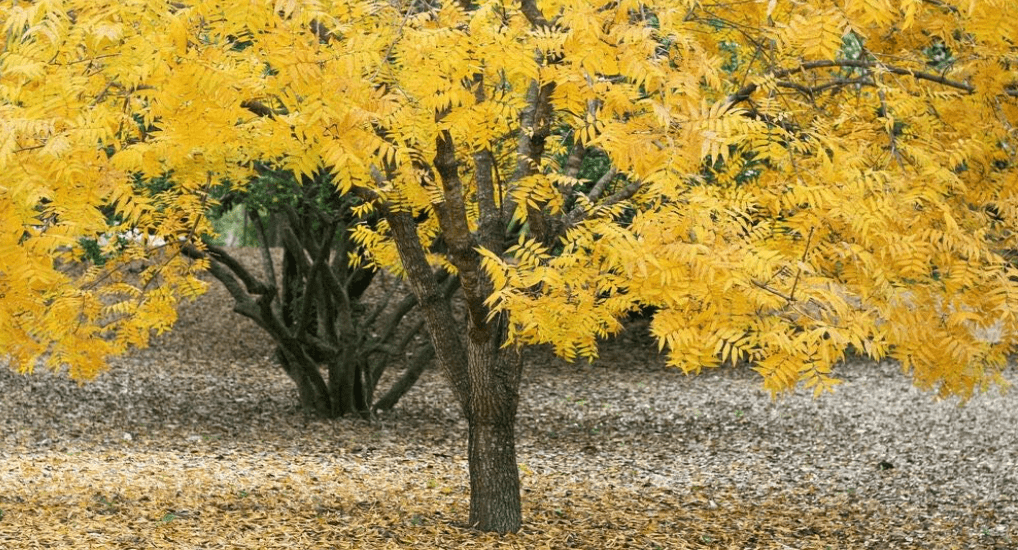
If you want the cooling benefits of a shade tree but refuse to give up your lush, green lawn, the Thornless Honeylocust is the perfect compromise. This graceful tree features tiny, fern-like leaflets that create a dappled, filtered sunlight effect beneath its canopy. Because it doesn’t block out the sun completely, turf grass thrives right up to the trunk. Furthermore, the tiny leaves blow away in the autumn wind, meaning you rarely ever have to rake them.
2. Price of the Product: $3.00
Typically ranges from $45.00 – $85.00.
3. Key Features and Benefits:
-
Mature Size: Reaches 30–70 feet tall with an open, spreading crown.
-
Foliage: Tiny, delicate leaflets that turn a brilliant, glowing yellow in the fall.
-
Cultivar Benefit: The inermis variety is entirely thornless and seedless, eliminating yard hazards.
4. Pros and Cons:
-
Pros: Allows lawns and understory gardens to flourish beneath it; fast-growing; highly tolerant of urban pollution, salt, and heat; virtually zero fall cleanup required.
-
Cons: Can occasionally be prone to webworms or cankers if the tree is heavily stressed by drought.
5. Amazon Customer Ratings and Reviews:
Average Rating: 4.6/5 Stars.
Customers love the low maintenance. “I hate raking leaves, but I needed shade. This tree is a miracle. It gives us a cool yard in August, and the leaves just vanish into the grass in October,” raved an online buyer.
6. Why it’s a good choice for Illinois:
It easily endures the drastic temperature swings of the Midwest, shrugs off the road salt used during Illinois winters, and thrives in the highly compacted soil typical of new suburban housing developments.
7. Ideal use case or who should buy it:
Homeowners who want a beautiful shade tree but still want to maintain a pristine, fully sunlit lawn and avoid the back-breaking chore of autumn leaf raking.
V. Conclusion
Landscaping in the Prairie State doesn’t have to be a gamble. By choosing from the best 10 trees to plant in illinois, you are investing in species that are naturally equipped to handle the heavy clay soils, blistering summers, and freezing winters of the Midwest.
If you are looking for the absolute fastest way to cool your home, the Red Maple is our top pick for rapid shade. If you are dealing with a tight urban space, the Eastern Redbud offers unmatched spring beauty without overtaking your yard. And if privacy is your main goal, nothing beats the rapid growth of the Green Giant Arborvitae.
Don’t wait for the local nurseries to sell out of their best stock. Click the Amazon links above to check current pricing, read more customer reviews, and secure your live trees before the spring or fall planting rush begins. The best time to plant a tree was twenty years ago; the second best time is today. Grab your shovel and start digging!