
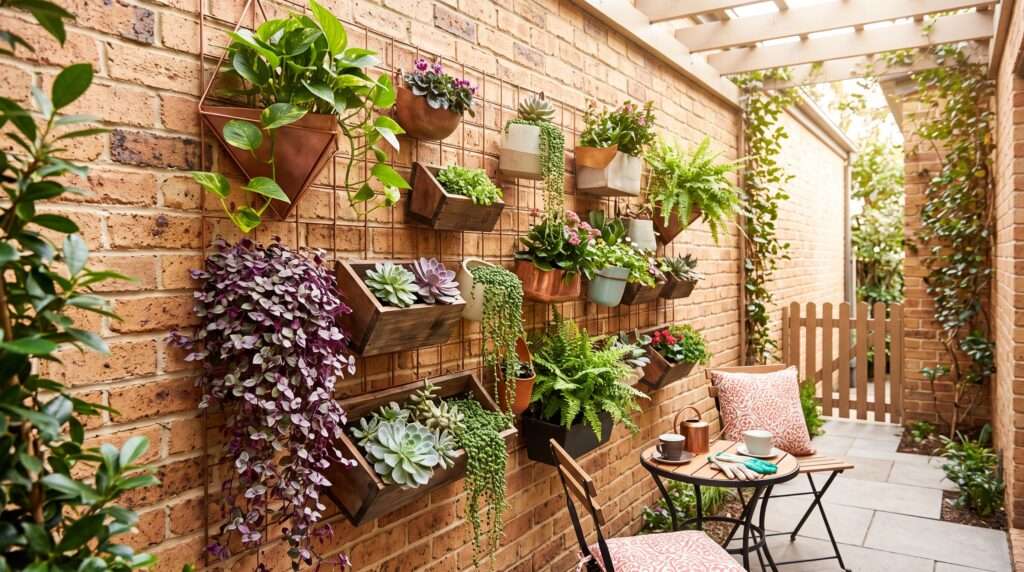
Let’s paint a picture: You step outside with your morning coffee, looking at your cozy outdoor area. It has charm, but the concrete floor is already cramped with a bistro set and maybe a bicycle, leaving absolutely zero room for the lush, vibrant garden you crave. Sound familiar? If you are tired of tripping over bulky terracotta pots, it is time to look up.
Installing wall-mounted planters for small patios is the ultimate space-saving hack, allowing you to cultivate a stunning garden without sacrificing a single square inch of floor space. 🌿 Whether you want to grow fresh kitchen herbs, colorful trailing flowers, or a chic arrangement of low-maintenance succulents, vertical gardening is the key to unlocking your patio’s true potential.
In this comprehensive guide, we will dive deep into the mechanics of vertical gardening. From selecting the perfect planter systems to mastering soil health for elevated pots, you will learn exactly how to turn a blank, boring wall into a breathtaking living masterpiece. Let’s dig in! ✨
Why Choose Wall-Mounted Planters for Your Small Patio? 🤔
When floor space is at a premium, thinking vertically isn’t just an option—it is a necessity. But the benefits of taking your plants to the walls extend far beyond just saving room.
Maximizing Vertical Space
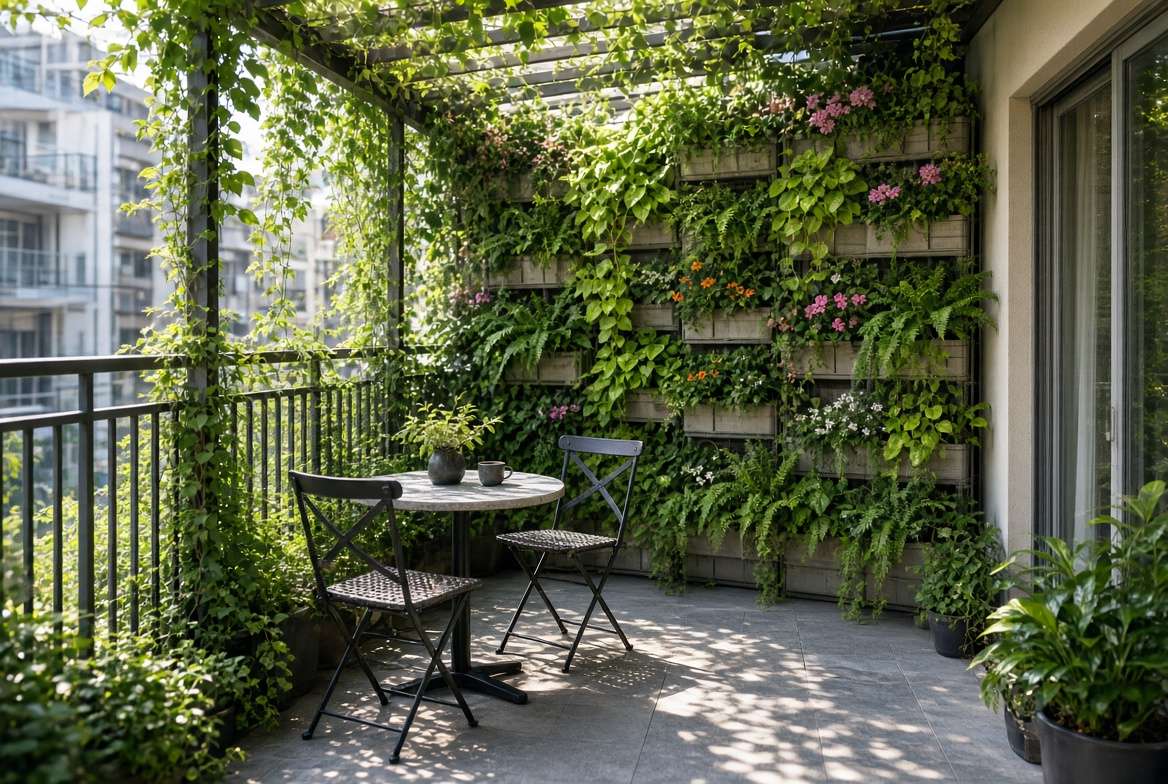
Balconies, apartment patios, and tiny courtyards often feel restrictive because we only utilize the horizontal plane. By transitioning to a vertical garden, you are effectively doubling or tripling your usable growing area. That bare wooden fence or stark brick wall becomes a blank canvas for a sprawling, multi-tiered botanical display.
Creating a Stunning Visual Focal Point
A well-designed living wall acts as a dynamic piece of outdoor art. It immediately draws the eye upward, making small spaces feel taller and more expansive. Plus, if you love capturing your garden’s aesthetic for social media or need highly photogenic backdrops for your outdoor space, a lush, cascading wall planter setup is incredibly visually appealing and Pinterest-worthy. 📸 It effortlessly hides ugly utility boxes, peeling paint, or chain-link fencing behind a curtain of greenery.
Better Plant Health & Pest Control
As a plant care expert, one of my favorite overlooked benefits of vertical gardening is the natural defense it provides against common horticultural headaches. Elevating your plants improves air circulation around the foliage, which drastically reduces the risk of fungal diseases like powdery mildew. Furthermore, keeping your precious greens off the ground makes it significantly harder for terrestrial pests—like slugs, snails, and certain crawling insects—to turn your garden into an all-you-can-eat buffet. 🐛🚫
Expert Pre-Planning: Key Factors to Consider Before Buying 📐
Before you grab a drill and start buying beautiful planters, we need to address the structural and environmental realities of vertical gardening. Proper planning separates a thriving living wall from a disastrous patio mess.
Weight Capacity and Wall Integrity
This is the golden rule of wall planters: Wet soil is incredibly heavy. 💧 A medium-sized planter box might feel light when empty, but once filled with a quality potting mix and saturated with water, it exerts significant downward force.
-
Wooden Fences: Ensure the posts are sturdy and not rotting. Mount planters directly to the horizontal support beams (stringers) rather than the flimsy pickets.
-
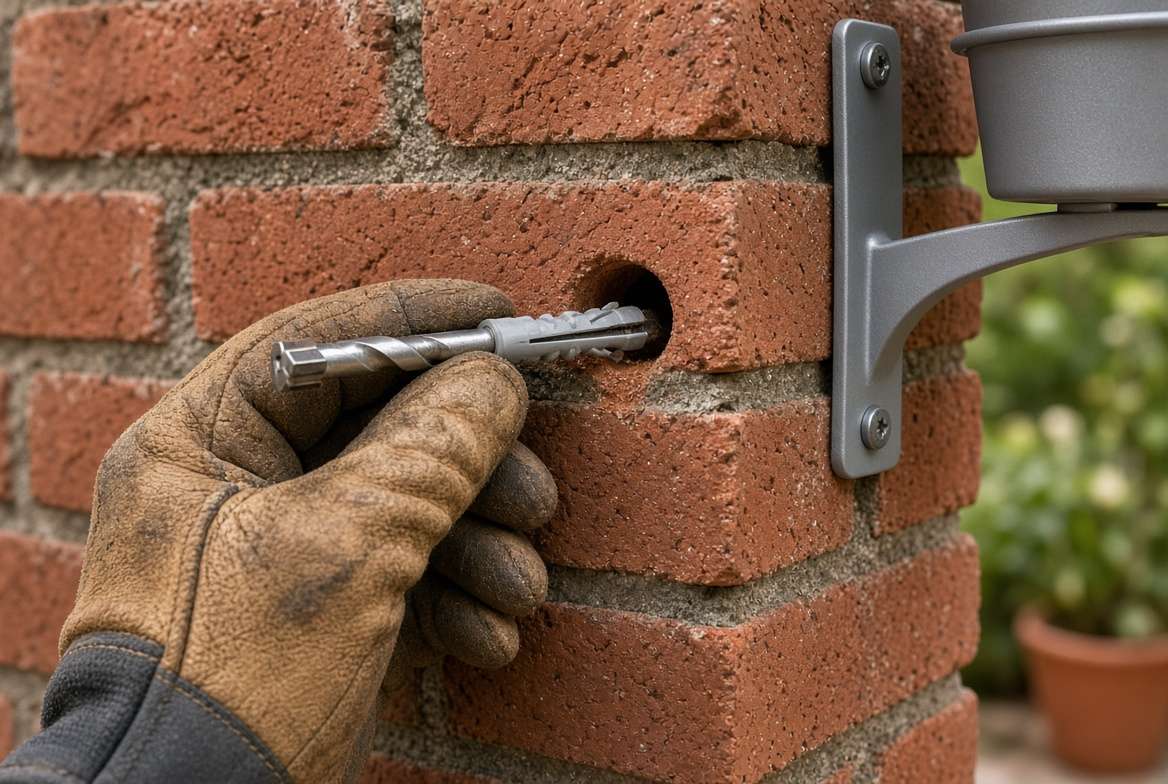
Brick and Masonry: You will absolutely need a masonry drill bit and heavy-duty wall anchors.
-
Siding: Avoid hanging heavy planters directly on vinyl or aluminum siding, as it can warp or tear away from the house. Look for stud finders to anchor directly into the home’s structural framing.
Drainage and Moisture Management
Healthy roots require proper drainage, but you do not want muddy water streaming down your freshly painted walls or staining your patio floor. Always ensure there is a small gap (using spacers) between the back of the planter and the wall to allow trapped moisture to evaporate, preventing rot and mold. If you live in an apartment where water runoff might annoy downstairs neighbors, opt for planters with built-in drip trays or sealed self-watering reservoirs.
Sunlight Mapping
Plants cannot thrive on aesthetics alone; they need the right light. ☀️ Before installing anything, track how the sun hits your specific wall throughout the day. A wall that gets scorching afternoon sun will bake delicate ferns, while a deeply shaded corner will cause sun-loving herbs to become leggy and weak. Map your light profile first, then choose planters and plants that match it.
7 Brilliant Wall-Mounted Planters for Small Patios 🏆
Now that the foundational planning is complete, let’s explore the best hardware for the job. Here are seven top-tier wall-mounted planter styles that offer the perfect blend of functionality, durability, and style.
1. Modular Resin Planter Systems 🧩
If your goal is to create a seamless, professional-looking living wall that covers a large area, modular resin systems are the gold standard. These consist of interlocking plastic or resin frames that hold individual, angled pots.
-
Best for: Creating full-coverage living walls and serious patio transformations.
-
Pros: Highly durable, excellent integrated drainage, and you can easily swap out individual pots if a plant dies without tearing down the whole wall.
-
Cons: They require a higher upfront investment and a bit of DIY confidence to install the initial mounting rails perfectly level.
-
Expert Pairing: Ferns, heuchera, and trailing pothos for a lush, jungle-like aesthetic.
2. Hanging Felt Pocket Planters 🧵
These planters look exactly like heavy-duty fabric shoe organizers. Made from breathable, recycled felt or geotextiles, you simply fill the pockets with soil and tuck your plants inside.
-
Best for: Budget-conscious gardeners, renters, and establishing a dense herb garden quickly.
-
Pros: Very affordable, incredibly lightweight, and the breathable fabric promotes excellent root health through “air pruning” (preventing roots from circling).
-
Cons: Because they are so breathable, the soil dries out incredibly fast. In the peak of summer, you may need to water them daily. They can also leach moisture onto the wall behind them, so a waterproof backing is essential.
-
Expert Pairing: Drought-tolerant herbs like rosemary, thyme, and oregano, or colorful sedums.
3. Repurposed Gutter Planters 🛠️
For the DIY enthusiasts, aluminum or vinyl rain gutters make phenomenal, sleek wall planters. Cut them to your desired length, cap the ends, drill drainage holes in the bottom, and mount them in parallel rows.
-
Best for: Shallow-rooted crops and modern, horizontal aesthetic designs.
-
Pros: Completely customizable in length, very cheap to build, and you can spray paint them to perfectly match your patio trim.
-
Cons: The soil volume is quite shallow, meaning deep-rooted plants will struggle and become rootbound.
-
Expert Pairing: “Cut-and-come-again” salad greens (like lettuce and arugula), radishes, or a stunning row of cascading sweet alyssum. 🌼
4. Geometric Metal Wall Sconces 🔶
For those who prefer a modern, minimalist, or industrial aesthetic, metal wall sconces are breathtaking. Typically crafted from powder-coated steel or copper, these geometric shapes (like hexagons or half-moons) mount flush against the wall.
-
Best for: Modern patio designs and highlighting statement plants.
-
Pros: Incredibly stylish and durable. They serve as sculptural art pieces even before the plants grow in fully.
-
Cons: Metal conducts heat rapidly. If placed in direct afternoon sun, the metal can literally bake the roots of delicate plants.
-
Expert Pairing: Tough succulents like Echeveria, trailing string of pearls, or tillandsia (air plants) which require very little soil and tolerate warmth beautifully. 🌵
5. Wooden Trellis with Detachable Planter Boxes 🪵
This classic option combines the structural support of a traditional diamond or grid trellis with removable planter boxes hooked onto the rungs.
-
Best for: Renters, vining plants, and those who want flexibility without drilling dozens of holes.
-
Pros: You only need to drill a few anchor points for the main trellis. The detachable boxes make planting, pruning, and winterizing incredibly easy since you can just unhook them and bring them to a potting bench.
-
Cons: Wood requires regular sealing or painting to prevent rot from the constant moisture.
-
Expert Pairing: Climbing plants like English ivy, jasmine, or even compact varieties of climbing roses that will eagerly weave through the trellis backing. 🌹
6. Self-Watering Wall Planters 💧
The ultimate solution for busy plant parents or those living in hot, dry climates. These planters feature a hidden reservoir at the base that slowly wicks moisture up into the soil as the plant needs it.
-
Best for: High-maintenance plants and reducing daily watering chores.
-
Pros: Eliminates the guesswork of watering and prevents the top tiers of your living wall from drying out faster than the bottom tiers. Keeps patio floors clean from muddy runoff.
-
Cons: Tends to be bulkier and more expensive than simple pots.
-
Expert Pairing: Moisture-loving tropicals like calatheas, ferns, or thirsty patio crops like basil and dwarf tomatoes. 🍅
7. Tiered Ladder-Style Wall Planters 🪜
Leaning gently against the wall or mounted securely, ladder planters offer a terraced approach to vertical gardening. They feature trough-like boxes arranged in steps.
-
Best for: Creating a dedicated, semi-permanent herb garden with easy access for harvesting.
-
Pros: Excellent sunlight distribution (since the tiers are stepped, they don’t shade each other out completely) and a larger soil volume than pocket planters.
-
Cons: Takes up slightly more horizontal floor space at the base than flush-mounted options.
-
Expert Pairing: A complete culinary garden! Put chives and parsley on the bottom, peppers in the middle, and cascading thyme on top. 🌿
The Best Plants to Grow in Vertical Patio Planters 🌸
Choosing the right wall-mounted planters for small patios is only half the battle; filling them with the right flora ensures long-term success. Vertical environments are distinct microclimates. Here is how to populate your living wall like a pro:
Edibles & Kitchen Herbs 🍽️
Why walk to the grocery store when your patio wall is a produce aisle?
-
Top Picks: Basil, mint (perfect for pots since it spreads aggressively in the ground), creeping thyme, and compact cherry tomatoes.
-
Design Tip: Plant these at arm’s level. You want to easily reach your cilantro when you are making fresh salsa without needing a step stool!
Trailing and Vining Beauties cascading✨
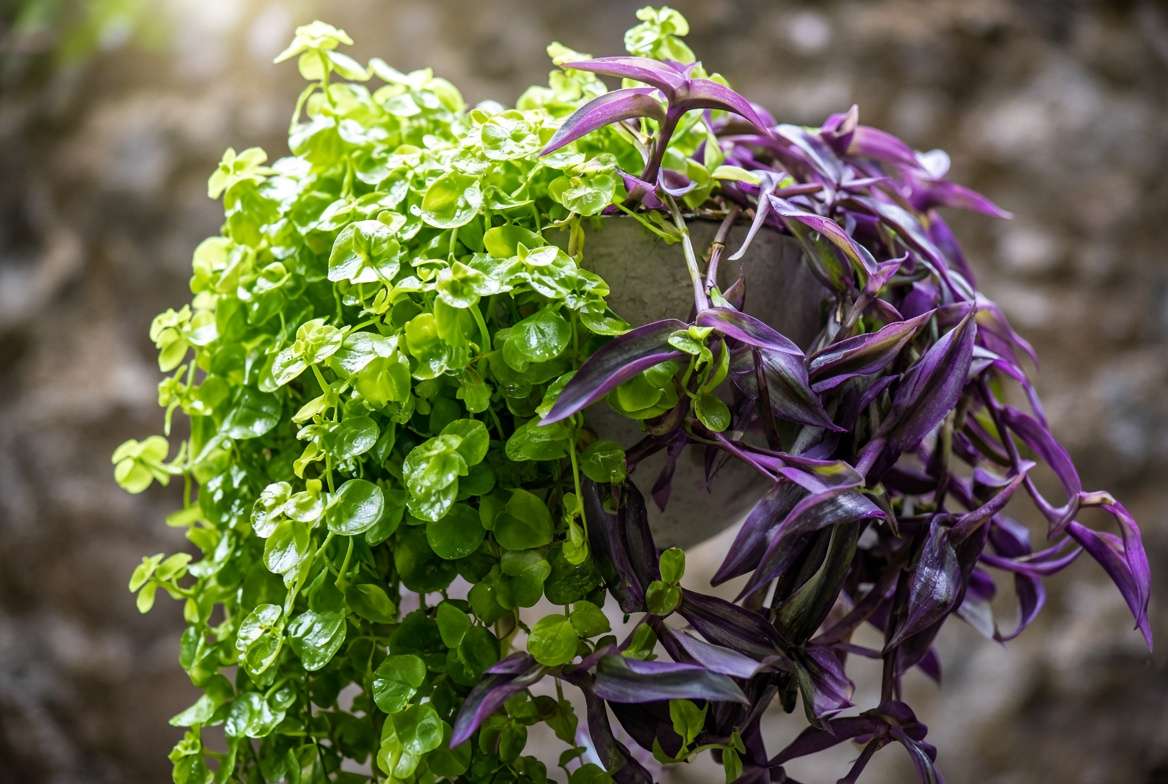
To achieve that lush, “waterfall” effect that hides the hardware of your planters, you need trailing varieties.
-
Top Picks: Golden pothos (for shaded patios), Creeping Jenny, trailing lobelia, and sweet alyssum.
-
Design Tip: Plant upright thrillers in the back of the planter and these trailing spillers in the front to create stunning dimension.
Low-Maintenance Succulents ☀️
If your small patio bakes in the afternoon sun, fighting the heat with thirsty ferns is a losing battle. Lean into the desert aesthetic.
-
Top Picks: Burro’s tail, String of pearls, and colorful Sedums.
-
Design Tip: These need phenomenal drainage, so ensure your planters have large escape holes for excess water.
💡 Pro Tip Block: The Sunlight Gradient Always remember that a vertical wall has its own climate zones! Place sun-loving, drought-tolerant plants at the top of the wall (where it is hottest and dries out the fastest), and place shade-tolerant, moisture-loving plants at the bottom (where they will catch shade from the plants above them and benefit from any water runoff).
Step-by-Step: How to Install Wall Planters Safely 🛠️
Nothing ruins a relaxing patio vibe faster than a planter crashing to the ground. Let’s ensure your installation is rock solid.
Step 1: Gather Your Tools You will need a power drill, a spirit level (crucial!), a measuring tape, a pencil, and the correct wall anchors. Do not rely on standard drywall screws for outdoor masonry or thick wood.
Step 2: Locating Supports and Marking If mounting on wood siding, use a stud finder to anchor into the structural frame. If using brick or concrete, mark your holes with a pencil.
Step 3: Drilling and Anchoring For masonry, use a specialized masonry drill bit and tap in heavy-duty expanding anchors.
Step 4: Mounting and Leveling Attach the mounting brackets or the planter itself. Expert Advice: Do not skip using the spirit level! If a planter box is even slightly crooked, water will pool aggressively on one side, drowning the plants on the low end while leaving the high end bone dry. ⚖️
Pro Tips for Maintaining Your Vertical Oasis 🩺
To establish true horticultural authority (E-E-A-T), we must look past the initial setup and focus on long-term vitality.
Soil Selection is Critical for Vertical Growth 🪱
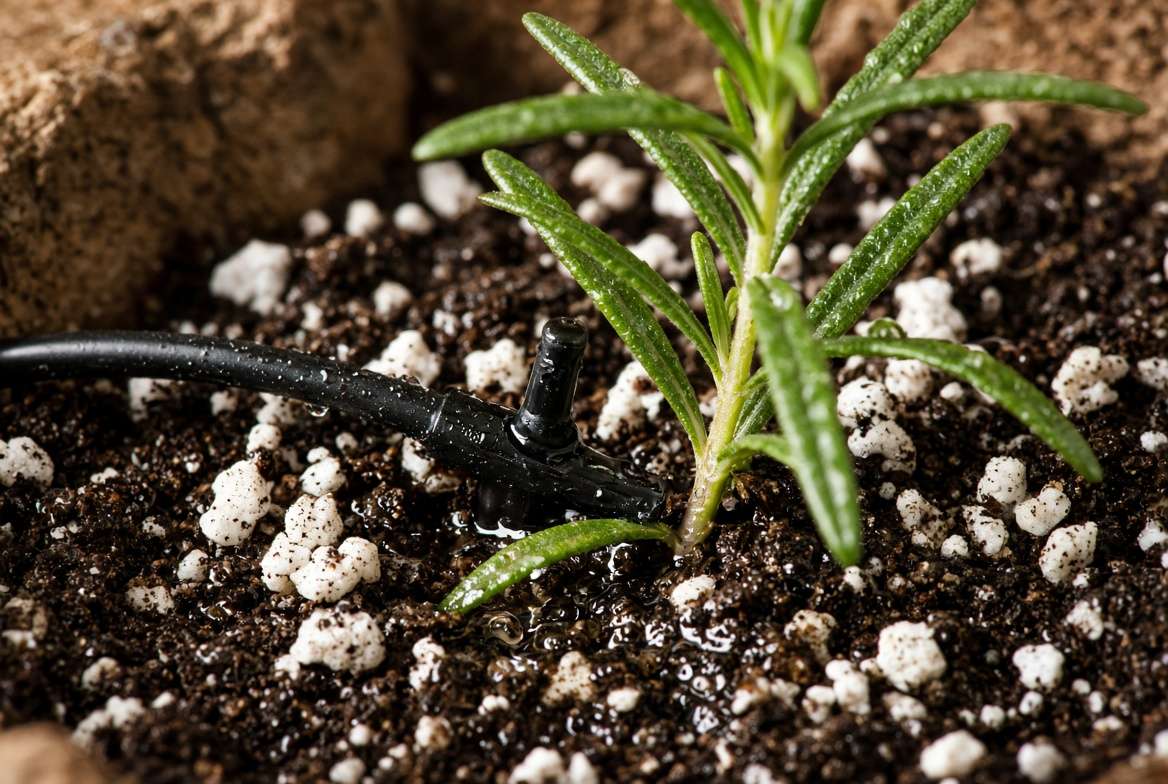
Never, ever use standard garden soil or heavy topsoil in a wall-mounted planter. The secret to a thriving vertical garden lies entirely in soil health and root aeration. You must use a premium, lightweight potting mix enriched with perlite or pumice to ensure excellent drainage. Compaction is the enemy of vertical planters; if the soil becomes too dense, roots will suffocate, and water will simply run down the sides rather than absorbing. To boost microbial health in these confined spaces, gently work in a handful of worm castings every spring. 🌱
Mastering the Watering Routine 🚿
Because wall planters hold less soil than large ground pots, they dry out faster.
-
The Hack: Consider hooking up a micro-drip irrigation system. A simple 1/4-inch drip line running from your outdoor spigot up the side of your wall, on a cheap battery-operated timer, will turn a high-maintenance chore into a completely automated breeze.
Regular Pruning ✂️
Aggressive growers can quickly shade out their neighbors. Check your living wall weekly and aggressively snip back vines that are blocking the light of smaller plants. This encourages bushier, healthier growth anyway!
Frequently Asked Questions (FAQs) 🙋♀️
Do wall-mounted planters ruin outdoor walls? Not if installed correctly! The key is preventing trapped moisture. Always leave a slight air gap between the planter and the wall using rubber spacers, and ensure your planters drain away from the siding, not down it.
How do you water wall planters without making a mess on the patio? To keep your patio floor pristine, opt for self-watering planters with sealed reservoirs, use removable liner pots that you can take down to water at the sink, or place a decorative trough at the base of the wall to catch runoff.
Can I grow vegetables in wall-mounted planters? Absolutely! While you won’t be growing deep-rooted carrots or massive pumpkins, shallow-rooted veggies like lettuce, spinach, radishes, bush beans, and compact peppers thrive wonderfully on a sunny wall. 🌶️
Conclusion: Elevate Your Patio Experience ✨
You don’t need a sprawling backyard to cultivate a breathtaking garden. By embracing wall-mounted planters for small patios, you can transform a cramped, uninspired concrete slab into a lush, vibrant sanctuary. Whether you opt for a sleek metal sconce filled with succulents or a sprawling modular wall bursting with fresh kitchen herbs, vertical gardening opens up a world of design possibilities.
Remember, the key to success is in the planning: assess your wall strength, map your sunlight, prioritize soil health, and choose plants that fit your unique microclimate.
Now it is your turn to look up and start planting! What will you grow on your patio wall first? A cascading flower display or a fragrant herb garden? Let us know in the comments below, and don’t forget to share photos of your vertical transformations! 📸🌻











