
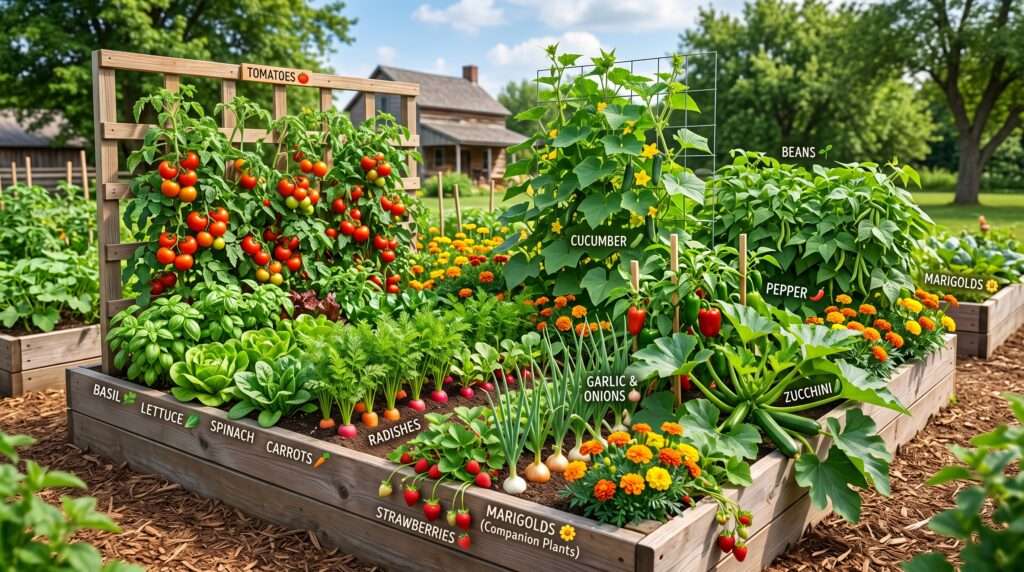
Are you tired of battling compacted clay, pulling endless weeds, and ending the gardening season with an aching back and a lackluster harvest? You are certainly not alone. Transitioning to elevated gardening is the ultimate cheat code for backyard growers, but the true secret to a thriving harvest lies in knowing exactly what to plant in a raised garden bed.
When you optimize your plant selection for the unique microclimate of a raised wooden or metal box, you unlock the potential for massive, high-density yields in a fraction of the space. Because raised beds offer superior drainage, warmer soil, and zero compaction from foot traffic, they require a slightly different planting strategy than traditional row farming.
🧑🌾 Expert Insight: Over the last decade of designing and tending to intensive raised bed gardens, I’ve tested hundreds of vegetable varieties. I’ve learned the hard way that while almost anything can grow in a box, certain crops absolutely thrive, while others (like sprawling pumpkins) just cause headaches. This guide is the culmination of years of hands-on trial and error, designed to save you time and maximize your grocery haul!
If you are ready to transform your backyard into a highly productive oasis, let’s dive into the ultimate list of the best vegetables, fruits, and herbs for your raised garden. 🌱
🧱 Why Raised Beds Are the Ultimate Gardening Hack (and How They Affect Plant Choice) 🛠️
Before we dig into the specific crops, it is crucial to understand why raised garden beds change the rules of planting. When you grasp the science behind elevated gardening, selecting the right plants becomes second nature.
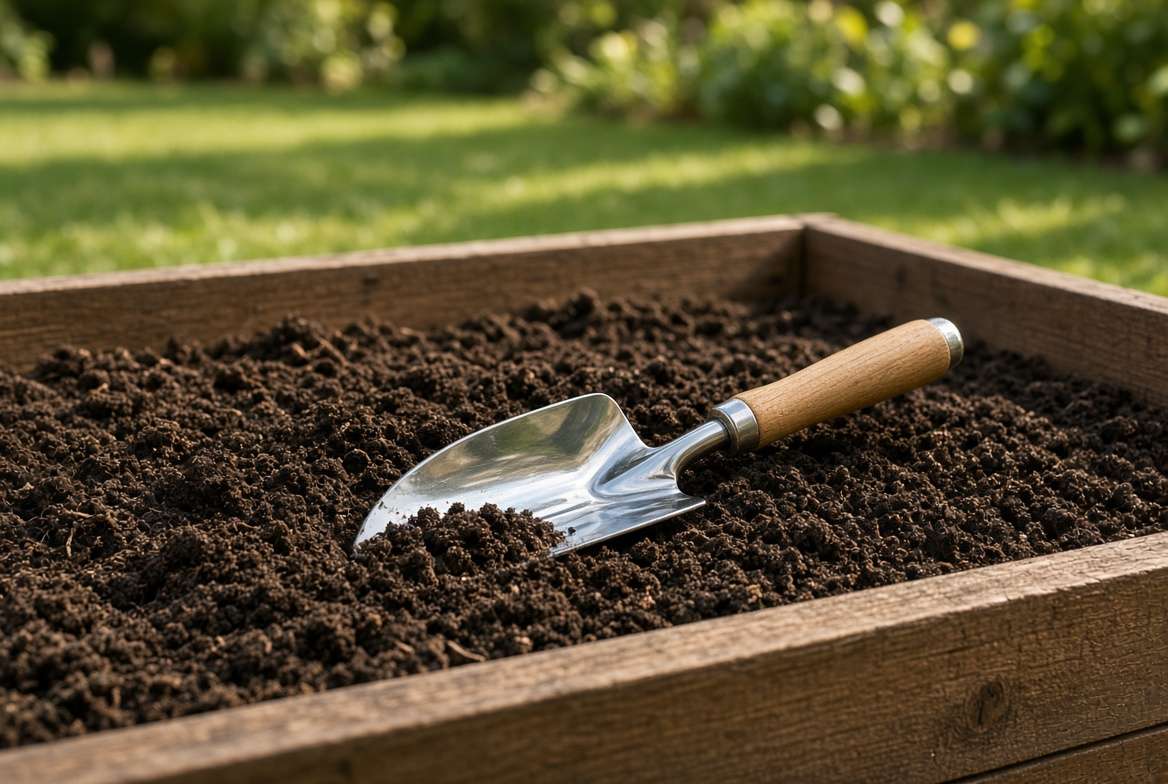
1. Total Soil Control & Superior Drainage 💧
In a traditional ground-level garden, you are stuck with whatever native soil you have—whether that’s dense, sticky clay or nutrient-poor sand. With a raised bed, you are creating a custom soil mix (usually a blend of topsoil, rich compost, and peat moss or coco coir for moisture retention). This fluffy, loamy environment provides impeccable drainage. Plants that typically succumb to root rot in waterlogged ground soil will absolutely flourish here.
2. Spring Comes Earlier ☀️
Raised beds are exposed to the sun on all sides, meaning the soil warms up significantly faster in the spring than the ground below it. This allows you to plant heat-loving crops (like peppers and tomatoes) a week or two earlier than your hardiness zone might traditionally dictate, extending your growing season.
3. Space Optimization and “Square Foot Gardening” 📏
Because you never step on the soil in a raised bed, it never becomes compacted. This means plant roots can grow straight down rather than spreading out horizontally to find oxygen. Consequently, you can pack plants much closer together—a method known as intensive planting or Square Foot Gardening.
4. Weed and Pest Deterrence 🐌
The height of a raised bed creates a physical barrier. While it won’t stop every bug, it significantly reduces damage from ground-dwelling pests like slugs, snails, and even rabbits. Furthermore, a fresh soil mix means you are starting completely weed-free!
🏆 The 12 Foolproof Crops to Plant in a Raised Garden Bed 🥬🍅
Now for the fun part! Based on yield potential, spatial efficiency, and overall ease of growth, here are the 12 best crops to fill your raised beds with this season.
1. Tomatoes (Determinate & Indeterminate) 🍅
Tomatoes are the undisputed kings of the summer garden, and they perform spectacularly in raised beds. Because they are heavy feeders with extensive root systems, they love the deep, nutrient-dense, loose soil a raised box provides.
-
Why they thrive: The warmer soil temperatures in early summer encourage massive, rapid root development, leading to stronger plants and heavier fruit sets.
-
Companion Plant: Basil. Planting basil around the base of your tomatoes not only improves the flavor of the fruit but also helps mask the tomato scent from destructive pests like the tomato hornworm. 🌿
-
Expert Tip: Always bury your tomato seedlings deep! Snip off the bottom leaves and bury the stem up to the top few leaves. Tomatoes sprout adventitious roots all along their buried stem, giving you a deeply anchored, drought-resistant plant. Use tall, sturdy cattle panel trellises on the north side of the bed to grow indeterminate varieties vertically, saving precious square footage.

2. Carrots (and Other Root Vegetables) 🥕
If you have ever tried to grow carrots in the ground only to harvest stubby, forked, tangled messes, raised beds will change your life.
-
Why they thrive: Carrots require highly friable (loose), rock-free soil to push downward and form perfect, straight taproots. The fluffy compost mix of a raised bed guarantees grocery-store-perfect carrots every single time.
-
Companion Plant: Onions or chives. The strong scent of alliums confuses and deters the dreaded carrot rust fly. 🧅
-
Expert Tip: Carrot seeds are notoriously slow to germinate (taking up to 3 weeks) and must never dry out during this period. After sowing your seeds, lay a piece of untreated cardboard or a wooden board directly over the soil to trap moisture. Check daily, and remove the board the moment you see green sprouts!
3. Bush Beans 🌱
Bush beans are arguably the lowest-maintenance vegetable you can grow, making them perfect for beginners filling their first raised bed.
-
Why they thrive: Unlike vining pole beans, bush beans grow in compact, sturdy little bushes (usually about 18-24 inches tall) that require absolutely no trellising. More importantly, they are legumes, meaning they pull nitrogen from the air and “fix” it into the soil, acting as a natural fertilizer for their neighbors.
-
Companion Plant: Cucumbers, strawberries, or celery.
-
Expert Tip: To avoid a massive glut of beans all at once, utilize succession planting. Sow a new row of bean seeds every two to three weeks from late spring through mid-summer. This guarantees a steady, manageable harvest for months!
4. Leafy Greens (Lettuce, Spinach, Swiss Chard, Arugula) 🥬
Leafy greens are the ultimate “cut-and-come-again” crops, providing incredible value for the small amount of space they occupy.
-
Why they thrive: Greens have shallow root systems that do perfectly in the top layer of rich raised bed soil. Because the soil drains perfectly, you avoid the fungal diseases and bottom-rot that often plague ground-grown lettuce.
-
Companion Plant: Radishes. Radishes sprout quickly and can act as a “trap crop,” drawing pests like flea beetles away from your tender lettuce leaves. 🪲
-
Expert Tip: Lettuce and spinach bolt (go to seed and turn bitter) when the hot mid-summer sun hits them. Maximize your raised bed space by planting your greens in the literal shadow of your taller crops, like trellised tomatoes or cucumbers, to provide natural shade and extend your harvest into August.
5. Radishes 🔴
If you are looking for instant gratification, radishes are the ultimate fast-track vegetable. They are the perfect “filler” crop for any elevated garden.
-
Why they thrive: Radishes are incredibly fast growers, often going from seed to harvest in just 21 to 30 days. Because raised beds have loose soil, radishes plump up perfectly round without encountering rocks or hard clay.
-
Companion Plant: Carrots. 🥕 Plant radish seeds in the exact same row as your carrot seeds. The radishes will sprout quickly, breaking up the hard crust of the soil surface. By the time you harvest the radishes, the slower-growing carrots will have the perfect, pre-loosened space to take over.
-
Expert Tip: Do not let radishes sit in the ground too long! Harvest them as soon as you see their “shoulders” pop out of the soil. Leaving them past maturity turns them pithy, woody, and overly spicy.
6. Zucchini & Summer Squash 🥒
Many beginners assume squash takes up too much room for a raised bed, but with strategic placement, they are massive producers.
-
Why they thrive: Zucchini plants are notoriously heavy feeders. The nutrient-dense, compost-heavy soil of a raised bed provides the constant organic matter they need to pump out dozens of squash per plant.
-
Companion Plant: Nasturtiums. These beautiful, edible flowers act as a powerful deterrent against the dreaded squash bug and vine borer. 🌸
-
Expert Tip: Plant your zucchini right at the very edges or corners of your raised garden bed. As the plant grows, you can gently guide the massive leaves and stems to drape over the side of the box. This keeps the plant healthy while preventing its giant canopy from shading out your other delicate crops.
7. Peppers (Bell & Jalapeño) 🌶️
Whether you prefer sweet bell peppers or fiery jalapeños, these plants are perfectly suited for box gardening.
-
Why they thrive: Peppers are tropical plants that absolutely demand heat. Because raised beds warm up significantly faster in the spring sun than ground soil, your peppers get a massive head start on the growing season.
-
Companion Plant: Marigolds. 🌼 Marigolds secrete a compound from their roots that repels root-knot nematodes, a microscopic pest that loves to attack pepper plants.
-
Expert Tip: Stake your pepper plants early! Because the soil in a raised bed is so loose and fluffy, a pepper plant loaded with heavy fruit can easily snap in a strong wind or topple over.
8. Garlic & Onions 🧅
Alliums are kitchen staples, and growing them in elevated boxes is a foolproof way to ensure a bumper crop.
-
Why they thrive: The number one enemy of garlic and onions is bulb rot caused by soggy, poorly draining soil. The superior drainage of a raised garden bed eliminates this risk completely.
-
Companion Plant: Cabbage or broccoli. The pungent smell of onions helps deter cabbage moths.
-
Expert Tip: Garlic is the ultimate “set it and forget it” crop. Plant your garlic cloves in the late fall, right before the ground freezes. They will overwinter in the raised bed and pop up first thing in the spring, ready for a mid-summer harvest!
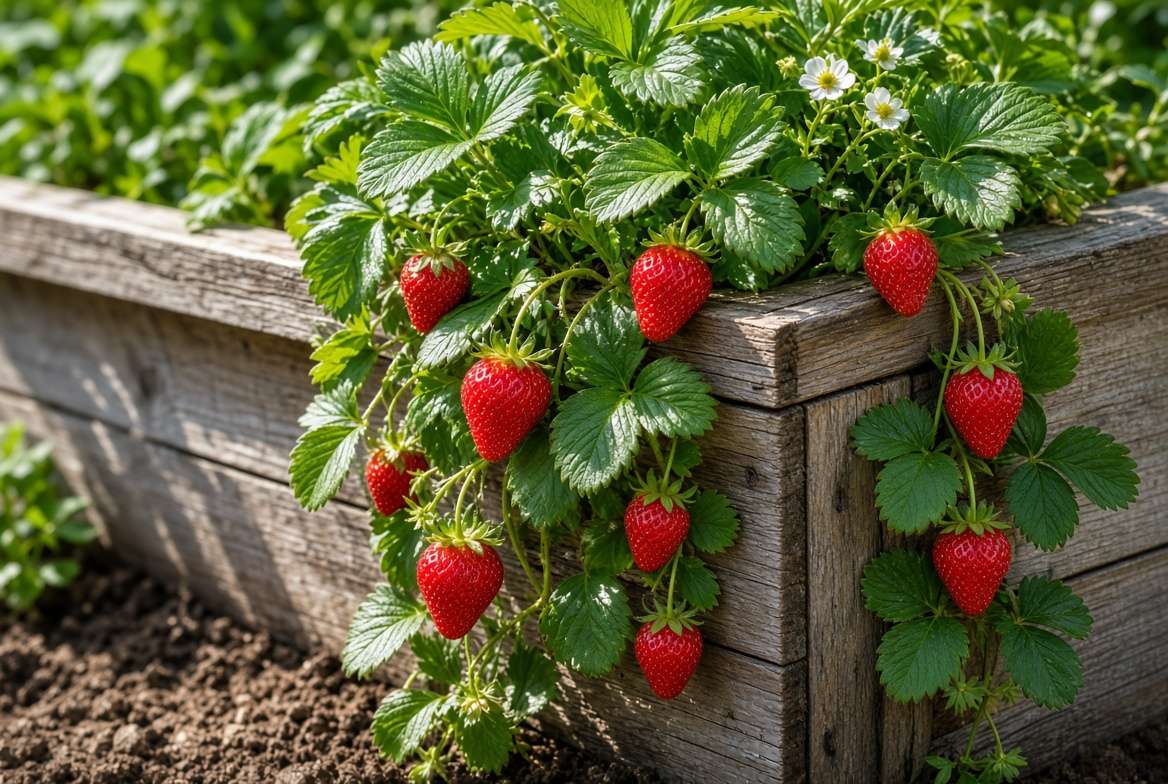
9. Strawberries 🍓
A dedicated strawberry patch is a joy, and raising them off the ground comes with unique benefits.
-
Why they thrive: Growing strawberries in a raised garden bed keeps the delicate fruit off the muddy ground, preventing fungal rot. The extra height also makes it just a little bit harder for ground-dwelling pests (like pillbugs and slugs) to ruin your harvest.
-
Companion Plant: Borage or bush beans.
-
Expert Tip: Plant your strawberries around the perimeter of the bed. They will send out “runners” that cascade elegantly over the wooden or metal sides, creating a beautiful, edible waterfall effect.
10. Cucumbers 🥒
Nothing beats the crunch of a homegrown cucumber, and they adapt beautifully to intensive gardening spaces.
-
Why they thrive: They love the rich, warm soil and consistent moisture levels you can maintain in a raised box.
-
Companion Plant: Sunflowers or radishes. 🌻
-
Expert Tip: Pay attention to the variety! If you don’t want to build a trellis, buy “bush” varieties that stay compact. If you want to save square footage, buy “vining” varieties and train them up a cattle panel trellis attached to the back of the bed.
11. Culinary Herbs (Basil, Thyme, Oregano, Rosemary) 🌿
No kitchen garden is complete without fresh herbs, and a raised bed is their ideal habitat.
-
Why they thrive: Mediterranean herbs like rosemary, thyme, and oregano originate in rocky, dry environments. They absolutely despise having “wet feet.” The fast-draining nature of a raised garden bed mimics their natural habitat perfectly.
-
Companion Plant: Almost everything! Herbs are highly aromatic and help mask the scent of your tasty vegetables from insect invaders.
-
Expert Tip: Treat your herbs as border plants to maximize space and keep them easily accessible for quick kitchen harvests.
12. Marigolds (The Guardian Flower) 🌼
While not a vegetable, marigolds are arguably the most important thing you can plant in a raised garden bed.
-
Why they thrive: They are resilient, compact, and fit easily into any empty corner or gap in your planting scheme.
-
Expert Tip: Think of marigolds as your garden’s security system. Their pungent scent repels whiteflies, nematodes, and even deters some mammalian pests like rabbits and deer. Plant them generously throughout your vegetable layout!
🚫 The “Do Not Plant” List: Crops That Ruin Raised Beds 🛑
To be genuinely helpful, knowing what not to plant is just as important as knowing what to plant. Save your precious raised bed real estate and keep these troublemakers out!
-
Mint: Never, ever plant mint directly in a raised bed. It spreads aggressively via underground runners and will ruthlessly choke out every other vegetable in the box within a single season. If you love mint, plant it in a separate container. 🌿
-
Corn: Corn is wind-pollinated and requires being planted in a large, dense block to produce full ears. Planting just a few stalks in a raised bed is a waste of space and will likely result in empty cobs. 🌽
-
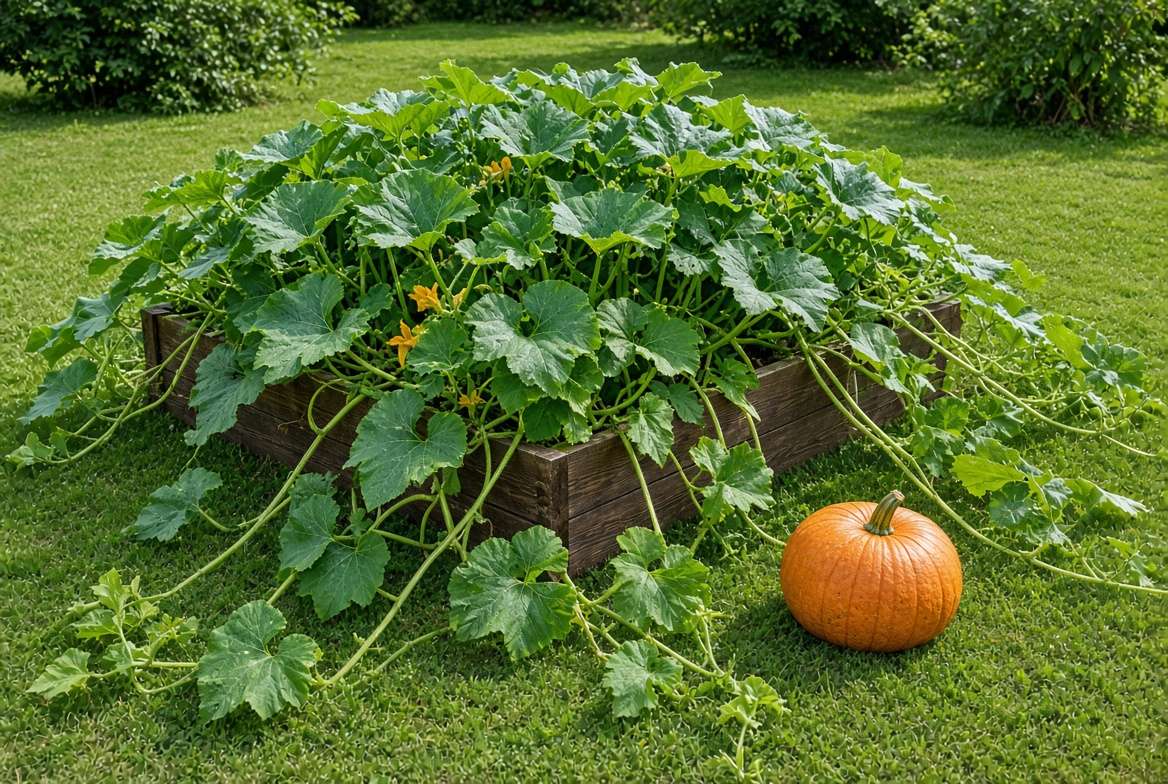
Vining Pumpkins & Watermelons: A single pumpkin vine can easily stretch 15 to 20 feet. It will completely overrun your raised bed, shade out your smaller crops, and spill far out into your lawn. 🎃
-
Asparagus: Asparagus is a perennial crop that takes 2-3 years to establish and will occupy that same spot for 15+ years. It is best to give asparagus its own dedicated, permanent bed rather than mixing it with your annual vegetables.
💡 Expert Tips for Maximizing Your Raised Bed Yield 📈
Choosing the right plants is step one, but how you manage the environment determines your ultimate success.
The Perfect Soil Recipe 🤎
Never fill a raised bed with pure topsoil or dirt dug from your yard; it will compact into concrete. The gold standard mix (often called “Mel’s Mix” from Square Foot Gardening) is:
-
1/3 High-Quality Compost: For essential nutrients.
-
1/3 Peat Moss or Coco Coir: For moisture retention.
-
1/3 Coarse Vermiculite or Perlite: For aeration and drainage.

Vertical Gardening 🪜
The secret to huge yields in small spaces is growing up. Install sturdy trellises on the north side of your raised bed. This allows you to grow vining crops (tomatoes, cucumbers, peas) vertically without casting a shadow over the shorter sun-loving crops in front of them.
Embrace Companion Planting 🤝
Plants communicate and share resources. Pairing deep-rooted crops (like tomatoes) with shallow-rooted crops (like lettuce) means they aren’t fighting for the same soil nutrients. Likewise, pairing heavy feeders with nitrogen-fixers (like bush beans) creates a self-sustaining ecosystem right in your backyard.
🙋♀️ Frequently Asked Questions (FAQs) 🧐
How deep does a raised bed need to be for vegetables? A standard depth is 8 to 12 inches, which is plenty for shallow-rooted crops like lettuce, radishes, and bush beans. However, an 18 to 24-inch depth is ideal if you want to grow deep-rooted crops like carrots or tomatoes. Plus, a taller bed saves you from bending over!
Do I need to put cardboard at the bottom of my raised bed? Yes! Placing a layer of plain, unwaxed cardboard at the bottom of your new raised bed is an excellent weed barrier. It will completely smother the grass and weeds below, and over the course of a year, it will decompose and add organic matter to the soil. 📦
How often should I water my raised garden bed? Because raised beds drain incredibly well and are exposed to air on all sides, they dry out faster than in-ground gardens. During the peak heat of summer, you may need to water them daily. Always check the soil moisture by sticking your finger about two inches into the dirt; if it feels dry, it’s time to water. 🚿
✨ Conclusion: Time to Get Your Hands Dirty! 🪴
Transitioning to raised beds is a game-changer for gardeners of all skill levels. By understanding what to plant in a raised garden bed, you can bypass the struggle of poor native soil, drastically reduce weeding, and enjoy a beautiful, organized, high-yield harvest.
Remember to stick to crops that love loose, well-draining soil, embrace vertical gardening to save space, and don’t forget to tuck a few marigolds into the corners to keep the pests at bay!
We’d love to hear from you! What is the very first crop you are planning to plant in your raised garden bed this season? Let us know in the comments below, or check out our complete guide on How to Build a Raised Garden Bed for Beginners to get your backyard transformation started! 👇











