
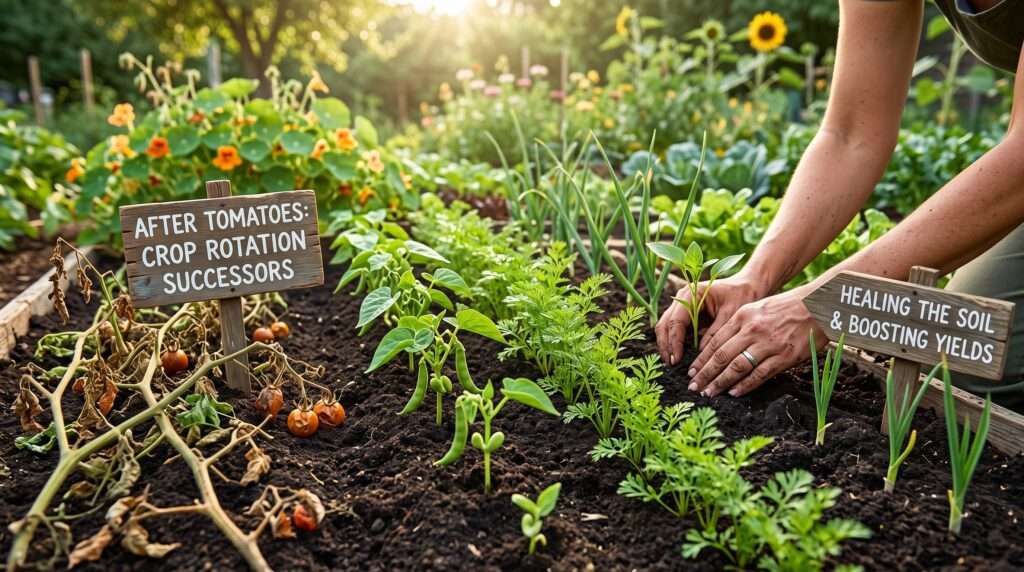
The end of the gardening season brings a bittersweet moment for most growers. You’ve successfully harvested your final batch of juicy, sun-ripened heirloom tomatoes, pulled up the withering vines, and are now staring at an empty, exhausted garden bed. It’s the perfect time to ask the most crucial autumnal gardening question: exactly what to plant after tomatoes?
Tomatoes are notorious “heavy feeders” that strip your soil of essential nutrients and leave behind a wake of hidden soil-borne diseases. If you want a thriving, productive garden next spring, you cannot simply leave the soil bare, and you certainly can’t plant the wrong crop in its place.
The secret to a lush, high-yielding garden lies in the ancient agricultural practice of crop rotation. By choosing the correct successor crops, you can naturally replenish depleted nitrogen, break the lifecycle of devastating pests, and heal your soil from the ground up.
In this comprehensive guide, we will dive deep into the science of soil health, explore the golden rules of crop rotation, and reveal the absolute best crops to plant in your post-tomato garden beds. Let’s dig in! 🧑🌾✨
Why You Can’t Plant Tomatoes in the Same Spot Twice 🛑
To understand what to plant next, we first need to understand the physiological impact a tomato plant has on its environment. Experienced gardeners and soil scientists alike will warn you: never plant tomatoes in the exact same spot two years in a row. But why is this rule so strict?

Soil Nutrient Depletion 🥀
Tomatoes (along with heavy-producing cousins like eggplants and pumpkins) are incredibly demanding plants. To produce those massive, juicy fruits, tomatoes aggressively pull macronutrients—specifically nitrogen (N), phosphorus (P), and potassium (K)—out of the soil.
By the time October rolls around, a tomato bed is essentially a nutritional wasteland.
-
Nitrogen is sucked up to produce their sprawling green foliage.
-
Phosphorus is depleted to support their vast root systems and flower development.
-
Potassium is exhausted to develop the physical fruit and fight off environmental stress.
If you were to plant another heavy feeder (like corn or more tomatoes) in this same spot, the new plants would emerge stunted, yellowing, and incapable of producing a meaningful harvest. The soil must be remediated.
The Threat of Soil-Borne Diseases & Pests 🦠
Nutrient loss is only half the battle; the real danger lies beneath the surface in the form of microscopic pathogens. Tomatoes are highly susceptible to a wide array of soil-borne diseases.
Pathogens like Early Blight (Alternaria solani), Septoria Leaf Spot, Fusarium wilt, and Verticillium wilt drop from the tomato leaves and overwinter in the soil. Furthermore, microscopic pests like root-knot nematodes multiply rapidly around tomato roots.
If you plant another tomato in that same dirt next spring, these overwintering pathogens will immediately attack the young, vulnerable seedling, guaranteeing a devastating outbreak. By switching to a completely different plant family, you effectively starve these tomato-specific pests and diseases, breaking their lifecycle completely. 🛡️
The Golden Rule of Tomato Crop Rotation 🔄
Before we get to the specific list of plants, you must memorize the golden rule of crop rotation: It’s not just about the plant; it’s about the plant family.
Tomatoes belong to the Solanaceae family, commonly known as the nightshade family. Because plants in the same botanical family share similar nutrient requirements and are attacked by the exact same pests and diseases, you must avoid planting any nightshade in the old tomato bed for at least three to four years.
The 4-Year Crop Rotation Strategy 🗓️: For ultimate soil health, experts recommend a 4-year rotational system categorized by the part of the plant you harvest. A classic, easy-to-remember rotation flows like this:
-
Fruits/Heavy Feeders (Tomatoes, Peppers, Squash) 🍅
-
Legumes/Soil Builders (Beans, Peas) 🫛 (To replace the nitrogen taken by the heavy feeders)
-
Leafy Greens/Brassicas (Cabbage, Spinach, Kale) 🥬 (To utilize the fresh nitrogen provided by the legumes)
-
Root Crops (Carrots, Onions, Radishes) 🥕 (Light feeders that break up deep soil before you start the cycle again)
Now that we understand the science, let’s look at the exact crops you should be putting in the ground right after your tomato harvest.
What to Plant After Tomatoes: 7 Best Crops to Heal Soil 🌿✨
Based on the principles of soil restoration and disease prevention, here are the seven best successor crops to plant after your tomatoes have finished their season.
1. Legumes (Beans and Peas) – The Nitrogen Fixers 🫛
If tomatoes are the greedy consumers of the garden, legumes are the generous philanthropists. Beans, peas, and lentils are universally considered the absolute best crops to plant after tomatoes.
Why it works: Legumes possess a magical ability called “nitrogen fixation.” They form a symbiotic relationship with Rhizobium bacteria in the soil. These bacteria attach to the roots of the legumes, pull pure nitrogen gas out of the atmosphere, and convert it into a solid form that plants can use. When the legume dies and its roots decompose, all that rich nitrogen is released directly back into your soil, perfectly replacing what the tomatoes stole.
Best varieties to plant:
-
Fall planting: Sugar snap peas, snow peas, and broad beans (fava beans) thrive in cooler autumn weather right after summer tomatoes are pulled.
-
Spring planting: Bush beans or pole beans are excellent if you left the bed fallow (empty) over the winter.
2. Alliums (Garlic, Onions, and Leeks) – The Pest Repellents 🧄
Alliums are the unsung heroes of crop rotation and make a perfect immediate successor to summer tomatoes, especially for fall planting.
Why it works: First, alliums are generally light-to-medium feeders, meaning they won’t strain your already exhausted soil. More importantly, they act as powerful natural pest repellents. The strong sulfur compounds in garlic and onions naturally deter lingering soil pests, particularly the dreaded root-knot nematodes that love to feast on tomato roots. By planting alliums, you are essentially sanitizing and fumigating the soil naturally.
Pro Tip 💡: Garlic is typically planted in late October or November (depending on your zone). The timing lines up flawlessly with the removal of your dead tomato vines. Plant your garlic cloves in the empty tomato bed, mulch them heavily with straw, and let them heal your soil all winter long!
3. Brassicas (Broccoli, Cabbage, and Kale) – The Disease Breakers 🥦
The Brassicaceae family is incredibly tough and highly beneficial for interrupting disease cycles in a garden bed.
Why it works: When the roots and leaves of brassicas break down in the soil, they release natural chemical compounds known as glucosinolates. As these compounds degrade, they act as a “bio-fumigant,” naturally suppressing soil-borne fungi and pathogens left behind by the tomatoes. This process actively cleans the soil for future crops.
Care Note: While brassicas are fantastic for disease control, they are also heavy feeders. Because the tomatoes just depleted the soil, you cannot simply plant a cabbage and expect it to thrive without a little help. If you choose brassicas to follow tomatoes, you must amend the soil with a generous 2-3 inch layer of rich, finished compost or well-rotted manure before planting.
4. Root Vegetables (Carrots, Radishes, and Beets) – The Soil Looseners 🥕
If you are planning your spring garden and wondering what to put in last year’s tomato bed, root crops are a brilliant strategic choice.
Why it works: Root vegetables have a unique nutritional profile compared to fruiting vines. They require higher amounts of phosphorus and potassium for healthy root development, but they actually prefer lower levels of nitrogen. If you plant carrots in high-nitrogen soil, you will get massive, beautiful green leafy tops, but tiny, stunted orange roots. Because your tomatoes have already depleted the excess nitrogen from the topsoil, the environment is perfectly primed for root crops to focus their energy downwards.
Furthermore, deep-rooted vegetables like daikon radishes and carrots act as natural tillers. They break up compacted soil layers that may have formed under the heavy foot traffic of your summer tomato harvesting.
5. Leafy Greens (Spinach, Lettuce, and Arugula) – The Quick Replenishers 🥗
If you are transitioning directly from a late-summer tomato harvest into an autumn garden, quick-growing leafy greens are a fantastic, low-stakes option.
Why it works: Leafy greens like spinach, butterhead lettuce, and spicy arugula have very shallow root systems. During the summer, your tomato plants were driving their deep taproots far down into the earth, pulling nutrients from the lower soil strata. Leafy greens, on the other hand, only feed from the top few inches of the soil. They won’t compete for the deep reserves that the tomatoes exhausted.
Expert Insight: Since leafy greens do require nitrogen for foliage growth, scratch a light layer of worm castings or blood meal into the top two inches of soil before sowing your seeds. You’ll be harvesting fresh autumn salads in just 30 to 45 days! ⏱️
6. Cucurbits (Squash and Cucumbers) – The Sprawling Successors 🥒
If you left your tomato bed to rest under a layer of mulch for the winter, spring brings the opportunity to plant sprawling vines from the Cucurbitaceae family.
Why it works: Cucumbers, zucchini, summer squash, and winter melons belong to a completely different botanical family than tomatoes. This means they are completely immune to the specific blight spores and blights that plague nightshades.
While cucurbits are moderately heavy feeders, their root structures are wide and sprawling rather than deep. By rotating them into the old tomato spot, you effectively break the nightshade disease cycle while utilizing a different physical zone of your raised bed or garden plot.
7. Cover Crops (Winter Rye, Clover, or Vetch) – The Ultimate Green Manure 🌾
What if you don’t want to grow a food crop in the fall or winter? If your goal is purely to heal the soil and prepare for a massive spring harvest, cover crops are the indisputable champion.
Why it works: Leaving soil completely bare over the winter is a cardinal sin in organic gardening. Bare soil suffers from erosion, nutrient runoff, and weed invasions. Sowing a cover crop (often called “green manure”) solves all these problems.
-
Hairy Vetch & Crimson Clover: These are cold-hardy legumes that will actively fix nitrogen into the soil all winter long.
-
Winter Rye & Oats: These grasses develop massive, fibrous root systems that prevent compaction and improve soil tilth.
How to manage them: In the early spring, about four weeks before you want to plant your main crops, you simply “chop and drop” the cover crop. Cut the greens down, leave them on the soil surface as a nutrient-dense mulch, and let the roots decay underground. It is the ultimate form of regenerative agriculture! 🌍
What NEVER to Plant After Tomatoes 🚫🍅
Knowing what not to plant is just as crucial as knowing what to plant. Planting the wrong crop can spell disaster for your garden, wasting your time, money, and seeds. Under no circumstances should you plant the following directly after tomatoes.
The Nightshade Family (Solanaceae) 🍆🌶️
As mentioned in our golden rule of crop rotation, you must never follow a tomato with another member of the nightshade family. The Absolute No-Gos Include:
-
Potatoes: They suffer from the exact same late blights and early blights as tomatoes.
-
Peppers (Bell, Jalapeño, Chili): They will struggle to find nutrients and are highly susceptible to the same root-knot nematodes.
-
Eggplants: Very heavy feeders that will yield poorly in depleted soil.
-
Tomatillos: Close botanical cousins to the tomato, sharing all the same vulnerabilities.
Corn 🌽
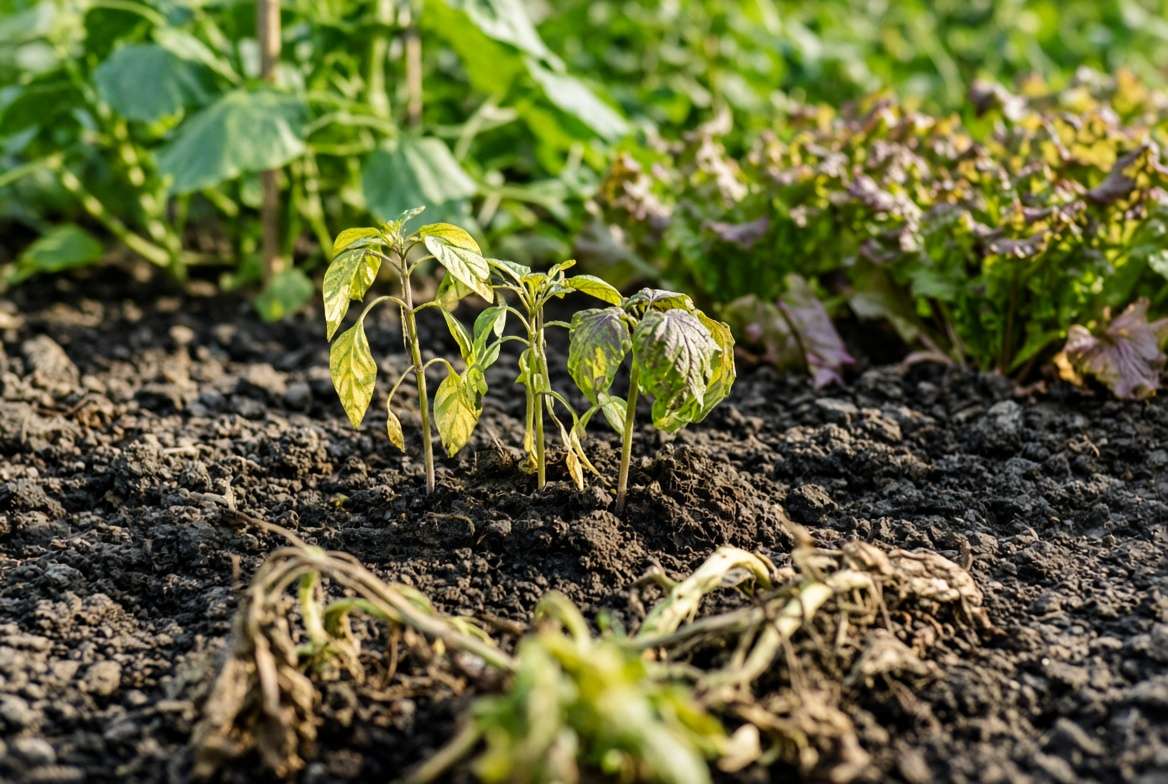
While corn isn’t a nightshade, it is a terrible successor for tomatoes for two main reasons. First, corn is arguably the heaviest nitrogen feeder in the vegetable kingdom. Planting it in soil that tomatoes have already drained will result in pale, stunted stalks and poor ear development.
Second, they share a common enemy: the Corn Earworm (Helicoverpa zea). Interestingly, this exact same caterpillar is known to tomato growers as the Tomato Fruitworm. If this pest infested your tomatoes in August, its pupae are likely overwintering in the soil. Planting corn there the following spring is essentially setting up an all-you-can-eat buffet for the newly hatched pests! 🐛
Expert Soil Care: How to Prep Your Bed Post-Tomato 🧑🌾🔧
Crop rotation is powerful, but it isn’t a magic wand. To truly establish strong E-E-A-T (Experience, Expertise, Authoritativeness, and Trustworthiness) as a gardener, you must actively participate in soil remediation. Here is the step-by-step process experts use to prep a post-tomato bed.
Step 1: Aggressive Clean-Up 🧹
Sanitation is the first line of defense against disease. When the tomato season ends, you must pull up the entire plant, including the root ball.
-
Do NOT compost tomato vines. Unless you have a massive, professionally managed thermal compost pile that reaches 140°F (60°C) for several days, your home compost bin will not get hot enough to kill tomato blight spores.
-
The Fix: Bag up old tomato vines and throw them in the municipal trash, or burn them if local regulations allow.
Step 2: Compost and Mulch 🍂
Once the bed is clear of debris, it’s time to feed the soil food web.
-
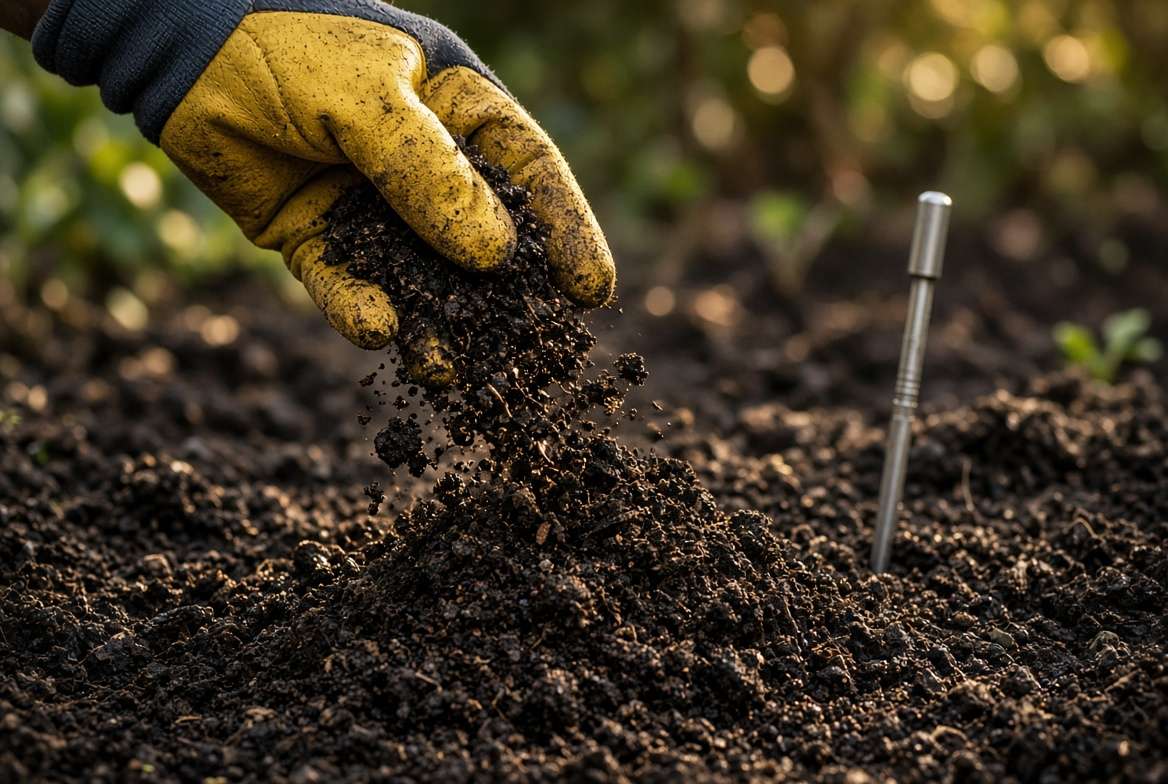
Apply a thick, 2-to-3-inch top-dressing of high-quality organic compost. You do not need to till this in; let the earthworms do the work!
-
Cover the compost with a layer of organic mulch (shredded leaves, straw, or pesticide-free grass clippings). This protects the topsoil from harsh winter rains and insulates beneficial microbes.
Step 3: Soil Testing 🧪
Tomatoes thrive in slightly acidic soil (a pH between 6.0 and 6.8). Over the course of the season, fertilizers, rainfall, and the plants themselves can alter your soil chemistry. Before planting your new rotational crop, perform a basic at-home soil pH test. If the soil has become too acidic, you may need to add a dusting of agricultural lime. If it needs a nutrient boost, a balanced organic fertilizer will ensure your successor crops get off to a flying start.
Frequently Asked Questions (FAQs) 🙋♀️
To help you troubleshoot your specific garden layout, here are answers to the most common questions regarding post-tomato planting.
Can I plant cucumbers after tomatoes?
Yes! Cucumbers belong to the cucurbit family, which is entirely distinct from the nightshade family. They do not share the same diseases, making cucumbers a safe and productive choice to plant in a bed where tomatoes previously grew.
How many years should I wait before planting tomatoes in the same spot?
For optimal soil health and disease prevention, a three to four-year rotation is highly recommended. This means if you grew tomatoes in “Bed A” in 2023, you should not plant tomatoes (or peppers, potatoes, or eggplants) in “Bed A” again until 2026 or 2027.
Can I plant strawberries after tomatoes?
No, this is highly discouraged. Both tomatoes and strawberries are extremely susceptible to Verticillium wilt, a devastating and persistent soil-borne fungus. If the fungus developed on your tomatoes, it will quickly decimate your strawberry patch. Keep these two plants far away from each other in your rotation schedule! 🍓🚫
Conclusion 🌻
Figuring out exactly what to plant after tomatoes doesn’t have to be a guessing game. By simply remembering that tomatoes are nutrient-hungry nightshades, you can easily select the perfect successor crops to bring your soil back to life.
Whether you choose to replenish nitrogen with a vibrant crop of sugar snap peas, naturally fumigate your soil with a fall planting of pungent garlic, or loosen compacted earth with deep-reaching carrots, you are actively participating in the health of your garden’s ecosystem.
Remember, successful organic gardening is an ongoing, reciprocal relationship with the soil. If you take the time to care for the dirt, the dirt will absolutely take care of your plants!
What is your favorite crop to follow up your tomatoes? Are you trying a winter cover crop this year, or going straight for the garlic? Let us know in the comments below! 👇











