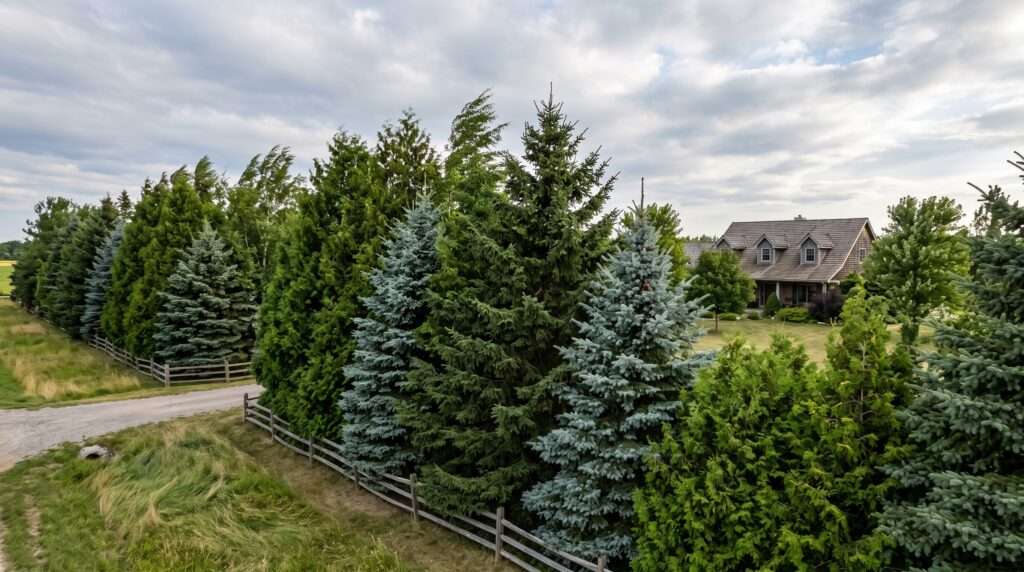
Picture this: relentless winter winds howling across your yard, driving up your monthly heating bills, or sudden strong gusts snapping your prized garden plants in half. Perhaps you just want to block out the irritating tire noise from a busy road or create a private outdoor sanctuary away from prying neighbors. If you are tired of battling the elements, planting the best 10 wind break trees is the ultimate solution to protect your property and reclaim your peace of mind.
An open, unprotected landscape leaves your home completely vulnerable to severe weather and topsoil erosion. While erecting a wooden or vinyl fence might seem like an immediate fix, fences are often too short to block high-velocity gusts, prone to blowing over in severe storms, or heavily restricted by strict Homeowner Association (HOA) height guidelines.
The smarter, long-term approach is planting a living shelterbelt. A strategically placed row of trees acts as a natural shield, absorbing and forcing wind up and over your home. This living barrier drastically reduces wind chill, cuts winter energy costs by up to 30%, and serves as an eco-friendly, permanent solution that adds significant curb appeal to your real estate.
To help you make the right investment, we designed this guide by cross-referencing professional arborist recommendations, USDA climate zone hardiness data, and verified Amazon customer reviews regarding live sapling delivery success rates. Whether you need a fast-growing privacy screen for instant relief or a rugged conifer for a multi-generational property shield, these are the best 10 wind break trees proven to thrive in your landscape.
II. Buying Guide: How to Make an Informed Decision
When investing in live trees on Amazon, picking the first fast-growing plant you see is a common mistake. To choose from the best 10 wind break trees, you must consider your local climate, space constraints, and long-term goals. Here is what you need to know before checking out:
-
Hardiness Zones: Always check your USDA Hardiness Zone before buying. A Leyland Cypress thrives in the intense heat of Zone 9, while a Colorado Blue Spruce is built to survive the freezing blizzards of Zone 2.
-
Evergreen vs. Deciduous: Evergreens (like conifers and hollies) keep their foliage year-round, providing a permanent wind block during the harsh winter months. Fast-growing deciduous trees (like Poplars) shed their leaves in the fall, offering rapid summer wind relief and shade but reduced winter protection.
-
Growth Rate vs. Lifespan: There is a trade-off in the tree world. Trees built for explosive speed (3–8 feet a year) often have shorter lifespans and weaker wood. Slower-growing conifers take time to establish but act as multi-generational investments with massive, deep root systems.
-
Spacing and Layout: Never plant your trees in a solid, tight wall. A solid barrier causes wind to crash into it and create destructive turbulence on the other side. Instead, stagger your trees in two rows to create a permeable filter that slows the wind down safely.
III. At a Glance: Product Comparison Matrix
To keep things mobile-friendly and easy to read, we have combined the core specifications into a streamlined 3-column table.
(Note: Heights and growth rates represent optimal conditions. Live plants ordered from Amazon generally arrive in 1 to 2-gallon pots or as bare-root stakes.)
IV. The Best 10 Wind Break Trees: Detailed Reviews
1. Thuja Green Giant Arborvitae (Best Overall Windbreak)
-
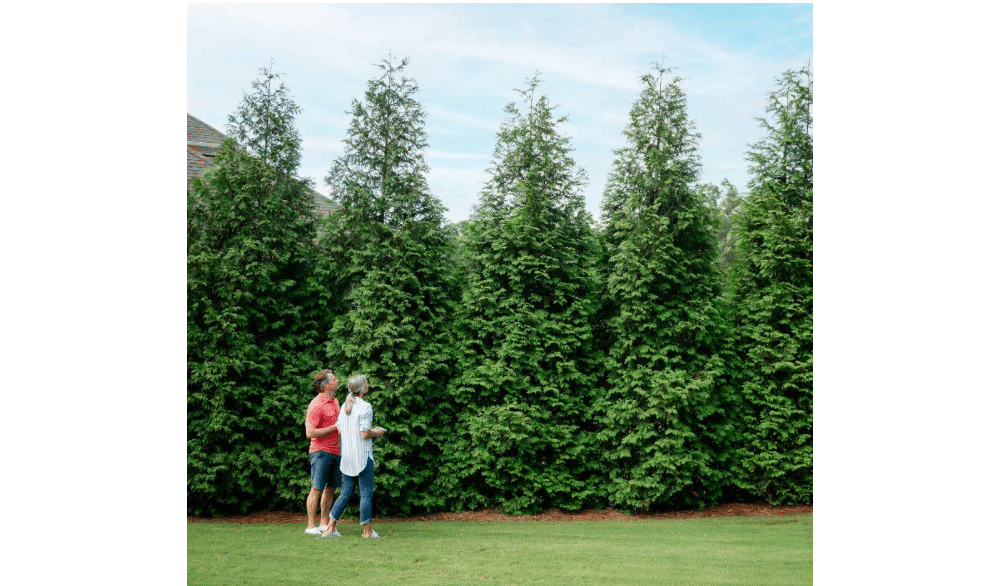
Product Description: The Thuja Green Giant is a powerhouse hybrid conifer that dominates the landscaping industry for good reason. Sporting a natural, uniform pyramidal shape and vibrant green, scale-like foliage that resists winter bronzing, it is virtually maintenance-free. It strikes the perfect balance between blistering growth speed and long-term durability, making it the undisputed king of the best 10 wind break trees.
-
Estimated Price: $206.99
-
Key Features & Benefits: Grows an astonishing 3 to 5 feet per year once established. It naturally maxes out between 30 and 50 feet tall, providing a towering, dense shield. Highly deer-resistant and adaptable to poor soils.
-
Pros and Cons:
-
Pros: Exceptional cold hardiness, zero pruning required, highly resistant to pests and diseases.
-
Cons: Not highly salt-tolerant (poor choice for coastal properties); needs consistent watering during its first year.
-
-
Amazon Customer Ratings & Reviews: Averages 4.5/5 stars. Customers consistently praise the careful packaging of the root balls, noting that the saplings arrive green, hydrated, and ready to plant.
-
Why It’s a Good Choice: The intertwined, thick foliage acts as an impenetrable barrier that diffuses heavy winds without snapping. It doesn’t just block wind; it absorbs it.
-
Ideal Use Case: Homeowners with medium-to-large yards in Zones 5–9 looking for a foolproof, fast, and gorgeous year-round wind and privacy screen.
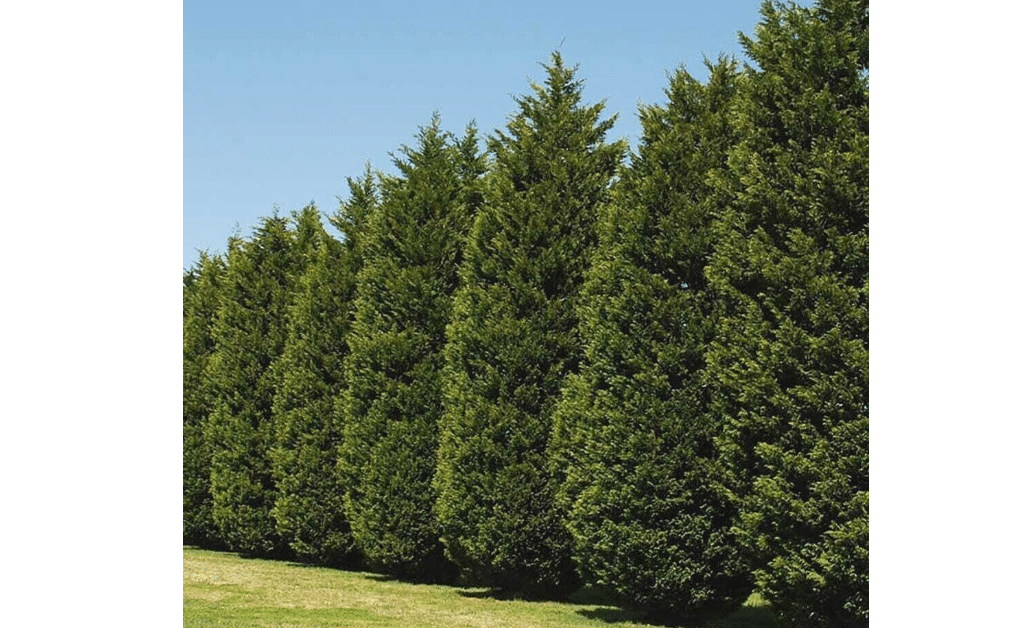
2. Leyland Cypress (Fastest Growing Privacy Screen)
-
Product Description: If you need a massive wall of greenery yesterday, the Leyland Cypress is your answer. This slender, columnar evergreen boasts soft, feathery, needle-like foliage that creates a lush, solid backdrop. Because it adapts so well to high heat and coastal salinity, it is a favorite for southern landscapes.
-
Estimated Price:
-
Key Features & Benefits: Explodes with 3 to 4 feet of new growth per year, easily soaring to majestic heights of 60 to 70 feet. Excellent salt tolerance makes it a top pick for coastal homes.
-
Pros and Cons:
-
Pros: Instant gratification, thrives in intense heat, provides incredible sound dampening.
-
Cons: Shallow root systems make them vulnerable to tipping in hurricane-force winds if planted alone; susceptible to canker diseases in poorly drained soils.
-
-
Amazon Customer Ratings & Reviews: Buyers highly rate its rapid growth, often noting that 2-foot saplings shoot up past their fence lines within a single growing season.
-
Why It’s a Good Choice: Its incredibly dense, interlocking branch structure catches and diffuses high-velocity winds efficiently, turning a windy lot into a calm oasis.
-
Ideal Use Case: Property owners in Zones 6–10 with ample space who need immediate relief from wind and prying eyes, and who are willing to maintain a massive hedge.
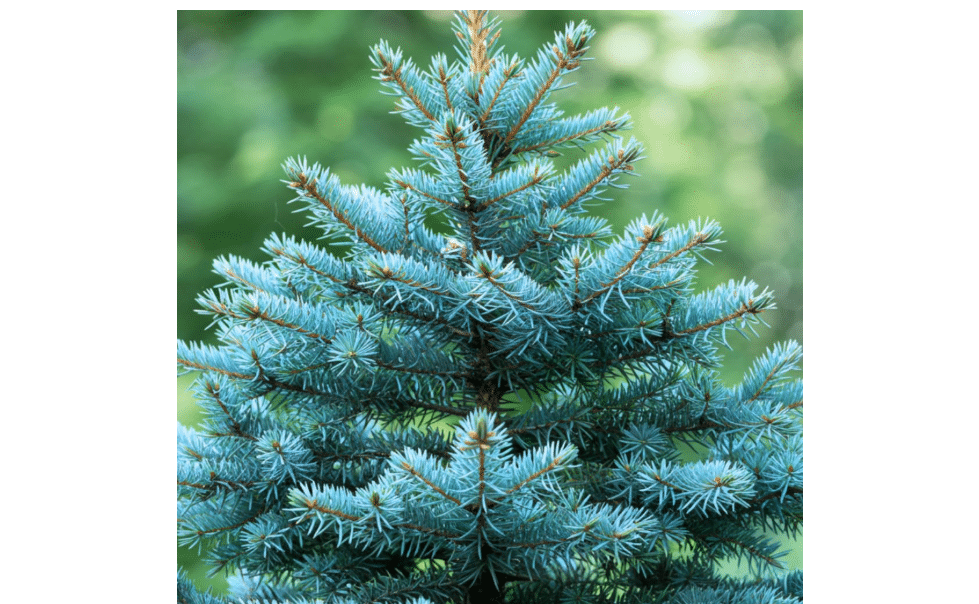
3. Colorado Blue Spruce (Best Cold-Hardy Wind Deflector)
-
Product Description: The Colorado Blue Spruce is a rugged, unyielding survivor. Renowned for its stunning, silvery-blue needles and stiff, horizontal branching, it serves as an absolute fortress against severe winter weather.
-
Estimated Price: $8.90
-
Key Features & Benefits: Survives plunging sub-zero temperatures (down to Zone 2). Stiff, sharp needles make it virtually deer-proof. Branches grow all the way down to the ground, preventing wind from slipping underneath.
-
Pros and Cons:
-
Pros: Unmatched winter hardiness, stunning architectural color, incredible lifespan.
-
Cons: Slower growth rate (1–2 feet per year); sharp needles can make planting and weeding underneath a bit painful.
-
-
Amazon Customer Ratings & Reviews: Customers rave about the robust health of the live deliveries and its impeccable survival rates through brutal northern winters.
-
Why It’s a Good Choice: Its rigid, dense structure is specifically evolved to shed heavy snow and block blinding blizzards. It acts as the ultimate natural snow fence.
-
Ideal Use Case: Property owners in northern climates (Zones 2–7) looking to invest in a permanent, generational shelterbelt against extreme cold and snowdrifts.
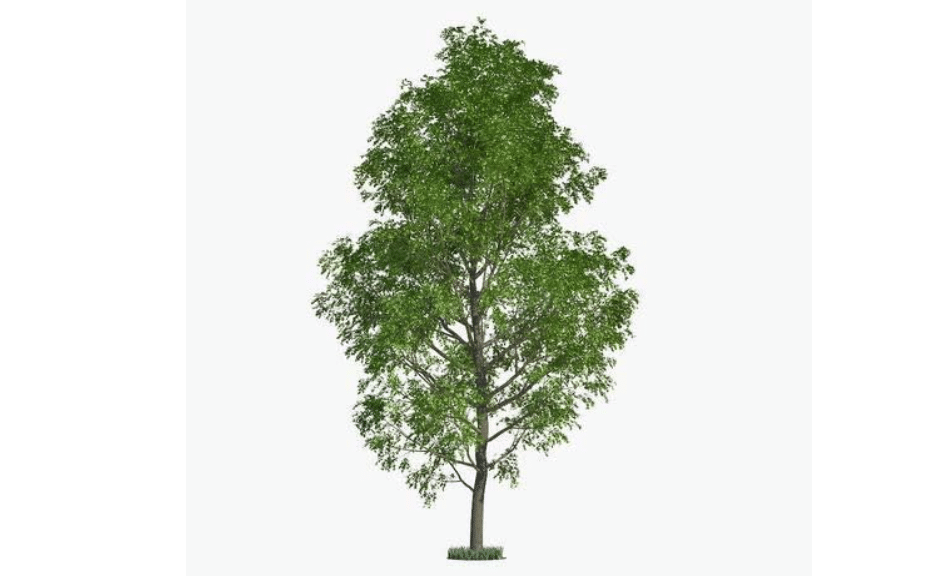
4. Hybrid Poplar (Fastest Deciduous Windbreak)
-
Product Description: Engineered for explosive vertical growth, the Hybrid Poplar can turn a barren, windy property line into a shaded, wind-blocked haven faster than almost any other tree on the market.
-
Estimated Price:
-
Key Features & Benefits: Breathtaking growth rates of 5 to 8 feet per year under optimal conditions. Can quickly reach 50+ feet tall. Extremely adaptable to various soil types.
-
Pros and Cons:
-
Pros: Unbeatable speed for instant wind relief; very economical to buy bare-root cuttings in bulk.
-
Cons: Drops leaves in the winter, significantly reducing its cold-season wind-blocking capabilities; relatively short lifespan (15–20 years).
-
-
Amazon Customer Ratings & Reviews: Reviews are filled with shock and awe at the growth speed, with many buyers reporting a 100% strike (rooting) rate when planting dormant cuttings.
-
Why It’s a Good Choice: It rapidly establishes a microclimate. Savvy landscapers plant Poplars in the outer row for instant wind protection, sheltering slower-growing evergreens planted on the inside row.
-
Ideal Use Case: Farmers, homesteaders, or large-lot owners on a tight budget needing instant spring and summer wind relief.
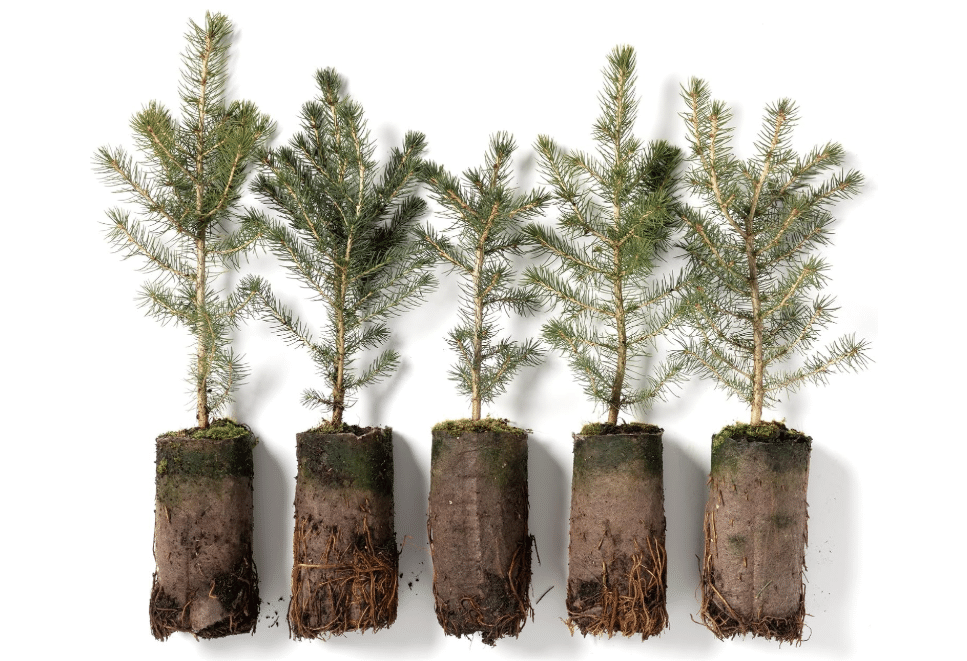
5. Norway Spruce (Best Dense Conifer for Rural Areas)
-
Product Description: A majestic, dark green classic, the Norway Spruce is recognized by its swooping, pendulous branches that drape elegantly toward the ground. It is one of the most widely planted windbreak conifers in North America due to its robust nature, rapid establishment, and ability to thrive in challenging environments.
-
Estimated Price:
-
Key Features & Benefits: Grows an impressive 2 to 3 feet per year. Its massive, deep-reaching root system anchors it firmly against gales. Thrives in varied lighting conditions and adapts to a wide range of soil pH levels.
-
Pros and Cons:
-
Pros: Exceptional cold tolerance (down to Zone 3), acts as an incredible natural sound barrier against highway noise, very low maintenance.
-
Cons: Requires a massive footprint (mature trees can spread 25+ feet wide), making them unsuitable for tight spaces.
-
-
Amazon Customer Ratings & Reviews: Highly rated for its survivability. Buyers frequently comment on the robust, healthy root systems upon delivery and the near-perfect transplant success rates.
-
Why It’s a Good Choice: The weeping, flexible branch structure actively absorbs and dampens wind energy rather than just acting as a rigid wall, significantly reducing destructive turbulence on the leeward side.
-
Ideal Use Case: Acreage owners, farmers, and rural homesteaders needing a long, sprawling windbreak to protect farmhouses, livestock, or wide-open fields.
6. Emerald Green Arborvitae (Best for Small Yards and Tight Rows)
-
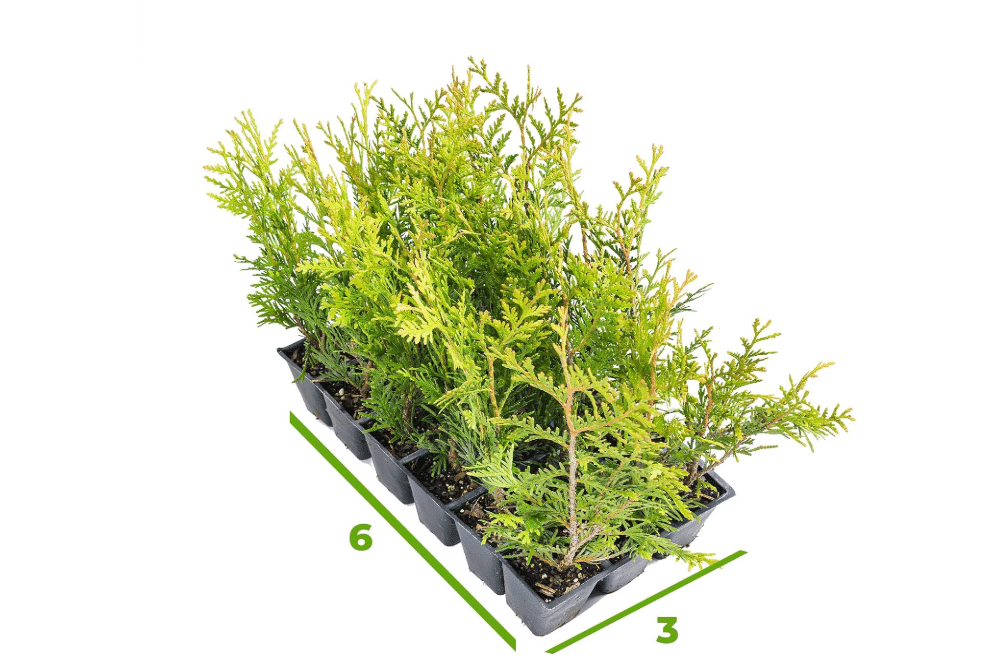
Product Description: For suburban landscapes where every square foot of lawn matters, the Emerald Green Arborvitae is the ultimate “friendly fence.” It grows in a compact, bright green pillar that maintains its color year-round without bronzing in the winter.
-
Estimated Price:
-
Key Features & Benefits: Stays incredibly narrow, maxing out at just 3 to 4 feet wide and 10 to 15 feet tall. The tight foliage is highly resistant to ice and snow damage.
-
Pros and Cons:
-
Pros: Perfect for tight property lines, requires absolutely zero trimming to keep its neat, columnar shape.
-
Cons: Slower growth rate (under 1 foot per year); deer consider them a delicacy, so they require protection if you live in heavily wooded areas.
-
-
Amazon Customer Ratings & Reviews: A top-seller with thousands of reviews. Buyers love using them to block out nosy neighbors, consistently praising their uniformity and vibrant color upon unboxing.
-
Why It’s a Good Choice: It creates a dense, tidy windbreak and privacy screen without eating up valuable real estate, leaving you plenty of room for patios and gardens.
-
Ideal Use Case: Suburban homeowners in Zones 3–8 looking to block winter wind and create privacy in a small backyard without overwhelming the space.
7. Eastern Red Cedar (Most Drought-Tolerant Native)
-
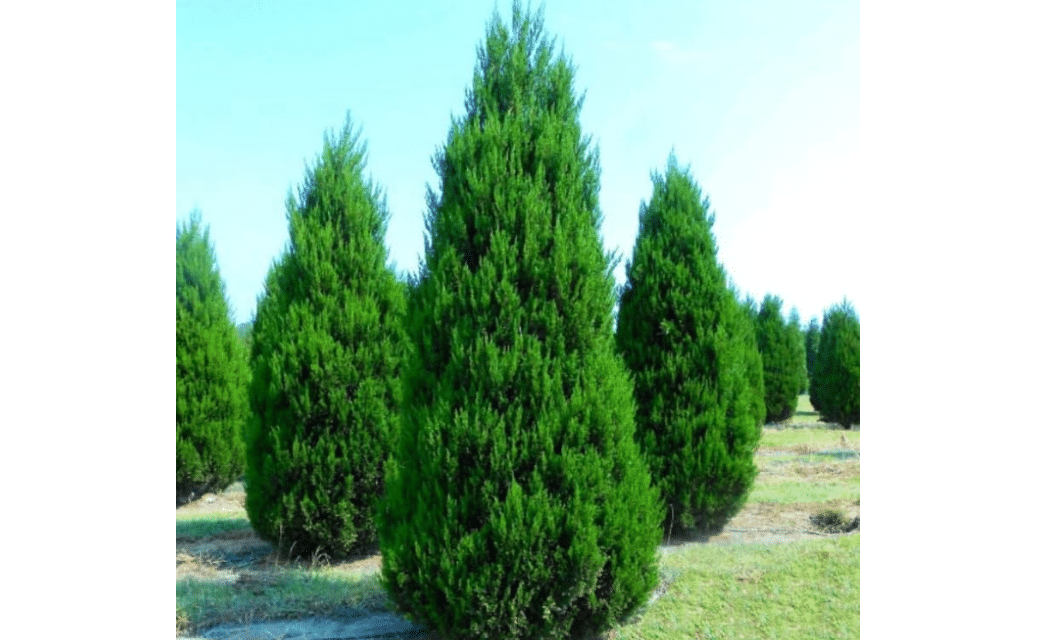
Product Description: Don’t let the name fool you—the Eastern Red Cedar is actually a rugged, native North American juniper. It is the tree you plant when you have punishing droughts, terrible soil, and zero time for maintenance.
-
Estimated Price: $44.99
-
Key Features & Benefits: Highly salt-tolerant and drought-resistant. Female trees produce beautiful blue, berry-like cones that attract a wide variety of native birds and wildlife. The wood is naturally rot-resistant.
-
Pros and Cons:
-
Pros: Virtually indestructible once established; excellent for off-grid or un-irrigated areas.
-
Cons: Can develop a slight brownish-green tint in harsh winters; serves as a host for cedar-apple rust, meaning it should not be planted near apple or crabapple orchards.
-
-
Amazon Customer Ratings & Reviews: Buyers in arid regions and plains states heavily praise its rugged survivability, noting that it thrives even when completely neglected.
-
Why It’s a Good Choice: It thrives in punishing, high-wind environments where more delicate, ornamental trees would quickly desiccate and die.
-
Ideal Use Case: Property owners in the Midwest, Great Plains, or coastal areas looking for a rugged, native shelterbelt that requires zero pampering.
8. Lombardy Poplar (Best Architectural Windbreak)
-
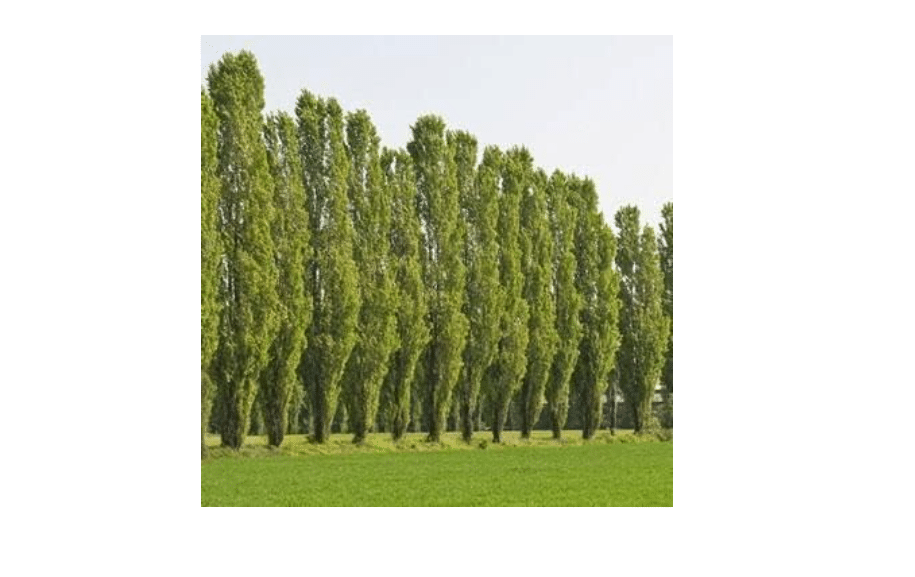
Product Description: A striking, columnar deciduous tree that shoots straight up toward the sky. The Lombardy Poplar is famous for lining the driveways and boundaries of vast European estates, offering a highly architectural, Mediterranean aesthetic.
-
Estimated Price: $19.95
-
Key Features & Benefits: Extremely narrow spread (10-15 feet wide) paired with blindingly fast vertical growth (up to 6 feet per year).
-
Pros and Cons:
-
Pros: Takes up very little horizontal space, highly aesthetic, dirt cheap to plant in long rows.
-
Cons: Susceptible to borers and canker diseases; generally short-lived (expect to replace them every 15 to 20 years).
-
-
Amazon Customer Ratings & Reviews: Customers love the instant “estate” look it provides to flat, featureless properties, highly rating the success of bare-root deliveries.
-
Why It’s a Good Choice: It creates a towering, vertical wind-shear wall without casting massive, permanent shadows over your lawn or vegetable gardens.
-
Ideal Use Case: Gardeners and property owners wanting quick, elegant wind protection along long driveways or fence lines.
9. Nellie R. Stevens Holly (Best Broadleaf Evergreen)
-
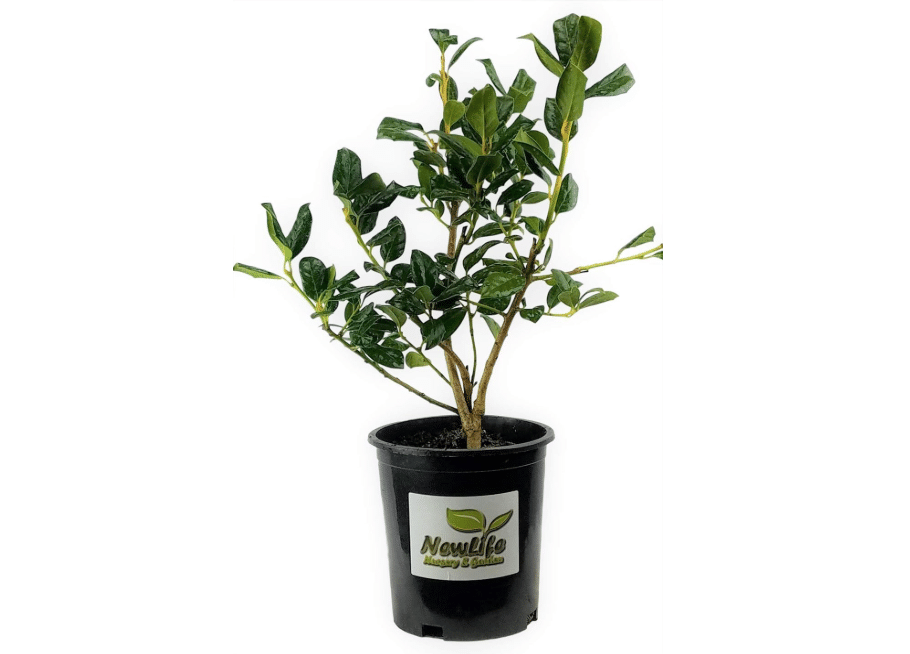
Product Description: Breaking away from the conifers, the Nellie R. Stevens Holly is a dense, dark green broadleaf tree that produces festive, bright red berries in the winter. It brings an upscale, ornamental look to any property line.
-
Estimated Price: $31.99
-
Key Features & Benefits: Maintains dense foliage year-round. It is exceptionally fast-growing for a holly, putting on up to 3 feet a year, and is highly tolerant of southern heat and humidity.
-
Pros and Cons:
-
Pros: Beautiful aesthetic, prickly leaves make the hedge impenetrable to intruders, excellent noise reduction capabilities.
-
Cons: Prickly leaves can be annoying to prune or weed around; requires well-draining soil to prevent root rot.
-
-
Amazon Customer Ratings & Reviews: Highly rated for its arrival condition. Buyers emphasize how well it thrives in southern heat where traditional spruces or firs would perish.
-
Why It’s a Good Choice: The broad, waxy leaves are physically heavier than needles, allowing them to block more wind and effectively absorb traffic noise.
-
Ideal Use Case: Homeowners in Zones 6–9 seeking an ornamental, wildlife-friendly wind and privacy screen that doubles as a home security barrier.
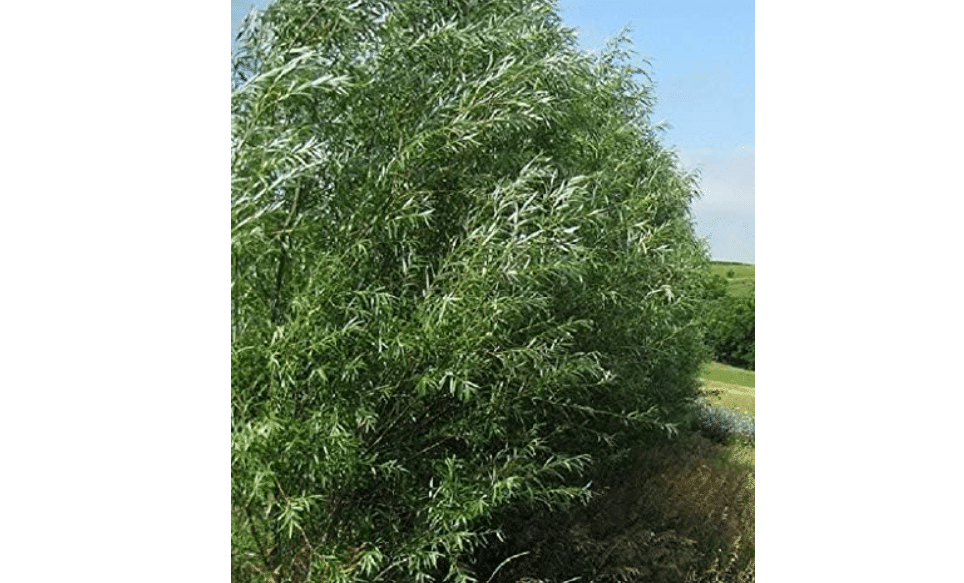
10. Weeping Willow / Hybrid Willow (Best for Wet, Swampy Soil)
-
Product Description: Graceful, sweeping, and thirsty. Willows love water and put on mass at a staggering rate. If your property is constantly soggy and battered by wind, planting a row of willows will solve both problems simultaneously.
-
Estimated Price:
-
Key Features & Benefits: Unmatched water absorption capabilities. Can grow up to 10 feet per year in optimal, wet conditions. Flexible branches bend seamlessly with the wind rather than breaking.
-
Pros and Cons:
-
Pros: Acts as a natural water pump to dry out soggy yards; highly resilient to violent storms.
-
Cons: Aggressive, water-seeking roots will completely destroy plumbing, septic lines, or foundations if planted too close to a house.
-
-
Amazon Customer Ratings & Reviews: The recurring theme across Amazon reviews is “unbelievable growth speed,” with many buyers successfully rooting unrooted stakes directly into muddy ground.
-
Why It’s a Good Choice: The dense thicket of incredibly flexible branches diffuses wind energy exceptionally well, acting like a giant net to slow down gales sweeping off open water.
-
Ideal Use Case: Those with large, low-lying properties or properties bordering lakes and streams, provided there is plenty of distance from structural foundations.
V. Expert Tips for Planting Your Windbreak
Selecting from the best 10 wind break trees is only half the battle; how you plant them determines their success. Follow these expert guidelines to ensure your new shelterbelt thrives:
-
The Permeability Rule: A common mistake is trying to build a solid, impenetrable wall of trees. A windbreak should ideally be 40% to 60% permeable (meaning it lets some air slip through). If a barrier is too solid, wind crashes over the top and creates a low-pressure vacuum on the other side, resulting in violent downdrafts that can damage your home. Staggering your trees allows them to act as a filter, slowing the wind down gently.
-
Soil Preparation & Mulching: When your Amazon saplings arrive, they need immediate hydration. Dig a hole twice as wide as the root ball, but no deeper. Apply a heavy 3-inch layer of organic mulch around the base (keeping it a few inches away from the trunk) to regulate soil temperature and retain essential moisture during the critical first year of establishment.
-
Skip the Permanent Staking: Avoid rigidly staking your new trees unless you are in a hurricane zone. Trees need to sway slightly in the breeze. This movement triggers the tree to build “reaction wood,” resulting in a thicker, stronger trunk capable of withstanding future storms.
VI. Frequently Asked Questions
How far from my house should I plant a windbreak tree? As a general rule, the most effective wind protection occurs at a distance of 2 to 5 times the mature height of the tree. For example, if you plant a 30-foot Thuja Green Giant, it should ideally be placed 60 to 150 feet away from your home. Never plant massive trees right against your foundation, as the roots can cause structural damage and falling limbs pose a hazard.
Is it safe to buy live trees on Amazon? Yes. Modern online nurseries have perfected the art of shipping live plants. Saplings are usually shipped in their dormant state as bare-root stakes or in small 1-to-2-gallon pots with the root balls securely wrapped in plastic to lock in moisture. Always open the box immediately upon arrival and water the roots.
What is the fastest-growing tree for a wind barrier? For an evergreen barrier, the Leyland Cypress is the fastest, growing up to 4 feet per year. For a deciduous barrier, the Hybrid Poplar is unrivaled, capable of shooting up 5 to 8 feet in a single growing season.
Do windbreaks actually save money on heating? Absolutely. By forcing cold winter winds up and over your house, a well-placed windbreak drastically reduces the wind chill on your exterior walls and prevents cold air from being forced through the microscopic gaps around your windows and doors. Studies show this can reduce winter heating bills by 10% to 30%.